Foods You Shouldn’t Store in the Fridge

Every time I return with bags from the market or supermarket, I see a familiar scene: most of the fresh produce immediately goes into the fridge. It’s a habit now — ‘so it doesn’t spoil.’ But over the years, I’ve realized: the fridge is not a magical box. Some foods not only don’t last longer there, but they also lose their taste, texture, and aroma faster. Remember how cold tomatoes taste bitter or how bread becomes sticky. Sometimes the fridge is a trap, not a rescue.
I like to approach storage as an extension of cooking. Here, too, it’s important to feel the product, to know what it wants. Freshness is not just about the expiration date; it’s about real taste, crunch, smell. And also about saving: how many times have you thrown something away from the fridge that dried out or got moldy?
Now I’ll explain why not everything should be sent ‘to the cold,’ how to recognize a quality product at the counter, and what to do to make food last longer and taste better — without unnecessary expenses and disappointments.
Why the Fridge Isn’t a Universal Solution for Everything
The fridge certainly makes life easier. But not every product likes the cold and moisture it creates. Some vegetables, fruits, bread, and spices actually feel better on a shelf or in a cupboard. It’s not just about temperature — it’s also about humidity and air circulation. What is a salvation for milk or meat can be a disaster for bananas or coffee.
I’ve often caught myself thinking: ‘Let it stay here, it won’t get worse.’ Then I see: bananas are black, tomatoes are mushy, onions are rotting, and bread is like a sponge. Often it’s not a question of time, but of conditions. The fridge can make a product not spoiled, but also not tasty. Sometimes it’s better to eat less, but on time, than to ‘save’ it for three more days in the wrong conditions.
Tip: if in doubt, it’s better to check by touch and smell than to automatically hide it in the fridge.
Vegetables and Fruits That Don’t Like Cold
Most fruits and vegetables come from warm regions. For them, cold is stress. They change structure, wilt faster, or even get spots. Here are some examples from my experience.
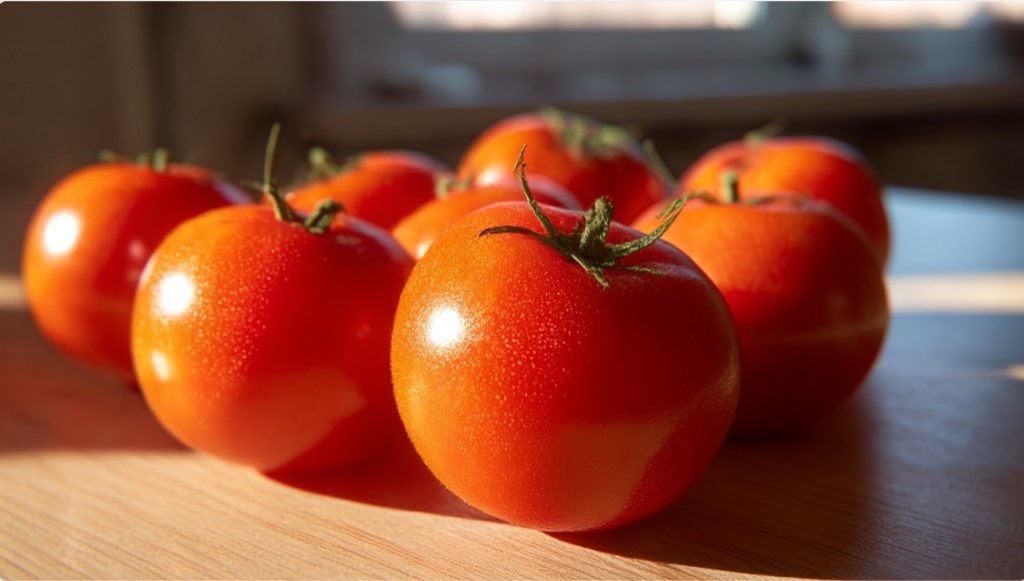
Tomatoes
One of the most common mistakes is putting tomatoes in the fridge. They lose aroma, become watery, and the skin dulls. I always look for those that smell like the sun and have firm but not hard skin at the market. At home, I place them in a basket, away from the sun and radiators. At 18-22°C, tomatoes ripen and become sweeter. In the fridge, this process stops, and the taste ‘fades.’
Life hack: if you bought slightly unripe tomatoes, leave them on the windowsill — in a day or two, they’ll ripen, and the taste will be completely different.
Bananas, Mango, Avocado
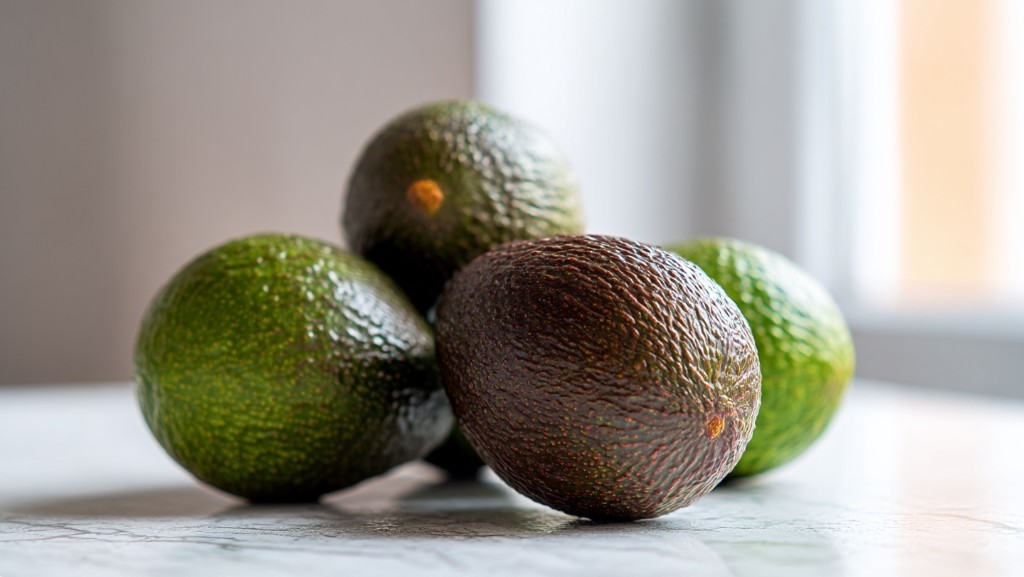
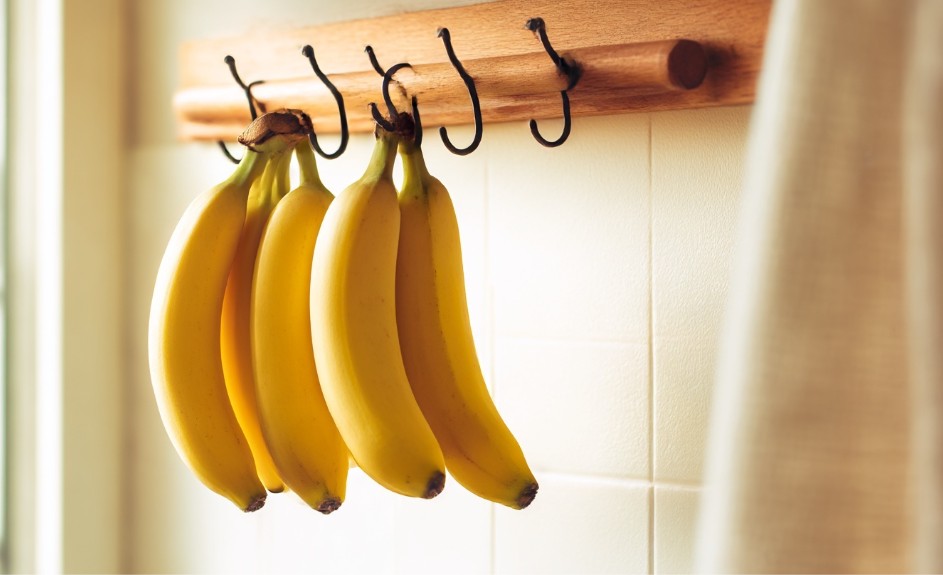
Tropical fruits are not made for the cold. Bananas darken and harden, avocados stop ripening and can even ‘freeze.’ I choose bananas with evenly yellow skin, without dark spots at the base — a sign they are already aging. Mangoes should have a slight smell and softness to the touch. I place all these fruits on the table or in a fruit basket at home. If you need to slow down ripening, you can keep them in the fridge, but not for more than a day.
With avocados, it’s simple: ripening — in the kitchen, ripe — eat as soon as possible.
Potatoes and Onions
After the fridge, potatoes become sweet — starch turns into sugar, and when frying or baking potato dishes, an unpleasant taste forms. Onions quickly mold and sprout in a humid environment. I buy potatoes with a matte skin, without suspicious spots, onions — firm and dry. I keep them in a paper bag or mesh, in a dark, cool place. The main thing is not to store them together, as onions accelerate potato sprouting.

Garlic
The fridge ruins the structure of garlic, making it soft, bitter, and quick to sprout. My tried-and-true method: buy heads with dry skin, store in a cloth bag or basket, in a ventilated cupboard. The true aroma of garlic disappears in the cold — it’s no longer the product that gives a dish its real ‘character.’
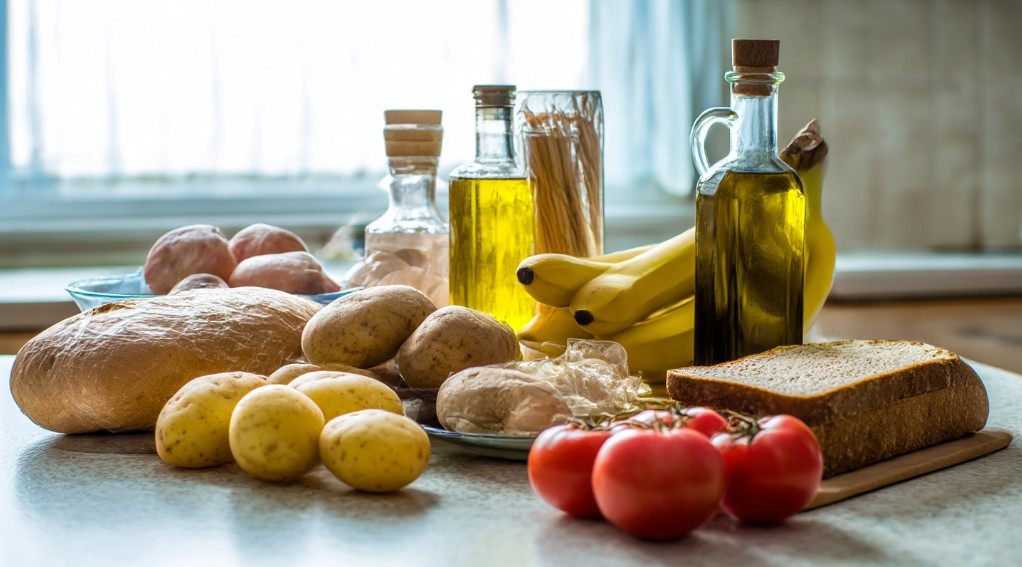
- Tomatoes — outside the fridge, in a basket
- Bananas, mango, avocado — on the kitchen surface
- Potatoes, onions, garlic — in a dry, dark place
Bread and Pastries: Why the Fridge Is the Enemy of Freshness
A friend once brought homemade bread and complained that after two days in the fridge, it started to ‘wander’ and dried out. This is a classic situation. In the fridge, bread quickly goes stale because starch molecules crystallize at low temperatures. The taste disappears, and the texture becomes rubbery. It also absorbs the fridge’s smell, especially if something ‘aromatic’ is nearby.
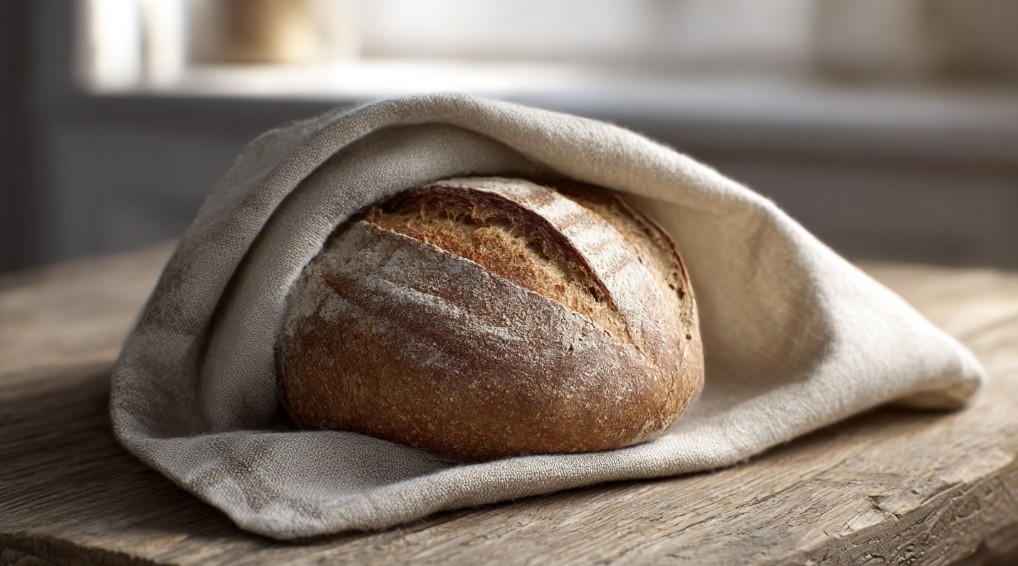
I always advise: better less, but fresh. Bought bread — leave part of it on the table in a cloth towel. If you see you won’t eat it — freeze a piece, then reheat it in the oven. Pastries (buns, croissants, homemade cookies) also don’t like the fridge — they become moist and lose their crunch. If you need to keep them longer — a sealed box in a dry place.
Tip: it’s better to cut bread just before eating — it dries out less this way.
Oil, Honey, Coffee, and Spices: Aromas That Are Lost
Another common mistake is putting oil, honey, or coffee in the fridge. It seems ‘logical’: it will last longer. But in reality, the cold destroys their nature.
Oil
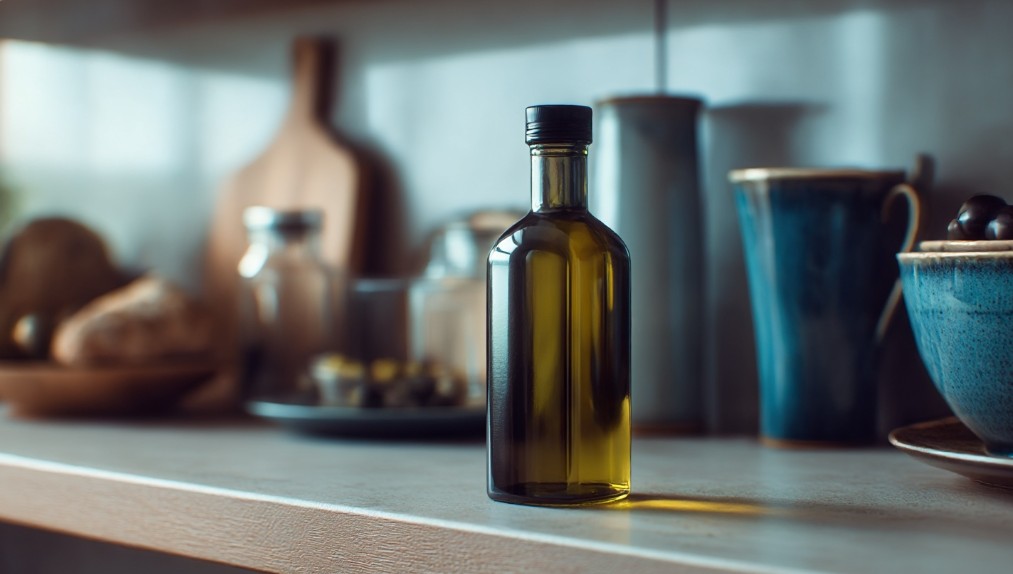
Refined oil should not be cooled at all — it becomes cloudy, viscous, and when heated, it returns the smells it has already ‘absorbed.’ Olive oil thickens at low temperatures and loses its characteristic note. I buy oil in a clear bottle, look at the color (yellow-green, without sediment), and smell it — it should have a light nutty aroma. I store it in a cupboard, away from the stove and sun.
Honey
Real honey crystallizes in the cold, becomes hard, and loses aroma. I get honey from familiar beekeepers — I look for a thick, viscous consistency, a floral aroma. In the fridge, it quickly ‘settles,’ becoming like candy. Keep the jar tightly closed in the kitchen cupboard.
Coffee and Spices
Coffee in the fridge absorbs moisture and smells. Beans lose their crunch, ground coffee becomes limp. I buy coffee in small portions, store it in an airtight jar. Spices also don’t like the cold — essential oils evaporate, aroma disappears. Dried herbs, pepper, cinnamon — all of these should be stored in a dark, dry cupboard.
- Oil — in a cupboard, away from heat
- Honey — on a shelf, tightly closed
- Coffee, spices — in airtight jars, in a dry place
Tropical Exotics and Berries: Special Nuances
Some seasonal fruits are particularly capricious. For example, pineapple, papaya, passion fruit, kiwi. They quickly absorb moisture, change texture with sudden cooling. I always pay attention to the smell — ripe pineapple smells even through the skin, papaya is firm but not hard. Berries are a separate story. Strawberries, raspberries, blackberries become watery after the fridge, easily mold. If you bought fresh — it’s better to eat them right away, and if you need to store them — lay them in a single layer on a plate, let them ‘breathe.’
Tip: don’t wash berries in advance — moisture accelerates spoilage.
Common Storage Mistakes
I know from personal experience: most products spoil not because we know little about them, but because of automatism. Everything goes into the fridge, everything goes into bags. Here are a few things that often become a trap.
- Storing in plastic bags without air access (vegetables ‘suffocate’ and rot)
- Products with different smells lying next to each other (for example, apples and onions — apples absorb the smell)
- Lack of proper placement: for example, potatoes under a radiator or in the sun quickly sprout
- Moisture on the surface of fruits or vegetables — ideal conditions for mold
If in doubt about a new product — it’s better to place it separately and monitor for a few days than to risk spoiling the whole batch.
Tip: always cut off damaged parts — mold and rot spread quickly.
When It’s Worth Paying More: Price and Common Sense
I’ve often heard: ‘It’s more expensive, why overpay?’ But there are products where price is a guarantee of quality and taste. For example, farm bread, real oil, honey from a beekeeper, fresh coffee. Such products don’t need a fridge because they are alive, natural, without preservatives. Their taste is revealed even at room temperature. I always ask the seller: when was it harvested, are there certificates, where is the product from. Don’t be shy to try, smell, ask. Taste, aroma, appearance — all these will tell you if it’s worth taking.
On the other hand, not all ‘elite’ products are justified. Good marketing is not always about quality. Look at the packaging: if it’s airtight, clean, without damage — that’s a plus. But it’s better to choose what looks natural, without unnecessary shine and artificial colors.
- Real taste doesn’t need ‘freezing’
- Buy as much as you can realistically eat
- Quality is often felt by touch and smell
Seasonality: How to Choose and When to Buy
Another thing often forgotten is seasonality. A product bought in season lasts longer even without a fridge. Summer tomatoes are juicy and fragrant, winter ones are watery because they are greenhouse-grown. New harvest potatoes don’t need cold if kept in a dark place. I always try to buy what’s ‘at its peak’ — such products are full of flavor, last longer. And they’re cheaper too.
At the market, seasonality is immediately visible: smell, appearance, crowds of people near the seller. Don’t be shy to ask when it was harvested, where the product is from. If you see ‘perfect’ apples in March — they’re probably from the fridge, and there’s little taste left.
Tip: buy in small batches — less chance of spoilage.
How to Store at Home: Simple Rules and Life Hacks
Many think that preserving taste requires some complex systems or containers. In fact, it’s simpler.
- Keep vegetables and fruits separate from products with strong smells
- Use cloth, paper, or mesh bags
- Don’t buy in large batches if you don’t plan to use them quickly
- Regularly inspect supplies — remove spoiled items immediately
- Don’t wash fruits and vegetables in advance — only before consumption
- Bread — in a towel, pastries — in a box, spices and oil — in a cupboard
Micro-story: once I hid greens in a jar of water, covered with a bag. It lasted a week, without losing color or smell. You just need to find your way and not be afraid to experiment.
Another life hack: if there are leftover cut vegetables or fruits — wrap them in cling film and keep them separate from whole ones, otherwise everything will spoil.
How Food Behaves When Cooked After Being Stored ‘Wrongly’
Here’s what’s most interesting — how food changes after improper storage. Tomatoes from the fridge are always sour, lose sweetness, even in a salad you can feel the ‘mushiness.’ Bread doesn’t brown, it just heats up, becomes sticky in a toast. Coffee is already ‘dead,’ even if freshly ground. Berries are runny, tasteless. Oil has a rancid smell. Garlic is soft, without sharpness, doesn’t ‘shoot’ in the dish.
One of the most striking mistakes: once a friend brought homemade honey that he ‘saved’ in the fridge. It turned into a hard mass that you couldn’t even scrape with a spoon. After room temperature — a completely different matter: floral aroma, pleasant viscosity.
Tip: if you see that a product has changed appearance or smell after storage — it’s better not to risk it, use it for thermal processing or throw it away.
My List of Foods That Definitely Don’t Belong in the Fridge
To not get lost in information, here’s a short list of what I never put in the fridge (or do so only in exceptional cases):
- Tomatoes
- Bananas, mango, pineapple, avocado
- Potatoes, onions, garlic
- Bread, pastries
- Coffee, spices
- Honey
- Oil (except for some nut oils, but that’s another story)
- Berries (better to eat immediately or carefully store in open containers)
- Melons, watermelons (whole, not cut)
I always advise: before hiding something in the fridge, remember how it lies at the market or with farmers. If it’s fresh, fragrant, crunchy there — it will find its place at home without ‘frost.’
Everything we eat affects not only our taste but also our mood, well-being, even memories. Storing products correctly is not about complexity, but about attention. Pay attention to them, feel what they want — and the fridge will stop being a universal ‘graveyard,’ and the kitchen will become alive.
What foods did you used to always hide in the fridge, and then changed this habit? Share in the comments — it’s interesting to read your stories and life hacks.