A Restaurant in the Style of a Gastropub: What to Pay Attention to and How the Chef Evaluates

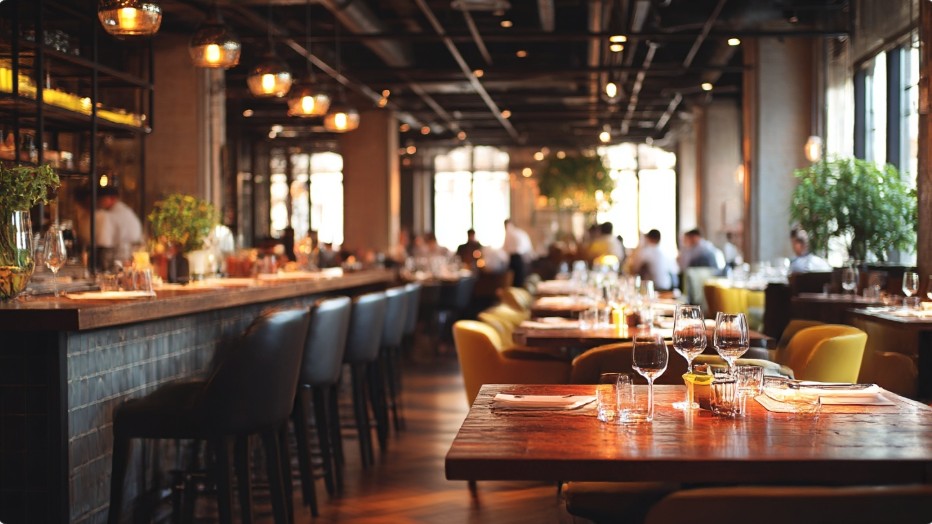
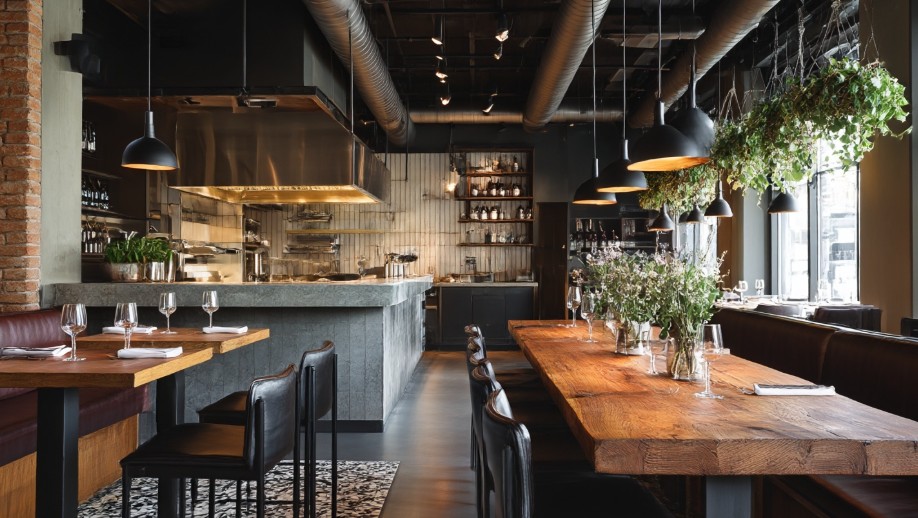
In my memory, there are a few moments when I first stepped into a gastropub—not a restaurant in the usual sense, not a pub, and not a café, but a modern space where food and drinks coexist on the same level as the atmosphere. Often, it looks like this: a dull evening, light rain outside, and inside—noise, laughter, bar stools, bustling staff, an open kitchen, and plates where every ingredient has its own character. Such places do not give the feeling of a ‘dress code’; you don’t have to pretend to be a gourmet, but you can’t help but notice: everything around you is thought out to the smallest detail. And this is the main mystery of a gastropub: why does food in such a place remain more memorable than in restaurants with white tablecloths?
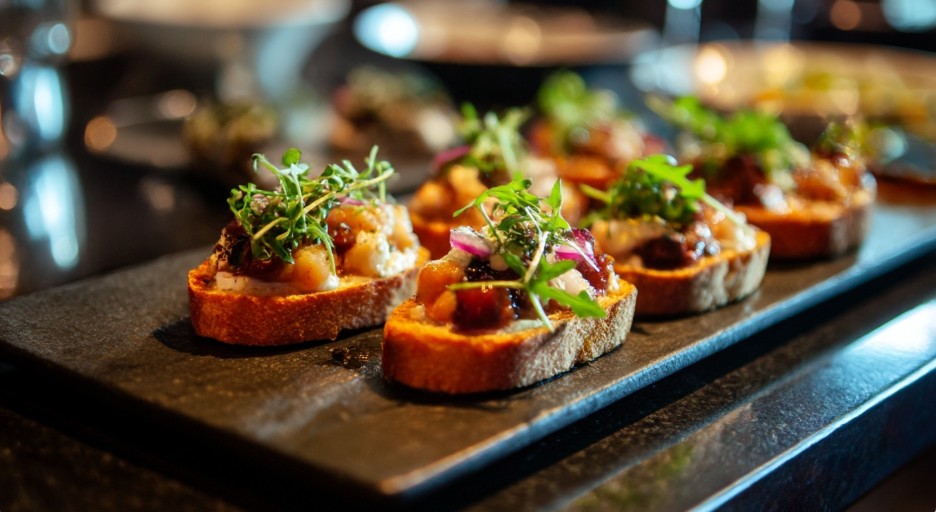
What is a gastropub and why it’s not just a restaurant
A gastropub is a relatively new format for Ukraine. It is often confused with a bistro, pub, or just a trendy restaurant, but it’s not just about the menu or prices. A gastropub is a place where democracy meets haute cuisine. Here, they are not afraid to experiment, but they don’t chase complex techniques for the sake of effect. The main thing is taste, atmosphere, movement. People come not only to eat but also to talk, to be in their circle, to feel part of something bigger.
In a gastropub, food is often served in small portions that are easy to share with friends. The menu is short but constantly updated—it’s easy to guess the chef’s handwriting, who is not afraid of change. Drinks are on par, sometimes even more interesting than in a cocktail bar. And then there’s freedom: in the form of presentation, in communication, even in how you sit at the table. I’ve often seen guests come after work, take off their jackets, and just relax, not worrying about what others might think. This is the essence of a gastropub.
Atmosphere as the main dish
Very often, when talking to people about gastropubs, the first thing they mention is not the dish but the feeling: “It was cozy there,” “I liked how the music played,” “We sat by the kitchen and watched them cook.” The atmosphere is what creates the mood and determines whether you want to return. But how to feel this atmosphere not superficially, but more deeply—from the perspective of someone working in the kitchen?
I often pay attention to the little things: how it smells, whether there is a smell of coffee or fried olive oil in the hall, whether you can hear the bartender working. In a good gastropub, the air is not heavy, and freshness is combined with a light aroma of spices. The light doesn’t hurt the eyes, but it doesn’t create a basement feeling either. Music is in the background, not shouting, but setting the pace. And most importantly—the people: the staff who move confidently but without fuss. There is rarely pomp here, but there is sincerity.
Tip: If you want to understand whether your evening at the gastropub will be successful—look at how the guests at neighboring tables behave. There are usually many smiles and little tension.
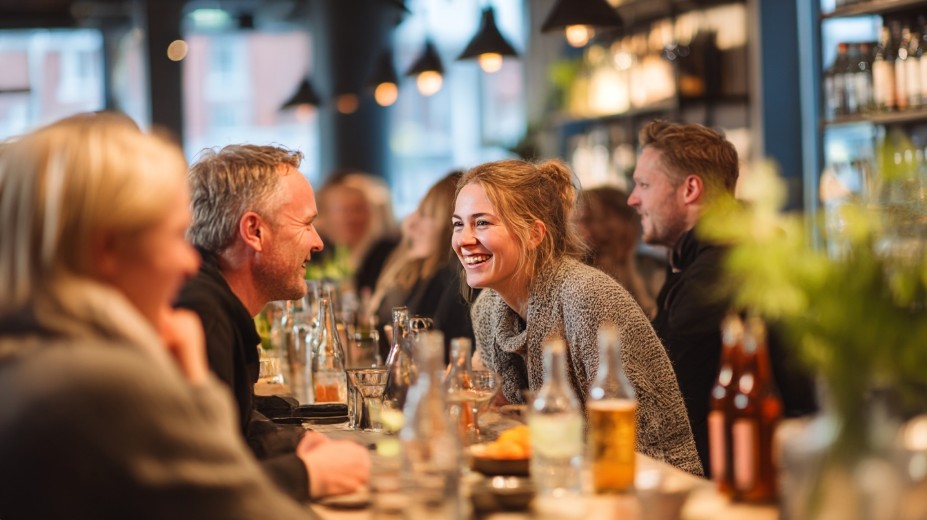
Gastropub food: simplicity with character
One might think that a gastropub relies on trendy dishes or Instagram-worthy presentations. In fact, the main idea is a balance between simplicity and surprise. I’ve been to places where ordinary potato pancakes with mushrooms and sauce became the main hit of the evening thanks to the right texture and an unusual accent. Another time, I was impressed by a cold beet appetizer served with cheese and crunchy nuts: nothing complicated, but the taste was a revelation.
Chefs in gastropubs often work with local products and are not afraid of seasonality. They can replace an ingredient in a dish depending on what fresh produce they managed to buy. That’s why the menu here is dynamic, and classics are not a dogma but a base for play. Personally, I always evaluate a gastropub not by the number of items but by whether the dishes have ‘soul’: whether it feels like the person who cooked it loves food themselves.
Microstory: unexpected taste
Once, in a small gastropub in Podil, I ordered a dish I would never choose in a regular restaurant—pasta with chanterelles, lemon, and goat cheese. It sounds simple, but the combination of sourness and saltiness, plus the tender texture of the mushrooms, made it my favorite of the season. Such dishes are not about complexity but about taste that leaves an emotion.
The bar as the heart of the gastropub
In classic restaurants, the bar is often just a place where drinks are kept. In a gastropub, the bar is the center around which everything revolves. Here, they are not afraid to experiment with cocktails, often have their own infusions, seasonal mixes, and the bartender can offer something not on the menu, based on your mood.
I love sitting at the bar: hearing the ice cubes clinking against the glass, watching the bartender quickly slice citrus, observing the whole little show. It’s important that drinks are in dialogue with the food. When the bar and kitchen don’t communicate with each other, it’s immediately noticeable: the taste of the dish and the drink don’t support each other but compete. In a good gastropub, this balance is felt even in the details—for example, in how they serve water or offer a non-alcoholic set for tasting.
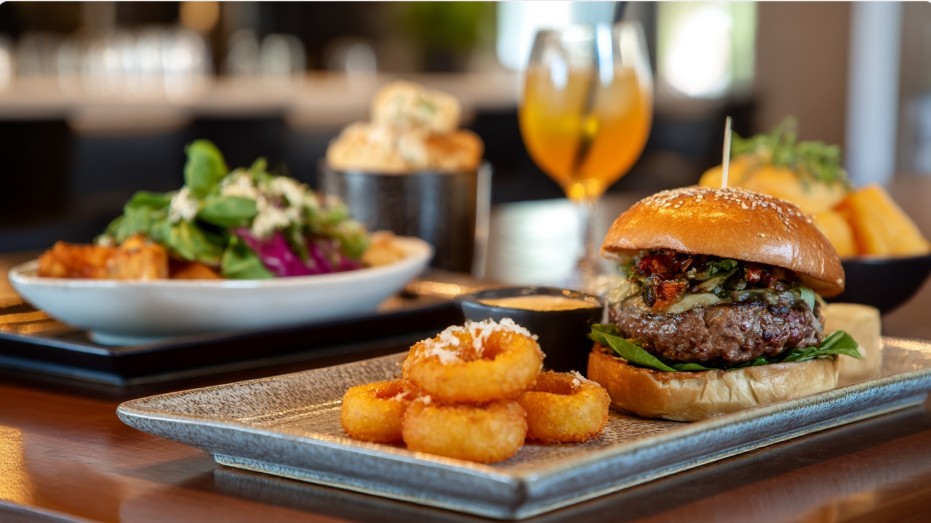
- Lifehack: Ask the bartender what they like themselves. Often, this leads to new discoveries.
Openness and communication: how the staff sets the tone
There is a feeling that the staff in a gastropub not only performs their duties but also creates the mood. Here, the waiter is not a servile ‘plate carrier’ but a person who can tell you how a dish was prepared, why a particular sauce was chosen, or even advise you on what not to order today. Chefs often come out to the hall, communicate with guests, listen to feedback—it’s part of the culture.
I remember an instance when a waiter immediately said, “I don’t recommend this dish today—we had a problem with the product.” At first, I was surprised, but then I appreciated the honesty: better this way than disappointment from an imperfect dish. A gastropub is about openness, they are not afraid to admit mistakes and do not try to hide small failures. For me, this is an indicator of a healthy atmosphere.
By the way, here’s an article about: 10 culinary lifehacks that will save even a hopeless dinner
Tip: Pay attention to whether the staff knows the menu by heart, whether they sincerely recommend, or just repeat memorized recommendations. This says a lot.
Common mistakes and how to avoid them
Even in the best gastropubs, mistakes happen. The most common is when they try to ‘overplay’ the concept: the menu becomes too inventive, and as a result, the taste gets confused, and the dish loses its integrity. Or, on the contrary, when they cook ‘for the photo,’ forgetting about temperature, texture, even salt. Another problem is when the staff gets too carried away with communication and forgets about service: guests wait too long, and waiters seem to disappear from view.
From my own experience, I know—sometimes you want to surprise everyone at once: in choosing products, in presentation, and in the story of the dish. But it’s risky: it’s easier to make one strong thing than ten average ones. Another nuance: excessive noise. If the place is overcrowded and doesn’t have zones for quiet dialogue—for many, this is a minus. A gastropub should be lively but not tiring. It’s important to maintain a balance between movement and comfort.
- Lifehack: If you see that the staff can’t cope—it’s better to focus on simple menu items, they are usually more stable.
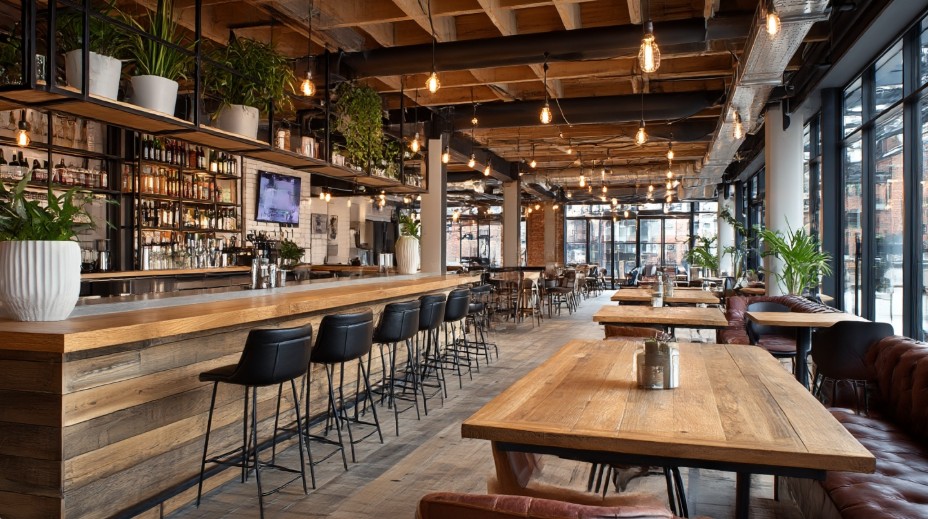
The human dimension: gastropub as a meeting place
I am always impressed by how gastropubs become a space for completely different people. Young companies, family dinners, meetings of colleagues, even couples on a first date. There is rarely formality here: the atmosphere is relaxed, informal, but this is exactly what gives space for genuine communication. I’ve often observed how people at a neighboring table got acquainted, united simply by a taste for life and curiosity about new experiences.
For many of my friends, a gastropub is no longer just a place to ‘sit,’ but part of a ritual. Some go there on Fridays after work, some celebrate small personal holidays. In one Kyiv location, I’ve often seen the chef come out to greet regular guests by name. This is how something that cannot be bought with money appears—a sense of community.
Microstory: accidental meeting
Once, I found myself in a gastropub in Poznyaky, where I knew almost no one. At the neighboring table, they were celebrating a birthday. At some point, they turned to me with a question about wine, and the conversation lasted for an hour. I left the place with new acquaintances and a feeling that this place is more than just a point on the city’s gastronomic map.
Gastropub in the context of the city: a new culture of communication
Once in Kyiv or Lviv, going to a restaurant was an event for which they prepared, chose clothes, saved money. Gastropubs have broken this distance: here you can come in jeans, order one dish and a cocktail, sit for an hour, and not feel pressure. This has changed the culture of communication—food has become part of the dialogue, not the main reason for the meeting.
I see how people increasingly choose a gastropub for informal business conversations, for dates, even for a lonely evening with a book at the bar. The modern urban rhythm requires places where you can be yourself—and gastropubs meet this need.
How the chef evaluates: what I pay attention to
When I come to a gastropub as a guest, I can’t turn off the ‘chef’ in me. I always look at a few things. First, how the team works. If it’s clear that everyone knows their role, there’s no fuss, and the cooks don’t argue with each other right in front of the guests—this is already a good sign.
Next, speed and consistency: whether drinks are brought with the dish, whether there is logic in the presentation, whether hot dishes don’t cool down on the way to the table. I definitely evaluate the temperature of the plates (even by touch), because it’s a small thing that says a lot about the organization of the process. Another thing: cleanliness not only in the hall but also in the restroom—this reflects the attitude to work in general.

- Lifehack: Look at the open kitchen—whether the cooks work in gloves, how they communicate with each other, whether they clean the workspace after each dish.
And, of course, I look at the menu: whether there are seasonal items, whether the description is real (without exaggerations and ‘creative’ names that mean nothing). A real gastropub is not afraid of honesty: if something is out of stock—they say so, if a dish didn’t work out—they explain why. The most valuable thing is when a guest feels that they are expected and listened to here.
Gastropub: traditions and innovations on one plate
A gastropub is always a search for balance. On the one hand, they respect simple products, cook familiar dishes: potatoes, local vegetables, seasonal fish, farm meat. On the other hand, they are not afraid to add something unexpected: Asian spices, unusual sauces, new techniques. This is not a contradiction but a special feature of a gastropub: they mix traditions and modernity, and everyone can find something of their own.
I know several chefs who deliberately leave one or two ‘grandmother’s’ dishes on the menu—for example, borscht or homemade dumplings, but serve them in a way that it’s a different experience. Not to surprise, but to remind: food is part of history, but it can be rewritten anew. Thanks to such details, a gastropub becomes a meeting point for generations, the tastes of the past and the present here do not quarrel but coexist.
How to choose your gastropub: a few practical tips
When choosing a gastropub, I pay attention not to the size of the menu or the price tag, but to the feeling of space. If it feels cozy from the doorstep, if you want to stay for another dish—this is a sign. It’s worth reading reviews, but not getting hung up on them: often the most interesting places have not yet made it to the top. Listen to yourself: whether there is a desire to return, whether you want to recommend this place to friends. This is the most honest criterion.
- Lifehack: Pay attention to whether the establishment works with local products—this indicates flexibility and respect for taste.
A good gastropub is not just food and drinks, but an event you want to repeat. Here, they value your time and your mood, they don’t try to make you a ‘proper guest.’ It’s a space for people and for food that has a voice.
Gastropubs are not a trend but already a part of urban life. They provide a sense of freedom, where the main value is authenticity: in the dish, in the conversation, in the atmosphere. For me, such places are like the open kitchens of a big city: they cook not only food but also a new culture of communication. I’m always happy to hear what impressions gastropubs have left on you: is there a place in your city where you want to return again and again? Share your stories—I’m curious about what is important to you in a gastropub.