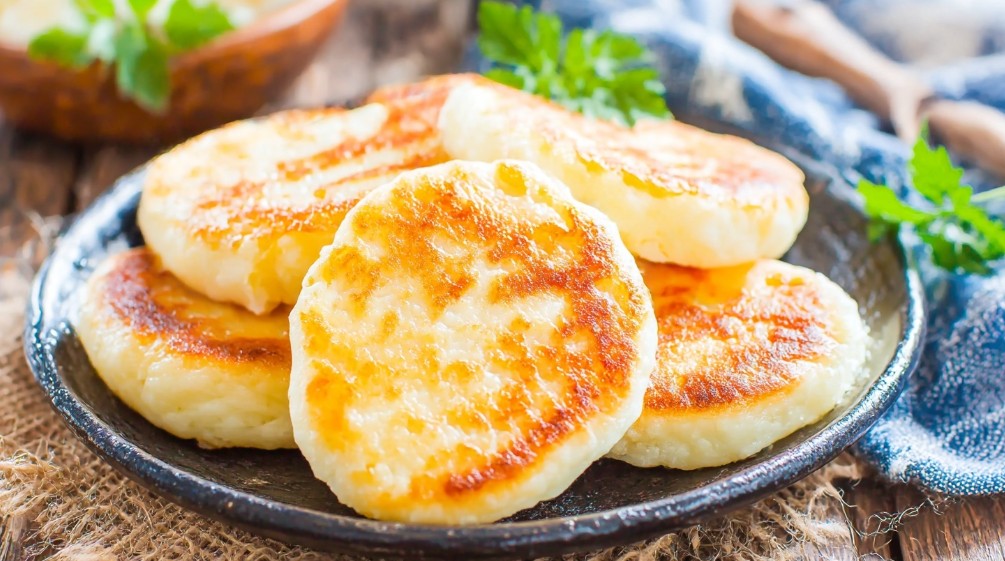
I remember standing in the middle of the market for the first time with a short list for syrniki and a long list of doubts in my head. Which cheese isn’t ’empty’? Will they sneak starch under the guise of flour? And where did that familiar taste go if the syrniki fall apart or become ‘rubbery’? With the advent of gluten-free diets, there are even more questions. It’s not just about ‘what to replace flour with,’ but how to avoid unnecessary risks for those who truly can’t have gluten — and not lose the pleasure of eating.
Gluten-free syrniki are not about sacrifices or compromises if you approach them carefully. The choice of each ingredient here matters more than it seems. I learned this not from books but in my kitchen when I first made syrniki for a child with celiac disease. It turned out that products that seem safe sometimes hide gluten — or simply don’t give the result you expect. Today, I’ll tell you how to choose everything you need for truly delicious and safe gluten-free syrniki. No panic, no extra costs, no disappointments.
Cheese — the Heart of Syrniki: How to Choose and Not Miss
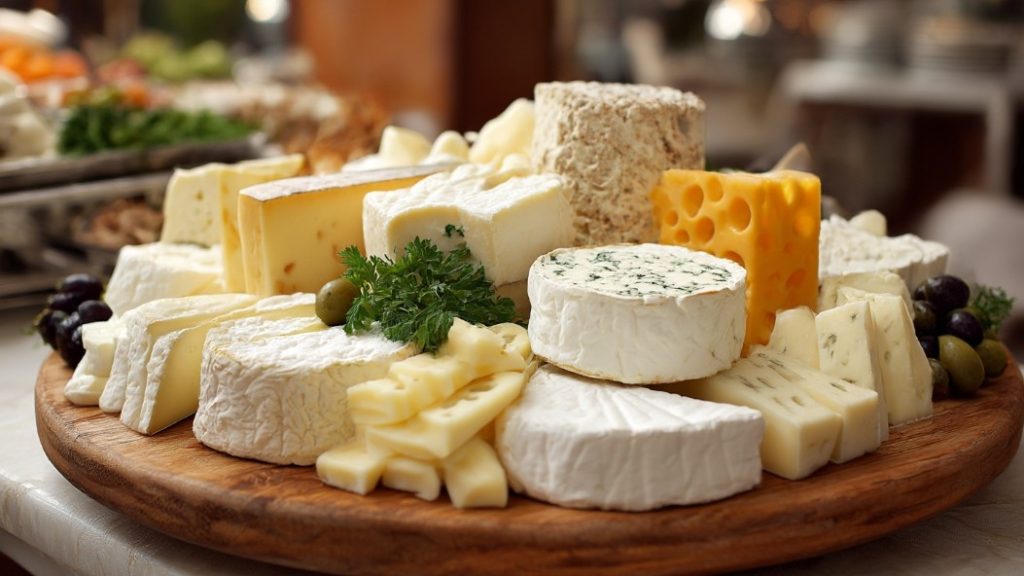
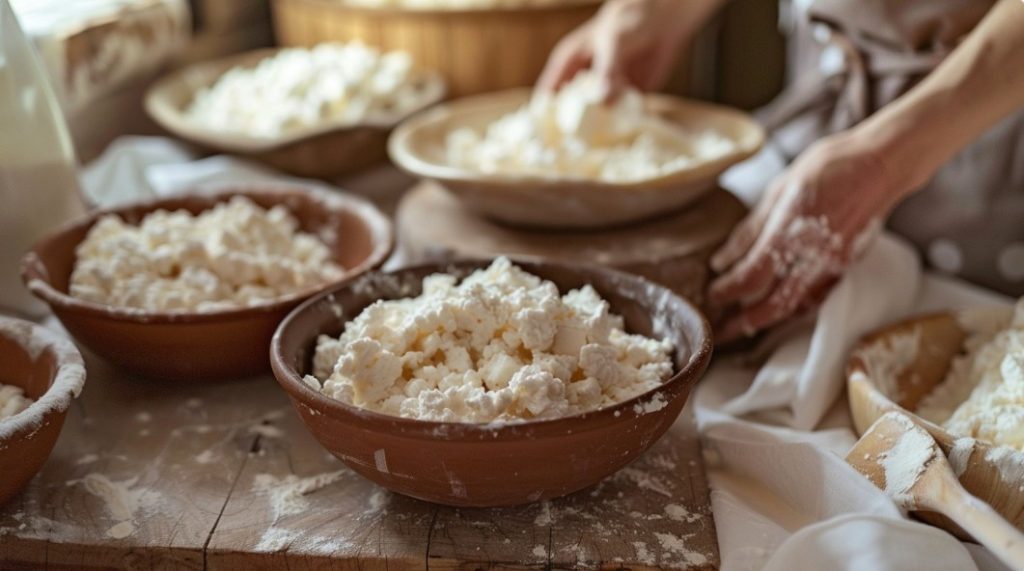
Syrniki start with cheese, and the rule ‘take any, it’ll be fine’ doesn’t work here. At the market, I often hear: ‘Give me the fattiest!’ or ‘I’ll take the cheaper one.’ And then — disappointment when the syrniki spread or become sour. For gluten-free versions, there are even more nuances.
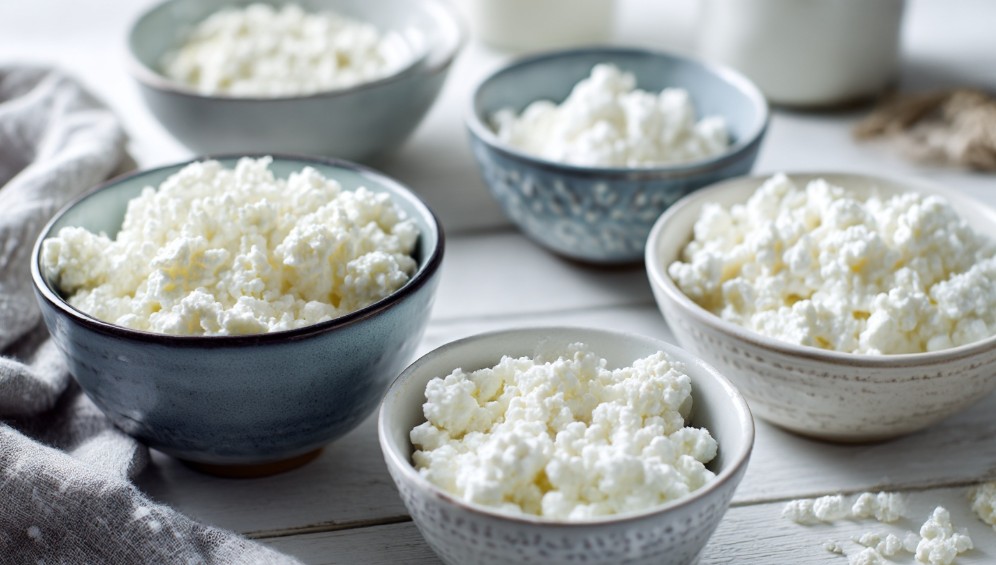
I always check that the cheese is natural, without additives, starch, or modified ingredients that may contain gluten. Often, manufacturers add starch for a creamy texture — and it’s not always gluten-free. Don’t be shy to ask for a sample at the market: good cheese shouldn’t have a pronounced acidity, shouldn’t stick to hands, and shouldn’t flow from a spoon. The color should be white or creamy, without yellow spots. The smell should be milky, clean, without sourness or foreign aromas.
The packaging of the cheese is a separate story. In supermarkets, read the ingredients: look for ‘milk,’ ‘enzymes,’ at most — ‘salt.’ If there’s something like ‘thickener,’ ‘modified starch,’ ‘gum arabic’ — put it aside. It’s better to ask the seller again or choose a trusted manufacturer. At the market — ask when the cheese was made, if anything is added for preservation. I always choose the one that’s ‘today’s’ or at most — yesterday’s, dense but not dry.
Tip: If the cheese is wet — lay it out on a sieve or cheesecloth, let it drain for 20-30 minutes. This will help avoid ‘flowing’ syrniki, especially when there’s no regular flour.
Sometimes, when the cheese is too dry, the syrniki become crumbly. Then I add a spoonful of sour cream — but only without stabilizers and clearly labeled ‘gluten-free.’
Eggs: A Trifle or a Trap?
It seems that everything is simple with eggs, but even here there are pitfalls. Firstly, eggs are the glue for syrniki, but if you overdo it, the syrniki become ‘rubbery.’ I always stick to the ratio: for 500 g of cheese — 1 large egg. If the cheese is completely dry, you can take a second, but just the yolk, not the whole egg.
As for safety — eggs do not contain gluten, but in supermarkets, there are eggs that are washed and rubbed with special agents. Theoretically, there may be trace contact with gluten (rarely, but there was a case with a friend whose child reacts very sharply). So at home, I always wash eggs with a brush, especially if they are from the store.
The color of the yolk is not a guarantee of quality, but if the egg is fresh, the shell is clean, without spots or cracks — feel free to put it in the basket. The smell should be neutral, without sulfur notes. Eggs from the market often have a thinner shell and are fresher, but make sure there’s no coating or mold. It’s rare, but it happens.
Tip: If you’re unsure about freshness, drop the egg into water: if it floats — better not risk it. Syrniki from such an egg may have an unpleasant smell.
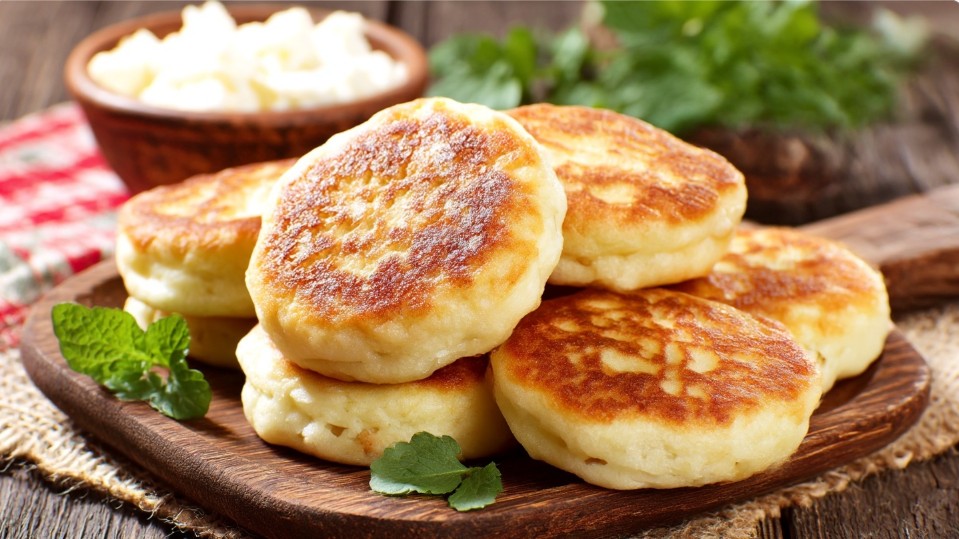
Gluten-Free Syrniki
Gluten-Free Flour: How to Choose and Not Ruin Everything
This is where the main quest begins for everyone making gluten-free syrniki. The first time I stood by the shelves labeled ‘gluten-free flour’ and couldn’t understand the difference between corn and rice flour, why one costs twice as much, and the other doesn’t smell at all.
For syrniki, it’s important not only that the flour doesn’t contain gluten but also that it doesn’t overpower the taste of the cheese, doesn’t make the syrniki ‘dusty’ or too dense. I most often use rice flour — it’s neutral, slightly dries the mass, but doesn’t give extra crumbliness. Corn flour is bright, gives a yellowish tint, but can be felt on the teeth.
Buckwheat and chickpea — for experiment lovers, they have a pronounced smell and taste. Mixtures of several types of flour (ready-made gluten-free mixes) vary: look at the composition, ideally, if there are no preservatives, flavorings, and, again, gluten-containing starches.
On the packaging, look for the crossed-out ear symbol — this is the official marking of gluten-free products. If it’s not there, and the composition is simple, look for information about cross-contamination. The phrase ‘may contain traces of gluten’ is a signal for those for whom safety is critically important. I once came across rice flour that smelled like bread. They explained: it’s packaged on the same line as wheat flour.
Tip: If you’re unsure about store-bought flour, grind rice at home in a coffee grinder. It takes a little time but gives full control over the product’s purity.
The texture of the right flour is fine, loose, without lumps and musty smell. The color is uniform, without dark spots or foreign particles.
Sugar and Sweeteners: What to Replace and Not Lose Taste
In syrniki, sugar is not just sweetness but a balance of the cheese’s acidity and the basis for caramelizing the crust. But many avoid sugar or want to try something else. Here you can safely use coconut sugar, honey (if there’s no allergy), Jerusalem artichoke syrup, maple syrup — they don’t contain gluten if not contaminated during packaging.
Regular white sugar is safe, but sometimes counterfeits from the market may contain foreign impurities if you buy by weight. Take packaged, with labeling. In the store, choose sugar without lumps, with a uniform color, without smell. Coconut sugar and syrups have their aroma — it’s for the lover, but in syrniki, it often gets lost among other flavors.
I’ve seen people add ‘for diabetics’ sweeteners without reading the composition. Some contain wheat-based maltodextrin or other gluten-based carriers. Here, attentiveness saves — read everything in small print, even if it’s a ‘gluten-free’ brand.
Tip: Try adding a little vanilla or lemon zest to the syrniki — it will enhance the natural sweetness and make the taste deeper even with less sugar.
Salt and Spices: Simple Things That Can Surprise
Salt in syrniki is not just for taste balance. A little salt ‘pulls out’ the sweetness and makes the syrniki more expressive. I always take fine sea or regular rock salt, without additives and anti-caking agents. Manufacturers sometimes add flour or starch to salt for flowability — here gluten may be present.
Spices — classics: vanilla, cinnamon, citrus zest. But if you buy spices by weight or in open packages, ask about the composition: cheap vanilla sugar or other mixtures sometimes contain flour for volume. I always take spices in sealed packages with clear labeling. At the market — I ask to show, rub in fingers: the smell should be clean, without mustiness or foreign notes.
Once I got cinnamon that smelled… like bread. It turned out it was packaged in a store next to buns. At home, it’s simple: if there are doubts — better not to add at all. Syrniki will still be tasty.
Oil for Frying: What Suits and What to Avoid
Syrniki love neutral oil or butter. But for gluten-free syrniki, I always advise being attentive to the composition. Oil sold by the liter may have impurities — there was a case at the market when oil was poured into bottles where sauces with gluten were previously stored. So I take refined sunflower or olive oil in a sealed bottle, with labeling and production date.
Butter is a great choice, but only with a simple composition: ‘cream,’ at most — ‘salt.’ If there’s ’emulsifier,’ ‘flavoring’ — it’s a reason to be wary. The smell of butter should be fresh, creamy, the color — light yellow, the consistency dense, without watery spots. At the market, it’s better to buy butter from familiar sellers, ask when it was made, if anything is added to extend the shelf life.
Tip: If you want to add a little aroma — try frying syrniki in a mixture of butter and oil. This way, the syrniki won’t burn and will have a delicate crust. Everything you need to know about making syrniki.
Storing Ingredients: How Not to Spoil Before Cooking
Cheese is the most delicate. I always keep it in a plastic container with a lid, in the fridge, separate from products with strong smells. Ideally, use within 1-2 days after purchase. If the cheese starts to release whey or changes smell — better not to risk it. Wet cheese can be dried on cheesecloth, but dried out can’t be restored.
I store eggs in the fridge, blunt end up, don’t wash until use — this way they stay fresh longer. Gluten-free flour — only in a sealed package, separate from regular flour and bread. I pour the open package into a glass jar, label the date. This way, you won’t accidentally mix it up and won’t catch ‘dust’ from wheat flour.
Sugar and spices — in a dry place, away from moisture. Oil — in a dark cupboard, away from the stove, so it doesn’t go rancid. I divide butter into portions and freeze if not used within a few days.
Tip: Always label open flour or mixes: date, type, manufacturer. This allows you not to guess why the syrniki suddenly didn’t turn out — sometimes it’s because of old, musty flour that was lying next to bread.
Marketing Traps and Common Mistakes When Choosing
My favorite story is ‘gluten-free’ flour that actually contains barley malt. On the label — in large letters ‘Gluten Free,’ and in small print — a dubious composition. Such things happen even in large chains.
A common mistake is buying ingredients by weight without asking about the packaging place. There was a case when spices in a store were packaged in the same bags as breadcrumbs. Gluten traces are not visible, but for the sensitive, it’s dangerous.
Don’t read the label with just one eye. Sometimes the composition hides starch, maltodextrin, wheat-based flavorings.
Don’t trust large letters ‘Gluten-Free’ — always check the labeling and composition.
Don’t buy spices, flour, or sugar by weight in unverified places.
Don’t store gluten-free flour next to wheat flour, even if closed — micro-dust can get into the mix.
Don’t neglect the issue of cross-contamination — it’s not overcaution, but a real risk.
Tip: If you’re unsure about the seller — don’t take it. At the slightest doubt, it’s better to go to another store or market.
Price and Common Sense: When It’s Worth Paying More
In gluten-free products, the price sometimes amazes — flour labeled as GF can cost two to three times more. Here it’s important to distinguish marketing from real quality. I always choose simple ingredients: rice, corn flour, natural cheese, eggs from the market or a trusted store.
It’s worth paying more if the product undergoes separate certification, is packaged on separate lines, and this is confirmed by labeling. For example, for people with serious gluten intolerance, it’s not just a matter of taste, but health. If you’re cooking for yourself or family without strict restrictions — sometimes you can take simple products, but carefully check the composition.
I’ve been persuaded more than once to buy ‘special’ flour from Italy or France, but the difference in syrniki is almost imperceptible if the base is quality cheese and fresh flour. It’s better to spend money on verified cheese or eggs than overpay for ‘superfood’ with a beautiful label.
Ingredients and Syrniki: How They Behave During Cooking
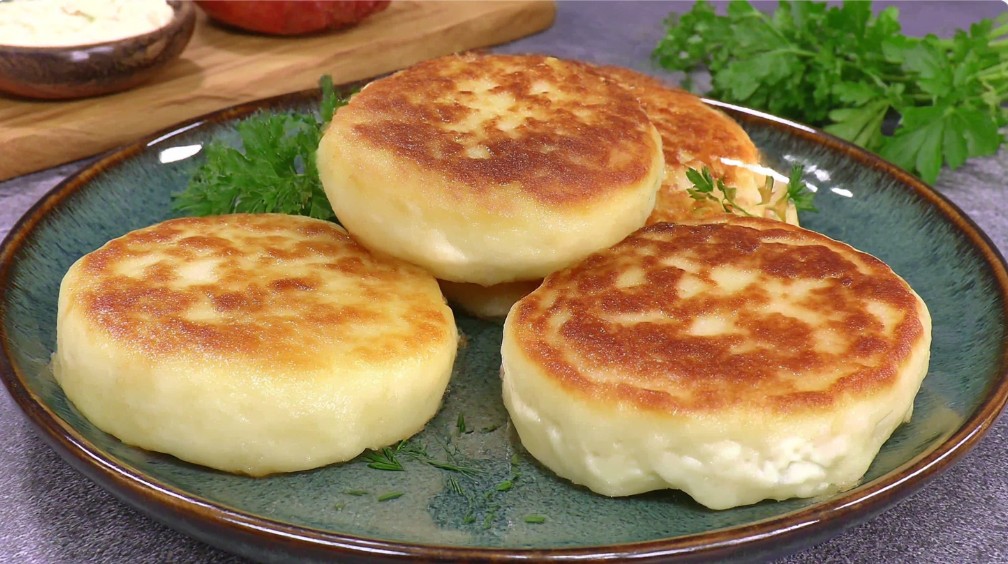
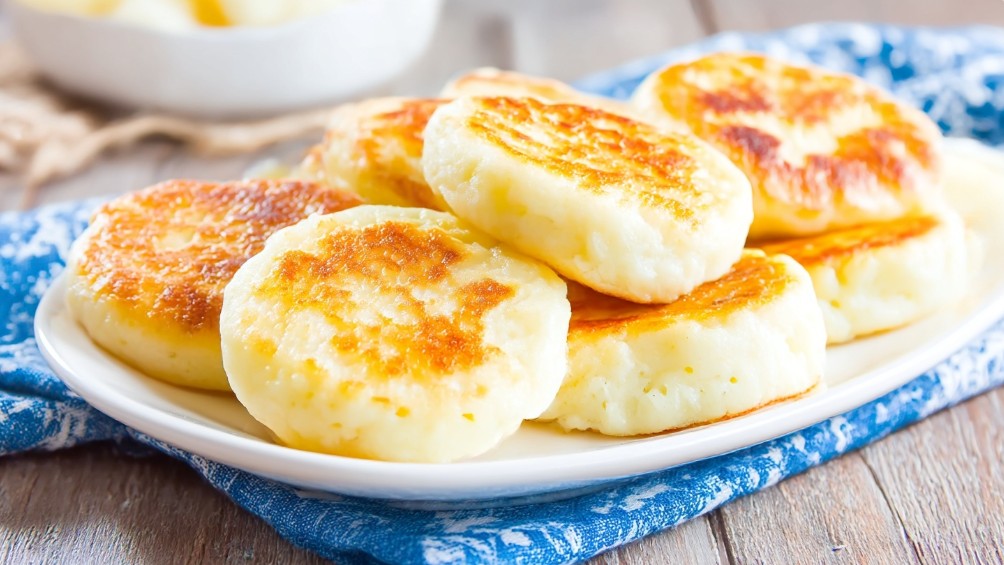
Syrniki is a kitchen where every ingredient changes everything. The right cheese gives a thick but tender mass — it holds shape but doesn’t spread. Gluten-free flour behaves differently than wheat: it doesn’t bind the mass as tightly, so syrniki can be crumbly. Here, a little more cheese and less flour than usual helps.
Eggs ‘work’ as glue, but if overdone — syrniki become hard. Salt, sugar, and spices dissolve evenly if the mass is well mixed. Oil gives a golden crust, but if there’s too little, syrniki can stick to the pan.
Rice flour gives a light texture, corn — more crumbly. If you want dense syrniki, add a little starch (potato or corn, definitely gluten-free). But don’t overdo it — otherwise, you’ll get ‘rubber.’
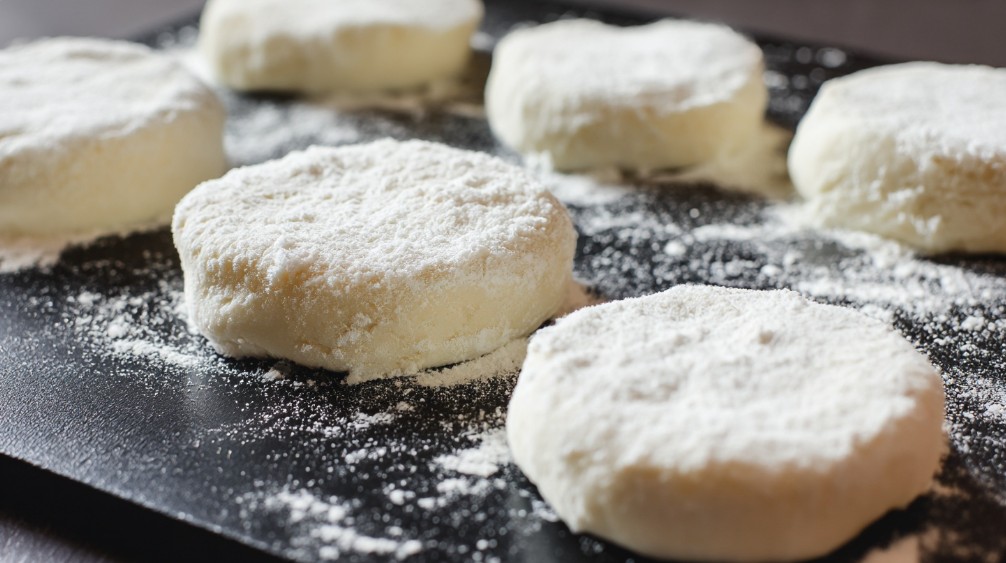
In the first minutes of frying, syrniki may seem soft — don’t flip them right away, let the crust set. Then they hold shape and don’t fall apart.
Tip: Before frying, make a test syrnik — small, on one spoon. This way, you’ll immediately see if you need to add flour or cheese. It’s a simple way to avoid disappointment.
Syrniki — a kitchen where every ingredient changes everything
What Not to Fear: Replacements Without Fear
Many are afraid of replacements: ‘What if I take corn instead of rice flour?’, ‘What will happen if I add maple syrup?’. I always say: don’t be afraid to experiment. The worst that can happen is the syrniki will have a slightly different texture or taste. But if everything is chosen carefully, gluten-free syrniki always have a chance for success.
Instead of sugar — syrup, instead of one type of flour — a mix, even without eggs you can manage (but that’s another story). The main thing is not to chase the ‘perfect’ form or taste, but to find your ingredient that you like.
My friend, who can’t tolerate gluten, once said: ‘I’ve gotten used to the fact that syrniki can be different, but the best ones are those where you’re not afraid to invest in experiment and a little love.’ I absolutely agree.
All you need for delicious gluten-free syrniki is attentiveness at the product selection stage and no fear of the new. Don’t be afraid to ask, try, and even make mistakes.
I’m curious, which ingredients for syrniki do you search for the longest? Have you had any unexpected discoveries at the market or in the supermarket? Share your stories — I’m always happy for new life hacks and experiences.
Cheese may seem simple at first glance, but in terms of touch, smell, and taste, it’s a real detective story. Learn how to distinguish real cheese from imitation.
Please note:
This action will also remove this member from your connections and send a report to the site admin.
Please allow a few minutes for this process to complete.