The ‘Healthy Plate’ Principle That Works Every Day

After a long day at work, when your head is buzzing with tasks and you still need to cook something at home, you’re often drawn to something simple and familiar. When you have kids around who aren’t too fond of broccoli or partners who can easily skip lunch, choosing a dish becomes a lottery. And every time you wonder: what is this ‘right’ food in real life? Is it possible to eat ‘normally’ without the constant guilt or strict list of prohibitions? This search is familiar to me not from books and lectures, but from my own kitchen, where things are rarely perfect, but there’s always room for common sense and simplicity. That’s why the ‘healthy plate’ principle for me is not about schemes and calculations, but a guide that works in everyday real conditions.
What is a ‘healthy plate’ really?
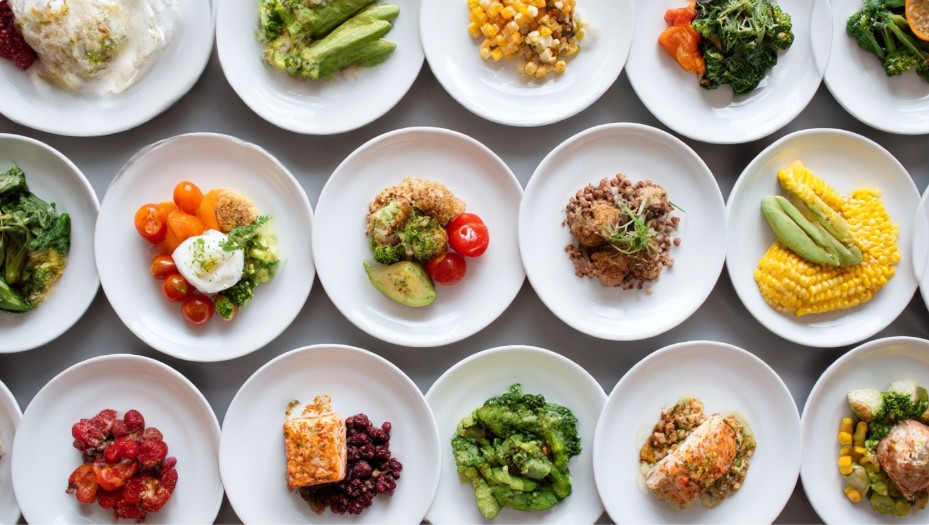
When you hear the phrase ‘healthy plate,’ you might imagine a textbook picture or some perfectly arranged food on social media. But in reality, this principle is not about another diet. It’s more about the habit of viewing your meal as something holistic and balanced.
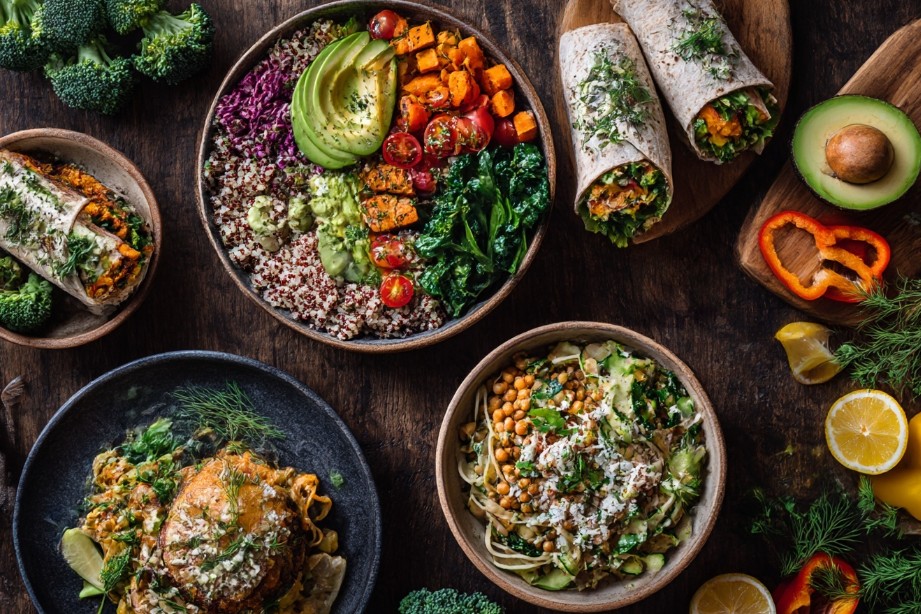
Imagine your plate as a canvas. It should have room for different colors: something vegetable, a bit of protein, and something hearty — grains, potatoes, or bread. Not perfect percentages, not laboratory formulas. Just different tastes, textures, and colors that together give the feeling of having eaten ‘like a human.’
I don’t count grams or calories. Over the years, I’ve realized: if my lunch includes vegetables, a piece of meat or fish, and some grains or bread, I’m already safe. That’s the ‘healthy plate.’ It saves you when there’s no time or energy to invent something complicated and always adapts to what’s on hand.
Tip: don’t chase perfection. A healthy plate is about your possibilities today, not a competition with an internet picture.
Why the plate principle is better than strict rules
Strict rules are a trap. I’ve seen people, even chefs, try to stick to some ‘magical schemes,’ only to fall off and return to old habits with a sense of defeat. The plate principle is the opposite, it’s freedom. You can change products, proportions, even alternate ‘healthy’ and ‘regular’ days, and still maintain balance.
Let me explain with a simple example from my life. One day my plate has stewed beans, a piece of chicken, a tomato salad, and buckwheat. Another day it’s macaroni with cheese and bacon and a piece of cucumber. I don’t scold myself for the second option. I just add some vegetables, and I no longer feel like I’ve ‘fallen off the track.’
The key is flexibility. Each day has its rhythm, its limitations, its mood. The plate principle helps guide you, not impose on you. It teaches you to feel satiated and satisfied, not guilty or hungry.
What a balanced plate looks like in real life
Imagine a standard dinner at home. You’re tired, the kids are asking for something ‘quick,’ and time is short. What to do? I always start with what’s already there. For example, there’s leftover boiled chicken breast in the fridge, some tomatoes, a few potatoes, and a bit of greens. I throw all this on a plate, add a bit of oil, salt, pepper. It’s hearty, simple, and there’s no need to invent anything.
Or another situation — you’re cooking lunch for yourself. You don’t want anything complicated, but you can’t just eat a bun. I take a piece of fish, boil some rice, cut a cucumber. Add some beans if available. That’s all the ‘magic.’
Micro-story: when food is salvation
I remember during a crazy week at work, I ate ‘on the go’ for several days in a row. Eventually, I caught myself feeling constantly hungry. At home, I put together a simple plate: an egg, a tomato, some buckwheat, a piece of hard cheese. In ten minutes, I was full, satisfied, and no longer craving anything ‘forbidden.’ That’s what it means to balance a plate humanely.
- Vegetables or greens — at least a third of the plate
- Something protein (meat, egg, legumes, cheese) — a quarter
- Something hearty (grains, potatoes, bread) — another quarter
This is not a rule for life, but a guideline. Sometimes it turns out differently — no big deal.
How not to ‘fall off the wagon’ and not scold yourself
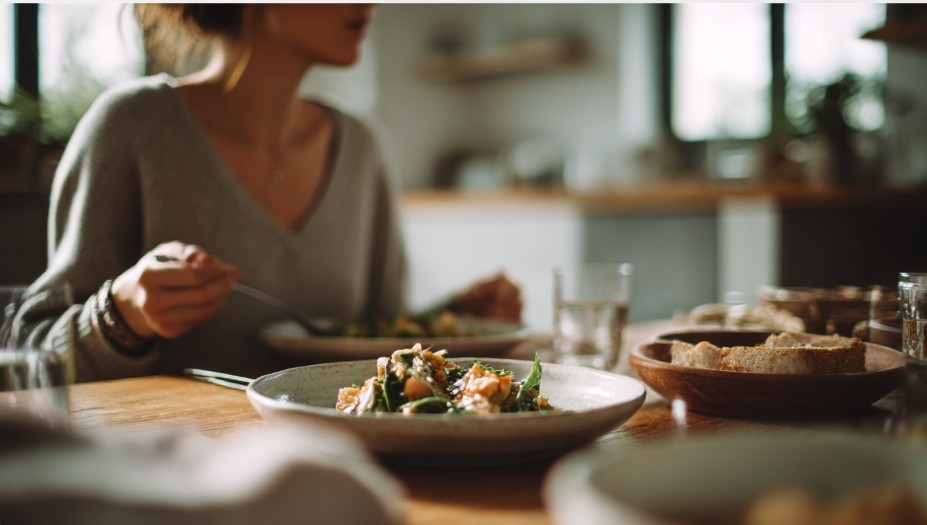
One of the biggest enemies of healthy eating is guilt. You slip up, eat pizza or cake, and the whole system falls apart. I’ve learned to treat such moments more simply. Strictness doesn’t work. Acceptance does.
If ‘imperfect’ food happens, I don’t punish myself the next day with salads or skipping dinner. Instead, I just return to my plate principle. Add vegetables, a bit of protein, and everything falls back into place. This relieves tension and prevents turning food into a battlefield with your conscience.
Tip: instead of scolding yourself for a ‘slip,’ think about how to return to balance at the next meal. A small step makes a big difference.
Lifehack: don’t make food an enemy
Every time I hear acquaintances say ‘I can’t resist,’ I remember my favorite phrase: ‘Food is not the enemy.’ It should please, give strength, not grade you. Today didn’t work out — tomorrow will be different. It’s important not to give up after the first ‘mistake.’
Common sense instead of ideals
People often ask: how do you know you’re eating ‘right’ if you don’t count anything and don’t seek perfection? The answer is simple — listen to yourself. The feeling of satiety, lightness, satisfaction after eating is the main criterion.
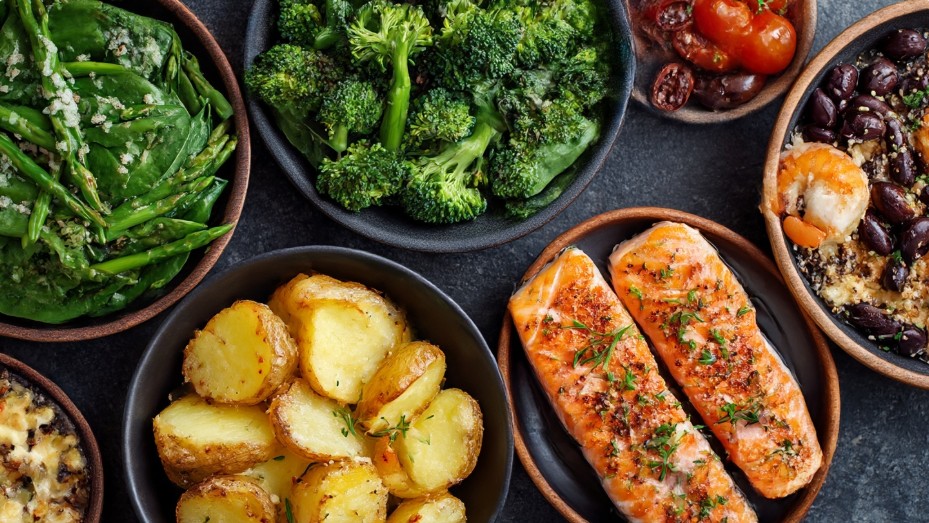
A simple trick helps me: when I sit down to eat, I look at the plate and ask myself — is there something green, something protein, something hearty? If so, that’s enough. No need to complicate things.
In practice, it looks like this: breakfast — egg, toast, tomato. Lunch — vegetable soup and some meat, a piece of bread. Dinner — grains, vegetables, cheese. It’s simple, but filling and varied.
Micro-story: how children teach simplicity
Once my younger son declared he wanted ‘just pasta.’ I tried adding some stewed carrots and a piece of meat to it. It turned out unexpectedly tasty, and the child didn’t even notice he was eating a ‘healthy plate.’ That’s how common sense works in the kitchen — not complicating, but finding balance in simple things.
- Add vegetables to favorite dishes — it’s easier than it seems
- Listen to your hunger, not external advice
Flexibility: how to adapt the principle to your life
The best thing about the plate principle is its flexibility. It can be adapted to any schedule, budget, preferences, or season. You don’t need a bunch of exotic products or to spend hours cooking.
I often use ‘what’s on hand.’ If there’s leftover porridge from yesterday — it goes to use. If there’s a piece of meat — great, if not — I add beans or an egg. Vegetables — any, even pickled or salted.
The main thing is not to strive for perfection, but to do what’s convenient today. This helps avoid ‘slips’ and forms healthy habits for years to come.
Tip: if you’re short on time, assemble a plate from what’s already there. Don’t look for the perfect combination — just stick to variety.
How to maintain the balance of proteins, fats, and carbs without a calculator
The word ‘proteins, fats, and carbs’ (BJU) scares many since school. But in practice, it’s simpler than it seems. You don’t need to count anything. Just know that different foods provide different feelings of satiety and taste.
I always focus on ‘three components’: protein — the basis of satiety (meat, fish, egg, cheese, legumes), carbohydrates — the source of energy (grains, bread, potatoes), vegetables — for lightness and freshness. Fats are usually present in all these products, especially if you add a spoonful of oil or a piece of cheese.
Lifehack: how not to forget about balance
- Keep a ‘base’ in the fridge: eggs, grains, vegetables
- Cook for 1-2 days ahead — it makes assembling a plate easier
- Don’t be afraid of simple combinations: grains + egg + salad — already balanced
Over time, this becomes a habit, and even at a guest’s house or in a cafe, it’s easy to assemble a ‘healthy plate’ without stress.
Common mistakes and how to avoid them
Over the years in the kitchen, I’ve seen many similar mistakes in attempts to ‘eat right.’ Here are a few main ones that occur most often:
- Chasing perfection. People try to create the perfect menu, then give up because it doesn’t work. It’s better to do it simply but consistently.
- Excluding favorite dishes. You don’t have to give up everything ‘not super healthy.’ Add vegetables, slightly change proportions — and everything will be fine.
- Forgetting about satiety. If you’re quickly hungry again after eating — check if there was protein on the plate.
- Fear of ‘slipping.’ One bad day is not the end of the world. Return to balance next time.
It helps me always have something ‘safe’ on hand — an apple, nuts, a piece of cheese. This saves from spontaneous snacks with something ‘unclear.’
Micro-story: how not to idealize the process
Once I tried keeping a food diary and planning everything to the smallest detail. It lasted a week. Then I realized it’s easier to focus on the plate principle and forgive myself minor deviations. It works longer and doesn’t exhaust.
How to form habits instead of rules
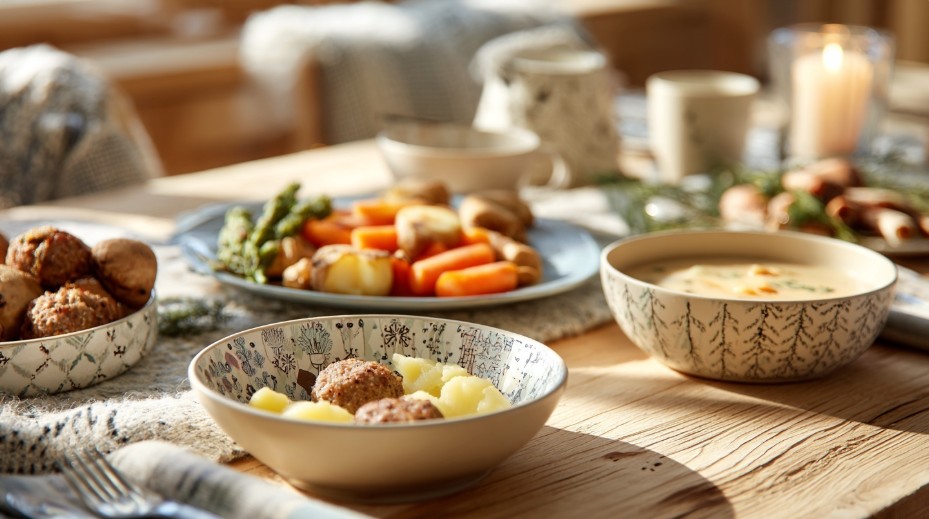
The strongest thing the plate principle gives is the habit itself. Not an instant ‘effect,’ but a gradual transformation of how you look at food. Over time, your hand naturally reaches to add something green or protein to the main dish. And it doesn’t require effort, it just becomes part of the rhythm of life.
It helps me to prepare a ‘base’ for the week — boil grains, bake a few pieces of meat or fish, keep vegetables in a visible place. This makes it easier to assemble a plate even in a hurry.
- Start with small changes — add vegetables to what you already eat
- Plan meals a day ahead, at least mentally
- Don’t punish yourself for ‘bad’ days
Tip: a habit forms when you don’t notice the effort. Make the plate principle part of your rhythm — and it will work for you.
Food is a part of life, not a system of prohibitions
Food is not just energy or ‘fuel.’ It’s moments of family dinners, quick breakfasts, lunches with friends, even snacks on the go. The plate principle helps not to make eating a religion or punishment. It’s about enjoyment, simplicity, and self-care without fanaticism.
I believe the healthiest diet is one that can be maintained every day, under any conditions. Without stress, counting, and prohibitions. Just a variety of food that provides satiety and satisfaction.
And even if today your plate has fewer vegetables and more cheese tomorrow — it’s not a failure. It’s life, and it’s not always perfect. But if you keep the ‘healthy plate’ principle in mind, balance will always return.
And finally, I want to ask: how do you maintain your balance in nutrition? Do you use your little ‘life hacks’ to avoid slipping and not complicate things? Share in the comments — I’m curious to hear how it works in your life.