Homemade Cookies for the Future: Is Lard Suitable for Freezing

There are weekends when the house smells of vanilla, and someone is constantly peeking at the baking sheet in the kitchen. You mix the dough again — and it’s not just for tea. It’s a survival strategy for the week when everyone has their own pace, and there’s very little time left for coziness. You put the ready container in the freezer, knowing that on Monday there won’t be a ‘what sweet treat to give the kids,’ and on Wednesday you won’t have to run to the store for a snack. But the question is — will the ‘for future’ cookies really not lose their taste, especially if there’s lard in the dough? And how not to turn homemade preparations into another stress?
Why I Started Freezing Cookies: Some Stories
I remember trying to bake fresh pastries every Sunday, yet by the end of the week, I still bought store-bought cookies. It felt like homemade was only possible when there was time and inspiration. But in reality, inspiration often hid somewhere in the to-do list. Once, I prepared the dough in advance and just defrosted it on Wednesday evening, feeling like a genius. Friends were surprised: ‘Really, you can do that?’ You can. And it’s not about perfection, but about peace and minimal effort at the right moment.
The second point: lard in the dough is something from grandma’s times. She said such cookies don’t go stale as quickly and have a special crumbly texture. But I wasn’t sure how it would behave in the freezer. So I started experimenting. Now I’ll share what came out of it and why frozen dough or cookies are a lifesaver during the week.
What Can Be Prepared in Advance: Shapes, Dough, Baking
When it comes to ‘for future’ cookies, there are three main approaches:
- Freeze the dough itself, unbaked
- Freeze shaped and already baked cookies
- Freeze ready dough in the form of ‘logs’ or balls for quick baking
Each method has its advantages. I most often freeze dough shaped into ‘logs’ — then you just slice and bake. Some prefer having ready cookies on hand, which just need to be taken out and warmed up a bit. And there are those who prepare dough in the form of balls — especially if there are kids at home who love to place cookies on the baking sheet themselves.
Lard handles freezing well in the dough. It even helps the dough remain pliable after defrosting. However, there are nuances: if you have classic shortcrust dough with lard, it will become a bit softer after defrosting, but it will hold its shape.
Lard in Cookies: Why It Works (and How It Behaves in the Freezer)
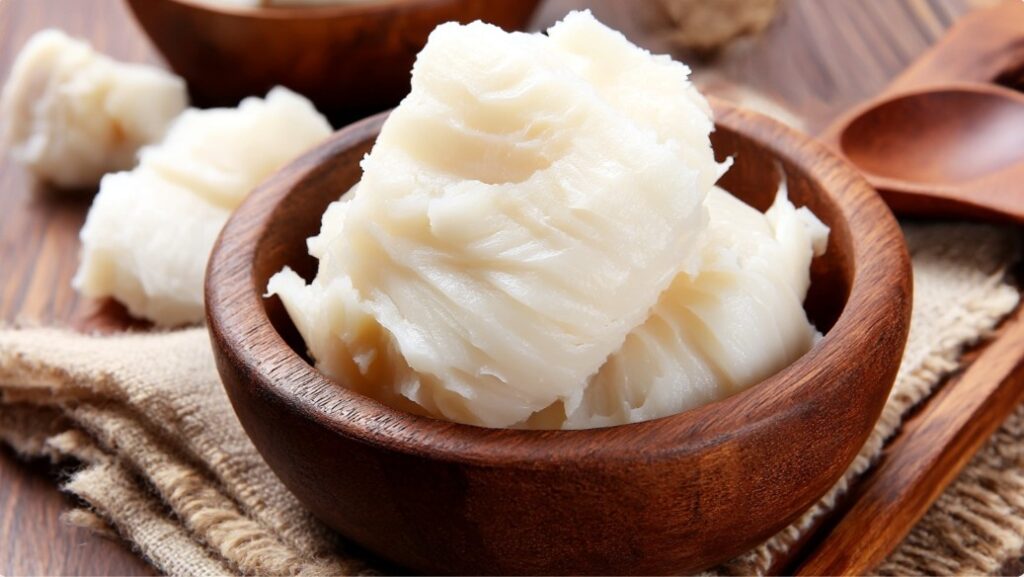
Lard is an ingredient that seems old-fashioned today. But it gives cookies a special crumbly texture and that ‘grandma’s’ taste missing in store-bought versions. I often add lard to shortcrust dough or biscuits. Its main ‘feature’ is that the cookies don’t harden in a few days and remain crumbly longer.
But won’t the lard in the dough become ‘soapy’ after freezing? From experience: in frozen dough, lard behaves even better than butter. It doesn’t separate, doesn’t spoil the texture. The important thing is not to defrost it abruptly, not to throw the dough into a hot oven straight from the freezer. It’s better to let it thaw in the fridge or at room temperature to preserve the structure.
Tip: if you see after defrosting that the dough has become a bit softer — don’t worry. Just shape the cookies and put them in the fridge for 10 minutes before baking. This way, they won’t ‘spread’ in the oven.
Another point: if the cookies are already baked and contain lard, they freeze without problems. The main thing is to cool them completely and store them in an airtight container with parchment between layers.
What Freezes Well and What Doesn’t
I’ve tried many types of homemade cookies, and not all of them ‘get along’ with the freezer equally. Here’s what I’ve noticed over years of experiments:
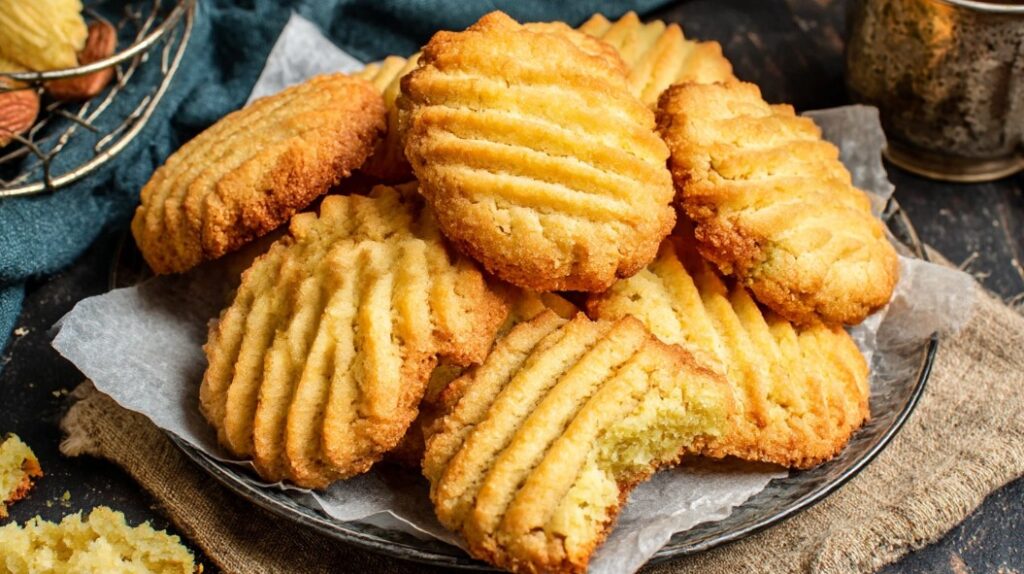
- Shortcrust cookies (especially with lard or butter) — perfectly handle both dough freezing and freezing of finished products.
- Oatmeal cookies — better to freeze as dough because baked ones can become dry after defrosting.
- Cookies with nuts, poppy seeds, raisins — choose the dough freezing option because finished products sometimes lose their crunchiness.
- Protein cookies (like meringue) — I strongly advise against freezing, as the structure is destroyed.
- Yeast cookies — can be frozen, but the dough should be dense; otherwise, it will be sticky after defrosting.
The simplest: if you have doubts about a certain type of cookie, try freezing one or two portions for testing. It’s better than ruining the whole batch.
How to Properly Prepare Cookies for a Week: My Sunday Ritual
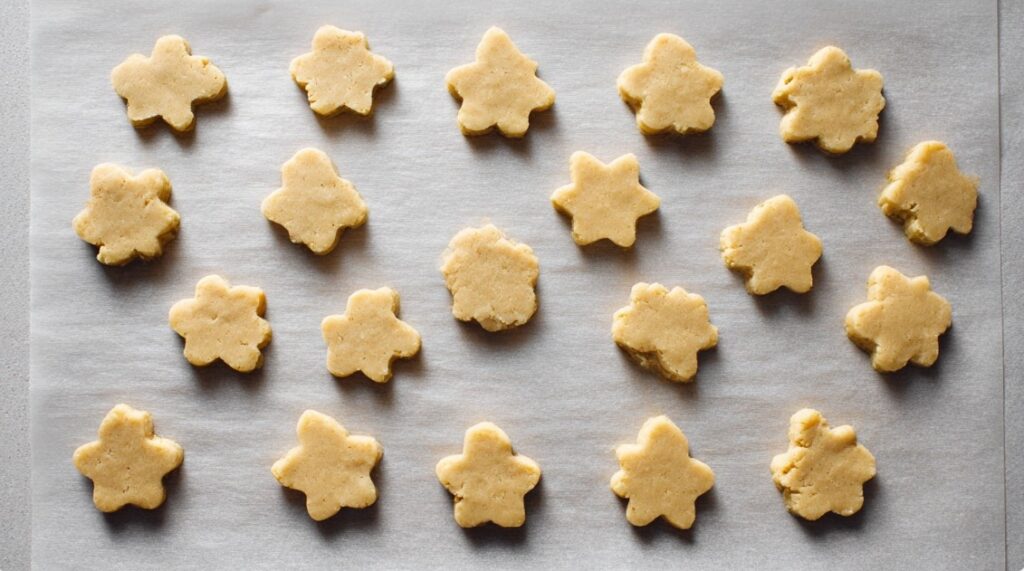
On Sundays, when the whole family is home, I sometimes involve the kids in the ‘cookie’ session. They love rolling out the dough and cutting out shapes, and I quietly hide some in the freezer. Here’s what it looks like in real life:
- I prepare dough for two batches: bake half immediately, the other half goes into the freezer.
- The dough ‘for future’ is divided into several parts, shaped into ‘logs,’ wrapped in parchment or film.
- I label the date on the package — this saves me when there are several different preparations in the freezer.
- Store baked cookies in an airtight container, placing parchment between layers.
On weekdays — just take out the dough, let it thaw, slice, and bake. 20 minutes — and fresh cookies for breakfast or school are ready. No need to look for a recipe or remember proportions.
Microstory: once, dough with lard lay in the freezer for almost a month. The cookies turned out even better than fresh — crumbly, with a delicate crust. Since then, I’m not afraid to make double batches.
Family Planning: How to Consider Work, School, and Constant Plan Changes
It sounds nice: make a stock on Sunday, and during the week — just enjoy. But life makes adjustments. Here are a few things that help me not drown in chaos:
- I don’t plan for a ‘perfect’ week. I always leave a free portion of dough or cookies that can be used in case of surprises — for example, when a child’s schedule changes or suddenly you want something with coffee in the evening.
- I explain to the kids that not all cookies should be eaten immediately — some are ‘for future’ for school or guests.
- I don’t spend time on complex tables: I just write on the fridge door what’s in the freezer and the approximate date it was made.
Life is lively, and it’s not always possible to stick to the plan. But thanks to simple preparations, I panic less when everything suddenly goes awry.
Tip: if the plan fails and you don’t even have the strength to take out the dough — just brew the kids tea with honey and apple. Don’t punish yourself for ‘imperfection.’
Common Mistakes When Freezing Cookies (and How to Avoid Them)
Most ‘failures’ with cookies in the freezer happen due to a few simple mistakes. I’ve made them myself more than once:
- Freezing hot or warm cookies — this causes ice to form, and the cookies become moist after defrosting.
- Insufficient airtight packaging — cookies absorb foreign odors from the freezer.
- Too long storage — even the best shortcrust cookies lose their taste after 2-3 months.
- Trying to defrost in the microwave — this almost always turns cookies into rubber.
- Unlabeled packages — in the end, you don’t know what’s where and from which year.
Also from personal experience: if the dough seems too soft or crumbly after defrosting — add a little flour and chill again. Don’t be afraid to adjust the texture while working.
Life Hacks for Homemade ‘For Future’ Cookies
- Basic stock: Always keep one or two ‘logs’ of dough in the freezer for unexpected guests or a quick treat with coffee.
- Airtight packaging: Use zip-lock bags or containers with lids. Add a label with the date.
- Add flavor: You can mix various fillers into frozen dough — nuts, coconut, cocoa, zest. Each time you bake, there will be a new version.
- Mini portions: Shape the dough into small ‘portions’ (e.g., balls of 20 g) — this way it defrosts faster and is easier to portion.
- Storage of ready cookies: If freezing already baked cookies, place parchment between layers to prevent sticking.
Personally, I find it helpful to keep a bag of homemade ‘sprinkle mix’ in the freezer — for example, sugar with cinnamon or chopped nuts. I add them to the dough as the mood strikes.
Flexibility: What to Do If the Plan Fails
There are weeks when even the best preparations don’t save — someone gets sick, you forget to take out the dough, or you just don’t feel like baking. I’ve developed a simple rule for myself: don’t make a tragedy out of it. Cookies are not an obligation, but a way to make life a little tastier.
When the plan doesn’t work out, you can:
- Take out the cookies and simply serve them with yogurt or milk — even if they’re not perfect, it’s still a homemade taste.
- Use leftover dough for ‘rescue’ pies or tartlets with what’s in the fridge.
- Turn cookies that have dried out into crumbs for desserts — sprinkle on porridge or ice cream.
Microstory: once I forgot about cookies in the freezer and remembered only before the holiday. 15 minutes before the guests arrived, I put them in the oven — and everyone thought I had specially prepared fresh ones. That’s the true value of preparations.
Is Lard Suitable for Freezing: Practical Conclusions
After many experiments, I can say: lard in cookies withstands freezing perfectly. In both dough and finished products, it doesn’t lose its properties, doesn’t give off a foreign taste, but rather ensures the same crumbliness we love in homemade cookies. The main thing is not to rush with defrosting and not to keep preparations too long.
For an ordinary family, it’s a way to have something tasty and healthy on hand without spending evenings by the stove. And you don’t have to be perfect — even if sometimes the cookies aren’t ‘Instagram-worthy,’ it’s still your homemade treat.
If you have your own stories about freezing cookies — whether successful or not — share them in the comments. Maybe your experience will be a lifesaver for someone during the week!