Honey in Amosov Paste — Benefit or Just Extra Sugar?

It’s easy to imagine: you’re standing by the counter at the market or in a store, looking at a jar of Amosov paste — and wondering if it’s really as beneficial as they say, or just another way to disguise sugar as ‘healthy’ food. A friend of mine from the village always brings a jar of this paste when he visits the city. He says, ‘This is like medicine!’ You try it — it’s tasty, sweet, but something in your head keeps asking: is it too sweet? And is everything in there as natural as they claim?
If you’re like me and don’t like buying a pig in a poke and want to understand what you’re paying for, this discussion is for you. Sometimes it’s easier to buy nuts, honey, and dried fruits separately than to fall for a pretty label. But on the other hand, a ready-made jar is convenient to keep in the fridge and scoop out with a spoon for tea. Let’s not rush to conclusions and look at Amosov paste as an ordinary cook would: through smell, color, texture, and, of course, taste.
What is Amosov Paste Really?
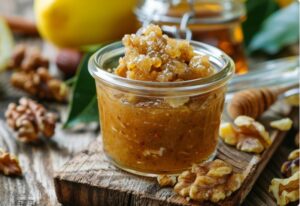
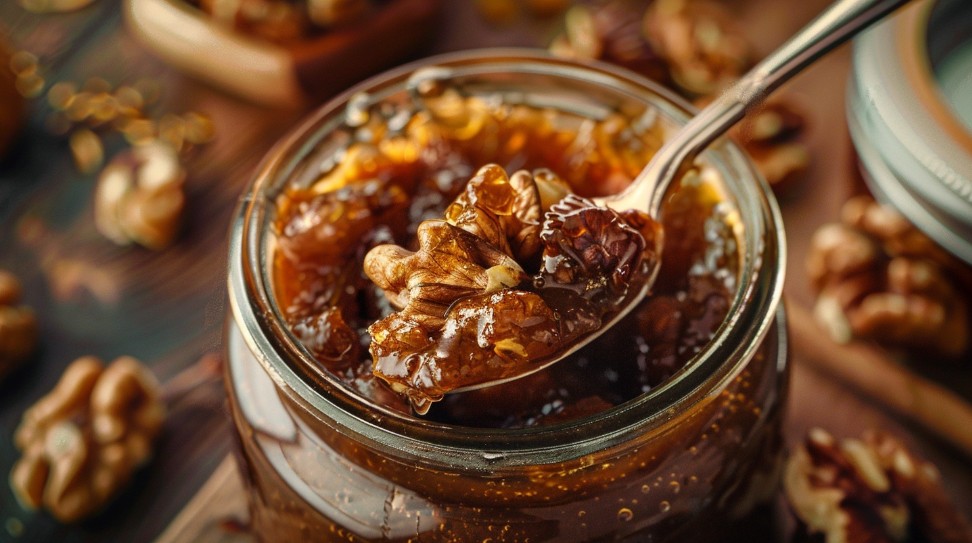
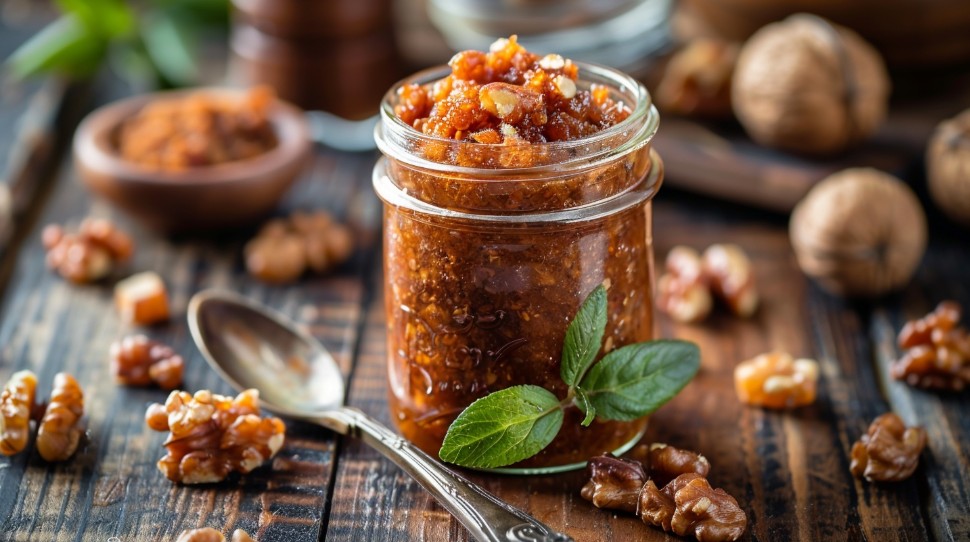
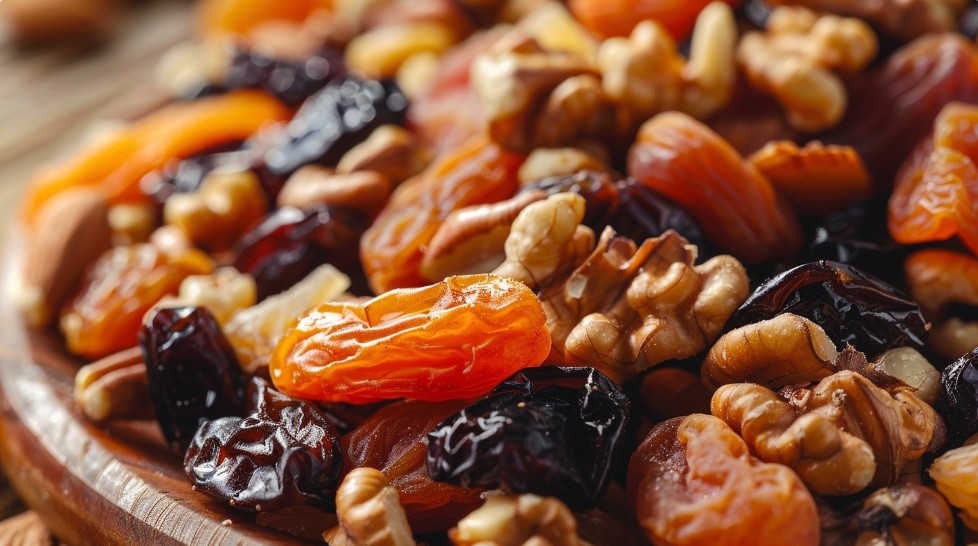
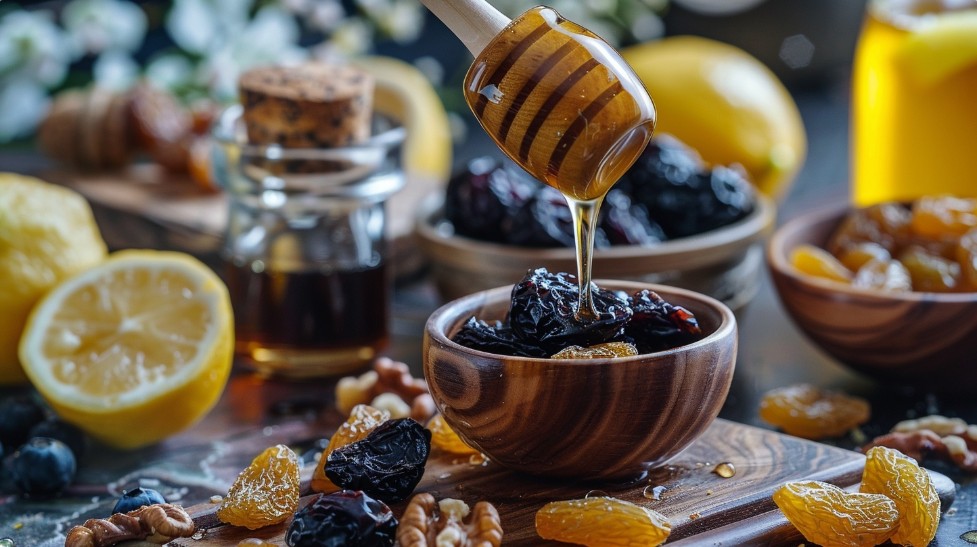
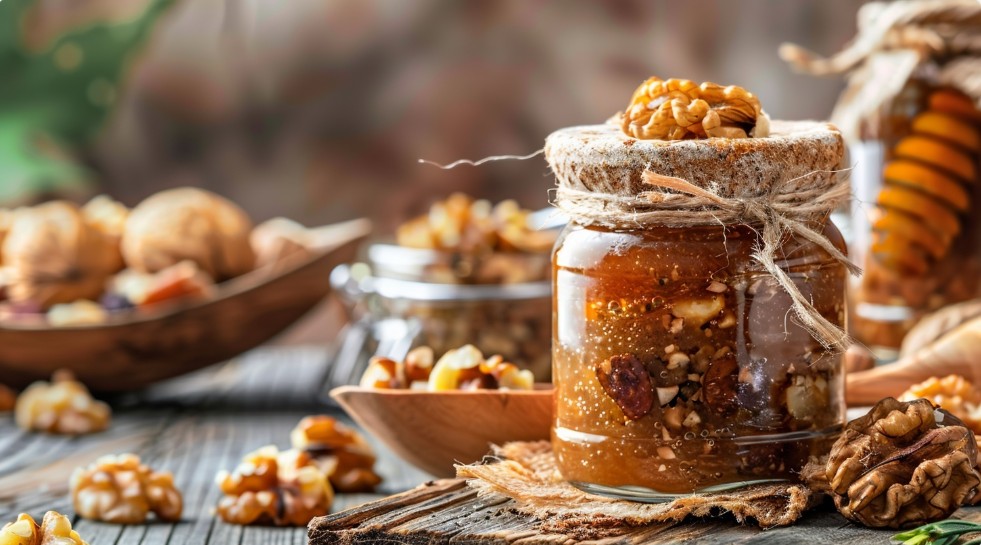
First, what are you buying when you pick up a jar labeled ‘Amosov Paste’? It’s not a brand, not a medical product, and not even something with a strict recipe. It’s a folk mixture: honey plus nuts plus dried fruits (usually dried apricots, raisins, prunes). Sometimes lemon or other additives are also included. Everything is ground into a paste — and it seems like a concentrate of energy. But there’s a catch.
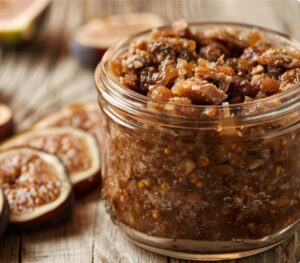
Real homemade paste is a bunch of fibers, pieces, textures. When you open the jar, it smells not only of honey but also of the sourness of dried apricots, a bit of smokiness from prunes, and the freshness of lemon zest. You taste it — and each ingredient makes itself known. But the one bought in the supermarket often has a perfectly homogeneous, almost creamy texture and an overly sweet, even taste. That’s suspicious.
I had an experience: I once bought paste in a store — a very nice jar, golden honey, nuts in the composition. Opened it — and it only smelled of honey and a bit of alcohol. The taste was like condensed jam. Where are the nuts? Where are the dried apricots? I looked at the composition: the first ingredient was sugar, and there was less honey than raisins. That’s marketing. So don’t fall for a pretty name, always look at what’s inside.
How to Choose Amosov Paste: Color, Smell, Texture
When you’re standing by the counter, don’t rush to grab the first jar you see. I always try to evaluate a few things:
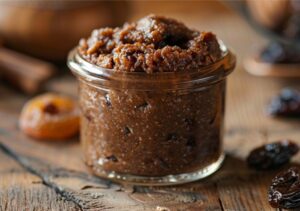
- Color: Real paste should be multi-layered — from dark brown to golden yellow, with specks of nuts. If it’s uniformly creamy, it’s a sign that either everything is too ground up or something is masked.
- Smell: You should smell honey, but also the acidity of dried apricots, a bit of prune shadow, and a light nutty bitterness. If it only smells of honey, either there’s too much honey or the other ingredients are at a minimum.
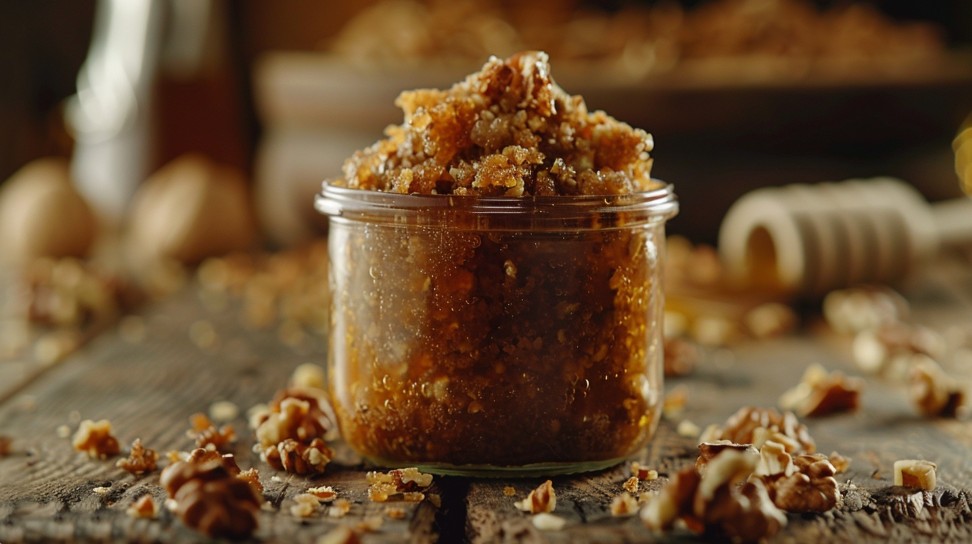
- Texture: Ideally, not completely pureed. It’s good when there are pieces of nuts, fibers of dried fruits. Too homogeneous is often a sign of industrial processing.
A friend of mine from the market always says, ‘If you don’t see dried apricots in the jar, it means they’re either not there or ground to dust.’ It’s not a joke, but a way to save on ingredients.
Packaging: What to Look For
The jar should be tightly closed, without leaks, without signs of crystallization around the lid. Better if it’s glass, without unnecessary plastic inside. The label should be minimalist: list of ingredients, manufacturing date, and expiration date. If it says ‘no preservatives’ and the shelf life is a year, think about how that’s possible. Homemade paste doesn’t ‘live’ that long.
Tip: if you’re buying at the market, ask to try a spoonful. You’ll immediately feel whether it’s real honey or ‘sugar paste.’
Common Mistakes and Marketing Traps When Buying
Many people fall for the stereotype: everything with honey and nuts is healthy. But that’s not always the case. I’ve seen more than one jar where a sweet mass with sugar, flavorings, colorings, and even palm oil was sold under the guise of Amosov paste. That’s not about health, but about the manufacturer’s profit.
- Don’t just read the big print on the jar. Look at the composition. If the first ingredient is not honey but sugar or molasses, put it back.
- Suspiciously low price is almost always a sign that the product was made cheaply: nuts replaced with peanuts, honey diluted with syrup, dried apricots given at a minimum.
- Additional ‘goodies’ are often just for appearance. Marmalade pieces, dried bananas, coconut flakes can create an illusion of exoticism but add nothing real.
- Colorful labels, loud promises (‘boosts immunity,’ ‘energy in a spoon’) are pure marketing.
A friend once bought ‘homemade’ paste in a supermarket on sale. She came home, opened it, and immediately smelled caramel, then read the ingredients: glucose syrup, essences, colorings. That’s not Amosov paste, but a dessert with additives.
Why the Product May Be Too Sweet
Honey itself is very sweet, and together with dried fruits, it’s a real sugar bomb. If the manufacturer wants to save, they replace part of the honey with sugar syrup or molasses. It’s almost indistinguishable in taste, but the benefit is minimal. Real honey has a slight tartness and aftertaste, while a fake is just sweetness that quickly becomes tiresome.
Price and Common Sense: When to Pay More
Experience suggests: cheaper is not always better. If you see a jar for 80 hryvnias and next to it one for 200, the difference is not just in the seller’s profit. In expensive paste, there is usually more quality honey, good nuts, and real dried fruits. In the cheap one, either the honey was diluted, or dried apricots were replaced with cheap candied fruits, or nuts with peanuts or even sunflower seeds.
I’ve often bought the cheapest option ‘to try’ — you open it, and the honey is cloudy, almost odorless, the nuts are tiny like dust. You don’t even want to eat it with tea. But when you take a more expensive jar, you immediately see the difference: the color is deeper, the honey smells with a hint of prunes, the nuts are noticeable on the teeth.
- Buy from trusted sellers — at the market, from familiar beekeepers, or those who don’t hide the composition and manufacturing date.
- Don’t fall for the ‘organic’ label without confirmation. Real quality is not on the label but in the taste and texture.
- Pay a little extra — and you’ll get a product you really want to eat, not just fill a shelf in the fridge.
Tip: if you have the time and desire, make your own paste at home. You’ll know exactly what you put in the jar.
Seasonality: When to Buy Amosov Paste
Now paste is sold all year round, but it’s best from fall to early spring. That’s when the honey is fresh, nuts are freshly harvested, and dried fruits haven’t lost their flavor. In summer, they often use leftovers from last year’s honey and dried fruits that have already dried out or lost their aroma.
There’s always more choice at the market in the fall, and sellers are ready to let you try a new batch. In supermarkets, on the contrary, the product lies longer and not always in ideal conditions. I’ve noticed: if the paste is too runny or has separated, it’s a sign of improper storage or an old product.
Storage: How to Keep Amosov Paste at Home
It’s simple, but there are nuances. Paste with honey and dried fruits is a treat for bacteria and mold if conditions aren’t followed. Ideally, store it in a glass jar with a lid, in the fridge. Don’t keep it on an open shelf, especially in summer or a warm kitchen. Honey likes coolness and darkness.
- Keep the jar closed — otherwise, the paste will quickly absorb odors from the fridge and may even sour.
- Don’t scoop paste with a wet spoon — water accelerates the growth of fungi.
- The ‘life’ span of homemade paste is up to 2 weeks in the fridge. Industrial paste can last months, but that’s not always about benefits.
I had an experience: I left a jar on the table for a couple of days — and a film appeared on the surface, the smell turned sour. It’s not a shame to throw it away, but it’s unpleasant. So it’s better to take small portions and store them properly.
How to Extend Freshness
You can add a little lemon juice or zest — it not only adds flavor but also slightly extends the shelf life. Some people put a layer of honey on top — it creates a natural barrier against air.
Tip: if you see a whitish film on the surface or the smell has changed, don’t risk it, better not to eat it.
How Amosov Paste Behaves in Cooking and Daily Use
Amosov paste is not an ingredient for complex dishes. But you can add it to porridge, spread it on toast, put it in yogurt, or just eat it with a teaspoon for tea. It quickly melts in the mouth, leaving a feeling of a thick sweet mass with light nutty notes. If the paste is fresh, the nuts crunch, and the dried fruits give a pleasant sourness.
If you add paste to hot porridge or tea, it dissolves, leaving a bit of nutty crumbs at the bottom. However, when heated, honey partially loses its aroma and becomes just sweet. I’ve experimented more than once: in hot, the taste becomes simpler, and in cold yogurt, the whole palette is felt.
- Don’t put paste in baking — at high temperatures, the taste becomes flat, and the benefits are even less.
- For children — be careful: there’s a lot of sugar, and even natural sugar is still sugar.
- It tastes good in the morning with porridge or as an afternoon snack with tea, but it doesn’t replace a full breakfast or lunch.
Once I treated a neighbor to Amosov paste with coffee — he said it tastes ‘like a sweet snack, but you don’t want more than one spoon.’ This is a sign of naturalness: an artificial product makes you want to eat more and more, while a real one quickly satisfies.
Common Mistakes When Buying and Using Amosov Paste
From experience — here’s what I often see:
- Buy a large jar ‘for stock,’ and then it stands for months and spoils.
- Believe promises about ‘health in every spoon’ and eat paste as medicine, not as a sweet treat.
- Don’t pay attention to the composition and buy a cheap ‘analogue’ with sugar and additives.
- Add paste to hot dishes and are surprised that the taste is lost.
- Store an open jar on the kitchen shelf and then throw everything away due to mold.
I had a case: a friend stored a jar of paste in the cupboard and then brought it to work to treat. We open it — and there’s already a ‘live’ film on the surface. Had to take it to the bin. It’s better to take less but fresher.
Lifehacks for Choosing and Storing Amosov Paste
- Always try a small piece before buying — real honey doesn’t stick to your teeth, and nuts don’t taste bitter.
- It’s better to buy several small jars from different sellers to find ‘your’ manufacturer.
- Add a little lemon zest — it refreshes the taste and helps preserve the product longer.
- Store in glass, not plastic. A glass jar with a lid is ideal.
- Don’t take paste that has separated or has a strange smell. It’s a sign of an old product or improper storage.
Tip: if the paste is very sweet and sticky, add a few nuts or dried apricots on top to balance the taste.
Is There a Benefit or Is It Just Sugar?
It all depends on the composition and balance. The quality of Amosov paste is not just about ‘no sugar,’ but the ratio of ingredients. If there’s more honey in the jar than anything else, and the dried fruits are ground to a jam-like state, it’s no longer a superfood but a dessert. But if the composition is transparent, the nuts are noticeable, and the honey is real, then both the benefit and the taste are in place.
Honey, nuts, dried fruits are sources of energy, taste, and pleasure, but don’t perceive the paste as a ‘magic pill.’ It’s primarily a sweet treat that can be part of a healthy diet if eaten wisely. I always say: a spoon for tea is a pleasure, not a treatment.
A simple rule helps me: if the paste is tasty, aromatic, and you don’t crave another spoon after it, then it’s made right. If you want to eat more and more, it’s a warning sign that there’s too much sugar or flavorings.
When Amosov Paste is Suitable and When It’s Not
For whom is this paste a real find? For those who love sweets but value naturalness. For children, only in small doses and only homemade, without unnecessary additives. For a snack at work, it’s a great option if you want to quickly perk up. But not instead of a full meal and not daily by the spoonful. It won’t save you from vitamin deficiency or fatigue, but it will give you 10 minutes of pleasure with tea or coffee.
I’ve taken a jar of paste to work or on the road more than once — it’s convenient, tasty, and the energy lasts for a few hours. But I always keep it in moderation: paste is not medicine, but a treat. And it’s easier to avoid illusions about its benefits.
There are acquaintances who don’t like honey or can’t tolerate nuts — for them, this paste is definitely not suitable. And also, if there’s an allergy to the ingredients, it’s better not to risk it. It’s the same as with any product: the benefit is not magic, but balance.
Amosov paste can be both beneficial and just sugar — it all depends on the composition and your attitude. If you want real benefits, choose carefully, don’t chase cheapness, and don’t trust loud labels. Better less, but of higher quality, and always in moderation.
And which Amosov paste did you try last — homemade or store-bought? Share your experience in the comments — I’m curious what is most important to you when choosing this sweet mixture?