How Long Amosov Paste Lasts in the Refrigerator

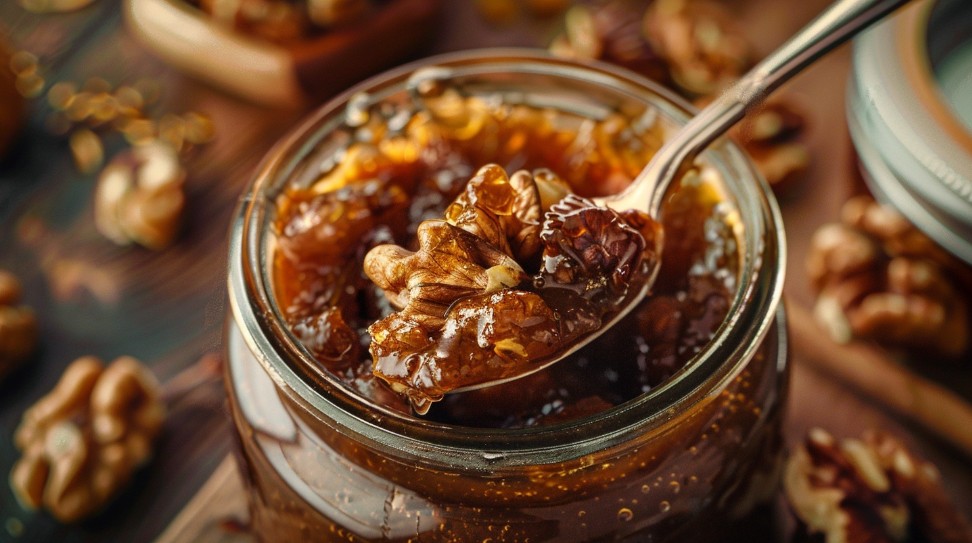
There are things in life that happen spontaneously — someone came back from the Carpathians, brought a jar of Amosov paste, and now it’s sitting on your refrigerator shelf, smelling of dried fruits, reminding you of childhood and grandma’s care. But then the question arises: how long can this paste stay in the refrigerator while retaining the same taste and benefits? You don’t want to throw away a good thing or, conversely, spoil your mood with a spoiled product. I remember once forgetting about a jar I left on the top shelf. When I found it, it still looked okay, but the aroma suggested: better not to risk it.
What is Amosov Paste and Why Storage is Important
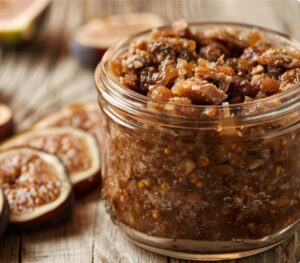
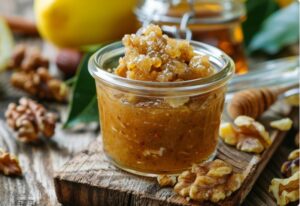
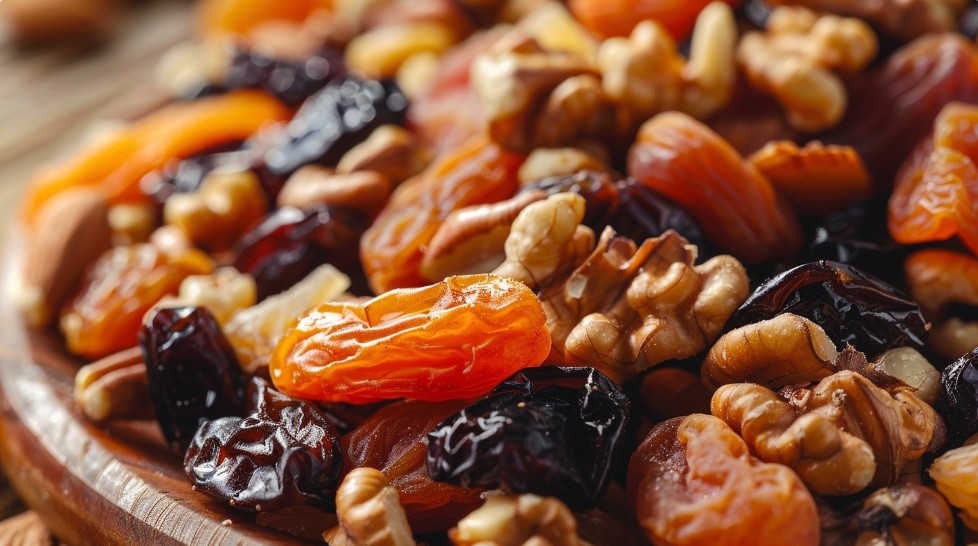
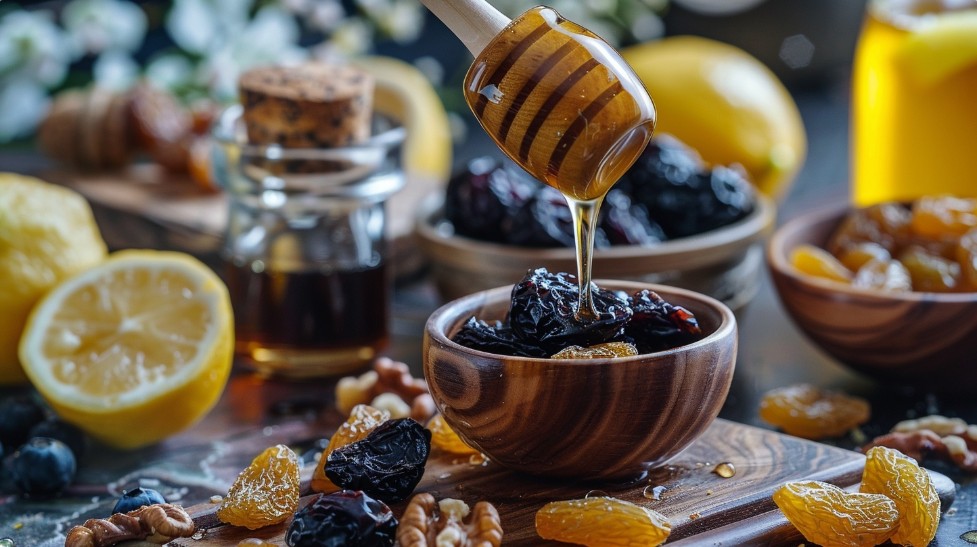
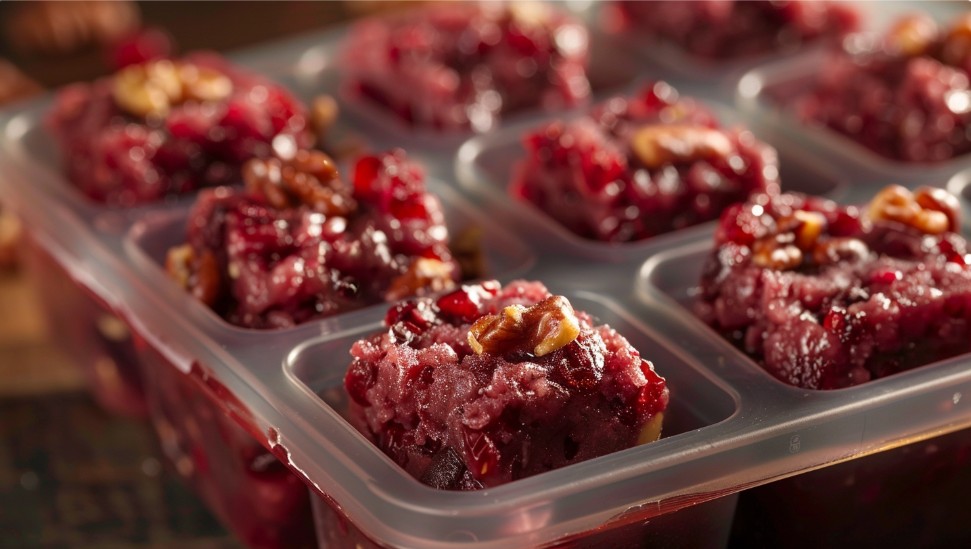
Amosov paste is a mixture of dried fruits, nuts, honey, and lemon. There’s nothing superfluous here, but there are nuances. Moisture, the acidity of lemon, natural honey — all these create a wonderful environment not only for vitamins but also for unwanted bacteria if the product is left unrefrigerated. Each ingredient has its own shelf life, and together they behave differently. Dried apricots in a jar can last for weeks, but when mixed with honey, they start living a completely different life.
Amosov paste often looks like a homemade product — without preservatives and factory “perks.” Therefore, the storage requirements are stricter than those for typical store-bought jams or pastes. I’ve noticed: the more natural the composition, the more risks if stored improperly. And it’s important not only to put the jar in the refrigerator but also to know where exactly, how to close it, when to take it out, and what to do if there are doubts about its quality.
Color, Smell, Texture: How to Tell if the Paste is Fresh
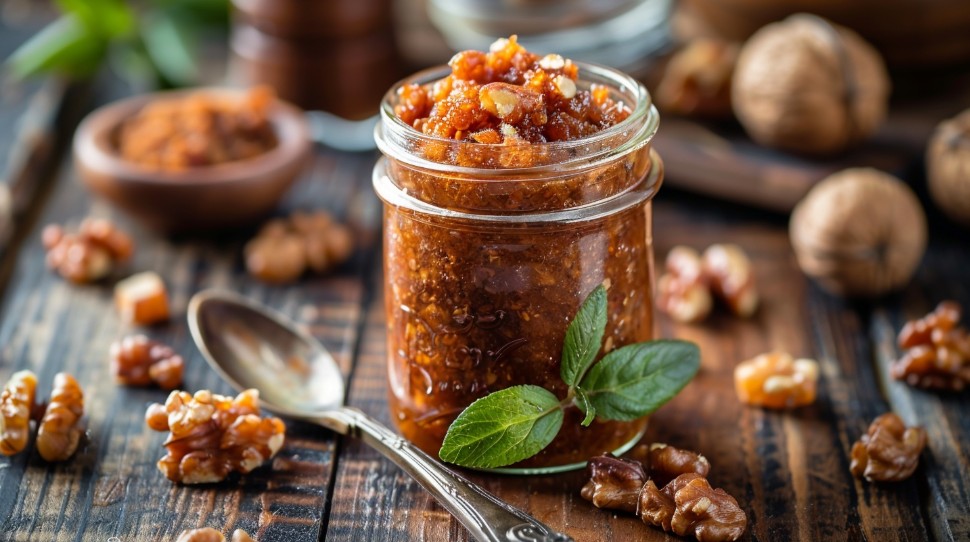
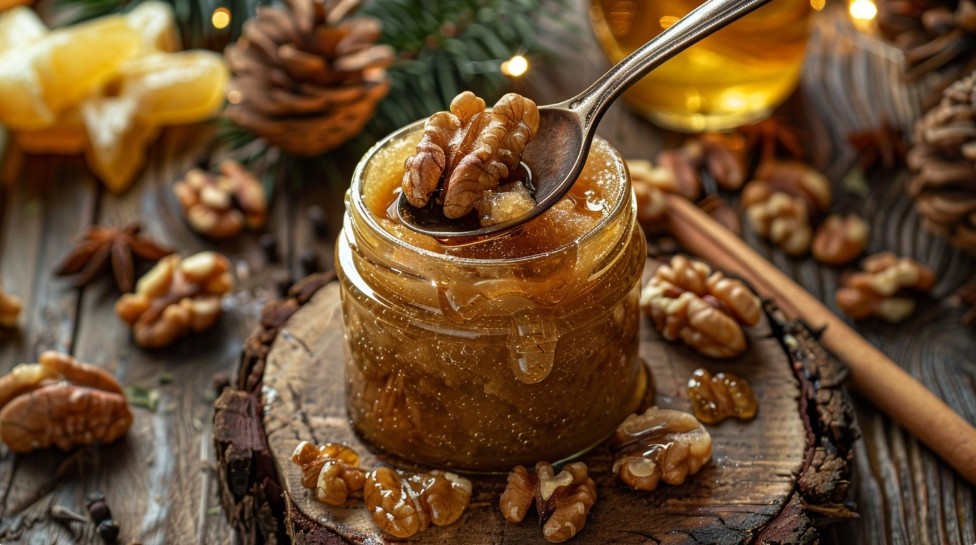
If Amosov paste is of good quality and fresh, it smells rich: dried fruits give a honeyed, slightly tart note, lemon adds a light acidity, and honey provides its depth. The color ranges from dark yellow to rich brown, depending on which dried fruits and how much honey was added. The texture is moist, sticky, but without excess liquid or mold on the surface. If you detect a sharp, “dry” alcohol smell — it’s a sign of fermentation. The paste is no longer the same.
Once, I opened a jar that had been standing for about two weeks. Everything looked fine, the smell was pleasant, but there was a barely noticeable film on the walls, similar to a whitish coating. Most wouldn’t pay attention, but I decided not to risk it. Such a film is already a signal: either someone used a not-so-clean spoon, or the humidity in the refrigerator was too high. Don’t ignore such details.
Where and How to Store Amosov Paste Correctly
After preparation or purchase, the jar of paste should be immediately placed in the refrigerator. Not on the door, but on the middle or lower shelf. The temperature here is more stable — from +3 to +6°C. On the door, the temperature changes every time you open the refrigerator, and the paste spoils faster. I always place it away from the freezer: if the paste freezes, the texture changes, and after thawing, it will no longer be as homogeneous.
The packaging must be a glass jar with a tight lid. Plastic often absorbs odors, and metal cans can react with citric acid. If the paste is in factory packaging, keep it closed until you open it. Once opened, use a stainless steel or wooden spoon, but not a wet one. Moisture is the enemy for this paste.
Tip: Avoid storing near products with strong odors (onions, fish, smoked meats). The paste easily absorbs aromas, and then the taste is no longer the same.
And another point: if the paste is in a plastic container, transfer it to glass. It’s a small thing, but the difference is noticeable in taste and appearance.
Shelf Life: How Long Amosov Paste Really Lasts
In home conditions, no more than 7-10 days after opening the jar. If the paste is kept closed, tightly sealed, in the refrigerator, it can last up to three weeks. But the longer it stands, the more chances to lose aroma, taste, and most importantly, texture. Over time, honey crystallizes, dried fruits start to “pull” moisture and become tougher, lemon gives away all its acidity.
A farmer friend once brought me a liter jar of this paste. I immediately divided it into two parts: one for daily use, the other sealed and put away. After three weeks, the second jar had already lost its bright taste, and a slight sour taste appeared. I would have enjoyed it more if I had eaten it earlier.
Some manufacturers write “up to a month” on the label — that’s already an exaggeration. Without preservatives and with frequent opening of the jar, such a term is risky. From experience — aim for a week, a maximum of ten days, if you’ve opened the jar.
Common Mistakes When Buying and Storing
The first and main mistake is buying or taking paste that has already been sitting on the market under the sun or not in the refrigerator. I’ve seen sellers leave jars on the counter for hours in the summer. The paste doesn’t become more beneficial from this, but the risk of spoilage increases significantly.
Another mistake is storing an open jar for more than a week. Especially if it has already been dipped into with a spoon several times. Every contact with air and hands is a chance to introduce microbes, and the spoilage process will start faster.
- Incorrect choice of packaging: plastic or metal, not glass.
- Lid not tightly closed enough.
- Storing on the refrigerator door.
- Contact with water — for example, if the spoon was wet.
- No label with the opening date — it’s easy to forget how long the jar has been standing.
I’ve heard from acquaintances several times: “The paste is slightly sour, but it’s okay, we’ll eat it!” Don’t skimp on health. If in doubt, it’s better not to risk it.
Color, Smell, and Taste: How to Notice When the Paste is No Longer Fresh
The first thing that raises concern is a change in smell. If the paste starts to smell sour, there’s a note of alcohol or even a slight smell of fermentation — that’s already a signal. The second point is the appearance of mold or a whitish film on the surface or edges of the jar. If the texture has become too liquid, or conversely, very hard, and the taste has changed to bitter or metallic — it’s better not to risk it.
I always rely on my senses: if I open the jar and something seems off, don’t look for reasons, just set it aside. Paste that has already started to spoil may look normal, but you can’t hide the taste and smell.
Tip: Smell and look at the paste in daylight — often that’s how you can notice changes in time.
Can Amosov Paste Be Frozen
Some people try to store paste in the freezer when they’ve made a lot at once. In practice, this is not the best idea. After thawing, the texture is no longer the same: honey crystallizes, dried fruits become moist, and the taste is lost. If there’s no choice, you can freeze it only in a glass container with room for expansion, tightly closed. But I would advise making smaller portions and eating them fresh. Paste that has been thawed and frozen again several times is of little benefit. The taste and aroma are no longer what they were at the beginning.
Once, a friend brought a whole pot of paste and decided to distribute it into containers in the freezer. After thawing, it turned into a non-uniform mass with grains and almost no smell. It’s better to share with friends while the paste is fresh.
Marketing Tricks and Price: Is It Worth Paying More
In the market and stores, you can find Amosov paste in beautiful jars labeled “100% organic,” “handmade,” “sugar-free.” Often, they ask twice as much for this as for the usual. Is such paste worth the money? It’s important to look not only at the price but also at the composition, smell, texture. Natural paste cannot be stored for months without changing taste — and you shouldn’t believe such promises.
I always advise buying from those you trust or making it yourself. If buying, prefer transparent jars to see the contents. Don’t hesitate to smell and check for sediment, a layer of liquid, or suspicious film. Ask the seller when the paste was made — if they hesitate, something is wrong.
Tip: Don’t overpay for a beautiful jar or bright label. The main thing is freshness and taste, not packaging.
If the paste is significantly more expensive but looks and smells like the usual, it’s just a marketing ploy. It’s better to buy less but often than to overpay for promises.
How Amosov Paste Behaves When Cooking and Adding to Dishes
Amosov paste is not a product for thermal processing. It’s added to porridge, yogurts, smoothies, spread on toast, or eaten as is. When heated, honey loses its properties, and dried fruits lose their structure. If adding to warm dishes, do it in the bowl, not during cooking.
If the paste was stored correctly, it is easily scooped with a spoon, doesn’t spread, doesn’t separate. If it has become liquid or, conversely, very hard, it’s a sign it was stored improperly or has been standing too long. Fresh paste has a light shine, and there’s a harmony between sweet, acidity, and nutty notes.
Once, I added paste to hot oatmeal, and it lost its aroma — it became just sweet, but without the pleasure that fresh paste gives. So it’s better to add it after the dish has cooled down a bit.
Storage and Freshness Extension Hacks
- Label the jar with the opening date — it’s easier to keep track.
- Store in glass, don’t use metal or plastic.
- Use a separate dry spoon, don’t scoop directly from the jar with hands.
- Don’t leave the jar open even for a few minutes.
- Don’t place the paste next to products with strong odors.
- Make small portions to finish before the freshness period ends.
When in doubt, it’s better to throw it away than to risk it. The product is delicious, but fresh paste is always better than one that’s been sitting in the refrigerator for a month.
When the Paste is Worth Its Price: Common Sense When Buying
More expensive paste is not always better. The price may depend on the quality of the ingredients (homemade honey, quality nuts, exotic dried fruits), but sometimes the markup is just for the brand or packaging. The best guide is smell, color, taste. If the paste smells vibrant, looks appetizing, and has the right texture, it’s worth taking. If something is alarming, it’s better to pass by, even if the price is attractive.
I always buy smaller jars to avoid risks. If buying from an unfamiliar seller, ask to try a little, smell it, look at the color. These are the main criteria, not the label or price.
In short: Amosov paste is a wonderful thing, but only while it’s fresh. It’s not worth storing it too long, even if it seems like “it can stand a little longer.” It’s better to make or buy small portions, enjoy the taste while it’s at its peak, and don’t forget to check the color, smell, and texture before each use. How do you store your Amosov paste? Maybe you have your own secrets or stories — share in the comments. It’s always interesting to know how it works out for others in practice.