In the past, I used to get confused at the counter: the fish shines, the eyes seem alive, but at home—the smell is off, the texture is mushy, the taste lifeless. Over time, I learned to recognize good fish even by smell before buying. It’s not about becoming an expert from a textbook. The main thing is to feel what you’re buying and not be swayed by the outward shine or promises of the seller. I’ll explain it as I would to a kitchen partner if they were standing with me by the fridge or fish counter. True quality is not magic but a matter of attention to details that are easy to notice with the naked eye, nose, and hands.
The biggest mistakes happen when people choose fish ‘by eye’ or trust a label with beautiful words. Even more often, when they focus on price, thinking: more expensive means better. This is not always the case. By learning a few simple signs, you can avoid disappointments and unnecessary expenses. Also, you won’t fall into marketing traps when you’re offered not the freshest product disguised as a delicacy. I have a few stories on this topic, but one thing at a time.
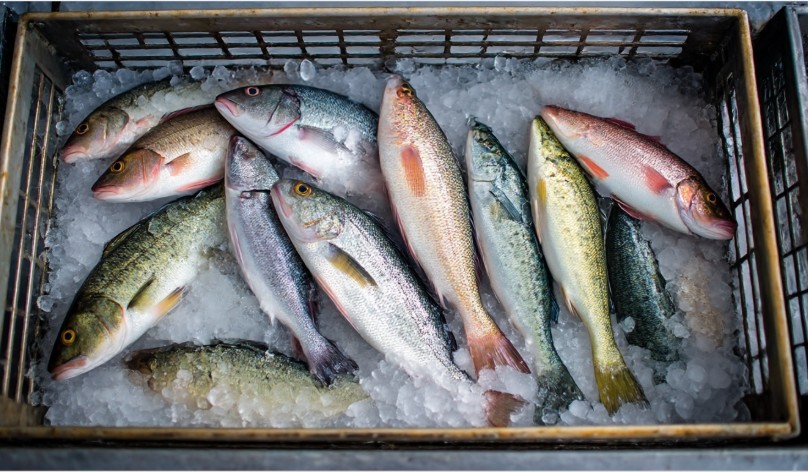
A truly fresh fish looks at you transparently
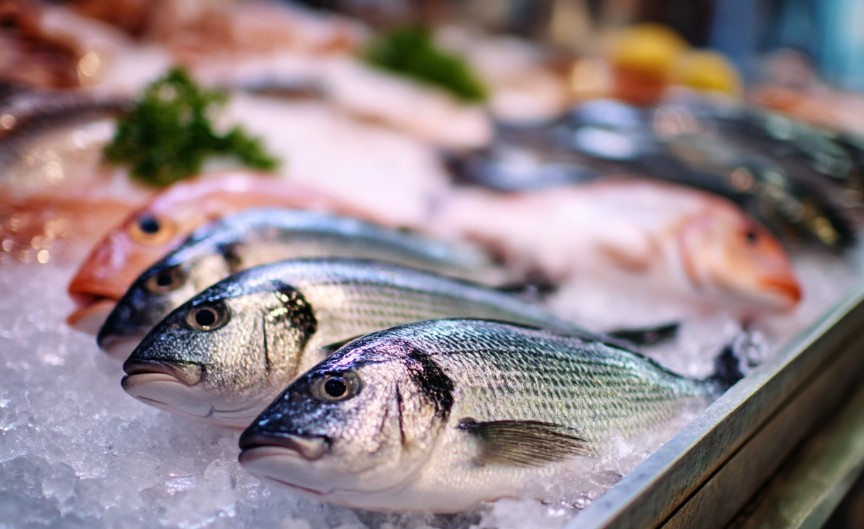
What Fresh Fish Looks Like: From Head to Tail
The first thing I pay attention to is the eyes. Don’t look at the fact that the fish is covered with ice or nicely displayed. If the eyes are cloudy, sunken, grayish—the fish is no longer fresh. A truly fresh fish looks at you transparently, with a slight shine, as if just out of the water. This is especially noticeable in sea bass or pike perch.
Gills are another indicator. They should be bright red or pink, moist but not slimy. Dark brown, brown, or dried gills signal that the product has been sitting for a while. I often ask the seller to show the gills, and if they refuse or hesitate, it’s the first reason to be cautious.
The body should be firm, scales should fit tightly without gaps or spots. I press my finger on the side: fresh fish quickly restores its shape, leaving no dents. If a dent appears that doesn’t smooth out—goodbye taste.
The skin should be shiny, smooth, not sticky. When I lift the fish, I pay attention to whether cloudy liquid or slime drips. A light layer of clear slime is normal, but if it’s thick, viscous, with a smell—better pass by.
Tip: Don’t be shy to ask to take the fish in your hands, even if the seller looks askance. You’re paying for quality, not packaging.
What fresh fish looks like: from head to tail
Smell: How Not to Mistake Freshness for ‘Masking’
Smell is my main tool. Truly fresh fish smells like the sea, freshness, sometimes a bit like cucumber. River fish has a light, watery aroma, without sharp notes. If I even sense a hint of ammonia, sourness, mustiness, or fishy odor—I put it back.
There have been cases when sellers tried to ‘mask’ not-so-fresh smell with lemon juice or ice. At one market near Odesa, I accidentally noticed how fish was sprayed with vinegar right on the counter—the smell became sharp but not fishy. After such a trick, even experienced buyers get confused. If the fish is lying in a large amount of ice, as if buried, it’s already a warning sign.
Lifehack: How to Smell Without Embarrassment
I usually lean delicately towards the fish and inhale through my nose, not touching it. If the seller objects, it’s also a sign that the product is not the freshest. It’s better to buy where such things are taken calmly.
Texture and Feel: What Reveals a Poor Quality Product
Touch the meat with your finger—it should be firm, not fall apart, without slime and spots. I had a case when I bought salmon fillet that seemed perfect in appearance, but at home, it fell apart into fibers like porridge. The reason—the fish was repeatedly frozen and thawed, the structure destroyed, the taste lost.
If the fish meat separates from the bones, if it’s dry or layered, it’s a bad sign. Fatty fish (mackerel, herring) should be oily to the touch, but not sticky. Dry or watery fish is already a loss of quality.
Tip: Even if you’re buying fillet, ask for a piece with skin—it’s easier to determine freshness by the skin than by bare meat.
Packaging, Labeling, and Marketing Traps
In supermarkets, fish is often packed in vacuum or trays with film. It seems like it preserves better this way, but that’s not always the case. Under the film, fish can ‘suffocate’, condensation appears, the smell becomes sour. I always look at the packaging and expiration dates. If there’s more than 4–5 days between these dates—be cautious.
The label ‘chilled’ doesn’t guarantee that the fish wasn’t frozen and then thawed. Sometimes it’s frozen immediately after catching and then sold as ‘fresh’. Look at the edges of the packaging—if there’s water, ice particles, or liquid—it’s thawed fish.
Red Fish: A Separate Story
With salmon, trout, and similar fish, there are even more nuances. Many producers dye the meat to make it look more appetizing. The natural color is not bright orange, but closer to a gentle pink or orange-pink. Too bright, unnatural shade is a sign of dyes. I check the edge of the cut: if it’s bright outside and pale inside—suspicious story.
Seasonality and Place: When to Buy Fish More Profitably and Tastier
Not all fish is tasty all year round. In different seasons, its taste, fat content, and structure change. For example, pike in spring is skinny, and in autumn after feeding—fatty and tender. Mackerel and herring are most delicious during the spawning period—then the meat is dense and juicy.
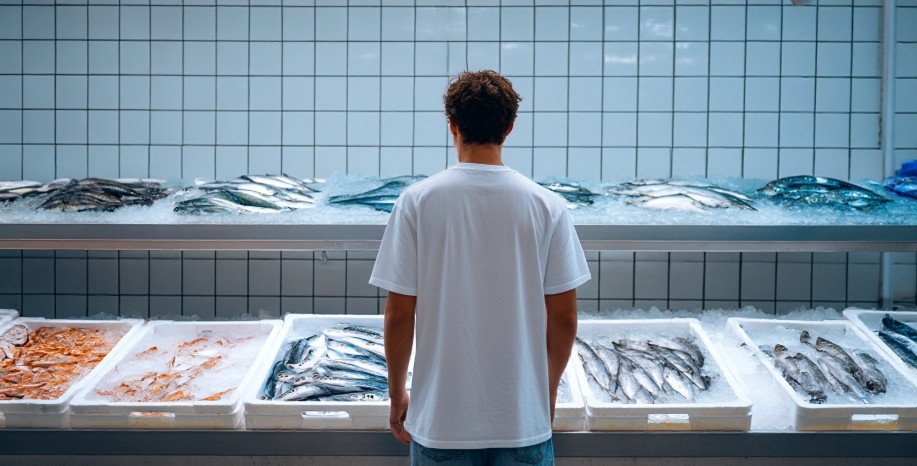
I always ask the seller when and where the fish was caught. At markets, fish from local waters is often sold—it travels less, which means it’s fresh. In large supermarkets, the choice is wider, but often the fish comes from afar, and freshness is questionable. Especially when you need to impress guests with a dish like Dorado in the oven
Tip: In the hot season (late spring—summer), buy river fish with special caution—it spoils faster due to the heat.
when to buy fish more profitably and tastier
Price: When It’s Worth Paying More, and When It’s a Trap
Expensive fish doesn’t always guarantee quality. Often you pay for the brand, packaging, or ‘trendiness’ of the species. But cheap goods are also suspicious. If I see salmon or dorado on sale—I immediately think if its expiration date is nearing.
I always focus on the price-to-appearance ratio. For example, fresh flounder in season can cost less than frozen fillet brought from afar. I don’t overpay for ‘wild’ or ‘organic’ fish if I can’t verify its origin. It’s better to buy what’s fresh, even if it’s simpler.
Lifehack: Don’t Fall for ‘Promo’
If you see that all the fish in the department is on discount, think: why is that? Often it’s a sign that the product is nearing the end of its term, and they just want to sell it faster.
How to Store Fish After Purchase
With fish, it’s tricky: even the freshest spoils quickly. I always try to buy exactly as much as I can cook in 1-2 days. If there’s any left, I wrap it in food paper (not film!) and put it on the bottom shelf of the fridge. This way, the fish ‘breathes’, doesn’t accumulate excess moisture.
Don’t keep fish near fruits, milk, or cheeses—it easily absorbs odors. If you need to keep it longer, I place pieces on ice, but not in water—otherwise, the meat will soften. I only freeze if I see I won’t have time to cook. But after thawing, the fish won’t be the same as fresh—the taste and texture change.
Tip: If the fish starts to smell stronger, don’t risk it—better throw it away. Spoiled fish is not only about taste but also about health.
How Fish Behaves During Cooking
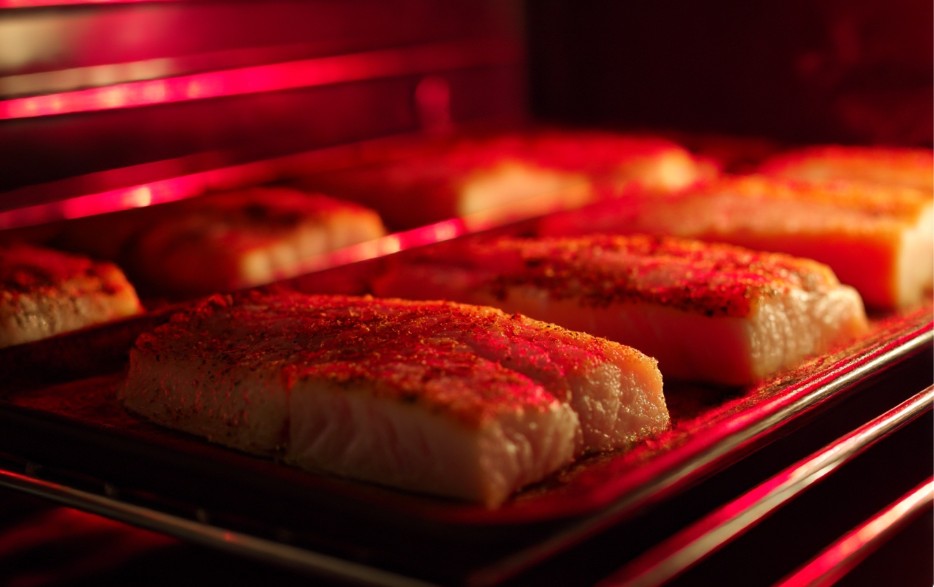
Proper fresh fish during frying or baking holds its shape, retains juice, doesn’t fall apart into pieces. In river fish, the meat becomes tender after heat treatment, but not mushy. If a lot of water is released during frying and the fish ‘boils’ instead of frying—it’s a sign of multiple freezing.
I had a case: I bought dorado fillet, looked good, but during baking, only a pile of liquid remained, and the meat became like cotton wool. The reason—the fish was frozen and thawed several times, cells destroyed. Fresh fish, even if slightly overcooked, will still be tasty—the structure ‘holds’ the taste.
How fish behaves during cooking
Lifehack: How to Tell If Fish Was Frozen
During cooking, thawed fish releases a lot of cloudy liquid, pieces lose shape, become loose. In fresh fish, the juice is clear, the smell is delicate, the meat is firm.
Common Mistakes When Choosing Fish
Focusing only on price or appearance
Buying fish in large quantities ‘for stock’
Trusting only the label or seller’s words
Choosing fish lying in a thick layer of ice
Ignoring smell or touch sensations
I myself have bought fish several times based on the principle ‘looks good’, without smelling or pressing. The consequences—extra expenses and a spoiled mood. The worst is when you try to save such fish with spices or lemon, but the taste is already lost.
How to Avoid Mistakes
Always check eyes, gills, meat firmness
Don’t be shy to smell and touch
Evaluate packaging: condensation, ice, suspicious liquid—’stop’ signal
Avoid fish from promotional baskets if you’re not sure of its origin
How do you choose fish
A Few Personal Lifehacks for Buying Fish
Bring a small flashlight (phone): highlight the gills, packaging edges, if something is suspicious—better not risk it
Ask the seller when the fish was caught, and watch their reaction: if they get nervous or avoid answering—look elsewhere
Choose fish where there are many people and the product changes quickly—there’s less chance you’ll come across a stale product
For supermarkets—look at batches: if fresh fish appeared on Monday, it’s better to come in the morning while it’s just been laid out
Don’t take fish with cracks on the skin or broken fins—it’s a sign of improper storage
In conclusion, choosing good fish is not as difficult as it seems. Just don’t rush and trust your feelings. With each purchase, experience comes, and in a few weeks, you’ll start distinguishing even subtle nuances.
How do you choose fish? Maybe you have your own tricks or shopping stories? Share in the comments—it’s interesting to know how it works in different cities and markets.
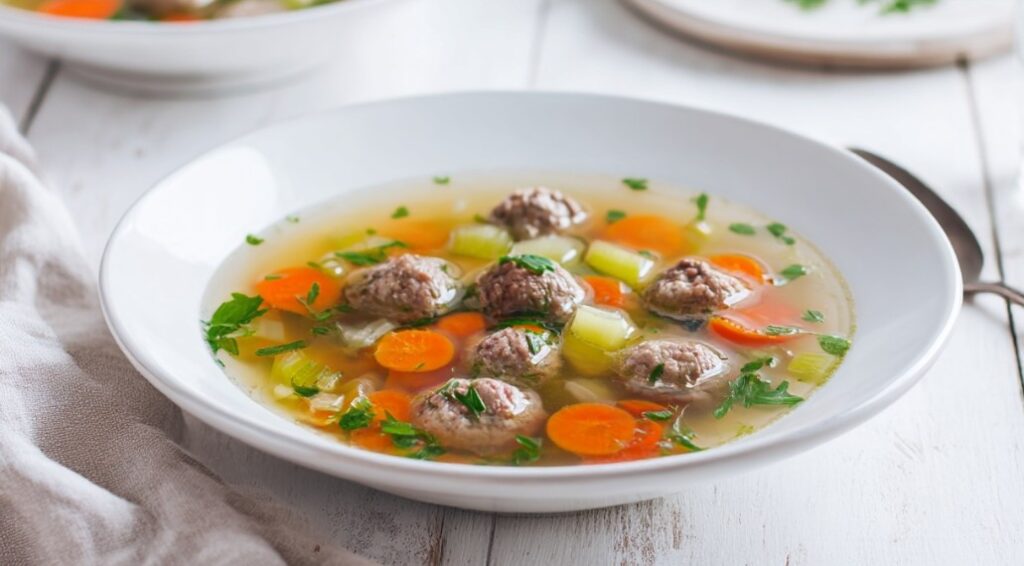
Meatball soup is one of the simplest ways to get a satisfying, protein-forward meal on the table. Here’s how to choose good ground meat, keep meatballs tender, and avoid the common mistakes that make broth cloudy or bland.
Cheese may seem simple at first glance, but in terms of touch, smell, and taste, it’s a real detective story. Learn how to distinguish real cheese from imitation.
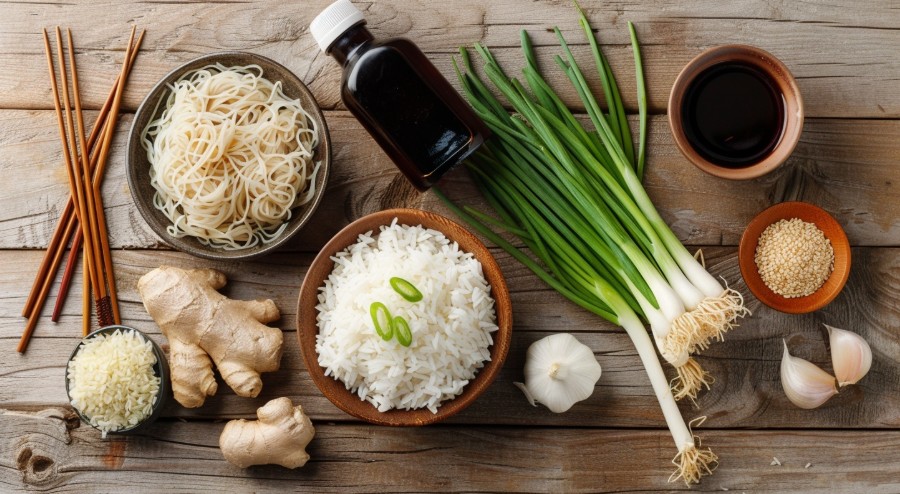
Feeling overwhelmed by sauces and noodles? Here’s a practical, no-drama way to start cooking Asian food at home—by focusing on balance, technique, and a small pantry that actually gets used.
Please note:
This action will also remove this member from your connections and send a report to the site admin.
Please allow a few minutes for this process to complete.