How to Cook Grains Properly: Buckwheat, Rice, Millet

Most of us have stood over a pot of grains at least once, which either sticks to the bottom or turns into something like paste. At home, when cooking for yourself or your family, these little things often irritate more than complex dishes. Not because it’s difficult, but because of the feeling that ‘it’s so simple, yet it’s not right again.’ From this minor annoyance, doubts arise: maybe I’m just not made for the kitchen?
Cooking grains is not about an ‘exact recipe,’ but about understanding what’s happening on the stove. You want ordinary buckwheat or rice not to be a lottery: will it turn out or not? You want to decide the texture, not the pot. I’ve seen many times how people stop themselves out of fear of ruining even something as simple as a side dish. There’s no magic here, just observation and a bit of practice.
Today, we’ll explore why grains behave the way they do and how to learn to see and feel the right moment in the kitchen. No extra rules, no unnecessary fear.
Why Grains Don’t Always Cook the Same: Process Basics
When you start with buckwheat or rice, it seems simple: water, salt, boiling. But after the first time, it turns out that the same grain in different hands gives a completely different result. Slightly overcooked — and the porridge falls apart. Didn’t watch closely — and the bottom of the pot is covered with a layer of burnt grains.
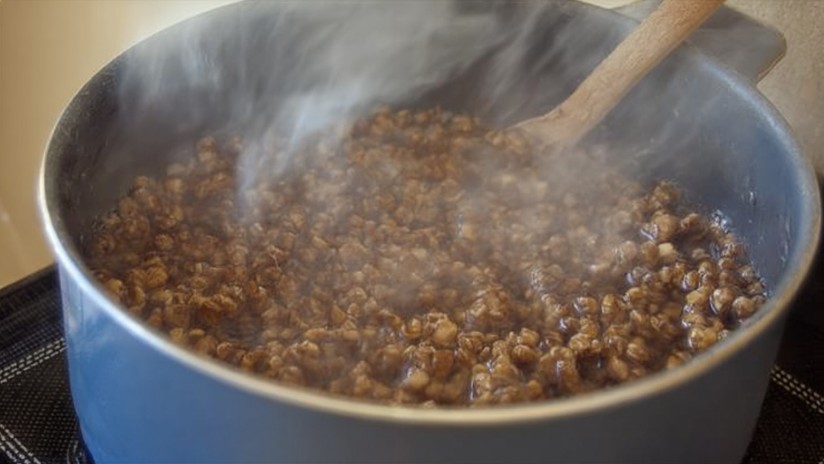
The reason is that grains have two main things: starch and a shell (skin or film). When they get into the water, the starch starts to absorb liquid, swells, and the shell (if there is one) either holds its shape or ‘opens up.’ All this depends on temperature and time. If you break it down by feel: when the grain starts to smell like fresh bread and the water becomes slightly cloudy, it’s a sign that the starch is already working, and it’s time to reduce the heat.
Even the same grain from different packs can behave differently. Moisture, grain size, even how it was stored in the warehouse — everything affects it. Here, a recipe won’t help if you don’t understand what you’re looking for with your eyes and nose. I find it helpful to observe the smell and appearance: as soon as the grain acquires a pleasant nutty aroma, it’s ‘ready for water.’
Water and Ratio: Why the ‘Right’ Proportion Doesn’t Always Work
Many books have a formula: ‘one part grain, two parts water.’ It seems universal. But at home, this approach often fails. Too much water — mush, too little — the grain is hard. It’s about two things: first, grains really are different, and second, the home stove doesn’t always provide even heat.
For myself, I’ve long developed a rule: start with the minimum and add water as needed. This is especially relevant for millet, which can suddenly ‘drink’ all the water and remain hard.
Tip: if you’re unsure about the ratio, it’s better to keep a kettle with hot water on hand. Adding is easier than saving overcooked porridge.
Another thing: not all grains equally ‘love’ rinsing. For example, rice should be rinsed several times until the water is clear — then it won’t be sticky. But buckwheat only needs to be rinsed once or twice; otherwise, it loses its texture.
Temperature and Time: How to Understand What’s Happening in the Pot
Most mistakes with grains are either too high heat or impatience. On high heat, the water evaporates quickly, and the grain doesn’t have time to ‘open up.’ On low heat, the process drags on forever, and the porridge becomes mushy. It’s important to catch the moment when the water just starts to boil: reduce the heat to a minimum, cover with a lid, and don’t peek every two minutes.
I’ve noticed that at home, the lid is always lifted ‘so it doesn’t boil over.’ But this is the main reason for dry or undercooked grains. Steam should stay in the pot; otherwise, some of the water just disappears, and the grains remain hard. Sometimes even the sound of boiling tells you: if you hear a gentle ‘bubbling’ under the lid, everything is going right.
To check readiness, you don’t need to taste it right away — first, look to see if the water has disappeared. If there are a few drops left at the bottom of the pot, it’s the perfect moment to remove from heat and let the grain ‘finish’ under the lid. This step is often ignored, but it makes the porridge fluffy, not wet.
Buckwheat: Features, Aroma, Texture
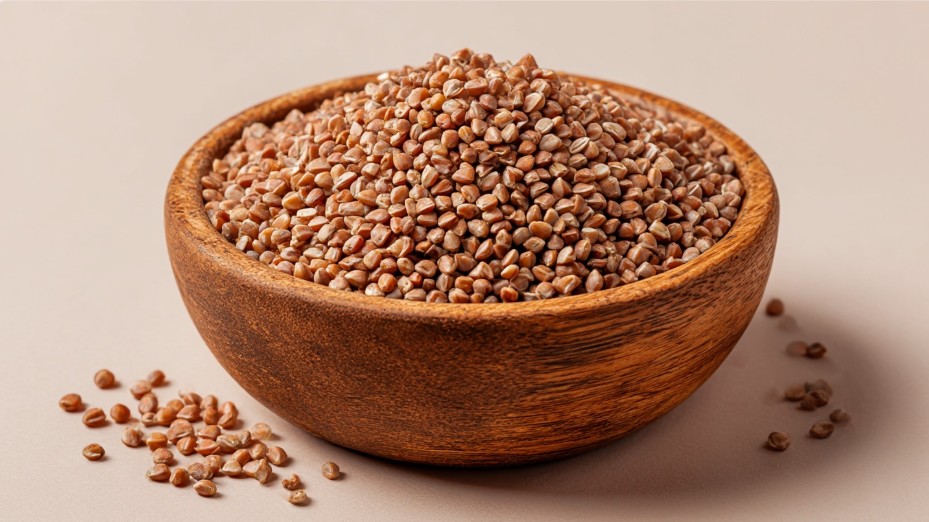
Of all the grains, buckwheat is the most ‘forgiving’ of mistakes, but it has its nuances. It doesn’t like excessive moisture and long boiling. If you oversalt the water, the taste becomes flat; if undercooked, the grain is hard and dry.
Buckwheat is good because it tells you when it’s ready. In the kitchen, the smell starts to resemble roasted nuts — this is a sign that the grain is ‘opening up.’ The water should barely cover the grains, and after the liquid is absorbed, buckwheat needs to stand under the lid for about 10 minutes. I often just wrap the pot in a towel — this way, the buckwheat ‘finishes,’ becomes crumbly but not dry.
A common mistake is stirring during cooking. Buckwheat doesn’t like unnecessary movement: if you constantly stir it, the grains break, and the porridge becomes sticky. It’s enough to gently fluff it once after removing from heat.
Tip: if the buckwheat turns out a bit dry, add a spoonful of hot water and leave it under the lid for a few minutes. Don’t try to save overcooked buckwheat — it’s better to use it for casseroles or patties.
All the basic principles I’ve gathered in a separate material on how to cook buckwheat properly.
Rice: Secrets of Rinsing, Choosing the Variety, Starch Control
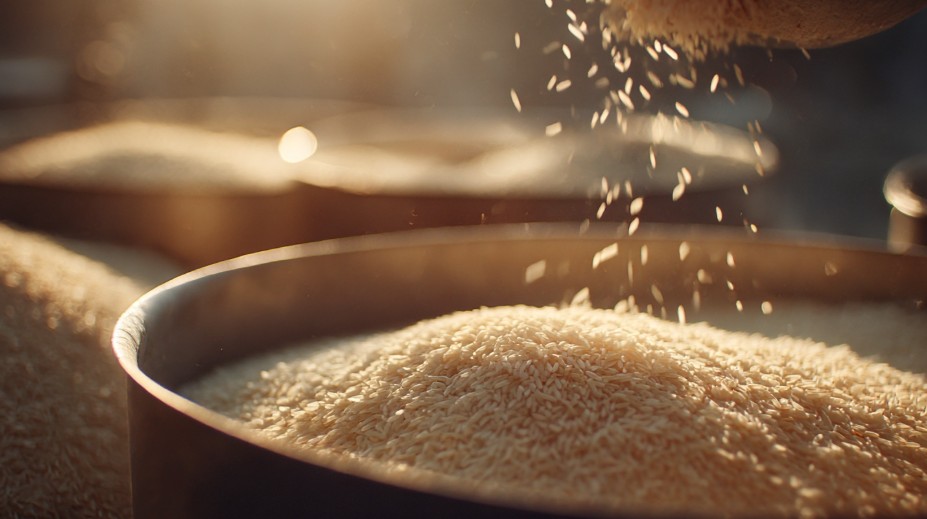
Rice is about patience. Many are afraid of rice because it either turns into mush or remains ‘glassy.’ The most common reason is skipping the rinsing stage. I always rinse rice: cold water, several times, until it becomes clear. This washes away excess starch, and the rice doesn’t stick.
The variety of rice is also important: round is better for milk porridges, long for side dishes, basmati for light dishes. At home, I often use regular long-grain rice: it gives a good crumbly structure if not overcooked.
Rice ‘likes’ calm: you don’t need to stir it during cooking. On the stove, heat to boiling, reduce the heat, cover with a lid. If in doubt whether the rice is ready, try one grain. It should be soft but with a slight ‘core.’ If suddenly the rice is still hard and the water has evaporated, add a few tablespoons of boiling water, cover, and heat for a few more minutes.
Tip: if you want the rice to be shiny and not stick, add a teaspoon of oil or ghee to the water before cooking.
A common mistake is leaving the rice on the stove after it has absorbed the water. Because of this, the grains ‘steam,’ and the whole rice turns into a single mass. I remove the pot immediately when the water disappears and let it stand under the lid, not opening it.
Millet: Why It Tastes Bitter and How to Get Fluffy Porridge
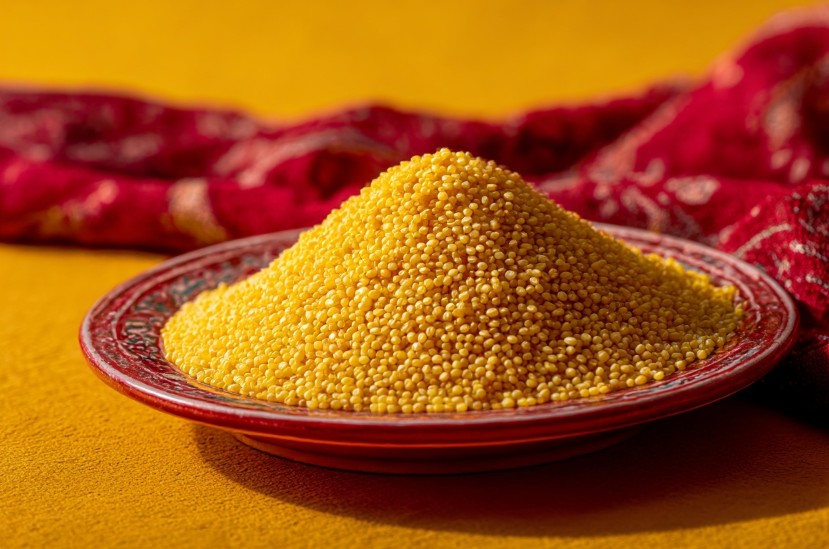
Millet is a tricky grain. Many don’t like it because of its bitterness. The reason is actually in the film on the grains, which contains natural oils. If you rinse millet with hot water and even pour boiling water over it for 2-3 minutes before cooking, the bitterness almost disappears.
Another nuance: millet easily overcooks. Therefore, less water is needed than for rice, and it should be cooked on very low heat. I add water in portions: first a little, as soon as it’s absorbed — a little more. This way, the porridge turns out crumbly, not ‘mushy.’
Tip: if the millet turns out liquid, open the lid, keep on low heat without stirring, so the excess water evaporates. If it dries out, add a little hot milk or water and leave under the lid.
With millet, the main thing is not to rush. If you leave the pot under a towel for 10-15 minutes after cooking, the grain ‘rests’ and becomes fluffy. Don’t rush to stir immediately: the grains are very delicate and break quickly.
Visual and Aromatic Signs of Readiness
At first, it seems that everything depends on the timer. But in reality, even the same grain can ‘finish’ in different times. The main thing is not to be afraid to look and smell. Buckwheat starts to smell like roasted nuts, rice has a slight milky aroma, millet is sweetish, without bitterness.
Water is another marker. If you see that the liquid has disappeared and the grain has become fluffy, the grains don’t stick together — it’s almost ready. Try one spoonful: the texture should not be ‘to the teeth,’ but not sticky either. If you want to ‘dry’ the porridge a bit, keep it under a towel without a lid for a few minutes.
Smell is the best signal. If you smell an aroma that whets your appetite, it’s probably time to remove from heat. Visually, the grains should be whole, without cracks, but not ‘swollen’ like mush.
Common Mistakes When Cooking Grains
- Rinsing with cold or hot water doesn’t suit all grains equally. Rice should be rinsed with cold, millet with hot.
- Using one water ratio for all types of grains often leads to overcooking or dryness.
- Constant stirring during cooking destroys the grain structure, making the porridge sticky.
- Opening the lid during cooking releases steam, causing the water to evaporate faster.
- Trying to ‘finish cooking’ the grain on high heat — the grains burn, but remain hard inside.
Tip: if the grain is burnt at the bottom, don’t scrape the bottom — better carefully transfer the top part to another dish. The burnt smell easily spoils the whole dish.
Another common mistake is adding salt immediately to cold water. For buckwheat, this is not critical, but for rice and millet, it’s better to salt when the water is already boiling: then the grains don’t harden.
What to Do If Something Goes Wrong?
Even experienced cooks sometimes ‘ruin’ grain. The main thing is not to panic. If the porridge becomes too liquid, open the lid, leave on minimum heat, the water will evaporate. If it dries out, pour hot water or milk in small portions, let it stand under the lid.
If the grain is overcooked into glue, don’t rush to throw it away. Such a mass makes good casseroles, pancakes, or patties. I once cooked rice ‘Italian style’: I wanted pilaf, but it turned out something like risotto. Didn’t spoil it, but discovered a new dish!
Tip: if buckwheat or rice has lost its taste, try adding a little butter, greens, or spices. Grains absorb aromas well even after cooking.
Sometimes the grain retains bitterness (especially millet). Only rinsing and pouring boiling water before cooking will help here. If you’ve already cooked bitter porridge, mix it with another grain or use it in baking.
Life Hacks for Confidence: How Not to Be Afraid of Cooking Grains
- Always taste the grain for readiness, don’t just rely on the time on the clock.
- Use pots with a thick bottom — they distribute heat evenly, the grain doesn’t burn.
- For fluffy porridge, wrap the pot in a towel after cooking and leave for 10 minutes.
- Don’t rush to stir — let the grain ‘rest,’ then the structure will be perfect.
- Variations with adding broth or milk make the taste deeper, even if something didn’t quite work out.
A micro-story from practice: once, when I was teaching a young colleague, she was scared that the rice ‘stuck together.’ It turned out she just didn’t let it stand under the lid after cooking. Five minutes of patience — and the rice became crumbly. That’s the little thing that separates ‘almost as it should be’ from ‘oh, how delicious!’
Another case: an old pot, thin bottom, and all the buckwheat burned. We used the top layer for salad, and left the bottom for the dog. Don’t be upset over one mistake — it’s just a reason to try again.
How to Learn to Feel the Process: Observation and Routine
When you cook grain not ‘by instruction,’ but with your eyes and nose, it’s all about attentiveness. Every stove, every pot is its own story. Learn to look at the grain: has it absorbed the water, has the color changed, has the aroma appeared. Over time, this becomes intuition, but at first — just play, don’t be afraid to make mistakes.
A small ritual: when you set the water, feel how it boils. When you pour the grain, listen to how the sound changes. When the porridge ‘finishes,’ open the lid and inhale the aroma. It’s not about the perfect result, but about the feeling of control. The habit of observing is the best way to learn to cook without fear.
And most importantly: if you’re cooking grain for yourself or your loved ones, even a small mistake is not the end of the world. Every time is an experience, and gradually your hand already knows how much water is needed, when to remove from heat, how to make porridge ‘like in childhood.’
There is no ‘perfect’ buckwheat or rice — there is your grain, your stove, your taste. It’s worth trying different options, listening to yourself, and not being afraid to experiment. This is how the home kitchen becomes a place where you control the process, not the other way around.
Are you cooking grain today? What’s your main ‘little thing’ or discovery in this simple dish? Share in the comments — I’d love to hear stories from your kitchen.