How to Cook Potatoes in the Oven

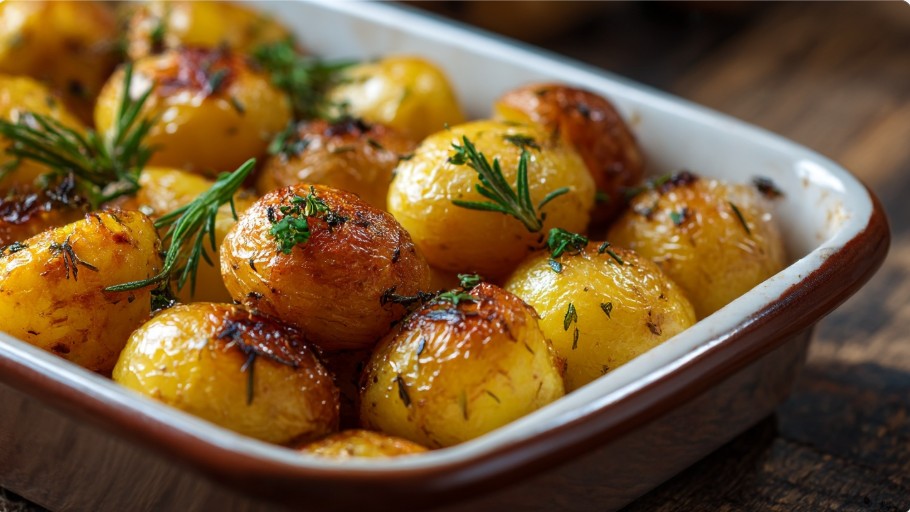
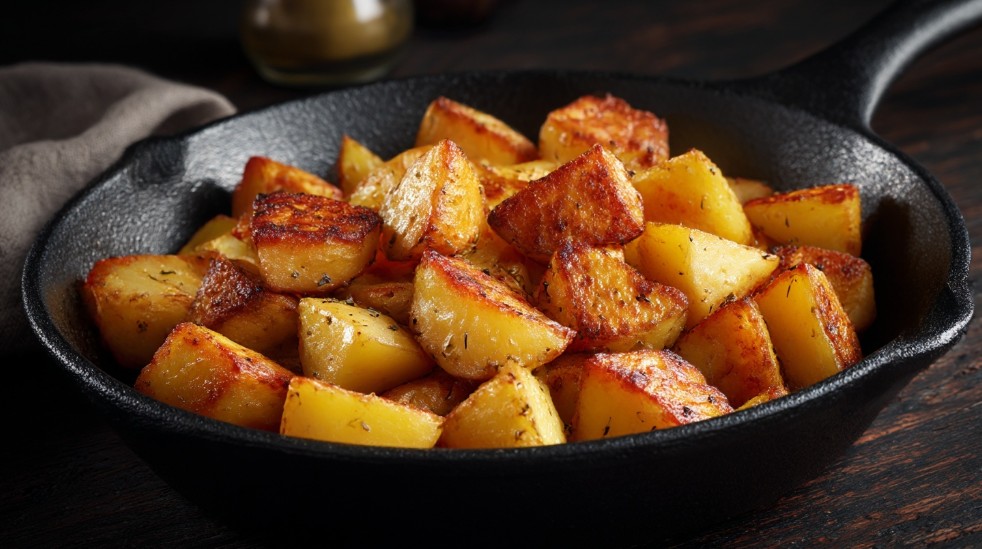
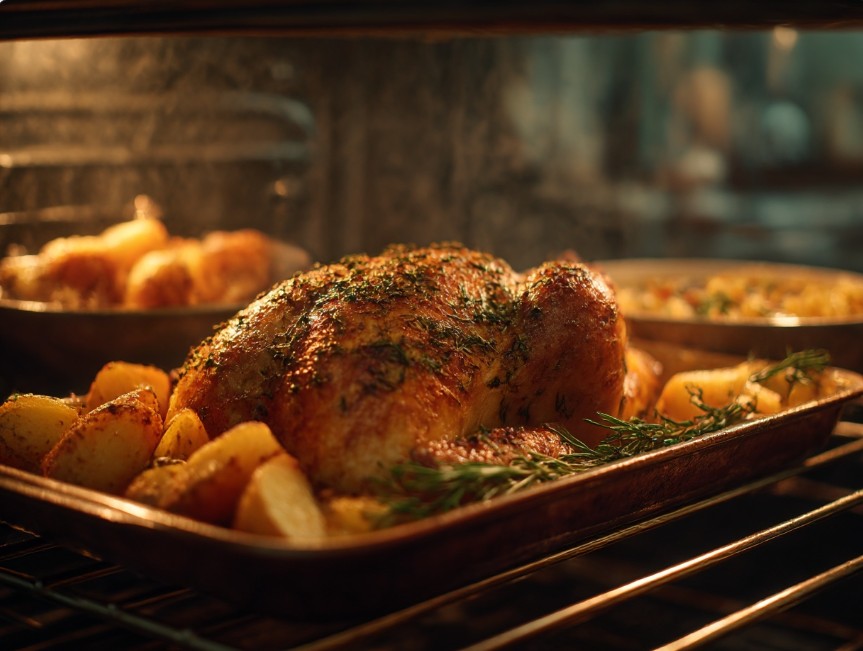
There is a special magic in this process: taking an ordinary raw potato, pulling it out of the oven an hour later — and getting something completely different. There’s always someone in the kitchen waiting for that crust — crispy, golden, slightly salty, with the aroma of heated butter and herbs. But time and again, things go wrong: the potatoes are soggy, the crust is pale, or the inside is rubbery. It’s not about incompetence, but about the fear of ruining it. It’s a familiar feeling — when you put the baking sheet in the oven, and then it becomes a lottery.
I’ve often observed how people hesitate at the threshold: is there too much oil, will it dry out, will it remain raw inside? These doubts make the dish seem more complicated than it really is. In reality, the main thing is not to repeat others’ mistakes and to understand why the potatoes behave this way. I’ll show you how to look at the process not through the eyes of a recipe, but through the eyes of a cook. Then the fear dissolves, and the result comes from understanding, not chance.
Choosing Potatoes: The Basis for Different Results
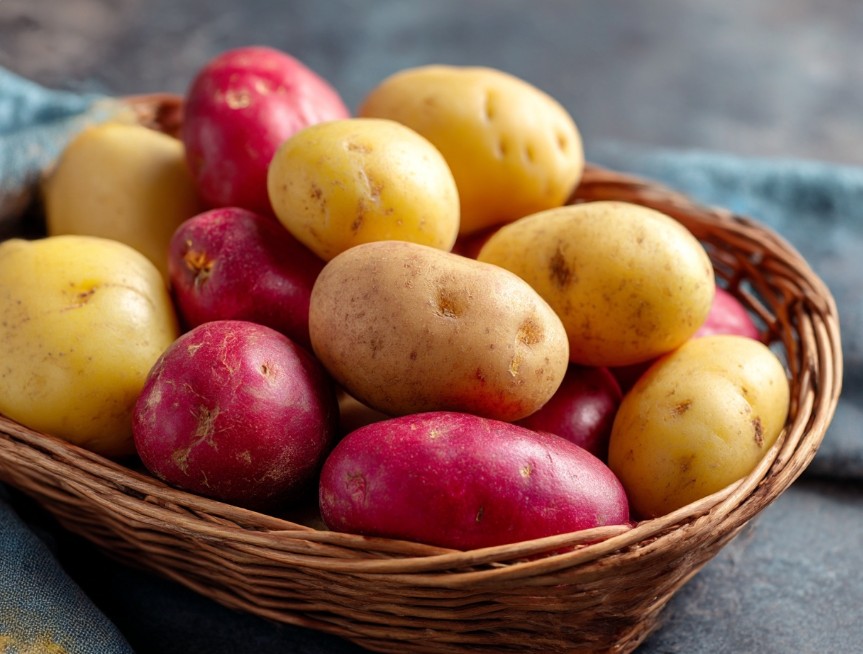
It all starts before the oven. The type of potato you choose decides a lot. Sometimes you pick a nice yellow one at the market, but at home, it turns into mush instead of pieces. Or the opposite: you buy a white, firm one, but it doesn’t bake, stays raw inside, even if the crust is already there.
The secret here is in the starch. Potatoes with high starch content (usually white, crumbly) give a crispy crust but can fall apart inside. Waxy (yellow, smooth) hold their shape, but the crust is less pronounced. If you want that golden, crispy crust with a tender but not watery inside — choose something in between. Ideally, young varieties for baking. But even old potatoes will do if you understand their characteristics.
I’ve often found that even within a single purchase, potatoes behave differently. There was a case — I took two identical-looking tubers, and after baking, one held its shape, and the other fell apart. It’s normal. So don’t chase the ideal from the picture — better learn to see how your potatoes work.
Preparation: Why Details Matter Before the Oven
I’ve seen people think: “Cut, stack, pour — and that’s it.” Then they wonder: why did it stick, why isn’t there that crust they were aiming for? Here, the details make all the difference.
Size of Pieces: How It Affects Texture
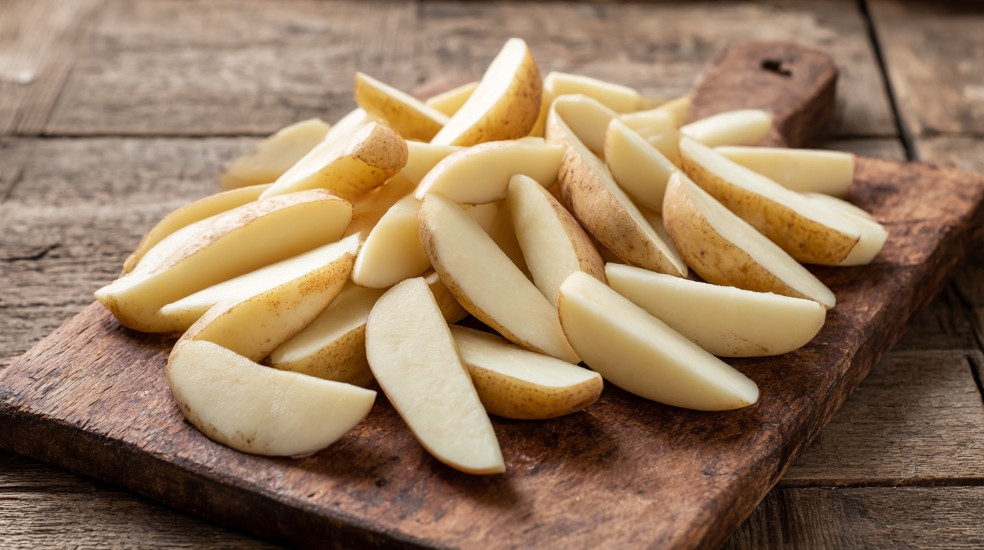
If the pieces are too large, they will remain raw, even if they look ready on the outside. Too small, they dry out, become brittle, and burn quickly. For a home oven, the optimal size is small but thick pieces, so the core doesn’t dry out, and a crust forms. I like to cut them into quarters or thick slices — this way, they hold their shape and bake evenly.
Before putting the potatoes in the oven, it’s important to pay attention not only to the temperature or spices but also to the shape of the cut. It determines whether the potatoes will bake evenly and maintain a pleasant texture without dried-out edges. We’ve detailed how to properly cut potatoes rustic style in a separate article — this will help avoid common mistakes at the preparation stage.
Soaking: When It’s Necessary
You’ve probably heard the advice: “After cutting, the potatoes should be soaked in cold water.” It’s not always necessary, but if you want the maximum crust, soaking washes away excess starch from the surface. This way, the pieces don’t stick together and “fry” better in the oven rather than stewing in their own juice. I usually rinse the potatoes after cutting — not for long, just under the tap. If there’s time, you can soak them for 10-15 minutes, then dry them well with a towel. This moisture is the main enemy of the crust.
Oil, Spices, Salt: How Not to Overdo It
Many are scared by the amount of oil: it seems like you need very little, otherwise, it will be greasy. In reality, oil creates that golden crust. But if you overdo it, the potatoes “boil” in fat rather than bake. In practice, I aim for each piece to be thinly coated with oil, without puddles or dripping drops.
With spices, it’s simple: I add salt immediately, something from dried herbs (thyme, rosemary, paprika) — but not too much, otherwise, the spices will burn and not impart flavor. Fresh herbs are better added at the end because they blacken quickly.
Tip: mix the potatoes with oil and spices by hand — this way, they are evenly coated, and you can feel where there’s too much or too little.
Temperature and Preheating: Why It’s Critical
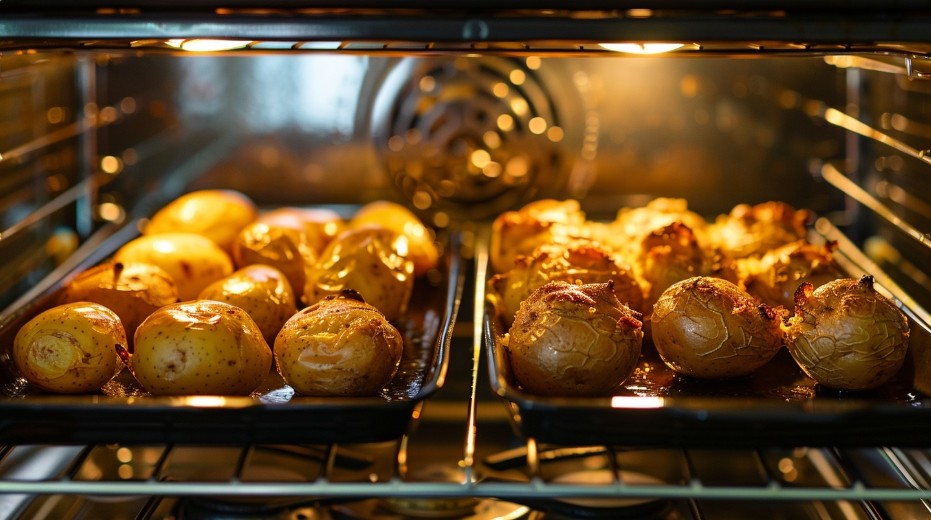
I’ve seen it many times: people put the baking sheet in a cold oven and then wait for a miracle. But the whole point is for the potatoes to immediately hit the heat. Then the surface “seals,” and the juice doesn’t escape, leaving the inside soft.
What Temperature Works Best
If the oven is weak, the potatoes just dry out but don’t brown. If the heat is too strong, they burn on the outside and remain raw inside. For most home ovens, the optimum is 200–220°C. If there’s a convection mode, feel free to use it; it helps with the crust.
Once, I worked in a kitchen where the oven was old, Soviet-era. There were no degrees, just “minimum-maximum.” We determined the heat by hand: you put it in for a second, if it’s hot but not burning, it’s ready. And you know, the result was often even better than in modern ovens. The main thing is not to be afraid to experiment and observe.
To Preheat or Not
Always preheat the oven in advance. Even better, place the baking sheet or form in the oven during preheating, so it becomes hot too. Then, when you lay out the potatoes, they immediately start sizzling and browning from the bottom. This makes a big difference.
Life hack: if you want an extra crispy crust, sprinkle a little semolina or cornmeal on the bottom of the hot baking sheet before the potatoes.
How to Control the Process: Smell, Appearance, Sound
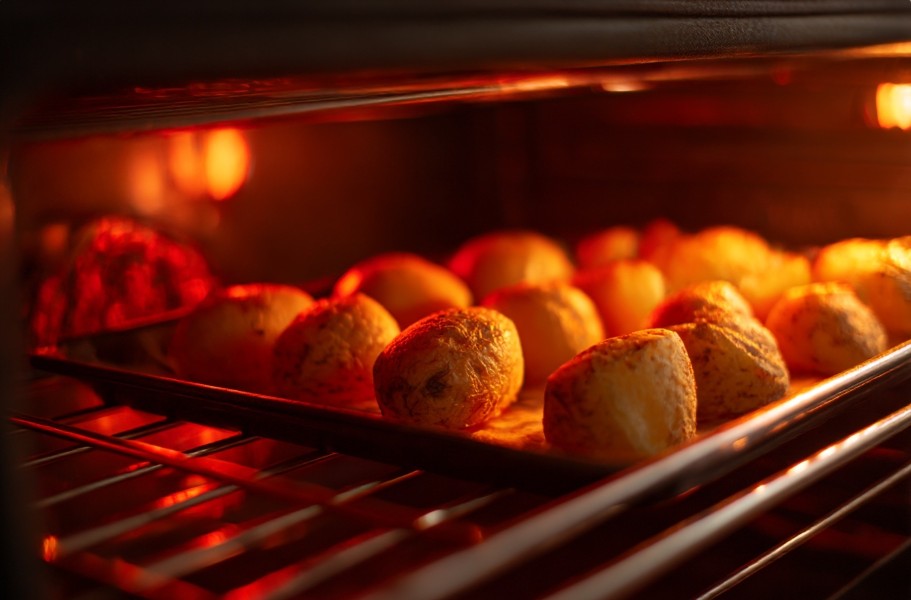
It’s important not just to “set the timer and wait.” The potatoes speak to you: the aroma changes, the color deepens, and there’s a pleasant crunch when you lift a piece with a spatula. You need to learn to hear these signals.
Visual Signs of Readiness
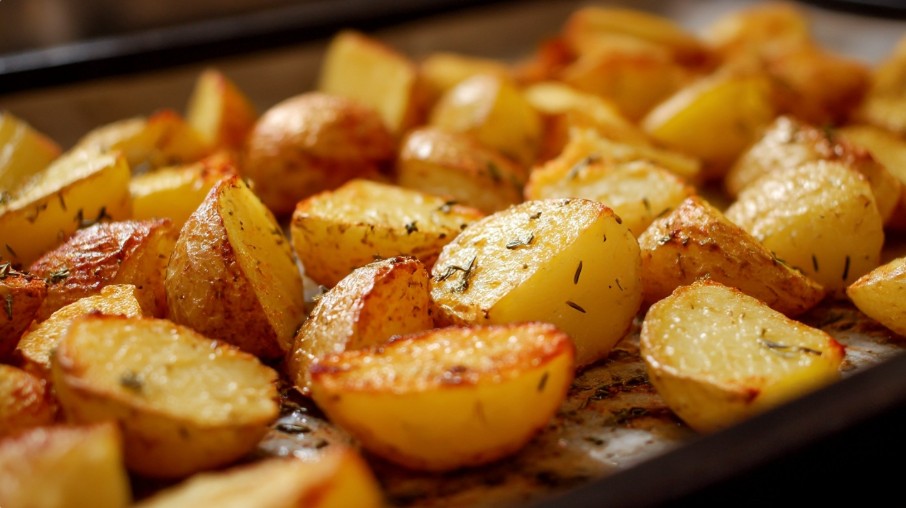
The potatoes should become golden, slightly browned at the edges, but not burn in places. If you see that the edges are already dark, but the middle is pale, it means the heat is too strong, or the pieces are not of equal size. Stir gently and give it another 10 minutes.
Smell and Sound
The smell is your main indicator. At the beginning, almost nothing, then a sweet, roasted-potato aroma appears. If you smell burning, something is overheating, better reduce the temperature. The sound — if the potatoes start sizzling when you open the oven, that’s good. If it sizzles too loudly and splatters, there’s too much oil, or the temperature is too high.
Texture When Pressed
Gently press with a fork or knife: there should be slight resistance on the outside, and softness inside. If the fork goes in too easily, the potatoes may be over-dried. If it “squeaks” on the teeth, it’s not ready yet.
Tip: during the process, turn the pieces every 15–20 minutes — this way, the crust will be on all sides, not just the bottom. Here you can try, the full recipe for rustic-style potatoes.
Common Mistakes — and How to Avoid Them
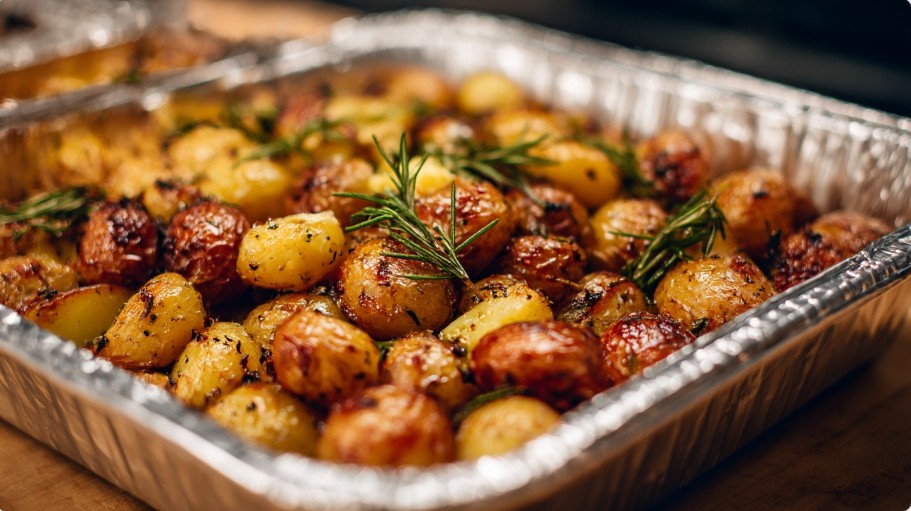
These mistakes have happened to me and my friends. Several times I’ve pulled something out of the oven that was far from the dream. But these mistakes teach better than any guidelines.
- Uneven pieces: everything cooks at different speeds, some parts dry out, others remain raw.
- Too much oil: the potatoes don’t bake, they float in fat, no crust.
- Not preheated oven: pieces stick to the baking sheet, become soft, no crust forms.
- Not dried potatoes: the surface doesn’t fry, it “boils” in its own moisture.
- Frequent opening of the oven: the heat drops, the process slows down, and the crust doesn’t form.
My favorite mistake: once I was in a hurry, didn’t dry the potatoes after rinsing, and immediately laid them on the baking sheet. It turned into a “steam bath” — no crust, all the pieces stuck together. It took me a while to figure out what went wrong until I realized: the main thing is dry potatoes and a hot baking sheet.
What to Do If Something Goes Wrong
We’ve all been there: you open the oven, and the result is disappointing. The main thing is not to get upset but to save the situation as much as possible.
Potatoes are soft and lack a crust
Place the baking sheet higher, increase the temperature by 10–20°C, give it another 10 minutes. If there’s convection, turn it on. Be careful with oil: if there’s too much, blot the excess with a napkin.
Pieces stuck together or fall apart
Gently remove them with a spatula, don’t turn them unnecessarily. Next time, dry better. If it’s completely mush, use it as a filling for a pie or casserole, it won’t go to waste!
Edges burned, but the middle is raw
Cover with foil or parchment, reduce the temperature, and bake for another 15–20 minutes. You can add a few tablespoons of water to the bottom of the baking sheet to help steam cook the inside.
Tip: don’t be afraid to cut off burnt parts — it’s better to leave less but tasty than to try to “fix” the burnt.
Variations and Nuances: How to Adapt the Process to Yourself
I often experiment with texture and taste. The same potatoes on different days can turn out differently — and that’s normal. Here are a few observations from practice.
- You can try pre-boiling the pieces for 5 minutes in salted water — this way, the inside will definitely be soft, and the crust will be even better. The main thing is to dry well after the water!
- Sometimes I add a little mustard or lemon juice to the oil: it gives a pleasant aroma and a slight acidity.
- Raw or slightly pressed pieces (for example, almost crushed with a spoon at the end) — give more crispy edges if you like that.
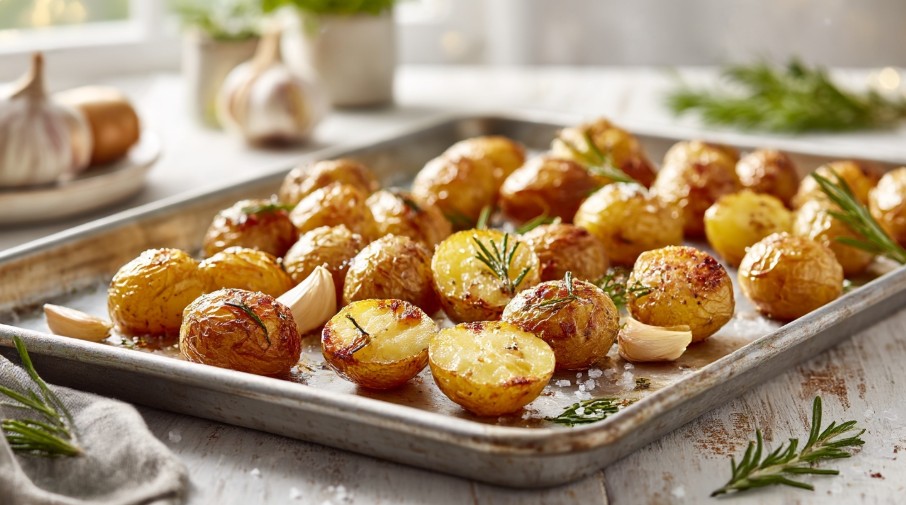
- Adding a couple of garlic cloves 10 minutes before the end will give a bright aroma but not bitterness.
If you want more variety, change the spices, add fresh herbs after cooking. Don’t be afraid to try new things, the main thing is to feel what’s happening in the oven.
Life Hacks for Better Results
- Hot baking sheet is your friend: always preheat it with the oven.
- Dry the potatoes with a towel after rinsing.
- Stir the pieces during the process, but not too often.
- Add oil gradually — better a little less than more.
- Don’t forget about spices: salt reveals itself well during baking, not after.
And one more thing: if something doesn’t work out, it’s not a failure, it’s experience. Each attempt adds confidence. I’ve faced situations where I had to quickly fix a “failure” — and that’s when you find your best tricks.
When baking potatoes in the oven, it’s important to consider not only the temperature and spices but also the dish in which you cook. The material of the baking sheet or form determines whether the potatoes will be crispy, tender, or evenly baked. If you want to understand the differences between steel, aluminum, glass, ceramic, and cast iron options, and which one is better to choose for a specific dish, we recommend separately familiarizing yourself with the article The Best Baking Sheets and Forms for Baking Potatoes, where this issue is discussed in detail and with practical advice.
Why Oven-Baked Potatoes Are More Than Just a Side Dish
Sometimes it seems: well, it’s just potatoes. But this dish teaches you to feel the process, not just follow instructions. You see how it changes from the inside and outside, how it reacts to temperature, time, spices. It’s almost like a small training for kitchen confidence. I’ve noticed that even people who are afraid to cook, after successful baked potatoes, feel excitement: they want to explore more, try something new, take risks. So that this dish can proudly be added to a festive menu for a birthday.
It’s a simple way to learn to be the master of your kitchen. And not to be afraid of making mistakes. Because even if something goes wrong, you already have an understanding of how to fix it. And most importantly, the desire to keep cooking.
What is your most interesting experience with baking potatoes? Has there been anything completely unexpected? Share in the comments — it’s interesting to see how it happens for you.