How to Cook Solyanka Properly: Basic Technique

I remember the first time I tried to cook solyanka myself. Everything was at hand: a pot, meat, sausage, pickles — but I wasn’t confident that I would achieve the exact taste I wanted. Childhood memories swirled in my head: a big pot where everything is boiling, a rich aroma, and how everyone at home adds lemon or a spoonful of sour cream. But here’s the first catch: solyanka seems simple, but it almost always turns out differently than expected. The taste is flat, the meat is dry, the broth is cloudy — and you get the feeling that it’s ‘not for me.’ Many stop right there.
But the truth is: solyanka is not about the complexity of ingredients, but about understanding how simple things work together. Once you feel how a deep, rich taste is born from ordinary products, the fear will disappear. Cooking solyanka is not about strictly following instructions, but about feeling the moment: when to add, how long to cook, what to see, what to smell. And that’s what I want to talk about — without ‘once and for all’ rules, but with practice that will definitely help capture the essence.
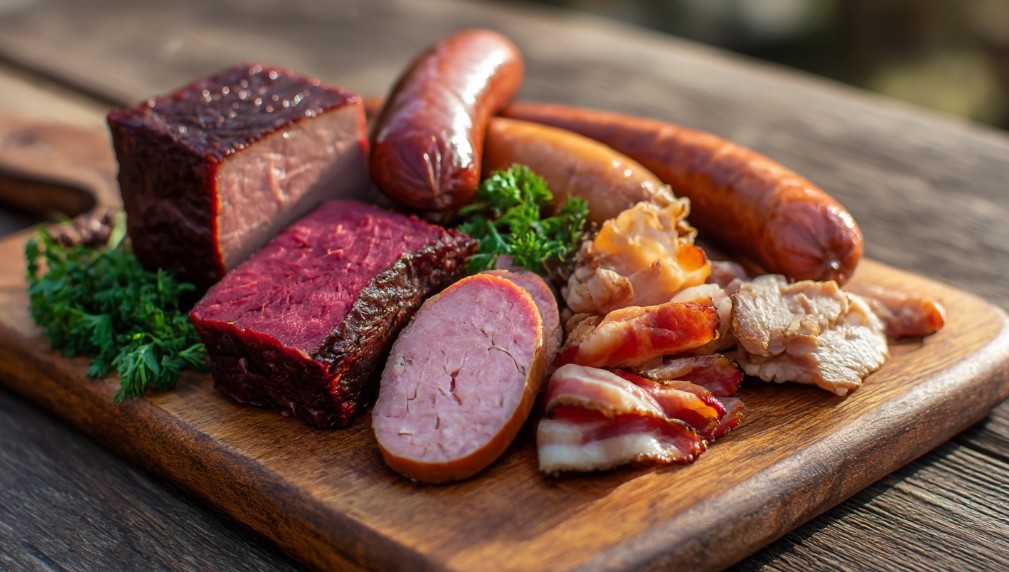
The Essence of Solyanka: What You Need to Understand
Everyone has their own solyanka in mind. For some, it’s a festive soup, for others — something like ‘what was in the fridge.’ But if you look deeper, all the magic is built on balance: salty, sour, meaty, smoky, spicy, and fresh. And it’s not just a set of flavors — it’s a dialogue of products in a pot, where everything should sound together, but no ingredient should dominate.
The main thing in solyanka is not the amount of meat, but the correct interaction of flavors. When the sausage doesn’t ‘overpower’ the meat, and the lemon doesn’t drown out everything else, and the pickles give a characteristic sourness but don’t turn the soup into a marinade. It’s important to understand: solyanka doesn’t explode with flavor immediately, it gathers gradually, layer by layer. And that’s why every step is critical here — from the first minutes to the last touch of lemon in the bowl.
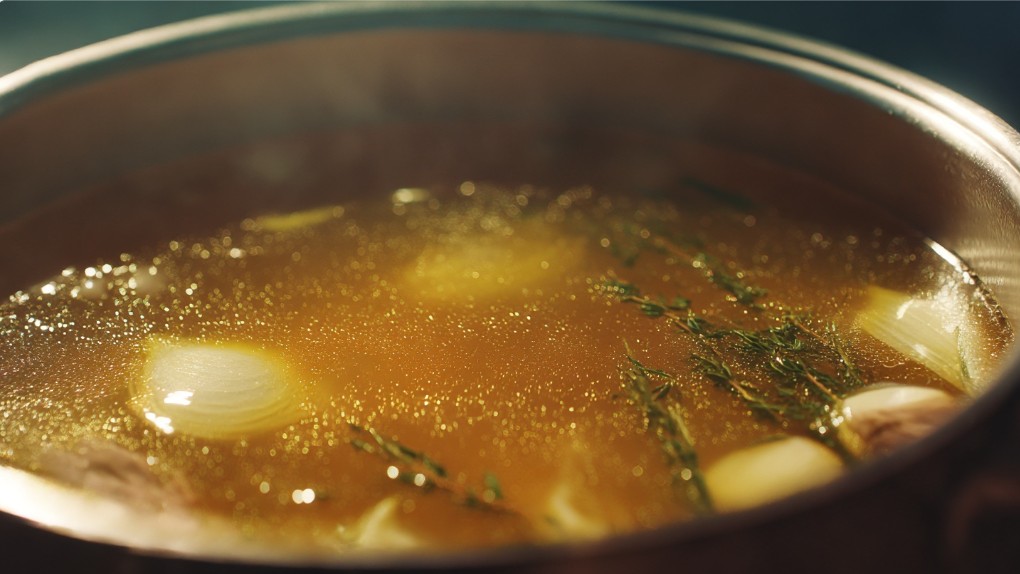
Everything starts with the broth. It’s like a canvas. If it’s simple, the solyanka will be ’empty.’ If you oversaturate the taste — it’s easy to get oversalted. Here you need to learn to hear the soup even before adding spices. I always orient myself by smell: if the broth smells rich, even without salt, it means the base is good. If it’s ‘flat’ — you’ll have to add not quantity, but depth.
Meat Base: How to Gather a Deep Flavor
Here often arises the first confusion: ‘I’ll put more of everything, it’ll be tastier!’ But this is exactly the case where more is not always better. Real solyanka is not just a set of meat leftovers. I tried it a few times: threw everything I had into the pot — and ended up with a soup where no flavor was readable, and individual pieces got lost in the general ‘mash.’
The meat base should be varied in texture and taste. The classic is a combination of boiled meat (beef, pork), a bit of smoked (sausage, brisket), and a small amount of something more expressive (bacon, ham). It’s important not to get carried away with smoked meats, otherwise, the soup will turn into ‘smoked water.’ I have set a rule for myself: one part meat, one part smoked, and another part sausage or hot dogs.
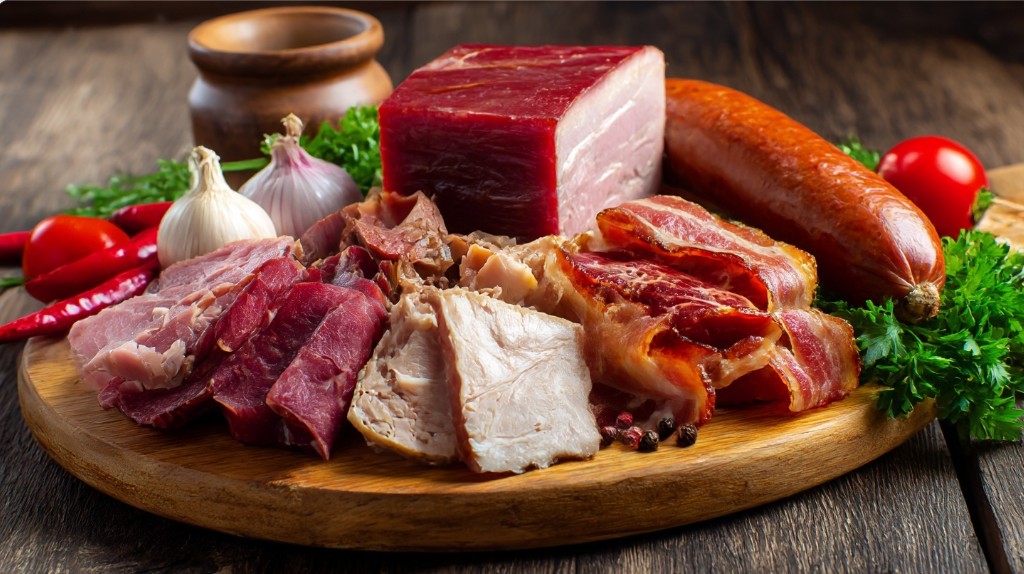
An important moment is the laying. Boiled meat gives richness, it is laid first, and smoked is added closer to the end. This way it won’t overcook and won’t give all its aroma to the broth, leaving the taste ‘alive’ in each piece.
Tip: if there are several types of meat, cut them to different thicknesses. Thinner for quick flavor, thicker for ‘aftertaste’ in the spoon.
Sometimes, after cutting, the meat looks dry or slightly weathered — don’t rush to throw it away. Such pieces often best give flavor to the broth. But if they are completely ‘tired,’ it’s better to brown them a bit on a dry pan before laying — the aroma will only benefit from this.
Pickles: How Not to Spoil the Balance
Pickles are not a trifle. They determine the character of solyanka. But it’s easy to overdo it: add too much — the soup will become sharp, too little — it will seem ‘spineless.’ I’ve noticed this in many home kitchens: often pickles are thrown directly into the pot, without frying or evaporating excess liquid. As a result — a sour soup with a cloudy broth and too aggressive a note.
It’s better to cut the pickles smaller than it seems and stew them separately. I take a pan, a little oil or a piece of butter, and let the pickles ‘simmer’ until they become almost transparent. If they are very hard, you can add a spoonful of broth and keep them under the lid. After such processing, the taste becomes softer, and there is no cloudiness in the soup.
Lifehack: if the pickles are too salty or sour, add a little fresh carrot when stewing — it will soften the acidity.
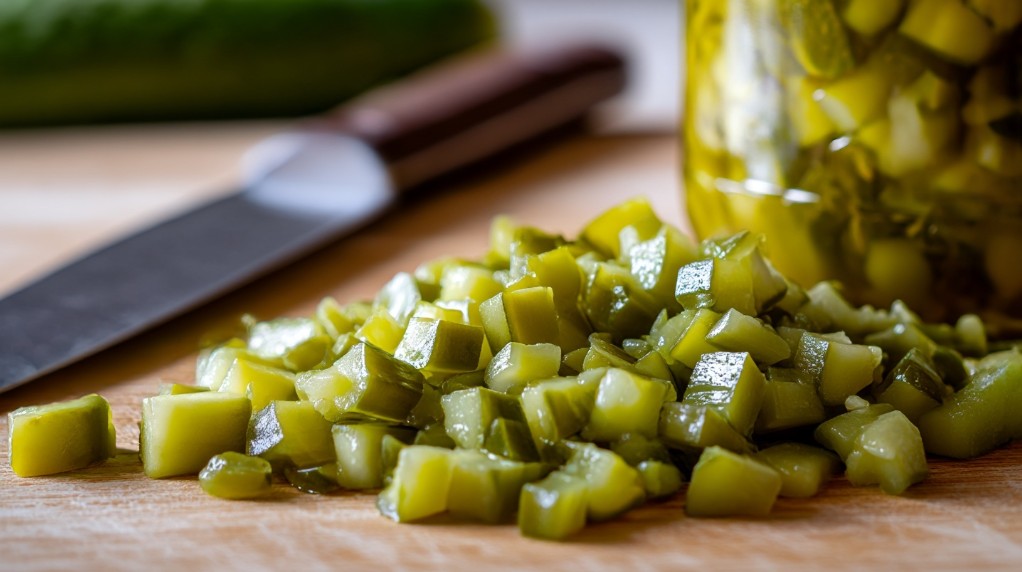
Another mistake is adding the brine along with the pickles. Here you need to be careful: if the brine is very concentrated, it’s better to add it gradually, focusing on taste. Once I poured the entire jar of brine — and got an absolutely oversalted solyanka that couldn’t be saved. Since then, I add the brine in small portions, tasting the soup each time.
Broth: How to Make It Deep, Not Cloudy
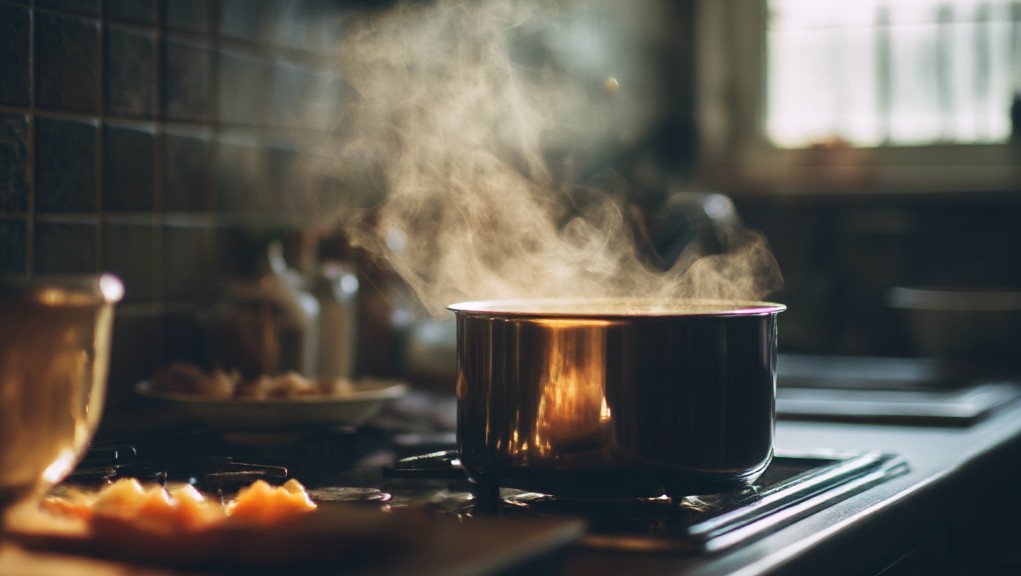
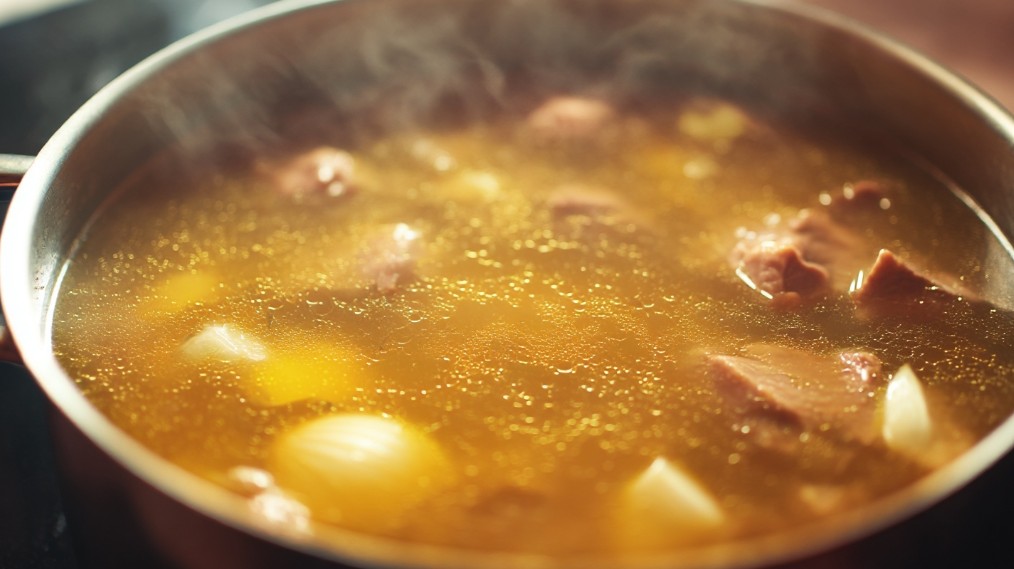
Broth is not just water with meat. Its strength lies in how it ‘pulls’ the flavors of all the ingredients. I’ve experimented a few times: boiled the meat on high heat — and almost always got a cloudy, fatty liquid. But if you let the meat come to a boil, skim the foam, and cook on minimal simmering, the broth turns out clear, aromatic — and just what you want for solyanka.
Temperature is critical here. If it boils all the time — proteins coagulate and cloud the liquid. If it barely trembles — everything stays in place. Another thing: don’t be lazy to skim the foam in the first 10-15 minutes. It’s a small thing, but it’s what makes the broth clean.
I like to add onion with peel (gives color) and carrots to the broth, but I don’t overdo it. Important: all vegetables are removed after cooking, otherwise their taste will overpower everything else.
Tip: if the broth seems bland, let it infuse under the lid for 20 minutes after turning off the stove. The taste will become deeper.
Another point: don’t salt the broth initially. Meat and smoked products will give salt to the soup, so it’s better to add salt at the end, when all the main ingredients are in the pot. Once I tried salting right away — then I had to dilute with water, and the taste was lost.
Frying, Stewing, Order of Ingredients: Why It Matters
Many ignore this step: they just throw everything into the water and expect the taste to ‘play.’ But it’s the order and processing that give solyanka depth. I once rushed — threw the sausage directly into the broth. As a result, it lost its aroma, became rubbery, and the soup was monotonous.
It’s better to brown smoked products and sausage on a dry pan. Not to a crispy crust, but until a light smoke and flavor appear. This way they will add expressiveness to the dish. After this, you can add a little tomato paste (not sauce!) and stew together for 1-2 minutes. Tomato paste ‘reveals’ the taste, not gives acidity, as many fear.
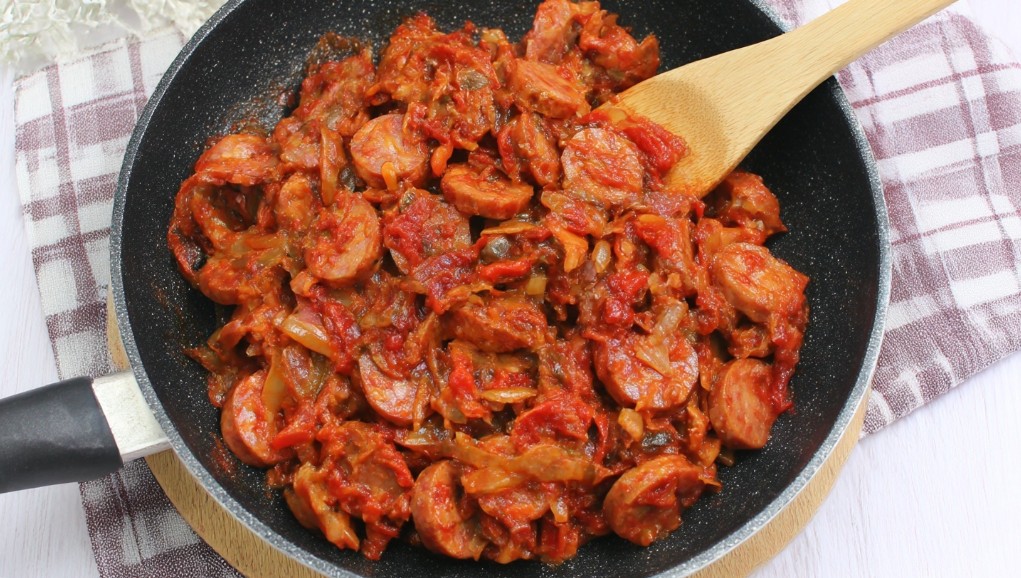
Then everything goes in layers: first the broth, then stewed smoked products with tomato, after — pickles, and only at the end — boiled meat. This order allows each ingredient to give its flavor, not dissolve in the general background.
Lifehack: if you add a little hot broth to the pan with tomato paste and smoked products, the sauce will become homogeneous, and there will be no lumps in the soup.
Temperature, Time, Texture: How Not to Ruin the Soup in the End
The final stage often decides everything. It’s easy to ‘overdo’ or, conversely, not let it infuse. A simple thing helps me: after all the ingredients are in the pot, I let the soup simmer for another 10-15 minutes on minimal heat. This is enough for the flavors to combine, and the texture to remain alive.
If you boil longer — the sausage will become tough, the meat — fibrous, and the pickles will fall apart. If too short — the soup will be ‘pieces in water.’ An important nuance: after turning off the stove, be sure to let the soup stand under the lid for another 20-30 minutes. I used to neglect this, and the solyanka was always ‘split’ in taste. Now I let it infuse — and the taste is voluminous, dense, each sip ‘plays.’
Texture is no less important. The right solyanka is not ‘broth,’ and not a thick goulash. It should be of medium density, so each spoonful is different: here a piece of pickle, here a sausage, here meat. If you see that the soup is too thick — add a little broth, if liquid — let it simmer without a lid.
Lifehack: if you want a denser texture, add a handful of finely chopped fresh tomatoes along with the paste. They will give ‘body’ to the soup.
Common Mistakes and How to Avoid Them
It seems solyanka is not about risks. But in practice, there are a few pitfalls here.
- Oversalted: The most common problem. Solution — add a little boiled water, let it simmer for 5 minutes without a lid, then add a couple of pieces of potato (they will draw out excess salt). Remove them before serving.
- Cloudy soup: It’s about vigorous boiling or heat. Next time, cook the broth on low heat, skim the foam. If it already happened — add a spoonful of lemon juice at the end, the taste will be brighter, and the look fresher.
- Boring taste: Lacks acidity or smoked products. Add a little pickle brine or lemon juice, but carefully. Let the soup infuse.
- Pickles are tough: Need to stew longer, possibly under a lid with a spoonful of broth.
- Sausage is rubbery: Means overcooked or added too early. Next time add it to the almost ready soup.
I remember a story when a young chef in a restaurant kitchen oversalted the solyanka and was about to drain everything. We quickly threw a few pieces of raw potato in, let the soup simmer, took them out — and the taste came back to life. Sometimes small ‘accidents’ in the kitchen are a way to learn more than from books.
If you want not just to understand the principle, but to cook solyanka step by step, it’s worth focusing on a proven home version. It’s in such recipes that the logic is clearly visible: what is fried separately, when pickles are added, how the broth works, and why the taste is gradually formed. I have gathered a detailed version of the preparation that will help you catch the right texture and balance from the first try — see what the recipe for homemade solyanka looks like without unnecessary complexity.
Final Notes: Serving, Lemon, Olives, and That Very Feeling
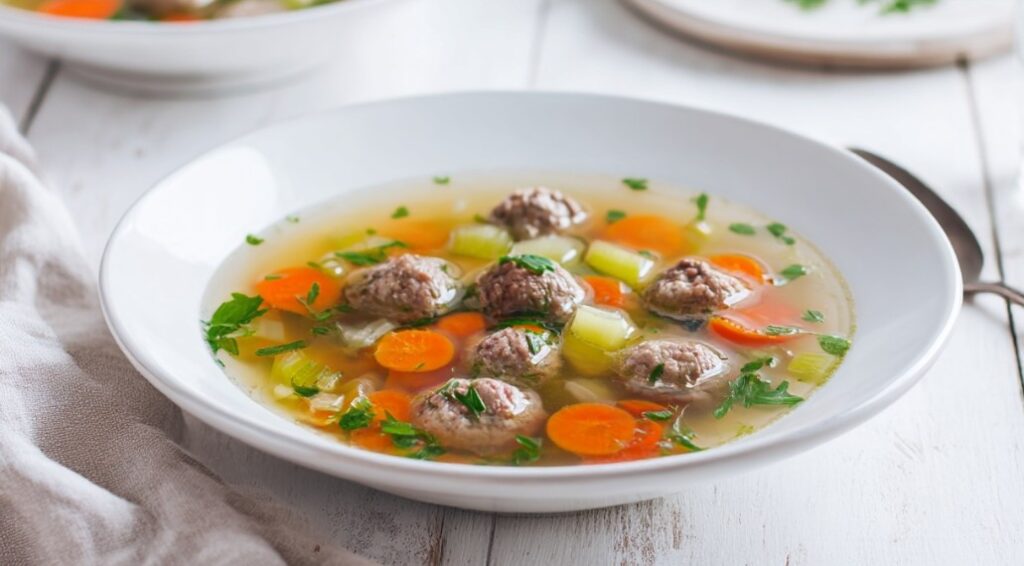
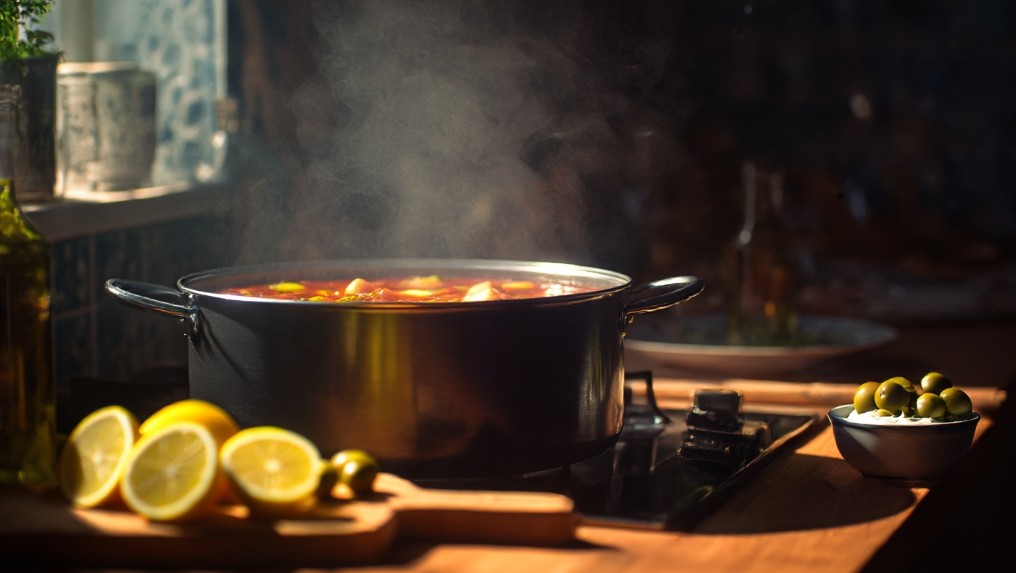
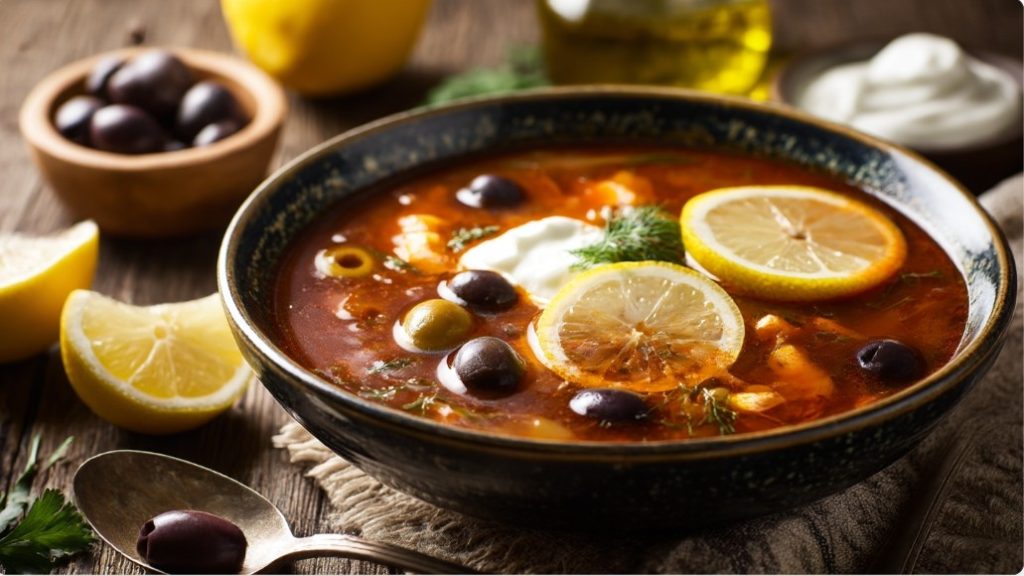
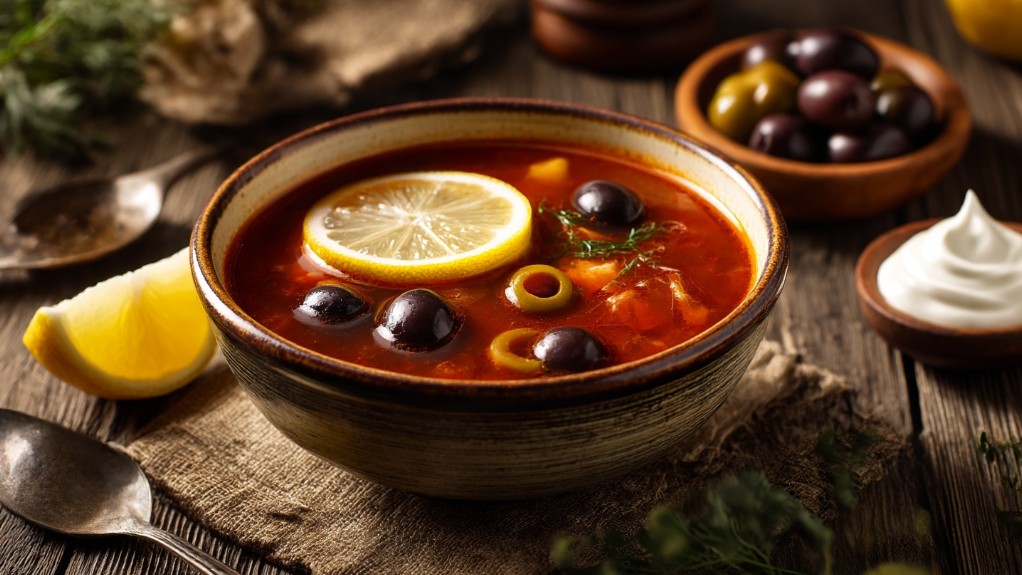
Solyanka is not just a soup. It’s always a little more: mood, smell in the house, a sense of celebration. I love when there is a slice of lemon, a few olives, greens, and a spoonful of sour cream in each bowl. But there are nuances here too.
I put lemon in the bowl, not in the soup. If you let it boil — it will spoil the balance of taste and make the broth bitter. Olives don’t have to be expensive. The main thing is that they are pitted and not too salty. I usually cut them in half and throw them in just before serving, so they don’t ‘pull’ excess salt into the broth.
Tip: if there are no olives at home, no problem. Add a few salted capers or even a few olives — the taste will be different, but the soup won’t lose its character.
I add sour cream to the bowl, not the pot. This way everyone can adjust the density and acidity themselves. And one more thing: don’t rush to eat solyanka right after cooking. Time here is the best friend. If you let it stand for a few hours (or even overnight in the fridge), the taste will become even richer.
Sometimes, when there are many guests at home, I put all the additions — lemon, olives, sour cream, greens — separately, and everyone assembles their ‘perfect’ bowl themselves. This creates a feeling of a live kitchen, where everyone can be a chef just for themselves.
What to Do If Something Goes Wrong
Even experienced chefs sometimes make mistakes. Once I forgot about the solyanka on the stove, and it almost all boiled away. Desperately I saved it: added a little hot water, brought it to a boil, and let it infuse under the lid. The taste, of course, changed a bit, but the soup was brought back to life.
If the soup is oversalted — remove some liquid and add boiled water, add potatoes or rice, and after boiling, remove them. If the taste seems ’empty,’ let it infuse, add a few drops of lemon juice or a spoonful of pickle brine. If the pickles are too tough — remove them, stew separately with a spoonful of broth, and return to the soup.
Don’t be afraid to experiment. Solyanka is the same soup that can forgive mistakes. The main thing is to feel the moment and not stop. After a few tries, your solyanka will become the one you want to repeat.
Cooking solyanka is not about perfect recipes, but about understanding the process. When you know why and feel how the taste changes from every little thing, the fear disappears on its own. So don’t be afraid to try — and be sure to write in the comments what your main feature or story about solyanka is. Maybe it will become someone’s discovery.