How to Properly Cut Potatoes Country-Style

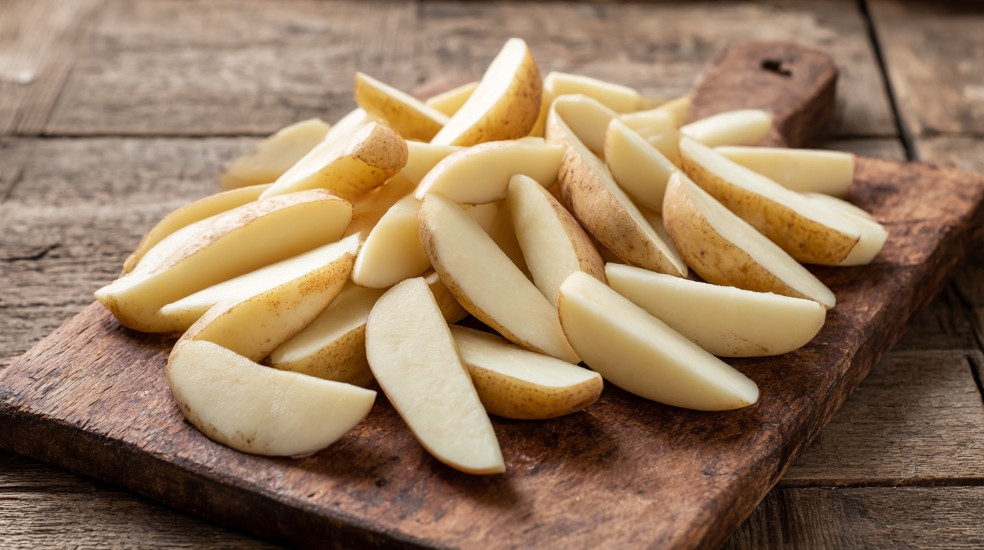
The first time I tried to cut potatoes country-style, it seemed simple: take a knife, a potato, and slice. But the result was nothing like my mom’s or even the canteen’s. Instead of even, pleasantly thick slices, there was a mix of uneven pieces, some thin, some thick, some crooked. And when I tried to fry them, some burned while others were still raw. That’s when I realized: there’s a science to this seemingly simple task.
For many, potatoes are associated with something mundane — slice and you’re done. But when you want them to look good, cook evenly, and not worry about cutting your fingers, you start thinking about doing it a bit differently. This raises the question: how to cut potatoes country-style quickly, safely, and with a result that pleases both the eye and the palate?
Today we’ll explore not just “how to hold a knife,” but how to take control of the process, learn to see and feel the potato, and understand why even such a simple step can change the taste of the dish and your mood in the kitchen. Because anyone who has ever prepared a large pot of potatoes for a group knows: mistakes multiply quickly here, and correcting them takes time.
Why the Shape of the Cut Matters
It may seem that potatoes are just a side dish, and the shape of the cut doesn’t affect anything but aesthetics. But that’s not true. The shape of the piece determines how evenly it will fry or bake, how crispy the skin will be, and how quickly the center will be salted. Even the aroma changes: large pieces give off a different smell than small soup potatoes.
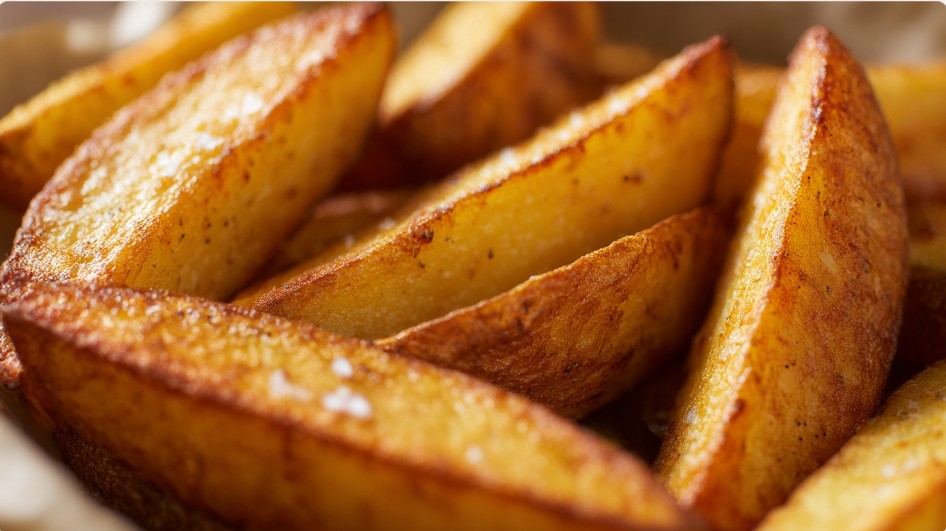
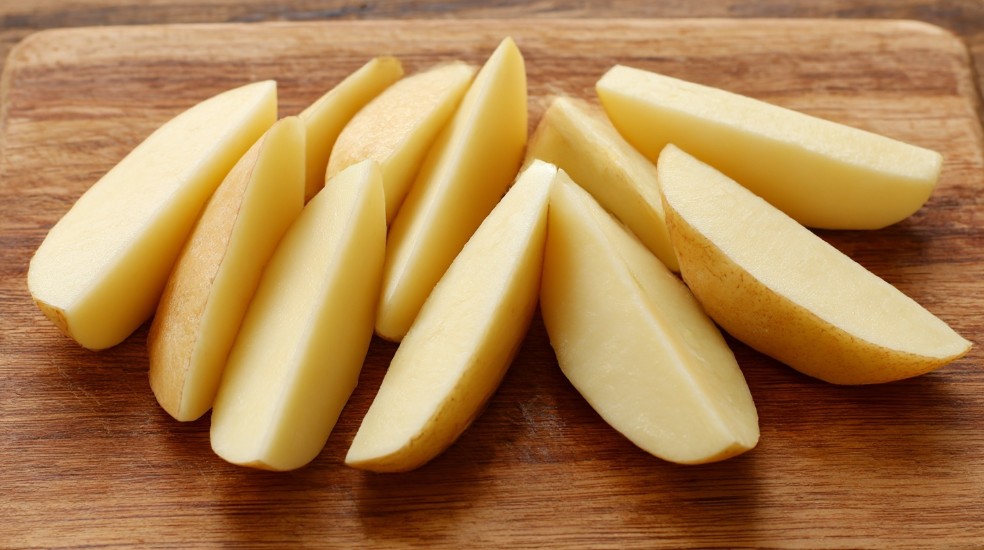
Country-style potatoes are not thin slices or small cubes. This cut has character — large, wedge-like pieces that are easy to grab by hand. This shape allows for a crispy crust and a tender center. If you cut too thin, it will be dry, and if too thick, it will be raw inside. Balance is key here.
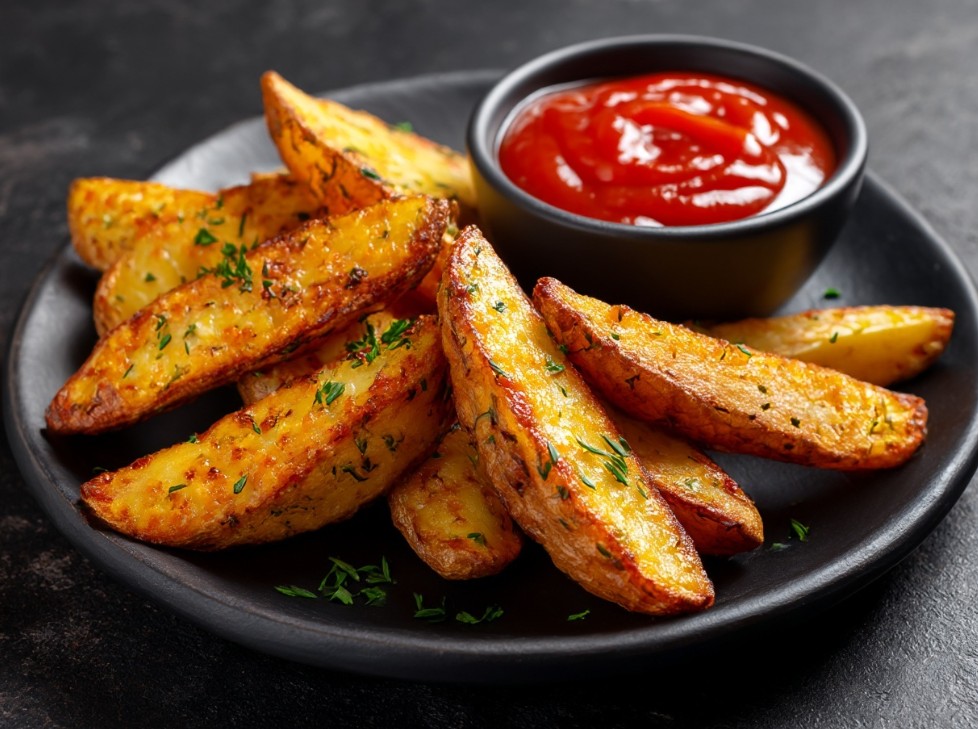
Remember how at home in childhood, potatoes were often cut: it often turned out as best as one could, pieces of different sizes, some already overcooked, some still hard. This experience, by the way, is important — it teaches you to see the difference between “just anyhow” and “as it should be.”
How to Choose Potatoes for Country-Style
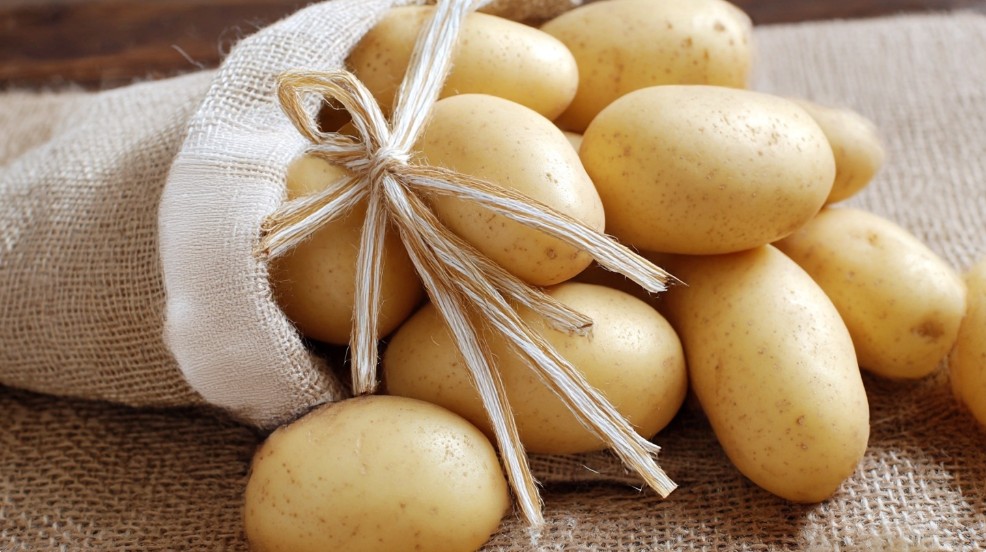
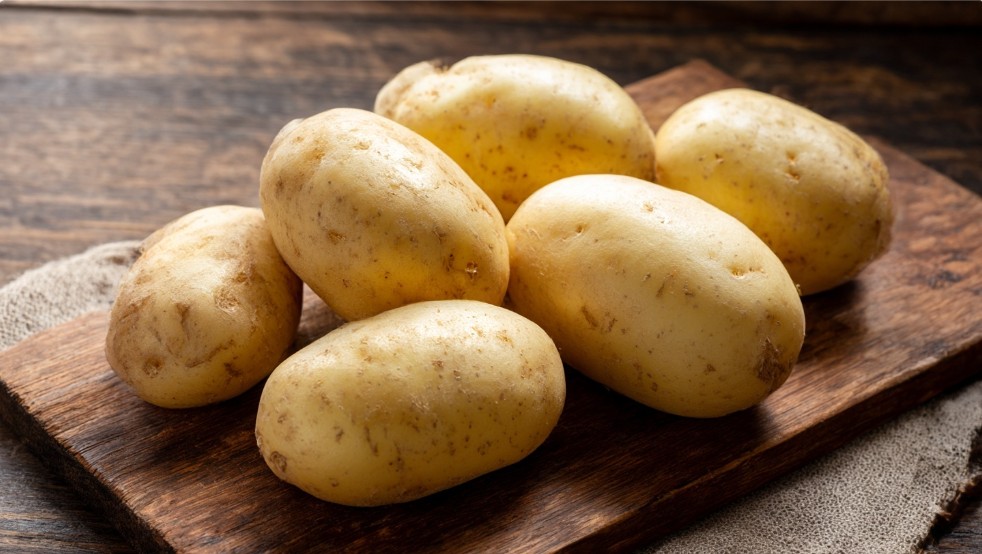
Not all potatoes are the same. For country-style, it’s better to choose those closer to mid-season or late varieties: they are dense, don’t fall apart when cut, and have smooth skin. At the market, you might find varieties like “Slovyanka” or “Granada” — with them, cutting is easy, pieces hold their shape, and don’t crumble.
Young potatoes are also suitable, but the pieces are smaller, with thinner skin. If you cut old, frostbitten ones — the core may darken, and when frying, the pieces may fall apart. At home, I always try to press the tuber with my finger: if it’s firm, smooth — it will be good.
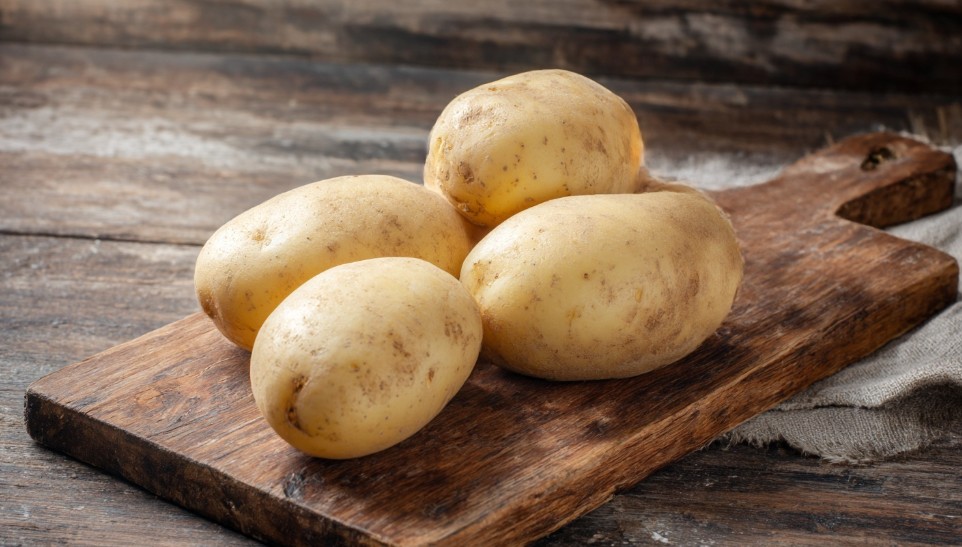
Tip: Before cutting, wash the potatoes and be sure to dry them with a towel. Moisture on the surface is the main enemy of knife control.
Preparation for Cutting: Workspace and Tools
Before starting, it’s important to prepare the place and choose a knife. This is not a trifle — this is often where the cause of injuries and inconveniences lies. I remember an incident in the dormitory: we were cutting potatoes on a plate, the knife was dull, there was no board — as a result, the slices were crooked, and fingers were scratched. Since then, I always take a minute to organize.
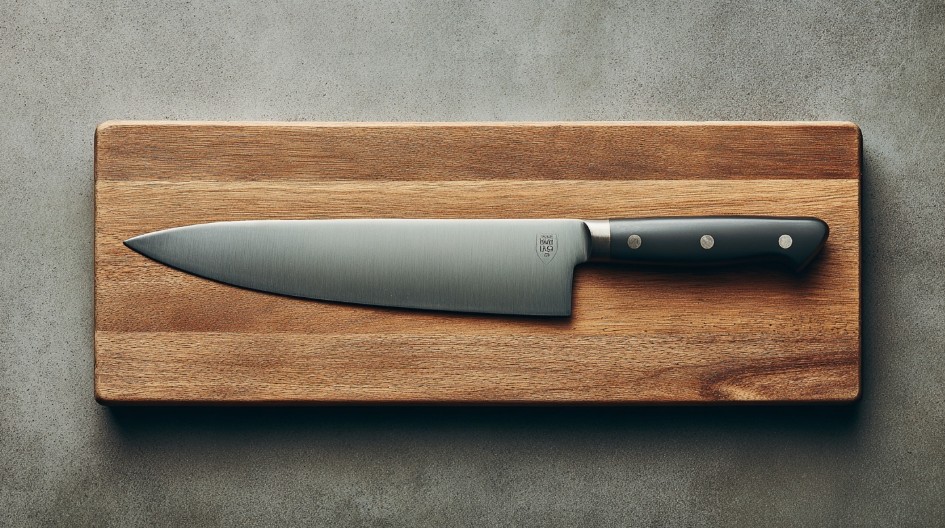
For country-style potatoes, it’s convenient to take an ordinary kitchen knife with a wide, not too long blade (15–20 cm). It should be sharp: this not only makes the work easier but also safer. A dull knife slips, forces you to press harder, and the hand tires faster.
The cutting board should be stable. If the board slides on the table, place a damp towel under it — a simple way to avoid troubles. It’s important that there is nothing unnecessary on the work surface — this reduces the chance of accidentally hitting something with your hand.
- Sharp knife with a comfortable handle
- Stable board (preferably wooden)
- Clean towel under the board for fixation
- Dish for the cut pieces
Tip: If the knife hasn’t been sharpened for a long time, run it over a honing steel or sharpener just before work — cutting will become much easier.
The proper technique for cutting potato wedges starts not with movements but with the tool. Even a perfectly chosen cutting angle won’t give even wedges if the knife doesn’t hold the line well or “tears” raw potatoes. That’s why before cooking, it’s worth understanding which kitchen knife is really needed for daily tasks, without overpaying for brands and unnecessary features — a practical guide without marketing noise explains this in detail.
Cutting Technique: Main Motion and Grip
Here’s where it gets interesting. Many are afraid of cutting themselves and hold the knife like a fork — only by the very end of the handle, with a tense wrist. I did that too until someone showed me a simple trick: the knife rests in the hand, not hanging on the fingers. I grip the handle with my whole palm, the thumb and index finger “hug” the blade from the sides closer to the base — this gives control and prevents fatigue.
I place the potato on the board — first cut it in half lengthwise. This first cut is very important: the half will lie stably, not spin. Then I place each half cut side down on the board and cut into 3–4 wedges (depending on the size of the tuber). For large ones — into 6 parts. The knife motion — not “sawing” back and forth, but smoothly leading down and slightly forward, like a pendulum.
One of the life hacks: during cutting, I always keep the fingertips of the other hand slightly tucked inward, nails “looking” forward. This way, the blade slides along the fingers, not cutting them. At first, it’s uncomfortable, but after a few minutes, you get used to it. Cutting becomes much calmer — and faster.
- Start with a half — stability
- Knife motion down and forward — don’t press, but lead
- Fingers tucked — protection from cuts
Thickness Control: How to Get Even Pieces
Here’s the main secret. If you cut pieces of different thicknesses, during cooking, some will already be browned, while others are still raw. For country-style, the ideal thickness is about 1.5–2 cm at the widest part. This gives both a crispy crust and a soft center.
I often advise: before cutting the whole bowl, try cutting two or three tubers, place them side by side. If you see that the pieces differ significantly — adjust the motion. The “by eye” method works well: imagine that each half should yield 3–4 identical pieces. No need to measure with a ruler, here attention and habit are more important.
If, for example, one of the tubers is slightly larger, adjust the number of pieces. This way, the pieces will be approximately the same volume and will fry together. For particularly small potatoes, you may not cut them at all, leaving them whole — this is also country-style, but the main thing is that all pieces in the batch are similar.
Tip: If the first piece is too thick, make the others a bit thinner. Don’t try to fix what’s already cut — better adjust in the process.
Feeling the Texture, Smell, and Appearance During Cutting
When cutting becomes a habit, you start noticing details: how the knife enters the tuber, how the skin crunches, how fresh potatoes smell. This is not just aesthetics — these are clues that help avoid mistakes.
If the potato breaks sharply instead of cutting — often it is already a bit dried out or has a “glassy” core. In such a case, it’s better to cut more slowly, not rush. If you hear a soft sound under the knife, the piece is resilient — it means everything is going as it should.
Smell is another marker. Fresh potatoes have a light, almost sweet aroma. If it’s sharp, with notes of rot or dampness — it’s better to set such a tuber aside, as it can spoil the whole dish.
Visually pay attention to the cut surface: it should be smooth, without cracks and dark spots. If you see the pieces are delaminating or crumbling, it’s a sign that the variety or condition of the tuber is not ideal for this cut.
Common Mistakes When Cutting and How to Avoid Them
The most common mistake is rushing. When cooking for a large group, you want to be faster, and this often results in not only uneven pieces but also cuts. Another mistake is holding the knife incorrectly, straining the wrist, cutting “in the air,” not pressing the tuber to the board.
Another typical situation: trying to cut wet potatoes — the knife slips, pieces “escape” from under the blade. Sometimes you try to cut a lot at once, stacking halves on top of each other — and as a result, it becomes dangerous and untidy.
- Don’t rush — better 5 minutes longer, but without injuries
- Hold the knife correctly — grip closer to the blade
- Don’t cut wet potatoes — dry them before work
- Cut one half at a time — don’t stack several together
I had an incident when in a hurry I cut my pinky nail — that’s why I always remind about tucked fingers. Once you get used to it — you won’t want it any other way.
What to Do If Something Goes Wrong
Cut too thick? No problem — these pieces can be fried a bit longer or cut again lengthwise. If the pieces turned out very different — divide them into two batches and cook separately, so there are no raw and overcooked pieces at the same time.
Cut yourself? Stop, rinse the wound, press with a bandage or clean napkin. Don’t hesitate to put the work aside — the kitchen isn’t worth an injury.
If the potato crumbles, pieces fall apart — next time choose a denser variety, or try cutting a bit thicker. Too soft potatoes are a common problem in summer when the tubers are not yet ripe.
Sometimes small “stubs” remain at the end — don’t throw them away, these pieces can be used for soup or fried separately as a snack.
Tip: If the pieces have dried out a bit during cutting, dab them with a damp napkin — this will restore their resilience before cooking.
Life Hacks for Speed, Safety, and Enjoyment of the Process
Over the years, a few small tricks have emerged that make life easier. One of them is to prepare everything at once: while washing the potatoes, immediately sort them by size. Large ones — to one side, small ones — to the other. This way, you won’t have to think during cutting about which pieces to choose.
Another trick: when cutting, don’t get distracted by the phone or conversations. Focus on the motion, on the feeling of the knife in your hand. This helps to relax, get into the process, and tire less. Also, your hands are cleaner, and you spend less time than it seems.
- Group potatoes by size before cutting
- Keep a honing steel always at hand
- Use a towel under the board for stability
- Work at a comfortable pace, not competing with anyone
I’ve noticed that if you cut potatoes to your favorite music, the process becomes completely different — the movements are fluid, the mood lifts, and even simple cutting starts to bring pleasure.
How to Learn to Cut Confidently — and Not Be Afraid
The fear of cutting yourself is normal, especially if you’re not long in the kitchen. I was nervous too, especially when older people stood nearby and suggested “how to do it right.” The first times the hand shakes, the pieces come out different, it seems like everything is going wrong. But with each attempt, the movements become clearer, you’re no longer afraid of the knife, but feel it as an extension of your hand.
I advise starting with a few tubers, not rushing, carefully watching the movements. If you feel tension — take a break, put the knife down, stretch your fingers. Over time, confidence appears. The tension in the shoulders disappears, and even cutting a whole bag of potatoes no longer scares you.
Ask someone to look at your technique from the side: sometimes a simple remark (“tuck your fingers,” “hold the knife tighter”) changes everything. The main thing is not to be afraid of mistakes. Each time is a step towards mastery.
My first big victory was when I cut a bucket of potatoes in an hour without a single scratch. The feeling of victory is like after a small but personal marathon.
Why Controlling Movements Saves Energy and Time
It may seem strange, but the calmer and more measured you work, the faster the work goes. When there is meaning in every movement, the body doesn’t tire, and the work goes smoothly. It’s like in sports: not the number of repetitions, but the technique gives results.
If you hold the knife correctly, adjust the thickness of the pieces “automatically,” you don’t need to spend time correcting mistakes, you don’t run back and forth. The shoulder doesn’t stiffen, the wrist doesn’t hurt, and even after a large batch of potatoes, you don’t feel tired.
I’ve noticed that it’s most effective to cut when you’re not chasing speed, but working at your own pace. A few times a week — and you already feel how the movements become automatic, and confidence appears in the kitchen.
And one more little trick: if you feel tired, just change your hand or body position. This helps avoid fatigue and “frozen” movements.
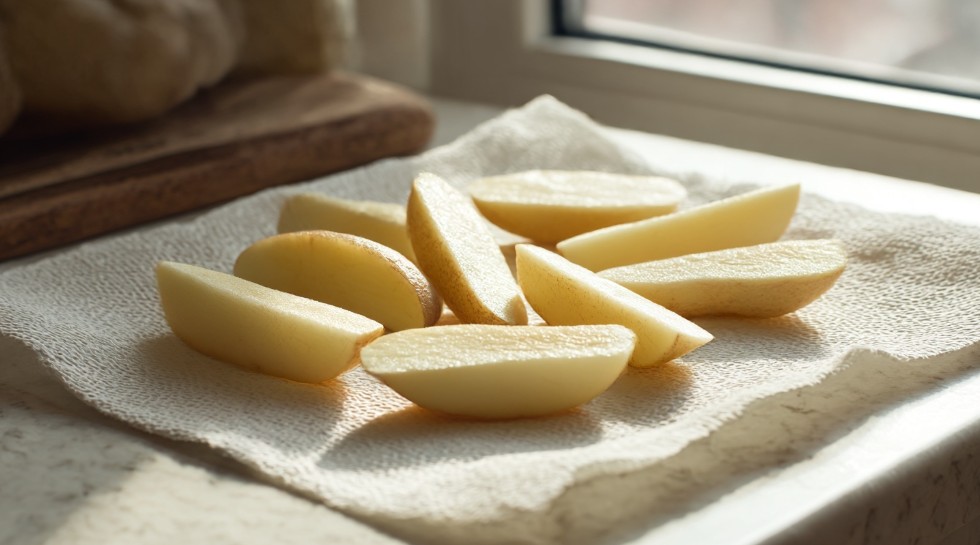
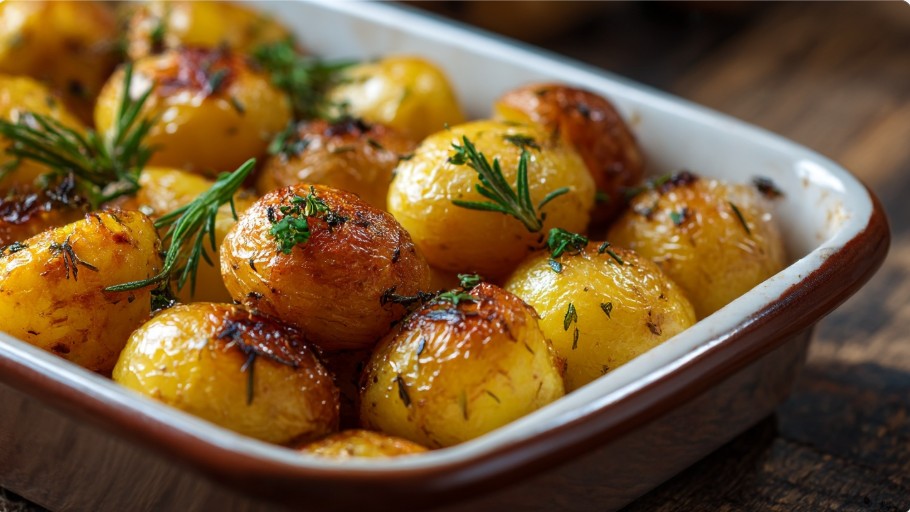
After the country-style potatoes are cut into even wedges, it’s important to take care not only of the spices but also of the right baking dish. It is from this that the evenness of baking and the appetizing crispy crust depend. To achieve the best result at home, pay attention to quality baking dishes for potatoes, which will help preserve the shape of the pieces and ensure optimal heat distribution in the oven.
When Cutting Becomes a Real Pleasure
Over time, you start noticing how simple things bring joy. Cutting potatoes country-style is not only about preparing a dish but also about peace, rhythm, even meditation. When everything is at hand, the technique is honed, the pieces fit together, and the kitchen smells of fresh potatoes, you feel: here and now everything is fine.
I love these moments — when cutting goes smoothly, thoughts calm down, and the result pleases. It’s like a small victory over the chaos of everyday life. And even if something isn’t perfect — the main thing is that you’ve learned to control the process and not be afraid.
And it’s also very useful to know: How to quickly cook potatoes in the oven
Frequently Asked Questions (FAQ)
What potatoes are best for country-style potatoes?
The best choice is large or medium potatoes with firm flesh. Young ones are not always a good option, as they often fall apart. It’s important that the tubers are approximately the same size — this way the wedges will bake evenly.
Should potatoes be peeled before cutting?
No, the classic country-style is prepared with the skin. The main thing is to wash the potatoes well with a brush and remove all damage. But it’s your choice, you can also peel them.
How thick should the wedges be?
Ideally — 6–8 identical wedges from one potato. Too thin will dry out quickly, and too thick may remain raw inside.
How to cut potatoes into wedges correctly?
First, cut the potato in half lengthwise, then each half into 2–4 parts, depending on the size. All wedges should be as identical as possible in thickness.
Should cut potatoes be soaked in water?
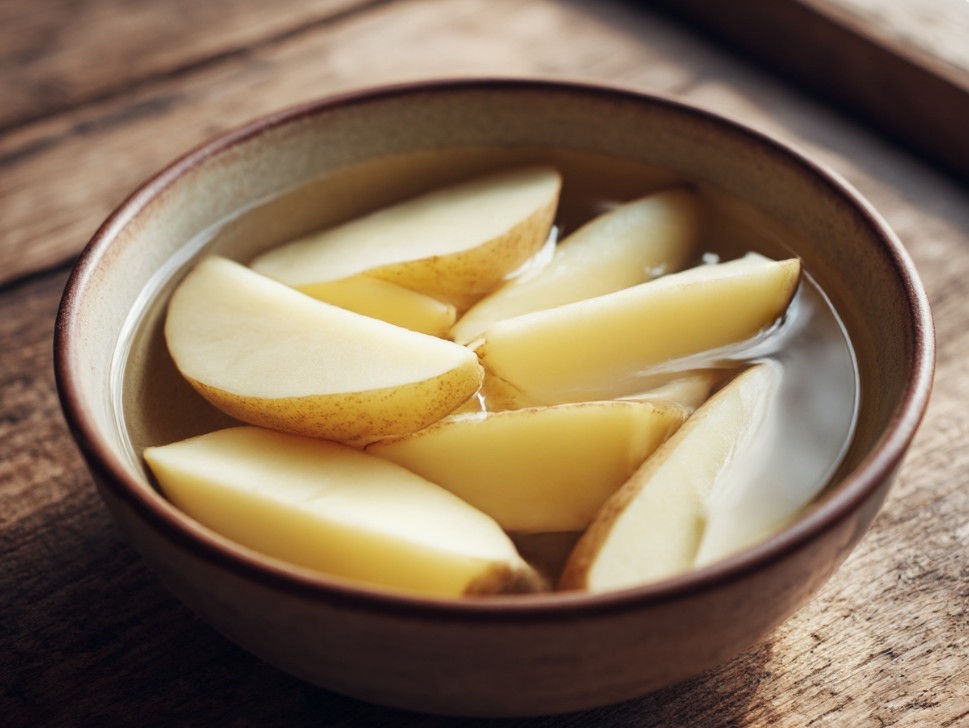
Yes, it’s advisable to soak the wedges in cold water for 20–30 minutes. This helps to wash away excess starch and makes the potatoes crispier after baking.
Why do potatoes darken after cutting?
Darkening is a natural reaction of starch with air. To avoid this, keep the cut potatoes in water or cut them just before cooking.
Can potatoes be cut in advance?
Yes, but no more than 6–8 hours. During this time, the potatoes should be completely submerged in cold water and stored in the refrigerator.
What knife is best for cutting potatoes?
It’s most convenient to cut with a sharp universal or chef’s knife with a straight blade. A dull knife increases the risk of cuts and makes the wedges uneven.
Why do the wedges come out uneven?
The most common reason is rushing or incorrect cutting angle. The problem also arises if the potato slips on the board — place a damp towel under it.
Can potatoes be cut into small pieces country-style?
Yes, but this will be closer to French fries or baked slices. For the classic version, a large, coarse cut is important.
Do you have your own life hacks or stories about cutting potatoes country-style? Maybe someone had their own “kitchen trauma” or a discovery that changed the approach to simple things? Share in the comments — it’s interesting to hear how it happens for different people.