
How to Make Meatball Soup in 30 Minutes


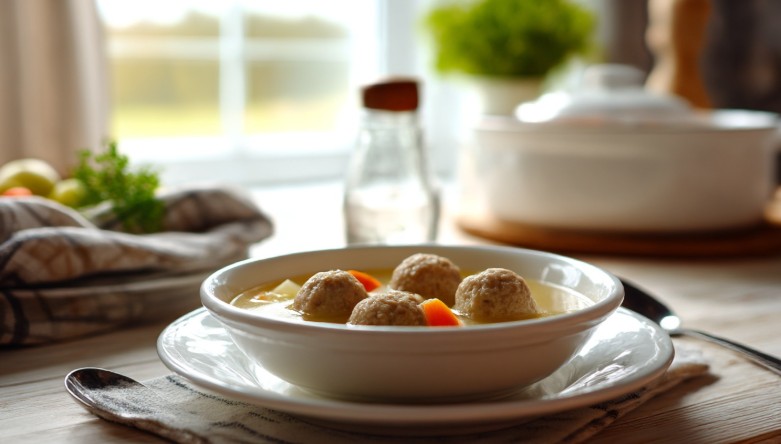
What’s more comforting (or more practical) than a bowl of hot meatball soup when you’re short on time? I’ve had that moment more times than I can count: you walk in the door and your brain is already negotiating—“please, just something quick, but still proper.” Dinner should taste warm and calm, not like a marathon of dishes and hovering over the stove. That’s when kitchen tools stop feeling like “nice-to-haves” and start feeling like a lifeline. Meatball soup is exactly that kind of meal: in half an hour you can make something that smells like childhood, home, and someone taking care of you. And even with a simple soup, the little things decide everything—from the pot you use to how you shape the meatballs and how you manage your time in the kitchen.

It’s not only about speed—it’s about how it feels. Is it comfortable? Does it take too much energy? Does cooking turn into a chore? With experience you start noticing details you never cared about before. I’ve overcooked things, had meatballs fall apart, and even managed to lose flavor just by rushing around. Over time, though, I’ve found small fixes that let you cook without dragging it out—and without stress. I’m sharing this not as a “chef,” but as someone who knows what it’s like to cook for yourself, your family, or friends when time is tight and you want something tasty right now.
Why meatball soup is perfect for a quick dinner
Meatball soup is a true weekday lifesaver. The biggest advantage is how few “complicated steps” it has. No need to simmer stock for hours or build a fussy base. The meat for the meatballs doesn’t require any prep like, say, beef brisket for borscht. The vegetables are simple, easy to find, and don’t need fancy knife work. All you really need is a bit of organization and the right order of operations. It’s one of those soups that doesn’t require culinary school—or saint-level patience.
I’ve noticed that if you have even basic kitchen gear, it goes even faster. Sharp knives, a meat grinder (or blender) within reach, a slicer that saves you a few minutes. And the best part: fewer dishes afterward. I also love that meatball soup always feels “alive”—it turns out a little different every time depending on what’s in the fridge or what kind of mood you’re in. That bit of freedom makes everyday cooking feel lighter.
Kitchen tools that actually help with this soup
Let’s start with the obvious: you don’t need an army of gadgets for meatball soup. Still, a few things genuinely save time (and nerves). Here’s what I reach for when I want it done fast, without extra fuss.
- A comfortable, sharp knife and a good cutting board—this matters more than people think.
- A meat grinder or a blender—handy when you want to make mince quickly, especially from fresh meat. A blender jug works too, but it’s better for smaller batches.
- A heavy-bottomed pot—heats evenly and helps prevent the soup from boiling over or scorching when you’re cooking on higher heat.
- A vegetable slicer or a box grater—for carrots, celery, or potatoes. Fast, fine cuts with minimal effort.
- A cookie scoop or a small ice cream scoop—makes evenly sized meatballs and saves a surprising amount of time.
Quick story: I still have an old Soviet-style hand-crank meat grinder at home, and I pull it out when I need a lot of mince. But if time is tight and the amount of meat is small, I’ll use an immersion blender. It washes up in a minute, doesn’t take up space, and the result is more than decent.
How to organize the process: from shopping to serving
Kitchen speed often comes down to sequence, not equipment. If you prep everything first and only then turn on the stove, things tend to drag. I always start by putting the water on to heat. In those 5–7 minutes, you can chop the vegetables, mix the meat, and shape the meatballs. To avoid chaos, I lay everything out on a big board or a couple of plates—nothing gets lost, and I’m not running laps around the kitchen.
Another little trick: if you’re using a meat grinder, run a small piece of bread or a chunk of vegetable through it right after the meat. It pushes out the leftovers, and washing up is easier. An older neighbor once told me that, and I’ve done it ever since. For shaping meatballs, I like the two-spoon method: one spoon scoops, the other nudges the ball into the pot. Clean hands, and the meatballs come out almost identical.
Cooking in parallel is the other big time-saver. While the water comes to a boil, the vegetables are ready and the meatballs are lined up. Over the years I’ve noticed: when everything moves at the same time, the soup is done faster—and it feels calmer.

Choosing a pot and stovetop: why it matters
A pot isn’t “just a pot.” If the base is thin, the soup can scorch—especially on induction or gas. I prefer a heavy-bottomed pot (it doesn’t have to be expensive) because it holds heat well and lets the soup settle and “finish” even after you turn the stove off. For a family of three to four, a 3–4 litre pot is plenty. If you often cook small batches, look for a nonstick-lined pot—it’s easier to wash and doesn’t hold onto smells.
Stovetops have their quirks too. On an electric stove, soup can take a bit longer, but it’s less likely to boil over. Gas gives you a fast start, but you need to watch the flame. Induction is the speed champion, but it’s easy to overdo the temperature—then meatballs can fall apart and vegetables can turn to mush. A mistake I’ve seen more than once: people crank it to max “to make it faster,” and then end up scraping the bottom of the pot. The key is not to rush the finish line.
Tip: pots with cool-touch handles are a lifesaver when you need to move it one-handed—especially if the other hand is busy with a kid or your phone.
More tips and answers here: Do you actually need a multicooker in your kitchen?

Meatball mixture: how to simplify without ruining it
The mince is the heart of this soup. And yes, it’s also where things can go wrong—both flavor and texture. My main advice: skip supermarket pre-ground mince if you have even 10 minutes to make your own. Store-bought mince often contains a lot of water and mystery additives, which can make meatballs fall apart or turn rubbery. I usually go with a beef-and-pork mix—juicy, but not overly fatty.
No meat grinder? An immersion blender—or even a knife—can work surprisingly well. Cut the meat into small cubes, then blitz it, or just chop it longer by hand. The texture can actually be more interesting than classic mince.
- Don’t add lots of bread or semolina—your meatballs will hold together and won’t “melt” into the soup.
- A splash of water or milk makes the mixture softer, but don’t overdo it or the meatballs will be too fluffy and fragile.
- Salt, pepper, garlic—keep seasoning simple so you don’t drown out the meat.
Want to shape meatballs quickly? Use hands dipped in cold water, two spoons, or a cookie scoop. Sometimes I make a big batch and freeze part of it in a container—next time the soup is even faster.
Vegetables: how to cut them, what to swap, what to do when you’re rushed
Vegetables are a matter of taste, but a few principles make everything faster. I usually use carrots, potatoes, and onion. If I’m really rushing, I’ll grate the potatoes on the coarse side of a box grater—they cook faster and don’t require perfect cubes. Carrots can go on the grater too, or through a slicer. I chop onion with a knife, but if my eyes are watering or I just can’t be bothered, I’ll use pre-chopped onion (sometimes it’s sold vacuum-packed).
Celery, parsnip, or parsley root add a lovely aroma, but if you don’t have them, it’s not a disaster. You can swap in dried herbs—or even a small knob of butter for a softer, rounder flavor. Want to simplify even more? Use a frozen vegetable mix. Just don’t overdo it: frozen veg releases extra water, so the soup can turn thin. Add it to boiling water and don’t pour in extra liquid “just in case.”
Tip: if carrots take you forever, slice them lengthwise first, stack the halves, and cut into half-moons. It’s twice as fast as doing one carrot at a time.
Quick story: once I made this soup at a summer cottage where there was no grater and no slicer. I cut everything with a knife, and honestly—it tasted even better. The pieces were uneven, and the soup felt more “homey.” Don’t chase perfect shapes; chase comfort.

Common mistakes (and how to avoid them)
- Dropping meatballs into cold water—they fall apart and taste bland. Always add them to boiling water or broth.
- Adding too many vegetables—the soup turns thick like a stew. Two or three types are enough; don’t do “everything from the fridge.”
- Boiling hard on high heat—meatballs get tough and vegetables overcook. After it comes to a boil, medium heat is ideal.
- Not skimming the foam after boiling—the soup turns cloudy and can smell a bit off.
- Adding pasta or grains at the same time as the meatballs—things clump up. Add grains (rice, vermicelli) about 10 minutes before it’s done, once the meatballs are already floating.
One more common slip: not tasting for salt at the end. Vegetables and meatballs absorb salt differently, so I salt in two stages—first a little, then adjust once everything is cooked.
Minimal effort, maximum cleanliness: washing up after soup
One big reason people don’t want to cook soup on weekdays is the cleanup—dishes and equipment. Planning helps a lot. I try to use as little as possible: one board, one knife, one pot. If you have a dishwasher, amazing. If you don’t, you can still keep it quick.
- Wash the meat grinder or blender right after use under hot water—if the meat dries, you’ll be scrubbing for ages.
- A heavy-bottomed pot is easier to wash if you fill it with hot water right after serving and leave it for 10 minutes.
- Rinse the slicer or grater immediately—then you won’t have to scrape off dried-on residue later.
Quick story: once I cooked soup in an old thin-walled pot and then spent almost an hour washing it—everything scorched. Since then, I don’t mind spending a little time choosing decent cookware.
Tip: if you can’t wash everything right away, just cover the dishes with cold water. An hour later, everything comes off with almost no effort.
No special equipment? Easy alternatives
You won’t always have every tool you want. That’s not a reason to skip soup. No meat grinder? Chop the meat finely with a knife, or buy ready-made mince—just read the label carefully. No vegetable slicer? Use a grater, or simply cut smaller so it cooks faster. No “perfect” pot? Any pot works—just stir a bit more often so nothing catches.
- You can even cook soup in a saucepan if it’s a small portion—just don’t fill it too high so it doesn’t boil over.
- You can shape meatballs by hand if you don’t have a scoop. Wet your hands with water so the mixture won’t stick.
- If you don’t have much counter space, use a tray—or, in a pinch, cover the surface with clean paper as a prep layer for vegetables and meat.
I once made meatball soup in a deep frying pan because every pot was taken. It turned out just fine—I simply watched the water level and didn’t overfill it. Flexibility is your best friend in the kitchen.

How to store and reheat soup without losing flavor and texture
Meatball soup keeps well in the fridge for 2–3 days. One nuance: if you add pasta or rice, it can over-soften and turn mushy when reheated. I usually cook the soup without grains and add them separately when serving. If you do have leftovers with rice or pasta, reheat gently over low heat and don’t let it boil aggressively. That way the meatballs stay intact and the vegetables don’t collapse into purée.
Little hack: if the soup turned out too thin, the next day you can add a bit more potato or vegetables, bring it back to a simmer, and it will thicken. If it’s too thick, just add boiling water.
One more thing: don’t store soup in the pot with a metal lid. It’s better to transfer it to a plastic container with a tight lid—your fridge won’t smell like soup every time you open it.
Caring for kitchen tools: make your helpers last longer
Kitchen tools last longer when you treat them well. After meatball soup, the biggest “victims” are usually the knife, the meat grinder or blender, and the pot. Don’t leave meat residue in the grinder—rinse it right away or it will start to smell. After working with meat, I always wash the knife in hot water with a bit of baking soda or lemon juice—smell goes away, and it’s more hygienic.
- Rinse the grater and slicer immediately so starchy film doesn’t dry on.
- If your pot gets dull from hard water, boil water with citric acid in it—the surface will look almost new.
- Don’t leave plastic blender parts soaking in very hot water for long—they can warp.
Quick story: once I left a meat grinder unwashed overnight. The next day the smell was so stubborn I had to soak it in vinegar for ages. That lesson stuck.
Tip: if you can’t wash equipment right away, fill it with hot water and a drop of dish soap. In 10 minutes, everything wipes clean.

How to save time without losing flavor: my personal hacks
- Start by boiling the water—this “starts the clock” while you chop vegetables and shape meatballs.
- Make meatballs ahead and freeze them—next time, soup is even quicker.
- Use a vegetable mix or frozen vegetables when you’re really in a rush.
- For a brighter aroma, add fresh herbs or a small knob of butter at the very end.
- For deeper flavor, toast the carrots and onion in a dry pan before boiling—3–4 minutes makes a difference.
Quick story: once I made soup for guests and forgot to add spices. At the table I added a bit of black pepper and fresh herbs—and the soup suddenly came alive. Nobody even guessed I’d messed up. Don’t be afraid to improvise, even with quick meals.
And don’t underestimate the simple stuff. It’s often what saves you on busy days: a clean knife, a sharp grater, a pot that doesn’t let you down, and a few reliable motions you can do on autopilot. Kitchen equipment isn’t about trends or brands—it’s about common sense and comfort.
When you make meatball soup quickly, you realize the point isn’t speed. It’s the feeling that you did something good for yourself and the people you love. That’s how even an everyday soup becomes special.
I catch myself thinking this a lot: when there’s hot food, a clean kitchen, and satisfied faces, the day definitely wasn’t wasted. What are your tricks or stories with “quick” soups? Share them in the comments—swapping ideas is always inspiring.