How to Make Meatballs Soft and Juicy in Soup

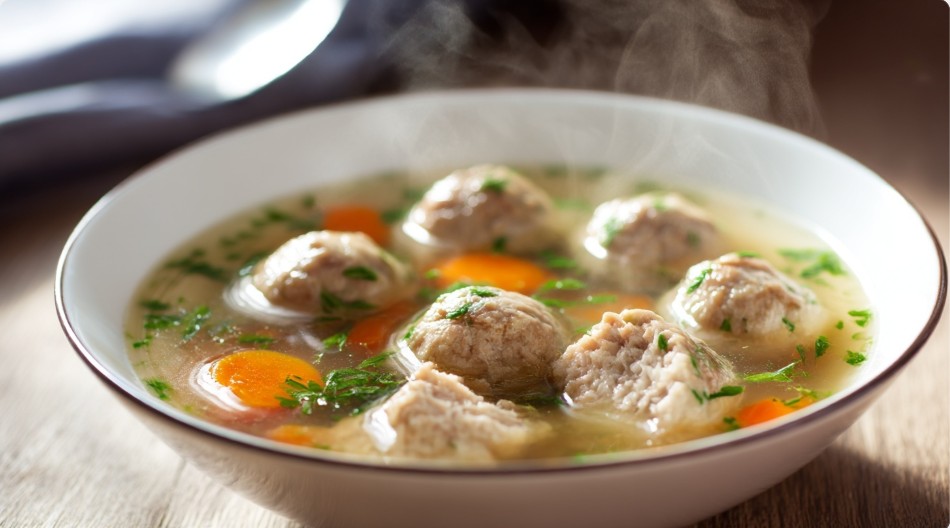
It seems that making meatballs for soup is a simple task. You shape the balls, throw them into the pot, and wait for them to cook. But then you scoop them out with a spoon, and they are tough, loose, dry, sometimes falling apart or having an unpleasant raw meat taste. This is one of those little things that make the soup from childhood seem unattainable. Why is it so easy to ruin something so simple? And why do some people get it perfect, even if they’re not chefs?
I’ve had my share of kitchen disappointments with meatballs. Especially when a child is looking at you, expecting those ‘same’ meatballs, and it turns out completely wrong. I know how hard it is to feel that moment when the mince is still tender but holds its shape, when the spices don’t overpower the meat’s taste, and the soup doesn’t turn into a murky mush of broken pieces. And every time, I want the meatballs to be soft, juicy, aromatic—just like in the photos from cookbooks, only real, homemade.
The problem is almost never with you or the ingredients. It’s all about the details and understanding the process. I’ll break down how meat works, why temperature is important, how not to dry out even simple mince, and what to do if the meatballs don’t turn out right the first time. After this article, you won’t be afraid to ruin the soup—and you’ll feel in control of the process.

Why Meatballs Become Tough: Understanding the Mechanics
I’ll start with what I often hear from friends: “I do everything like my mom, but the meatballs are like rubber.” When I first worked in a canteen, I also struggled to make the meatballs tender. I blamed the recipes, but eventually realized: it’s not even about the meat, but about how we handle it.
The main enemy of softness is excess protein, which coagulates at high temperatures. That is, when you knead the mince for a long time, it becomes sticky and dense. Add too little liquid—and the meat dries out. Throw the meatballs into boiling water—the protein immediately “cooks,” and the meat becomes like a boiled egg: firm but dry.
Another point is the quality of the meat. Too lean (like pure chicken fillet or beef without fat) won’t give the juiciness we expect. Fat in the mince is not an enemy, but a friend: it distributes inside, prevents the protein from coagulating sharply, and it’s what gives that softness.
If you’ve ever eaten meatballs at grandma’s—they almost always had a piece of pork belly or at least a spoonful of sour cream in the mince. It works better than any secret ingredients.
Choice of Meat and Fat Content: More Important Than It Seems
My first advice is not to chase the “best” meat from the store. For meatballs, you need something with a bit of fat. Ideally—a mix: for example, chicken and pork, or beef with a small piece of lard. If you’re using only chicken fillet—add at least a spoonful of olive oil or a piece of butter.
Store-bought mince is often dry, even if it looks shiny. It has already lost some juice while sitting in the package. I’ve learned to take fresh meat and grind it myself: this way, you have more control over the texture and fat content.
Which Meat is Best for Soup Meatballs
The rule here is: the more fat, the softer. But don’t make it a “fat bomb.” I like the combination of chicken thigh (without skin) and a small amount of pork. If you’re using beef—choose shoulder or brisket, not tenderloin.
- Chicken + pork = tender and juicy
- Beef + pork = classic meaty taste
- Turkey + a piece of lard = lighter but not dry
Try changing the ratio of meat and fat—even 10-15% fat in the mince will make a difference.
Moisture and Fillers: Why They Matter
The second key is liquid. I often see people making meatballs from mince “as is,” at most adding an egg. As a result, the balls hold their shape but become dense, dry, even if the meat is fresh.
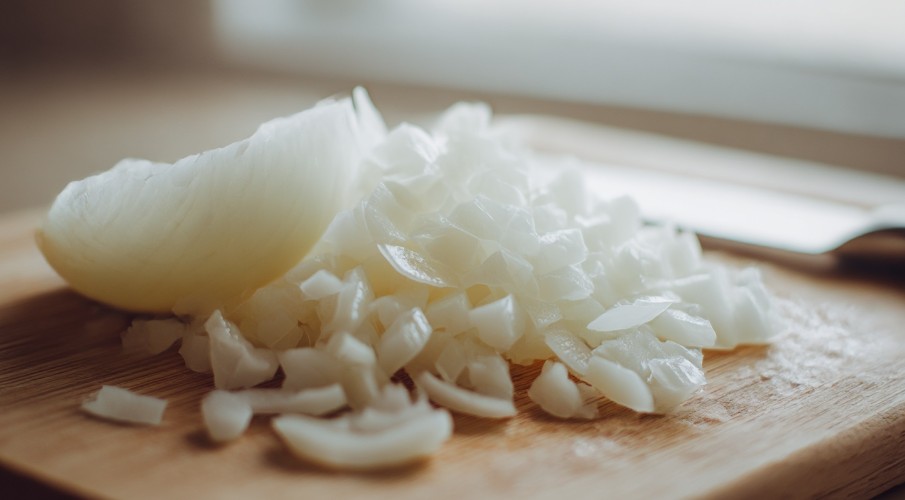
Moisture is what makes the meatball meaty and at the same time tender. Basically, it’s milk or water, sometimes cream. I like to add a bit of grated onion or bread soaked in milk (not breadcrumbs, but the soft part). They hold moisture inside, and even after cooking, the meatballs remain soft.
An old family tip: if the mince doesn’t stick to your hands and seems a bit moist—that’s normal. Then the meatballs won’t be “rubbery.”
How Much Liquid is Needed for Soft Meatballs
Guideline—2-3 tablespoons of liquid per 500 g of meat. But it’s better to focus on texture: the mince should be moist but not runny. If it shapes with difficulty—chill it for 15-20 minutes in the fridge, then the structure will improve without losing juiciness.
Meat and Mince Temperature: Why You Shouldn’t Rush
I ignored this advice for a long time until I ruined dozens of soup portions myself. Mince that has just been taken out of the fridge seems more “obedient”—it shapes better, doesn’t stick to your hands. But when such cold mince hits hot water, a sharp temperature jump occurs. The protein coagulates instantly—and the ball becomes dense.
The warmer the meat (room temperature), the more evenly it heats inside. This gives a softer texture and, importantly, less chance that the meatball will fall apart or remain raw in the center.
Optimal Temperature for Shaping and Cooking
- Take the meat out of the fridge 30-40 minutes before cooking
- The mince should be cool but not cold (18-20°C)
- Don’t shape meatballs from warm mince in advance—they may leak
It’s important not to rush here. It’s better to let the mince “rest” a bit than to try to do everything in 10 minutes.
How to Form Meatballs: Controlling Size and Density
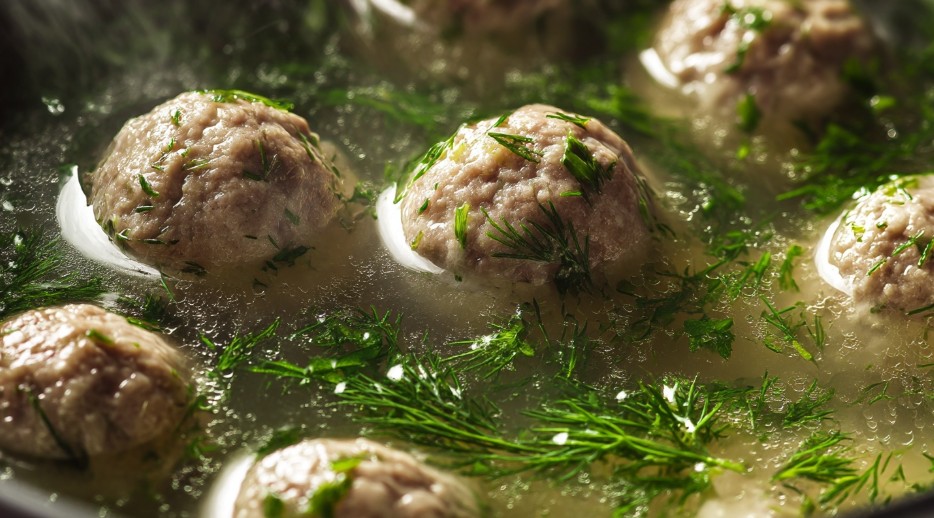
I’ve tried both small and large balls, but the best for soup are meatballs the size of a walnut. This way, they cook quickly and don’t fall apart. If you make them bigger—there’s a risk of getting a raw center or drying them out on the outside.
Don’t squeeze the mince too hard in your hands. If you squeeze too much—the meatball becomes dense. Just pinch a bit of mince, gently roll it between your palms, don’t press. If you slightly moisten your hands with water or oil—the mince won’t stick.
Small hack: try forming all the meatballs at once on a board, then send them to the soup. This saves time and allows you to control the size.
Common Mistakes When Forming
- Squeezing the mince too hard—results in toughness
- Adding too much flour or breadcrumbs—meatballs become “clay-like”
- Shaping different sizes—they cook unevenly
The shape should be firm but not “compressed.” This is the difference between a meatball and a piece of sausage.
Cooking: Temperature, Time, and Water
This is one of the moments where things often go wrong. Many people throw meatballs into boiling soup right after forming—and get dry, dense balls. Some are afraid to cook for too long—and the meatballs remain raw.
I’ve learned to control the temperature: no need for boiling, just slightly simmering water or soup. When you throw balls into boiling water, the protein on the surface immediately coagulates, and inside remains raw meat. If the water is barely “trembling”—cooking goes evenly, meatballs don’t fall apart and remain tender.
How to Properly Drop Meatballs into Soup
- Wait until the soup stops actively boiling
- Drop them one by one, carefully, with a spoon
- After adding, let the soup boil again, then reduce the heat
Cooking time—7-10 minutes for walnut-sized meatballs. Larger ones—up to 12 minutes, but it’s better not to overcook. If in doubt—take one out, cut it, see if there’s any pink mince inside.
Hack: if meatballs float—it doesn’t always mean they’re done. Check the texture and color inside.
Smell, Appearance, and Texture: How to Know It’s Perfect
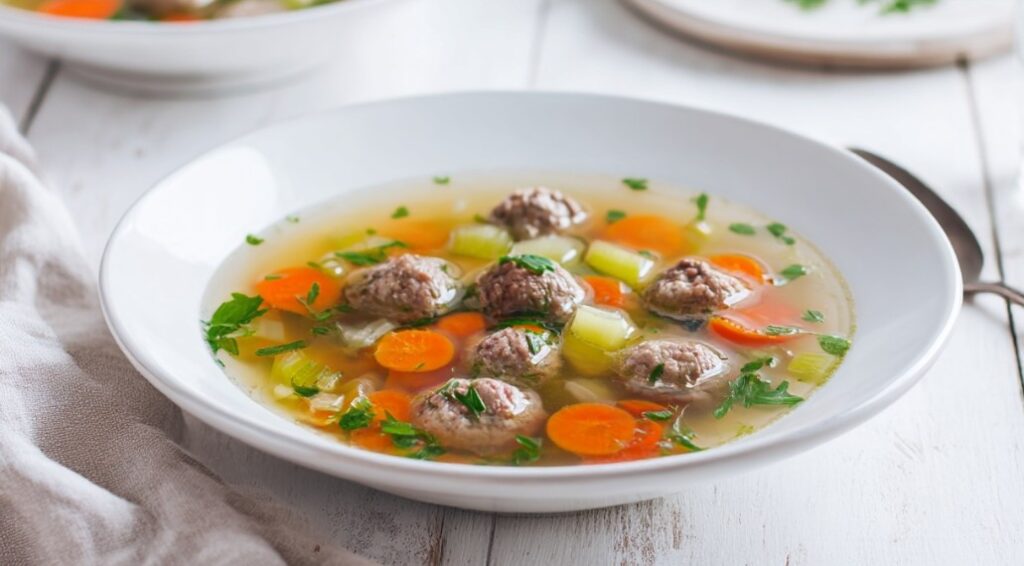
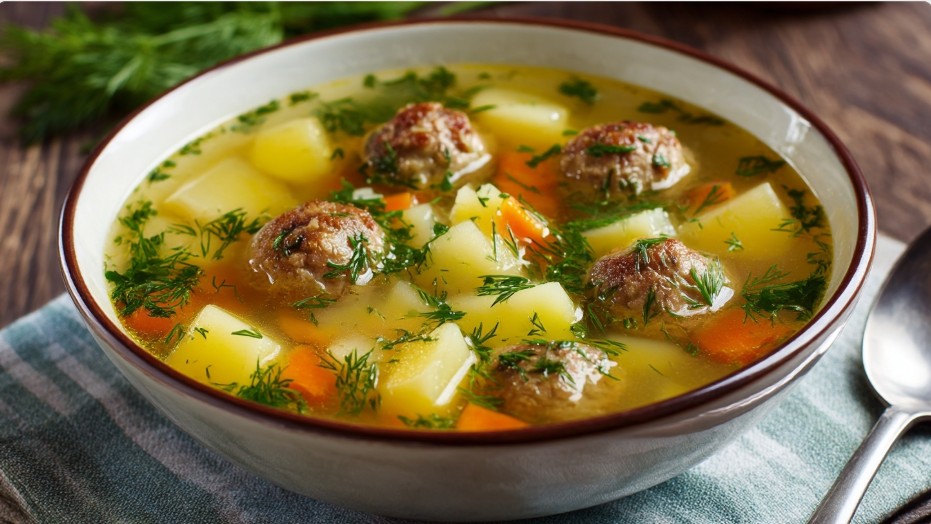
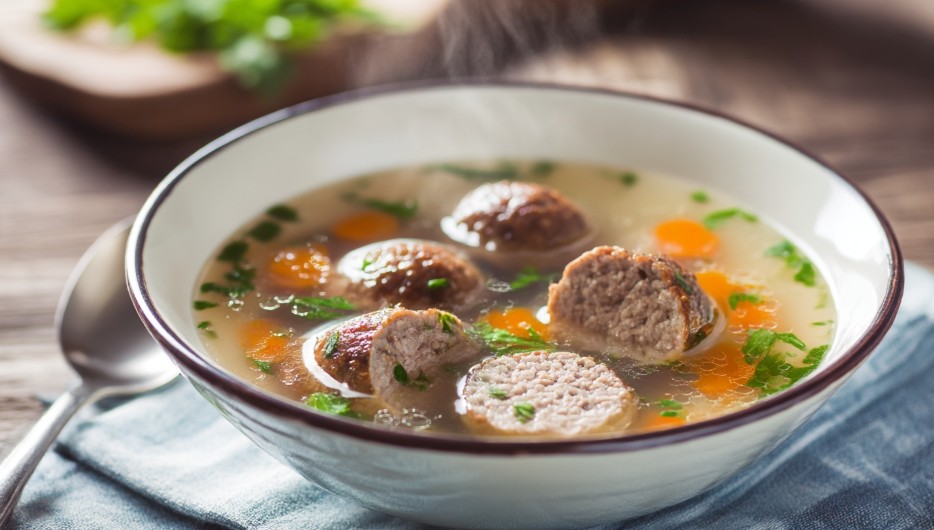
Here, it all depends on the senses. A ready meatball should be white or light gray inside (depending on the meat), without a pink tint. It’s firm but easily breaks with a spoon. To the touch—soft, slightly moist. If you take it in your hands, it doesn’t fall apart, but it doesn’t feel like rubber either.
The smell—appetizing, meaty, without a raw taste. If you smell boiled fat—it means the mince was too fatty or the meatballs were overcooked. If there’s almost no smell—maybe you didn’t add spices or the meat wasn’t very fresh.
What Else to Pay Attention To
- The surface of the meatball is smooth, not tearing
- No pieces of mince floating in the soup—this is a sign that the balls hold their shape well
- If you bite into it—the meat is juicy, not dry
If everything is like this—congratulations, these are the meatballs you want to eat since childhood.
Common Mistakes and How to Avoid Them
I’ve gathered a few points that I’ve encountered most often—both in myself and in students at master classes.
- Adding an egg for “strength”—but with it, the balls become dense. It’s better not to add an egg at all, or just part of the white.
- Kneading the mince too long—protein activates, and the mince becomes sticky, “rubbery.”
- Cooking meatballs on high boil—the surface hardens, and inside is raw.
- Cutting meatballs with a knife on a board—they fall apart, lose juice. Shape carefully!
- Adding too many breadcrumbs or flour—meatballs become dry and “crumbly.”
If the meatballs fell apart—next time add a bit of white bread soaked in milk, and shape more carefully, don’t rush.
What to Do If Meatballs Aren’t Perfect
Sometimes everything is done “right,” but the result is disappointing. Don’t panic—it’s not the end of the soup.
- If the meatballs are tough—next time add more liquid to the mince, take meat with fat, don’t knead for too long.
- If the meatballs fall apart—add a bit of bread or a spoonful of semolina, let the mince cool, shape more carefully.
- If the meatballs remain raw inside—cook them in the soup on low heat for another 2-3 minutes. Or take them out and finish cooking separately in hot water.
The main thing is not to drain the soup: even if the meatballs aren’t perfect, the taste doesn’t disappear. I’ve given kids meatballs that fell apart a bit several times—everyone was satisfied because the taste was homemade, and every spoonful was warm and real.
A Few Practical Hacks for Soft and Juicy Meatballs
- Add a bit of grated onion to the mince—it gives moisture and aroma.
- Before shaping the mince, sprinkle your hands with water or oil—balls form more easily.
- Use a piece of white bread soaked in milk—this makes the meatballs more tender.
- Drop the meatballs only into slightly simmering soup—this preserves softness and shape.
- Don’t be afraid to experiment with the proportions of meat and fat: sometimes even a small change gives a better result.
One of my favorite tricks is to let the mince stand for 10-15 minutes after kneading. During this time, the liquid distributes evenly, and shaping becomes easier.
Kitchen Micro-Stories: How I Searched for the Perfect Meatballs
I learned to make meatballs back in the student dormitory kitchen. We often saved money and bought the cheapest meat, and thought of store-bought mince as something “elite.” Once, when we had some money, we bought a piece of pork and chicken thighs. Ground everything together, added a bit of milk and an old loaf. The soup turned out so good that everyone silently asked for seconds. This was my first experience when the combination of meat and a bit of fat gave real softness.
Another interesting case was in the restaurant kitchen where I worked as an assistant. The chef always insisted that the meatballs be the same size. I couldn’t understand why such pedantry. Then I saw: when all the balls are the same, they cook evenly, and none dry out. Since then, I always shape them all together, lay them out on a board—and only then drop them into the soup.
One of my favorite stories is when I first learned to cook meatballs on minimal simmering. I used to always “rush” the soup on high heat and wondered why the meat was dry. Once, I just turned off the stove and let the soup “finish” under the lid. The meatballs were perfect: soft, juicy, with a light aroma of spices. Since then, I haven’t rushed.
Why You Shouldn’t Be Afraid to Experiment and Learn from Mistakes
Many are afraid to make meatballs because something didn’t work out once. I was the same. In fact, even if the first time isn’t perfect—it’s not a failure, but experience. With each time, you better feel the mince, know how much liquid is needed, how your stove works, which spices you like.
I always say: it’s better to make a few “wrong” meatballs than not to try any. Over time, your hands will feel when the mince is moist enough, when the ball holds its shape, when the soup is ready. It’s not magic—just practice and a little attention to detail.
Remember: even an unsuccessful attempt is another step towards the perfect soup. The main thing is not to stop and listen to your feelings.
Meatballs are not about perfection, but about warmth and home comfort. And if one of them cracks or falls apart—it’s okay. You’ve still taken a step towards a better kitchen.
I’m sure: now you won’t be afraid to ruin the meatballs. Next time, try to pay attention not only to the ingredients but to the temperature, texture, smell. Feel the process—and the result will surprise you.
Have you ever had a story where the meatballs turned out with an unexpected set of products? Or vice versa—something didn’t work out, but you found your hack? Share your experience in the comments—it’s interesting to see if our kitchen adventures match!