How to Present a Dish Beautifully at Home

Most of us have caught ourselves wondering: why does homemade food, even if it’s delicious, not look like it does in a restaurant? Everything seems to be done right, yet on the plate, there’s just a regular porridge with a cutlet or a salad where everything is piled together. I remember well how I used to throw sliced cucumbers into tomatoes and thought that was enough. Then I noticed that I didn’t really feel like eating, even though the taste seemed familiar. It’s not about complexity or expensive tricks. It’s more about how presentation changes the impression of a dish — and even its taste.
I’ve seen many people worry that they “can’t present beautifully” because they don’t have special dishes or time for decorations. But it’s not about the tools or the hours spent. Presentation is a way to show care: for yourself, for your loved ones. It’s a gesture that says: “I thought of you.” And it’s not about perfection, but about the feeling of comfort when even a simple soup or fried egg looks appetizing.
Let’s figure out how to make your food more beautiful — without pretentiousness, without unnecessary movements, with the ease that allows you to enjoy the process itself.
Why Presentation Matters Even at Home
I didn’t believe for a long time that it really affected anything until one day I served plain buckwheat not in a pot, but in a deep bowl, garnished with greens. It seemed like the same thing. But the atmosphere changed. I wanted to eat more, even the kids didn’t fuss. When food looks attractive, we unconsciously expect more from it — and we really feel satisfied.
There’s something particularly cozy about gathering dinner from simple ingredients but serving it as if you’ve made a small celebration. It’s not about Instagram, but about daily comfort. The visual part of food sets the mood. Remember how nice it is to see that someone made an effort, even if it’s just nicely arranged sandwiches on a plate.
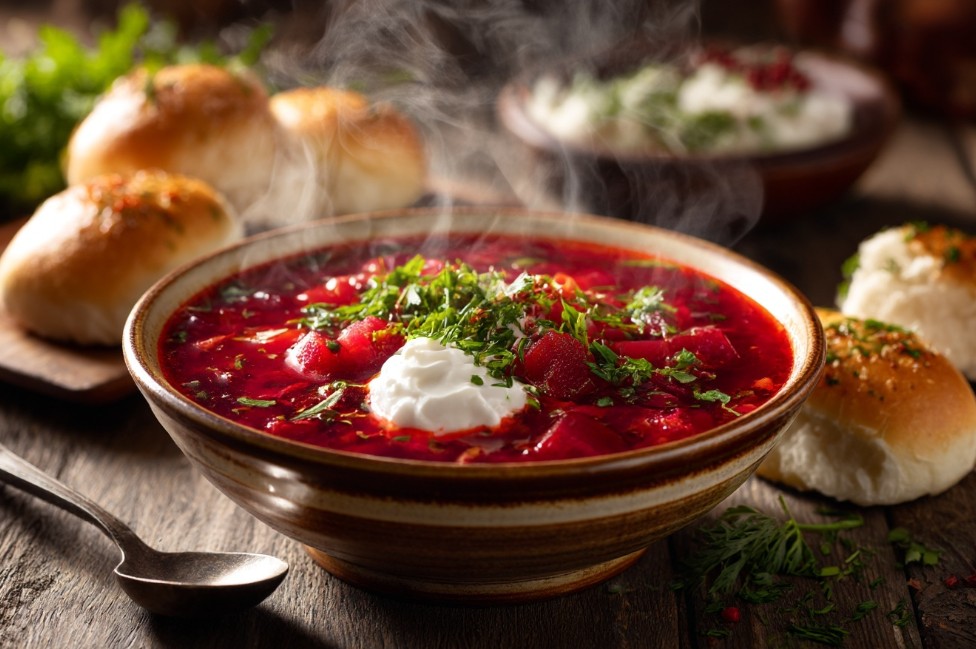
I have a friend who always serves borscht with a green sprig of parsley and a spoonful of sour cream in the center of the plate. It’s a small thing, but the borscht seems even tastier, and you already want to sit at the table. And it’s not about culinary magic, but about ordinary human aesthetics.
Basics of Home Presentation: Less is More
I’ll start with the main principle that works both in expensive restaurants and at home: don’t overload. Often you want to “add something else,” but simplicity looks the most winning. A dish that wasn’t tried to be decorated with everything at once looks neat and attractive.
I’ve often seen people sprinkle parsley, dill, a bit of hard cheese, and even a few tomatoes “for color” on top — and instead of beauty, chaos comes out. Don’t strive for “a lot.” One or two accents are enough: a sprig of greens, a few grains of spice, a light brush of sauce. This creates structure and gives the dish a look as if it was cared for.
Better Less Than More
My advice is to always take a step back and look at the plate from the side. Is it too overloaded? Is there free space? If the dish “breathes,” it looks more appetizing.
- Place food not to the edge, but leave 1–2 cm around the perimeter of the plate — this gives an effect of neatness.
- If the dish is multicolored, don’t mix everything together: contrasting colors are your friend.
Tip: if in doubt, it’s better to add fewer decorations than more.
How to Choose Dishes and Serve for a Cozy Atmosphere
Dishes are your frame for the picture. I don’t mean expensive porcelain ware. Even a simple white plate looks festive if it’s not overloaded. Sometimes a familiar old bowl adds more coziness to the home than fashionable dishes from the store. It’s important that the dishes are clean, without stains and chips. Color and shape can emphasize the dish — for example, a round plate for soup, and a flat one for the main course.
At home, there is often a “mix” — different plates, cups. This is not a problem. Food looks better when served in groups: for example, everyone gets soup in deep bowls, and salad in glass ones. Appetizers can be served on a board, even if it’s just sliced vegetables. Don’t be afraid to mix dishes, but try to make everything look neat and tidy.
Textures and Materials
A wooden board for bread or cheese adds warmth, ceramics add “homeliness,” glass adds lightness. I like to serve simple things on wood: even ordinary lard or bread looks more interesting. You don’t need much: one board, a white plate, a clean towel under the bread.
- Use fabric napkins — even one, folded under a spoon, creates a feeling of “a table with attention.” I sometimes serve cheesecakes with cranberries for breakfast this way, or even put a napkin under a bowl of mushroom soup for lunch.
- Don’t be ashamed of old things — a glass from the “grandma’s” series can become the highlight of dinner.
Tip: if there are no special dishes, any will do, but they should be clean and without stains.
Color in Presentation: How to Make Food More Attractive
Color is the simplest way to make a dish more vibrant. If the dish is monochrome (for example, mashed potatoes or porridge), any bright accent will enliven the plate. This can be a piece of greenery, a ring of pepper, a few pomegranate seeds. I’m not talking about complex compositions, but about small details that “pull” the look of the dish.
I often add greenery to dishes, even if it’s just a regular fried egg. Or arrange vegetables so that the colors contrast: red tomato, yellow pepper, green cucumber. If you’re cooking something white — add a pinch of black pepper or a few drops of oil. Bright spots create a festive feeling.
Typical Mistakes with Color
- Too much variety — the dish looks motley, unappetizing.
- Everything “blends” — when all elements are the same color, the food looks dull.
Tip: two contrasting colors are enough to make the dish look interesting.
Texture and Layering: How to Make Food Voluminous
Another little trick is to play with height and layers. Even simple potatoes with a cutlet look different if the cutlet is placed on the side, not “hidden” in the puree. It’s better to lay out the salad in layers or a “hill,” rather than spreading it on the plate. This way, the food looks “alive,” not flat.
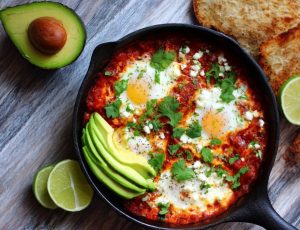
My favorite story is about avocado toast. The first time I just spread it and threw an egg on top. It looked like a sandwich. The next time I sliced the avocado, laid it out in a fan, sprinkled it with pepper — and it already felt like a restaurant, even though the taste was the same.
How to Create Volume
- Lay out the main dish in a “hill,” garnish around or on the side.
- Don’t mix the salad completely: leave a few large pieces on top.
Small tip: even a slight elevation of elements on the plate makes the dish more interesting.
Sauces and Accents: Details that Create an Effect
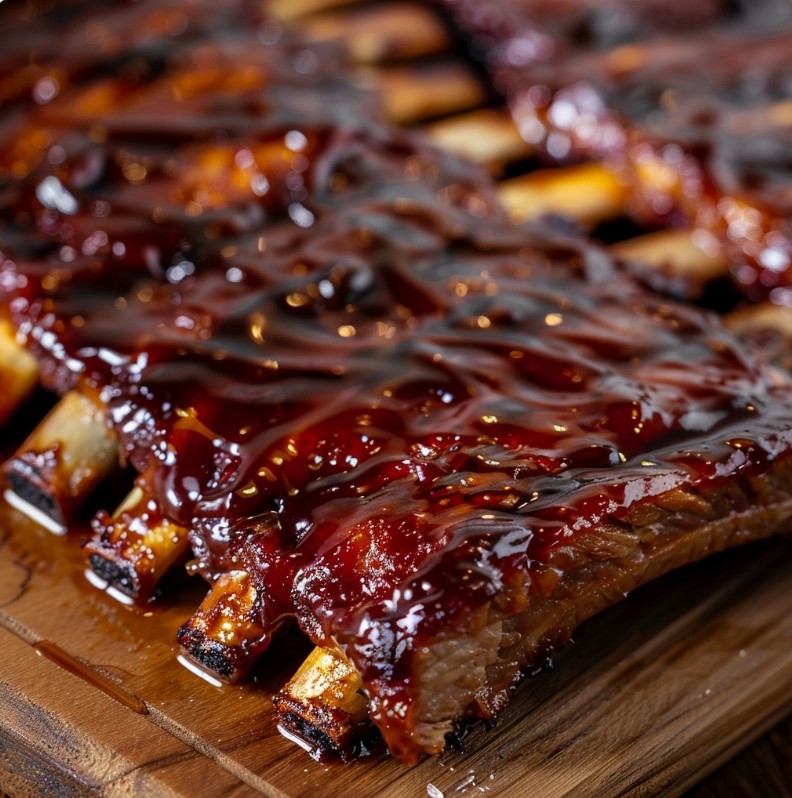
Sauce is your “brush.” Even a simple spoonful of sour cream on borscht or a few drops of oil on a salad create an accent. This technique works especially well for meat dishes, like BBQ ribs that melt in your mouth: a juicy homemade recipe where the sauce not only complements the taste but also makes the presentation more effective. I like to make a stroke with a spoon or fork: just take a little sauce, lightly run it across the plate — and there’s already a “highlight.” You don’t need to draw like in a restaurant, one movement is enough.
Sprinkling on top can be done not only with greens. Seeds, nuts, fried onions — all of this gives texture and appearance. The main thing is not to overdo it. I often see people sprinkle everything, thinking it tastes better. But that’s not necessary: better one bright accent than five unjustified ones.
Practical Life Hacks with Sauces
- Use a small spoon to apply the sauce in dots or strokes.
- Try adding a few drops of oil instead of mayonnaise or ketchup.
Tip: if the sauce is liquid, it’s better to apply it next to the dish, not on top.
Aromas and Sounds of Food: How to Enhance the Impression
We eat not only with our eyes. Aroma and even the sound of a crispy crust add to the appetite. Even a simple fried egg is perceived differently if you add a bit of fresh thyme on top or toast the bread so that it “crunches.”
I had a habit of toasting croutons for soup. And as soon as you put the plate on the table, it smells not only of soup but also of bread. It’s a small thing, but it makes lunch warmer and more atmospheric. So don’t hesitate to add something aromatic to the dish: a sprig of rosemary, lemon peel, even orange zest to the dessert.
Typical Mistakes
- Adding everything indiscriminately. The aroma should emphasize, not “overpower” the dish.
- Ignoring hot serving: cold soup or reheated garnish doesn’t look and smell as appetizing.
Tip: serve the dish immediately after cooking — hot food always looks and smells better.
What to Do if You Can’t Present Nicely
Sometimes you try — and it’s still “not quite right.” Hands are shaking, the dish has shifted, the sauce has spread, the greens have wilted. I know this feeling — disappointment that “it didn’t work out.” But it’s important not to get stuck on it. One of the best presentations I’ve seen was maximally imperfect: porridge a bit smeared, but with a smile on the face of the one who served it.
If the dish looks “not great,” you can fix it with a few simple moves:
- Transfer part of the dish to another plate — this immediately refreshes the look.
- Add fresh greens, even if there’s little — a small leaf already gives an effect.
- Remove excess from the edges of the plate with a napkin — cleanliness adds neatness.
- Place a piece of bread or a small bowl of sauce next to it — this creates a composition.
And most importantly — don’t worry if it doesn’t look like a picture from the internet. In a home kitchen, the main thing is coziness and love, not perfection.
When to Decorate and When Not: Balancing Aesthetics and Convenience
Sometimes you want to decorate everything, especially when it’s something festive. But from my experience, there are moments when it’s better to leave the dish “as is.” If the dish itself looks appetizing — for example, roasted chicken with a crispy crust or bright vegetable stew — additional decorations can only distract.
My advice: if you’re not sure whether to decorate — try serving the dish “clean,” and place a small bowl with greens, sauce, or nuts next to it. Guests will choose what they like. It’s both beautiful and convenient.
Typical Mistakes with Decor
- Adding decorations that don’t match the taste of the dish (for example, mint to a fish dish).
- Over-decorating — the dish looks unnatural.
Tip: decorations should emphasize the dish, not “overshadow” it.
Even the simplest dish can look like a restaurant dish if you pay attention to presentation details. For example, baked dorado in the oven looks great on a large plate with minimalist decor: lemon slices, fresh greens, and a few drops of olive oil. This approach shows that beautiful presentation is not about complex techniques, but about the right accents that highlight the dish itself.
Home Comfort in Details: Small Rituals
There are things that make even a modest dinner “special.” These can be small rituals: lighting a candle, placing a jug of water, folding napkins into a boat. I have a tradition — for every dinner, I place a small bowl with lemon or honey, even if it’s not needed for the main dish. It’s like a small sign of attention and care.
Even if you’re cooking for yourself, it creates a moment “here and now.” Serve tea in your favorite cup, arrange pastries on a plate, not leave them in the box. Such little things make food not just food, but a reason to stop and enjoy the moment.
Tip: find your small ritual — it will make the presentation special even on a weekday.
Several times I caught myself thinking that the best presentation is when the table looks neat, and there’s nothing extra on it. You don’t need to have many items: just a clean tablecloth, neatly folded napkins, and a good mood.
Presentation for Children and Family: How to Involve Everyone
Children often don’t eat “ugly” food. I know this not from hearsay: my son refused regular porridge, but if you put a berry on top or make a “funny face” with vegetables — the plate is empty in a minute. It’s important not to overdo it with “cartoonishness,” but a little play is always appropriate.
When cooking for the family, involve children or partners in serving. Let everyone fold a napkin, place a spoon, choose greens. This creates a sense of involvement and lifts everyone’s spirits — even if it doesn’t turn out perfectly.
- Involve children in decorating (for example, placing greens or arranging bread together).
- Let everyone choose how to decorate their plate — it’s fun and adds a “personal” taste.
Tip: family presentation is not about perfection, but about togetherness and joy from the process.
I noticed that children eat better if the food looks “alive”: colorful, with different textures, with elements of play.
Presentation as a Way to Show Care for Yourself and Loved Ones
And finally — presentation is not only about “beautiful,” but also about attitude. When you cook for someone, it’s a way to say: “I care about you.” But it’s equally important to serve the dish for yourself in the same way. Don’t leave food in the pot, don’t eat “from the bowl over the sink” even on a day when there’s no one to thank but yourself.
I always remember a scene from a restaurant where the chef served himself lunch just like the guests: a clean plate, a neat brush of sauce, a bit of greenery. I asked: “Why?” He replied: “I also deserve a beautiful lunch.” And that’s really true. Even if you eat alone — presentation creates a mood and enhances the feeling that life is happening right now.
Tip: cook for yourself with the same attention as for guests. It changes not only the look of the food but also your attitude towards yourself.
Beautiful presentation is not about perfection, but about care, comfort, and simple joys. Pay attention to details, allow yourself to experiment — and your table will become a place you want to return to.
Now it’s your turn: share in the comments what “beautiful presentation” means to you? What small details do you use to make a dish special at home?