How to Properly Store Amosov Paste

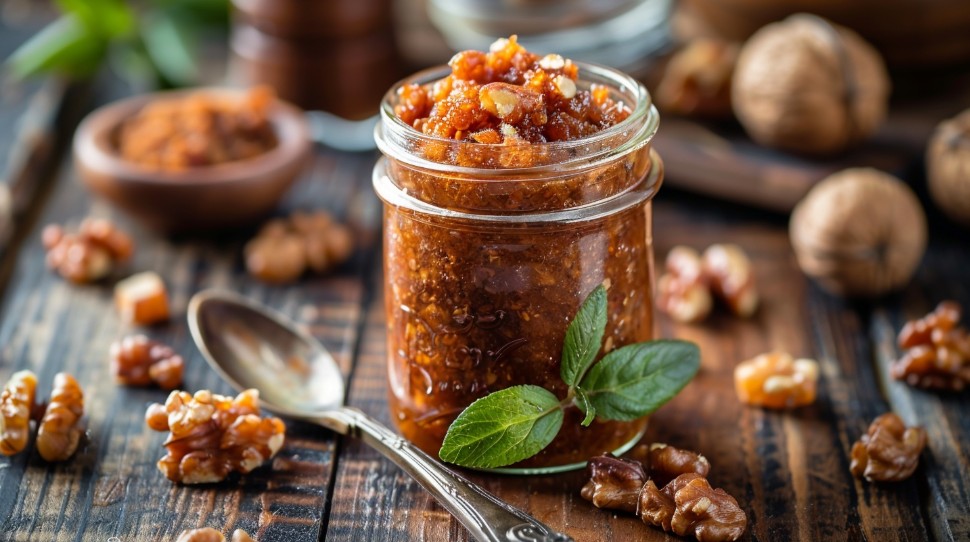
There are things that quietly appeared in our kitchens but stayed for a long time. Amosov paste is just that. A jar of ground dried fruits, nuts, and honey that sits on the shelf like a talisman. It’s given as a gift, passed on “for health,” and some people prepare it for themselves a week in advance. But few think about the nuances of storage. It seems: sweet, natural, will withstand anything. And then you open it — and see mold, the smell of a damp towel, or a syrup that has “run.” Do you know this feeling? I do. So I don’t want your paste to perish due to small things. Let’s figure out how to store it so that it tastes longer and remains safe. Because taste is not everything, it’s important that the texture and smell don’t let you down.
What is Amosov Paste and Why is it Picky About Storage
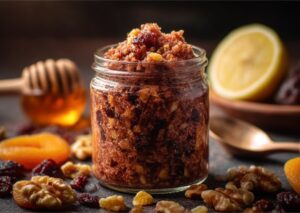
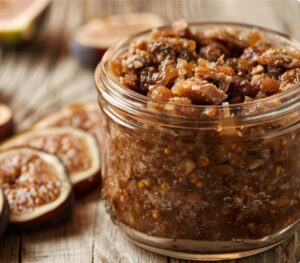
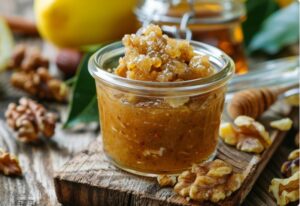
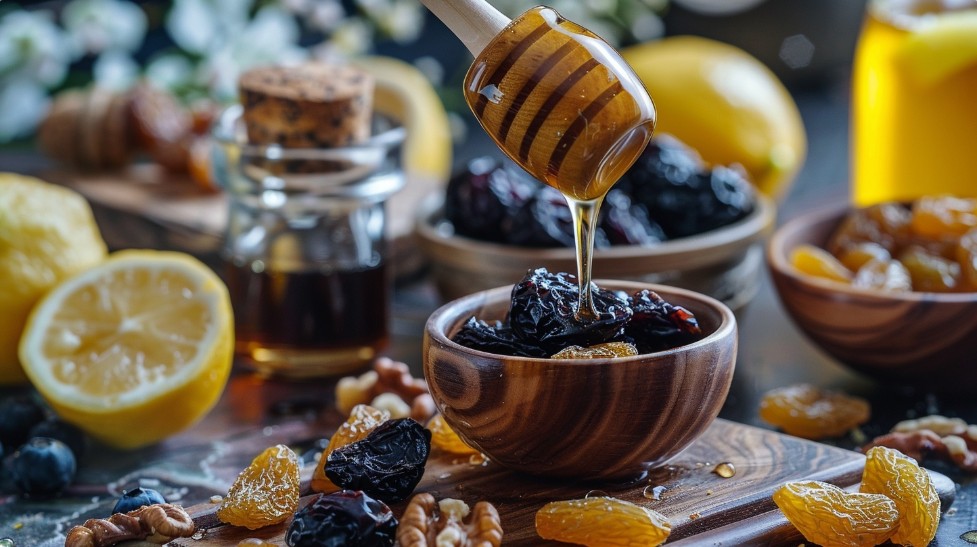
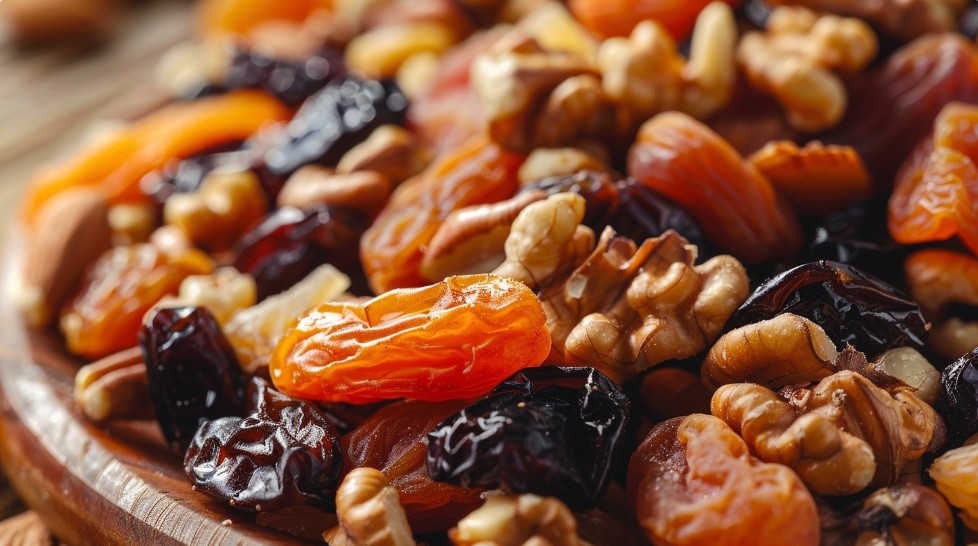
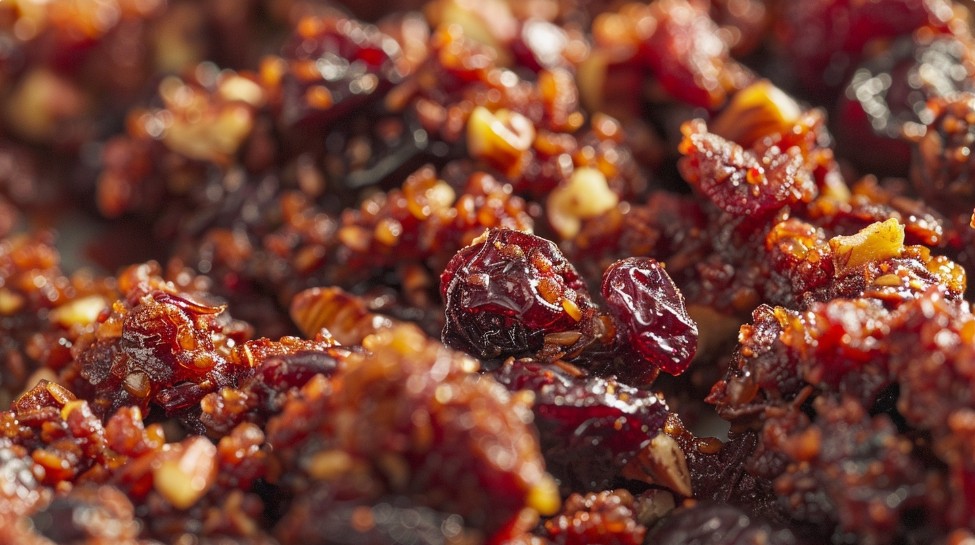
Amosov paste is a mixture of ground dried fruits (often dried apricots, figs, raisins, prunes), walnuts, and honey. What could spoil here? But each component has its “quirks.” Dried fruits absorb moisture and easily mold, nuts tend to go rancid, and honey can crystallize or separate, especially if stored improperly. Moreover, the paste is not a sterile product, and it is mostly made at home, without vacuum or stabilizers. That’s why the first step is to understand that this is a “live” product and to handle it accordingly.
I’ve seen paste made from good ingredients spoil in a week. The reason is simple: they didn’t pay attention to moisture or left a spoon in the jar. Amosov paste does not forgive carelessness, and it’s important to remember that.
How to Choose the Perfect Ingredients for Amosov Paste
Storing the paste begins at the market or store. If dried apricots or raisins are overly moist or have a suspicious shine — that’s trouble. Nuts that taste even slightly bitter? Don’t take them. Honey with a sharp caramel or fermentation smell — better to avoid. I buy dried fruits only where they are not sticky and don’t “dance” in your hands, and I taste the nuts — fresh, crunchy, without a musty aftertaste.
- Color: Dried fruits should have a natural color, not too bright or too pale. Nuts should be light brown, without spots or dark inserts.
- Smell: The aroma should be fruity, without alcohol, mustiness, or “pharmacy” notes.
- Texture: Dried fruits should be soft but not wet, nuts should be hard. Honey should be homogeneous and viscous.
- Packaging: Avoid damaged bags, condensation, torn packets, or overly fancy “fantasy” jars from the market. Often inside — surprises.
- Seasonality: It’s better to buy dried fruits in the fall, nuts too. Honey — from trusted beekeepers when summer ends.
A friend of mine once saved on dried apricots: she took the brightest, “wet” ones. Within two days, the entire paste was moldy, and she had to throw away three jars. And this happens more often than it seems.
Common Mistakes in Storing Amosov Paste
I’ve often heard people say: “Why invent something? The paste stands on the table — and everything is fine.” But “fine” doesn’t last long. Here are some common mistakes that spoil even the tastiest paste:
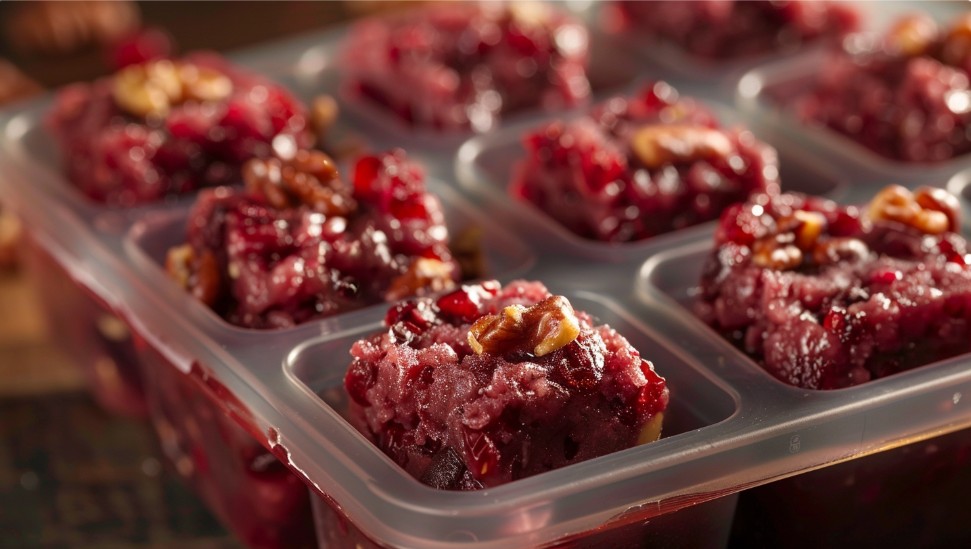
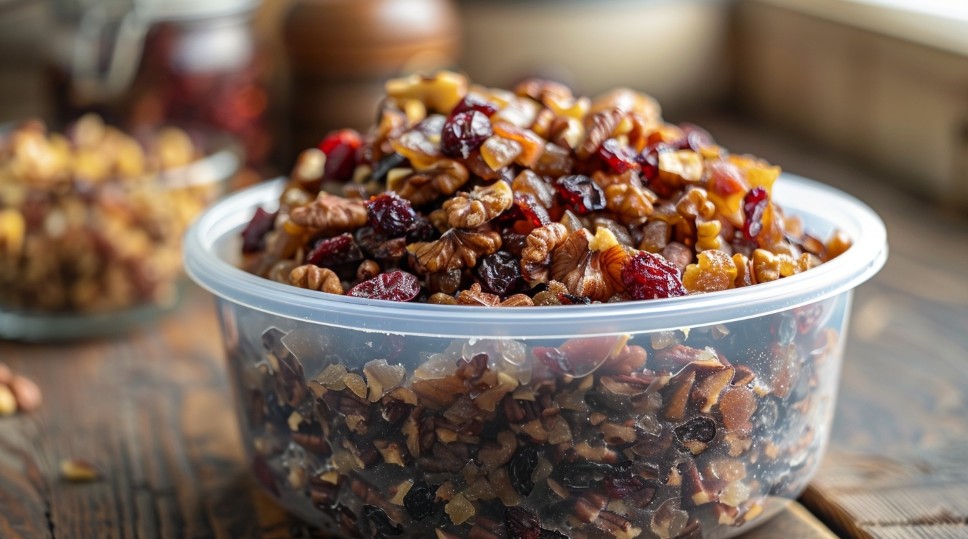
- Storing in plastic containers: plastic absorbs odors, moisture, and the paste quickly changes taste.
- Leaving a spoon or spatula in the jar: metal oxidizes, the paste “absorbs” the taste.
- Jar without a tight lid: the paste absorbs foreign odors or dries out.
- Open access to light and heat: the paste “melts,” sugar rises to the top, aromas evaporate.
- Storing at room temperature for more than 2-3 days: this is a risk of fermentation or mold, especially in summer.
- Wet hands or spoon: start the spoilage process.
Once, I forgot to close the jar of paste overnight. In the morning — a different smell, even color. Since then, I always close the lid “until it clicks.” It’s a small thing, but it saves the product.
Optimal Storage Container: Glass or Plastic?
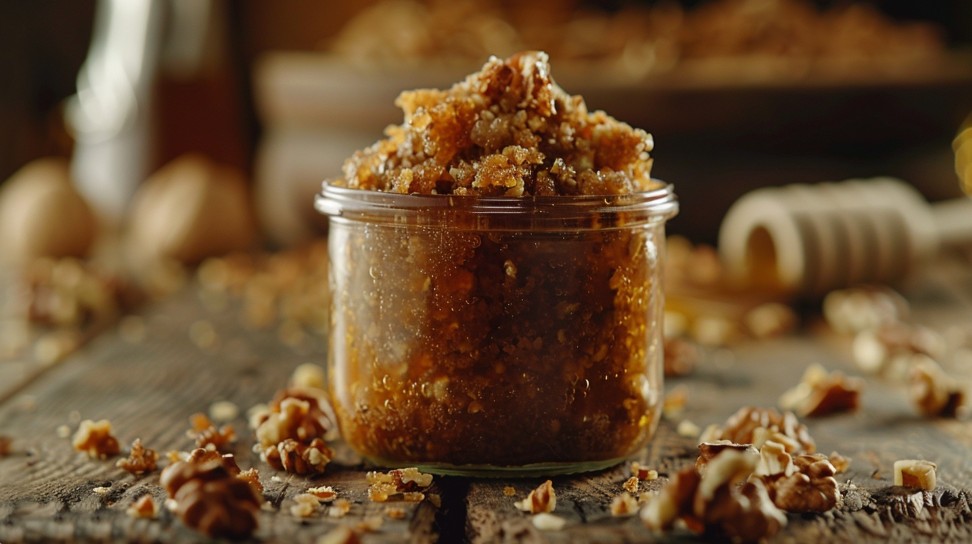
A question I often hear: what is the best way to store Amosov paste? In my opinion, a glass jar is the only option. Glass does not let odors penetrate, does not oxidize, is easy to wash, and does not scratch. Plastic quickly absorbs aromas, and sometimes even the color or flavors of previous products. I’ve seen paste in a plastic container acquire a “soapy” note: everything seems fresh, but the taste is not right.
Ideally, use a jar with a wide mouth and a tight lid. This makes it convenient to scoop the paste with a spoon without damaging the texture. If you plan to keep the jar for a long time, rinse it with boiling water before placing the paste, but do not wipe it with a towel: let the drops dry on their own to avoid introducing moisture.
Tip: do not use jars that previously stored pickled or spicy products — even after washing, they give off a smell.
Temperature and Storage Location: Fridge or Cupboard?
Heat is the enemy of Amosov paste. At room temperature, especially in summer or when it’s warm at home, the mixture begins to “live”: a slight sour smell may appear, then mold. In the refrigerator, the paste lasts longer. Optimal is +2…+6°C. The best place is the middle shelf of the fridge, where there are no temperature fluctuations, and the paste does not freeze.
Keep the paste on the kitchen shelf only if you will eat it within 2-3 days. Longer is risky. From personal experience: even in winter, when the temperature at home is lower, the paste on the table “melts,” while in the fridge it stays firm and smells just right.
Do not place the jar near the freezer or on the door: the temperature changes more often there, and the paste quickly loses its texture. Similarly, do not place the jar near heat sources — above the stove, near the oven.
Lifehack: if you consume paste often, you can set aside a small portion in a small jar, and leave the main one in the fridge — this way you don’t have to take out the whole jar every time.
Storage Duration: How Long Does Amosov Paste Last
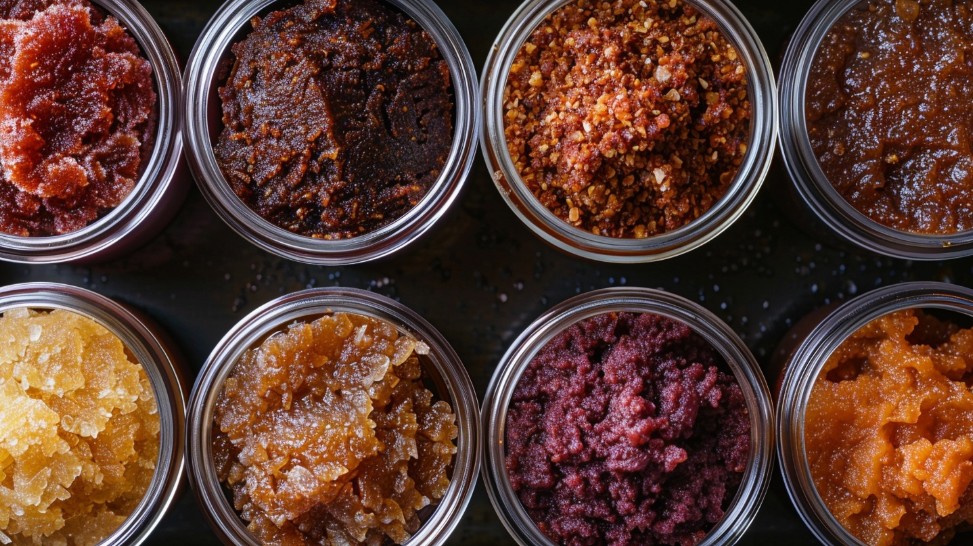
The storage duration of the paste depends on the composition and quality of the ingredients. If everything is fresh and the honey is natural, the paste in the fridge will easily “live” for 2-3 weeks. At room temperature — no more than 3 days, even in winter.
Honey is a natural preservative, but in the paste, it is “diluted” with moisture from fruits and nuts. Therefore, the paste cannot stand forever. If you notice a change in color (darkening, spots), a sour smell, separation, or mold — don’t risk it, better throw it away.
Light, transparent paste stores worse than dark (for example, if dried apricots predominate). Raisins and figs slightly “preserve” the paste, but this is not a guarantee. The main thing is not to keep an open jar for more than a week.
Micro-story: once I had a jar of paste left from the summer. In the fall, I opened it — the smell of dried fruits, but already “not the same.” Visually everything is fine, but the taste is slightly sour and like “dust.” So don’t trust even a good appearance too much — smell and taste.
How to Properly Scoop Paste: Spoons, Spatulas, Hygiene
Another “small thing” that is often forgotten. Hands may be clean, but if you dip the spoon you used to spread bread every time — over time, bacteria will appear in the paste. Use a separate clean spoon, or better yet, a small stainless steel or wooden spatula. Wash and dry after each use.
Do not leave the spoon in the jar: this is a direct path to spoilage. Metal in contact with fruit acid quickly oxidizes, and an unpleasant taste appears. If you take the paste with your hands (to transfer to another container) — be sure to wash your hands with soap. And don’t take it “by the pinch” — the paste is sticky, it’s a source of bacteria.
Lifehack: if you are preparing paste for children, it’s better to transfer part of it to a separate small jar — this way the main portion will stay clean longer.
How to Extend the Freshness of Amosov Paste: Simple Tricks
There are a few ways that really work — tested on myself and friends:
- Add a spoonful of lemon juice: it slightly acidifies the paste, reducing the risk of fermentation.
- Store in small jars: don’t open a large jar “for every bite.”
- Don’t make paste for more than 2-3 weeks in advance — better to update more often.
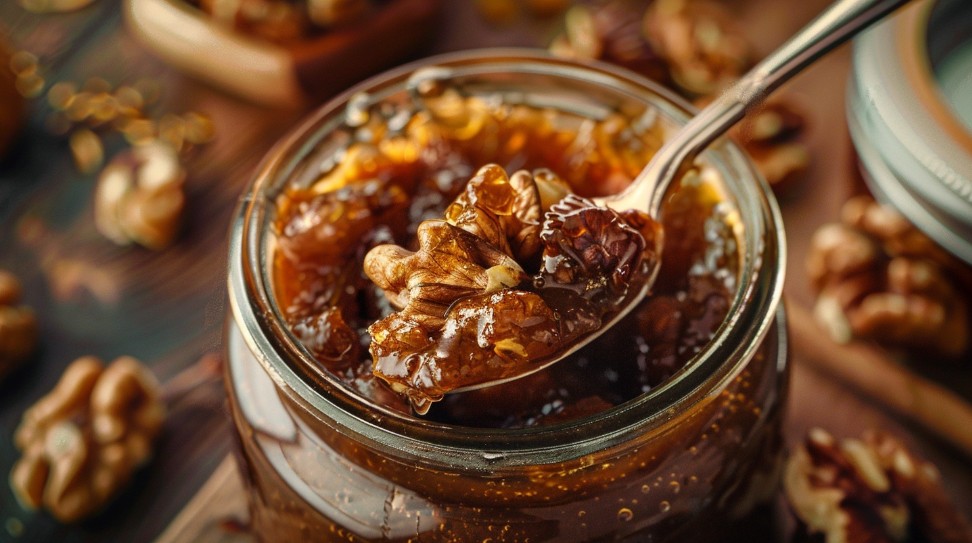
- You can add a little honey on top: it “seals” the surface and protects from air.
- If you see moisture on the walls of the jar — wipe it with a napkin, but don’t leave it wet.
Once, for an experiment, I kept paste for a whole month — in a small jar, with lemon juice and a layer of honey on top. Opened it — it smells like freshly made. The texture is dense, nothing separated.
How Amosov Paste Behaves During Cooking and Storage
Amosov paste is a “live” product: even in the fridge, it can slightly change its structure. Honey “draws” moisture from the fruits, so after a few days, the paste becomes a bit thinner or, on the contrary, thickens if the fridge is dry. This is normal, as long as there is no foreign smell or mold.
If the surface dries slightly — you can stir the paste, it will become homogeneous again. If liquid appears — drain it, but don’t expect the paste to last forever. Sometimes honey “settles” at the bottom, and fruits “float” on top — this is not scary, just stir.
Paste that has been kept warm for a long time changes color — becomes darker, sometimes a “wine” note appears in the smell. This is a signal: better not to eat. The smell should be fruity-honey, not sharp or sour.
Micro-story: I had a jar of paste that stood for a few days in the kitchen in summer. When I opened it, the smell seemed normal, but the taste was “with a note.” I threw it away, didn’t regret it — better to be safe than sorry later.
Marketing Traps and Price: When It’s Worth Paying More
Often at the market or store, you can come across “premium Amosov paste” at a fantastic price. Here’s the trap: if the ingredients are of average quality, the paste won’t get better from a beautiful jar or bright label. I pay more only when I’m sure of the source — for example, I buy dried fruits from farmers I’ve known for years. Nuts — only from this year, not from the last season. Honey — pure, without additives, from a beekeeping farm where I’ve been personally.
Don’t fall for “organic” if there is no quality confirmation. Overpayment for a brand is about packaging, not the product. Sometimes the best paste is in a simple jar, but from good hands.
If there’s a choice between paste for 300 UAH and 600 UAH — I look not at the price, but at the ingredients. Take what’s fresh, without unnecessary “chemistry” and flavorings. This is the basis for long storage and taste.
Lifehack: if you want to save money — buy the ingredients separately and make the paste yourself. This way you know exactly what’s inside, and it will be easier to store.
In Brief: Checklist for Storing Amosov Paste
- Choose only fresh ingredients: dried fruits not sticky, nuts crunchy, honey natural.
- Store in glass jars with a tight lid.
- Keep the paste in the fridge, not on the table.
- Don’t leave a spoon in the jar, always use a clean tool.
- Don’t make paste for more than 2-3 weeks in advance.
- Add lemon juice or a layer of honey on top for better storage.
- If the smell, color changes, or mold appears — throw it away without regret.
It’s not magic, but simple steps that allow the paste to remain tasty and safe. A few minutes of attention — and your jar will delight you for a long time.
Amosov paste is a product where simplicity combines with pickiness. It’s easy to spoil if you neglect the details. But if you know a few simple rules — you’ll enjoy the taste and benefits for more than one day. I always keep one small jar “for myself” and one “for guests.” How do you store Amosov paste? Have there been any fails or personal tricks? Share your experience — it’s interesting to see how others manage in practice.