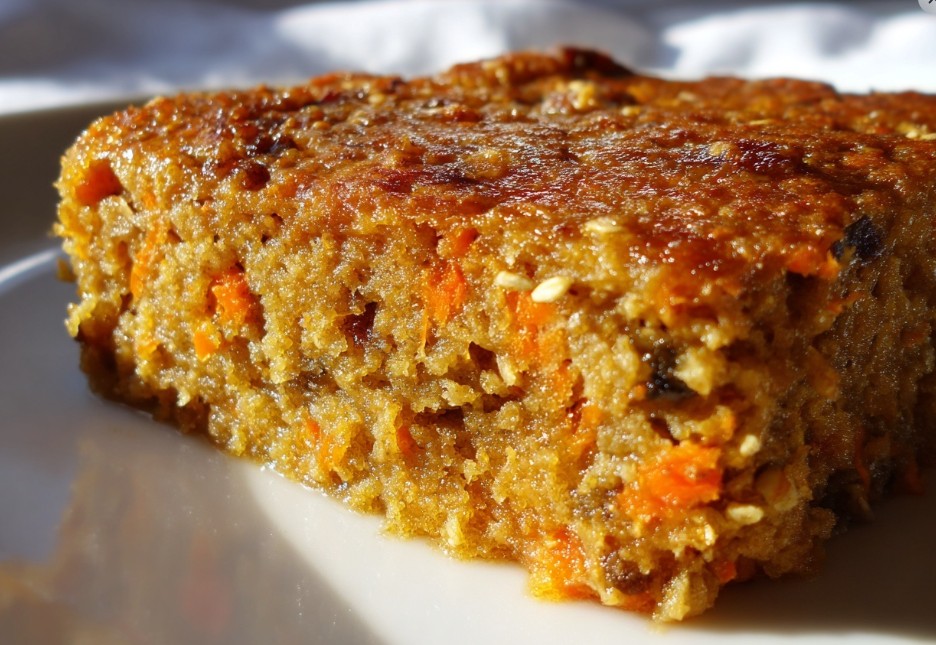
How to Tell When Banana Bread Is Done in the Middle

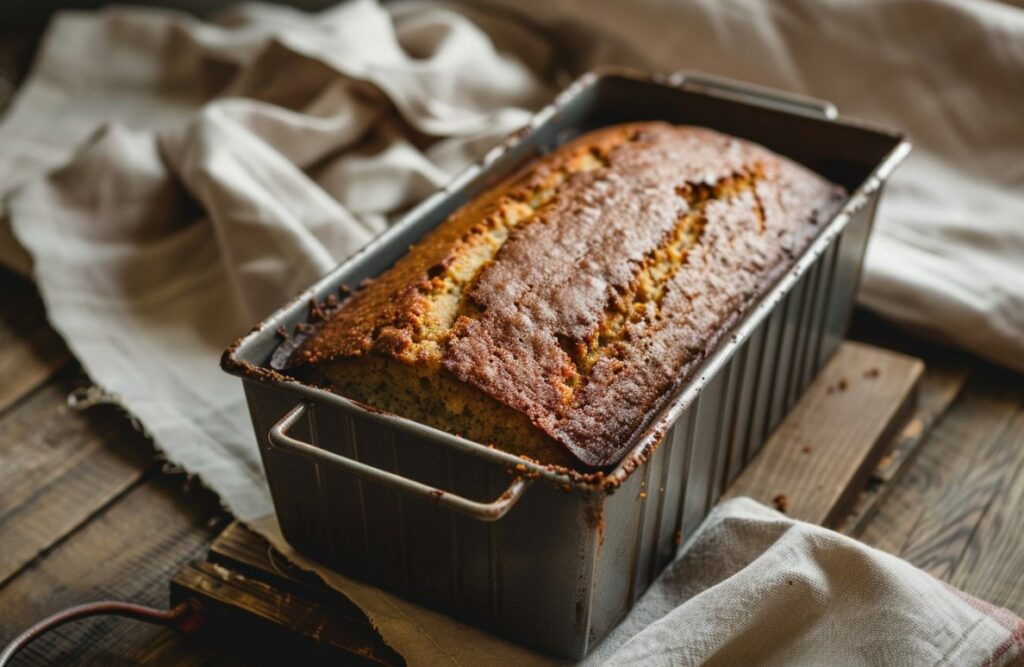
Banana bread has one sneaky habit: it smells done long before the middle stops being sticky. Your kitchen fills up with that caramel-and-ripe-banana aroma, the top turns beautifully golden, the loaf looks “photo-ready” — and your hand practically reaches for the oven knob on autopilot. Then you slice in… and there’s that damp, gummy stripe right down the center, like the batter took it personally and decided to stay raw.
I know that feeling: like you did everything right, and the result is… “almost.” It’s especially annoying when you’re not baking every day — you’re making it on the weekend, for family, or just to finally use up those bananas that have been silently judging you from the counter.
Here’s the good news: banana bread doneness isn’t magic, and it’s not “luck with your oven.” You can learn to read it — by sound, smell, color, springiness, temperature, even by how the pan feels when you pull it out. Once you’ve nailed it once or twice, the fear of “ruining it” fades. What’s left is control.
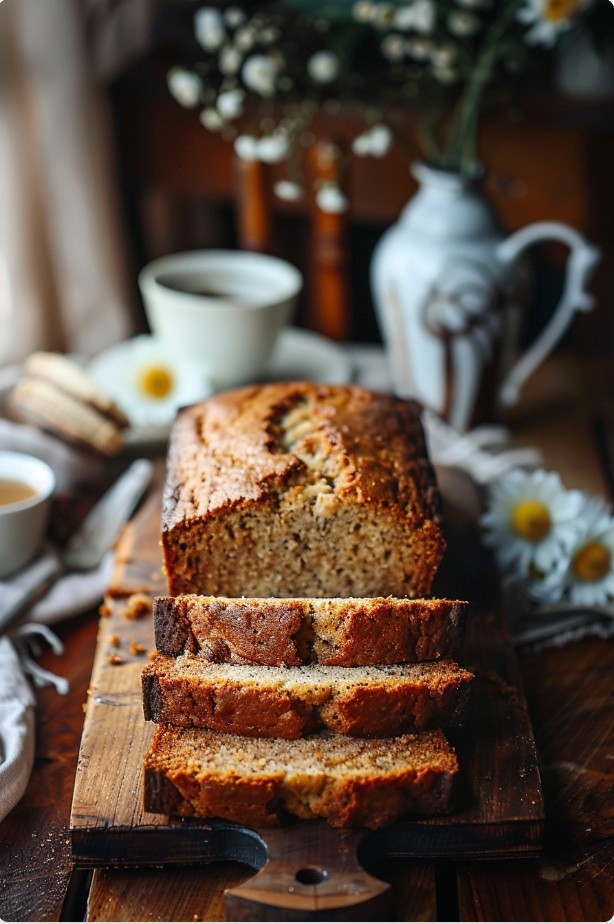
Why banana bread is so often underbaked in the center (and it’s not because you ‘can’t bake’)
Banana bread is meant to be moist. Bananas bring not just flavor, but water, sugar, and a thick purée that keeps the crumb tender. That same moisture and sugar can also set a trap: the top and edges bake faster, while the center holds onto heat and steam for a long time.
A few more reasons banana bread is so easy to misread:
- Sugar and banana caramelize — the top darkens quickly and looks “done,” even though the inside is still catching up.
- The batter is thick — heat moves to the center more slowly than it does in thin cupcakes or sponge cake.
- Bananas vary — one day your mash is watery, the next it’s thick. It’s not always obvious, but it changes bake time a lot.
- The pan matters — a narrow, tall loaf takes longer than a wider, lower one.
Once I pulled a loaf early because the top was perfectly browned and the smell was so good the neighbors could’ve “just stopped by to say hi.” I sliced it — and the center was so wet you could practically draw with the knife. Back into the oven it went, and the top ended up darker than I wanted. That was the day I stopped trusting color alone.
The mechanics of doneness: what’s happening inside while it bakes
To stop guessing, it helps to picture banana bread as a little “building” that has to set. As the batter heats up, a few simple but crucial changes happen.
When it turns into “bread,” not “batter”
Two main processes are doing the heavy lifting:
- Starch gelatinizes — the starch granules in the flour swell with heat and moisture, and the crumb stops being fluid.
- Proteins coagulate — from the eggs (and partly from the flour), forming a framework. It’s no longer a pourable mass; it’s a structure that holds its shape.
Until those processes finish in the center, it’ll look like thick custard or sticky batter. And here’s the key point: the edges are always “more done” than the middle. So you need to test the center — not what you see around the perimeter.
Why the top browns before the center bakes
Hot oven air dries the surface, sugar darkens quickly, and banana sugars caramelize. It’s gorgeous and delicious — and also a bit misleading. If you go by color alone, banana bread almost always comes out too early.
I like to think of it this way: color tells you about the surface; doneness is about the center. They don’t always arrive at the same time.
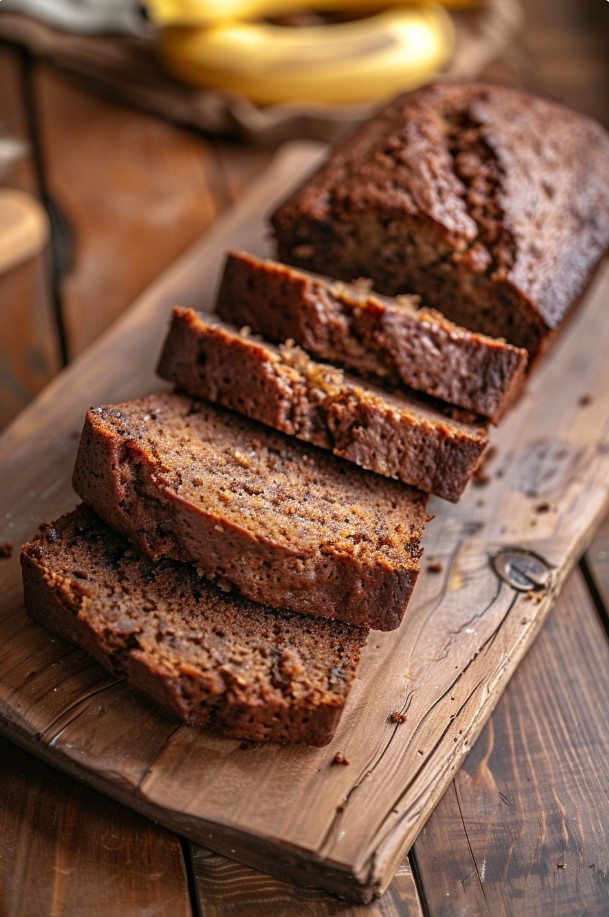
Signs without a thermometer: how to read the look, smell, and feel
Not everyone has a kitchen thermometer, and that’s totally fine. I went without one for years. A few reliable “human” checks work great in a home kitchen.
1) The dome and the crack: what the top should look like
Banana bread often splits down the middle — and that’s a good thing. It means the batter rose, the top set, and steam was still expanding inside.
Signs the top is in the right stage:
- the surface looks matte, not shiny with wet batter;
- the edges start to pull away from the pan a bit (not always, but often);
- the crack looks drier, not wet.
Important, though: this still doesn’t guarantee the center is done. It only tells you the surface has set.
2) Springiness: what your finger feels
Gently press the top closer to the center (careful — it’s hot). If it:
- springs back — good sign;
- sinks and leaves a dent — still underbaked;
- feels very hard — the top may be overbaked (the inside can still be fine, though).
One nuance: banana bread is always softer than a classic pound cake. So “springy” here is gentle, not like a crusty loaf. I look for “soft, but holding itself together.”
3) Smell: when the aroma shifts
Early on, it smells like banana and raw batter. Then it turns warmer and more “baked,” with caramel notes. Near doneness, you’ll notice a crusty, toasty smell — like toast, but softer.
If the smell is intensely sweet and sugary and the top is already dark, that can be a sign the top is racing ahead of the center. In that case, lower the temperature or cover the top (we’ll get to that).
4) Sound: quiet, but surprisingly helpful
This sounds odd, but sometimes I just listen. When you pull the pan out and set it on a rack, an underbaked loaf can give off a faint “sizzle” of moisture escaping aggressively. A fully baked loaf still has heat and steam, but it’s calmer — without that swampy feeling inside.
Not a main test, but as a bonus clue, it helps.
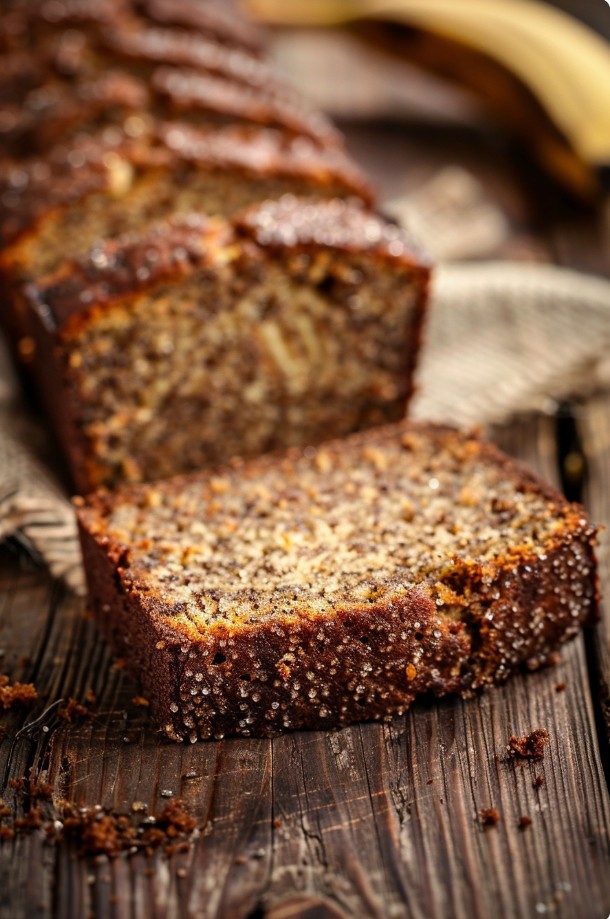
Classic doneness tests: skewer, knife, touch — and how not to fool yourself
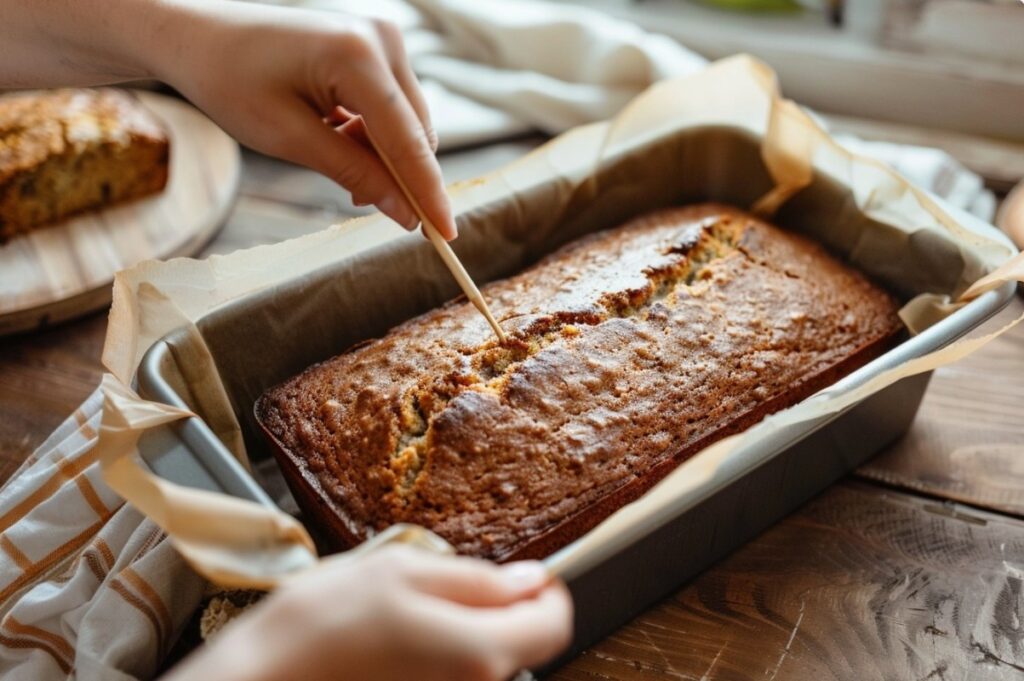
The most popular method is poking the center with a skewer or toothpick. But with banana bread, that test can tell a half-truth, because the crumb stays moist even when it’s done. The trick is to look not for “dry vs wet” in absolute terms, but for the type of residue.
The skewer test: what you actually want to see
What “done” looks like for banana bread:
- the skewer comes out with a few moist crumbs;
- no thick, wet clumps of batter;
- no shiny, stretchy paste.
What people often do: poke closer to the edge (it’s always drier there), or pull the skewer out too fast and don’t really look. I do it differently: poke — hold for a second — pull it out — check it in good light. If the mark looks matte and crumbly, you’re in good shape. If it’s shiny and sticky, it needs more time.
Tip: if the skewer keeps coming out “almost clean” but you’re still unsure, do two pokes in the center at different angles. That way you’re testing a small area, not one single point.
The knife test: when it makes sense
A knife is more “honest” because it has more surface area. But it’s also riskier: you can leave a visible cut and let out some steam. I use a thin knife when I can see the top is already getting dark, but the skewer test is giving me mixed signals.
Signs of doneness on the blade:
- a thin moist film;
- maybe a few fine crumbs;
- no layers of raw batter that smear.
Touch test: right in the center crack
If there’s a crack on top, gently touch right there — it’s the thinnest spot and gives you a peek at the inside texture. In a baked loaf, the crack feels dry to the touch, and the inside looks like a moist crumb, not a liquid mass.
This doesn’t replace the skewer, but it adds confidence.
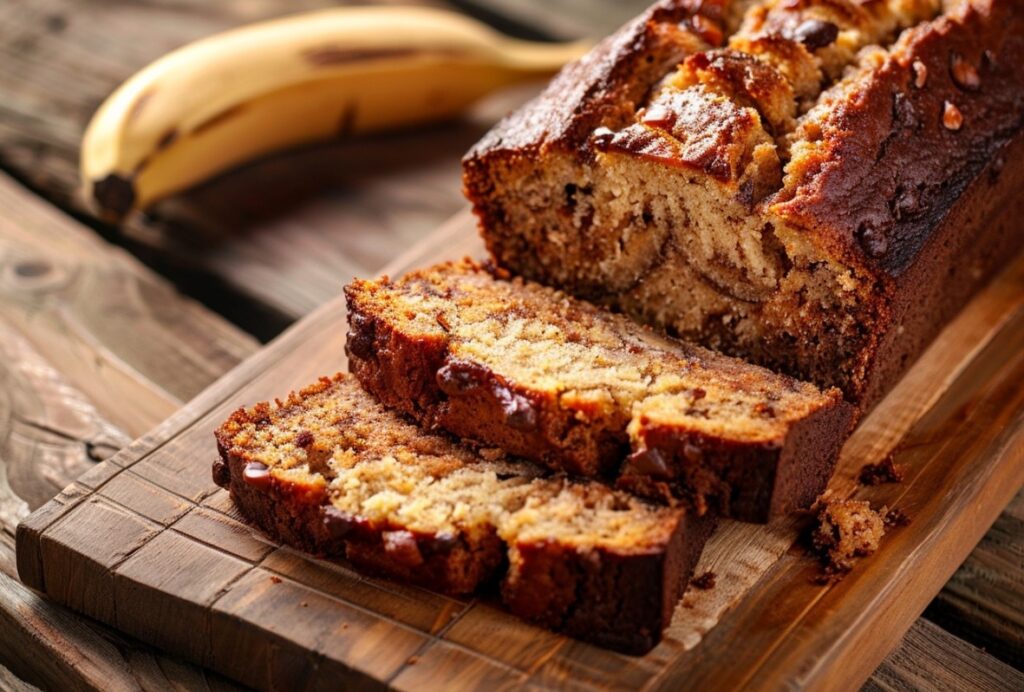
Thermometer: the calmest way to check the center (and why it kills the anxiety)
If you have a kitchen thermometer, it’s one of those tools that doesn’t magically make you a “pro,” but it does make life quieter. Because you stop guessing.
For banana bread, I aim for an internal temperature of about 96–99°C in the center. That’s the range where the crumb has set, but it’s not dried out. (Yes, it can shift a bit depending on ingredients and pan size, but as a baseline it works.)
How to measure so you don’t get a “pretty but wrong” number
- Insert the probe right into the center and to about mid-height, not all the way down to the bottom.
- Don’t touch the metal pan — metal runs hotter and will give you an inflated reading.
- Give it a few seconds to stabilize.
Quick story from my kitchen: once I was thrilled to see 99°C and was seconds away from pulling the loaf. Then I realized the probe was hitting the bottom of the pan. The actual center was cooler, and the loaf “slumped” when I sliced it. Since then, I measure at an angle and make sure the tip is suspended in the crumb, not pressed against metal.
Tip: if the top looks perfect but the center temp is still low, don’t panic. Just bake longer at a slightly lower temperature, or tent the top with foil so you don’t scorch the crust.
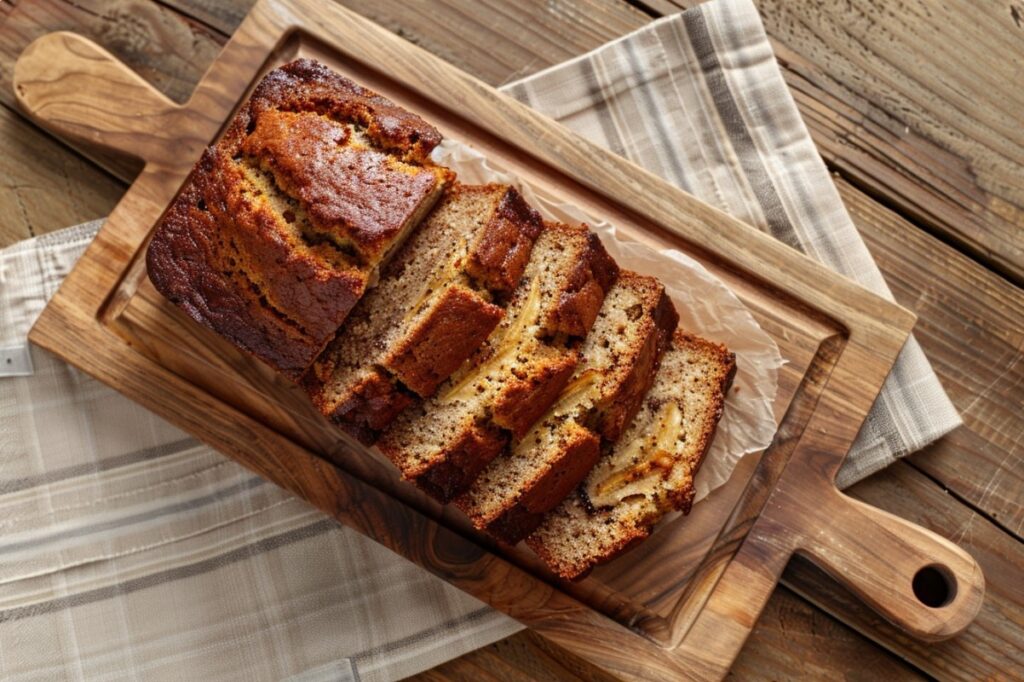
Common beginner mistakes: ‘what people do’ vs ‘what works better’
This isn’t about “bad hands.” These are the little things almost everyone does at least once — and they’re exactly what leads to a raw center or dry edges.
Mistake 1: following the recipe time, not the signs
Time is only a guideline. Ovens vary, pans vary, bananas vary. If a recipe says 50–60 minutes, it really means: “start checking around then,” not “turn the oven off at minute 55.”
Better: set a timer, but check for doneness using the top, springiness, skewer, and/or temperature.
Mistake 2: cranking the heat to make it “faster”
In home kitchens it often looks like this: someone sets the oven hotter because “mine runs weak.” The top darkens fast, the edges set, and the center stays raw. Then you either pull it early or bake it until the crust is nearly black.
Better: banana bread likes steady, gentle heat. If the top is browning too quickly, lower the temperature and give the center time to catch up.
Mistake 3: checking too early and too often
Every time you open the oven, you lose heat. If you’re checking every 5 minutes, banana bread takes longer — and sometimes it can even sink.
Better: take your first peek closer to the end of the expected bake time. After that, check every 7–10 minutes, not more often.
Mistake 4: “almost clean” skewer = done
For a dry cake, sure. For banana bread, not always. “Almost clean” can happen even when there’s still a sticky stripe inside — especially if you didn’t hit the true center.
Better: poke the highest point of the dome closer to the middle, do two pokes, and look at the residue (crumbs vs raw batter).
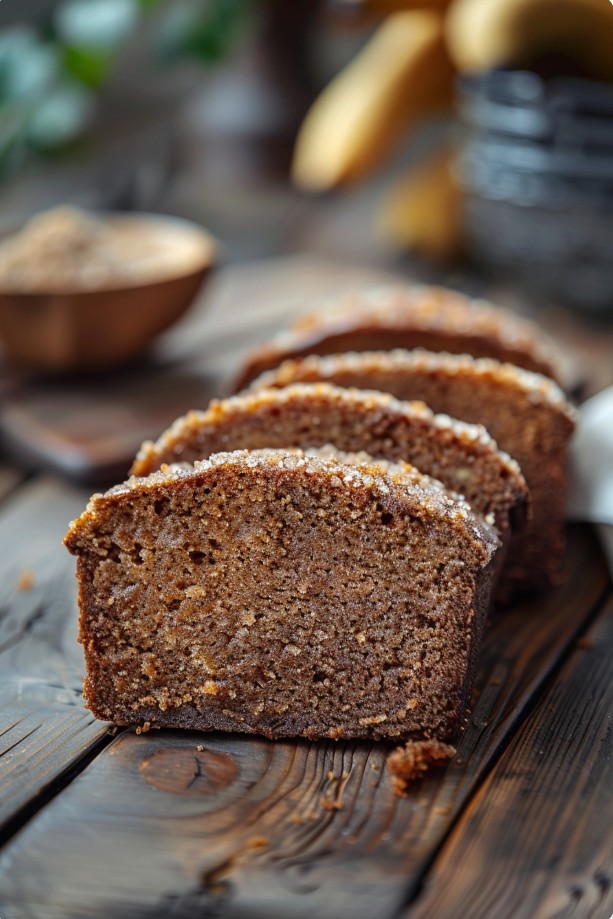
Mistake 5: slicing it hot and deciding it’s raw
This one is so common. Hot banana bread always seems wetter and “underbaked,” because the starches and proteins are still setting and steam is still moving through the loaf. Slice it too soon and the crumb smears, the knife drags a gummy line, and you’re instantly disappointed.
Better: let it cool at least 30–60 minutes. I get it — the smell is unreal — but patience genuinely improves the result here.
What to do if it’s raw inside: a no-panic plan (and no tossing it)
A raw center is frustrating, but it’s not the end. In most cases, banana bread is totally salvageable — and it’ll still taste great.
Situation 1: you check in the oven and the skewer comes out with wet batter
Simple: keep baking. Just do it smartly so you don’t burn the top.
- If the top is already dark: cover with foil (tent it, don’t press it onto the crust).
- If your oven browns hard from above: move the pan down one rack.
- If you’re worried about drying it out: lower the temperature and add time.
Tip: when you cover with foil, crumple it slightly so it holds its shape and doesn’t touch the batter. That way the crust stays dry instead of steaming.
Situation 2: you took it out, cooled it, sliced it… and there’s a sticky stripe
Most of the time it just means the center didn’t finish baking. You can put it back in the oven. Yes — even after slicing.
- Put the piece (or half the loaf) back on a baking tray or into the pan, cut side up.
- Bake at moderate heat to dry out the middle without scorching the top.
- Check more often — it’ll bake faster now.
Quick story: once I cut a loaf in half and found a full-on “swamp.” I thought it was a total loss. Then I got it together, put both halves back in cut side up, and baked it a bit longer. The crust got slightly thicker, but the flavor was excellent — and nobody guessed there’d been an emergency.
Situation 3: dark outside, raw inside
This is the classic “oven too hot” situation (or a pan/oven combo that bakes unevenly). The fix is a combo of:
- foil on top;
- lower temperature;
- longer bake time;
- checking the center with a thermometer or a double skewer test.
One more thing: if the top is already very dark but the inside is still raw, sometimes you just have to accept a darker crust than planned. The priority is a baked-through, safe-to-eat crumb.
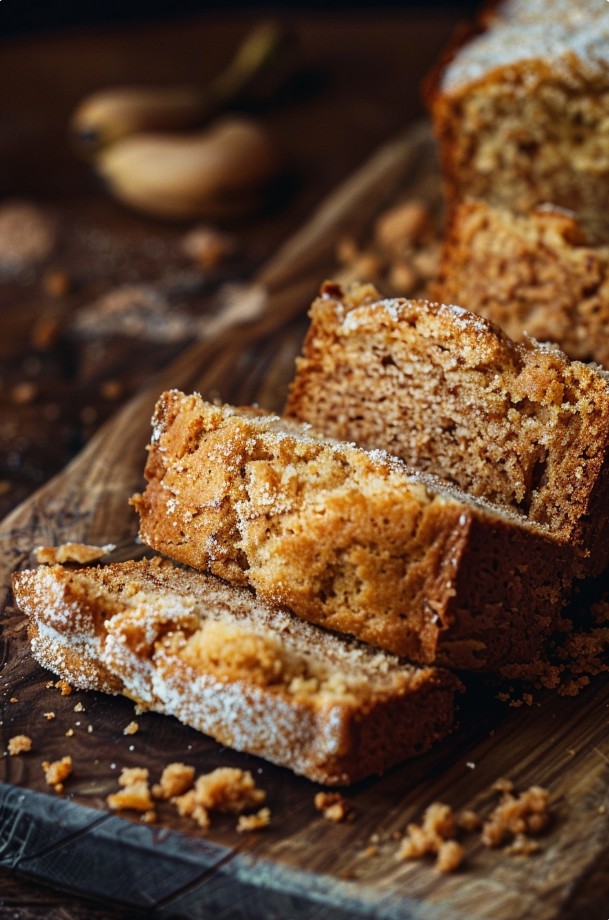
How to get it to bake evenly: small tweaks that actually work
This isn’t about “perfect conditions.” It’s a handful of habits that (in my experience, across very normal home kitchens) cut the chances of a raw center dramatically.
Give the batter an even start: pan and temperature
The pan matters. Dark metal browns more aggressively, glass takes longer to heat through, and silicone often gives pale sides and holds onto moisture longer. I’m not saying “don’t use what you have.” Just factor in the personality:
- glass and ceramic often need a bit more time;
- dark metal can brown the top and edges faster;
- silicone sometimes makes the center take longer to set.
Also: if your batter is straight from the fridge or your bananas were very cold, everything warms up more slowly. It helps when ingredients aren’t ice-cold.
Don’t build a big mound in the middle
When you spoon batter into the pan, it can sit in a heap. That makes the center thicker — and slower to bake through. I like to level the top with a spatula so the thickness is fairly even and there’s no “tower” in the middle.
Tip: if you want a pretty dome without a raw center, let it dome naturally in the oven instead of shaping it with a spoon.
Oven rack position: small change, big impact
Place the pan near the middle of the oven, not too high. If the top is baking faster, move it down a rack. If the bottom stays pale while the top looks good, move it up a rack. It sounds minor, but sometimes that’s the whole fix.
I once had an oven that would blast the top with zero warning. I got into the habit of baking banana bread one rack lower than cookies — and the “too-dark top” problem disappeared.
Let it finish after the oven: it’s part of the process
Even after you turn the oven off, there’s still plenty of heat inside the loaf. The crumb continues to set. If you pull it out and slice immediately, it’s like stopping the process mid-sentence.
My routine: I take the pan out, set it on a rack, let it sit 10–15 minutes, then remove the loaf from the pan (once it’s sturdy enough) and let it cool further. Only then do I slice. The texture ends up more even — not gummy, but moist and tender.
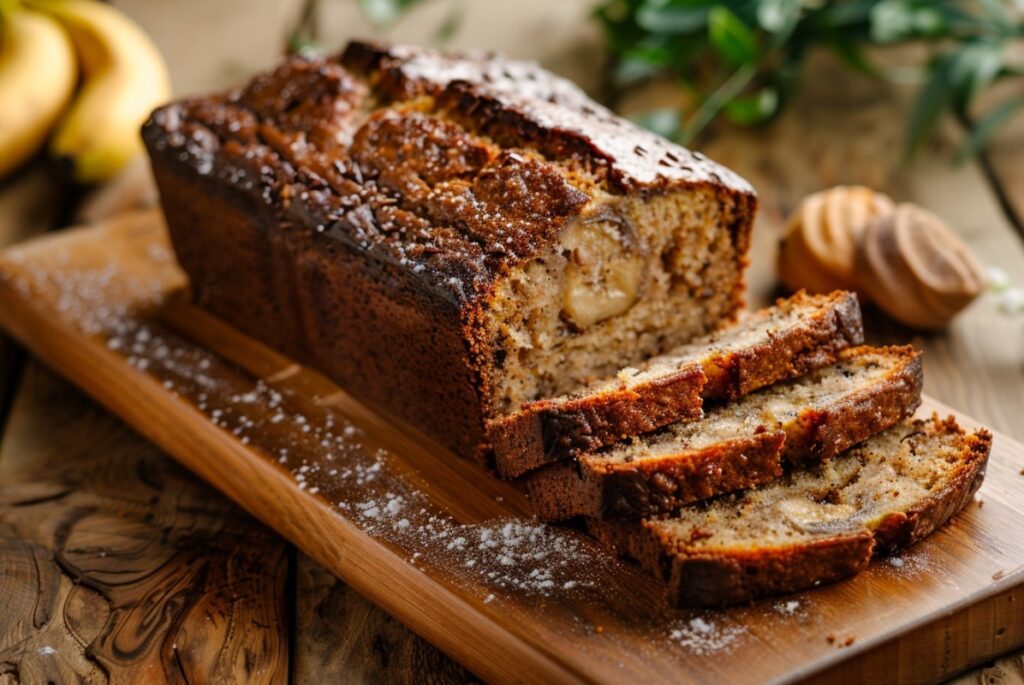
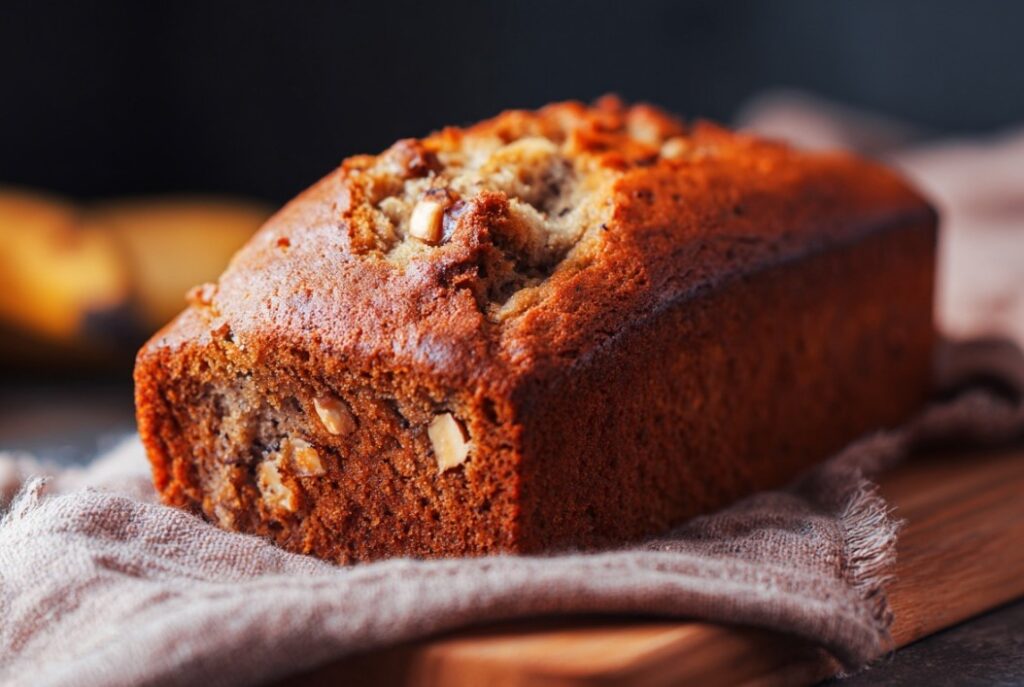
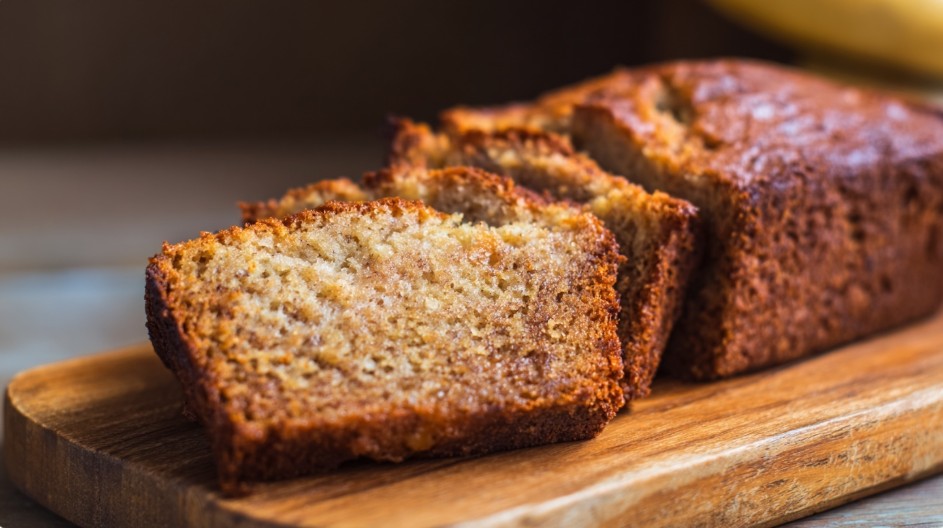
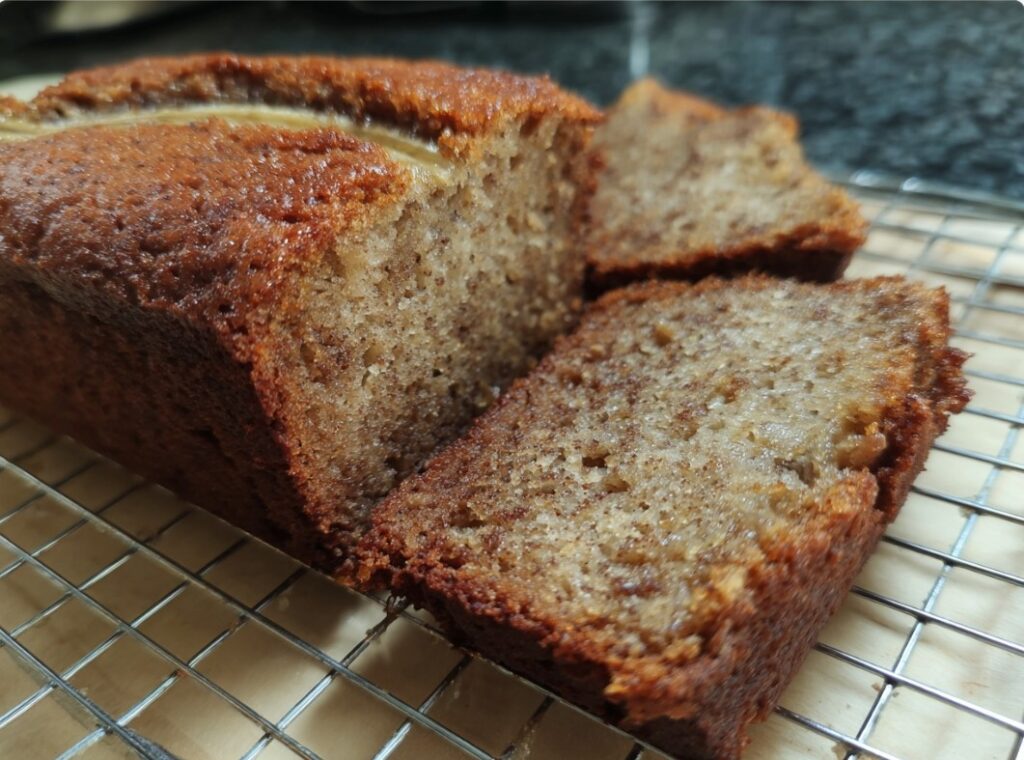
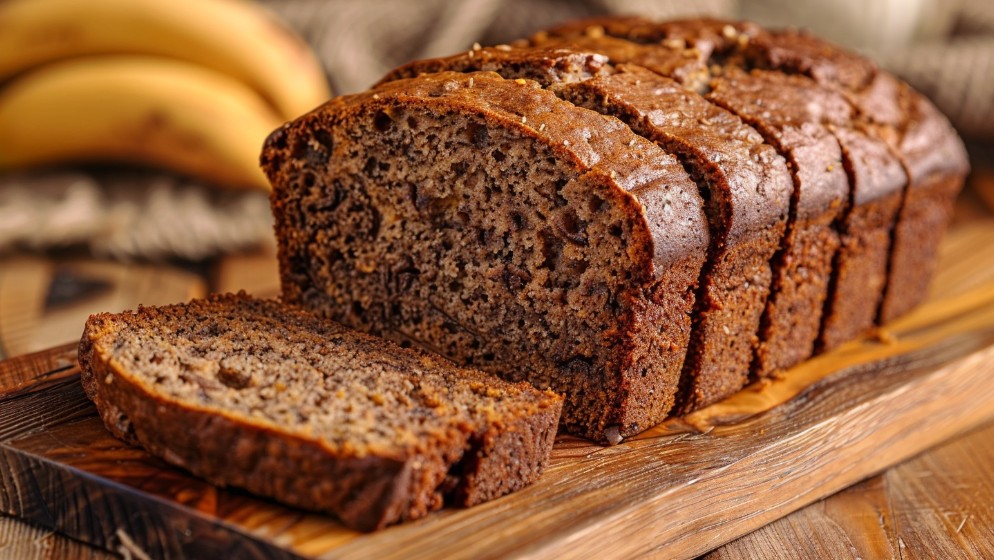
What properly baked banana bread should look and feel like: ‘moist’ doesn’t mean ‘raw’
One reason people second-guess themselves is that banana bread doesn’t turn dry and crumbly like some loaf cakes. It’s different. A baked crumb can be moist, dense, even a little fudgy (almost brownie-like in feel), and that’s normal.
These cues help me:
- Crumb color: even throughout, with no grayish “raw” stripe in the center.
- Texture: tender but sliceable. The crumbs can be moist, but they shouldn’t glue into paste.
- The knife after slicing: it may have a thin bit of moisture, but not wet batter.
- Smell at the cut: warm and baked. If it smells like “batter” (flour + banana), it’s too early.
One everyday detail: if you eat it warm, it will always seem wetter. Once it cools completely, the crumb becomes more “together.” Sometimes you just have to give it a chance — and yourself too.
Last little story: a friend once messaged me, “It seems done, but it’s moist. I’m scared it’s raw.” I asked her to describe it: skewer with crumbs? yes. Top springy? yes. Smells baked? yes. Turned out it was simply warm. She let it cool — and her next message was, “I finally get what it’s supposed to be like.” That’s the moment confidence shows up.
Banana bread doneness isn’t one “magic” test — it’s a few calm signals together: the center holds, the skewer comes out with crumbs, the aroma turns properly baked, and the top springs back. Add a thermometer and it’s even easier, but you can absolutely learn to read it with your eyes and hands.
How does it usually go for you: do you pull it early and get a raw center, or do you worry and bake it into a dark crust? Tell me what you’re working with (pan, oven, what you see on the skewer), and I’ll point you to what to watch next time.
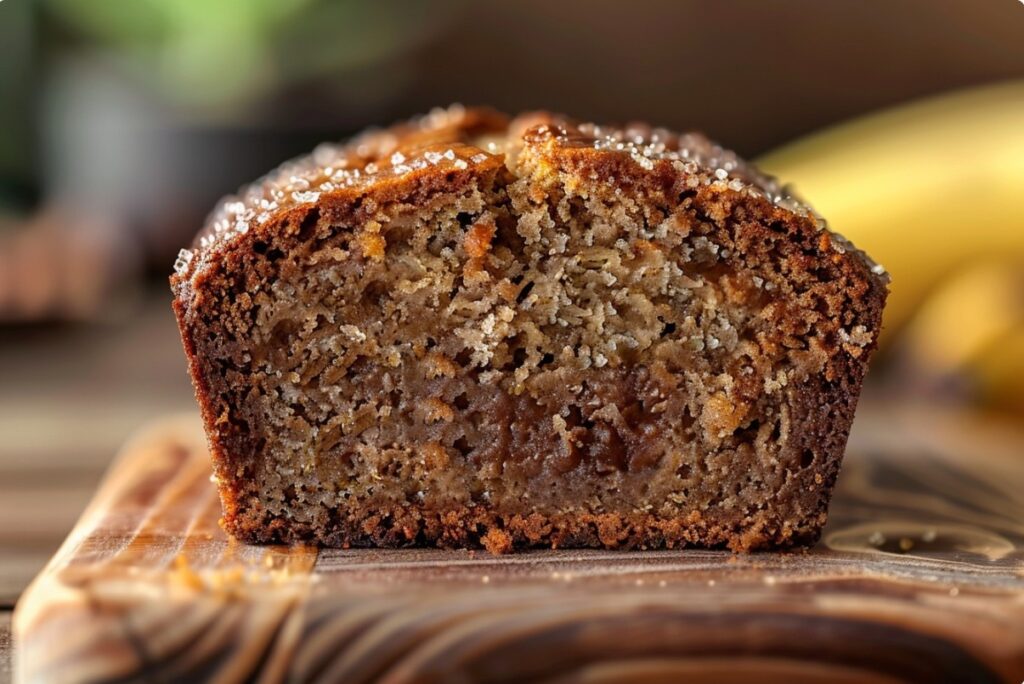
If you love banana baking, take a look at our roundup: 10 banana bread recipes. It’s packed with favorites — from a classic banana loaf to versions with chocolate, nuts, and warm spices.
Questions & answers
<!– wp:rank-math/faq-block {"questions":[{"id":"faq-question-1773232178807","title":"Why can banana bread be raw in the middle?","content":"Most often it’s because the batter is too wet from using a lot of bananas. Bananas contain plenty of moisture, so the crumb can stay underbaked even when the crust is already nicely browned. Another common cause is an oven temperature that’s too high, so the top bakes faster than the center.","visible":true},{"id":"faq-question-1773232188773","title":"How do you check if banana bread is done?","content":"The easiest way is the wooden skewer/toothpick test. Insert it into the center of the loaf: if it comes out dry or with a few moist crumbs, it’s done. If there’s wet batter on the skewer, bake the loaf for a few more minutes and test again.","visible":true},{"id":"faq-question-1773232203476","title":"What should the texture of baked banana bread be like?","content":"Properly baked banana bread has a dense but moist, caramel-brown crumb. It shouldn’t be sticky or raw. The right texture is soft, slightly springy, and evenly set.","visible":true},{"id":"faq-question-1773232210292","title":"Why is the top dark but the middle still raw?","content":"This usually happens when the oven temperature is too high. The top browns quickly, but the center doesn’t have time to bake through. If you notice this while baking, tent the pan with foil and keep baking until the middle is done.","visible":true},{"id":"faq-question-1773232219768","title":"How long does banana bread usually take to bake?","content":"In most recipes, banana bread bakes for about 50–65 minutes at 170–180°C. The exact time depends on your oven, the pan you’re using, and how much banana is in the batter.”,”visible”:true},{“id”:”faq-question-1773232232560″,”title”:”Can you slice banana bread right after it comes out of the oven?”,”content”:”It’s better to let it cool a bit. If you slice banana bread while it’s hot, the crumb can look raw and sticky. Usually 15–20 minutes is enough for the structure to start setting up.”,”visible”:true},{“id”:”faq-question-1773232246276″,”title”:”How can you tell banana bread is done without a toothpick?”,”content”:”A few simple signs help:the top is golden-brown
the edges start to pull away from the pan slightly
the top springs back when gently pressed
the banana-bread aroma smells fully baked
Together, these clues usually mean the loaf is done or very close.”,”visible”:true}]} –>
Why can banana bread be raw in the middle?
How do you check if banana bread is done?
What should the texture of baked banana bread be like?
Why is the top dark but the middle still raw?
How long does banana bread usually take to bake?
Can you slice banana bread right after it comes out of the oven?
How can you tell banana bread is done without a toothpick?
the top is golden-brown
the edges start to pull away from the pan slightly
the top springs back when gently pressed
the banana-bread aroma smells fully baked
Together, these clues usually mean the loaf is done or very close.