Is Buckwheat Appropriate on the Festive Table

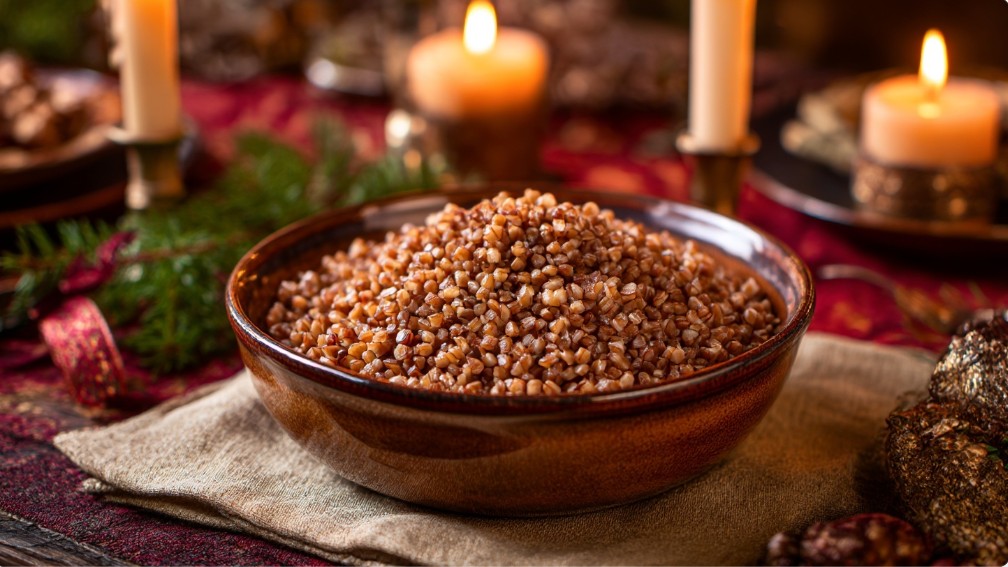
Once, before New Year’s Eve, I stood by a pot of buckwheat in deep thought. The kitchen smelled of cinnamon, someone nearby was peeling oranges, and I was pondering whether to leave buckwheat for regular dinners or give it a place among the festive dishes. I knew that buckwheat is not about impressiveness, not about grandeur, and certainly not about captivating guests at first glance.
But for some reason, in these moments, when cooking for loved ones, I crave simplicity and warmth, not a gastronomic show. Probably everyone who has hosted guests has at least once caught themselves thinking: “Isn’t it too simple? Won’t they think I didn’t try?” And this is where real festive planning begins—not just of dishes, but of mood. Buckwheat, like many “non-star” products, can create a sense of home if given a chance.
Festive Atmosphere: What Matters More—Effect or Coziness?
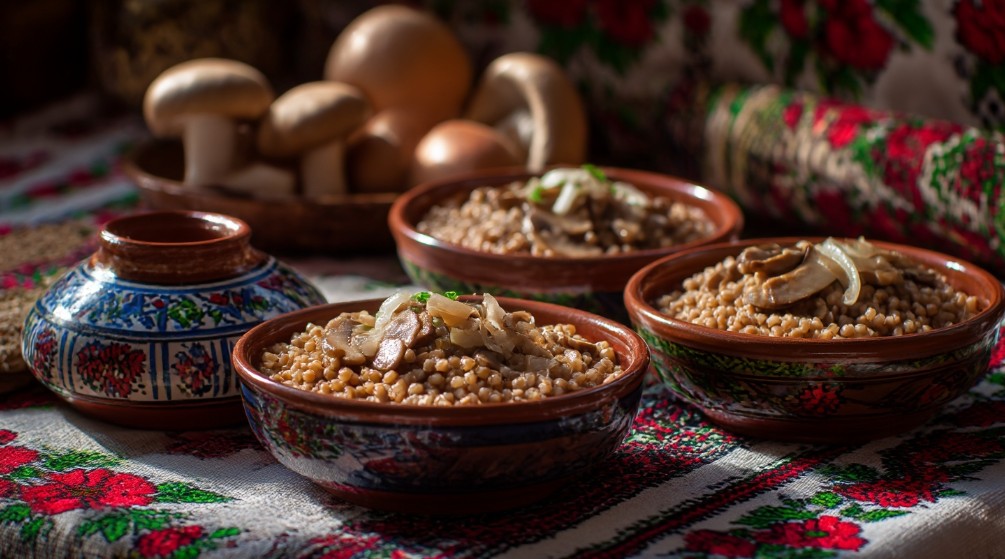
I often remember how, during childhood holidays, the whole family gathered around a table that creaked under the weight of dishes. But the most vivid memories are not of complex salads or multi-tiered cakes, but of those moments when everyone laughed together, talked, and even simple buckwheat with liver looked festive just because everyone was together. The atmosphere is created not by dishes, but by people and emotions. I’ve seen hosts, trying to impress guests, spend so much effort and nerves that by the end of the evening they barely peek out from behind a mountain of dishes. The table can be simple but sincere. Buckwheat is not about poverty, but about choosing coziness and peace over the race for impressiveness.
It’s important not to get lost in the desire to please everyone. The festive mood is created not by culinary tricks, but by an atmosphere of acceptance. My friend Galya once admitted: “I always worry that there won’t be enough ‘wow-dishes’ on the table. And then I catch myself noticing that guests eat simple things, leaving the exotic behind.” And it’s true: tasty is not always complicated. Sometimes a plate of buckwheat, cooked with warmth, evokes more emotions than expensive delicacies.
Buckwheat in a Festive Context: Stereotypes and Breaking Molds
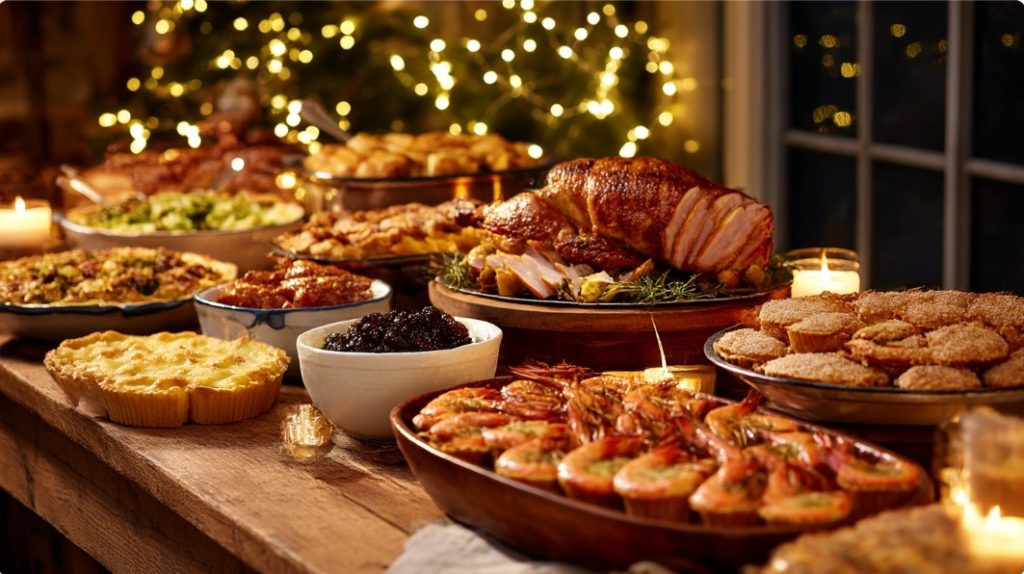
When you hear “festive table,” images of mayonnaise salads, stuffed fish, something meaty, something with red caviar immediately come to mind. Buckwheat seems to automatically stay “for weekdays.” Why is that? I’ve often met people who consider buckwheat too simple for a celebration. It often seems like “food for cooks” or “a backup side dish.” But that’s just a surface impression.
If you dig deeper, buckwheat is a product with character. It absorbs flavors, enhances aromas, stands calmly next to brighter dishes, not claiming leadership but not getting lost in the background either. I’ve added buckwheat to the table many times when cooking for large companies. It always found its fans, especially among those tired of “heavy” festive dishes. Someone would take a spoon or two “to try,” and then come back for more. This is yet another proof: buckwheat can be appropriate even on a holiday if properly integrated into the atmosphere.
Stereotypes often prevent us from seeing simple things. Buckwheat doesn’t “impoverish” the table; it provides balance. I remember how at one family holiday we played a kind of “culinary experiment”—everyone could choose their favorite side dish. Buckwheat disappeared first. So who said it’s not for a celebration?
Planning the Festive Table: How Not to Burn Out in the Kitchen
The most common mistake is the desire to cover everything at once. It starts even at the shopping list stage: “What if someone doesn’t eat this? What if there’s not enough of that? What if it doesn’t turn out as expected?” As a result, instead of joy, there’s fatigue, stress, and a feeling of not having enough time. I’ve walked this path more than once. Once, when cooking for 10-15 guests, I planned a menu with 7-8 complex dishes. By the end of the evening, I was so exhausted that I couldn’t even enjoy coffee.
What helps? Letting go of the idea of “perfectionism.” Focusing on what you really want to cook, what brings joy and doesn’t require excessive effort. Buckwheat is one of the most convenient dishes in this regard. It can be prepared in advance, it won’t “spoil” the table’s appearance even if it cools down. And most importantly, if everything else fails, buckwheat will always be a reliable support for hungry guests.
A simple approach helps me: I plan the table so that there are two or three main “anchors,” and everything else is a complement. Buckwheat often becomes that “anchor” around which other flavors gather. This relieves tension: there’s no need to prepare ten complex dishes for the celebration to succeed.
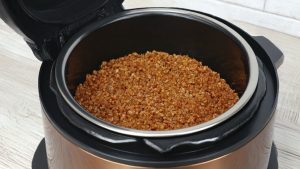
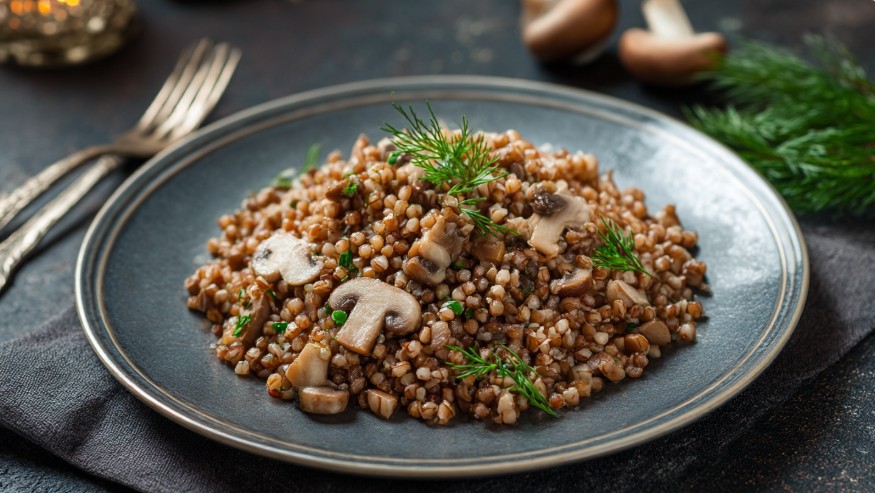
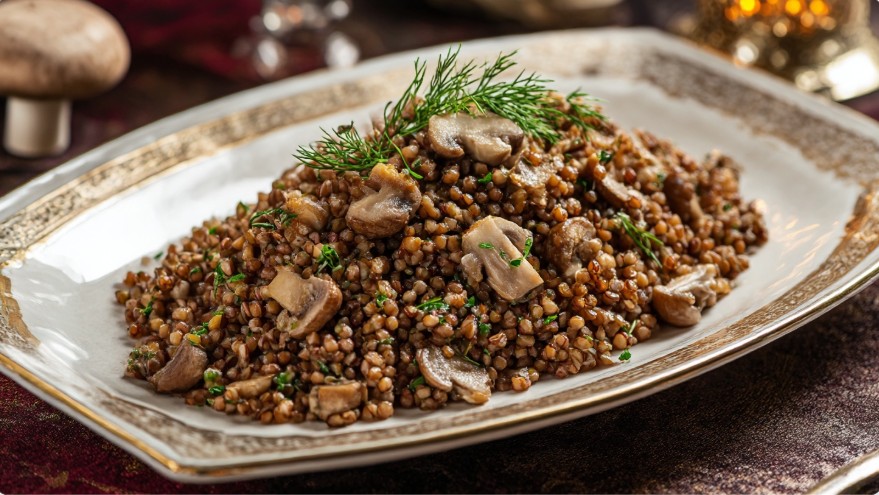
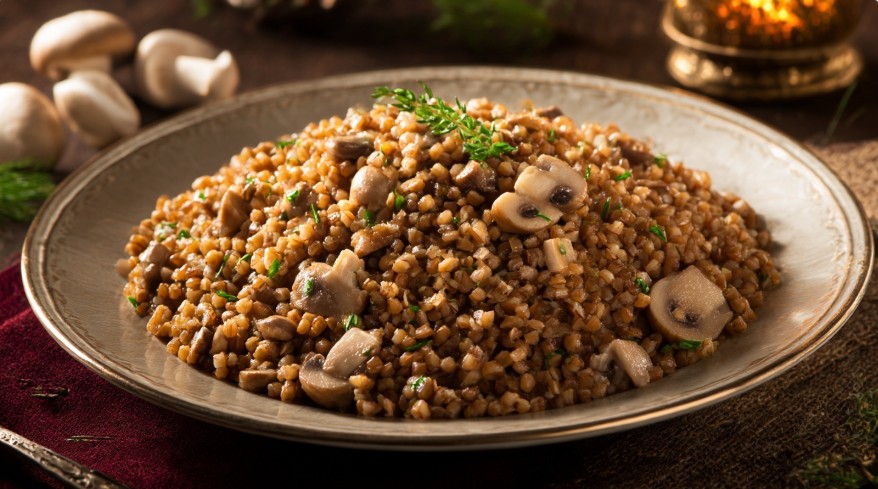
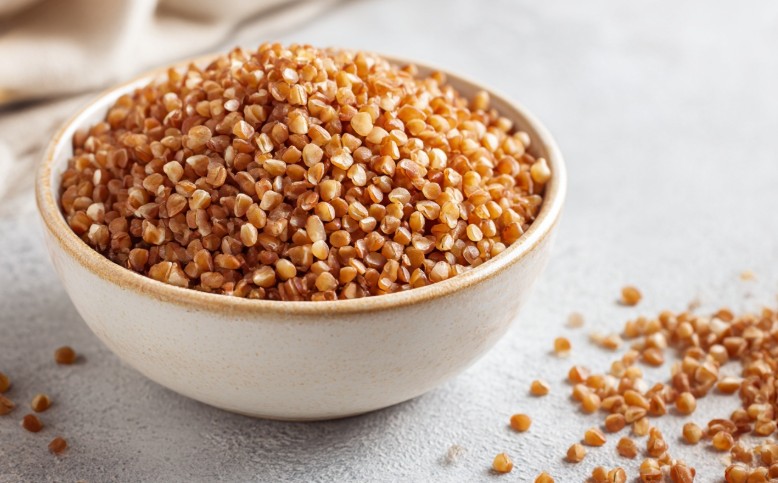
Despite the common stereotype, buckwheat is quite appropriate on the festive table—it’s all about presentation and the right texture of the grain. If the grains are crumbly, aromatic, and not overcooked, the dish looks neat and appetizing, especially when combined with mushrooms, sauces, or roasted vegetables. That’s why it’s worth familiarizing yourself in advance with a detailed guide on preparing this grain, where water proportions, time, and key nuances affecting the result are discussed.
Festive Simplicity: How to Find Balance Between Everyday and Celebration
Buckwheat is about balance. It doesn’t claim the lead role but also doesn’t disappear into the shadows. Here, it’s important not to fear simplicity. A celebration doesn’t have to be something complex and unattainable. Sometimes the best evenings are those where everyone feels at ease, not burdened by formalities or expectations.
I’ve noticed that when there are one or two simple dishes on the table, the atmosphere becomes warmer. People aren’t afraid to ask for seconds, aren’t shy to take another spoonful. Buckwheat creates a sense of home comfort even amid festive hustle and bustle. It’s like that favorite sweater—not the most fashionable, but the dearest.
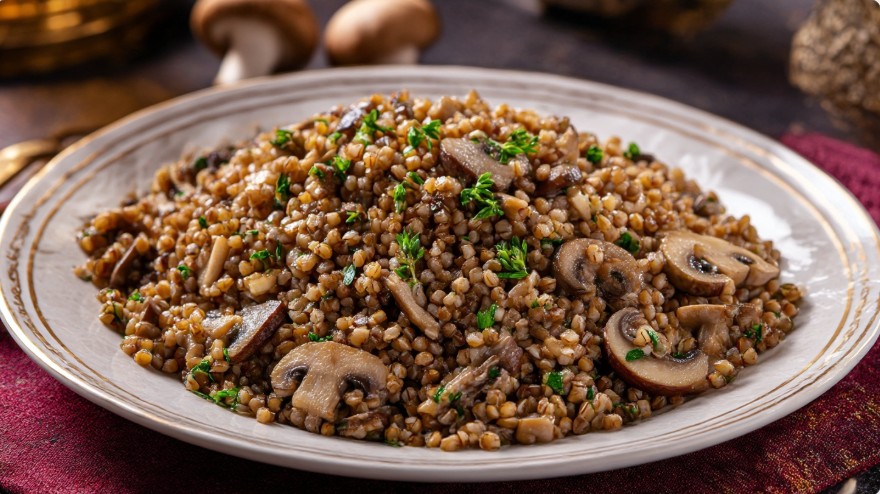
I once specifically asked friends after a celebration what they remembered most. And often the answer was unexpected: not the “signature” roll, but “that same buckwheat with mushrooms.” People appreciate sincerity, even in food.
Tip: Don’t be ashamed of simplicity at a celebration. The main thing is how you present it and with what mood.
Common Festive Mistakes: When the Desire to Impress Harms
I’ve seen many celebrations where hosts “burned out” in the kitchen even before the evening began. The most common mistake is trying to please everyone at once: complex dishes, new recipes, last-minute experiments. In the end, there’s a mess in the head, not in the pot. Buckwheat here is like a breath of fresh air. It doesn’t let you down, isn’t picky, doesn’t require constant attention.
Another mistake is ignoring simple dishes in favor of the “Instagrammable” look of the table. But a beautiful table isn’t always tasty. Buckwheat may not be the brightest, but it gives a sense of satiety and peace. I had an instance: at an anniversary table, all the “Instagrammable” salads were almost untouched, while buckwheat was requested “to go.” Funny, but telling.
Remember: the main mistake is losing yourself in the festive race. If you’re comfortable with buckwheat on the table, it’s definitely appropriate. And if you’re not comfortable, don’t force yourself. The celebration starts with your mood.
What to Do to Avoid Overexertion
- Don’t plan everything at once: choose 2-3 dishes that everyone loves.
- Prepare some dishes in advance—buckwheat retains its flavor well.
- Allow yourself to improvise if something goes wrong.
Emphasis: Don’t strive for perfection. A real celebration is about ease.
Buckwheat as Part of the Atmosphere: Sounds, Smells, Memories
I love moments when the quiet crackling of buckwheat in the pot can be heard in the festive kitchen. The smell is light, slightly nutty, cozy. It’s like the aroma of fresh bread—not loud, but very homely. Buckwheat doesn’t overpower other aromas but rather enhances them. It creates a background on which other dishes sound brighter.
I’ve seen guests walk into the kitchen and exclaim: “Oh, it smells like a holiday!”—and it was the smell not of expensive meat, but of ordinary buckwheat with butter. In such moments, you realize: it’s not about complexity, but about feelings. Buckwheat is like a memory of childhood when everything was simpler and warmer.
A friend of mine, who works as a chef in a restaurant, says: “Buckwheat is like background music. It’s not always noticed, but something is missing without it.” And I agree: buckwheat on the festive table is about honesty and coziness. It doesn’t distract from the main thing—communication and joy.
Practical Life Hacks for Festive Comfort
With experience, I’ve developed a few rules that help make the celebration calm and cozy—and buckwheat plays its part here.
- Buckwheat can be prepared a day before the celebration. It retains its structure and taste even the next day, and during the celebration, it doesn’t require much attention.
- Don’t be afraid to serve simple things—serve buckwheat beautifully: in nice dishes, with a small accent (greens, a bit of butter, a few pomegranate seeds).
- Allow guests to choose what to put on their plate. Buckwheat is an ideal option for a “buffet” where everyone finds something for themselves.
- Don’t aim to “impress” everyone. Better impress with warmth and attention.
- If something didn’t work out—don’t stop. Buckwheat will always come to the rescue, even if other dishes are burnt or didn’t turn out well.
Tip: Don’t be afraid to ask for help. Celebrating is not an exam, but a shared joy.
Buckwheat in Different Companies: How to Consider Guests’ Tastes
I’ve often found myself in situations where very different people gathered at the table: some don’t eat meat, some can’t stand fish, and some are on a diet. Buckwheat here is a universal player. It suits almost everyone: children, adults, those observing Lent, or following a vegetarian diet.
One story: at a large celebration, I had guests with different preferences. Buckwheat became the “meeting point”—some ate it with vegetables, some with meat, and some just with butter. Everyone was satisfied. Such moments show that simplicity is also universality.
Don’t be afraid that someone won’t appreciate a simple dish. Most often, it’s the one that gathers the most compliments. Especially if prepared with soul.
When Buckwheat is Inappropriate: Sense of Proportion and Flexibility
As much as I love buckwheat, there are moments when it can truly be out of place. These are official receptions, very formal dinners, themed holidays with a special cuisine. Here, it’s important to feel the measure. Not every table needs buckwheat, not every company will appreciate its simplicity.
The main thing is not to impose your tastes. For example, I don’t serve buckwheat if I know guests are expecting something unusual or specific (say, a European-style dinner). But in a warm, family atmosphere, it will always be appropriate.
The main principle here is: don’t go against yourself, but also don’t ignore guests’ expectations. Sometimes it’s better to choose something neutral and leave buckwheat for another occasion. That’s okay too.
Tip: Feel the mood of the company. Flexibility is the key to a comfortable evening.
Festive Mood and Inner Freedom
A celebration is not a strict culinary exam. It’s a space where everyone can be themselves. If simple dishes are closer to you, don’t be afraid to make them part of the celebration. Buckwheat is a symbol of this freedom: unpretentious, uncontrived, sincere.
I’m sure: the true festive mood comes when you’re calm, not tense. When the kitchen is not a battlefield, but a place of meeting and joy. Buckwheat, like any simple dish, helps you stay true to yourself. It’s the best gift for yourself and your guests.
One of my favorite micro-stories is an evening when everything went off-plan: the meat burned, the salad “leaked,” and buckwheat remained the only “intact” dish. We laughed, joked, ate buckwheat with various additions, and it was one of the warmest celebrations of all. Not because it was perfect, but because it was genuine.
A celebration is not about the complexity or richness of dishes, but about people and shared joy. Buckwheat on the festive table is appropriate where sincerity and warmth are appropriate. Don’t fear simplicity, don’t chase the ideal. How do you feel about simple dishes at a celebration? Have you had a story where they “saved” the evening? Share your observations in the comments.