Lard in Baking: Why Cookies Are Crumblier Than with Butter

There are things you only understand in the kitchen with your hands. One of them is how dough behaves when it contains lard instead of butter. I felt this as a child: my grandmother would roll out dough for pies, and I, mesmerized, would try to break off a piece of still-warm cookie and catch that strange, slightly fluffy break that butter didn’t have. Why does lard have such a reputation among home bakers? What magic makes cookies crumblier and pies more tender?
You know, most people are afraid to experiment with dough because lard seems complicated or “old-fashioned.” Many also don’t understand why the same pastry is denser with butter but melts in your mouth with lard. I couldn’t fully explain this difference to myself for a long time until I delved into the core: it’s all about texture and what you feel with your hands during kneading.
Lard opens up a completely different dimension: the dough becomes pliable, and the finished product is fragile yet not dry. Today we’ll figure out why this happens, how it actually works, and what to do if the dough doesn’t behave as expected. We won’t talk about recipes but about understanding the process so you stop being afraid and start feeling the baking in a new way.
What is Lard and How Does It Differ from Butter
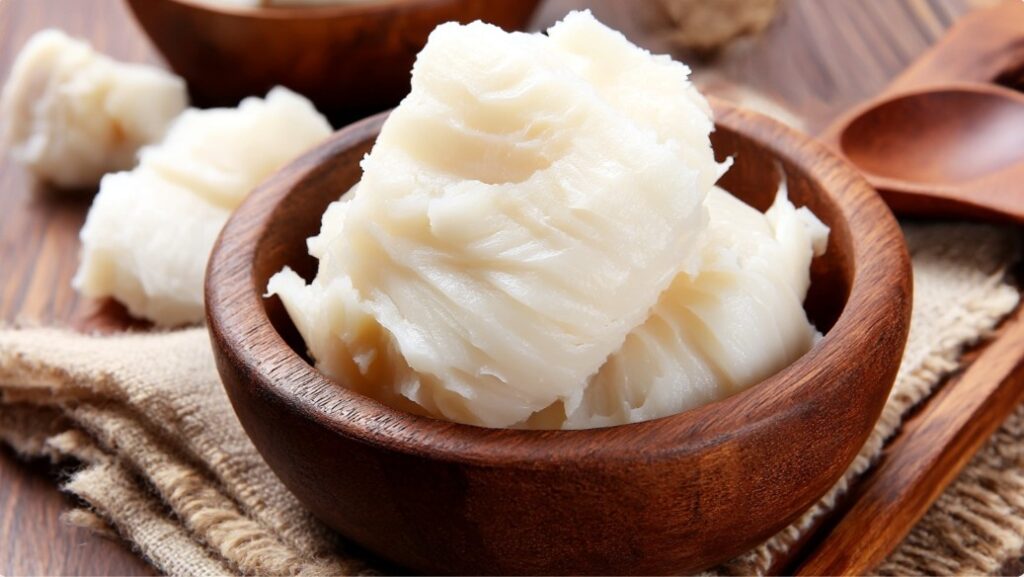
Let’s start from the beginning: lard is rendered fat, usually pork, obtained by slowly melting down fat. It appears white or creamy, has a light soft smell, and melts at body temperature. Butter is a product made from cream, containing fats, water (about 15-20%), and proteins. The difference is not only in taste but also in physical properties.
Butter always contains some moisture. When you add it to dough, this water interacts with the flour, starting to develop gluten. Lard has almost no water—it’s almost pure fat. This detail changes the behavior of the dough drastically.
Lard has a neutral smell, sometimes with a slight meaty hint. In baking, it practically disappears, leaving only a unique texture. Butter gives a typical creamy aroma but also makes the dough heavier.
Once, when butter was a delicacy, lard was in every home. And not by chance: cookies made with it were so good that guests asked for more, and hostesses shared the “secret” only with the closest ones. I still remember my village neighbor saying, “Don’t skimp on lard, then the cookies won’t be like stones!”
Why Lard Gives Crumbliness: The Mechanics
Here’s where the real magic begins. Lard contains no water, and that’s the key. When you knead dough with lard, there’s no “glue” forming between the flour and fat pieces, which gluten creates. Instead of elastic dough, you get a mass that crumbles between your fingers, turning into a crumbly delight after baking.
Role of Temperature and Texture
I always recommend working with lard that has just been taken out of the fridge: it’s dense, easy to cut, but doesn’t spread. You need to quickly rub it into the flour with your fingers or a special spatula. It’s important not to overheat the mixture: if the lard melts, the dough will become greasy and lose its crumbliness.
Tip: if the kitchen is warm, put the flour and lard in the freezer for 15 minutes before working.
While working, you feel the dough resembles wet sand. It doesn’t stick, doesn’t stretch, and holds together only with light pressure. This is exactly what you should feel with your hands—no more, no less.
Why Butter Gives a Different Result
With butter, the dough becomes more elastic because water activates gluten. Cookies or pies turn out softer, heavier, often with a “bread-like” texture. Sometimes this is good, but if you want crumbliness, lard is unmatched.
For illustration: try breaking a butter cookie—it bends and then breaks sharply. With lard, it cracks easily, crumbs fall, but inside remains tender moisture. This is the desired effect.
Feeling with Hands: How to Know the Dough is Right
My hands are already accustomed to lard dough—I can distinguish the right one by touch with my eyes closed. But if you’re a beginner, here’s what to pay attention to:
- The dough doesn’t stick to your palms
- When you squeeze a lump, it holds its shape but crumbles easily under pressure
- The surface is matte, not shiny with fat
- The dough, even raw, resembles “wet sand”
I often give my students a simple test: pinch off a piece of dough and squeeze it with your fingers. If it holds but crumbles with light pressure, you’re on the right track.
Tip: don’t overdo it with kneading! The longer you knead, the more you risk losing crumbliness.
If the dough seems too dry, try gathering it into a ball with a few drops of cold water or cream. But don’t overdo it—better to add less and let the dough “rest” in the fridge.
Lard and Consistency: Why Patience is More Important Than It Seems
With lard dough, the main thing is not to rush. I understood this after several failures when cookies turned out hard as rusks. The reason was simple: I didn’t let the dough rest after kneading.
When the dough “rests” in the fridge for at least 30-40 minutes, small fat particles are evenly distributed in the mass. The dough becomes denser but not hard. After rolling, it holds its shape easily but doesn’t spread on the baking sheet.
How to Roll Lard Dough
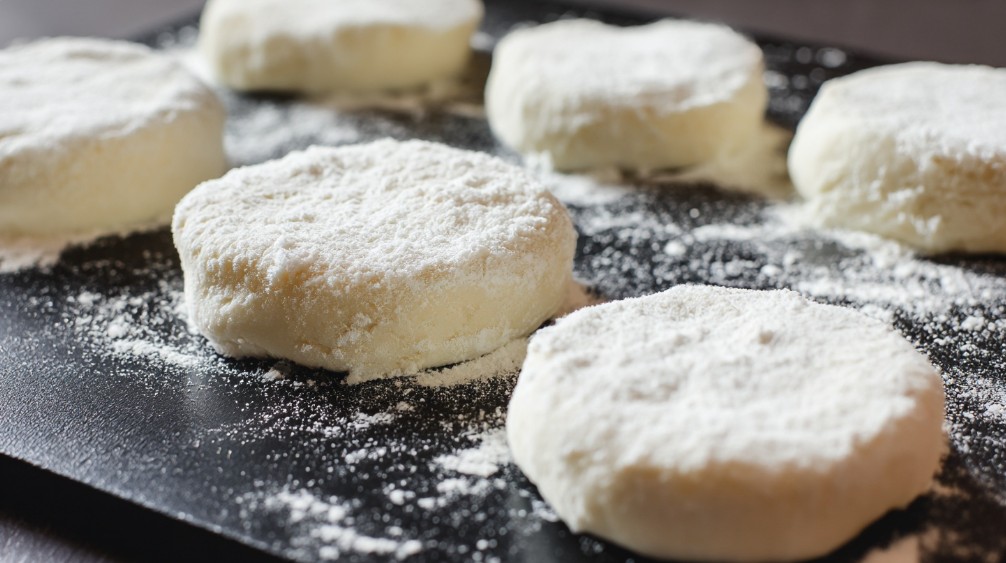
Roll quickly on a slightly floured surface. If the dough sticks, add a little flour, but don’t overdo it. The feeling should be as if the dough “slides” under the rolling pin, not stretches.
I always work in small portions: take it out of the fridge, roll it out, shape it—and straight into the oven. If you let the dough warm up, the fat will start to melt, and the dough will lose its shape. Here, patience and organization solve everything.
Tip: if lard cookies spread in the oven, add a little flour during rolling next time or chill the dough longer.
Sounds, Smells, Appearance: How to Know When Baking is Done
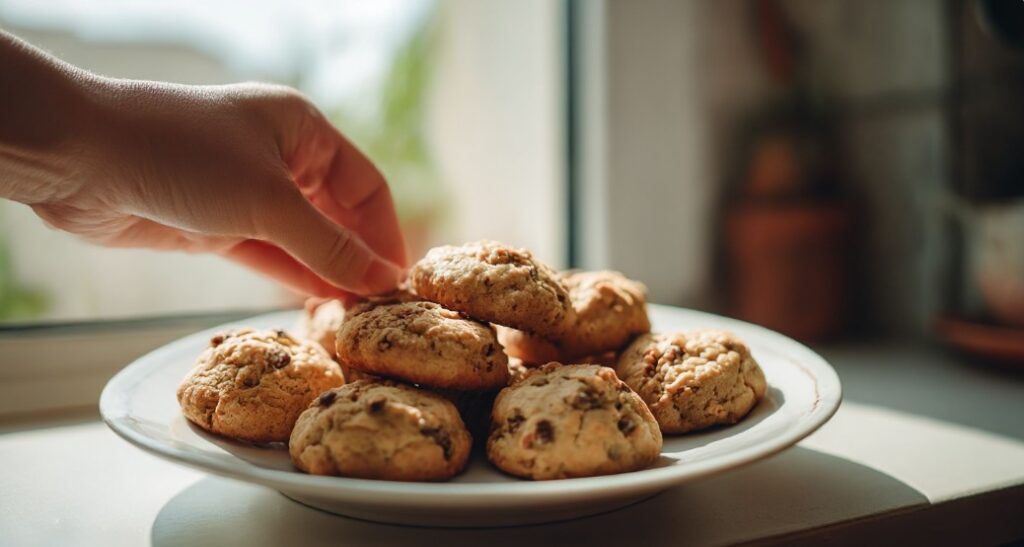
Here, it all starts with smell and hearing. When lard cookies are done in the oven, the kitchen is filled with a light, indistinct aroma—not buttery, but rather “warm” and cozy. The smell is not intrusive, but the sound when you take the cookies off the baking sheet is a different story. They quietly crackle as they cool, and this sound always makes me remember my childhood.
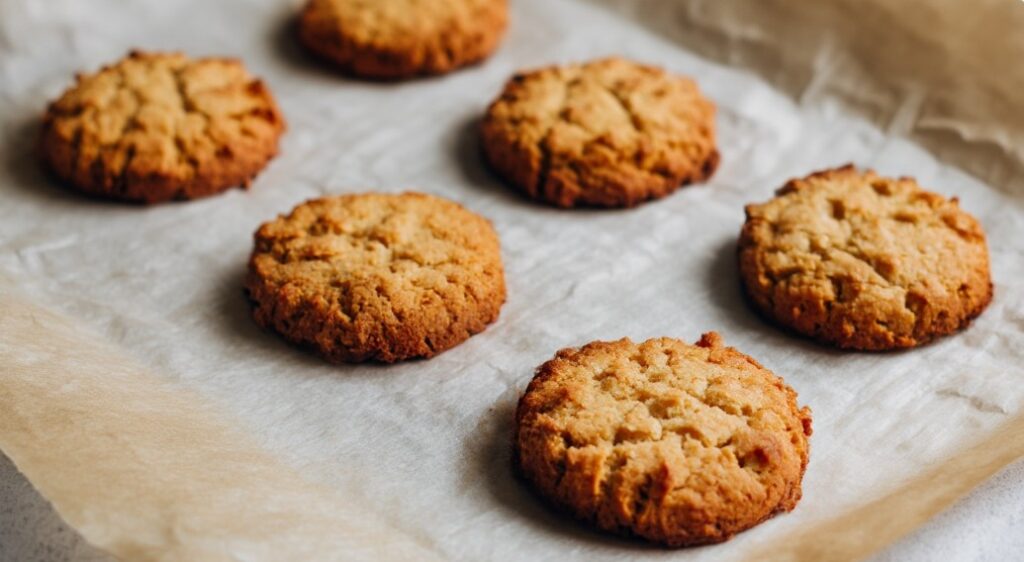
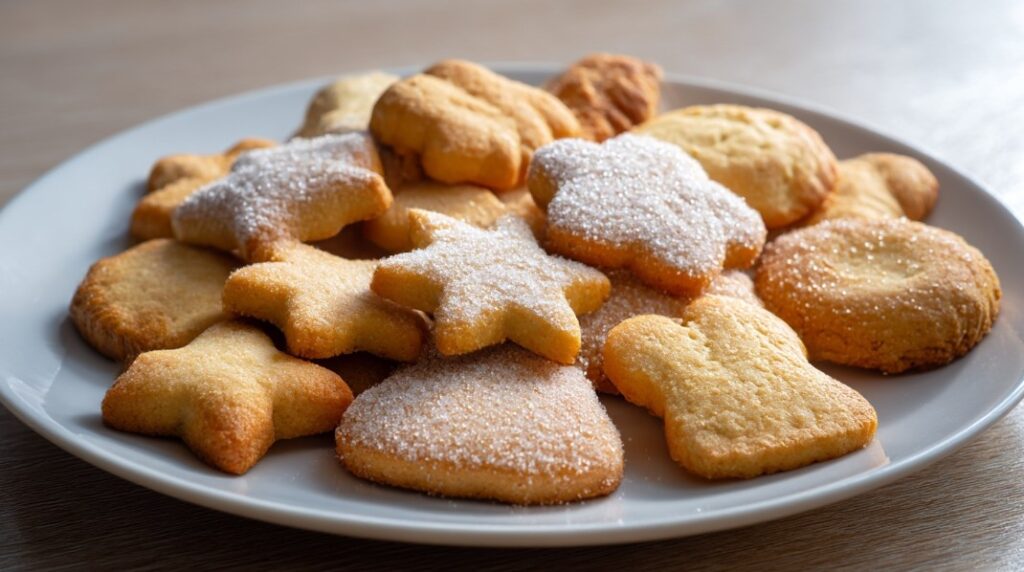
The appearance of the cookies—a matte surface, light golden edges. If the cookies shine, it’s either too much fat or they’re not baked enough. When you break them, you’ll see fine crumbs and an almost silky center.
I teach my students not to be afraid to test by touch: carefully lift a piece with a knife; if it easily comes off the baking sheet and the edges have hardened, the cookies are ready. Don’t wait for them to harden in the oven—after cooling, they will dry out and become just right.
Common Mistakes: Why Cookies Don’t Crumble and Dough “Flows”
Even experienced bakers sometimes step on the same rake. Here’s what I’ve seen most often:
- The dough was overheated during kneading: the fat melted, resulting in not crumbly but sticky dough
- Added too much water: the dough became sticky, and after baking—dense
- Didn’t let the dough rest in the fridge: the cookies spread, became brittle at the edges, and moist inside
- Kneaded too long: gluten developed even without water, the cookies became “rubbery”
- The lard was of poor quality or had a strong smell: the cookies acquired an extra flavor
I once grabbed lard from the freezer that had been there for several months. The baking came out with a distinct old fat aroma—I had to throw it away. Since then, I only take fresh lard, don’t store it for more than 2-3 weeks in the fridge, or make small portions.
Tip: if you’re unsure about the smell of lard—better not risk it, even if it “smells a little.”
What to Do If Something Goes Wrong
Sometimes, even if you do everything “by the rules,” something goes wrong. Here are a few situations from my experience and how I resolved them:
Dough Spreads in the Oven
Most likely, the dough was not cold enough or too soft. Next time, chill it longer, roll in small portions. If needed, add a tablespoon of flour right before shaping.
Cookies Come Out Hard, Not Crumbly
Perhaps you over-kneaded or added too much liquid. It’s hard to fix already baked cookies, but next time work quickly, don’t overwork the dough, and don’t worry if it seems “dry” before baking.
Lard Gives an Unpleasant Smell
The reason is old or improperly stored fat. Always smell the lard before use. If there’s a smell, even slight—better not risk it.
Dough Doesn’t Hold Together, Crumbling Before Baking
Add a few drops of cold water or cream, but don’t overdo it. Squeeze the dough into a ball, let it sit in the fridge for half an hour—during this time, the fat will “bind” the mass.
Tip: if it doesn’t work out the first time—don’t give up. Remember, practice, not perfect accuracy, decides everything here.
Life Hacks for Perfect Lard Dough
Over the years, I’ve developed a few habits that save even in difficult situations:
- Store lard in small portions so you don’t have to defrost the whole jar at once
- Work quickly and don’t warm the dough with your hands for too long
- Add a little vinegar or lemon juice—it will further hinder gluten development
- Choose fresh, light lard without a smell
- Before baking, chill the shaped cookies directly on the baking sheet for 10-15 minutes in the fridge
And one more thing: don’t be afraid of experiments. Once I added a little turmeric to the dough—the cookies came out not only crumbly but also golden. Another time I tried mixing in a bit of cornstarch—the texture became even more tender. The main thing is to listen to your hands and not rush.
Why Lard Cookies Are Not a Relic but a Real Discovery
I’ve met people who are suspicious of lard: they say it’s “greasy,” “old-fashioned,” “hard on the stomach.” But when they try hot cookies that crumble in their hands, the conversation changes immediately. It’s not just about taste but about the feeling: you control the consistency, understand what’s happening with every crumb.
Lard is not about “grandma’s times,” but about freedom in the kitchen. You can adjust the dough to your liking, regulate the degree of crumbliness, play with temperature, feel everything by touch, not by sight. This is where true experience is born, which you then want to pass on.
I love watching the reaction of guests when they first try lard cookies. They are surprised: how is it, without butter, yet so tasty? The answer lies in the details of the process, in patience, in the mutual understanding between hands and dough.
Learning to Feel, Not Repeat: Your Main Skill
My main advice is not to chase the “perfect recipe.” Learn to feel: how the dough reacts to touch, when it becomes too soft, when it needs rest. Every batch is a new experience. Don’t be afraid of mistakes: they help you understand the true magic of lard in baking.
Over time, you’ll learn to see the difference between “almost ready” and “just right.” You’ll feel that lard dough is not an “old recipe” but a whole world of sensations where you control the process, not the other way around.
Now, when someone in the kitchen asks me why lard cookies crumble so much, I don’t talk about chemistry. I just let them try to break a piece—and those crumbs in their hand speak for themselves.