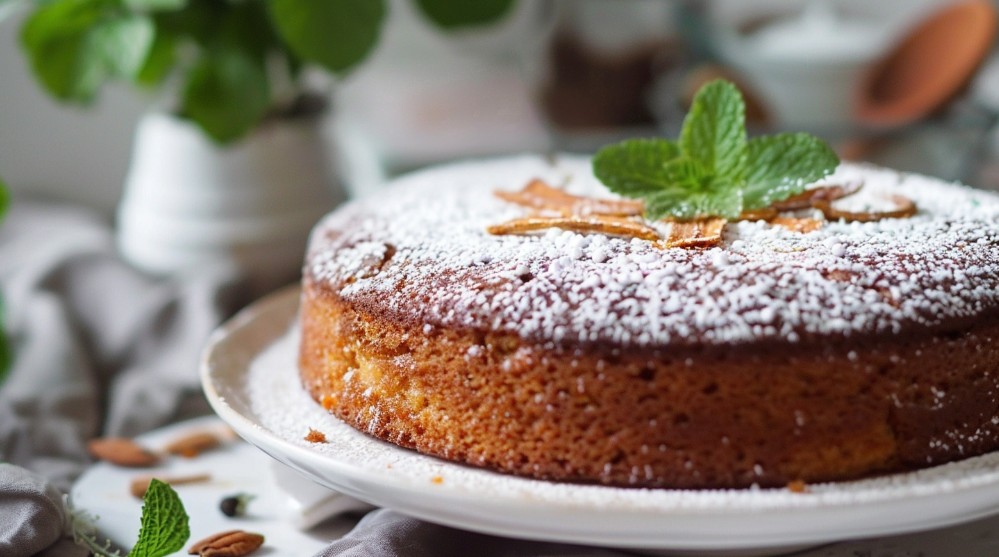
Lard Without Myths: What’s Really Beneficial About It

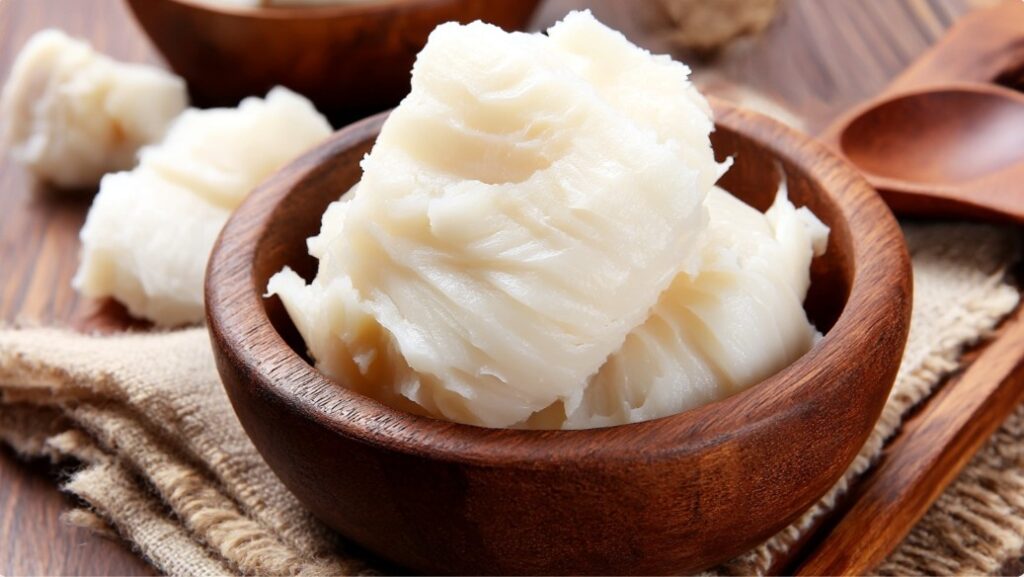
Once, lard was a staple in every kitchen—both in the countryside at grandma’s and in city apartments. Some still remember the smell of cracklings, others recall the tin with white mass in the fridge. And some shake their heads, saying it’s harmful, heavy, and out of trend. Honestly, I’ve seen it all. I’ve seen people reaching for the shelf with vegetable oil, turning away from jars of lard. And I understand—there are so many myths surrounding it that a simple piece of fat has almost become a horror story. But if we dig into real everyday life instead of an encyclopedia—what does lard actually offer us? Where is it useful, and when is it not? I’ll try to explain how it looks in the kitchen, not in theory. Because there’s no product that’s only ‘bad’ or only ‘good.’ There are our choices, our dishes, our habits—and simple rules worth knowing.
What is Lard and How to Recognize It Among Other Fats
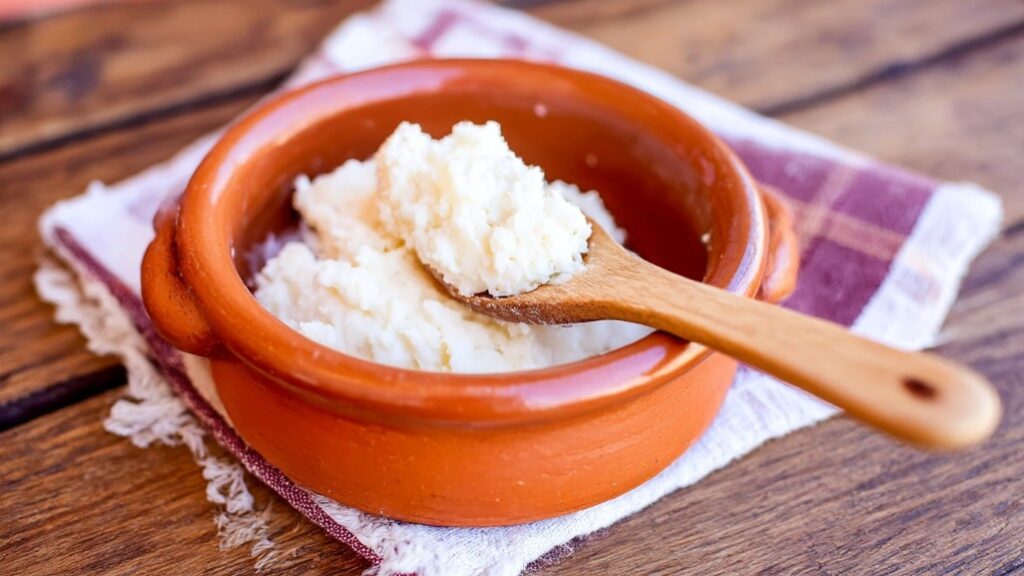
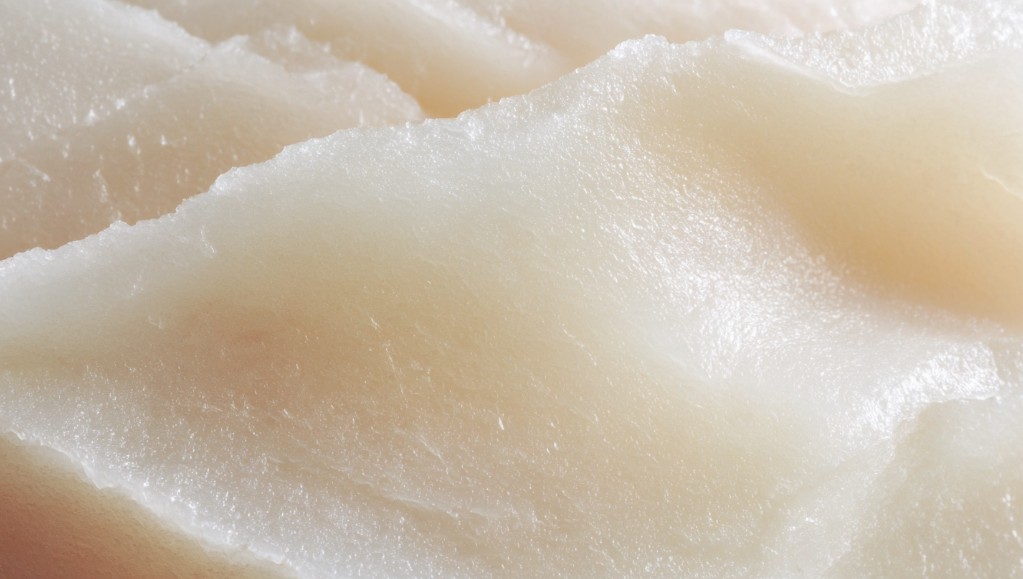
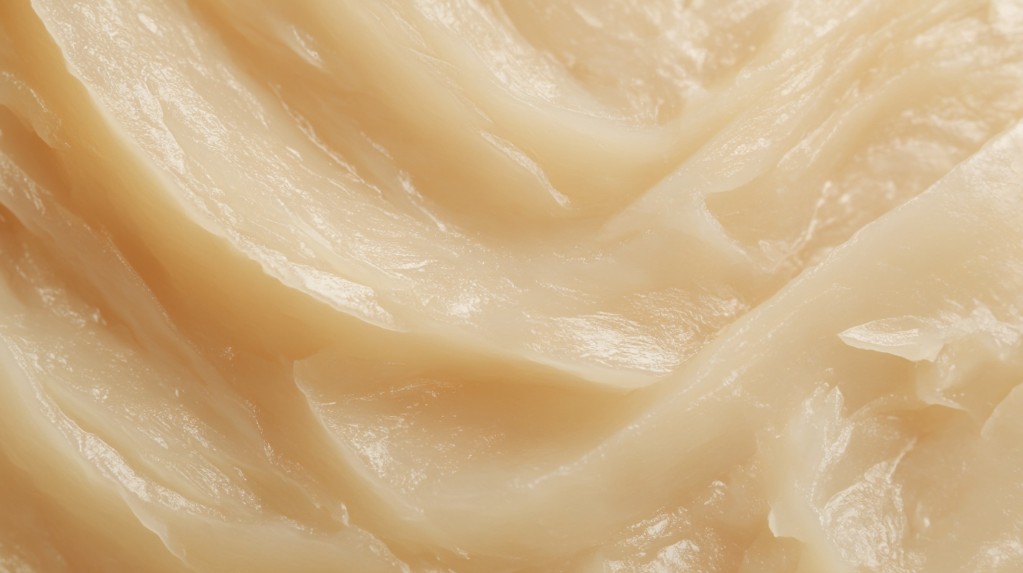
Lard is not just ‘rendered fat.’ It’s a product obtained from pork fat through slow heating. The result is a fairly dense, white or slightly yellowish mass that holds its shape at room temperature and becomes even firmer in the fridge. The color of lard should be uniformly white, sometimes with a slight creamy tint. If you see gray, green, or brown spots—be cautious, that’s a warning sign. The smell should be gentle, slightly milky, without obvious acidity or sharpness. It hints at fresh baking or butter, but without being overpowering.
The texture of lard is silky, soft if it’s fresh. When you scoop it with a spoon, it doesn’t crumble or stretch into strings but breaks gently. Rendered lard is transparent, without grains or sediment. If cracklings are present, they add a separate aroma, but that’s not classic lard, rather a snack. Good lard doesn’t stick to your fingers but leaves a pleasant, barely noticeable film.
I love buying lard from familiar farmers, but sometimes you can find a decent product at the market. Supermarkets are a different story: they often have industrial lard in plastic containers, sometimes even with flavorings. It’s important not to fall for the pretty label but to look at the contents and smell it if possible.
How to Choose Quality Lard: Colors, Smells, Textures
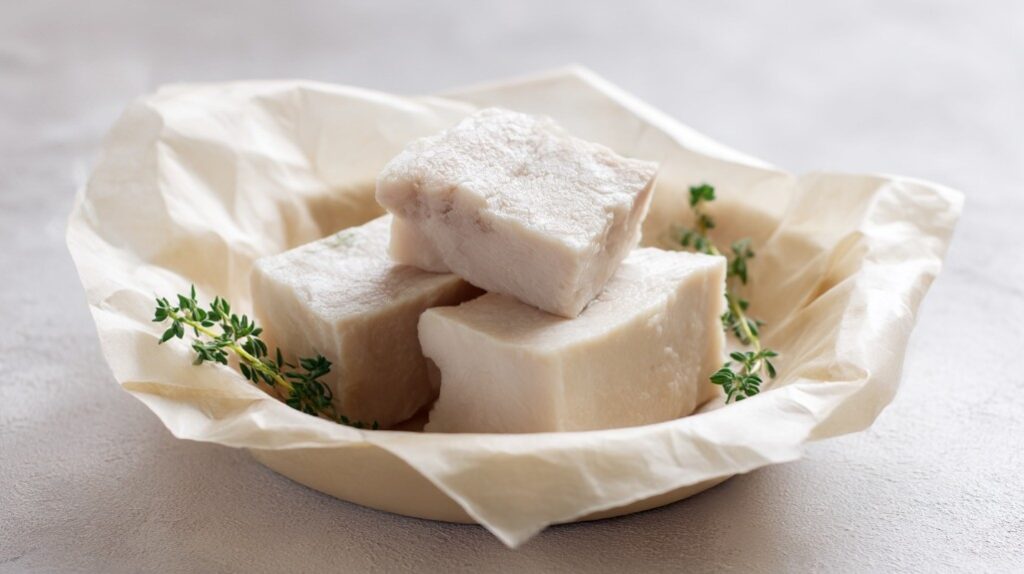
The first thing I learned at the market is not to be shy about asking and smelling. Real lard doesn’t have a strong smell, it doesn’t have foreign notes, and it shouldn’t ‘smell sour’ or ‘old fat.’ If the seller opens the jar and something sharp hits your nostrils, it’s better to walk away. The color should be uniform, without spots or shade changes. Pay attention to the edges of the jar: sometimes old lard darkens at the edge, indicating it has been scooped multiple times and exposed to air.
Texture is another marker. If the lard looks dry, crumbles, has hard pieces or lumps, it may indicate improper storage or that the raw material wasn’t fresh. Real lard is soft but not runny, resembling thick cream. When you press it with your finger, you feel a silky surface without grains.
Packaging also matters. I’ve often seen lard sold in glass jars without lids at the market, covered only with paper. This isn’t the best option because the product easily absorbs foreign smells and can spoil quickly. Ideally, it should be glass with a hermetic lid. If it’s plastic, make sure it’s food-grade and odorless.
Tip: If you have a choice between lard in glass and plastic—choose glass. It preserves the aroma and prevents the product from ‘spoiling from the inside.’
Another thing: small producers sometimes add spices or even garlic for flavor. It’s tasty, but if you want universal lard for frying, it’s better to take it pure, without additives.
Seasonality and Why It Matters for Lard
Lard is a product that doesn’t have a ‘season’ in the classical sense, like strawberries or mushrooms. But there are nuances. The best lard comes from fat obtained in the cold season when pigs don’t eat greens and don’t ‘overheat’ from the heat. In winter and early spring, the fat is denser, the lard is more tender and retains freshness longer. In summer, especially towards the end, the fat is often softer, with a pronounced feed aroma, sometimes even with notes of grass or dirt.
I once bought lard in July, and within a week in the fridge, it started smelling like hay. Unpleasant, and you don’t want to fry on that. So if you’re buying lard from small producers or at the market—find out when the pig was slaughtered and the lard was made. Ideally, late autumn or winter.
Another point: in warm weather, lard spoils faster, especially if kept at room temperature. So what you buy in summer—straight to the fridge and don’t delay using it.
Marketing Traps and Common Mistakes When Choosing
Lard is a simple product, but even it can be ‘sold’ with imagination. Often jars are labeled: ‘Eco,’ ‘Farm,’ ‘Natural,’ ‘GMO-Free.’ These are all words for the buyer, not a guarantee of quality. Farm lard can be excellent or made in a barn from not the best fat. Eco-labels say nothing about freshness or hygiene compliance.
One common mistake is buying lard from the market without looking at storage conditions. If the lard is just sitting on the counter in the sun—don’t buy it. I’ve encountered this a few times: bought it, brought it home, and the next day there was already a slight rancid fat smell. It’s not about the price, it’s about a spoiled product.
Another marketing trap is a price that’s too low. If you see lard significantly cheaper than other sellers, it’s a reason to think. Maybe they used old fat or added something to the lard to increase weight: oil, margarine, even water. Real lard always costs a bit more because good raw materials and careful rendering take time and money.
- Don’t buy lard ‘from hands’ without packaging and labeling if you’re not sure about the producer.
- Don’t buy lard with obvious foreign smells (feed, smoke, chemicals).
- Don’t fall for cheap promotions in supermarkets—often it’s a product nearing expiration.
Tip: If lard seems suspiciously white, almost like snow, it may be a sign that it was bleached or foreign substances were added for color.
Price and Common Sense: When It’s Worth Paying More
It might seem that lard is a simple fat, so why overpay? But in practice, the difference between cheap and quality is felt not only in taste but also in how the product behaves when cooking. I’ve bought industrial lard in the supermarket—fry pancakes on it, and they acquire a strange bitterness. Homemade lard, made from fresh fat, gives a different result: pancakes are golden, subtly fragrant, and there’s no heaviness in the mouth.
Cheap lard often contains impurities, oil, or even flavorings. It can ‘splash’ on the pan, burn quickly, and leave a black residue. I’ve learned: if I take lard for frying or baking, I don’t skimp. That doesn’t mean taking the most expensive, but I always look at the composition, production date, storage conditions. If there’s a familiar farmer—I buy from them, even if it’s more expensive. The quality of the fat and the care in rendering are key.
Another thing is lard for sandwiches. Here you can allow yourself aromatic additives and cracklings, but I still don’t recommend chasing the price. Better less, but better quality. Especially if you’re cooking for children or people sensitive to smells.
- Pay more if the lard is for baking, frying, or preservation.
- Don’t skimp on lard for long-term storage (e.g., winter supplies).
- You can save if you’re taking it for skin or technical needs (but that’s another story).
Common sense is always more important than fashion. If the lard is of quality, it won’t be dirt cheap. But there’s no point in overpaying ‘for the brand’ either.
Storing Lard: How and Where to Keep It to Prevent Spoilage
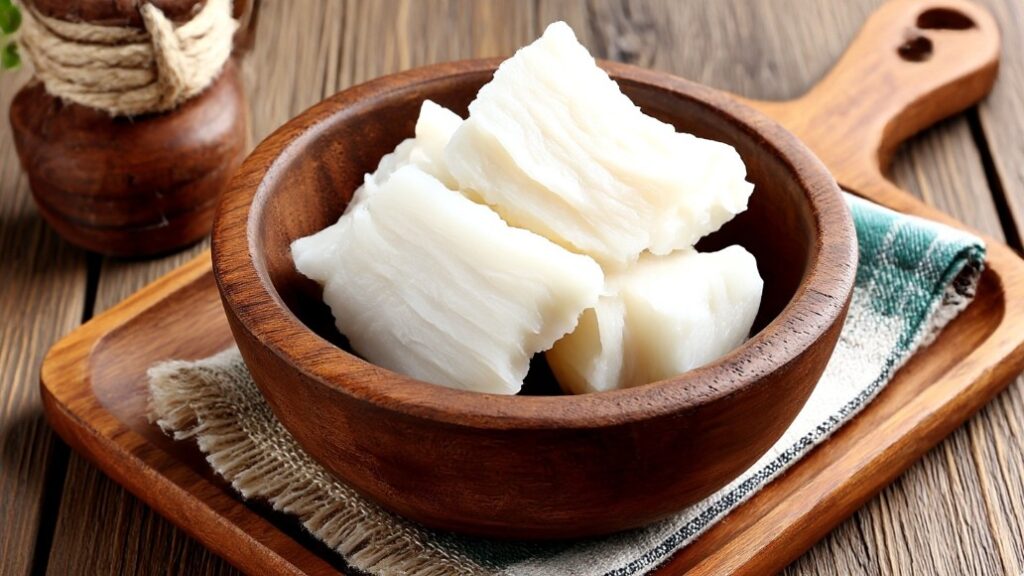
Lard is a fairly stable product, but that doesn’t mean it’s eternal. It feels best in a glass jar with a hermetic lid. I place such a jar in the fridge on the middle shelf: not near the freezer, but not near the door where the temperature often changes. In this form, lard easily ‘lives’ for 2-3 months, sometimes even longer.
If lard is kept at room temperature—for example, in a pantry—it should be kept in a cool place, away from the sun and stove. In the heat, lard can start to melt, and a sour smell may appear. Then it’s better not to risk it.
Tip: If lard starts to smell sour or small bubbles appear—it’s better to throw it away rather than ‘render it again.’
For long-term storage (e.g., winter stock), lard can be frozen. I divide it into portions of 100-200 grams, place it in a hermetic bag or small jar, and hide it in the freezer. I take it out as needed—lard doesn’t lose its structure and quickly ‘thaws’ at room temperature.
An important rule: don’t scoop lard with a dirty spoon or finger. This is the main reason for spoilage. Always use a clean, dry tool. If a film appears or the smell changes—don’t risk it, it’s better to buy new.
How Lard Behaves When Cooking: Smell, Texture, Color
Lard in the kitchen is not just ‘fat for frying.’ It’s a tool that gives a dish a special character. When you heat lard in a pan, you first smell a light milky aroma—not sharp, not intrusive. Gradually, the smell becomes warmer, somewhat reminiscent of fresh baking. On lard, meat fries quickly, forming a crispy crust. Vegetables become golden, acquiring a barely noticeable taste that’s hard to describe in words, but it’s absent with oil.
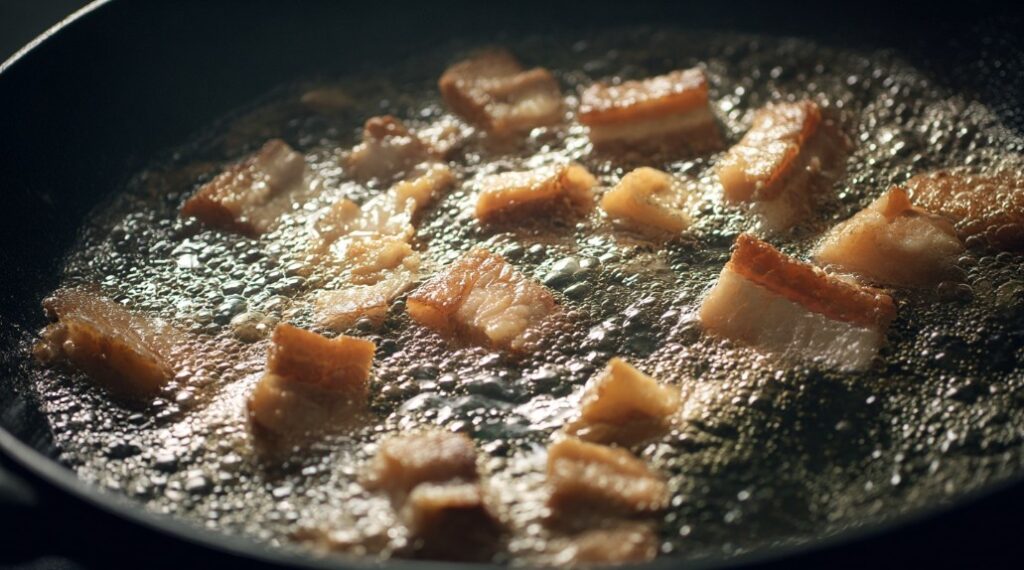
The texture of a dish cooked on lard is different. Pancakes or potato pancakes come out more airy, the crust is thin, crispy, but not hard. If you fry on good lard, the dish won’t be greasy, as often thought. The main thing is not to overheat. If lard starts to smoke and darken—the temperature is too high, and the aroma turns into ‘rendered.’
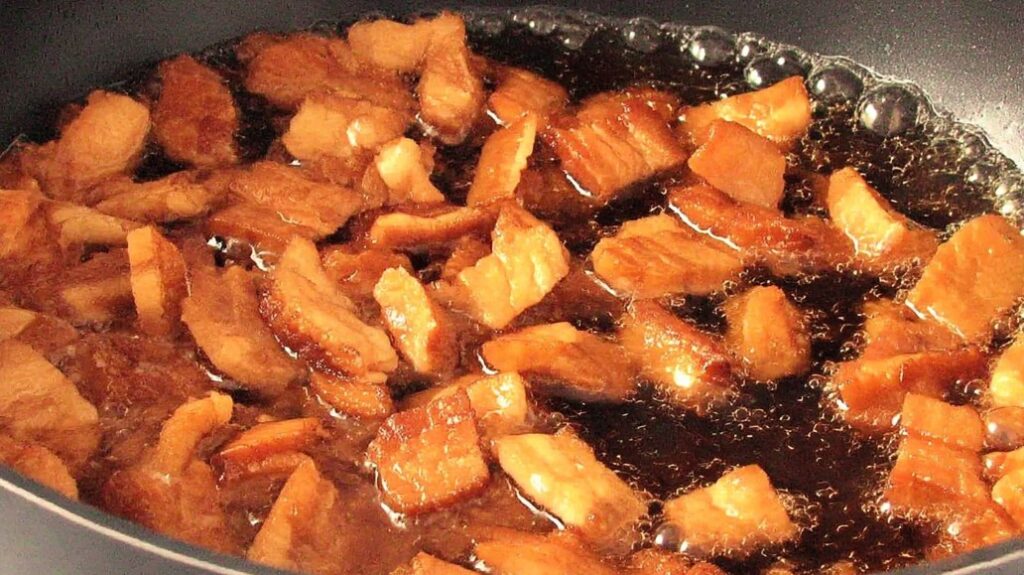
I once overheated lard when I was in a hurry to make cracklings for a salad. There was a lot of smoke, the lard turned brown, and the smell was sharp and unpleasant. Since then, I always make sure frying is done on medium heat. And also—if lard stands on the pan without movement for a long time, it starts to ‘set’ and becomes grainy. So it’s better to add it gradually, as needed, rather than in whole pieces at once.
- Lard for frying is transparent, without sediment.
- Don’t overheat—otherwise, the taste will become bitter.
- Lard is suitable for stewing, baking, but not for deep frying (smokes quickly at high temperature).
Tip: If you’re frying on lard for the first time, try adding a piece of potato—it will show if the fat is hot enough and not smoking.
Common Household Mistakes: What Spoils Lard and Dishes with It
The main mistake is keeping lard open near the stove or in a cupboard where it absorbs all kitchen smells. Once, I left a jar of lard on the windowsill where fish was drying. After two days, the lard already smelled like fish—I had to throw it away. Another common mistake is scooping lard with a wet spoon. Even a drop of water accelerates spoilage, giving a sour taste.
Another nuance is using lard that has been heated and cooled several times. It loses transparency, becomes cloudy, and acquires foreign tastes. I always separate lard: one for frying, another for sandwiches or baking. Don’t mix fresh and old, don’t pour new lard into a jar with old leftovers. Otherwise, you risk spoiling the entire volume.
A separate story is lard from the market that’s not fresh. It’s often ‘saved’ by re-rendering. Such lard is only suitable for technical needs, not for food.
- Don’t leave lard without a lid.
- Don’t mix old and new product.
- Don’t use lard with signs of spoilage (smell, color, film).
Life Hacks and Micro-Stories: How Lard Makes Kitchen Life Easier
Lard is not just about ‘dishes from the past.’ I’ve often found it saves the day when nothing else is quite right. One of my favorite stories is when during the summer cottage season, we ran out of oil, but we needed to fry potatoes. I pulled a jar of lard from the fridge—and the dish turned out even better than with oil. The potatoes were crispy, not greasy, and the aroma didn’t overpower the main taste. Since then, I always keep a stock of lard in the fridge.
Another life hack is using lard for baking pies or pancakes. The dough comes out soft, and the crust is tender and golden. I’ve often added a spoonful of lard to porridge or stewed vegetables—the dish gains depth, and the taste becomes rounder. This is especially noticeable in simple dishes with few ingredients.
Lard is perfect for greasing a baking dish. Unlike oil, it doesn’t run and doesn’t give bitterness at high temperatures. I’ve even made a homemade preparation: mixed lard with herbs and garlic, poured it into small jars, and stored it in the freezer for quick snacks.
-
- Add lard to dishes where a crispy crust is important (potato pancakes, pancakes, potatoes).
-
- Grease the baking dish with lard instead of butter or oil.
-
- Use for stewing vegetables: the taste becomes deeper.
-
- For sandwiches—lard with herbs and garlic, but only fresh, not from the fridge.
-
- Freeze lard in small portions—and always have it on hand.
Tip: If you have leftover cracklings after rendering fat—don’t throw them away, add them to porridge or salad. It’s a small but tasty detail.
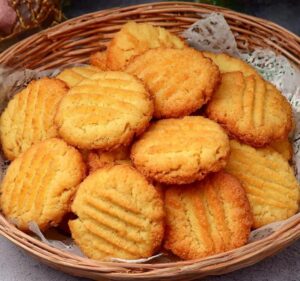
Explore more traditional lard cookie recipes.
Lard in Modern Life: Benefits Without the Hype
In our time, there are many debates around lard—some consider it a ‘harmful fat,’ others a traditional treasure. I see lard as a simple tool that helps in the kitchen. Its benefit is not in chemical formulas but in everyday versatility. It stores well, isn’t afraid of temperature changes, gives dishes a special texture and aroma. Lard doesn’t have a pronounced taste, so it doesn’t overpower other ingredients but highlights them.
I’ve often observed how people return to lard after experimenting with various oils. This is especially noticeable in baking: pies on lard stay fresh longer, the crust doesn’t harden, and the aroma is like in childhood. Lard isn’t about fashion or hype, but about convenience and simplicity. If you approach selection and storage wisely, it truly makes life easier in the kitchen.
What’s your experience with lard? Do you use it in modern dishes, or do you leave it for ‘grandma’s’ recipes? Share your observations—it’s interesting to see how our habits change and what returns to everyday life.