Main Pizza Trends in 2026

Pizza is not just a round piece of dough with toppings. It’s a mirror of the times, a way to eat and even think. Ten years ago, I was surprised when someone asked for ‘pizza without dough’ or ‘with sour cream instead of tomatoes’. Now, I question many old notions myself. In a kitchen where pizza is not just a dish but a daily test of flexibility, you see how people’s tastes and rituals change. Especially now, when the world spins trends faster than dough spins on a pizzaiolo’s hand. And although hype today can appear and disappear in a week, some shifts remain. They become the new standard.
I have seen trends ignite – from rainbow pizzas to gluten-free crusts. Some remain in social media feeds, others in menus for years. For me, a ‘trend’ is not just popularity. It’s when a new approach changes the essence: how we cook, eat, share food. In this article, I want to analyze what new in pizza is truly worth attention and what will disappear before next summer. And how this will affect how we order and bake pizza at home.
Thin Crust, but Not Italian: A New Wave of Bases
The first to understand the change in taste are those who shape the dough with their hands. For several years now, the classic Neapolitan pizza has held its ground, but alongside it, new styles have emerged: Roman (scrocchiarella), ‘al taglio’, Korean fusion with rice flour. In 2026, this wave is only growing. People are looking not just for thinness, but for a ‘lightness’ of texture – a crispy, almost airy crust, minimal heaviness after dinner.
Recently, I watched a young chef in Kyiv experiment with sourdough, adding a bit of chickpea flour. The result – a pizza you can eat even late at night without feeling heavy. Honestly, I didn’t believe before that the difference was so noticeable. But when you try such a slice, you realize it’s not just another trend, but a response to real needs: less gluten, more lightness, more interesting texture.
Why Did This Trend Emerge?
The influence of healthy eating culture, the popularity of sourdoughs, and a focus on fermentation. People want fewer ‘heavy’ dinners. Moreover, with the interest in local grains, chefs are experimenting with spelt, chickpeas, even millet. All of this is a search for balance between taste and well-being.
What Will Remain?
- Roman dough with a crispy crust
- Sourdough pizza or with the addition of alternative flours
- Less oil, more water, and longer fermentation
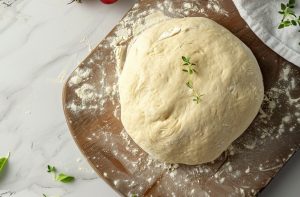
Lifehack: Let the dough rest in the fridge for at least 24 hours – you’ll get a crust that crunches and melts at the same time. It’s not magic, it’s fermentation.
Thematic Seasons: Pizza as a Canvas for Local Products
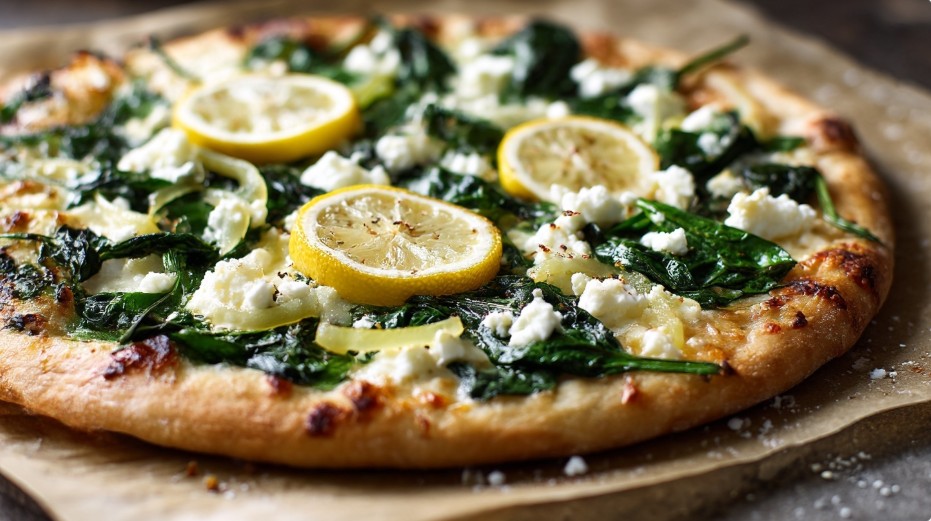
Seasonality is no longer just about vegetables at the market. Now it’s also about pizza. In 2026, pizza increasingly becomes a ‘tool’ for local producers: farm beets, goat cheese from a nearby farm, wild sorrel, even seasonal flowers. Personally, I was surprised by a spring shock – pizza with young spinach, pickled lemon, and bryndza. It tastes completely different from ‘out-of-season’ pizza with the same set of ingredients.
Restaurants are no longer shy about changing the menu every two to three weeks. It’s not just about style – it’s a demand of the times. People want to feel the taste of the moment. At home, you can also catch this wave: choose what’s at the peak of flavor now, not just the ‘traditional set’.
Why Does This Work?
Seasonal products are always tastier and brighter. And people are tired of sameness. When pizza becomes as changeable as the weather, it doesn’t get boring. It’s also about supporting local, not global networks.
What Will Remain?
- Menus that change with the seasons
- Focus on local, farm products
- Pizza with ‘unusual’ ingredients: beets, arugula, pickled vegetables
Tip: If you have a seasonal vegetable or herb on hand, don’t be afraid to put it on pizza. It won’t spoil it, on the contrary, it will add uniqueness.
Less is More: Minimalism in Toppings
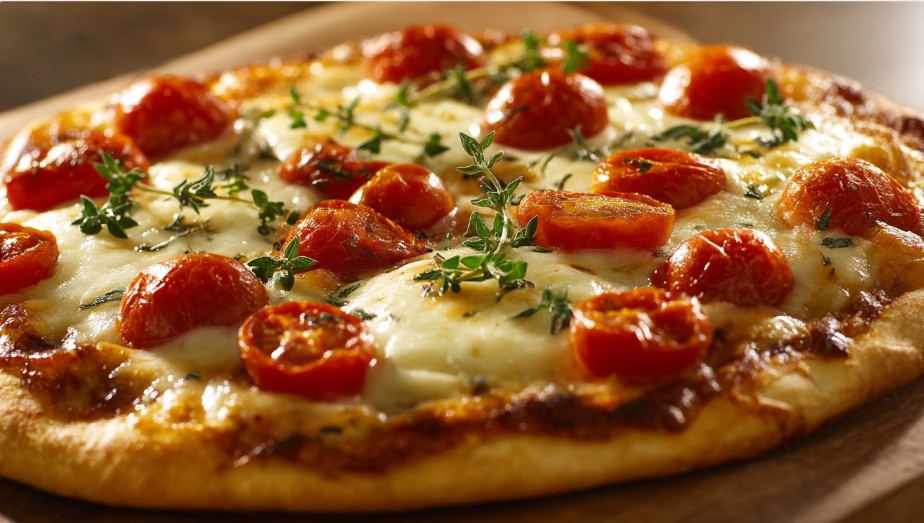
Not so long ago, the main indicator of a ‘cool’ pizza was a rich layer of cheese, sausage, vegetables, sauces… Now everything has changed. In 2026, pizza is going the way of minimalism. Two, maximum three ingredients – the ideal. It’s not about saving money, but a way to let each element shine.
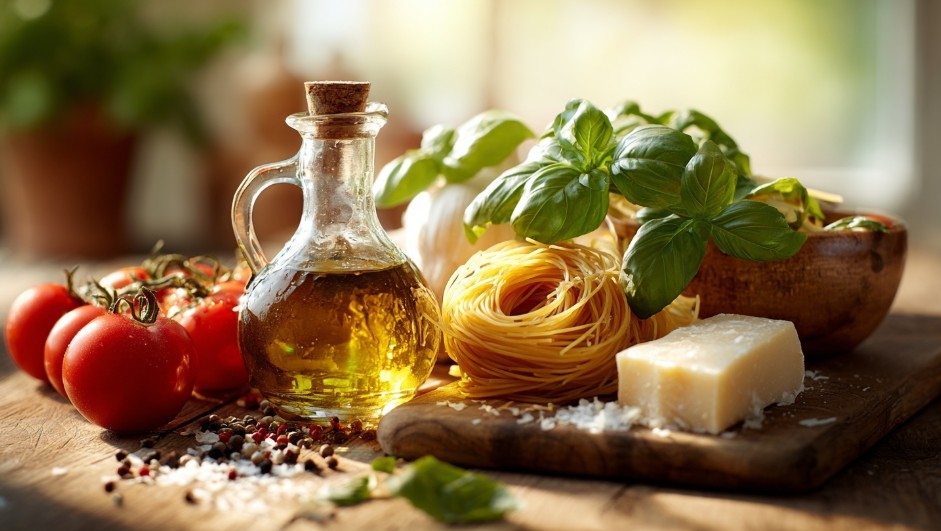
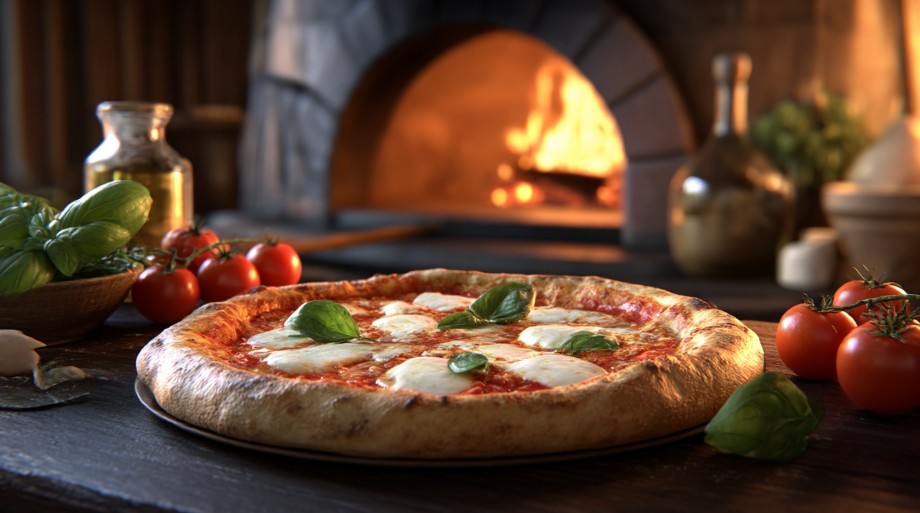
I saw how in a small pizzeria in Lviv they make pizza with just one type of tomatoes and a drop of olive oil. The taste is bright, pure, nothing extra. It reminds me of music – sometimes the silence between notes is more important than the notes themselves.
Why Did This Happen?
People want to taste the real flavor of the product. Moreover, fewer ingredients mean fewer chances for mistakes. Minimalism allows the dough and each topping to ‘shine’ fully.
What Will Remain?
- Pizzas with one or two main components
- Focus on quality, not quantity
- More attention to texture and balance
Lifehack: If you’re unsure whether to add something, it’s better not to. Sometimes the best pizza is the simplest.
Plant-Based Pizza: Not a Compromise, but a New Standard
Year after year, plant-based cuisine becomes a more natural part of the gastro world. But in 2026, it’s no longer a separate menu section or a compromise for ‘vegans’. Plant-based pizza is just another form of flavor, equal to the classic.
I was personally impressed by a pizza with pea cream and spicy greens, prepared by a colleague in Berlin. Without a single piece of cheese, but the feeling is like you’re eating something very ‘complete’. At home, I experimented with sauces from roasted carrots, parsnips, even broccoli, and they work perfectly as a base.
Why Did This Happen?
The demand for ethical, light, and at the same time interesting food. Plus technology: now plant-based cheese that melts and doesn’t taste like plastic is no longer a fantasy. People realized that taste doesn’t depend on animal products.
What Will Remain?
- Pizza with vegetable creams and purees
- Cheese from nuts, fermented soy, or potatoes
- Mushrooms, legumes, greens as the base of the topping
Tip: Don’t be afraid to replace the classic sauce with something new – roasted vegetables give a deep flavor, and it’s really tasty.
Digitalization of Pizza: When Technology Changes Food
Technology in the gastro world is not just about ordering through an app. In pizza, it manifests in unexpected forms. Ideas with 3D printing of dough or automatic ovens are a reality, but the real shift occurs at the level of process control and personalization.
A chef friend in the USA showed me how he regulates the oven temperature and changes the baking mode for a specific pizza through an app. In Kyiv, I saw how special sensors monitor the dough’s humidity to always achieve the perfect result. It’s not a replacement for skill, but insurance against mistakes. Technology doesn’t dictate taste but expands possibilities.
Why Did This Happen?
The demand for stability, time-saving, and the desire to personalize orders. People are used to apps and want the same control in the kitchen.
What Will Remain?
- Apps for order customization
- Sensors and automation for quality control
- Technologies for working with dough at home
Lifehack: If you have a kitchen thermometer, measure the dough temperature before baking. It’s a small thing, but the difference in the result is significant.
Geographical Mix: New Flavors Without Borders
Pizza has long ceased to be just Italian. Today it absorbs flavors from all over the world. In 2026, this process is even more noticeable. Menus feature kimchi, tahini, tom yum, sauces from fermented garlic, spices from the East. It’s not just about adding exoticism – it’s a way to make pizza as individual as possible.
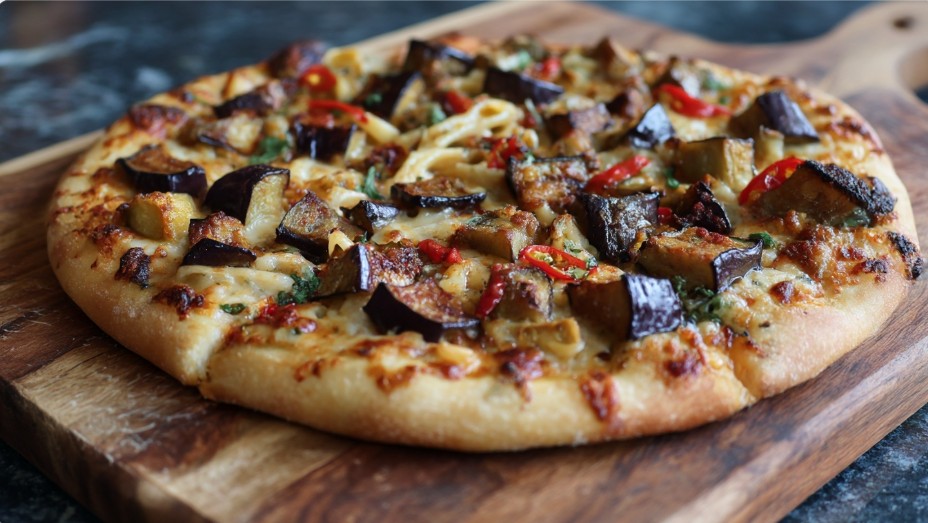
I remember trying pizza with eggplant paste, miso, and hot pepper once. A strange combination, but the taste was absolutely new, unexpectedly harmonious. People are no longer looking for the ‘right’ pizza – they’re looking for their own.
Why Does This Trend Hold?
Openness to the world, access to unusual ingredients, the desire to surprise oneself and guests. And also – freedom: no rules, just taste.
What Will Remain?
- Pizza with elements of world cuisines
- Combinations of ‘incompatible’ sauces and spices
- Own interpretations of classics at home
Tip: Don’t be afraid to mix flavors. If you like spicy or sour, try adding it to pizza. The result may surprise you.
Pizza for One: Personalization of Portions
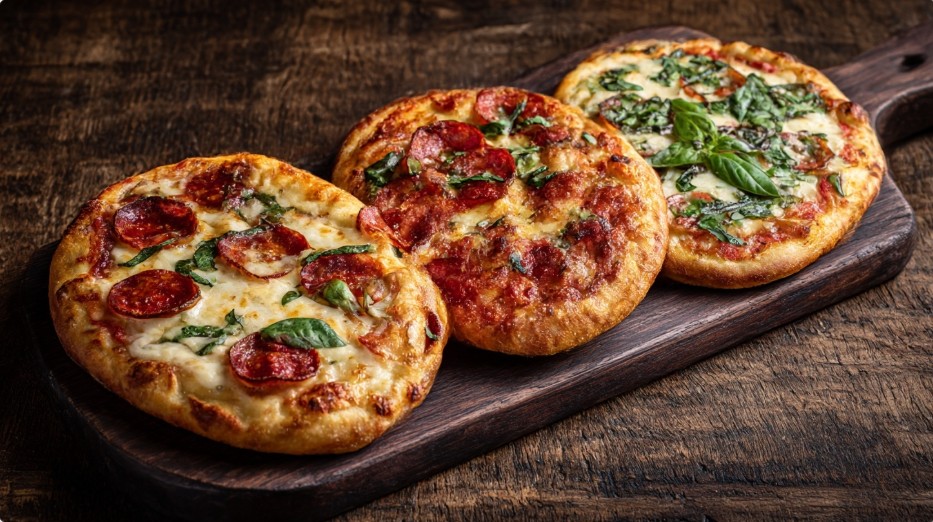
Five years ago, pizza was synonymous with company. Now more and more people want their own, small pizza – not a ‘slice’, but a whole, but small one. In cities, the number of places where you can order a personal-sized pizza is growing: 18–22 cm, a maximum of two ingredients. I often felt that after a large pizza for two, it’s hard to appreciate the taste – everything mixes. When you have your own small pizza, the taste becomes a personal experience.
This approach is convenient for those who don’t eat meat or have allergies. Personalization is about respecting each taste. And it will definitely stay for a long time.
Why Is This In Demand?
The dynamic pace of life, different diets, the desire to try several flavors at once. Personal pizza is both about convenience and experimentation.
What Will Remain?
- Mini-pizzas on restaurant menus
- At home – baking small pizzas for everyone
- The ability to try more options at once
Lifehack: If you’re cooking for a company, make several different small pizzas instead of one large one. That way, everyone will find their favorite flavor.
Common Mistakes in Chasing Trends
When something new appears, there’s always the temptation to ‘jump on the bandwagon’ and immediately repeat everything. It’s easy to overdo it here. Over the years, I’ve seen several classic mistakes that, surprisingly, even experienced chefs repeat.
- Overloading with ingredients. The trend towards minimalism is easily ruined if you want to add ‘just a little more’.
- Imitation without understanding. They saw sourdough pizza somewhere and immediately try it without understanding the nuances. The result is a sour, heavy crust.
- Chasing exoticism. They add kimchi, miso, or truffle without thinking about balance. Sometimes it’s better to hold back.
- Technology instead of skill. Automation should help, not replace understanding the process. Sensors won’t save pizza if you don’t feel the dough with your hands.
My advice is not to chase everything at once. Trends are just a direction, not an instruction. Feel the pizza, your taste habits, experiment without fear, but with reason. Here it’s interesting about: Pizza Margherita: 5 Common Mistakes and Secrets of Success
Return to Simplicity: What Will Remain After the Waves of Trends
Every gastro-wave, no matter how you look at it, ultimately leads to simplicity. Even if complex techniques, unusual sauces, or ingredients are in fashion now, people still return to basics: a good crust, quality sauce, understandable taste. My experience suggests that the strongest impression is left by pizza where everything is in its place, without unnecessary noise.
Trends give a push for development, but the changes that truly make life easier and enhance flavor will remain. This is light dough, seasonal products, minimalism in toppings, openness to new things, but without losing authenticity. After all, pizza is about joy in simple things.
Which trends from this list already resonate with your experience? And which seem unnecessary? Share your thoughts in the comments – it’s interesting to hear how your approach to pizza is changing.