Mozzarella for Pizza: How to Choose the Right One

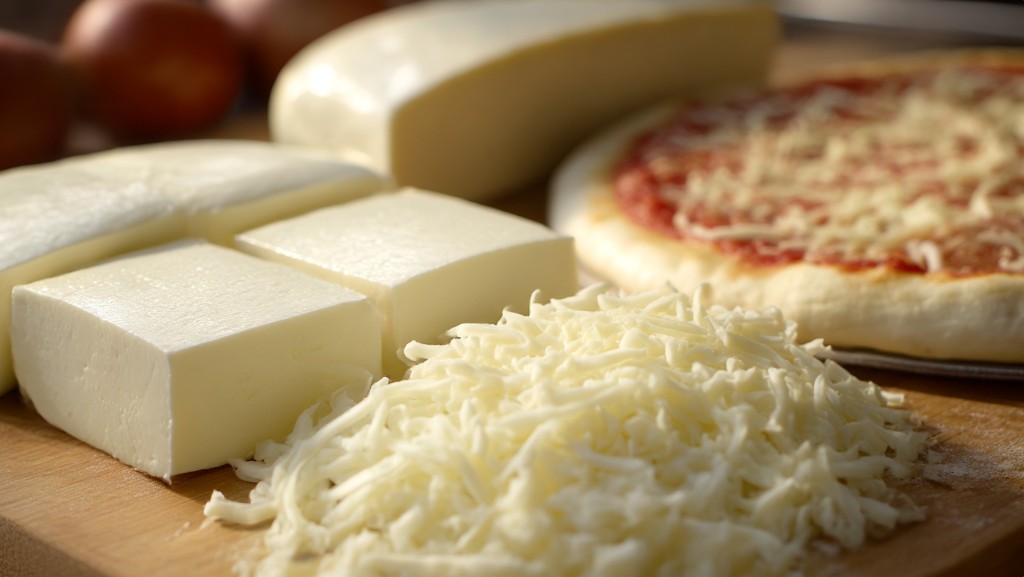
Standing by the fridge in the store, you look at a dozen types of mozzarella: balls in water, hard blocks, bags of shredded cheese, each with a different price, label, promises. They all seem similar, but at home, the pizza somehow doesn’t stretch with those appetizing strings like in a pizzeria. The cheese either spreads into a puddle, clumps into a rubbery mass, or sometimes doesn’t melt at all. Familiar feeling? I’ve caught myself in disappointment more than once: did everything as usual, but the pizza isn’t right.
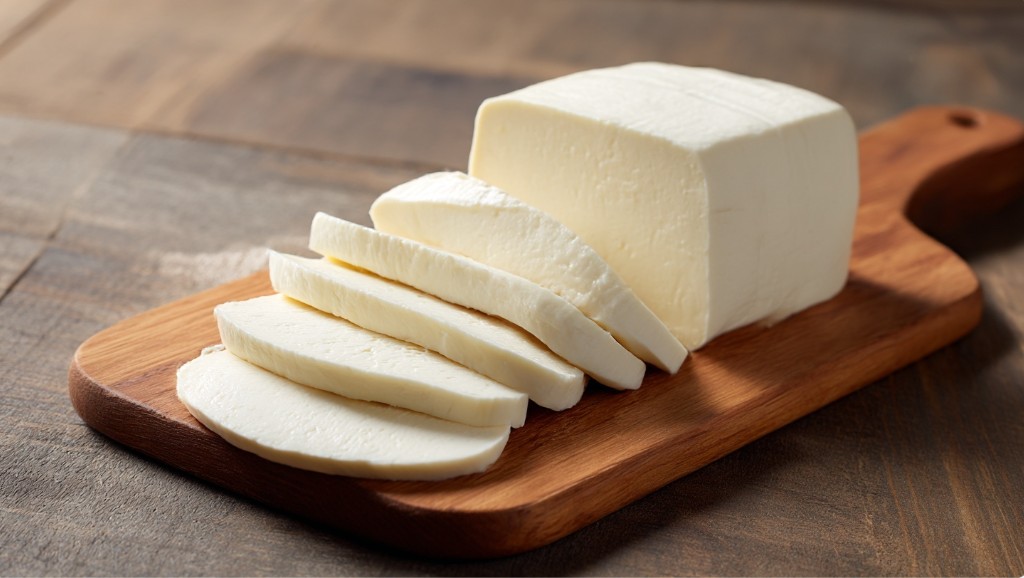
And here the question is not even about the skill of rolling out the dough or choosing tomatoes. It’s all about the right cheese. Mozzarella for pizza is not about ‘any white ball’, but about a special consistency, ideal melting, and that very taste that holds the whole dish together. But finding it among the shelves is a mini-adventure where it’s easy to fall into an advertising trap or simply make a wrong choice. I want to share how not to miss and choose the cheese that really ‘works’ for pizza.
Why Mozzarella for Pizza is Not Just ‘Regular Mozzarella’
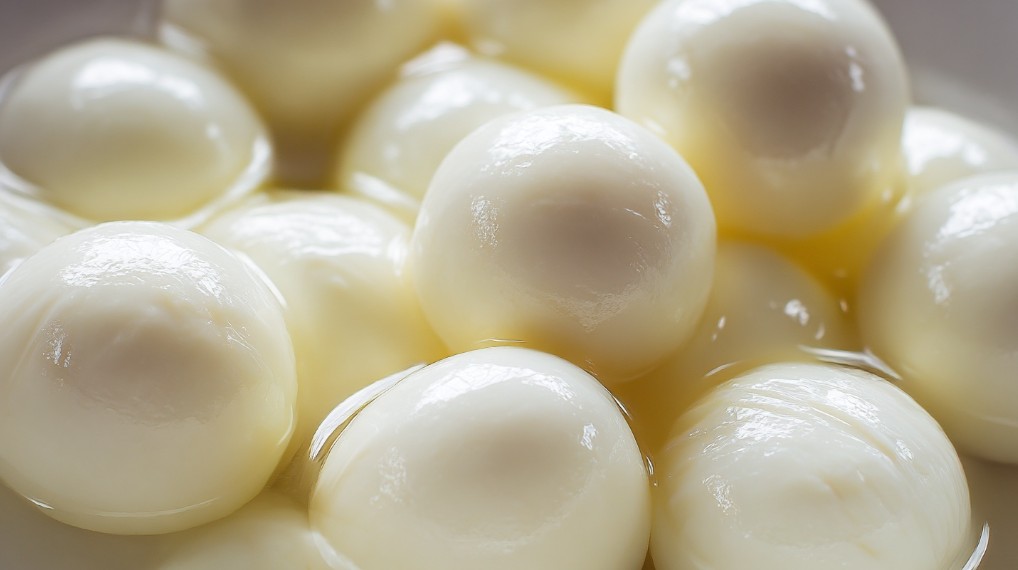
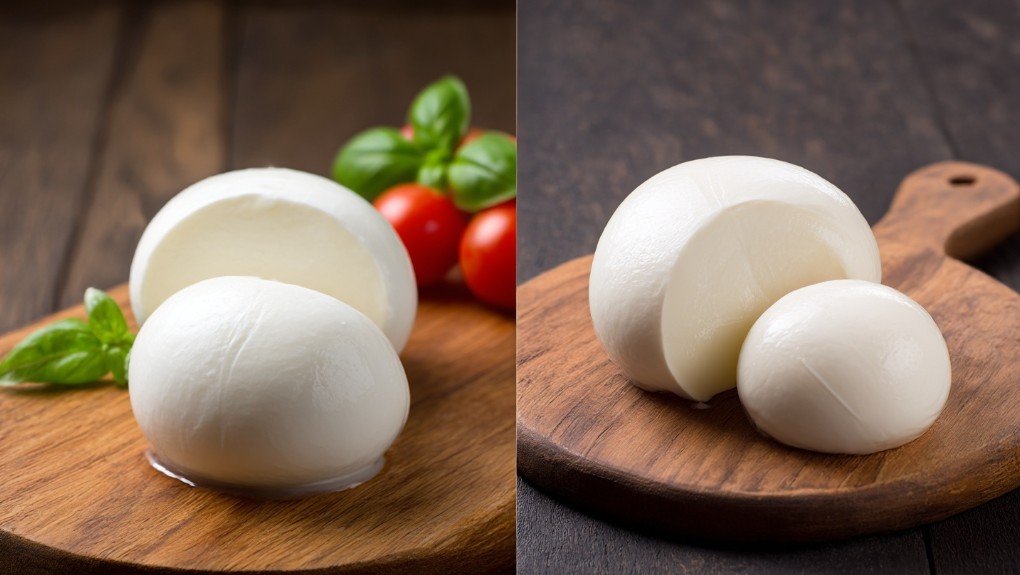
Mozzarella — for many, the word means cheese with an Italian vibe, but in reality, it hides several different products. On the shelf, you can find classic brine mozzarella (fior di latte or from buffalo milk), and there’s also the so-called ‘pizza mozzarella’, often in blocks or slices. These are different cheeses with different behaviors when heated. The first time I discovered the difference was when I tried to make pizza with ball mozzarella — I got a puddle of water in the middle of the dough. And this is a common mistake: taking cheese that looks good in a salad for a hot dish.
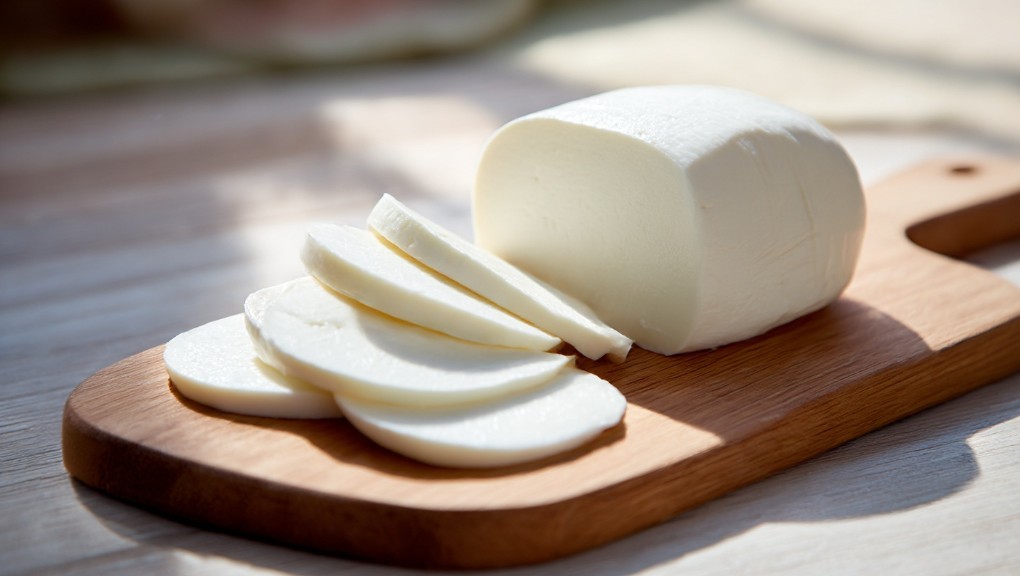
Mozzarella for pizza is designed not to give all its moisture to the dish. It’s denser, less moist, has a more plastic texture, and a specific balance of fat and protein. This allows it to melt into long stretchy strings, not drip to the bottom, and not turn the crust into a ‘swamp’. Here, it’s worth not chasing ‘Italian-ness’, but looking at the purpose: you need cheese specifically for pizza.
Tip: if you see the words ‘for pizza’ or ‘pizza cheese’ on the package, it’s already a hint that the manufacturer has adjusted the texture and moisture for baking.
Signs of Quality Mozzarella for Pizza: What to Look for in the Store
Among all the variety of packages, the main thing is not to be misled by bright design or words like ‘Italian’, ‘traditional’. True quality starts with a few simple things that can be checked right on the shelf.
Color and Appearance
Quality mozzarella for pizza always has a uniform white or milky-cream color. Yellowness is a sign of impurities or excess fat, while a grayish tint indicates cheese aging. The surface of the block or slices should be smooth, without cracks, without dried edges. If the package is transparent, pay attention: the cheese should not be sticky or have droplets of liquid on the surface. Moisture inside is the enemy of good pizza.
Texture and Structure
Take the block in hand (if the store allows) or try to press a little through the package. Mozzarella for pizza is elastic, doesn’t crumble, doesn’t smear with fingers. If you buy shredded — individual strands should not be clumped, wet, or too dry. Good shredded mozzarella is crumbly, doesn’t form lumps, doesn’t ‘sweat’ in the package.
Smell
Real mozzarella for pizza has almost no smell. A light creamy or milky aroma is the maximum. If you feel a sour, musty, or chemical smell — the cheese has stood for a long time, or it contains additives that won’t benefit either taste or health.
Packaging and Labeling
Look for simple, tightly closed packaging. Vacuum is ideal, but airtight plastic will do. The label should have clear production and expiration dates, a composition without a long list of ‘E’ and preservatives. It’s good when the composition includes only milk, starter culture, salt, enzyme. If you see starch, palm oil, stabilizers — it’s already a compromise quality.
- Color: uniform, without yellowness
- Texture: elastic, not crumbly
- Smell: almost neutral
- Composition: minimum additives
- Packaging: airtight, without condensation
Tip: if unsure — it’s better to take a small portion for a test than to buy a kilogram right away.
Seasonality, Price, and Common Sense: When to Pay More
Mozzarella doesn’t have a pronounced seasonality like strawberries or tomatoes, but there are nuances. In summer, fresh milk often has a richer taste, so cheeses from summer batches are sometimes better in aroma. However, for pizza, the quality of raw materials and production is more important than the season. I’ve taken cheap mozzarella for testing more than once — and almost always the result was disappointing: either the cheese doesn’t melt, or it flows with water, or it has an off taste.
Price here directly correlates with quality, but with nuances. The most expensive isn’t always the best. Brands love to play with ‘Italian’ names, and inside there may be regular cheese with palm oil. The optimal choice is the mid-price segment, local producers who don’t skimp on raw materials but also don’t repack imported products under a loud label.
When to Pay More?
If you’re making pizza for guests or a special dinner, don’t skimp on cheese. The quality of mozzarella really changes the final result. For ‘everyday’ pizza at home, you can find a compromise option, but always check the composition and texture. Cheap cheese often contains starch, which instead of melting creates something like rubber on the pizza.
Tip: if the package has a whole list of ingredients you wouldn’t find in a home kitchen — better pass by.
Common Mistakes When Choosing Mozzarella for Pizza
Many people buy cheese based solely on price or brand. I’ve seen more than once how people grab an ‘Italian’ ball in brine and put it on pizza, then wonder why everything ‘flows’. Another mistake is choosing already shredded mozzarella with a high starch content and anti-caking agents: such a mixture doesn’t stretch well, dries quickly, and gives little flavor.
Personally, I also once thought that ‘the more fat, the better’, but in reality, overly fatty mozzarella leaves an oily film on the pizza and a heavy feeling. The third popular mistake is buying cheese with a zero expiration date. Mozzarella for pizza can last longer than brine cheese, but still, don’t take cheese that’s nearing the end of its shelf life.
- Buying brine mozzarella instead of special ‘for pizza’
- Choosing shredded mix with starch
- Focusing only on price and brand
- Ignoring composition and production date
- Buying old or dried cheese
Tip: if the cheese looks ‘perfect’ but smells sour — don’t risk it, even if there’s a discount.
How to Store Mozzarella for Pizza and Extend Its Freshness
Returning from the store, don’t just throw the cheese on any fridge shelf. Mozzarella for pizza loves a stable temperature of +2…+6°C. The best place is the lower shelf of the fridge, where temperature fluctuations are minimal. If the cheese is vacuum-packed — store it as is until use. Once opened, transfer it to a tight container or wrap it in cling film to prevent drying and absorbing foreign odors.
Shredded mozzarella absorbs moisture and foreign odors faster, so it’s worth transferring it to a container with a valve. Don’t put cheese in the freezer — after thawing, it loses texture, becomes grainy, and melts poorly. Sometimes it happens that cheese is left after dinner — it can be used the next day, but store it separately from other products, especially smoked meats and fish.
Storage Life Hack
To extend the freshness of opened mozzarella, put a piece of clean cloth or a paper towel in the container: it will absorb excess moisture and prevent the cheese from ‘flowing’. Check it daily and change if necessary. This is a simple trick I’ve used more than once when I had to store cheese for several days.
Tip: don’t keep mozzarella next to products with a strong smell — the cheese quickly ‘absorbs’ aromas.
How Mozzarella Behaves When Cooking: What to Expect on Pizza
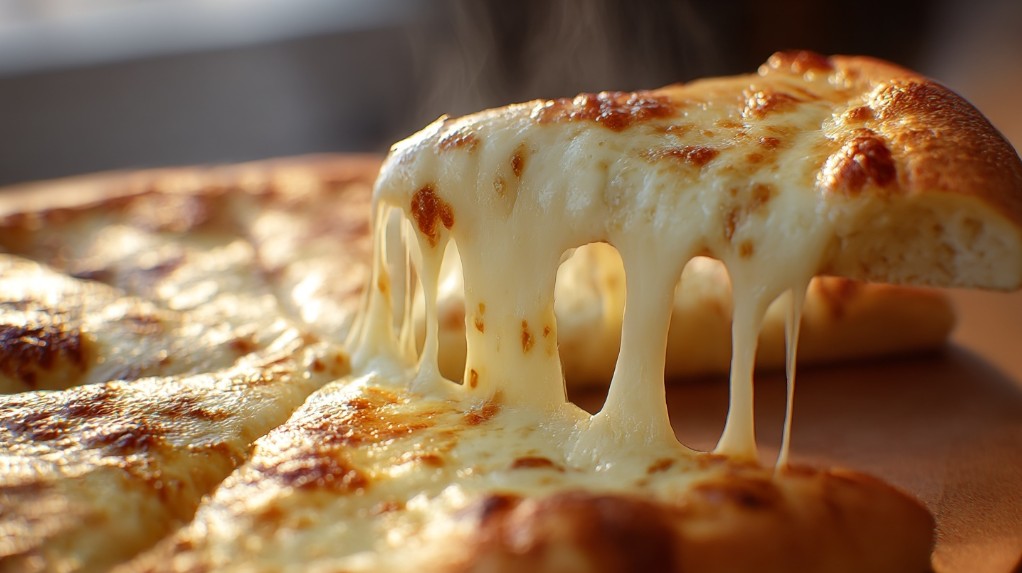
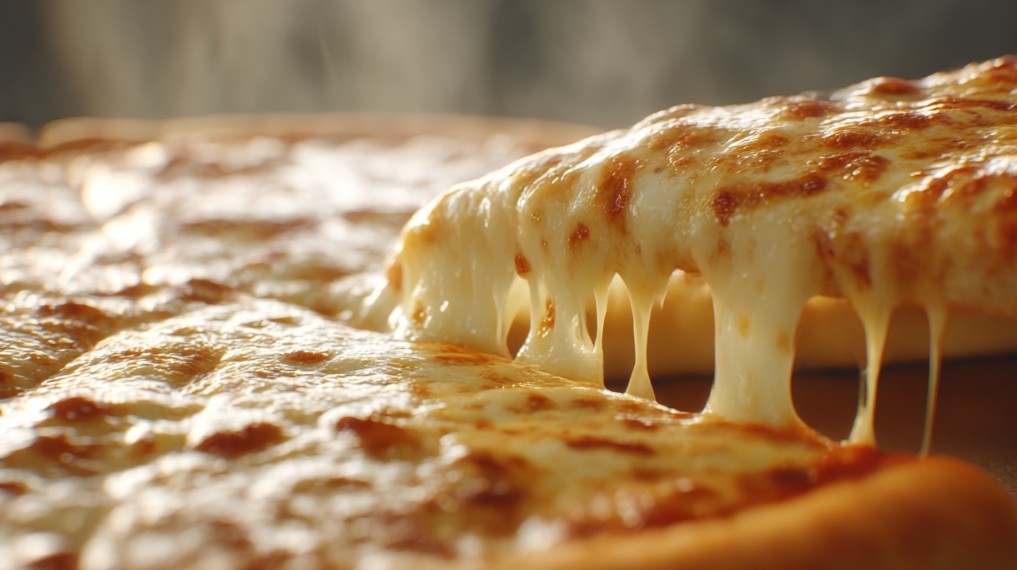
Proper mozzarella for pizza is the cheese that melts evenly, stretches in strings, but doesn’t flow with water. When you put it on hot dough, it starts to melt, covering the pizza with a dense, shiny film, not a puddle of milk. The sound when you cut such a pizza is a light crunch of the crust, soft stretching of the cheese, the aroma of cream in the air. If the cheese starts to bubble and brown, and the edges don’t dry out — you chose correctly.
Mozzarella for pizza shouldn’t turn into ‘rubber’ after cooling. If the cheese cuts easily and remains soft even after reheating, it’s a sign of good quality. I remember how a chef friend had a favorite toast mozzarella — he added it instead of special pizza cheese, and all the flavor was lost: the cheese didn’t stretch in strings, it just melted into a regular mass. Since then, I always check how new cheese behaves on a pan or in the oven — even a small piece can show more than any label.
Life Hack: Melting Test
Take a small piece of cheese, put it on parchment, dry it a little in the oven at 200°C — in 5 minutes you’ll see if it melts evenly, releases a lot of liquid, or stretches. This is a simple way to understand how the cheese will behave on pizza.
Tip: if the cheese melts in a lump and doesn’t stretch — look for another option.
Mozzarella at the Market, Supermarket, and from Farmers: Where to Look and What to Ask
You can buy mozzarella for pizza in three main places: supermarket, market, from a familiar farmer. Each option has its pros and risks. The supermarket offers stable quality and assortment, but often there’s a lot of ‘mass-market’, where the composition is far from ideal. At the market, there’s always a chance to find something interesting, but you need to be careful with storage conditions and freshness. Farmers are the source of the freshest cheese, but not all make the texture suitable for pizza.
I always ask the seller: ‘Is this cheese suitable for pizza? How does it melt? Does it give a lot of water?’ Experienced people won’t be offended by such questions — on the contrary, a good seller will be happy to tell you what his product is best used for. Micro-story: once in a small town market, a saleswoman herself advised taking a special block instead of a fresh ball — and she hit the mark because that cheese stretched perfectly on the pizza.
- Ask about texture and melting
- Look at storage conditions: fridge, temperature
- Don’t hesitate to ask for a sample (often possible at the market)
- With farmers, clarify the composition and production date
Tip: if the cheese is just lying on the counter at the market, without cooling — better not to risk it.
How Not to Fall into Marketing Traps When Choosing Mozzarella
Marketing is a tricky thing. Labels often say ‘Italian technology’, ‘homemade’, ‘GMO-free’, but this doesn’t always guarantee that the cheese is suitable for pizza. Very often manufacturers add starch to increase the flowability of already shredded mozzarella — but this harms melting. Or they state ‘100% natural’ while adding stabilizers and palm oil.
Real quality mozzarella doesn’t need loud advertising — it simply works on pizza. If you see ‘low-calorie’ mozzarella, know: it’s either a low-fat product that won’t give that same stretchiness, or a cheese substitute. There was a case when in a large supermarket, the package said ‘pizza mix’ — inside was cheese with soy protein and vegetable fats. After baking, it melted but didn’t stretch, the taste was flat, without character.
- Don’t fall for loud industrial names
- Read the fine print in the composition
- Avoid products with milk fat substitutes
- Shredded mozzarella is convenient, but check the composition and moisture
Tip: if unsure about the composition — it’s better to buy a block and shred the cheese yourself.
Micro-Stories That Taught Me to Choose Mozzarella
The first time I made pizza for friends, I bought the most expensive mozzarella — a ball in water with an Italian flag. Result: wet dough, cheese ‘floating’, and the taste — bland. Another time, in a small deli, the saleswoman recommended a ‘for pizza’ block from a local producer — and it was a revelation: perfect melting, slightly salty taste, stretchiness. I also remember how at the market in Lviv, I was offered ‘homemade’ mozzarella — tasty, but not suitable for pizza: it spread on the pan, didn’t hold shape.
These stories taught me that in the matter of mozzarella, the main thing is not price or brand, but texture, moisture, storage conditions, and, equally important, the honesty of the seller.
Tip: don’t be shy to try different options, but always check how the cheese behaves when heated — it’s a better test than any promises on the package.

A Few Practical Life Hacks for Choosing and Working with Mozzarella for Pizza
- To avoid excess moisture, shredded mozzarella can be slightly dried on a paper towel before use.
- Mix several types of mozzarella (e.g., shredded and block) — this gives an interesting texture and different degrees of stretchiness.
- If the cheese is too salty, rinse it a little in cold water and dry it — the taste will become milder.
- Don’t forget to let the cheese ‘rest’ at room temperature for 10-15 minutes before use — this improves melting.
- Buy cheese in small portions and store in airtight containers — this reduces the risk of spoilage.
Tip: experiment with different producers — even within one city, you can find cheese that becomes your ‘highlight’ for the perfect pizza.
Mozzarella for pizza is not a luxury or an abstract ‘Italian tradition’, but a simple product that can make an ordinary dish special. Here, it’s important not to fall for marketing, not to skimp on quality, and not to be shy to ask, try, and experiment. Choosing the right cheese, you’ve already taken a step towards the perfect pizza. How about you? Have there been stories where the chosen cheese let you down or, on the contrary, pleasantly surprised you? Share in the comments — I’m curious how you search for your perfect mozzarella.