New Meat Alternatives on the Market

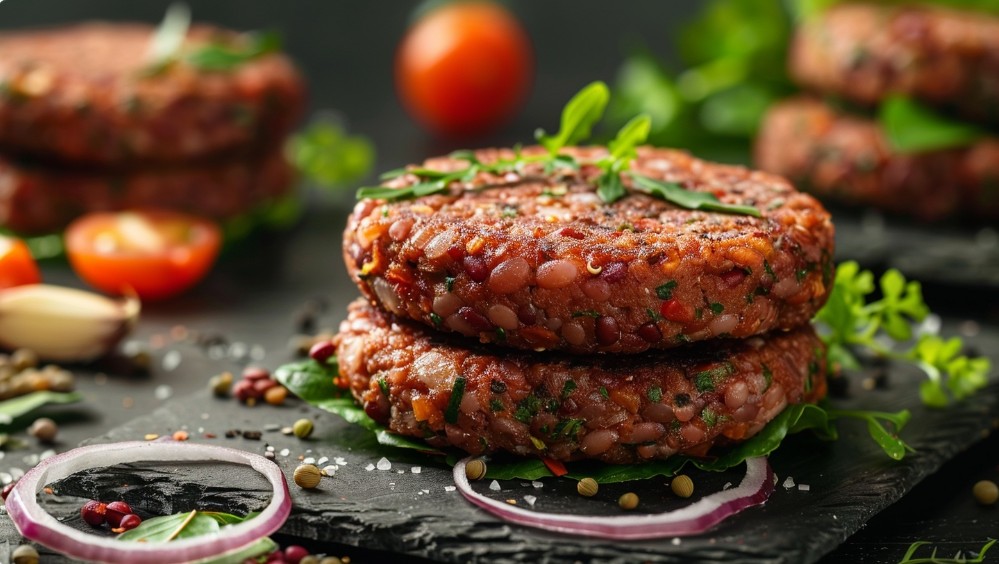
Imagine sitting in the kitchen with friends, and someone throws a pack of unfamiliar patties on the table. We open it — the smell isn’t quite meaty, but there’s something familiar. We fry them, hearing that same sizzling sound that all meat lovers adore. When you try it, the question immediately spins in your head: is this actually meat or something else? For several years now, a quiet duel has been taking place in the gastro world — real meat versus alternatives. From plant-based burgers to cell-based prints — the range expands every season. But why is this trend so captivating to people? Is it because of concern for animals? The climate? Or is it just marketing and hype?
I’ve been observing how attitudes towards food are changing not only among young people or vegetarians but also among those who couldn’t imagine a meal without a cutlet just yesterday. People are starting to ask questions: what should they eat, how will it affect their health, and are new alternatives really the future, or just a fashionable wave? When I first tried a meat substitute myself, I caught myself thinking: what’s the real point here? And is it worth changing my habits for new packaging and beautiful advertising?
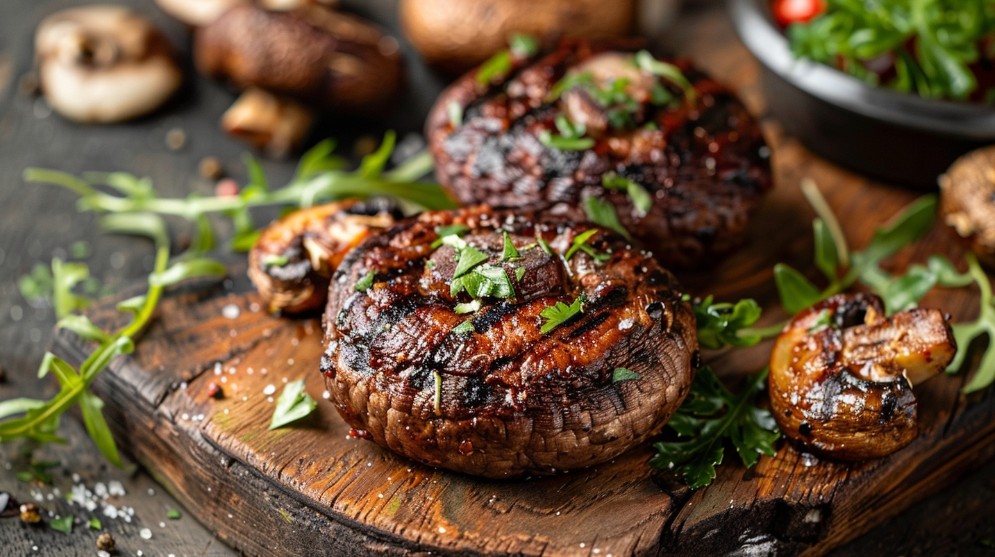
Why Meat Alternatives Appeared
If you dig deeper, the question of meat alternatives didn’t arise out of nowhere. In my memory, about ten years ago, only narrow circles of vegans talked about it, mostly about soy sausages. Now everything has changed. The main reasons can be reduced to three — ethics, ecology, and health.
The first reason is concern for animals. More and more people don’t want their plate enjoyment to be someone else’s pain. The second is the impact of meat production on the climate. Farms are not just milk and cutlets, but also mountains of greenhouse gases, water, and land consumption. The third reason is health. Meat, especially processed, is suspected of being linked to heart disease or even cancer. Whether this is true is a question for doctors, but the trend is clear: people are looking for something “lighter”.
Interestingly, all these reasons have merged into one powerful stream. And now in the supermarket, next to the sausage, lies something that looks like a steak but is made from peas or even microbes. Not because someone is forcing it — an alternative has simply appeared that promises to be no worse than the original.
Types of Meat Alternatives: A Brief Overview
Once, meat alternatives were associated with bland tofu or soy stew from Soviet canteens. Today, this assortment impresses even experienced chefs. A wide range — from plant-based to cell-based products, and even hybrids. Here’s what I see on the shelves and in menus.
- Plant-based analogs — burger patties, sausages, mince that mimic the texture and taste of beef, chicken, pork. Bases include peas, soy, chickpeas, wheat, beans.
- Mushrooms and mycoprotein — products based on mushrooms (e.g., shiitake, oyster mushrooms) or even special fungal cultures grown to create a “meaty” texture.
- Cell-based (lab-grown) meat — grown from living animal cells but without slaughter. Not yet widely available, but highly discussed.
- Hybrid products — mixing plant ingredients with a small portion of real meat or fish.
In short, the market is moving from simple replacements (soy sausage) to complex taste copies (a burger that “bleeds”), and further — to completely new foods that have no analogs in nature.
Marketing of Alternatives: Where’s the Truth and Where’s the Exaggeration
This is where it gets interesting. When talking to guests, I often hear: “Isn’t this healthier?” or “There’s no chemistry in it, right?” The marketing of new alternatives is a separate kitchen. The label says “100% plant-based,” “eco,” “healthy,” “animal-friendly” — everything looks like pure benefit. But is it really so?
Most manufacturers play on themes that concern modern city dwellers: ecology, ethics, health. But sometimes the ingredient list is longer than that of meat sausage. There are also those who add so many flavor enhancers, colorings, and stabilizers that I’m surprised — how does it all fit into a small patty?
This doesn’t mean all alternatives are harmful. Just don’t believe the fairy tale of a “completely natural” product. The production technology is complex, and without additives, the taste and texture would be quite poor. When you try such products, you feel that the taste is closer to fast food than to a farm steak.
Tip: always read the full composition on the package, even if it says “healthy” or “eco” — it’s not a guarantee of simplicity.
Benefits of Alternatives: What Can You Really Count On
From the outside, it often looks like magic: you eat a burger — and no cow suffers. But in practice, it’s more complicated. The main benefit is less saturated fat, almost zero cholesterol, more fiber (if the product is truly plant-based, not just “plant-based”). This is a plus for those who monitor their blood vessels or cholesterol levels.
Another advantage is the ecological footprint. Producing plant-based patties requires much less water and land. However, if you analyze how much energy goes into processing, transportation, packaging — the picture isn’t so perfect.
Regarding protein — there are nuances. Some alternatives provide a decent amount of protein, but the amino acid composition isn’t always complete. If you maintain balance and don’t replace meat solely with pea patties, the body won’t suffer.
I’ve often encountered situations where guests were surprised that after a plant-based burger, they feel lighter, but the satiety doesn’t always last. This, by the way, is not only a question of composition but also how the brain perceives the new product: “this isn’t meat” — and the body reacts accordingly.
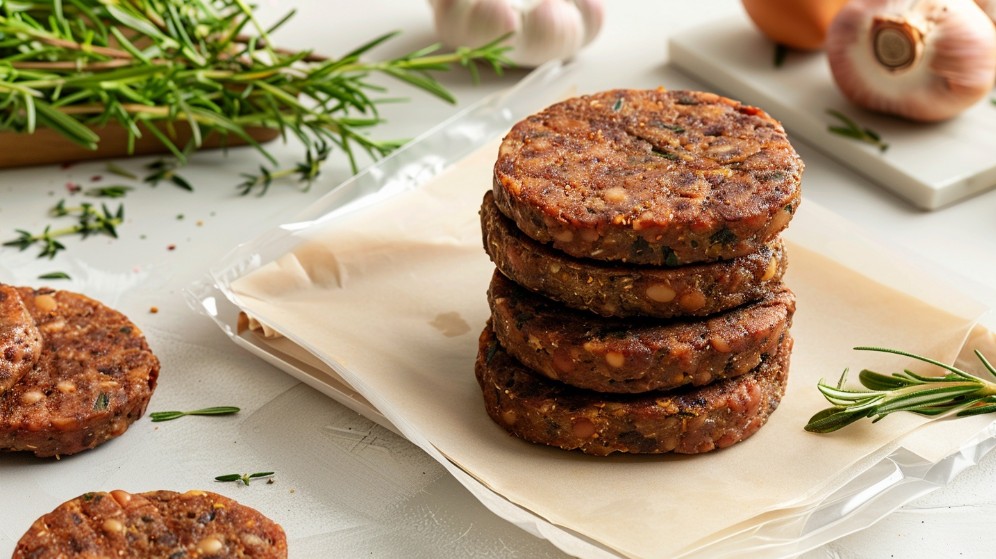
Common Consumer Mistakes: What to Watch Out For
Many fall for advertising, thinking: if the product isn’t meat, it means it’s automatically super healthy. This is not true. I’ve seen people buy plant-based sausages and eat them by the kilo — thinking they’re just vegetables. And then they’re surprised why their weight increases and their skin doesn’t thank them.
- Mistaken belief in the perfection of plant substitutes. They can be fatty, high-calorie, salty just like meat.
- Ignoring the composition. Not all alternatives are simple: there are products with a long list of additives — from stabilizers to flavor enhancers.
- Same approach to different products. Soy sausage and mycoprotein patty are two different stories.
- Expecting “the same” taste. Some alternatives copy texture but not taste. It’s normal if you don’t expect a miracle.
Tip: remember that even the best alternative is not a vegetable in its pure form, but a processed product. Don’t indulge in them daily.
What Will Really Stay: Hype or Future?
This is where the real gastronomic intrigue begins. Every novelty always finds its wave of fashion. I remember when everyone rushed to buy black bread with charcoal, and then it disappeared from the shelves. With meat alternatives, it’s not so simple: some have already become commonplace (tofu, seitan), others are still at the peak of interest (burger patties, cell-based meat).
I see that simple plant substitutes will remain on the menu because they are convenient and understandable. Cell-based meat is a matter of years, not months: the technology is complex and expensive. But the trend of reducing meat consumption is no longer hype but reality. People are increasingly experimenting: it’s not necessary to completely give up meat, sometimes it’s enough to reduce its amount. And for this, alternatives are a good support.
What definitely won’t survive are ultra-processed products with too “chemical” a taste. People quickly distinguish real taste from imitation. Naturalness is not always about composition, but about the feeling after eating. If a product leaves an unpleasant aftertaste or heaviness — its place on the shelf won’t last long.
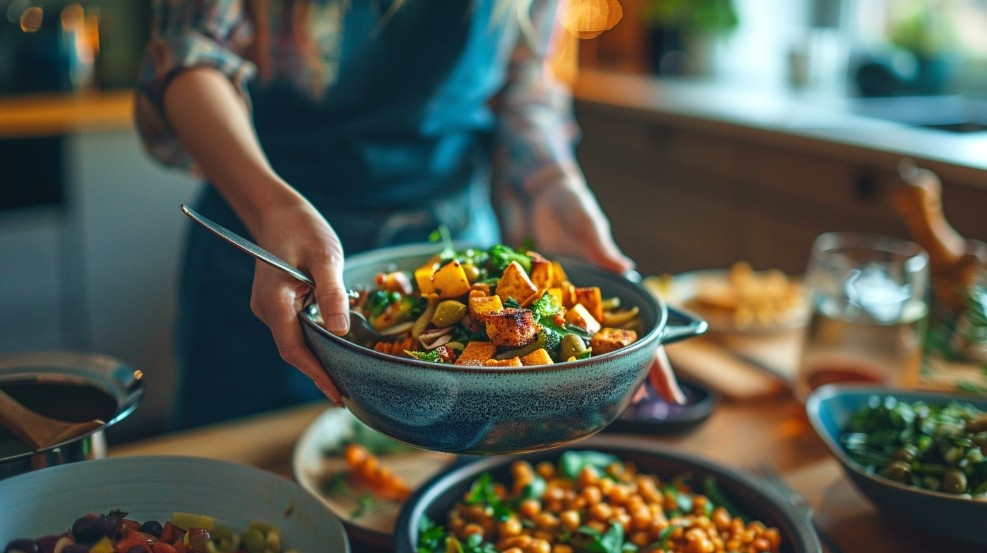
Kitchen Feelings: How to Cook and Eat It
I confess, the first time I cooked a plant-based patty, I was nervous: how would it behave in the pan? It turned out that it fries even faster than usual, but if overheated — a sharp bean smell appears. The sound when frying is almost like real meat, but it’s easier to feel the moment of overcooking.
Texture is a separate story. Some alternatives (especially wheat or mycoprotein-based) give an interesting, even slightly “fibrous” bite. Others, like soy sausages, remain quite soft, sometimes even “spongy.” The smell — there are the most variations: from almost meaty to distinctly pea or even mushroom.
I love testing novelties with colleagues. There was a funny moment: a skeptical colleague, who always laughed at “grass,” didn’t immediately realize he was eating a burger not made of beef. But when it came to soy sausage — he immediately felt the difference. Such moments show well that the alternative can be interesting, but not always universal.
Tip: if you’re cooking an alternative for the first time, don’t overcook. A few minutes — and the flavor palette will be brighter.
Personal Experience: For Whom and When It Works
In my circle, there are many people who occasionally switch meat for alternatives. Usually, it’s either for the sake of experimentation or when they want to “lighten” their diet. I sometimes take a plant-based patty for lunch when there’s a lot of work — I feel lighter after eating, not sleepy.
But completely giving up meat is not for everyone. I have acquaintances who don’t like alternatives at all: they say they lack that same “umami,” or they simply don’t believe in the benefits after a long list of ingredients. I understand them — taste habits are formed over years, and not everyone is ready to change them for the sake of a new trend.
There are also those who have found a balance: for example, one of my friends cooks plant-based patties for the family once a week, and the rest of the time eats regular meat. He says it’s easier for the animals and the body doesn’t get bored. I like this idea: not radical changes, but gradual acquaintance with new tastes.
Practical Life Hacks for Those Who Want to Try
- Don’t buy a lot at once — better test different brands and types, find your taste.
- Pay attention to the composition: the more simple ingredients, the better.
- Cook on medium heat, don’t over-dry — plant-based patties quickly lose juice.
- Don’t expect a perfect imitation of meat: look for unique flavors, not a copy.
- Combine with vegetables, sauces, crunchy elements — it will highlight the texture.
Another life hack that often saves: if the patty’s taste seems “flat,” add a little smoked paprika or fried mushrooms — it will give the needed depth.
Tip: remember that meat alternatives are not just for vegans. It’s just another tool in the kitchen arsenal.
Is This Really the Future of Gastronomy?
My opinion is that meat alternatives will stay with us for a long time, but they won’t completely replace traditional dishes. It’s not a revolution, but an evolution: new products become part of everyday life, but they don’t displace old habits. Meat, like bread, is unlikely to disappear, but the choice will become wider.
I see personally: more and more people aren’t afraid to experiment, and that’s the main thing. You don’t need to force yourself to give up your favorite food — it’s enough to add something new to your diet if you’re curious. And then it’s a matter of taste and habit. Alternatives can be both a support for those seeking lightness and a challenge for gourmets.
I like seeing how the kitchen becomes a space for dialogue: not about who’s right, but about what’s tasty, convenient, and interesting. Meat alternatives are not a replacement, but an invitation to explore new facets of taste.
Now I’m curious: have you tried meat alternatives? What did you like, and what didn’t you? Do you see a future for them in your diet? Write in the comments — it’s always interesting to learn different opinions and experiences.