New Year’s Table 2026: A Light Menu Without the ‘Heavy Classics’

Since childhood, New Year has been associated with loud feasts, the smell of tangerines, and the hustle and bustle in the kitchen. The table is overflowing with salads, every surface is occupied with dishes, and the hosts are running around like in a marathon. Somewhere between a glass of champagne and reheated casserole for the third time, you catch yourself thinking: is everyone really enjoying this? Are we trying to do too much — and taking on too much?
I remember well how in the early years of my culinary practice I tried to ‘impress’ guests: set a full table, recreate all the classic dishes, and make something ‘special’. But in the morning — the fatigue is such that you don’t even want to approach the table. Now I see it differently. New Year is about people, warmth, and peace, not about another culinary record. The main thing is the atmosphere, not the number of dishes.
Today I want to talk about how to make the New Year’s table light — for yourself and for the guests. How to save energy for laughter, conversations, and hugs without sacrificing taste and coziness. Because celebrating doesn’t mean ‘competing’ with how much can fit on a plate.
Why do we still prepare the ‘heavy classics’ — and is it necessary?
Ask ten people what a ‘New Year’s table’ is, and most will name the same: Olivier salad, herring under a fur coat, homemade stuffed cabbage with meat, aspic, French-style meat, cold cuts, Napoleon cake. It’s almost a ritual. Sometimes it seems that without these classics, the holiday will be ‘wrong’ or ‘incomplete’.
I often caught myself thinking: what if the guests are offended if their favorite dish isn’t there? Or tradition — it’s sacred. But honestly: does everyone really eat these mountains of mayonnaise salads? Doesn’t the energy drop right after the first plate when you combine smoked, fried, mayonnaise, meat, sweets — all at once?
There’s this thing: when you cook a lot for others, you start noticing details. Someone takes just a little salad, someone tries only one hot dish, and then asks for tea. Kids often don’t touch the ‘classics’ at all. And every year there’s a mountain of leftovers. Is this caring for guests or trying to meet expectations?
A simple question helped me: what do I want this evening? And is it really a full table of ‘heavy food’?
Traditions don’t forbid making things lighter. They are for people, not the other way around. Sometimes it’s worth stepping away from the template to create your own, warmer story.

New Year’s atmosphere: how to create it without fuss
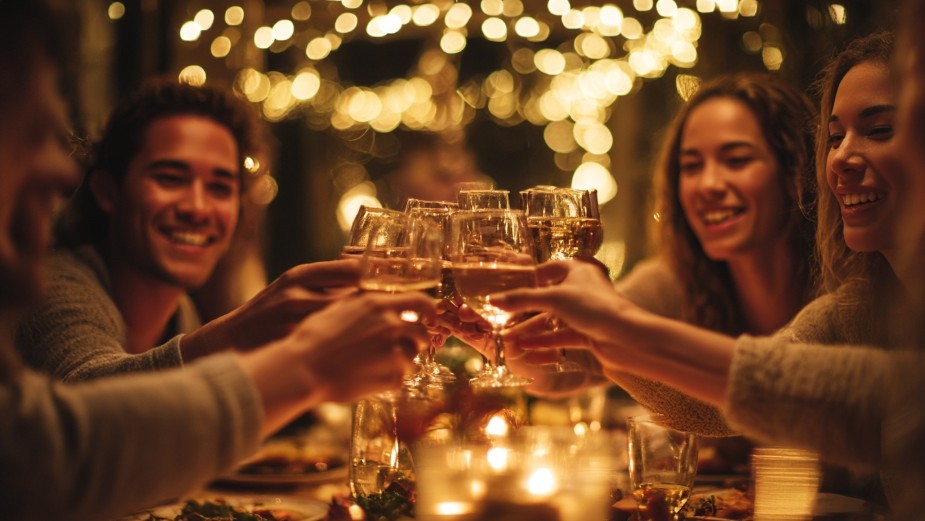
I always say: the best atmosphere is not in what’s on the table, but in who’s sitting around it. The celebration starts even before you set the table. It’s the music, the scents, the calm host who doesn’t dissolve in kitchen fumes but sits next to the guests.
The aroma of citrus, a light smoke of candles, a favorite playlist — these are the little things that are remembered. I always try to make guests feel not like they’re at a reception, but at home. The tablecloth may not be perfect, and the glasses may be different, but if you’re relaxed, it spreads to others.
Once, my friends and I organized a New Year in the style of an ‘aperitif’: a few simple snacks, lots of conversations, games, music. No one was running around with plates, counting salads. It felt like everyone was finally relaxing together, not ‘working off’ the holiday. That’s the real mood.
The holiday is an opportunity to gather without tension. You don’t have to impress — it’s enough to be together.
If the host is calm, the atmosphere becomes warm on its own. An evening where you can be yourself, not a ‘good hostess’, is the best gift.
Stress-free planning: what really helps
Cooking for New Year is not a sprint, but a marathon. I’ve seen even experienced hosts ‘burn out’ before midnight. Some boil salads overnight, others run around shops on the day of the holiday. The result — fatigue and a desire to finish everything quickly.
What helps me? I plan every festive menu so that most can be prepared in advance, and before the holiday — just assemble or reheat. The secret is in simplicity, not quantity. A good rule is: one main dish, a few light snacks, something for tea. No more.
Another life hack: involve your loved ones. I often ask someone to bring their favorite sauce, pastries, or fruits. It’s not ‘betrayal’, but a joint celebration. Guests feel involved, and the host — not overwhelmed.
Instead of cooking a dozen dishes, it’s better to make three or four, but with soul. And save energy for conversations.
It’s also important to consider how much your guests actually eat. I used to make lists — and after the holiday, I was surprised by the leftovers. Now it’s better to undercook than to fill the fridge with food no one wants.
Host’s comfort: how not to ‘burn out’ in the kitchen
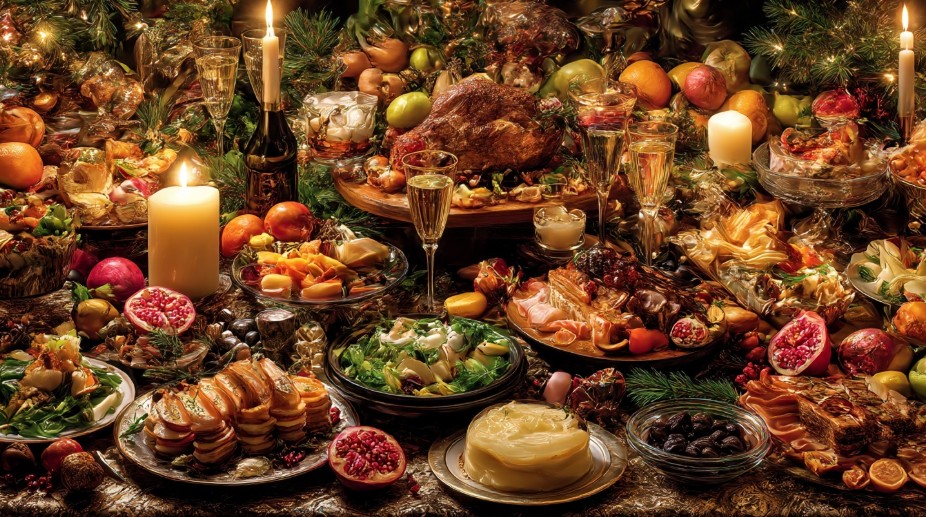
I know this trap: you want to make everything perfect, and as a result, you miss half the holiday. Guests are laughing in the hall, and you’re in the kitchen mixing salad or slicing another plate. In the end, instead of joy, you feel tired and irritated.
Experience from a restaurant kitchen helps here: clear timing, pre-prepared products, minimal hot dishes right before serving. The day before, I prepare everything that can be stored: cold cuts, sauces, dough. And on the day — only the final touches.
Another thing is not to be afraid to say ‘no’. If a dish annoys you or takes too much time, just cross it off the list. I no longer cook dishes I don’t like myself. It frees up and gives more energy for what truly delights.
The host is also a guest. If you don’t relax, no one will feel the real holiday.
Sometimes even a small break — going out, breathing in the cold air, having coffee on the balcony — restores energy. Take care of yourself as much as you do for your guests.
Less is more: how not to ‘overfeed’ guests
There’s this thing: the more dishes, the less each one is eaten. But the time and effort spent are much greater. I used to think that ‘a lot’ automatically meant festive. In reality, it rather causes confusion: what to choose, how to try everything? By the end of the evening, guests often can’t even look at food.
Interesting article on the topic: Why we eat more on New Year and how to avoid it without restrictions
I tried an experiment: deliberately reduced the number of dishes but made them more interesting in texture, presentation, taste. As a result — empty plates and more conversations. Everyone noted: lightness in the body, no desire to sleep immediately after eating.
Now, for me, the ideal New Year’s table is 3-4 dishes, each with its own idea. For example, a light salad with crunchy vegetables, a warm appetizer, a bit of cheese, something salty. Dessert — not necessarily a cake, but, say, baked fruits or something like panna cotta, which can be eaten in small portions.
Important: the table doesn’t have to be ‘perfect’. It should be cozy. And if something is missing — that’s even a plus. It leaves room for conversations and jokes.
By the way, guests often remember not the dishes, but the emotions from the evening. It’s about balance — not only in taste but also in the pace of the celebration.
Common holiday mistakes: how to avoid them
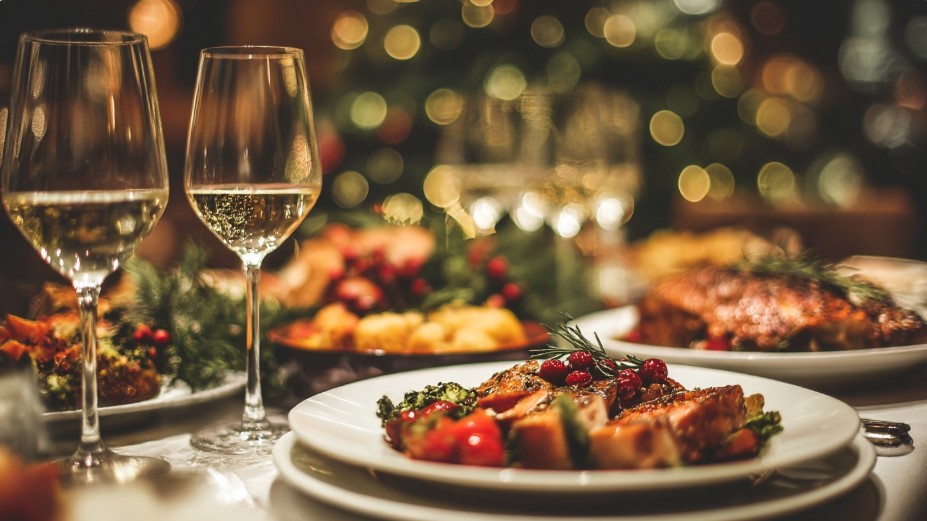
The most common mistake is trying to please everyone at once. I’ve seen hosts lose interest in the holiday because of this. Instead of a festive mood — fatigue and irritation.
Trying to cover everything
You want to add another appetizer, another dessert, another meat dish. But in the end, the table turns into a warehouse, and the taste — into noise. Better less, but with attention to detail.
‘Everything must be perfect’
Perfection is a myth. Don’t be afraid of simplicity, small imperfections, or the absence of ‘proper’ dishes. The main thing is the feeling that you’re at home, not at a showcase banquet.
Leaving everything to the last moment
When the whole day is spent in a rush, both mood and taste are lost. I always finish preparations at least a couple of hours before guests arrive, to have time to catch my breath.
The main sign of successful preparation is when you’re sitting with guests, not by the stove. And you’re not worried about every little thing.
Another mistake is ignoring your needs. If you don’t like a dish, don’t cook it. Even if it’s ‘tradition’. Your comfort is the key to a good evening.
Life hacks for a light New Year’s table
Over the years, I’ve gathered a few habits that help not to ‘burn out’ in the holiday hustle and maintain an atmosphere of lightness.
- I cook what I love myself. If a dish doesn’t delight, its place is outside the holiday table. It’s visible and felt in the taste.
- I plan the dishes and serving in advance. I don’t leave it for the last minute. It saves nerves and helps avoid fuss.
- I’m not ashamed of semi-finished products if they’re of high quality. Cheeses, good bread, olives — they’re also part of the holiday.
- I don’t serve all dishes at once. The evening stretches out, there are pauses for communication, and the food doesn’t ‘merge’ into one heap.
- I involve guests in the process. Someone slices lemons, someone sets glasses — and the mood is completely different.
Another tip: don’t be afraid to leave empty space on the table. It’s not ‘poor’, it’s cozy. And don’t forget about water — it helps to feel lightness when the food is varied.
If something goes wrong — just laugh. That’s the real holiday.
Lightness in details: how to create a festive feeling without overload
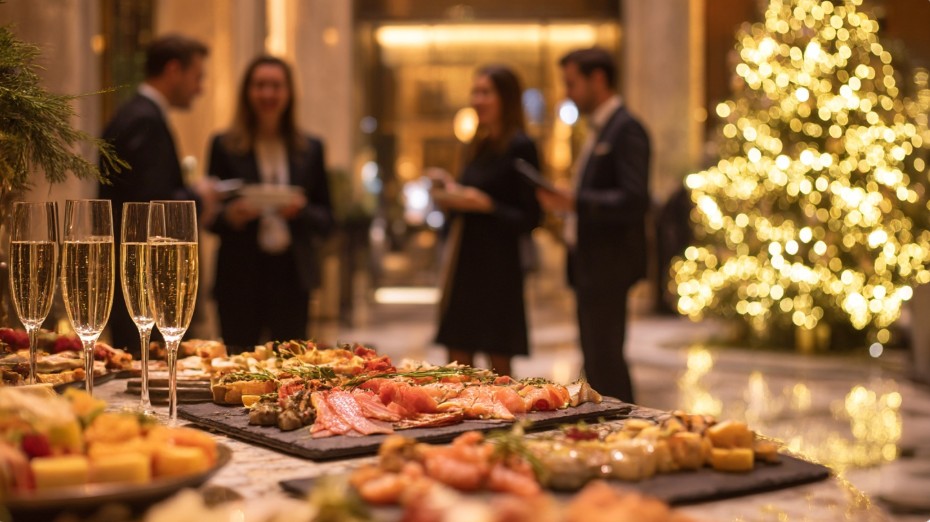
Most people remember not the dishes, but the impressions: laughter, conversations, the smell of candles or cinnamon, a toast under the chime of the clock. I like to add little things to the evening that create a festive feeling without extra hassle.
For example, a few bright napkins or a sprig of fir on the table. Dried mandarin peels give a light aroma. I play soft music — and the atmosphere is completely different. All this doesn’t require effort but sets the mood. Here’s about fantasies: How to decorate the table for New Year so that guests say ‘wow’: secrets of simple decor
I once tried to ‘decorate’ the table according to all the rules — and realized: the warmest evenings were when everyone could add something of their own. A guest brings a favorite cup, someone spins a playlist, kids hang garlands. It turns out not a glossy picture, but a live holiday.
Lightness is when you don’t have to worry about every crumb. The main thing is the mood, not the perfect serving.
Details are about care. Sometimes it’s enough just to be there to remember this New Year’s evening for the whole year.
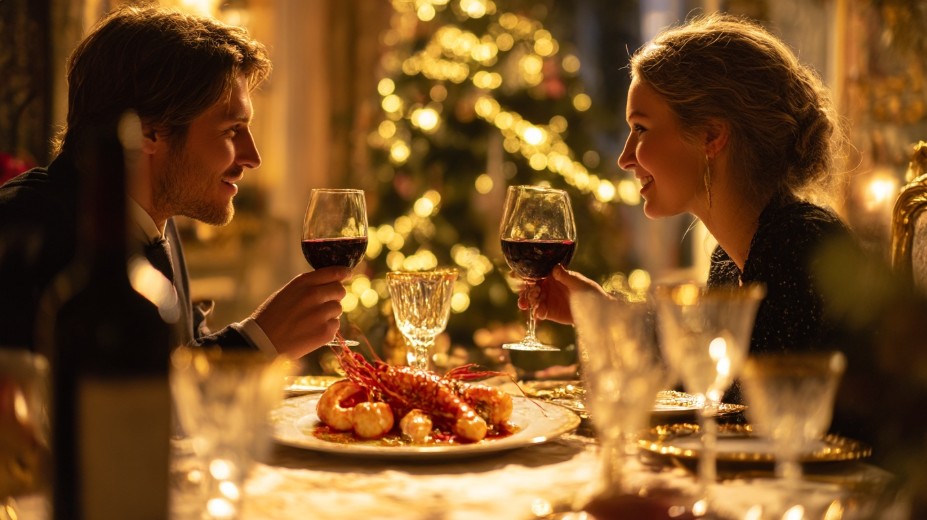
Micro-stories — how my New Year’s table changed
Previously, I thought: the more complex the menu, the higher the level. But once it turned out differently. On the eve of New Year, the oven broke, and I had to cook only what could be assembled on the stove or simply served raw. It turned out unexpectedly light: everything was eaten, even homemade fish cutlets I made the day before, nothing was left, and guests asked to ‘do the same next time’.
There was also a case when we celebrated in a small company, and instead of a big table, we made a ‘buffet’ — everything on small plates, portioned, no queues to the salad bowl. It turned out that people started talking more, eating less, and no one complained about fatigue after dinner.
I remember as a child, the brightest moment was when adults finally stopped running around and sat together. That’s when it felt like it was a real New Year.
In a holiday, it’s not the dishes that matter, but your feelings. Freedom, laughter, peace — that’s what you should strive for.
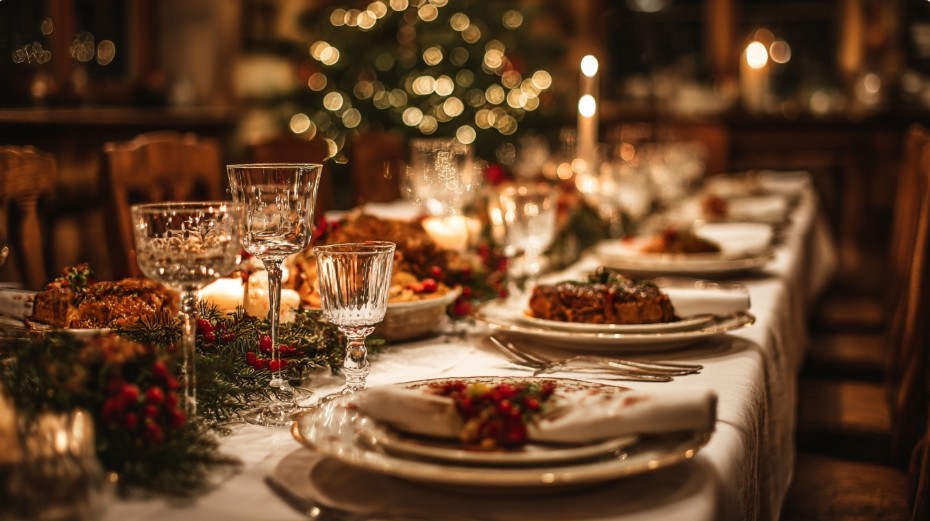
A celebration for everyone: how to consider different tastes and maintain balance
In every company, there’s someone who doesn’t eat meat, someone avoids gluten, someone just likes everything separate. It’s normal, and you don’t have to break yourself or the guests. You can make it so that everyone finds something to their taste without preparing a separate menu for each.
I usually put a few neutral dishes on the table that suit most. For example — vegetables, cheeses, nuts, fruits. The rest — as the situation demands. No one is offended if there’s a choice, but no one expects you to have guessed all the wishes.
There was a case when a guest unexpectedly said they don’t eat anything ‘traditional’ at all. I didn’t fuss — just asked them to tell me what they like. It turned out, a simple salad and tea were enough for them. The main thing is attention, not perfect menu compliance.
Balance is when everyone is comfortable, and no one feels burdened or unnecessary.
You don’t have to cook ‘for everyone’ — it’s enough to create a feeling that everyone is important. That’s the true festive balance.
And you’ll also be interested to know: How to plan a festive table and not spend the whole day in the kitchen.
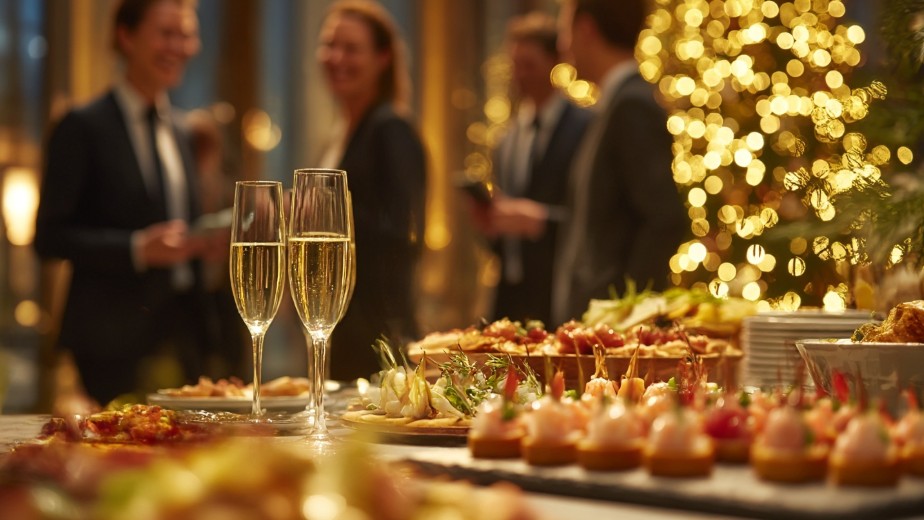
What remains after the celebration: lightness, warmth, and memories
When I recall the best New Year’s evenings, it’s not the dishes that come to mind, but the atmosphere: laughter, garlands, hugs, conversation to music. It’s not the recipes that remain, but the feeling — that it was easy, cozy, genuine.
I’ve tried several times to ‘replay’ the classic scenario: less food, more time together. And each time it ended with warmth in the heart, not heaviness in the stomach. Guests thanked not for the salads, but for the evening without tension. That’s the main point.
After the celebration, the main thing is not leftovers in the fridge, but lightness in the soul. So allow yourself to make it simpler and with enjoyment.
Maybe this year it’s worth trying to let go of the ‘heavy classics’ and make the table light? How do you feel: what do you really want this New Year — more dishes or more warmth?