Nutrition Before and After Workout: A Guide for Those Who Want Results


Somewhere between evening fatigue, children’s lessons, and work deadlines, there is a short hour for yourself — a workout. I’ve often found myself able to honestly carve out time for sports but lacking the energy to even lift a mat. Sometimes food is to blame — not because it’s ‘wrong,’ but simply because it doesn’t suit the moment. There were times when you’d eat a heavy breakfast and regret it during the warm-up. Other times, running on an empty stomach, you feel tired before the middle of the workout. You think, ‘Maybe I’m just not athletic?’ But it’s not about perfect food; it’s about listening to your body and using common sense.
Nutrition before and after a workout isn’t about ‘following rules.’ It’s about keeping energy for movement and not turning sports into a trial. In real life, we can’t always have the ‘perfect snack at the perfect time,’ but there are things that truly work and don’t require extra effort. I’m not a dietitian; I’m a chef who often cooks for myself, my kids, and friends who go to the gym after work. Over the years, I’ve learned that the body responds better to care and balance rather than strict rules.
Here are practical guidelines to help you not ‘break down’ and maintain a normal rhythm: how to prepare for a workout, what to eat when there’s no time, and how to recover after exertion. No diets, bans, or calculations — just common sense, taste, and a bit of experience from a chef living an ordinary life.
How to Feel the Need for Food Before a Workout
I know this question well: to eat or not to eat before a workout? Some people find morning runs easy on an empty stomach, while others can’t get out of bed without coffee and a piece of cheese. In reality, the body knows better than any theory. I’ve noticed that when a workout is intense or lasts longer than an hour, a light snack before it gives me more energy and reduces fatigue.
There are days when I don’t want to eat at all in the morning — and that’s okay. On other days, especially after a sleepless night with a child, the body itself asks for something nutritious. It’s important not to force yourself into an ‘ideal breakfast,’ but to listen to your feelings: is there real hunger, or just a habit? When the body is hungry, the workout becomes harder, and thoughts scatter. When overly full, you feel heavy and sleepy.
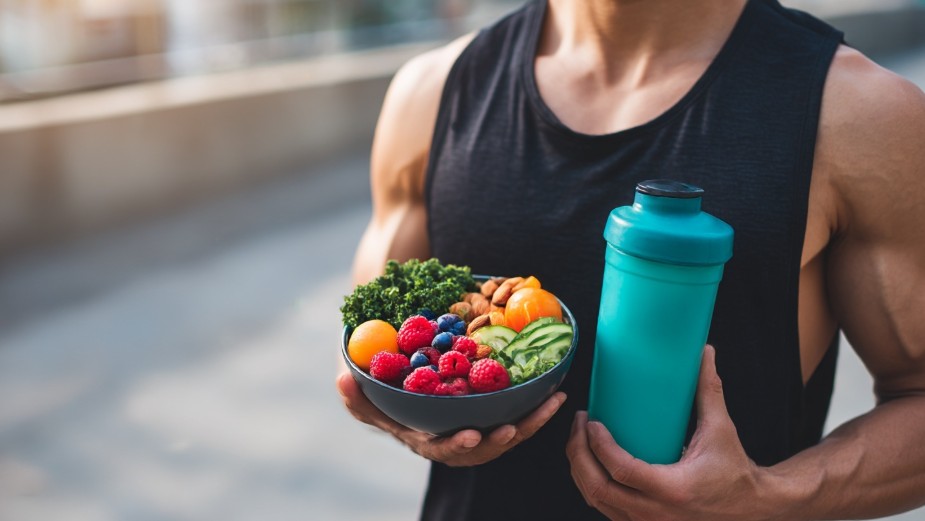
Tip: Listen to yourself an hour before the workout. If there’s a slight hunger, a small portion of food will help. If you’re full, don’t force yourself to eat ‘because you should.’
- Practice a morning glass of water: it reduces the feeling of an ’empty’ stomach and helps set the appetite.
- Don’t be afraid to skip a snack if the workout is short and light.
- Be flexible: there are days when the body needs more than usual.
What to Eat Before a Workout: Simple Guidelines
Before a workout, food isn’t about ‘fueling up’ like a car; it’s more about support. Ideally, I like the food to be light, not too fatty, with a moderate amount of carbohydrates and a bit of protein. But life often dictates its own terms: the child finishes breakfast, there’s a crust of bread left in the kitchen — and that’s your breakfast. And that’s okay.
The main thing is to avoid overload. Once, I ate a hearty borscht with dumplings before swimming — I swam for an hour with a ‘hammer’ feeling in my stomach. Simple things work better: a banana, a few spoons of oatmeal, a cheese toast. No need to invent complex schemes. If there’s less than an hour before the workout, the food should be even simpler.
- Fruits (apple, banana, a handful of berries) — a light snack, quick energy.
- Toast with a small amount of protein (egg, cheese, piece of chicken) — good if there’s 1-2 hours before the workout.
- A small portion of porridge or yogurt — an option for the morning when it’s hard to wake up.
Tip: If you eat before a workout, give your body at least 30-60 minutes to digest the food.
I like to add a few nuts to the snack — they give a feeling of fullness but don’t overly burden. The main thing is not to chase the ‘ideal’: sometimes you eat a piece of chocolate before a workout, and it’s not a tragedy. It’s important that the food doesn’t cause heaviness.
Water and Hydration: Simple Rules Without Fanaticism
One of the most common scenarios is rushing to the gym after a workday and realizing in the locker room that you haven’t drunk water since morning. I’ve been through this too: the workout seems harder, the head feels heavier, and the muscles tire faster. Adding ‘special’ drinks, as advised in fitness magazines, isn’t necessary. Clean water is enough.
Drinking a lot or a little is an individual question. I focus on thirst: if my mouth is dry, I take a sip. No need to force yourself to drink the ‘norm.’ It helps me to have a bottle of water at hand — even in the car or the kitchen. For children and teenagers who play sports, the same applies: don’t force them to drink against their will.
- Before a workout — a glass of water 30-60 minutes before starting.
- During the workout — small sips as needed.
- After — another glass or two, but don’t force yourself to drink excessively.
From my experience: if the workout is outdoors, consider the heat and humidity. In the heat, water is needed more often, but I still focus on how I feel. After strength exercises, I sometimes crave something sour — a good life hack: a piece of lemon or a slice of orange refreshes and relieves fatigue.
Nutrition After Workout: What Helps Recovery
After a workout, the body wants to ‘patch up,’ but that doesn’t mean you should rush to the fridge and eat everything in sight. Several times I’ve caught myself overestimating hunger after a tough workout. If you eat too much, the feeling of fatigue doesn’t go away; instead, you feel like sleeping and doing nothing.
Here, a simple rule works: give yourself 15-30 minutes to calm down. Drink water, walk a bit, stretch your muscles. Then — light food that restores a sense of energy, not heaviness. I treat this as self-care, not ‘replenishing reserves.’
- Light protein snack (egg, fish, cheese) — helps to feel light and full.
- Vegetables with oil or nuts — provide fiber and freshness after a workout.
- Fruits — natural sweetness that doesn’t burden even in the evening.
From experience: after an evening workout, it’s not worth ‘catching up’ on all missed meals. A small portion is enough, even if the hunger seems great. The body quickly calms down after movement, and excessive food only complicates sleep.
Tip: Don’t eat in a hurry right after a workout — give your body some time to restore its rhythm.
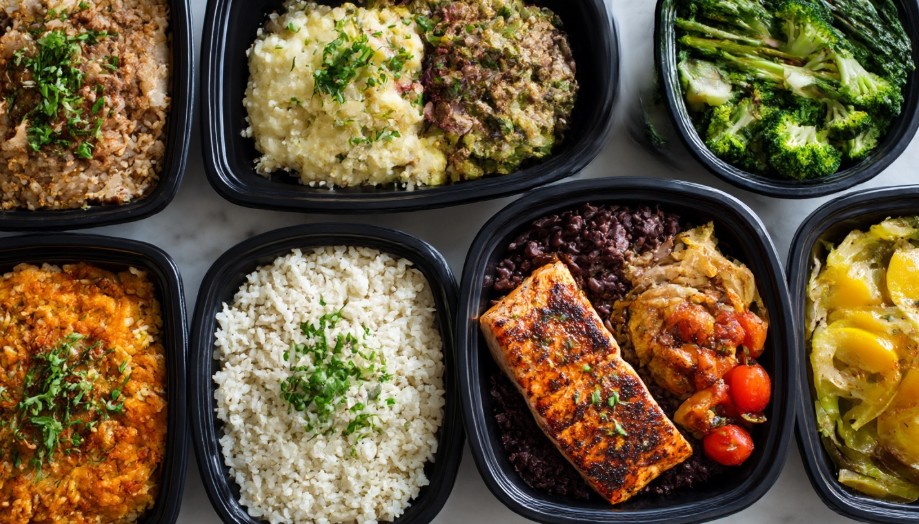
Flexibility: How Not to ‘Break Down’ and Avoid Making Food a Cult
All these schemes easily break when unforeseen situations arise: staying late at work, getting stuck in traffic, a child getting sick. Life isn’t always perfect, and trying to adhere to perfection is a direct path to disappointment. I’ve met many people who ‘broke down’ precisely because of strict rules: if you didn’t eat at a certain time, everything is lost. It’s not like that.
Flexibility isn’t ‘weakness’; it’s the best habit for someone who wants to stay in shape and not lose the zest for life. If you didn’t have time to eat — the workout will still be beneficial, just a bit lighter. If you ate late — it’s not a catastrophe, you can reduce the portion or choose something lighter. I’ve learned not to blame myself for an ‘imperfect’ day. It greatly eases life.
- Don’t punish yourself if you ate something off-plan.
- Listen to your body: sometimes it knows better when and how much to eat.
- Adapt your nutrition to the real schedule, not the ideal scheme.
Tip: Add a few universal snacks to your menu — nuts, fruits, yogurt. They save you when there’s no time or energy to cook.
Common Mistakes in Pre- and Post-Workout Nutrition
From my practice and observations of acquaintances who started actively engaging in sports, I’ve seen several common mistakes. They’re not obvious, but often become the reason for losing motivation or feeling ’emptied’ after workouts.
- Too heavy a meal before a workout — the most common scenario. After such a meal, you want to lie down, not move.
- Hungry workout without a snack (especially after a workday) — leads to energy loss already in the first third of the session.
- Overeating after a workout ‘for recovery’ — often it’s just emotional hunger, not a physical need.
- Forgetting about water — even slight dehydration affects mood and results.
- Following strict ‘fitness rules’ instead of adapting to oneself.
I’ve caught myself several times wanting to ‘work off’ what I ate with a workout. It’s a trap: the body isn’t so easily fooled. It’s better to listen to your feelings and allow yourself some flexibility.
How to Build Habits for Stable Energy
A system always works better than strict rules. I’ve noticed: if there are simple, accessible products at home, the question ‘what to eat before/after a workout’ resolves itself. The hardest part isn’t preparing something special, but organizing life so that there’s always something for a light snack in the fridge.
- Keep fruits in a visible place — it’s the most convenient snack before a workout.
- Boil a few eggs in advance — they store well and become a quick protein addition.
- Have nuts, low-fat cheese, yogurts without additives on hand.
I’ve developed a ritual for myself: in the evening, I check if there’s something for the morning at home. It takes two minutes but removes the question ‘what to eat.’ Kids like it when they can choose themselves — an apple or a handful of nuts. It forms a habit of conscious eating, not ‘because you have to.’
Tip: Come up with your mini-rituals — for example, a glass of water before leaving or a piece of fruit after a workout. It creates a sense of self-care, not compulsion.
Micro-Stories and Practical Life Hacks from the Kitchen and Gym
A friend of mine, a mother of two and a lawyer, finds time for fitness even after busy days. She shared that when there’s no strength or desire to cook, an apple and a few almonds save her before a workout. Sometimes she eats with her children instead of setting aside separate time for herself.
Another life hack I noticed from a colleague: he always has a bottle of water and a small container with a snack — it could be a piece of cheese or nuts. He says it saves him from spontaneous ‘on-the-go’ purchases and overeating after a workout.
My personal experience: if I feel very hungry after a workout, I always take a ten-minute pause. Usually, the appetite calms down, and it’s easier to choose something healthy rather than the first piece of bread with sausage.
- Add a bit of lemon or mint to water after a workout — it refreshes and helps restore energy.
- Don’t be afraid to eat with your family, even if your meal isn’t quite ‘exemplary’ — it supports psychological comfort.
- Prepare simple snacks in advance that don’t require time on the day of the workout.
- Instead of isolating yourself with ‘fitness nutrition,’ integrate healthy habits into everyday life.
When Food is Joy, Not Just Another Task
I’ve heard many times from acquaintances: ‘Food before or after a workout is a complete hassle.’ But when you treat it not as a duty but as another form of self-care, everything becomes simpler. Food isn’t punishment or reward; it’s an ordinary part of our lives. It can be simple, tasty, and give strength if you don’t complicate your life with strict schemes.
I love the moment when after a good workout, you can sit down calmly and eat something light, enjoying the feeling of movement and warmth in your body. Small steps, flexibility, attention to oneself — this is the foundation of healthy eating alongside physical activity.
What gives you strength and energy before a workout? Do you have your life hacks or favorite snacks? Share your experiences in the comments — it’s interesting how you find balance in daily cares and sports.