How to Make the Perfect Cheese Casserole: Basic Technique


When you hear ‘cheese casserole’, something simple and cozy comes to mind. For many of us, it’s a childhood memory — slightly sweet, tender, with a golden crust. But honestly, few people manage to make it taste the same twice in a row. Sometimes it sinks, sometimes it’s dry, or it ‘wanders’ with cheese or flavor. I’ve seen it many times: someone uses the best products, but the result is like a lottery. And here it’s not about the recipe, but about the feeling of the process. Because cheese casserole is not about a set of ingredients, but about understanding texture, moisture, and temperature. And this is where fear often arises: that something will go wrong again, that the casserole won’t turn out, that it will be ‘as always’.
So let’s talk not about numbers, but about feelings. I mean — how your hands, eyes, and nose can understand that the casserole is on the right track. How not to be afraid to make a mistake, and if something goes wrong — not to panic, but to know why it happens. Because, to be honest, I’ve had failures too, dry lumps, and frankly sour dough. But each such failure is a hint of how the process works. And that’s what we’ll talk about now.

What a ‘proper’ cheese casserole really is
Everyone has their own idea of the perfect cheese casserole. Some like it light and airy, others — dense, almost like a cheesecake, and some — very moist, almost like a cream. But when it comes to basic technique, a casserole is a balance of three things: moisture, structure, and taste. The most common problem is the mismatch of these three.
Take a simple example: dry cheese — the casserole crumbles. Cheese too moist — it ‘flows’ and doesn’t hold shape. Too many eggs — it will be ‘rubbery’, too few — it will fall apart. And here it’s important not to get hung up on proportions, but to understand what happens to the mass during cooking.
I once had a case: in a new kitchen, the cheese turned out to be completely different from home. I stuck to the usual recipe, but the casserole came out flat and sour. It was a lesson for me: technique is more important than the ‘right’ amount. Because cheese is a living product, and it behaves a little differently each time.
Cheese texture: why it is crucial
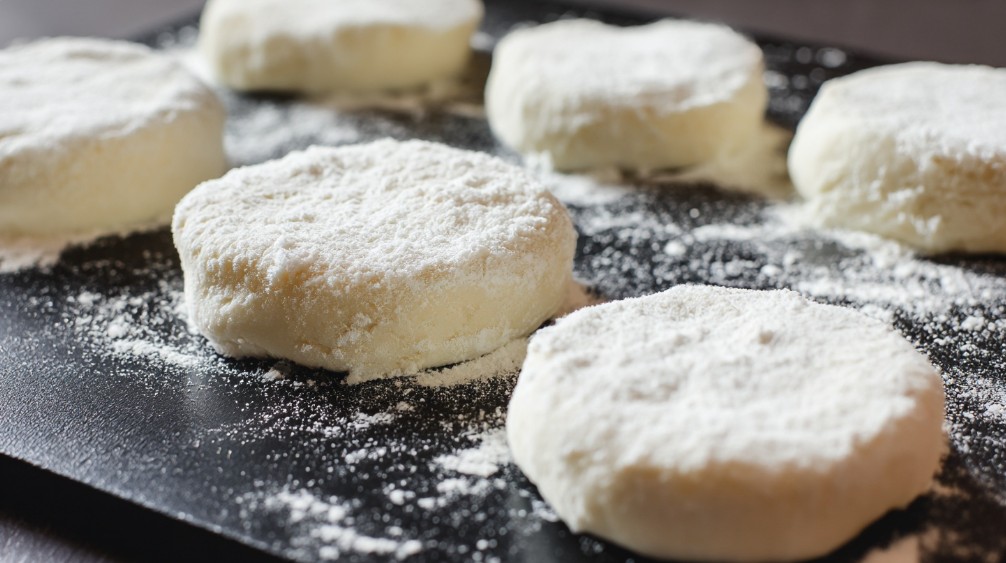
The first thing to look at is the cheese. It seems like there’s no difference, but in fact, the difference is noticeable even to the touch. Good cheese for a casserole is not too dry, not watery, without large lumps. When you take it in your hand — it’s slightly sticky, but not flowing.
If the cheese is grainy, the casserole will have lumps. If very moist, you will need to either drain it or add more flour or semolina. A friend of mine always strained the cheese through a sieve, and her casserole was especially tender. I sometimes use a blender, but it’s important not to over-blend the cheese to a paste. Some texture should remain — then the casserole won’t be ‘rubbery’, but will retain the character of the cheese.
The smell of the cheese will also tell you a lot. If the cheese is sour — even a lot of sugar won’t help. Then it’s better to mix with a milder cheese or at least add a little lemon zest — it will mute the sourness. But the best option is to taste the cheese before mixing the mass.

Eggs, flour, semolina: how they affect the structure
Eggs are the glue for the whole mass. They hold the shape, but their quantity is a fine line between a tender casserole and a dense one, like an omelet. If someone says ‘put this many eggs’ — don’t believe it. Look at the cheese: if it’s drier, you can add another egg; if it’s moist — better limit it. I had a case where I added an extra egg, and instead of a casserole, I got almost a baked pudding. The taste was good, but not what I wanted.
Flour or semolina is an absorbent. They absorb excess moisture and stabilize the mass. Semolina gives a more porous, ‘semolina’ texture, flour — more homogeneous. It’s easy to overdo it here: add too much, and the casserole will resemble bread. Don’t add enough — it will fall apart. I like to add semolina 15-20 minutes before baking: it has time to swell, and the structure comes out even. If you rush and immediately put the casserole in the oven, the semolina won’t absorb the liquid — and the casserole may flow.
Tip: if the mass seems too liquid, let it stand for 10-15 minutes. You’ll see it thickens, and then you can adjust the consistency.
Sugar, salt, and aroma: the fine balance
Many are afraid of salt in a sweet casserole, but a pinch of salt emphasizes the taste of the cheese and balances the sugar. I always add a pinch, even if the casserole is for children. With sugar, it’s also an interesting story: it seems that a lot is good, but the cheese ‘eats’ the sweetness, and often you have to add more.
Flavorings are a matter of taste. Vanilla, lemon or orange zest, a little cinnamon, or even cardamom. I like to add lemon zest — it refreshes and slightly removes the milky taste. But the main thing here is not to overdo it. I once experimented with orange zest: added too much, and the casserole already smelled not like cheese, but almost like eggnog. So it’s better to taste the mass before baking — this is your chance to adjust the taste.
When cooking for children, it’s important to know more details, here in the article are the details: cheese casserole for children: from what age and how to cook.
Temperature and shape: how they affect the result
This is where the real magic begins, and many disappointments. Many put the casserole in a very hot oven, thinking it will brown faster. But at high temperature, the casserole sets on top, and inside it remains semi-liquid. Then, when you take it out — it sinks, and comes out low and moist.
My experience shows: the ideal temperature is medium, 160-180°C, depending on the oven. I always start at 170°C and watch how the mass behaves. If you see that the edges are already golden, and the middle still ‘plays’ — it’s better to turn off the oven and let the casserole stand inside. It will come to itself, and won’t be dry.
The shape also matters. A high shape gives a more moist center, a wide and low one — evenly baked. I like to take a ceramic form: it heats evenly, and the casserole doesn’t burn from the bottom. But if not — any will do, the main thing is to grease with butter and sprinkle a little with semolina or breadcrumbs. This creates a protective layer and gives a nice crust.
How to know when the casserole is ready
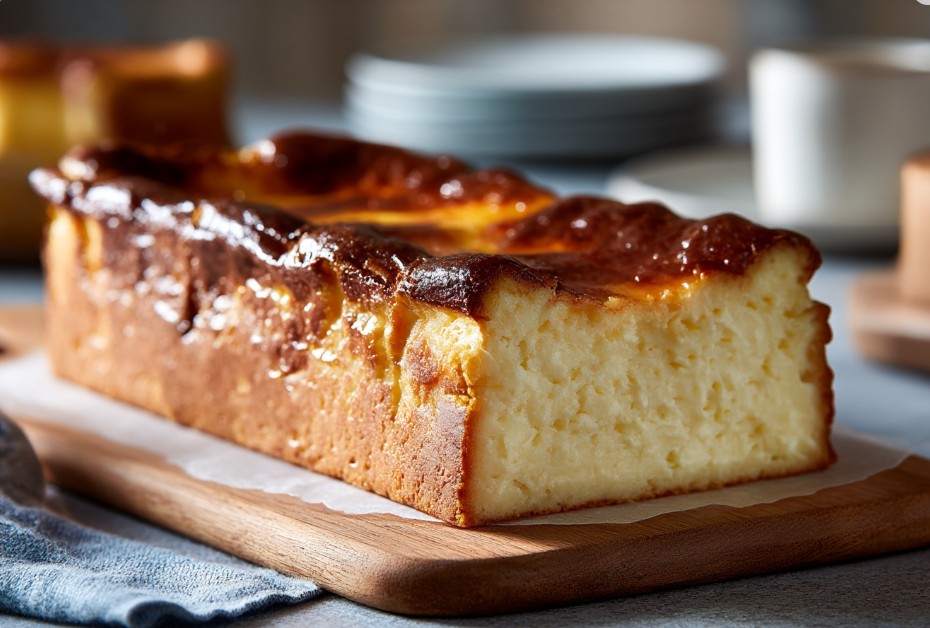
One of the most common fears is ‘how to know it’s ready?’ Here it’s not enough to trust only time. Look at the appearance: the edges should be golden, the middle — slightly springy, but not wobbly like jelly. If you press a little with a spoon — a crust forms on top, and the mass underneath is no longer liquid.
I sometimes use a wooden skewer: I dip it in the center and see if it comes out clean. But don’t wait for perfect dryness — the casserole will firm up a bit as it cools. If you over-dry it — you’ll lose tenderness. It’s better to let it ‘mature’ in the turned-off oven or just on the table under a towel.
Life hack: if the top is already brown, and the inside is still raw — cover with foil and let it bake. So the casserole won’t burn, and the mass will stabilize.

Common mistakes and how to avoid them
- Overdoing with liquid. Adding too much sour cream, milk, or softening the cheese — the mass doesn’t hold shape. If the cheese is moist, it’s better to drain it through cheesecloth or not add extra liquid.
- Too hot oven. As mentioned, high temperature quickly browns the top, but doesn’t bake the middle. Place on the middle shelf and don’t rush.
- Not letting the mass rest. If you added semolina or flour, give them time to absorb the liquid. Otherwise, the casserole will have ‘wet’ layers.
- Dry or sour cheese. Check the taste before mixing with eggs. If sour — add a little sugar or zest. If dry — you can pour a spoon of kefir or yogurt, but no more.
- Too much flour or semolina. The casserole will become a ‘cake’, not tender. Add gradually and watch the consistency.
I once forgot to let the mass with semolina rest — I was in a hurry because guests were already waiting. As a result, the casserole came out uneven, with raw semolina pieces. Not critical, but not the same taste. You might find it useful to know: 10 basic techniques every home cook should know.
What to do if something goes wrong
Sometimes things don’t go as planned. The casserole falls apart, sticks to the form, or doesn’t hold shape? Don’t rush to throw it away — almost always you can save the situation.
If the casserole came out too liquid inside — cut into portions and let them dry a bit in the oven at low temperature (120-130°C) for another 15 minutes. If over-dried — serve with yogurt, sour cream, or fruit sauce. Sometimes even a failed casserole becomes a great base for a dessert with berries or jam.
Stuck to the form? Let it cool, then run a knife along the edge and try to remove it with a spatula. If it doesn’t come off — serve in portions, like a pudding. The taste won’t change, and the look can be decorated with berries or powdered sugar.
Tip: if you see the mass is too liquid before baking — add a spoon of semolina, mix and let it rest. This is a simple way to save the situation before it goes into the oven.
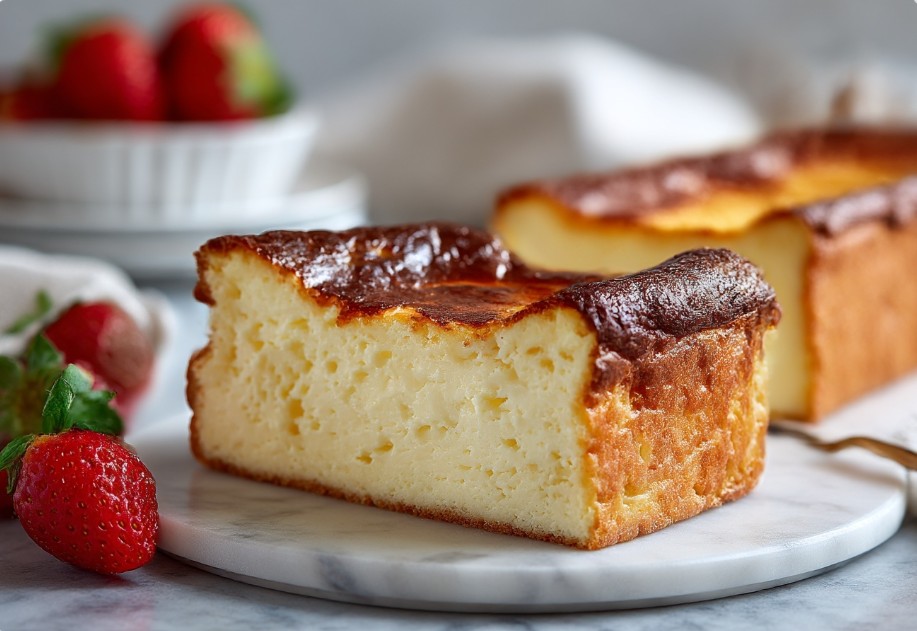
Key sensations: how to recognize the ideal mass
This is a moment my grandmother once explained to me: the mass for the casserole should be thick, but not ‘stand in a heap’. When you mix with a spoon — it doesn’t flow, but gently lays down, retaining its shape. If you run a spoon through it — a trace remains, which gradually disappears. In taste — tender, slightly sweet, but not cloying.
I always taste the mass before baking for sweetness and aroma. If it’s lacking — I add sugar, zest, another pinch of salt. Don’t be afraid to adjust — it won’t hurt, but will make the result closer to what you love.
Another hint is the sound. When you transfer the mass into the form, it doesn’t ‘splash’, but also doesn’t crumble. If you hear the spoon cutting through the air, — the mass is too liquid. If it barely moves — you’ve overdone it with dry components. Over time, these little things are felt intuitively, but at first, it’s better to just watch and try.
Life hacks and little tricks from my experience
- Be sure to grease the form with butter — not only the bottom but also the sides. So the casserole comes off better and has an even crust.
- Add raisins, dried apricots, or apple pieces only after the mass is ready. Otherwise, they may ‘pull’ excess moisture.
- For extra tenderness, add a spoon of sour cream or thick yogurt if the cheese is very dry.
- Always let the casserole cool a bit in the form. When hot — it’s fragile, and after cooling, it holds shape and is easier to cut.
- To make the crust golden, you can brush the top with a little beaten egg or a mixture of yolk and milk 10 minutes before the end of baking.
Once I experimented with adding honey instead of sugar. It gave an interesting caramel note, but the mass became more liquid — I had to increase the semolina. So if you’re trying something new — add gradually and watch the consistency.

Learning to feel the process, not memorize the recipe
Cooking is not about mechanical repetition, but about observation and small decisions at every step. Cheese casserole is a particularly illustrative example. Here everything depends on what kind of cheese, what moisture, what temperature. So don’t be afraid to deviate from the ‘perfect recipe’ and adjust everything to your feelings.
I had a friend who always worried that he wouldn’t ‘do it like someone else’. But after a few tries, he began to trust himself: he tasted the mass, adjusted, tracked the smell. And the casserole came out his own — not perfect, not ‘from the picture’, but alive, tasty, understandable. This is the main technique: not to be afraid to experiment and learn from your own mistakes.
Summing it all up: the perfect cheese casserole is not about a precise instruction, but about attention to detail. Try, feel, don’t be afraid to adjust and make mistakes. This is what will make your casserole special — not like everyone else’s, but yours. And how about you — have you managed to ‘catch’ your perfect balance? Or maybe you have your own little tricks? Share your stories and experiences in the comments.