The Perfect Dough Consistency for Syrniki: How Much Flour is Needed

How many times have you planned to make syrniki and stopped at the dough stage? I remember a friend standing next to me in the kitchen, spoon in hand, asking, “How much flour exactly? A teaspoon? A tablespoon? By eye?” And then you recall your mom’s syrniki, which were fluffy but didn’t fall apart, yet you’re afraid of making a sticky lump that not even your favorite jam can save.
Everyone encounters syrniki dough at least once: it’s capricious, unpredictable, and demands not mathematical precision, but a feel. It’s not about a formula, but understanding how cheese, flour, and hands work. If you’ve ever stood over a bowl wondering why the dough is too sticky or already ‘overloaded’ — this discussion is for you. Because syrniki are not about grams, but about texture, movement, and patience.
Why Dough Consistency Matters More Than Flour Quantity
Let me start with something simple: in syrniki, the main role is not played by flour, but by how you feel the dough with your hands. Flour here is a tool, not the main character. Experience often tells you: when the dough starts to ‘behave properly’, you feel it, even if you haven’t weighed a single gram. Too runny — the syrniki spread, too thick — they become like buns, not delicate cheese clouds.
Here’s what’s important: different cheeses have different moisture levels. Even from the same brand — yesterday the pack was perfectly dry, and today it’s as if someone added a spoonful of sour cream. I’ve seen many times how the same pack of cheese gave completely different results in different hands. That’s why there’s no universal amount of flour that always works.
I remember once arguing with a friend about why his syrniki were ‘flowing’. He said, “I’m doing everything like in the recipe!” But the problem wasn’t in the grams, but in the fact that his cheese was creamy, almost like a paste. So the dough didn’t hold its shape well, and more flour had to be added — but carefully, in small portions.
What the Dough Should Feel Like: Hands-On Experience
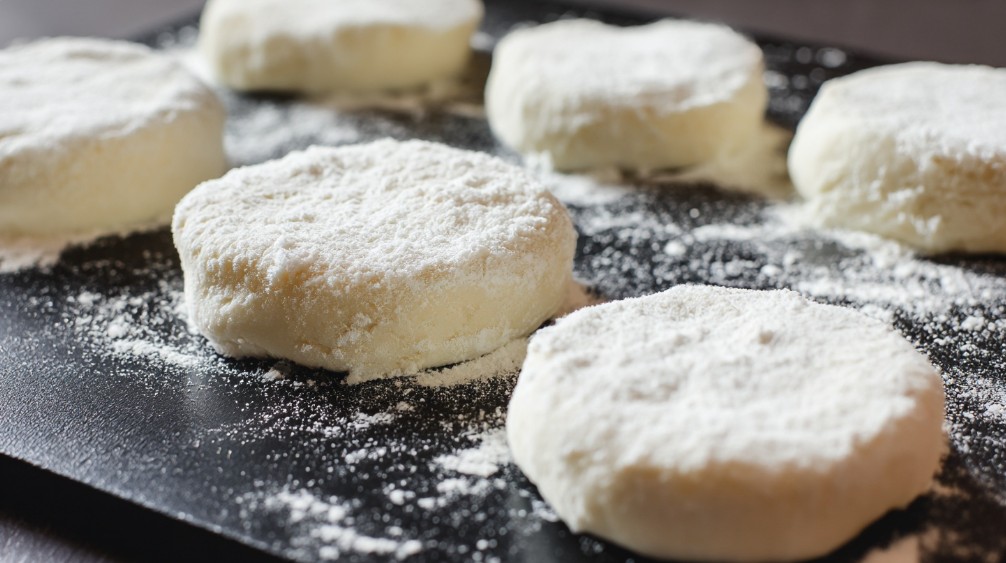
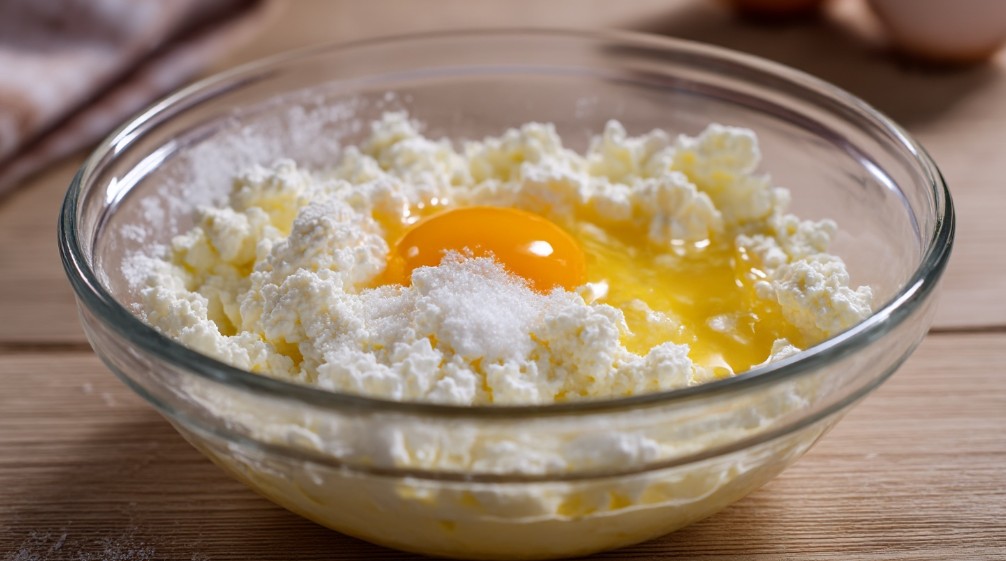
The best dough for syrniki is not sticky, but not too tight either. When you take it in your hands, it clings a bit to your palms but allows you to form a neat ball or patty. Try this: pinch off a piece, try to roll it. If the ball holds, doesn’t spread, but doesn’t look like plasticine — you’re on the right track.
If the dough sticks to your hands so much that you can’t remove it without a spatula, it’s a sign — more flour is needed. But if the dough is already dense and tight, starts tearing instead of bending — you’ve added too much. The intermediate state is the golden standard.
Patience is key here. Flour is not added all at once, but gradually. I often do this: first mix the cheese, egg, sugar, salt. Only then do I add flour — first one spoon, mix with hands. Look at the texture, try to form a syrnik. Sprinkle a bit more — and check again.
Tip: On a home kitchen, it’s always better to add flour by the teaspoon than immediately ‘by eye’. It’s harder to remove excess than to add a little more.
This moment — when the dough listens, not ‘asks’ to spread — is the most pleasant. It gives confidence that the syrniki will hold their shape and be tender.
How Much Flour is Needed for Syrniki: Cheat Sheet
Don’t rely solely on grams — cheese is always different. Below are working ranges for 500 g of cottage cheese.
Very Soft Dough
- Flour:
- 0–1 tbsp
- Appearance:
- sticky, holds shape poorly
- Result:
- tender syrniki, difficult to work with
Optimal Consistency
- Flour:
- 1.5–2 tbsp
- Appearance:
- soft, pliable, doesn’t flow
- Result:
- classic syrniki with balance
Dense Dough
- Flour:
- 2.5–3 tbsp
- Appearance:
- holds shape, almost not sticky
- Result:
- drier, more ‘bread-like’ syrniki
Too Much Flour
- Flour:
- 4+ tbsp
- Appearance:
- dry, crumbly, cracks
- Result:
- not really syrniki
| Type of Dough | Flour (for 500 g of cheese) | Appearance | Result |
|---|---|---|---|
| Very Soft | 0–1 tbsp | sticky, holds shape poorly | tender but difficult to work with |
| Optimal | 1.5–2 tbsp | soft, pliable, doesn’t flow | classic balanced syrniki |
| Dense | 2.5–3 tbsp | holds shape, almost not sticky | drier, more ‘bread-like’ |
| Too Much | 4+ tbsp | dry, crumbly, cracks | not the right taste and texture |
Micro-rule: add flour by ½ tbsp and stop as soon as the dough stops flowing but remains soft.
🥣 How to Know if There’s Enough Flour (Without Scales)
✔ the dough holds a ball shape but flattens easily
✔ doesn’t flow when on the board
✔ slightly sticky without flour but doesn’t spread
✔ syrniki form easily, edges don’t tear
If all points match — don’t add more flour.
❌ Signs There’s Too Much Flour
- the dough is dry and cracks
- syrniki look ‘chalky’
- after cooking, the center is dense
- the cheese flavor is barely noticeable
This can’t be fixed by frying or baking.
🧠 Important Nuances Affecting Flour Quantity
- Wet cheese → needs more flour
- Homemade cheese → often needs the minimum
- Fine-grained store-bought cheese → holds shape better
- Large egg → adds moisture
- Baking in the oven → can use less flour than for frying
📝 A Short Rule That Always Works
Add flour gradually, by ½ tablespoon,
and stop as soon as the dough stops flowing but remains soft.
Factors Affecting Flour Quantity
The first factor is the moisture of the cheese. Homemade cheese can be dry or have a lot of whey. If the cheese is wet, it will ‘drink’ more flour. I usually put the cheese in a sieve for a few hours if I see it’s very wet. This allows not to ‘overload’ the dough with extra flour.
The second factor is eggs. A large egg will make the dough more liquid, a small one — denser. Sometimes even the difference in egg size can affect how much flour you need to add.
The third factor is sugar. The more sugar, the more liquid the dough will be, as sugar draws moisture from the cheese. I’ve encountered this more than once: add an extra spoon of sugar — and you already have to add more flour to keep the shape.
Another small detail is the temperature of the ingredients. Cold cheese behaves differently than warm: just out of the fridge, it’s denser, at room temperature — softer, the dough becomes more liquid. The same goes for flour: sifted, fresh flour usually absorbs moisture more easily than that which has been open for a long time.
Tip: If you have time, take the cheese out of the fridge an hour before cooking. Then the dough will be more predictable, and it will be easier to find the right consistency.
Common Mistakes with Flour in Syrniki Dough
There are several mistakes that even experienced cooks make — and I’ve ‘burned’ on them more than once. The first is the temptation to add too much flour at once. If you pour a cup right away, the dough will become dense, and the syrniki will turn out dry, without that legendary tenderness.
The second mistake is trying to avoid stickiness at all costs. Syrniki dough shouldn’t be completely dry! A bit of stickiness is normal. I’ve had periods when I wanted the mass not to stick at all, and I got syrniki that resembled muffins.
The third is forgetting that excess flour won’t save runny dough if the cheese itself is ‘flowing’. It’s better to pour out the excess liquid or let the cheese drain than to drown in flour.
Another common story is instead of forming syrniki with hands, people start adding flour for ‘convenience’. But then the syrniki don’t rise well, become dense and heavy.
Tip: Don’t overload the dough with flour. It’s better to sprinkle the board a bit when forming syrniki than to ‘save’ sticky dough with extra spoons of flour.
How to Feel the Perfect Texture: Simple Hand Tests
Here, fingers decide everything. If the dough is soft, pliable, but doesn’t spread in your hands — that’s it. Try pressing with your finger — if the dough quickly takes shape but doesn’t stick tightly to the finger, you’re close to the ideal.
Another trick: form a small ball, place it on your palm, gently press from above. If it holds its shape but springs a bit, that’s perfect. If it immediately spreads — more flour is needed. If it doesn’t yield and remains hard — too much flour.
A micro-story from my experience: once I was making syrniki with a child in the kitchen, and he tried to form a syrnik himself. His fingers were sticky, the mass stretched a bit behind his hands. But when he sprinkled his palms with flour, everything worked out easily and fun. This is about the fact that sometimes it’s about the forming technique, not the mass itself.
Tip: If you want to avoid excess flour in the dough, just sprinkle your hands and board with flour during molding — that’s enough for a good shape.
Why Syrniki Fall Apart or Become ‘Rubbery’
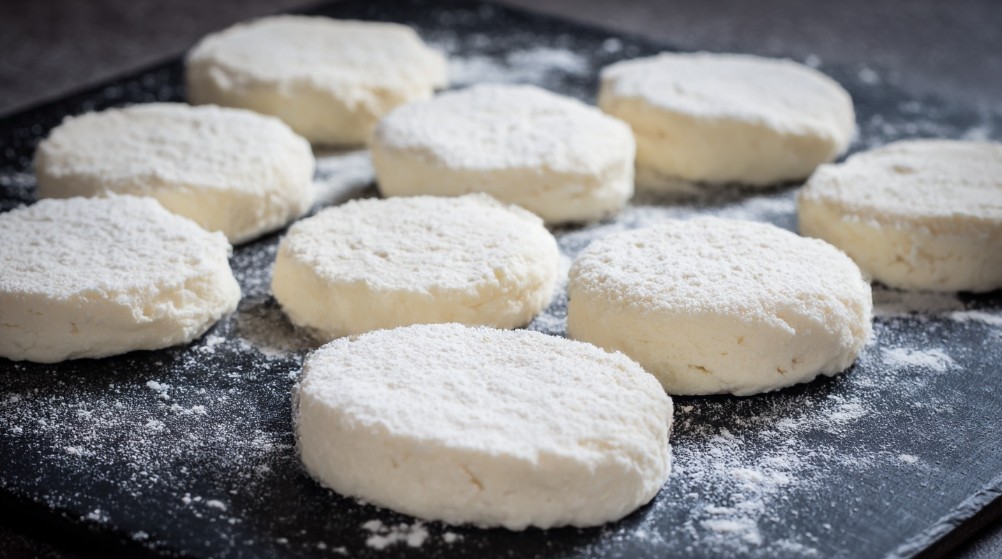
Syrniki usually fall apart because the dough is too runny. There are two options: either the cheese is wet, or the eggs are too large or there’s too much sugar. If the dough is still runny even after adding flour, try reducing the amount of egg — for example, add a yolk instead of a whole egg.
‘Rubbery’ syrniki are a result of too much flour. In this case, the mass becomes dense, and the syrniki lose their lightness. I’ve seen many times how people try to save runny dough with extra flour, and the result is ‘rubber’ that even sour cream can’t fix.
Another reason for ‘rubberiness’ is over-kneading the dough. Syrniki dough doesn’t need to be kneaded for a long time, like yeast dough. It’s enough to just mix the ingredients until homogeneous. I always work with my hands, not a mixer — it’s easier to feel the moment when the dough is ready.
- Sometimes syrniki crack during frying. This is also a sign of over-dried dough.
- If syrniki ‘settle’ after frying, it means there was too much moisture or too little flour in the dough.
Patience and Small Portions: Avoiding Extremes
I’ve participated in master classes where people making syrniki for the first time rushed: “Let’s pour all the flour so it doesn’t stick!” But here the rule ‘less is better’ works. You need to feel the dough, let it sit for a few minutes after mixing: the flour will have time to absorb moisture, and the mass may become thicker even without additional portions.
I sometimes leave the dough for 10 minutes — and only then form the syrniki. I often notice: dough that initially seemed runny becomes perfect for molding.
Tip: If you rush and add too much flour from the start, the syrniki will lose their tenderness. Leave the dough for a few minutes — it will ‘mature’ and show its true consistency.
Another life hack is to form syrniki with wet hands. Water helps work even with slightly sticky mass, without adding extra flour. This is especially helpful when the cheese is very tender, and you want to preserve its structure.
What to Do if the Dough is ‘Overloaded’ or Too Runny
If you’ve already added too much flour, the dough has become dense and unmanageable, try adding a spoonful of sour cream or even a bit of cream. This will help return softness. It won’t always be perfect, but the syrniki will be more tender than if you leave everything as it is.
When the dough is too runny — don’t panic. Let it sit for 10 minutes. If it hasn’t thickened, you can carefully add a bit more flour, but in very small portions, checking the consistency each time. Sometimes adding a spoonful of semolina helps — it will absorb excess moisture without making the dough ‘overloaded’.
Once, when the cheese was too wet, I even dried it in a colander under a paper towel. It took half an hour, but it saved the whole process.
If the dough ‘flows’ even after forming — roll the syrniki in flour or semolina before frying. This will create a strong crust that will help hold the shape.
Tip: Don’t be afraid to experiment with the amount of flour, but remember: cheese and eggs are always different. The main thing is your attention and patience.
Visual, Tactile, and Aromatic Signs of Perfect Dough
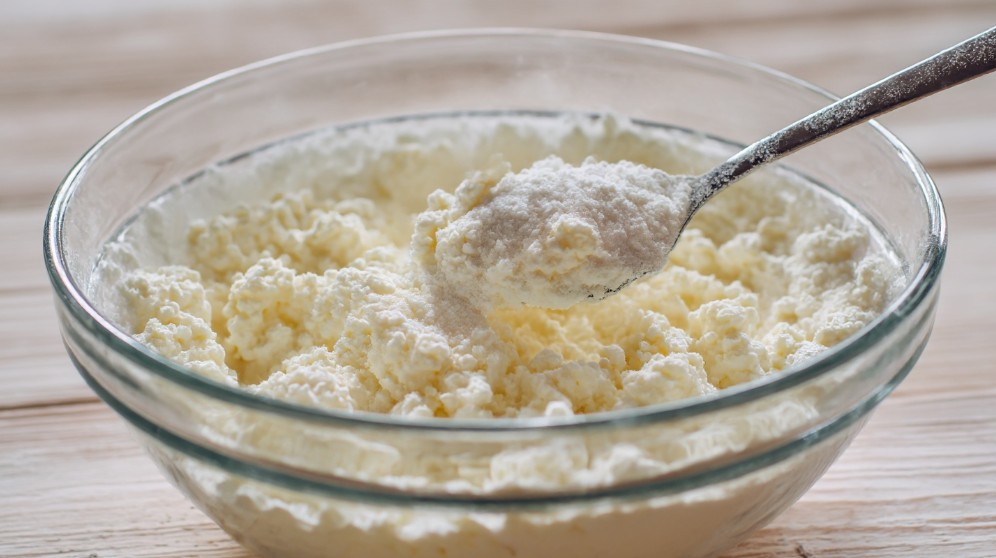
I always rely not on numbers, but on appearance and feel. Perfect dough has a delicate creamy color, without lumps of flour or cheese. To the touch — soft, slightly moist, but not flowing. If you smell it — it smells of fresh cheese, not flour.
When you form a syrnik, it doesn’t spread, doesn’t leave pieces on your hands, but doesn’t look hard either. That’s the ‘golden mean’ you’ll only feel with practice.
During frying, syrniki should easily lift on the spatula, not stick to the pan, and in the air — a soft milky aroma that’s hard to confuse with anything else.
I’ve seen many times how people who are making syrniki for the first time immediately recognize the right consistency: their eyes light up, their hands work confidently, and the fear of ‘ruining’ disappears.
Kitchen Micro-Stories: Learning to Trust My Hands
My first syrniki were either sticky or ‘rubbery’. I was long afraid of doing it wrong and always peeked into the book: how much flour? But once, together with the family, we made five batches in a row — and each dough was different. That’s when I realized: it’s not about grams, but about feeling.
I also remember my grandma saying: “Trust your hands more than the recipe.” She never had scales, but her syrniki were always perfect. I started to fear less, feel more. And now I always tell beginners: try, knead, mash, form — and you’ll feel yourself when the dough is perfect.
Once a friend brought cheese that was like cream. We drained it together, added semolina, experimented with the amount of flour — and suddenly got the very dough that doesn’t stick but isn’t stone. These trials and errors teach more than any instructions.
Technical Tips for Perfect Consistency
- Always sift flour before adding — it distributes better, and the dough becomes more homogeneous.
- Use a sieve for cheese if it’s wet. Draining excess liquid is half the success.
- Add flour gradually, check the texture after each spoon.
- Form syrniki with wet or oiled hands — this way less dough will stick to your palms.
- Don’t be afraid to let the dough ‘rest’ for 5-10 minutes — the flour will ‘mature’ and show its true consistency.
- Sprinkle the board and hands with flour, not the dough itself.
- If the dough becomes too dense, add a bit of sour cream or a spoonful of cream — this will return softness.
Finding Balance: Learning from Mistakes
With syrniki, it’s simple and complex at the same time. You won’t learn to feel the perfect consistency in one go. The main thing is not to be afraid to try, to give yourself the right to small mistakes and ‘overloads’. With each new batch, you better understand the cheese, see how the dough behaves, and no longer stop at questions like ‘how much flour?’, but ask yourself: ‘what does it feel like now?’
Syrniki are not about precision, but about experience and trust in your own feelings. When you first get a real, fluffy, and at the same time tender syrnik — you’ll feel it and won’t forget it. And if something didn’t work out — it’s just another step towards confidence in the kitchen.
Have you ever caught yourself fearing to ruin the dough for syrniki? How do you get out of this situation? Share your stories and failures in the comments — together you’ll learn to feel the true taste of home cooking faster.