


An omelette isn’t just a quick fix if you make it right. It’s a satisfying dish that can be either tender and juicy or turn into dry rubber. It’s the little things that make the difference: the pan, the heat, and the order in which you add the vegetables. I whip up this omelette when I’m short on time but still want a proper meal, not just a snack.

Quick Veggie Omelette
Ingredients
- 6 pcs Eggs Choose fresh eggs for better flavor.
- 2 pcs Tomatoes Dice them.
- 1 pc Bell Pepper Use different colored sweet peppers for brightness.
- 100 g Spinach You can use fresh or frozen.
- to taste Salt Add to taste.
- to taste Black Pepper For flavor enhancement.
- 1 tbsp Oil For frying the omelette.
Method
- In a large bowl, whisk the eggs with salt and pepper until smooth.
- Heat the oil in a skillet over medium heat.
- Add the diced tomatoes and pepper, sauté for 3-4 minutes until soft.
- Add the spinach and cook for another 1-2 minutes until it wilts.
- Pour the egg mixture over the vegetables, cover, and cook on low heat for 5-7 minutes.

- Once the omelette sets, remove from heat and let it rest for 1-2 minutes before serving.


Notes
It's best to lightly sauté the vegetables separately to release their aroma and prevent excess moisture in the omelette. Don't overbeat the eggs—just combine the whites with the yolks to maintain the right texture. Add salt and spices at the end or just a little at the beginning to prevent a watery omelette. Feel free to experiment: cheese, herbs, mushrooms, or even leftover roasted vegetables make great additions to the basic veggies. You can add other vegetables like mushrooms or broccoli for variety. If the omelette is too thick, a splash of milk can lighten it up. Serve with toast or fresh bread for a complete breakfast.
Private Notes
Tried this recipe?
Let us know how it was!This dish is a real lifesaver on busy days: quick, filling, and without the feeling that you’re eating just anything. Vegetable omelets adapt well to whatever you have in your fridge — the ingredients can change, but the principle remains the same. And every time, it turns out great.
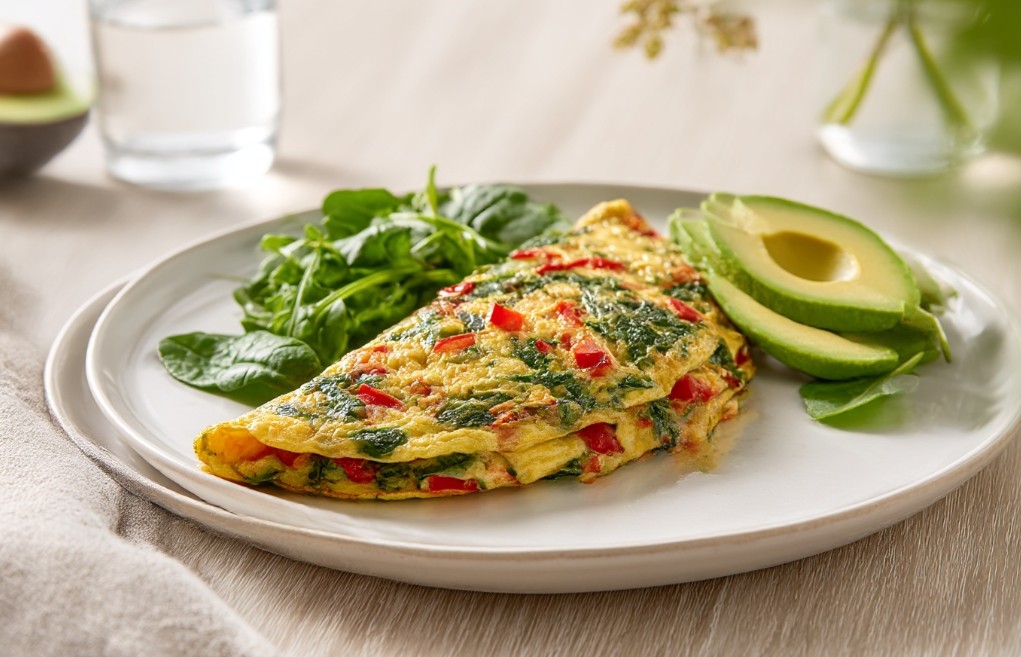
An omelet is one of the most honest dishes in the kitchen. It immediately shows how well you cook: whether you control the temperature, understand texture, and feel the balance. That’s why such simple recipes are so valuable—they’re universal, quick, and unforgiving of complete inattention. Once you learn to make a good omelet, everything else in the kitchen becomes much easier.
A vegetable omelet is a perfect example of how you can create a complete dinner from simple ingredients without overspending. I often recommend such dishes to people who are looking for what to feed the family for dinner when the budget is tight, because eggs, onions, leftover vegetables, and a bit of cheese are real ingredients from a real fridge, not “photo ingredients.” If you’re interested in exploring this topic further, I’ve gathered a separate piece—without theory, just practical solutions.



Responses