Sprouted Green Buckwheat: Trend or Staple

In recent years, green buckwheat has become increasingly common in grocery sections and health food shelves — and not just green, but sprouted as well. Once, buckwheat was a staple for many, a simple porridge without much nuance. Now it’s sprouted, added to salads, smoothies, even bread. I feel this shift not only in the media — people are genuinely asking, trying, and coming back. Some seek health benefits, others a new taste, and some are just curious if it’s another passing trend. But in the kitchen, as in life, not everything that starts with a bang stays for long.
I remember trying sprouted buckwheat for the first time — not as a superfood, but out of curiosity. The smell was fresh, reminiscent of freshly milled grain, and the texture was crunchy but not hard. Since then, this simple grain has gradually found its way into many kitchens. But is it really a new dietary staple or just a convenient excuse to talk about health? I’ll try to figure it out, without getting caught up in the hype.
How Green Buckwheat Became Popular: Context and Origins
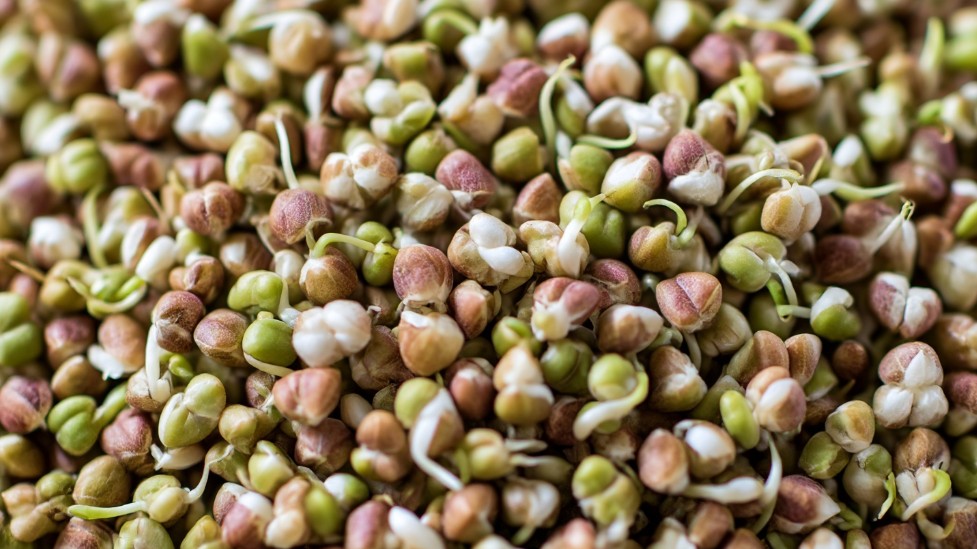
Buckwheat has long been a familiar product for Ukrainians. But the habit of buying green, rather than the traditional brown, is a relatively new phenomenon. Brown buckwheat is steamed, roasted, and has a different taste and smell, and almost everyone knows how to cook it properly. Green buckwheat is simply raw grain that hasn’t undergone thermal processing. This is what allows it to sprout. But why has it come to the forefront now?
There are several reasons. The first is the general wave of interest in everything “alive” and minimally processed. People are looking for food that retains maximum benefits and believe that sprouting awakens the grain, making it more digestible. The second reason is the trend for superfoods and plant-based diets. Buckwheat has become the answer to the demand: on one hand, it’s familiar, on the other — it seems like a “new product” now. And the third reason is accessibility. If 10 years ago green buckwheat had to be sought at the market or ordered online, today it’s available even in supermarkets. Sprouting doesn’t require special equipment or extensive knowledge.
Interestingly, in other countries, sprouted grains have long been part of the daily diet. In Asia, mung beans are sprouted, in Scandinavia — rye and wheat. Buckwheat is a logical continuation of this line, adapted to our climate and habits.
What Makes Sprouted Buckwheat Different: Taste, Texture, Smell
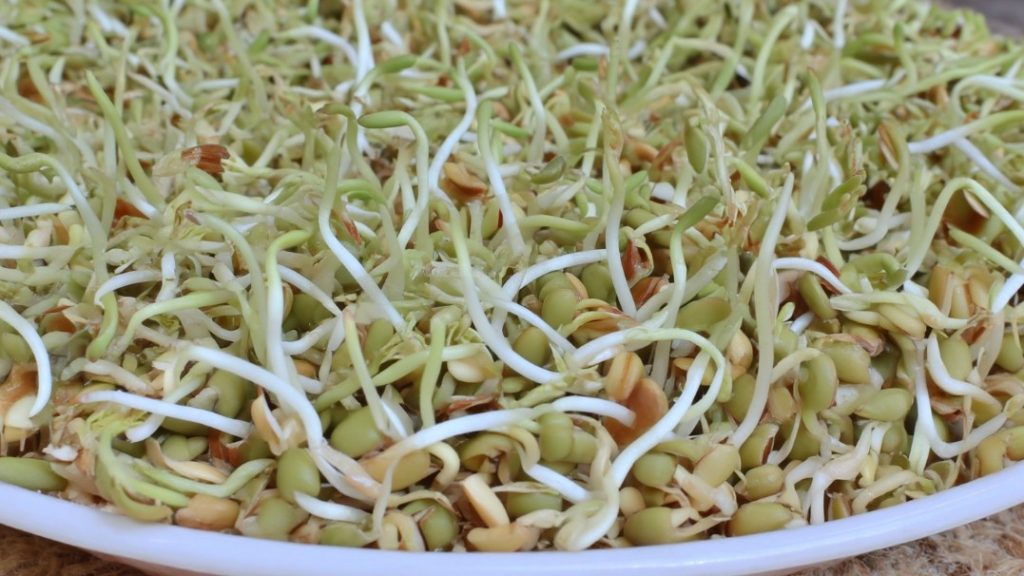
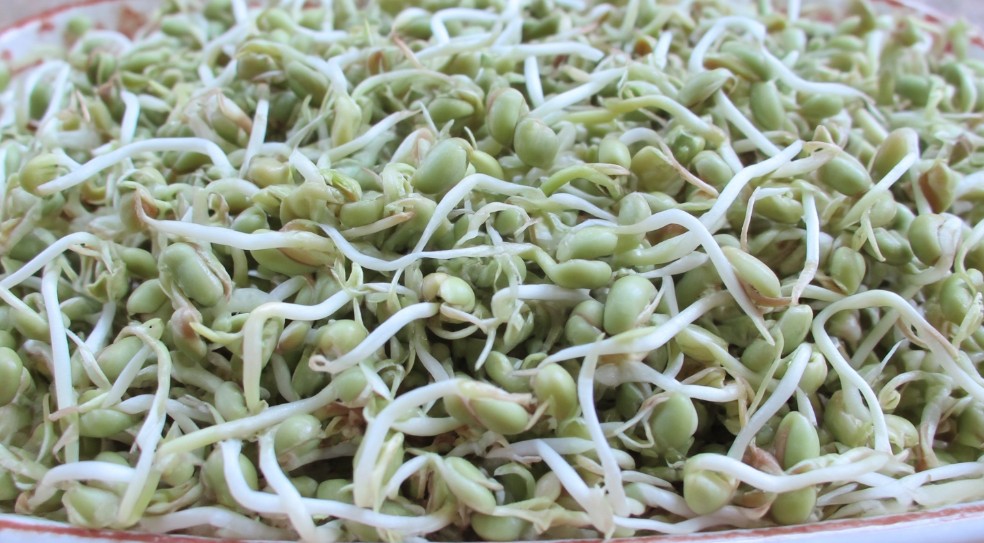
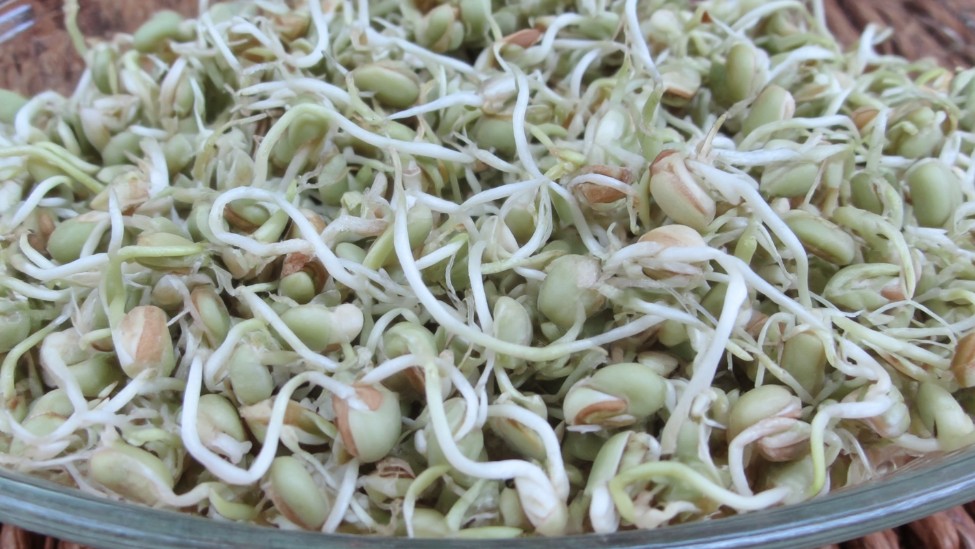
To many, green buckwheat seems bland and even a bit grassy. But when it sprouts, everything changes. I’ve often found that the “crunch” of sprouted grain reminds me of young peas — the kind just picked. The smell becomes fresher, lighter, with a hint of spring earth. To the touch, the grains are no longer dry but slightly soft, yet still firm inside.
The main feature is the texture. Sprouted buckwheat doesn’t fall apart like cooked buckwheat and isn’t hard like raw. It’s crunchy but not prickly. In salads, it adds a feeling of “live” food, in smoothies — lightness. Important: sprouted buckwheat doesn’t need to be cooked. It’s ready to eat right after sprouting and rinsing.
Compared to sprouted wheat or chickpeas, buckwheat is less sweet but also not as starchy. It sprouts from green grain in literally a day or two, which also adds to its appeal: no need to wait a week like with some other grains.
Tip: if you want maximum crunchiness — sprout only until small “tails” appear, no longer.
Why Sprout: Real Benefits or Self-Suggestion
Here, it’s worth being honest. Sprouted buckwheat is often talked about almost mythically: “live energy,” “opens chakras,” “cleanses the body.” I’m not a fan of such formulations. Practice shows: the main benefit is in the ease of digestion and freshness of taste. When sprouting, enzymes are activated in the grain, making some carbohydrates and proteins more accessible to the body. B vitamins, a bit of magnesium, iron — all of this is there, but not in magical amounts.
For those who don’t tolerate heavy food well, sprouted buckwheat can indeed be a lighter option. Especially in summer, when you crave something light, cold, fresh. I myself replaced bread with it in snacks, and the feeling of fullness lasts longer than from cooked porridge. Another plus is the absence of gluten. For people with gluten sensitivity, it’s almost an ideal base for salads or even a “base” for sandwiches.
Is there self-suggestion here? Maybe a little. Any new taste adds a feeling of self-care. But the basic benefit is not made up. Buckwheat doesn’t become a superfood just because it sprouted, but it doesn’t lose its value either. If done regularly, the diet gains more variety and freshness.
How to Sprout Buckwheat: Personal Experience and Nuances
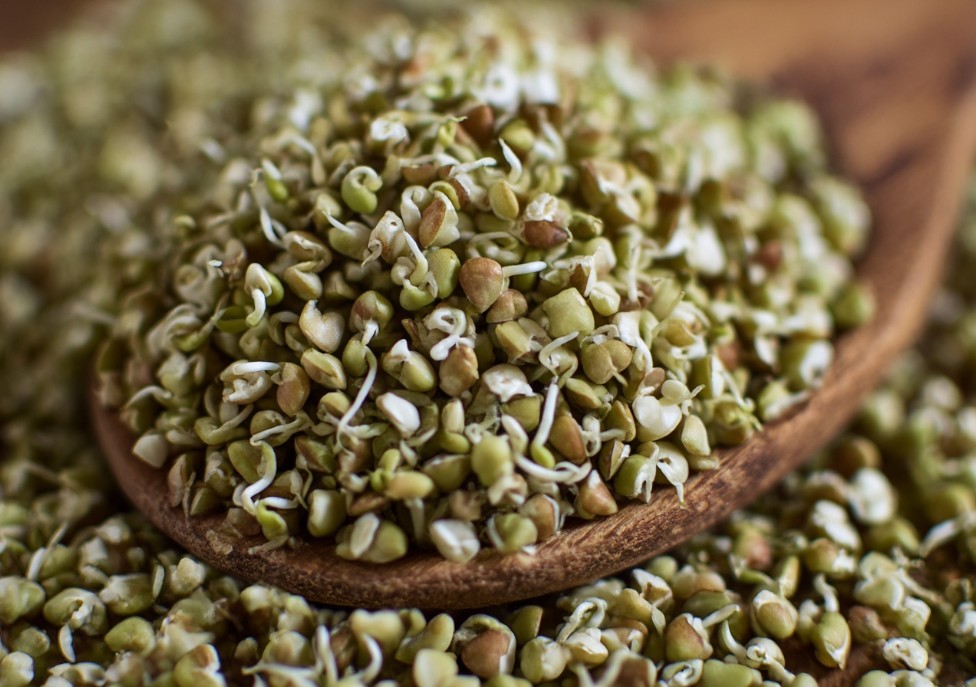
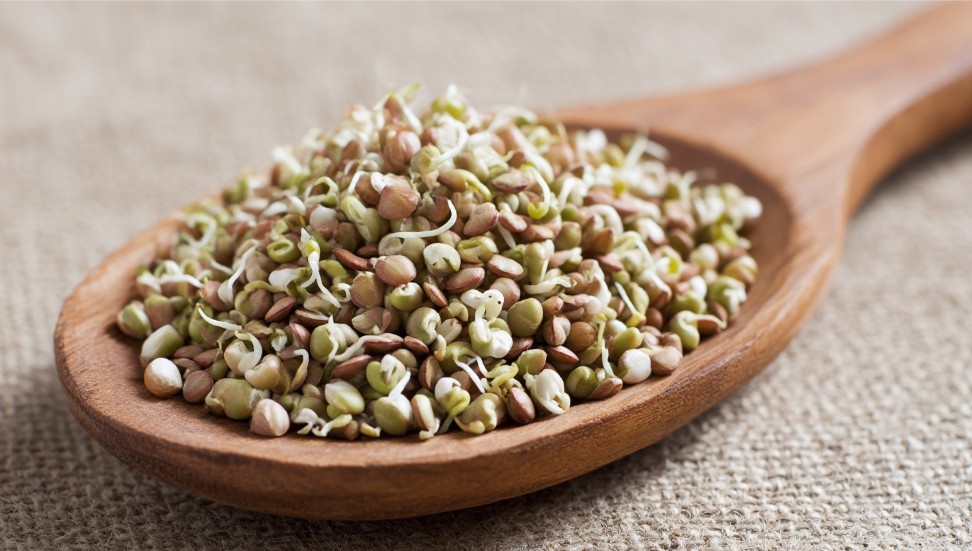
It’s simple, but there are a few details that many stumble over. I’ve often seen people whose buckwheat doesn’t sprout or starts to smell. The secret is in the water and cleanliness. I always use filtered water (or just settled), thoroughly rinse the grains, soak them overnight, and in the morning drain and let them “breathe” in a sieve or a thin layer on a plate. In 12-24 hours, the first tails appear — this is the finished product.
It’s important not to keep the grains in water for too long. If left for another day, there will be a sour smell, slime. Another thing I’ve noticed: not all batches of green buckwheat sprout equally. Sometimes in stores, you find grain that has been dried or partially steamed. It won’t sprout — a waste of time. If you want to be sure, buy from trusted suppliers or at the market, from those who sell specifically for sprouting.
Tip: for the first few times, sprout a small portion (a handful) to understand how your buckwheat behaves and not spoil the whole package.
My life hack — after rinsing, leave the grains in a colander, cover with a damp napkin, and place in the shade. Not in the sun, not near the radiator, and not in the fridge. The kitchen is the ideal place. In spring, it sprouts faster, in winter — a bit slower.
Where and How Sprouted Buckwheat is Used: Real Examples
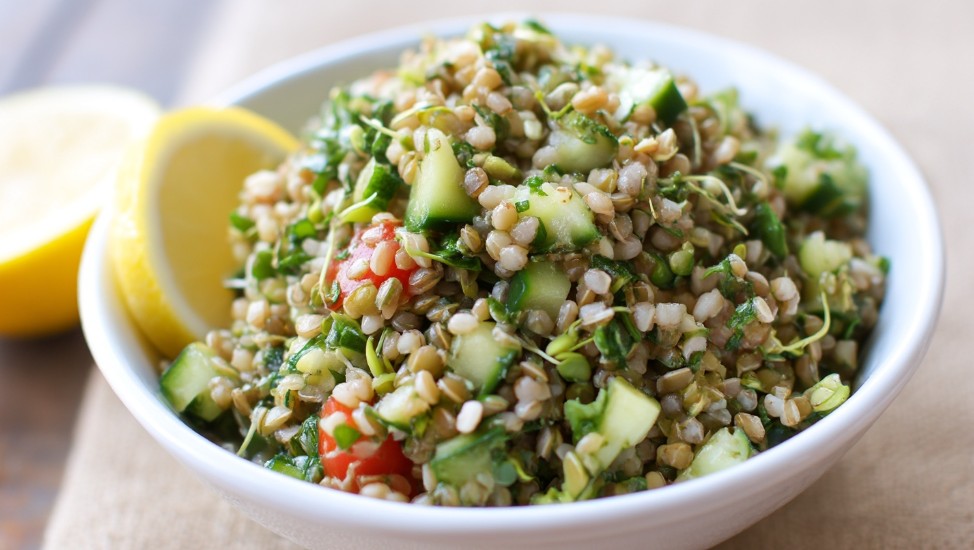
I’ve seen sprouted buckwheat on the menu of various establishments — from vegan cafes to classic restaurants. But most often it’s added to salads, rolls, smoothies, yogurts. In home use, it’s even simpler: for me, it often becomes the base for a quick breakfast or snack. I mix it with vegetables, greens, add it to cheese, or even use it as a filling for stuffed vegetables.
It’s worth noting that sprouted buckwheat isn’t for everyone. Some don’t like its taste, others don’t like the texture. But if you introduce it gradually, experiment with combinations — it reveals itself from different sides. I once tried adding it to bread instead of part of the flour — the result was surprising, the dough became more moist and aromatic.
Another interesting point — sprouted buckwheat holds its shape well even in hot dishes if added after cooking. So don’t be afraid to experiment, even if not everything turns out perfectly right away.
- Salads with crunchy vegetables
- Smoothies for freshness
- Addition to yogurt or kefir
- Filling for vegetables
- Base for “energy” bars
My advice: mix sprouted buckwheat with lemon juice and olive oil — you’ll get a simple but very “alive” snack.
Why Sprouted Buckwheat Became a Trend Now: Deeper Reasons
At first glance, it’s just a health trend. But if you dig deeper, the reason lies in the attempt to control what we eat. People increasingly distrust industrial food, seeking simple ways to regain the feeling of “I know what’s on my plate.” Sprouting is a process that happens at home. We see the grain come to life, smell it, touch it with our hands. This restores a sense of contact with food.
Another reason is savings. Sprouted buckwheat is inexpensive, can be made at home without special equipment. For many, it’s a way to diversify the diet without spending a lot of money. Previously, similar “healthy” products were associated with something unattainable or very expensive, but now everything has changed.
And also: the number of people who refuse meat or reduce its consumption is growing. Sprouted buckwheat is a good plant-based alternative, especially for those looking for protein but don’t want to consume soy or other exotic products.
Tip: if you’re not sure you’ll like the taste — try a small portion first, adding it to familiar dishes.

What Will Remain: Hype or New Kitchen Staple?
Here, it’s worth separating the wheat from the chaff, as they say. Anything that becomes massive very quickly risks disappearing just as quickly. But sprouted buckwheat is not a novelty. Our grandmothers sprouted it, they just didn’t call it a “superfood.” Many families had the experience of sprouting grain for chickens, and then for themselves — as a vitamin in the season of vitamin deficiency.
Today’s hype is just the outer layer. The real value is that the product returns to the kitchen in a new role. I see that green buckwheat won’t disappear from the shelves, even when the wave of health and “live” trends passes. The reason is simple: it’s practical, accessible, diverse in use. It’s not a mandatory base for everyone, but for many, it’s another brick in their own “food foundation.”
From my experience, such products remain when people understand their flexibility. Sprouted buckwheat is not necessarily a breakfast for a fitness blogger. It can be just a crunchy addition to a regular salad, a childhood snack, or even a few spoons at work instead of sweet bars.
Common Mistakes and How to Avoid Them
Even a simple sprouting process has its pitfalls. Here’s what I’ve encountered (and seen in acquaintances):
- Using buckwheat that is not suitable for sprouting (pre-steamed, overdried) — the grains won’t sprout, they’ll just swell and spoil.
- Leaving the grain in water for more than 12 hours — a sour smell, slime appears, everything will have to be discarded.
- Insufficient rinsing — the grain starts to spoil, there’s an unpleasant smell.
- Storing sprouted buckwheat at high temperatures — it spoils quickly, especially in summer.
- Trying to sprout a large batch at once — better to do it in portions, so as not to overload yourself and not throw away spoiled ones.
My mistake at the beginning was simple: I wanted everything at once, sprouted a whole package. Half spoiled, and the rest lost its crunchiness. Now I do it in small portions, store in the fridge for no more than two days. If anything is left, I add it to hot soups or stewed vegetables, not letting it go to waste.
Tip: if the buckwheat has even a slight sour smell — better not to eat it, your body will thank you.
Practical Tips for Everyday Use
- Always rinse the grain before and after sprouting — this is the foundation, without which there will be no taste or safety.
- Add sprouted buckwheat to salads at the very end to preserve crunchiness.
- For a quick breakfast, mix it with natural yogurt, apple, and a handful of nuts — filling and fresh.
- Don’t be afraid to experiment: add some spices, for example, turmeric or paprika — the taste will become more interesting.
- If there’s leftover sprouted buckwheat — dry it in the oven and use it as a topping for soups or salads.
Personally, I love mixing sprouted buckwheat with greens and lemon juice: it makes a simple, fresh snack that reminds me of spring even in winter. By the way, kids often like the crunchiness — it’s a good way to introduce them to new products without stress.
Is Sprouted Buckwheat a Trend Worth Attention for Years?
Summing it all up, I see this picture: sprouted green buckwheat is not just a short-term trend. It has every chance to remain in the diet of those who love experiments, appreciate fresh taste, and simplicity. Yes, some people will try it and forget — as it happens with many internet trends. But for others, it will become another “personal classic.”
I don’t see grounds for sensationalism or idealization. Sprouted buckwheat won’t solve all dietary issues, but it doesn’t require much effort or money either. It doesn’t oblige you to go vegan or count every gram of protein. Just a product that adds liveliness and naturalness to daily nutrition. If you tried it and didn’t like it — that’s normal. If you found your combination — congratulations, you have another “own” dish.
Have you tried sprouted buckwheat in your menu? Or maybe you have your own observations or stories with this product? Share your experience — it’s interesting to know how it takes root in different families and kitchens.
Frequently Asked Questions and Answers
What is sprouted green buckwheat?
Sprouted green buckwheat is untreated buckwheat grains that are soaked and allowed to sprout. In this form, buckwheat is easier to digest and has a softer, fresher taste.
How does green buckwheat differ from regular buckwheat?
Regular buckwheat is thermally processed, so it doesn’t sprout. Green buckwheat is raw, unroasted, and can be sprouted and consumed without cooking.
How to properly sprout green buckwheat?
Rinse the buckwheat, soak it in water for 6–8 hours, then drain the water and leave it in a warm place, rinsing periodically. Sprouts appear within 12–24 hours.
How long can sprouted buckwheat be stored?
In the refrigerator, sprouted green buckwheat can be stored for 2–3 days in a closed container. It’s important that it doesn’t have a sour smell.
Can sprouted buckwheat be eaten raw?
Yes, it can be eaten without thermal processing. It has a soft texture and is well-suited for salads, bowls, or as a breakfast base.
What does sprouted green buckwheat taste like?
The taste is very mild, slightly nutty, with a light fresh note. It’s not bitter and pairs well with both sweet and savory ingredients.
Is sprouted buckwheat suitable for a daily diet?
Yes, but it’s better to introduce it gradually, especially if you haven’t consumed sprouts before. For many, 2–3 times a week is sufficient.
Can sprouted buckwheat be given to children?
Yes, but in small amounts and after consulting with a pediatrician, especially for young children. It’s often added in a crushed form.