Sugar-Free Banana Bread: What Actually Works

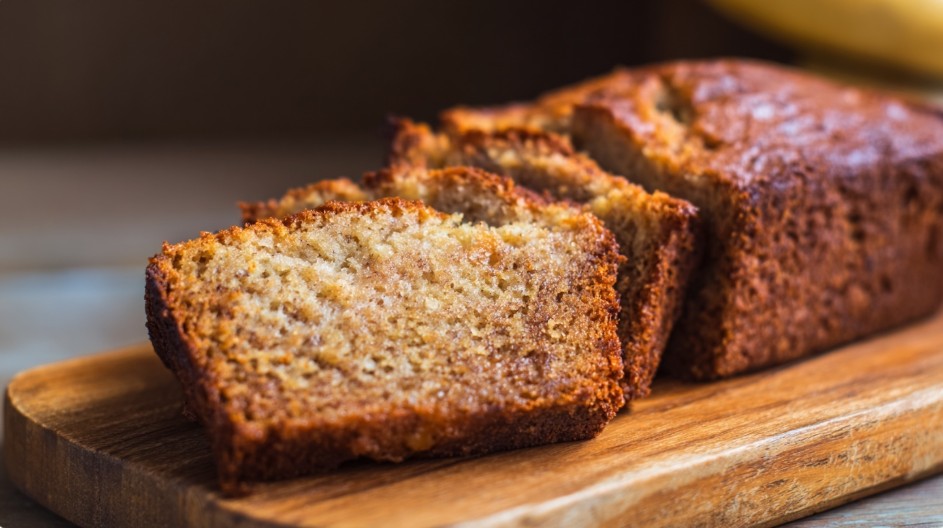
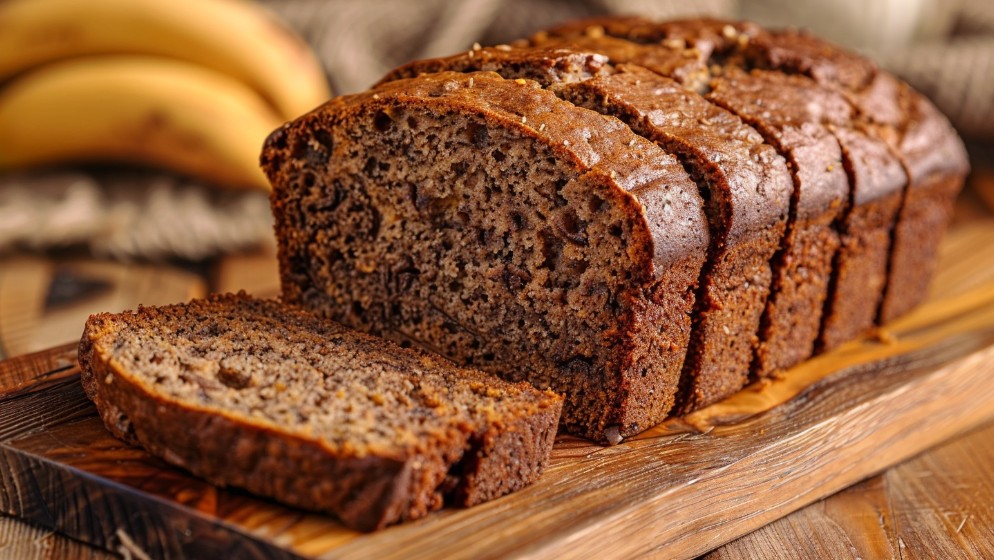
There’s a very specific kitchen moment almost everyone knows: a bunch of bananas on the counter that were “totally fine” yesterday, and today they’re spotted, soft, and smell sweet in that slightly overripe way. Tossing them feels wrong. Eating them as-is? Not really appealing anymore. And that’s when banana bread pops into your head.
And then the nuances start. Some people want it “sugar-free” because they don’t want extra sweetness, because the kids are already asking for treats all day, or simply because after standard baking it’s way too easy to go back for another slice… and another. But “sugar-free” can sound like a sentence: dry, bland, rubbery, “like cardboard.”
I’ve seen people get disappointed right here more times than I can count: everything seems correct, yet the loaf comes out dark, wet in the middle, or the opposite—crumbly and smelling like baking soda. The truth is, sugar-free banana bread can be genuinely homey, fragrant, and soft. You just need to understand what’s giving sweetness, what’s holding the structure, and how not to push the batter into extremes.
I like the “actually works” approach: not picture-perfect, but reliable in a regular oven, with bananas at different stages of ripeness—while someone’s doing homework, someone’s asking for water, and you’re trying not to burn the nuts in a dry pan.
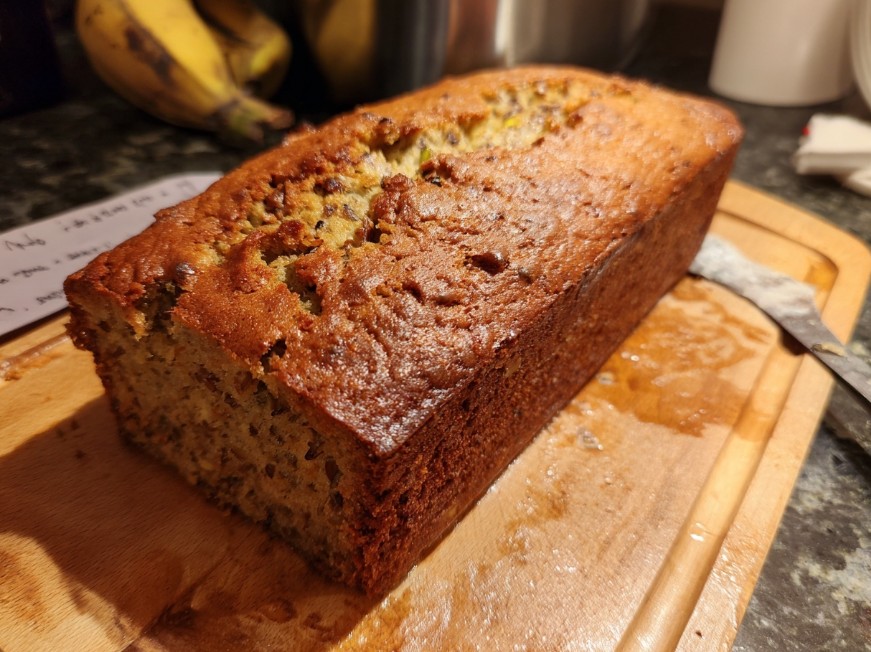
What we really mean by “sugar-free”
When people say “sugar-free banana bread,” they often mean completely different things. For some, it’s “no white sugar.” For others, it’s “no sweeteners at all.” And some people just want it not cloying—a soft, natural, banana kind of sweetness, not cupcake-with-frosting sweet.
In my kitchen, I always start with one honest question: what problem are we actually trying to solve? If the goal is to break the habit of “sweetening on autopilot,” bananas already do half the job. If the goal is a calmer snack for kids, then structure matters too—will it hold together, will it crumble in a backpack, will it get sticky on little hands?
Here’s what helps keep it simple:
- No added sugar — bananas + other ingredients, but no granulated sugar or syrups.
- No “sweeteners” — only sweetness from fruit/dried fruit, which also affects texture.
- Less sweet — often the best option: a small sweet accent (a date or a handful of raisins) and it still feels like “everyday food,” not a celebration dessert.
I don’t love turning this into ideology. Food is part of life. Some days you want something sweet and that’s fine. Other weeks you want things simpler and lighter. Sugar-free banana bread is really about flexibility: making it tasty enough that you don’t feel the need to “make up for it” with something else.
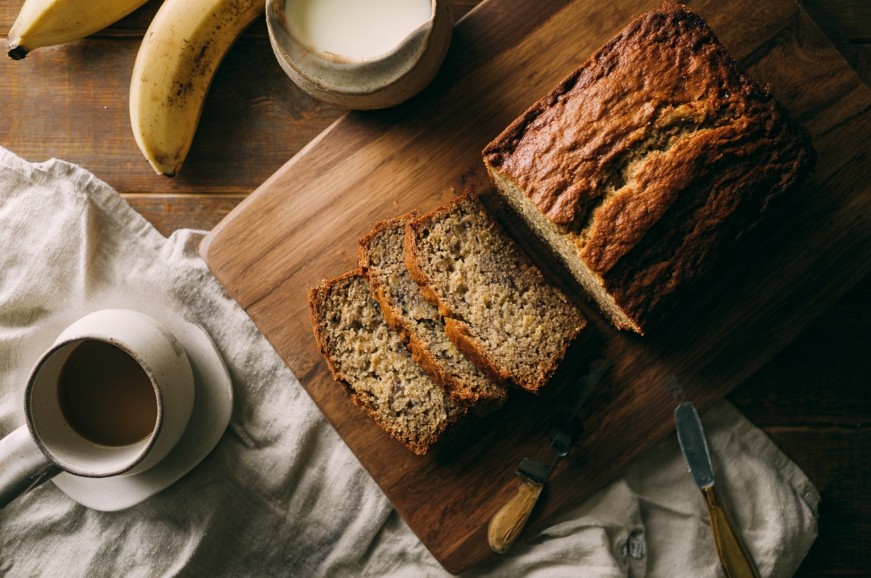
Banana sweetness: how to read ripeness (and not mess it up)
The main “sweetener” here is the banana. And bananas can be sneaky. Two can look identical, but one gives you honeyed sweetness and aroma, while the other is mostly starchy flesh that makes the batter heavy.
How it feels in real life: a ripe banana mashes with a fork almost effortlessly; the mash looks glossy and smells so good you want to eat it straight from the bowl. Overripe is even sweeter, but if it’s very dark and watery it can bring a slightly fermented note. Underripe holds its shape, mashes in lumps, and in the finished loaf it reads as dry and kind of “empty.”
My go-to banana guide
- Ideal: yellow with brown freckles, soft but not leaking.
- Also great: very spotty, almost brown—super aromatic, just watch the batter moisture (don’t overdo the wet ingredients).
- Tricky: yellow with no spots or slightly green—better not to go fully no-added-sugar with these; it won’t taste right.
Hack: how to “ripen” bananas quickly
If your bananas aren’t ripe yet but you’re out of time: put them in the oven at a low temperature until the skins darken and the kitchen smells strongly of banana. Cool, then use the flesh. It’s not magic, but the flavor gets noticeably bolder.
Quick story: once, during a café shift, the bananas just weren’t ready—and banana bread was on the plan. I did exactly this: warmed them, cooled them, blitzed the flesh. The difference wasn’t “sweet/not sweet,” it was aroma. That warm banana smell showed up and hung around the kitchen for an hour after baking.
What replaces sugar in baking: it’s not just sweetness
In classic baking, sugar isn’t only about taste. It helps with crust color, it holds onto moisture, and it affects the crumb. So when we remove sugar, we need to honestly “cover” those jobs with other ingredients—otherwise you’ll end up with a wet center or a dry, sad loaf.
In banana bread, the banana does some heavy lifting: it’s sweet, it’s moist, and it brings a bit of stickiness that keeps things soft. But sometimes it’s not enough—especially if you want a loaf that still slices nicely on day two instead of turning into crumbs.
Realistic alternatives that work at home
I’m not into exotic ingredients you’ll never use again. These are the swaps that actually live in a normal kitchen:
- Dates (paste or finely chopped): add a caramel note and moisture. Don’t overdo it or you’ll get “sticky cake.”
- Raisins: the simplest option. They work like little “sweet spots,” but too many can make the loaf feel drier.
- Applesauce (unsweetened): adds moisture, makes the crumb more tender, and gently boosts perceived sweetness.
- Ripe pear: softer than apple, with a delicate aroma. Great if your bananas aren’t super sweet.
- Carrot (finely grated): not “sugar sweet,” but it adds juiciness and body.
Quick story: I once made banana bread “banana-only,” and it was tasty—but on day two it got denser, like it tightened up. Next time I added a bit of applesauce and the difference was huge: more like “fresh from the oven” even the next day. Not sweeter—just softer.
Hack: you can boost sweetness without sweeteners
A pinch of salt plus a little cinnamon/vanilla makes banana sweetness feel stronger. You’re not adding sugar, but your brain reads the flavor as more “complete.”
Also: a handful of toasted nuts or seeds adds aroma that often replaces that “dessert” feeling. When the loaf smells like banana and toasted nuts, you don’t get that nagging “something’s missing.”
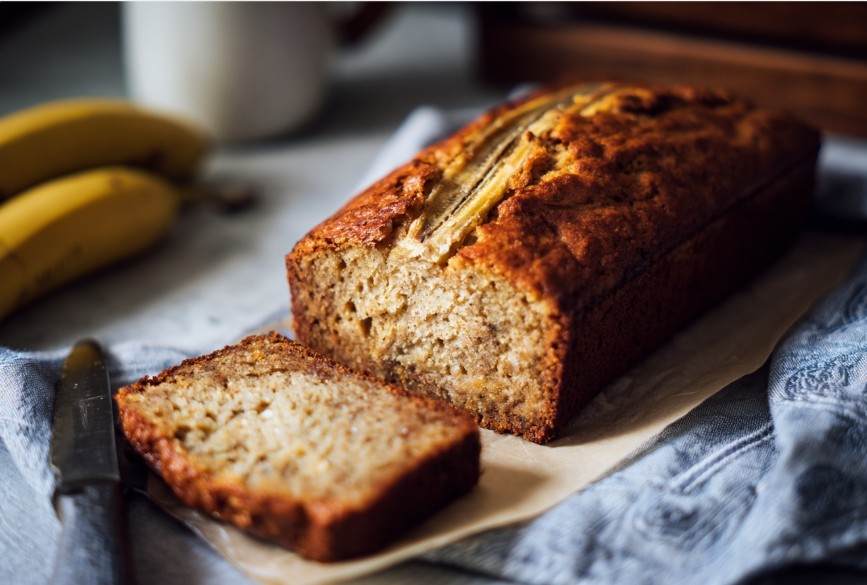
Flour, eggs, fats: how to build structure so it’s not “wet” or “rubbery”
The most common issue with sugar-free banana bread is texture. People expect that soft, cake-like crumb and end up with either “pudding” in the middle or a dense slice that drags under the knife. It all comes down to balance: moisture (bananas, purée), dry ingredients (flour/oats), binders (eggs or alternatives), and fat (oil/butter/yogurt).
I like to think of the batter like wet sand for sandcastles. It should be moist, but it should hold its shape. If it pours, it’ll bake up wet. If it’s like modeling clay, it’ll be heavy and tight.
Flour: what changes the bite
- Wheat flour gives the most predictable result and the most tender crumb. If this is your first time going no-added-sugar, I’d start here—no heroics.
- Whole wheat adds a nutty flavor and more density. It’s great, but it often needs more moisture and a little rest time for the batter.
- Oat flour (or finely ground oats) makes it feel more “homey” and a bit moister. Too much can turn gummy.
Quick story: once I tried to “healthify” everything at once—oat flour, whole wheat, lots of banana, barely any fat. The flavor was fine, but the tenderness was gone: hard to slice, sticky crumb. Since then, I don’t throw everything into one bowl unless I know exactly why.
Eggs and swaps: lift and structure
Eggs give structure and help the loaf rise more evenly. When people remove eggs, they often use something like ground flax/chia mixed with water—this works as a binder too, but the texture will be different: denser and moister. Not bad, just a different personality.
If you have yogurt or kefir at home, they can support softness, but they won’t replace an egg one-to-one. I usually don’t chase an exact copy—I make a good loaf with what I’ve got.
Fat: a little goes a long way
Without sugar, baked goods can taste a bit “flat.” A little fat (oil, butter, nut butter) makes the crumb more tender and adds that satisfying richness. You don’t need much. Just don’t fall into the trap of “if it’s sugar-free, it has to be as lean as possible.” In real life, those extremes are exactly what make you want to rebound straight into something very sweet later.
Hack: if your bananas are very ripe and the batter feels too wet, it’s better to add a bit more dry ingredient (flour/oats) and let it sit for 10 minutes than to crank up the oven temperature. High heat darkens the top fast while the center stays raw.
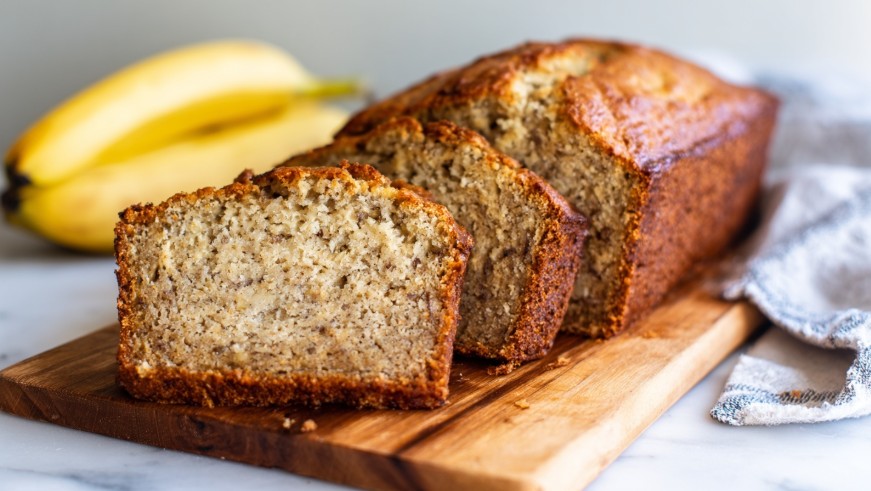
Flavor without sugar: how to make it “wow,” not “fine, I guess”
Banana bread can be made with no added sugar and still feel like a treat. Simple things do the work here: aroma, texture contrast, the right amount of salt, and baking it properly.
I love having something crunchy in it. Then every bite has a little soundtrack: soft crumb + nut crunch, and you stop thinking about “sugar.” I also like a hint of bitterness—cocoa or dark chocolate without extra sweetness. It makes banana taste more grown-up.
Aromas that make banana pop
- Cinnamon — classic, just go easy so it doesn’t drown out the banana.
- Vanilla — makes the flavor rounder.
- Nutmeg — truly just a pinch, or it starts tasting like compote.
- Lemon or orange zest — surprisingly fresh, especially when the bananas are very sweet.
Textures: what to add so you want another slice (without the sugar rush)
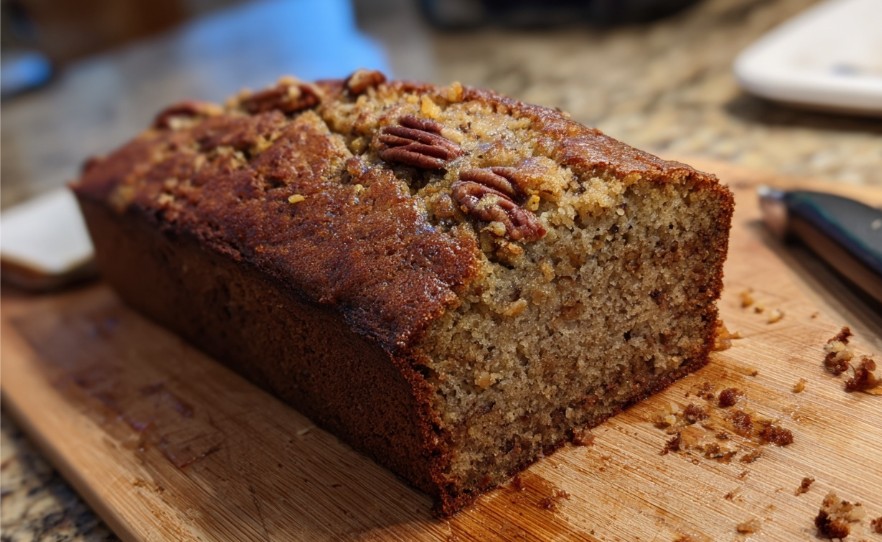
- Nuts (walnuts, pecans, almonds): toast them a little first—deeper aroma, more “bready” vibe.
- Seeds (sunflower, pumpkin): crunch plus a subtle grainy note.
- Cocoa: makes it more chocolatey without requiring sweetness.
- Desiccated coconut: adds aroma and a touch of dryness, which can be helpful with very wet bananas.
Quick story: I have a friend who doesn’t like bananas “plain,” but happily eats banana bread—only if there’s orange zest and some toasted nuts. She says then it’s not “banana,” it’s “baking that smells amazing.” I get it.
Common mistakes: why sugar-free banana bread doesn’t turn out
I’ve watched people blame a bad loaf on “well, obviously—it’s sugar-free.” But the problem usually isn’t the lack of sugar. It’s the small details that add up.
Mistake 1: too many bananas
You want it “sweet,” so your hand reaches for one more banana. But banana isn’t just sweetness—it’s water and starch. Overdo it and you get a heavy, wet center that won’t bake through. Better fix: boost flavor with spices or add a few dates/raisins, rather than turning the batter into a smoothie with banana purée.
Mistake 2: mixing the batter like bread dough
Banana bread is closer to a quick bread/cake. If you mix it long and hard, the crumb gets tighter. I keep it simple: combine wet + dry and stop. A few small flour streaks are fine—they’ll sort themselves out in the oven.
Mistake 3: oven too hot
Without sugar, the top browns a bit differently, and it’s tempting to crank the heat to “speed things up.” Then you get a dark crust and a raw middle. Better to bake longer and more evenly. And don’t rely on time alone—look for doneness cues: springiness, a clean skewer, even the sound (a baked loaf sounds dull, not wet).
Mistake 4: you can taste the baking soda/baking powder
When there’s less sweetness, any “chemical” note stands out more. Too much baking soda—or using it without enough acidity—gives you that smell that ruins everything. I like it simple: either use baking powder, or use baking soda only when there’s an acidic ingredient (yogurt/kefir/tart fruit).
Mistake 5: slicing it hot
This is the most human mistake. It smells so good your hands move on their own. But sugar-free banana bread is often moister, and it needs time to set. Slice too soon and it smears, seems underbaked, even if it’s actually fine—it just hasn’t stabilized. Give it at least 20–30 minutes.
Hack: if you’re unsure the center is baked, turn the oven off and leave the loaf inside for 10 more minutes with the door slightly open. It finishes gently, without drying out the edges.
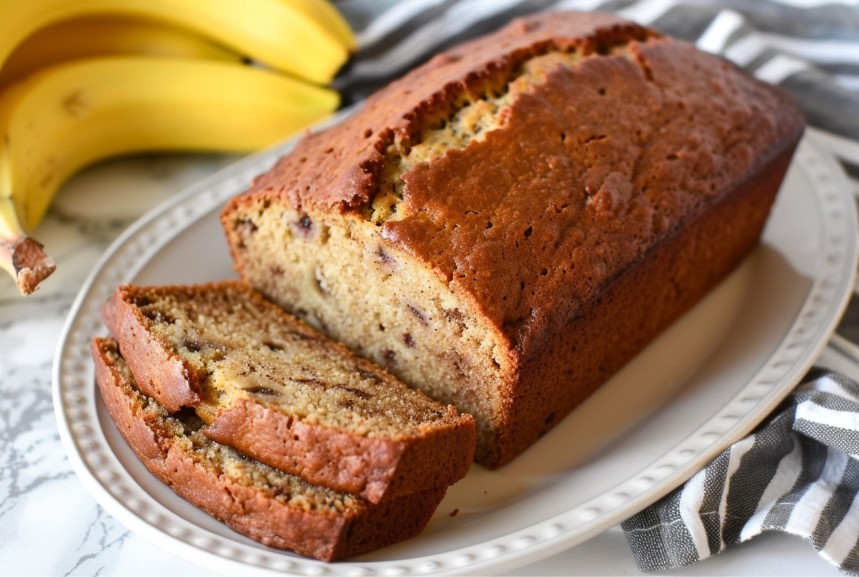
Here’s a recipe for banana bread in 30 minutes from start to finish.
Real-life convenience: how to fit banana bread into weekdays
I love banana bread not because it’s “healthy,” but because it saves regular days. Minimal effort turns into something you can pack up, hand to a kid for school, throw into a work bag, or keep on the counter as “something with tea” without feeling like you’re about to eat half a cake.
I had a stretch where I’d get home late, my head buzzing, hungry, and absolutely not in the mood to cook. That’s when banana bread in the freezer felt like insurance. You pull out a slice, toast it in a pan or pop it in the toaster, and suddenly it smells freshly baked again: warm banana, nuts, and that light caramel note from browning.
How to store it so it doesn’t turn into “play-dough”
- Day one: let it cool completely, then wrap or store in a container. Don’t seal it while warm—condensation makes the crust soggy.
- Day two–three: slice only what you’ll eat. A whole loaf dries out more slowly than pre-sliced pieces.
- Freezing: slices are the easiest. Take one out, warm it up, done.
Hack: “refresh” the flavor on day two
Lightly toast a slice in a dry pan or in the toaster. You get a thin crisp crust, the aroma gets louder, and even a less-sweet loaf starts to feel like dessert.
One more real-life thing: if everyone in the family likes it differently, make the base less sweet and let people finish it their way. Nut butter for one person, yogurt for another, plain butter for someone else. It’s not about “right/wrong.” It’s about everyone being happy.
How not to turn “healthy swaps” into a system of restrictions
I’ve seen people get into “no sugar” with the best intentions—and a week later they’re tired, irritated, and stuck in the mindset of “I can’t have anything.” Then comes the rebound: something very sweet and heavy, plus guilt on top. I don’t like that script. Food shouldn’t be a battlefield.
Sugar-free banana bread is great precisely as a habit, not a rule. More like: “when bananas get overripe, I turn them into something good.” Not: “this is the only way I’m allowed to eat forever.”
Here’s what “common sense” looks like to me:
- Don’t chase perfection. No added sugar today—great. Next time you add a little honey or chocolate—also fine.
- Small steps. If you’re used to very sweet baking, start with “less sweet,” not “zero” overnight.
- Pay attention to how you actually eat. If after your “super-correct” loaf you still go hunting for cookies, maybe the loaf needs to be a bit more satisfying (nuts, yogurt, spices), or maybe you just allow a sweeter version without drama.
Quick story: I once cooked for a family where the dad was “everything sugar-free,” and the kids were “everything sweet.” We made a deal: banana-based loaf, plus a handful of raisins and a little cinnamon. Dad was happy—no added sugar. Kids were happy—sweet little bursts and a cozy smell. Nobody argued about food. That’s a win in my book.
The guidelines I keep in my head (and that save you from disappointment)
I’m not giving a full recipe here—because you asked for what works, not exact grams. But a few simple guidelines help almost every time, no matter what you add.
1) Sweetness starts with aroma
If your bananas barely smell like anything, don’t expect “wow.” Lean on spices, add zest, toast the nuts. That often solves half of the “something’s missing” feeling.
2) Moisture has to be manageable
Banana + purée + yogurt is an easy place to overdo it. My move: add the wet ingredients, check the consistency, then let the batter sit for 10 minutes. If it thickens, the dry ingredients have absorbed moisture and you’re good to bake. If it doesn’t, add a bit more dry ingredient—don’t hope the oven will magically fix it.
3) Don’t try to make it like store-bought cake
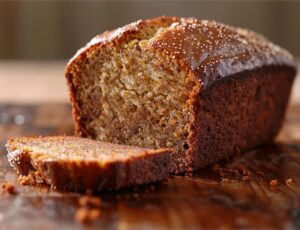
Sugar-free banana bread is different. It’s more home-style, more “bready,” often with a slightly moister crumb. That’s normal. Once you accept that style, you stop fighting the texture and start making it delicious.
4) Give it time
Time to cool, to set, to settle. On day two it often tastes even better. If you bake in the evening, it’s perfect for breakfast.
5) Don’t forget the pinch of salt
Salt doesn’t make it salty. It makes banana taste more like banana, nuts more aromatic, and the whole flavor more three-dimensional. Without it, “sugar-free” can easily read as “flavor-free.”
Hack: if you want a more defined crust without adding sugar, brush the top with a thin layer of yogurt or milk before baking and sprinkle with nuts/seeds. It browns nicely and gives you that satisfying crunch.
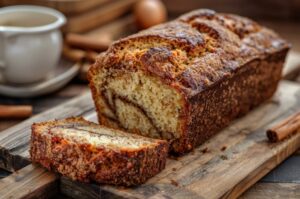
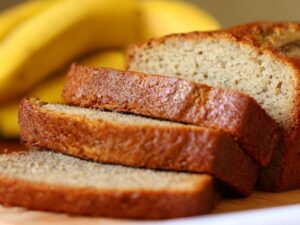
Sugar-free banana bread isn’t about being “good.” It’s about turning overripe bananas into something warm and homey—something that perfumes the whole kitchen, slices without stress, and keeps well in a container for a couple of days. When it works, it’s simple comfort: soft crumb, gentle moisture, nutty crunch, and banana aroma that doesn’t shout—it lingers.
How do you like your banana bread—moister and denser, or lighter and more cake-like? And what usually trips you up: flavor, texture, or that dreaded “it didn’t bake through”?