Superfood Pizza: Spinach, Broccoli, Seeds

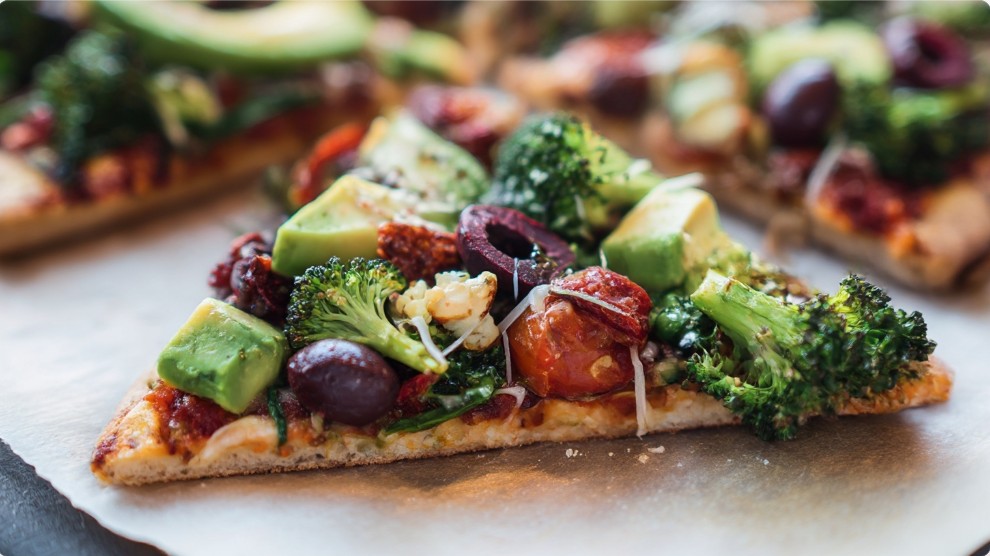
Somewhere between a weekday evening when your hands instinctively reach for something simple and tasty, and a Sunday morning when you have a bit more time to think about how to treat yourself, the idea of making pizza emerges. But not just the classic with salami, but something more ‘healthy’, trendy, with what is now called superfoods. Spinach, broccoli, seeds — these words flash from wrappers, menus, and advertisements, promising almost superpowers. But in reality? Is there any sense in this, or is it just a gastronomic show? And how not to fall into the ‘healthy’ marketing trap when choosing products for pizza or the kitchen in general? Let’s try to figure it out together, without pomp, just like at the market, by the counter, with a hand on the broccoli.
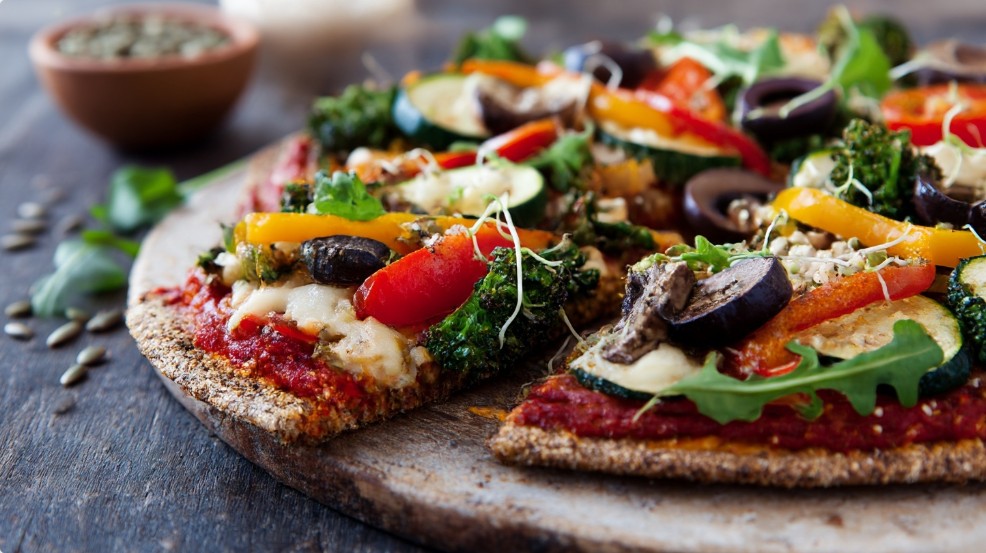
Superfoods in the Kitchen: Skepticism Instead of Belief in Magic
All these talks about superfoods are a bit like stories about miracle potions. I’ve also caught myself thinking: will spinach or broccoli really make the pizza ‘healthier’ and me more energetic? Honestly, none of these ingredients will send you to space. Superfood is a marketing term, not a scientific one. Don’t look for magical power in spinach. Its benefits lie in freshness, properly selected leaves, and seasonality. The same goes for broccoli and seeds — the real effect comes from the quality of the product and how you prepare it.
I’ve seen people at the market specifically looking for the ‘superfood’ label or buying green mixes three times more expensive because ‘it’s healthier’. But from practice — fresh greens from the garden, simple, local, often richer in taste and texture than imported ones from plastic packaging. It’s worth looking not at the hype, but at the actual condition of the product. Does it smell? Does it crunch in your hands? Does it not look like an artificial dummy? That’s the real superfood.
How to Choose Spinach, Broccoli, and Seeds for Pizza (and More)
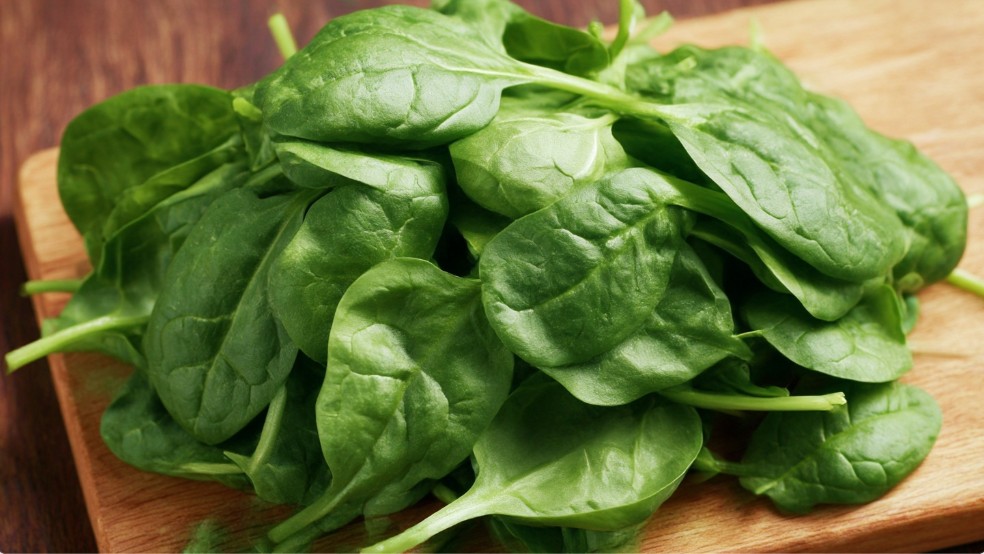
At the market, in the supermarket, or even at grandma’s by the fence — always one rule: don’t trust the packaging, trust your eyes, nose, and hands. I’ll start with spinach. It’s best to take it in spring when the leaves are young, thin, rich green — not dark, not limp, without wet spots. The smell should be fresh, slightly ‘herbal’, not bland. If the leaves are wilted, yellowed, or slimy — don’t even think about it, walk away.
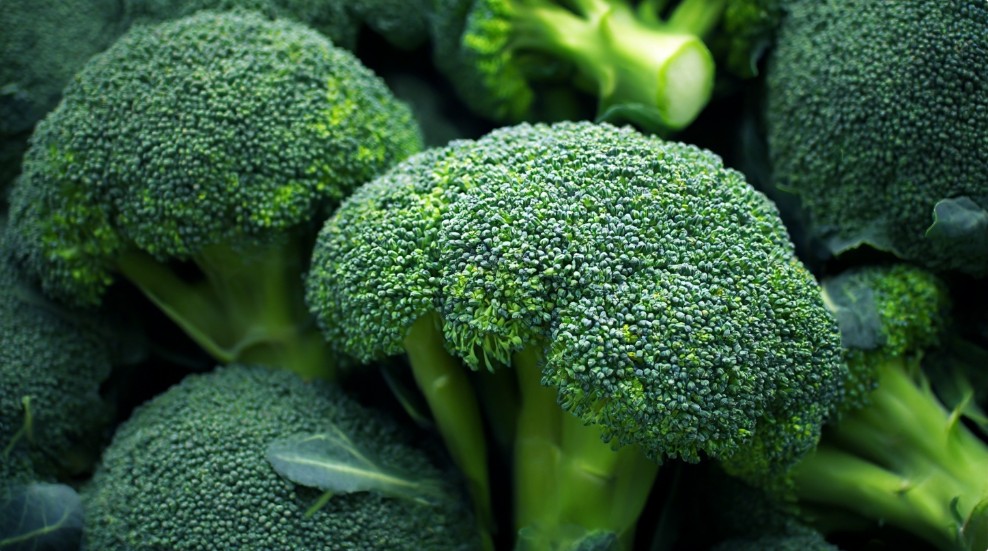
With broccoli, it’s a bit easier: look at the florets. They should be dense, firm, without yellowing. If you see small yellow flowers — it’s already a signal that the broccoli is ‘aging’. The stem should not be soft. Fresh broccoli even springs back slightly when pressed. And also — smell it. Real broccoli smells green, slightly nutty. If it smells of sulfur — put it aside immediately.
With seeds (pumpkin, sunflower, flax, sesame), the main thing is the absence of bitterness and musty smell. Take a few seeds by weight for a test — if they are crunchy, have no unpleasant aftertaste, do not stick together, — everything is fine. In packaged seeds, look at the expiration date and the transparency of the packaging: they should be whole, without dust and foreign impurities.
Tip: always ask the seller to open the package or let you smell the product. Don’t be shy — it’s your food, your responsibility.
Color, Smell, and Texture: What Indicates Quality
Senses are the main tool of a cook, even if you’re cooking at home. Spinach that goes into pizza or salad should be juicy, bright. If you crush a leaf and it immediately breaks and leaves green juice — that’s good. If pressing leaves stains, the leaves are soft, as if wet, — they’ve been kept too long in the fridge.
Broccoli — green, firm, florets dense, not ‘opening’. When you break the stem, you hear a characteristic ‘crunch’ — that’s the sound of freshness. If the broccoli is limp, even slightly wet to the touch, choose another. I like to rub the florets with my fingers — fresh broccoli smells like a green nutty note. If there’s no smell — it’s either old or grown hydroponically and lacks flavor.
As for seeds, it’s even simpler: try a few grains. Fresh should be crunchy, without mustiness. If you feel a slight bitterness — it means the seeds are old or improperly stored.
Life hack: it’s better to buy spinach and broccoli from a small seller who grows them themselves — you can feel it in taste and texture.
Common Mistakes When Buying: Experience and Traps
Here are a few moments I’ve stumbled upon myself, and I’ve seen others fall into:
- Buying spinach in a plastic bag with condensation — almost always something inside is already rotting.
- Choosing broccoli with yellow spots — it seems ‘not a big deal’, but the taste will be limp and unpleasant.
- Believing the ‘organic product’ label without proof — sometimes it’s just marketing, not quality control.
- Taking seeds by weight from an open container — often they are already overdried or stored in a damp place.
I had a case: I was in a hurry, took spinach from the supermarket, opened it at home — a slug was already sitting between the leaves, and the smell was like it had been in bags for a week. I threw it all away, remembered that it’s better to spend an extra 5 minutes but check the product on the spot.
Tip: don’t fall for bright labels or ‘detox’ promises — look for a regular, fresh product, not a miracle ingredient.
Price, Common Sense, and When It’s Worth Paying More
With superfoods, it’s often like this: for spinach or broccoli in a trendy package, they ask twice as much. Is it worth the money? Not always. If you see a fresh, just-picked product without extra packaging, take it boldly — even if it looks less ‘glossy’.
It’s worth paying more when the product is truly local, just from the field, without preservatives and long transportation. For example, broccoli from a small farm, and the seller can show where it’s from. Or seeds that are packaged immediately after harvesting, not brought from another continent for months.
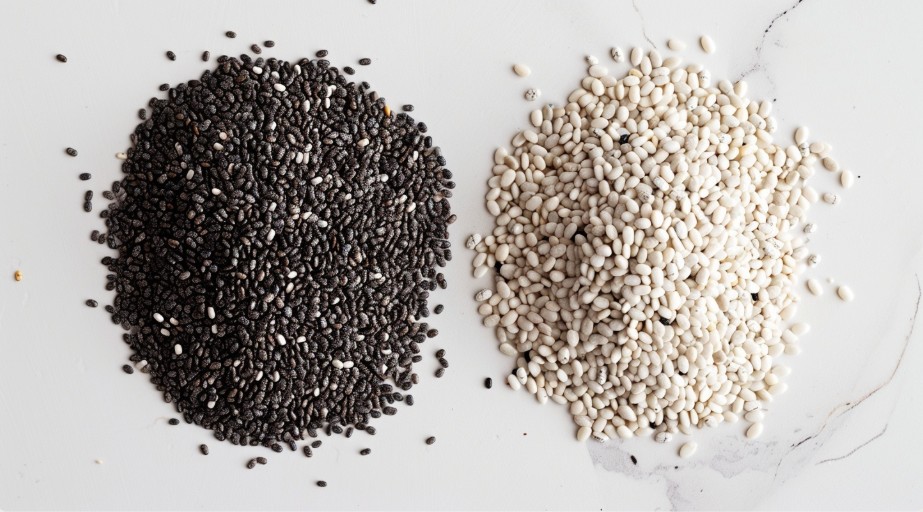
It’s worth spending on a quality product if you feel the difference in taste and texture. But overpaying for a trendy brand or ‘super’ sticker is pointless. A friend once bought hyped chia seeds and later admitted: ‘Ordinary sunflower is tastier and cheaper’.
Emphasis: the main thing is not how much the product costs, but whether you like it and how it behaves in the dish.
Storage: How to ‘Revive’ Superfoods and Not Lose Flavor
One of the most common mistakes is to buy greens or vegetables, put them in the fridge, and forget. Spinach and broccoli don’t live as long as it seems. Spinach should be wrapped in a damp towel and placed on the bottom shelf of the fridge, not in an airtight bag. This way it ‘breathes’ and doesn’t rot. I tried otherwise — left it in a bag, and after a day or two, the leaves became slimy.
Broccoli is better kept in a paper bag or just in an open bowl in the fridge. If you see the florets wilting, you can put the stem in a jar of water, like a flower. This really saves the vegetable for 1–2 days.
Store seeds in a dry, airtight jar, away from light and heat. If you bought a lot — you can freeze some, especially pumpkin or sunflower. Personal experience: once I forgot seeds in an open package in the kitchen — after a week, the taste was musty, and bitterness appeared. Don’t repeat my mistake.
Life hack: if spinach is slightly wilted, immerse it in ice water for 5 minutes — it will restore freshness and crispness.
Seasonality: When Superfoods Are Truly Super
Spinach and broccoli have their seasons. Spring is the perfect time for spinach. The leaves are juicy, rich, not ‘woody’. In summer, you more often find tough, overripe spinach. Broccoli is best from late spring to early autumn — then it’s the tastiest, not watery.
Seeds, if fresh, are year-round, but it’s still better to buy during the harvest season (autumn). That’s when they’re the crunchiest and tastiest. I always ask the seller: ‘When was it harvested?’ — and I advise you to do the same.
I’ve often caught myself that in winter, supermarket broccoli becomes bland, watery. In such cases, it’s better to just set it aside until the season or choose frozen (but only the one that hasn’t clumped into one piece).
Tip: don’t chase superfoods out of season — they have less flavor, more ‘water’, and often they’re just more expensive for the sake of fashion.
What Happens to Superfoods During Cooking
Here’s where the magic begins, but not the kind they write about in advertising brochures. Spinach under heat instantly ‘shrinks’ — from a large bowl, you get a handful. But that’s where the taste and benefit lie. If the spinach is fresh, after a few minutes in the pan, it doesn’t turn into mush but retains tenderness and color. If the leaves are old or already wilted — you’ll get a gray, unpleasant mass.
Broccoli, with proper heat treatment, remains bright green and crunchy. The main thing is not to overcook it. If the broccoli turns yellow or soft — you’ve already killed all the taste. I like to blanch it for literally 2 minutes in boiling water, then immediately into ice water. This way it ‘plays’ in pizza or salad, not lost under cheese.
Seeds are best added at the end — they’re then crunchy and give a light nutty flavor. If you over-toast them, bitterness will appear. Once I forgot seeds on the pan — and the whole dish had a burnt taste. Don’t experiment with this for long.
Life hack: slightly toasted seeds (literally 30 seconds on a dry pan) give the dish a new aroma, but don’t risk it — the main thing is not to overdry.
Interesting publication about: The Principle of a ‘Healthy Plate’
Marketing Tricks and Real Benefits: How Not to Fall into the Trap
For those who often go to stores or read food blogs, the words: ‘antioxidants’, ‘detox’, ‘superfoods’ are familiar. In reality, it’s often a way to sell you a regular product at a higher price. Spinach is just spinach, not the elixir of youth. Broccoli is a tasty vegetable, not a panacea. Seeds are a source of texture, but not a substitute for common sense in nutrition.
I’ve seen people buy silicone containers, detox bottles, more expensive mixes because they think it’s ‘even healthier’. But if the product is not fresh, if it was stored improperly, no ‘super’ stickers will save the taste and benefit. The main thing is quality at the time of purchase and understanding what you’re buying, not blind faith in trendy promises.
Once I was lured by a bright ‘superfood mix’ label. Unpacked it at home — half the leaves were wilted, the seeds musty. Now I choose simple, fresh, and without unnecessary hype. It’s better to ask the seller than to believe the advertisement.
Tip: don’t fall for loud words — the main thing is how the product looks, smells, and behaves in your hands.
My Life Hacks and Real Practice in the Kitchen
Here are a few things that really work if you want your pizza (and not only) to be tasty and not lose its benefits:
- Buy spinach and broccoli on the day of cooking — so they won’t have time to lose their taste.
- Immediately after purchase, sort the greens, remove anything suspicious — don’t wait for the whole pack to spoil.
- Store vegetables separately from fruits (fruits release ethylene, vegetables age faster).
- Try not to wash spinach before storage — it rots faster from moisture. Wash only before use.
- If broccoli is a bit ‘tired’, blanch it in salted water: the taste will refresh, the color will become brighter.
And also — don’t chase fashion. The real taste and benefit are in simple, fresh products, not in the labels on the packaging. Check everything by touch and smell, don’t hesitate to ask sellers questions — this way you definitely won’t throw money away.
Here it’s useful to read about how to store products in winter so they don’t spoil
Life hack: have a separate jar for seeds, label the purchase date — this way you’ll always know what’s fresh.
In the end, the best pizza is not the one with the most trendy ingredients, but the one where every piece is fresh, tasty, and genuine. And all these superfoods are just tools for taste and texture. No more, but no less.
I have a question for you: what other products do you consider ‘superfoods’ in your kitchen, and do you really feel a difference from them? Share in the comments — it’s interesting to see what others add to their dishes not for fashion, but for taste.