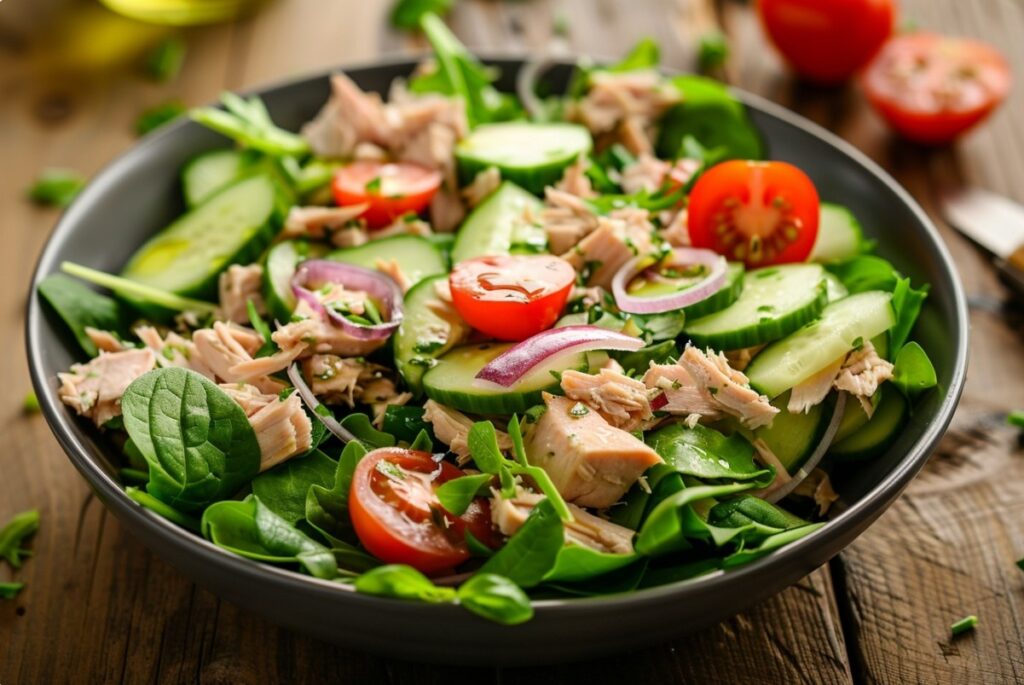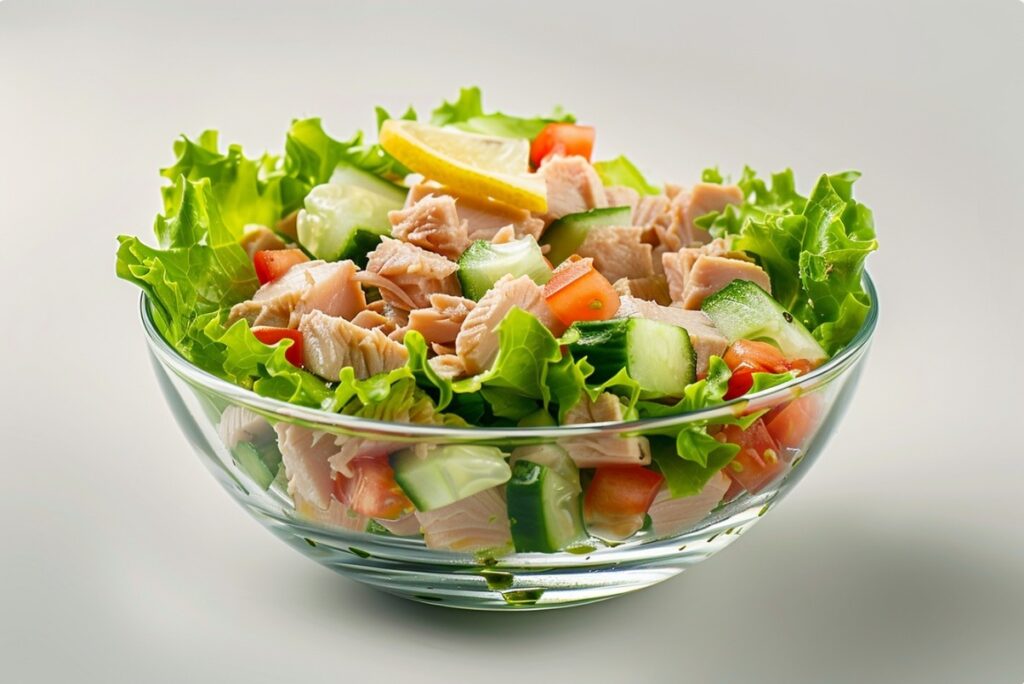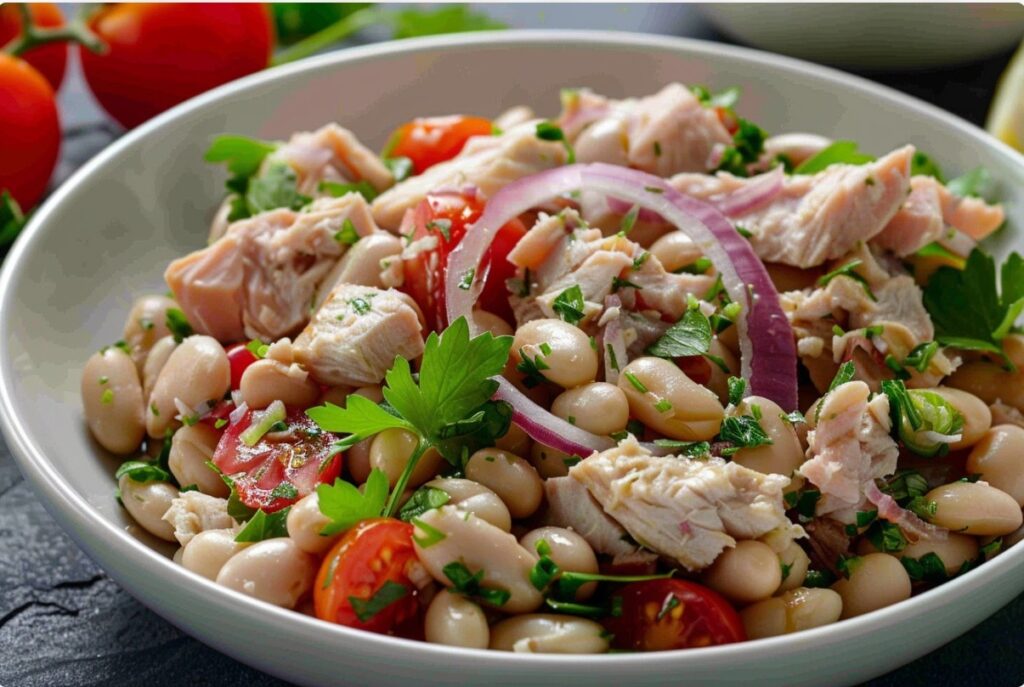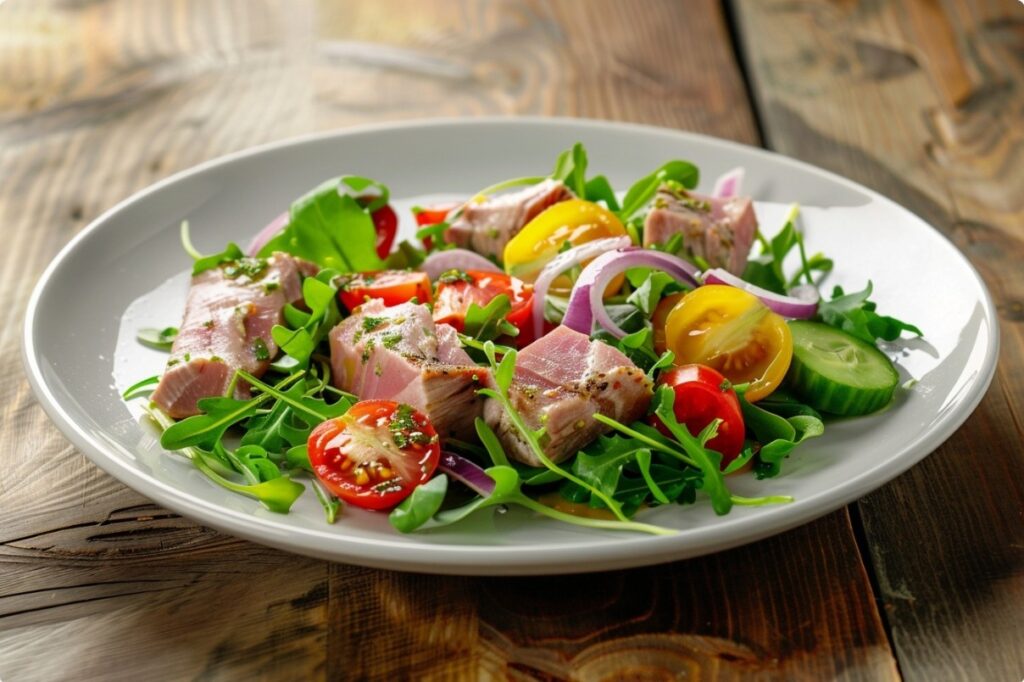
Tuna Salad for an Active Lifestyle

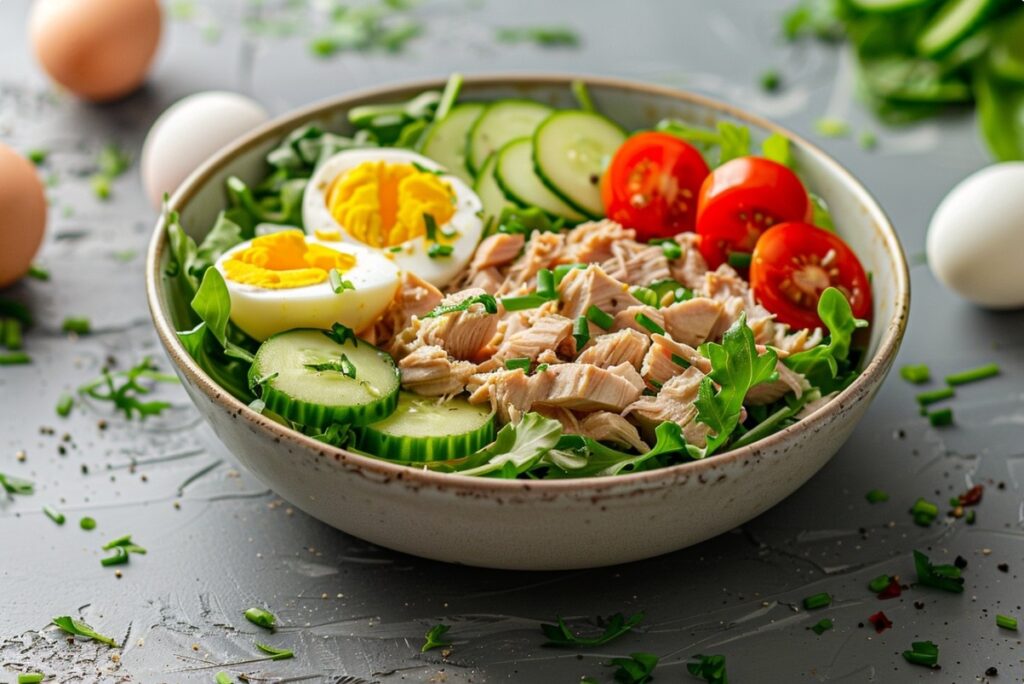
When you’re moving a lot, it’s not enough to just “eat something.” You want food that actually does its job. Tuna salad is one of those quick fixes that hits the sweet spot: protein for recovery, plus a light, fresh feel that won’t leave you sluggish.
It doesn’t weigh you down, but it gives you steady energy—exactly what you need when your days are full.
You know that kind of day: you’re on your feet in the morning, work and meetings in the afternoon, then a workout (or at least a long walk) in the evening—and somewhere in between you’re supposed to “eat something.” Next thing you know, you’re staring into the fridge: one shelf with real food, one drawer with emergency snacks. Familiar?
In moments like that, tuna salad isn’t about being “good” or following rules. It’s about throwing together a plate that gives you even energy, proper fullness, and that quiet feeling of “okay, I took care of myself,” not “I just stuffed my face.” No heroics. No complicated plans.
I love this meal for one simple reason: it bends to real life. If you’ve got time, you can make it pretty and varied. If you don’t, you use what’s on hand and it still tastes great. Tuna is the reliable teammate here—open a can and you’re already halfway there.
One more thing: perfect eating doesn’t exist. Some days you nail it, and some days you eat standing up, wash it down with coffee, and feel proud you remembered lunch at all. Tuna salad is great because it doesn’t demand perfection—it just helps you keep your balance when life speeds up.
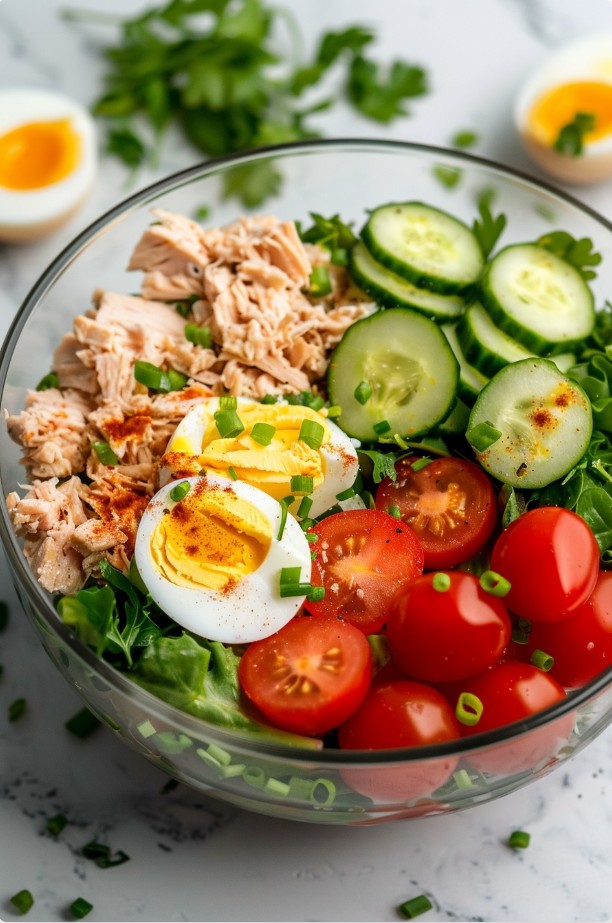
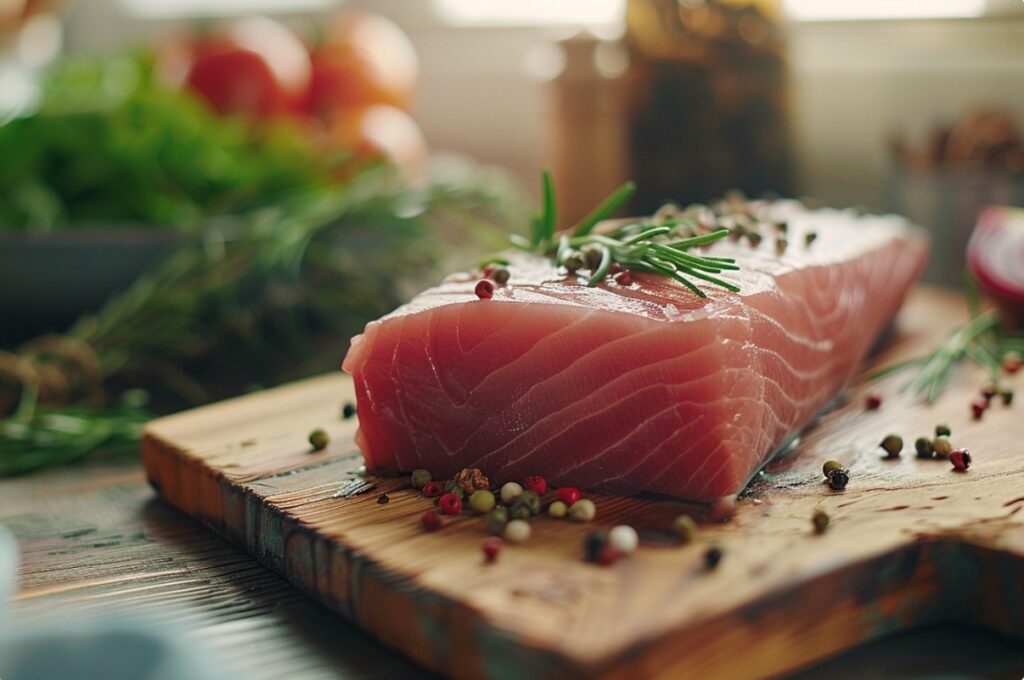
Why tuna, specifically: energy and recovery without the fuss
Tuna is one of those ingredients that saves the day when you want something more substantial than a sandwich—without turning on the stove. It has a clear, savory, slightly briny flavor and that firm texture that holds up in a salad. Plus, it plays nicely with vegetables, grains, beans, herbs… basically anything.
For an active lifestyle, it’s not about “superfoods” and magic. It’s about simple things: food that keeps you full, doesn’t knock you out with a food coma, and feels supportive after you’ve been moving. Tuna works as the anchor—it gives the salad some weight so it’s not just a bowl of leaves.
A tiny story from my kitchen: years ago, at a restaurant, we made tuna salad for people who popped in between errands. The most common comment wasn’t “so healthy”—it was “finally something that doesn’t make me sleepy.” Honestly, that’s the best compliment a workday lunch can get.
There’s also a mental comfort to it. A can of tuna is a small guarantee that you’ve always got a Plan B at home. When you’re so tired that cooking feels annoying, you open the can, add something crunchy, something juicy, something tangy—and your brain relaxes: okay, we ate like a normal person.
Tuna in water or in oil: how to choose without overthinking
I don’t like making this dramatic. Both options are fine—they just give you a different vibe.
- In water (or its own juices) — lighter, cleaner flavor. Great when you want to control the dressing yourself: olive oil, yogurt, lemon, mustard—whatever you’re in the mood for.
- In oil — softer, more rounded, often feels juicier. On days when you want comfort food, it’s perfect. I usually drain off the excess oil, or use a little of it as the base for the dressing.
The main thing is simple: pick tuna you actually enjoy. If you’re forcing yourself to eat something you don’t like, this habit won’t last.
Quick tip: if your tuna feels a bit dry, don’t automatically “save” it with mayo. Add 1–2 teaspoons of the liquid from the can or a splash of lemon juice and let it sit for a minute—the fish softens and the flavor opens up.
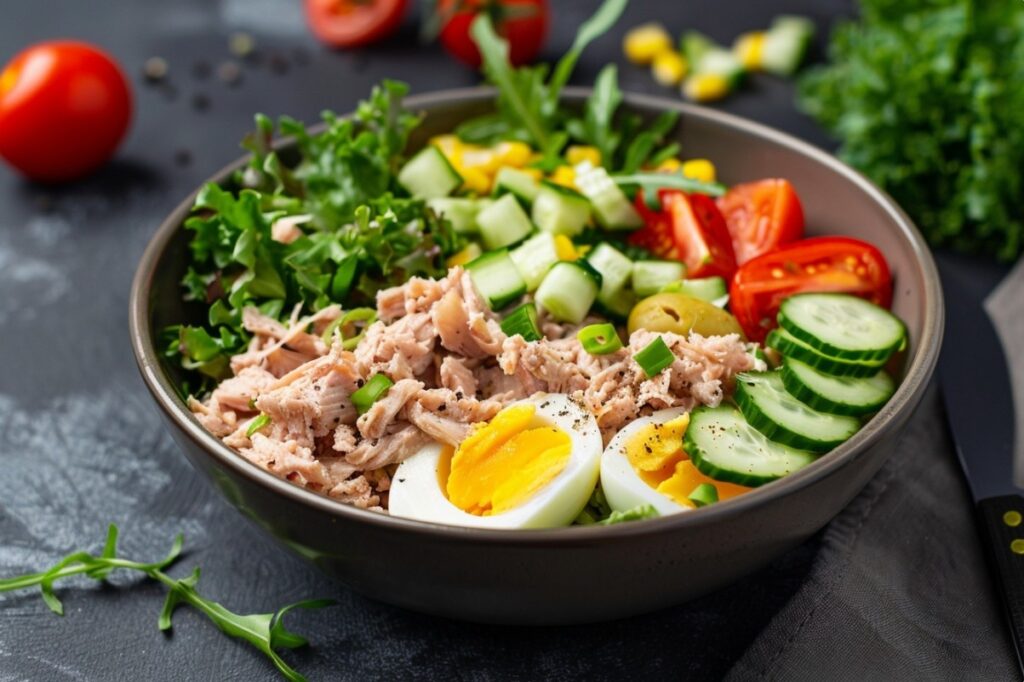
How to build an “active” plate: a simple weekday formula
I like to think of salad less as a strict recipe and more as a build-your-own situation. Active life means different kinds of days: sometimes you train in the morning, sometimes at night, and sometimes the plan falls apart because kids/work/rain. Your plate should adapt.
A simple formula helps me: a base + protein + something filling + something crunchy/fresh + a bold accent + a solid dressing. It sounds like a system, but it’s really just a reminder so the salad doesn’t end up sad.
The base: leaves aren’t the only option
Lettuce, arugula, spinach—classic. But after a workout or on a long workday, sometimes you want a more “grounded” base: cabbage, cucumber, tomatoes, even grated carrot. Crunch matters here; it makes the salad feel alive.
Mini story: for ages I thought I didn’t like salads. Turns out I don’t like limp salads. The moment I added crunch (cucumber, cabbage, radish) and switched to a tangy, aromatic dressing—I was hooked.
“Something filling”: so your energy doesn’t crash in an hour
This can be boiled potatoes, beans, chickpeas, corn, rice, bulgur, quinoa—even a piece of toasted bread turned into croutons. No need to measure and calculate—just add what fits your day.
- After a lot of movement, I often crave potatoes—they give that warm “I actually ate” feeling.
- In hot weather, beans or chickpeas are perfect—filling, but not heavy.
- When I’m short on time, canned corn saves me—slightly sweet and adds volume fast.
A bold accent: that little “wow” without extra work
You can make tuna salad taste better with one move: add something tangy or punchy. Lemon, quick-pickled onion, capers, olives, pickles, mustard, a bit of horseradish—those small touches are what make it feel like you ate well, not like you “ate something healthy.”
Quick tip: if the salad tastes flat, don’t reach for salt first. Add acid (lemon/vinegar/pickle brine) and only then adjust the salt. A lot of the time, acid is what wakes everything up.
Texture and flavor: how to make a salad you’ll actually want again
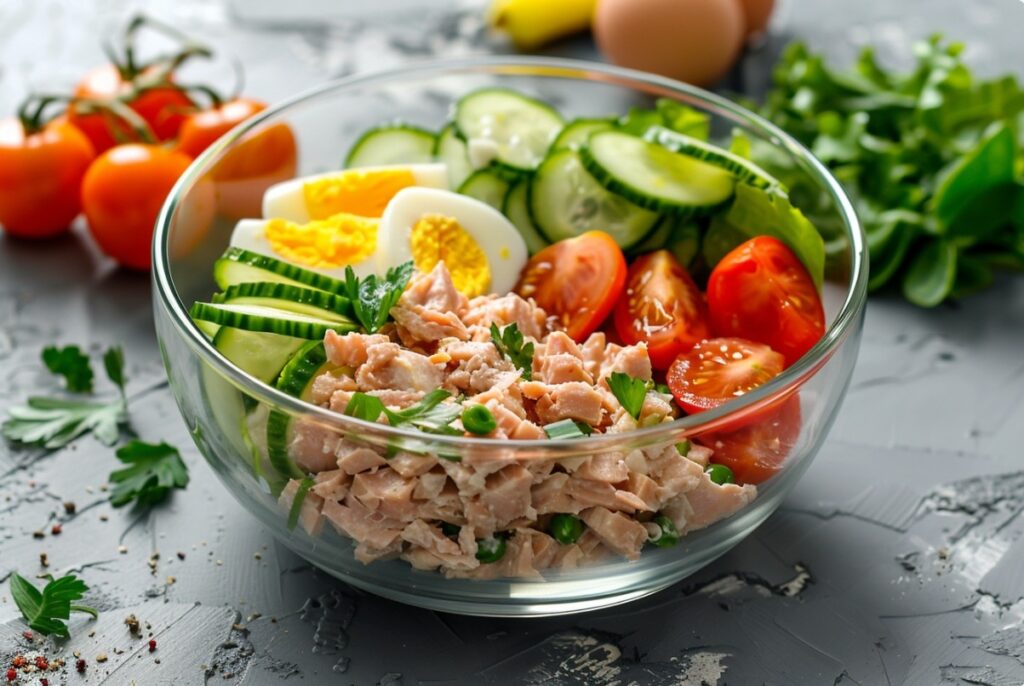
The secret to tuna salad isn’t complexity—it’s texture balance. Tuna is firm and can be a little dry. It needs friends: juicy, crunchy, creamy.
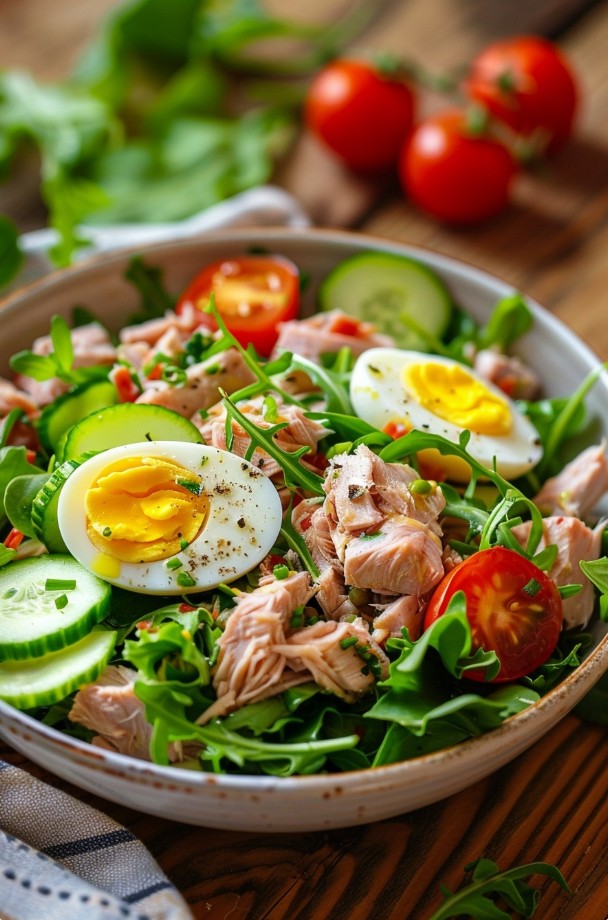
I always notice the best salads are the ones where every forkful has something different: cucumber crunch, tender tuna, creamy egg or avocado, a squeeze of lemon. And then there’s aroma—fresh herbs and black pepper practically rise off the bowl.
Creaminess without heaviness: what to use instead of drowning it in mayo
I’m not anti-mayo—sometimes it’s exactly right, especially in cozy, nostalgic home salads. But for a busy, active rhythm, I usually want something lighter and fresher, so my head stays clear after lunch.
- Greek yogurt + lemon + mustard — quick, creamy, with a little bite.
- Avocado, mashed with a fork + salt + lime/lemon — a “sauce” made right in the bowl.
- Olive oil + lemon + a pinch of honey (or just a sweet, ripe tomato) — for a Mediterranean feel.
Crunch: the small detail that changes everything
Crunch isn’t a whim—it genuinely affects how satisfying the salad feels. Add at least one crunchy element:
- cucumber, celery, radishes
- cabbage (white cabbage or Napa cabbage)
- seeds (pumpkin, sunflower), nuts
- croutons or toasted flatbread
Mini story: once I made a post-workout salad and realized it tasted like… nothing. The only thing I had was a bag of seeds. I tossed in a handful and suddenly it worked: sound, structure, and that feeling of eating real food.
Quick tip: seeds and nuts taste better if you warm them for 1–2 minutes in a dry pan. Don’t toast them hard—just heat until they smell fragrant.
Easy combos for different days: pre-workout, post-workout, and on-the-go
I don’t believe in one perfect plate for everyone. Some days you want lighter food; other days you want something more substantial. So I keep a few tuna-salad “modes” in my head—like different settings.
When you need lightness and a clear head
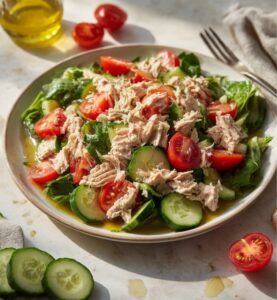
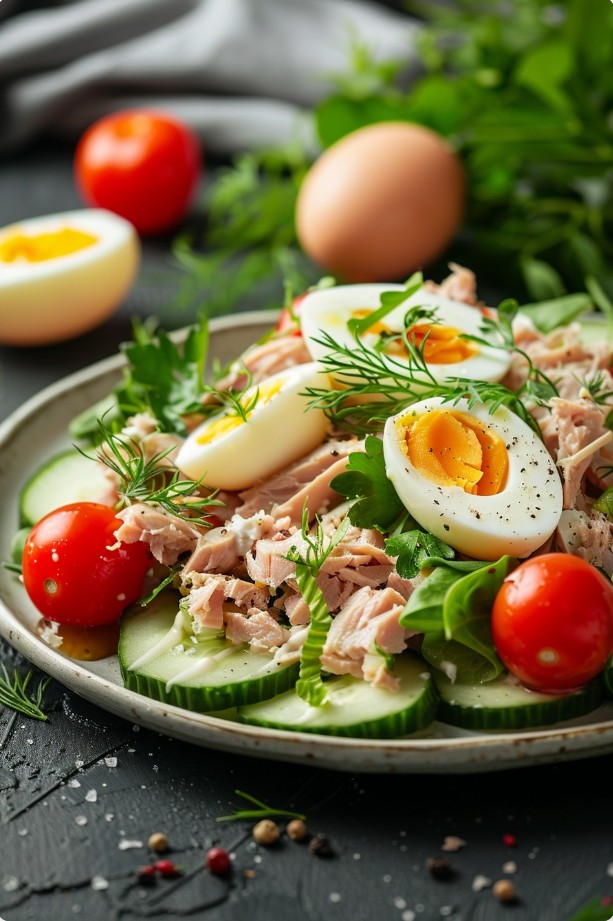
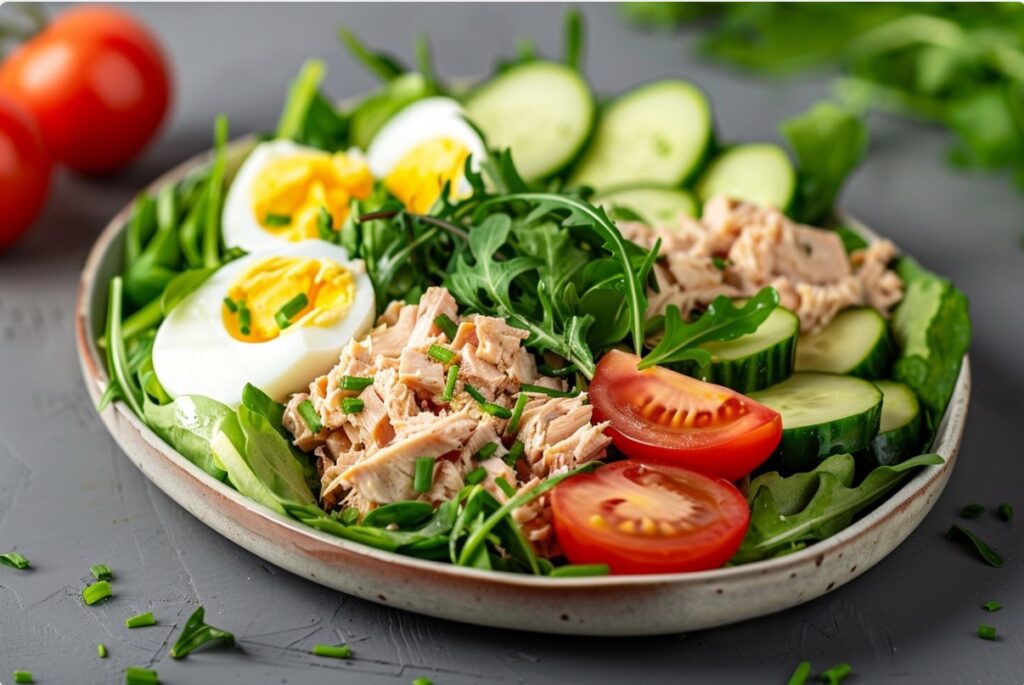
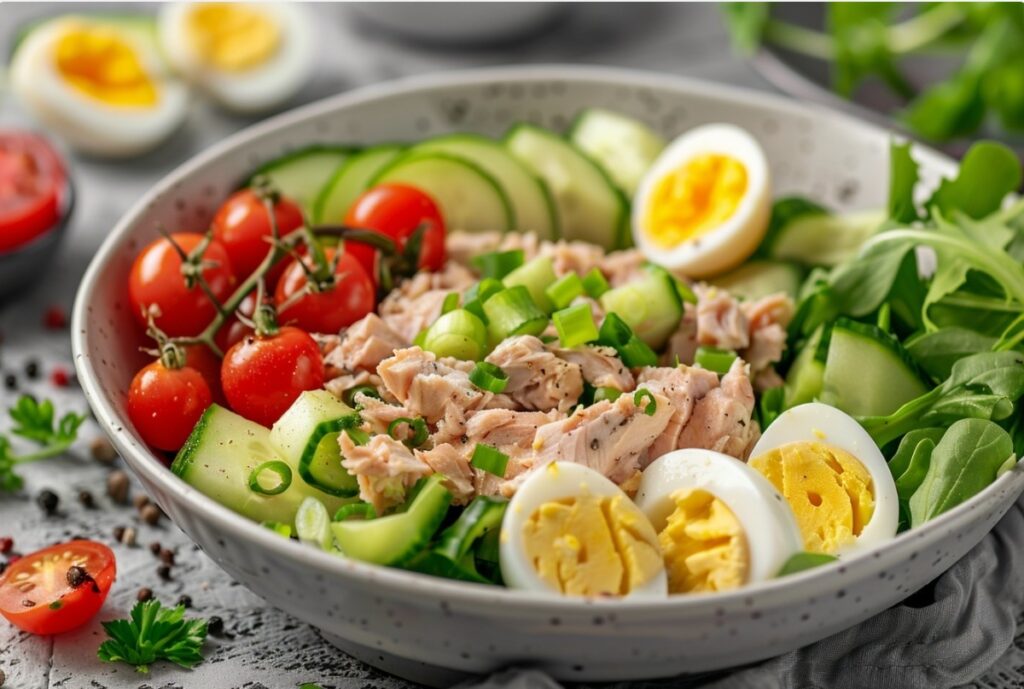
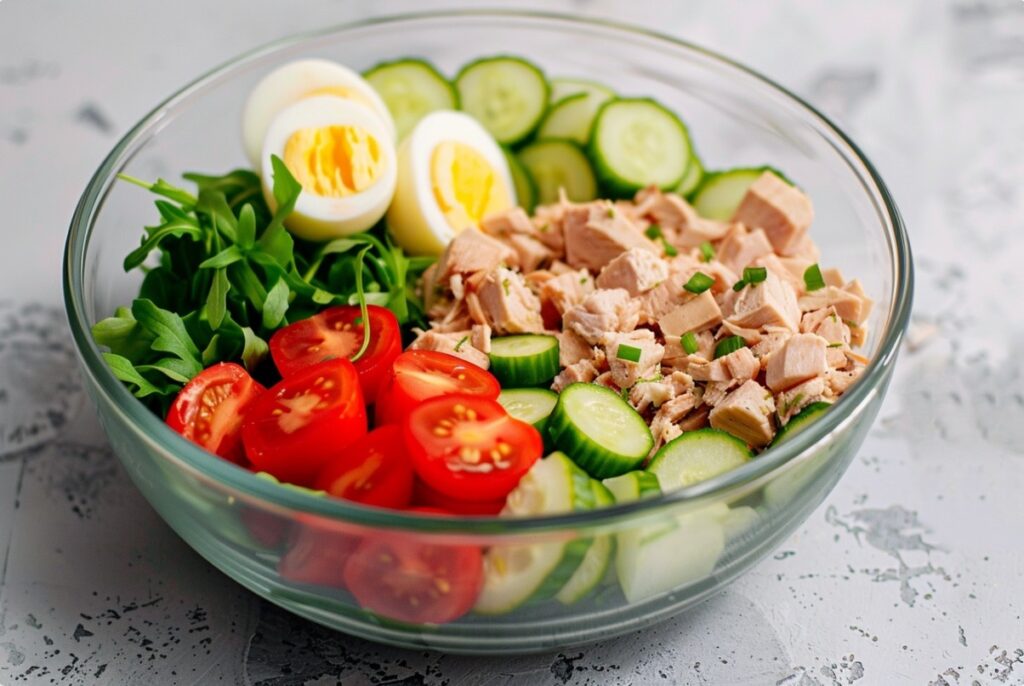
This is my workday option when I still have a lot to get done. I lean on fresh vegetables, herbs, and a bright dressing. Tuna brings the fullness; the vegetables keep it light. Cucumber, tomato, leafy greens, green onion, lemon, and olive oil work beautifully here.
If I have them, I’ll add olives or capers. They bring that salty pop and make the salad taste a little more grown-up.
When after activity you want a proper meal
After movement (or just a long day on your feet), I almost always want something more filling. This is where potatoes, beans, or a grain are perfect in tuna salad. Add an egg and it stops being a “snack” and becomes a real dinner.
The dressing can be a bit richer: yogurt + mustard, or oil + lemon + a little honey. And don’t skip crunch, otherwise it can start to feel like “fishy mash.”
When you need to take it with you
Tuna salad is one of the easiest lunches to pack, but there’s a catch: it can turn watery fast. My fix is simple—keep the dressing separate, and either keep juicy vegetables separate too, or leave them whole and chop right before eating (if you can). It sounds fussy, but in real life it’s 30 seconds.
- Bottom of the container: the filling part (beans/grains/potatoes).
- Then: tuna.
- Top: vegetables and herbs.
- Dressing: in a tiny jar or a separate compartment.
Mini story: I once packed it already dressed, and three hours later it was just sad—cucumber leaked, greens wilted, tuna went kind of papery. Since then: dressing on the side, and life is better.
Quick tip: no little jar for dressing? Bring a lemon wedge instead. Squeeze it over the salad right before you eat and it instantly perks up.
A dressing that won’t let you down: tang, aroma, and a little attitude
Dressing is the steering wheel. It can turn a salad into a treat—or into something you forget five minutes later. I like a dressing that has three things: tang, fat, and aroma. Not always all three, but at least two—and you’re in business.
Tang can be lemon, lime, apple cider vinegar, pickle brine, or olive brine. Fat can be olive oil, yogurt, avocado. Aroma can be mustard, garlic, pepper, herbs, lemon zest.
When there’s no time: “two spoons and done”
Here are my everyday minimums that genuinely work:
- olive oil + lemon + salt + pepper
- yogurt + mustard + lemon
- a little oil from the tuna can + lemon + herbs
One more trick: if I have tomatoes—especially really ripe ones—I sometimes don’t make a separate dressing at all. I salt the tomatoes, add pepper, drizzle a bit of oil, and they basically become the sauce. Mixed with tuna, you get that juicy, satisfying effect.
Quick tip: add a pinch of lemon zest straight into a light tuna salad. It’s not “fine dining”—it’s just an easy aroma boost that makes even a basic bowl of tuna more interesting.
Common mistakes that make tuna salad dry, bland, or just “tired”
I’ve seen people give up on salads so many times—not because salads are bad, but because small mistakes steal the flavor. With tuna, it’s especially noticeable.
Mistake 1: mashing the tuna too much
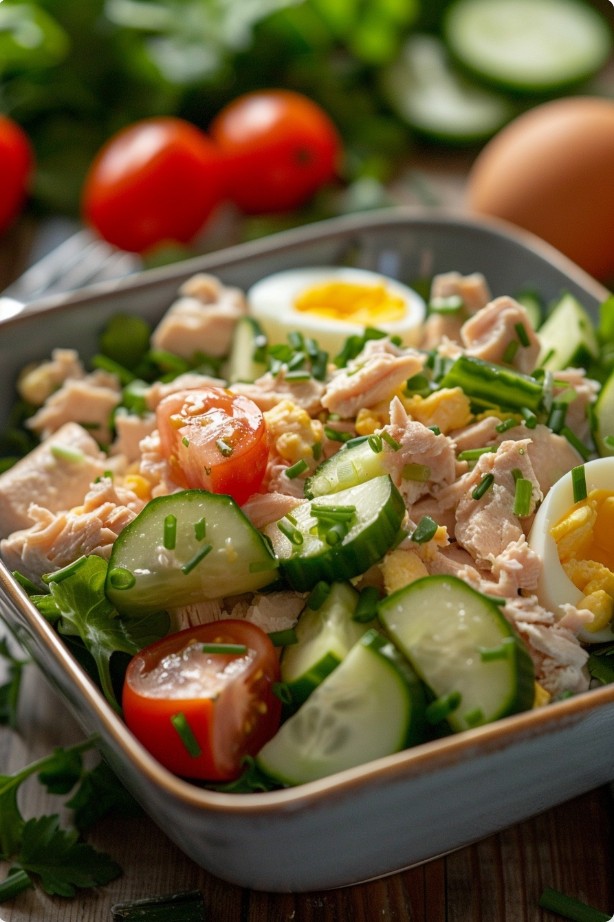
When tuna turns into paste, the salad becomes one-note. Leave some chunks. Let it have texture—more interesting to eat, and the flavor feels livelier.
Mistake 2: not enough acid
Tuna loves lemon. Salad loves vinegar or something pickled. Without that, everything tastes flat. You don’t need it sour—you need it fresh.
Mistake 3: watery veg + dressing too early
Cucumber, tomato, leafy greens—once you salt and dress them, they release water quickly. At home it’s not a disaster, but if you’re packing lunch or want the salad to sit for a bit, mix it right before serving.
Mistake 4: all greens or all beans
Without balance, a salad either doesn’t satisfy or feels heavy. Add at least one crunchy element to a filling base—or add something filling to a bowl of greens. Not a strict rule, just a way to make it comfortable to eat.
Mistake 5: being afraid of seasoning
Black pepper, herbs, mustard, capers—this isn’t “too much,” it’s personality. Of course, if you don’t like heat, don’t make it spicy. But a pinch of pepper and some herbs is the minimum that almost always lifts the whole bowl.
How to make tuna salad a habit, not a project: low-effort prep
The healthiest strategy I see in real kitchens isn’t “cook perfectly all the time.” It’s making decent food available even when you’re tired. Tuna salad is great for that because it runs on basics: a can of tuna, a grain, vegetables, herbs, a lemon.
I’m not a fan of hardcore meal prep where Sunday turns into a kitchen marathon. But a few small prep moves can make weekdays so much easier.
What I often prep ahead (and don’t hate myself for)
- Boil a few potatoes or cook a batch of grains and keep it in the fridge.
- Wash and dry herbs (or at least buy the ones you actually like).
- Make quick-pickled onion for 2–3 days—it upgrades any salad.
- Keep lemons or a bottle of vinegar within reach—without acid, salads often don’t “come together.”
Mini story: I had a phase where I “never had time to eat properly” and kept falling into random snacking. The fix wasn’t a 10-step plan—it was one habit: there’s always something cooked (potatoes/grains) and something crunchy (cucumber/cabbage) in the fridge. Tuna in the pantry. That’s it—salad in 7 minutes.
Quick tip: if you buy salad greens, they usually spoil not because they’re “bad,” but because they’re wet. Rinse, dry really well, and store with a paper towel in a container—your greens will last longer and won’t turn slimy.
Flexibility without the “off the rails” feeling: eating normally when the day goes sideways
An active lifestyle isn’t only workouts. It’s also everyday chaos: kids, deadlines, commuting, bad sleep, surprise guests. That’s when the trap shows up—either “everything is perfect” or “everything is ruined.” In the kitchen it looks like this: I didn’t cook, so I’ll eat whatever, then I’m mad at myself. I’ve been there, and it’s a dead end.
What helps me is this thought: one decent meal is already support. You don’t have to “fix” the whole day. You can just make the next meal a little more put-together. Tuna salad is perfect for that—it’s fast, and it doesn’t require you to be a superstar.
How I adapt the salad to real life (not the other way around)
- No greens? I use cabbage, or even just cucumber and tomato.
- No lemon? I use pickle/olive brine or apple cider vinegar.
- No time to chop? Frozen vegetables aren’t always great in a salad, but I’ll grab a ready-made mix, or just cut everything into big pieces—no “pretty” required.
- Want something warm? I add warm potatoes or reheated grains. A salad can be warm, and that’s completely fine.
And the important part: there’s no “bad” food that makes you a bad person. There are just different situations. If today you ate however it worked out, tomorrow you can do it a little differently—no punishment, no heroics.
I love tuna salad because it keeps things balanced: it’s satisfying, it tastes alive, it comes together quickly, and it doesn’t demand perfection. It fits workdays, workouts, travel, and those evenings when you only have the energy to open a can and slice a cucumber.
How do you build your tuna salad when you need something fast but still genuinely good—do you add potatoes, beans, egg, avocado, or do you have a “secret” ingredient that always saves the flavor?
If you’re looking for more nourishing, lighter meals, take a look at the most popular recipes in what to cook for dinner—you’ll find budget-friendly and lighter options for everyday cooking.
QUESTIONS & ANSWERS (FAQ)
Why is tuna salad a good fit for an active lifestyle?
Tuna salad balances nourishment with a light feel: tuna provides protein for recovery, while vegetables add freshness and fiber without weighing you down.
When is it better to eat this salad—before or after a workout?
It’s usually best after a workout for protein and a proper meal. Kept light (not overloaded with heavy sauces), it can also work before activity.
What kind of tuna is best for this salad?
Canned tuna in water (or its own juices) is the easiest choice for a lighter salad and better control over the dressing. Tuna in oil is richer and can feel heavier.
Do you need to add carbs if the salad is for an active person?
It depends on your day. If you train or move a lot, adding complex carbs (potatoes, beans, grains) can help. For a lighter meal, you can skip them.
How can you make the salad more filling without making it heavy?
Increase protein rather than fat—add an egg or a bit more tuna. This is usually more satisfying than relying on heavy, creamy sauces.
Why shouldn’t you overload the salad with too many ingredients?
Too many add-ins can muddy the flavor and make the salad feel heavier to digest. A simpler mix keeps the taste clean and the meal comfortable.
What dressing works best for this kind of salad?
A light dressing of olive oil and lemon juice (optionally with a little mustard) boosts flavor without heaviness. Thick creamy sauces are best kept minimal.
How do you avoid feeling heavy after eating tuna salad?
Balance watery vegetables and dressing. Too much sauce plus very juicy veg can make the salad feel heavy; mixing right before eating helps keep it fresh.