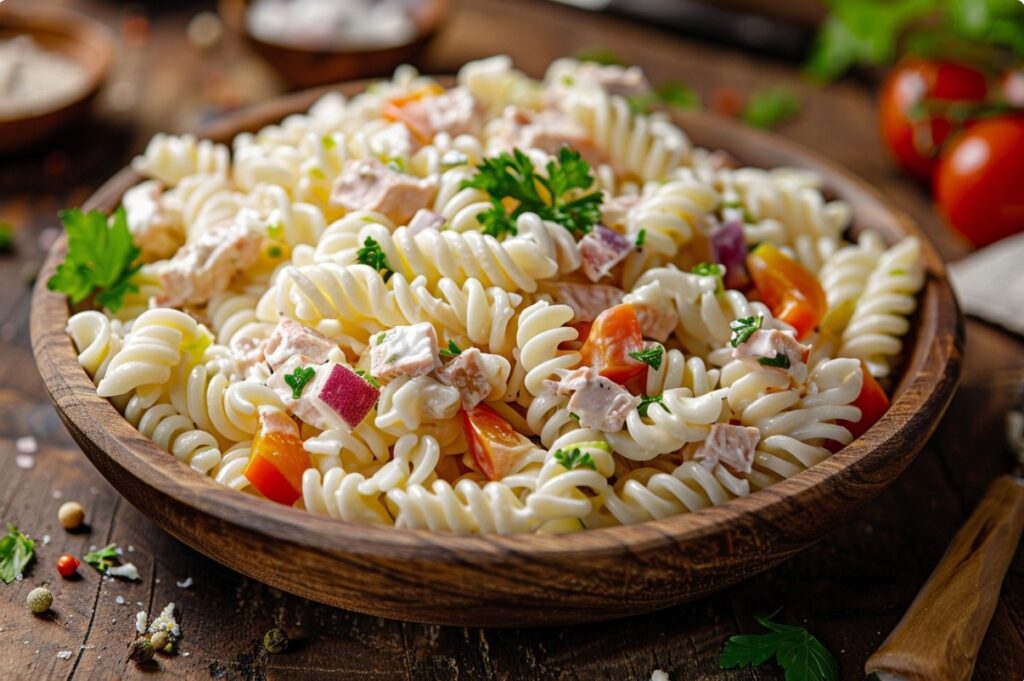
How to Make a Tuna Salad Without Expensive Ingredients

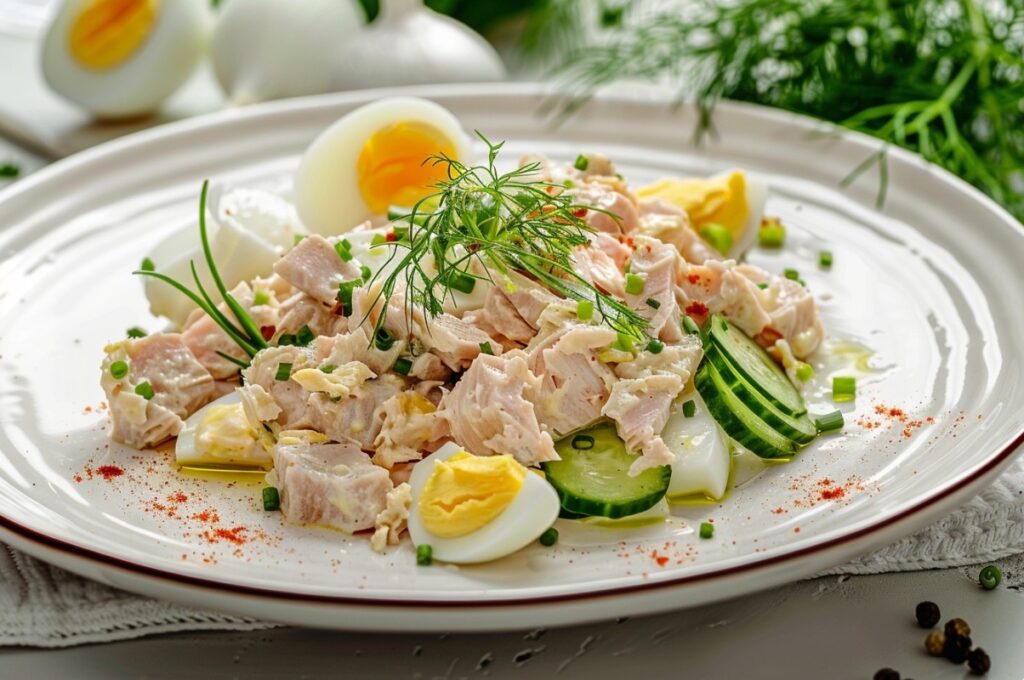
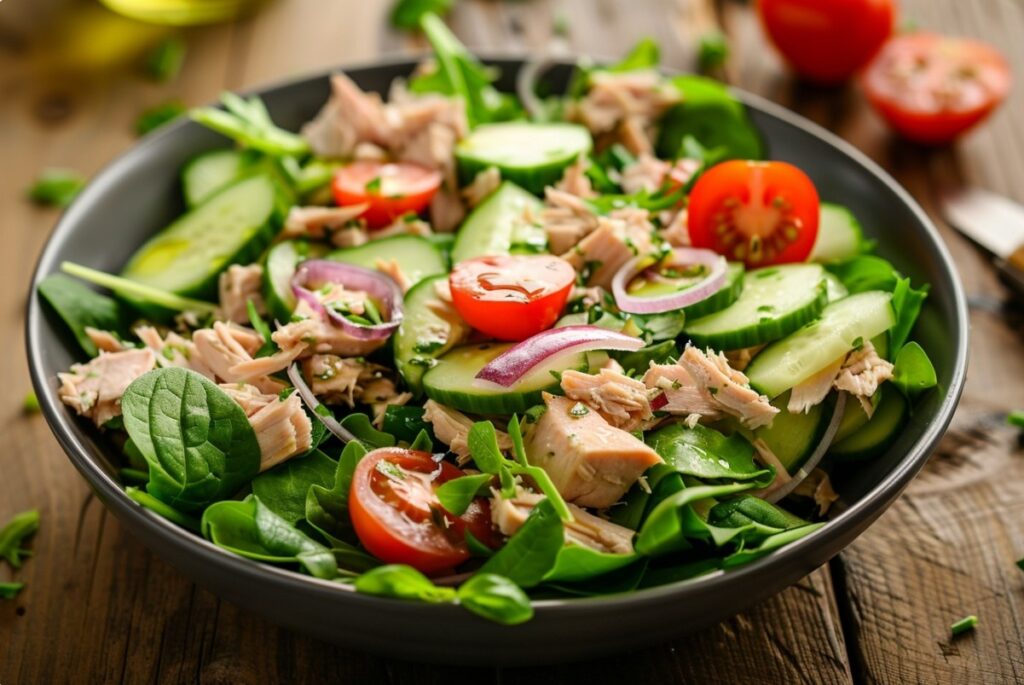
A tuna salad without pricey ingredients is my go-to when I need something filling and genuinely tasty—without turning “just a couple things” into an eye-watering receipt. It’s built on everyday basics you can grab in any regular grocery store, no hunting for “special” or premium add-ons.
No complicated flavor gymnastics here, and no ingredient overload: canned tuna does the heavy lifting, eggs add body and staying power, pickles bring that bright tang, and a simple dressing pulls everything together. With the right balance, even a very affordable lineup tastes complete—never like the “budget version” of something better.
Some evenings you want something “proper”: not a rushed sandwich and not “whatever with buckwheat,” but a bowl that looks put-together and actually makes you feel like you ate well. And ideally without that quick trip to the store for “two little things” that somehow turns into a big bill. For me, salads were the worst offenders—supposedly light, yet suddenly I’m buying capers, avocado, a bag of arugula, microgreens, and something else because it’s “on sale.”
A tuna salad without expensive ingredients isn’t about depriving yourself. It’s about keeping a few simple staples at home and knowing how to turn them into a meal that’s filling, fresh, and doesn’t quietly eat your budget. Tuna is the quick protein; everything else is there to boost flavor and texture.
It took me a while to stop buying “extras for salad,” because those are exactly the things that wilt and die first in the fridge. Now my approach is simple: I check what I already have, add at most 1–2 items, and only then think about the “pretty” touches. Honestly? It tastes better than when I try to copy a restaurant version.
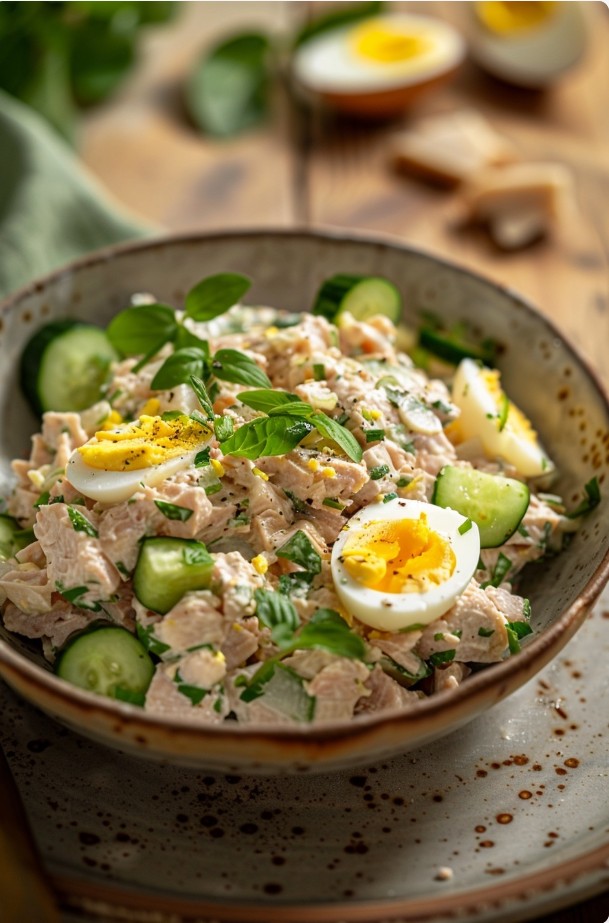
Why tuna salad often gets expensive (and how I stopped doing that)
It’s usually not the tuna that makes it pricey. It’s the little “upgrades” we toss in without thinking: olives, sun-dried tomatoes, feta, bagged arugula, a lemon “because you have to,” Dijon mustard “because otherwise it’s not right.” Each one seems harmless, but together they turn tuna salad into a special-occasion purchase instead of everyday food.
A quick story from my kitchen: I once bought arugula, cherry tomatoes, and an avocado “for two salads.” The first one was great. The second was “made from leftovers,” because the arugula went soggy, the avocado browned, and the tomatoes started tasting off. Sound familiar? That’s when it hit me: I didn’t save time—I bought myself stress and a trash bag.
What helped:
- I stopped starting with “what salad do I want?” and started with “what do I already have?” Salad is a formula, not a shopping list.
- I limited the “goes-bad-fast” stuff to one item. For example: either cucumber, or greens, or tomatoes. Not all at once.
- I built a basic dressing toolkit at home. If you’ve got oil, something acidic, and mustard or something salty, you can make a dressing without running to the store.
One more thing: tuna is the kind of pantry item people buy “just in case,” then hesitate to use because they don’t want to “ruin it.” It’s actually hard to mess up if you remember this: tuna loves acid (lemon/vinegar), crunch (onion/cucumber), and something soft (potatoes/eggs/beans). That’s half the battle.
The budget tuna-salad basics: what’s worth keeping at home
I’m not into stocking up for six months, but a few things genuinely save the day—and they don’t spoil in two days. They don’t lock you into one specific recipe; they just make it easy to throw together a solid meal.
Canned and dry staples
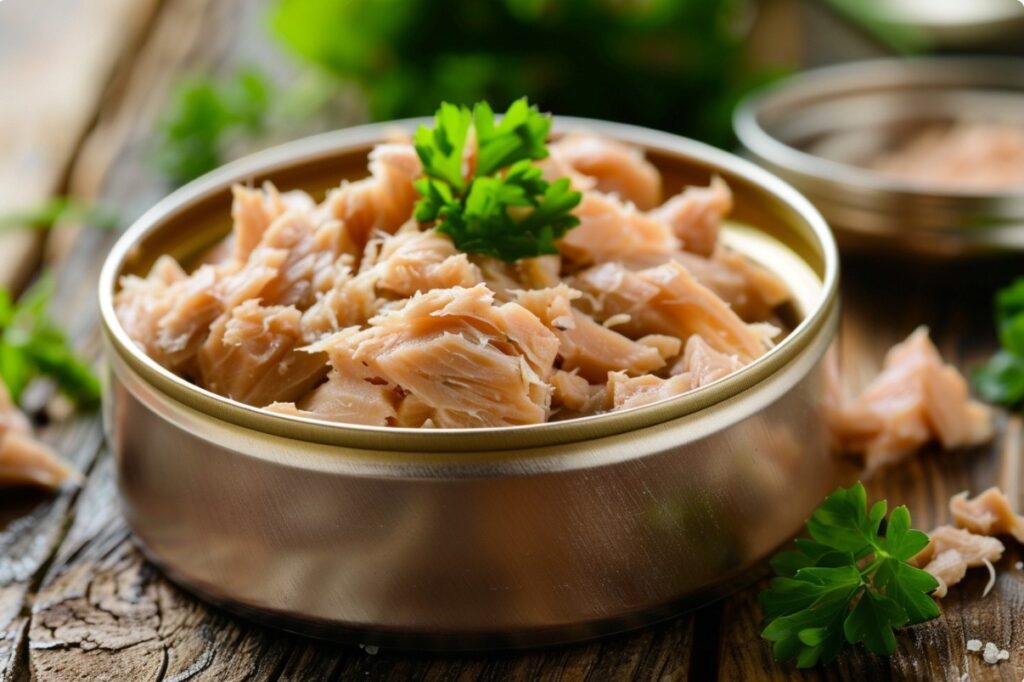
- Tuna in water (or in oil if that’s what you prefer). Tuna in water makes it easier to control how rich the dressing is.
- Canned beans/chickpeas — filling, budget-friendly, and no extra cooking.
- Canned corn — optional, but it can add a nice sweet balance, especially when winter vegetables taste bland.
- Rice/bulgur/small pasta — when you want the salad to feel like dinner, not a side.
- Vinegar (apple cider or wine vinegar) — cheaper than lemons and does the same job.
Fridge: simple but reliable
- Eggs — they make the salad softer and more filling, and they’re great “insurance” if the tuna feels dry.
- Onion (yellow or red) — crunch and aroma.
- Cucumber or cabbage — something fresh and crisp. Cabbage usually wins on price and lasts longer.
- Yogurt/sour cream — a creamy dressing base when you don’t want mayo (or you’re out).
Spice cupboard: no need to go overboard
Not “30 jars,” just the minimum that keeps any salad from tasting boring:
- salt and black pepper
- garlic powder or onion granules (a lifesaver when you don’t have fresh herbs)
- paprika (warm aroma and color)
- mustard (any kind—even the simplest one)
Tip: if you only have vinegar and mustard, you already have a dressing. Add oil, a pinch of salt and pepper, and the salad comes together in a minute.
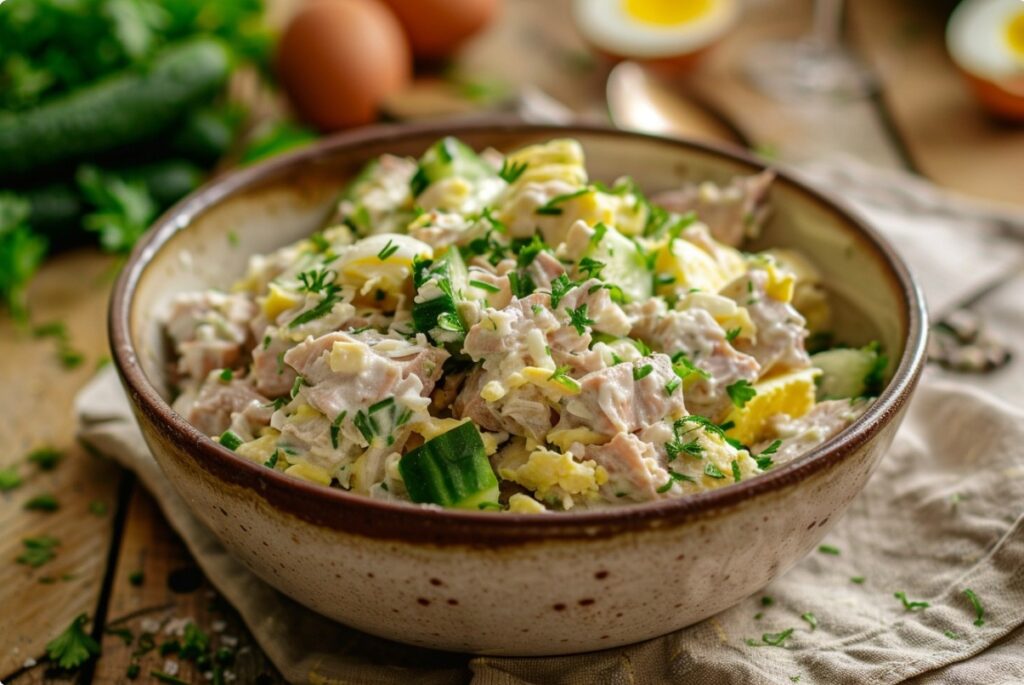
How to choose tuna without overpaying: can size, liquid, weight, and taste
It’s easy to get lost: chunks, flakes, “fillet,” in oil, in water, “premium,” “for salads.” I don’t focus on the buzzwords—I look for a few simple things.
What I check on the label
- Ingredients. Best case: tuna + salt + water/oil. The fewer extras, the easier it is to control the flavor.
- Net weight vs. drained weight. Some cans look big, but half of it is liquid. I always check how much fish you’re actually getting.
- Style. For salads, chunks or flakes are convenient. “Fillet” looks nice, but it’s not always worth the price.
- Packing liquid. Tuna in water is the most versatile. Tuna in oil tastes richer on its own, but go lighter on extra oil in the dressing.
A small truth about “cheap tuna”
Very cheap tuna can be drier and more finely broken up. That’s not a dealbreaker. It just needs the right support: something creamy (yogurt/egg/potato) and something acidic (vinegar/lemon/pickles). Then it doesn’t taste like “dust”—it becomes part of the salad.
Quick story: I once grabbed the cheapest can because it was on sale. Opened it—smell was fine, but the texture was like sawdust. I was ready to swear it off. Then I added a grated egg, a spoon of yogurt, a bit of onion, and a splash of vinegar. It turned out so well my husband asked me to make it again. Not because it was cheap—because it was balanced.
Tip: if the tuna is dry, don’t mash it into a paste with a fork. Keep it in larger pieces and let the dressing do the work.
How to build a tuna salad from what you’ve got: an easy mix-and-match formula
I like to think of salad not as a strict “recipe,” but as four parts. If you’ve got them, it works. If one is missing, you swap it.
1) The base: what gives it volume
The base is what fills the bowl and makes it feel like a meal, not a garnish.
- cabbage (green or Napa)
- boiled potatoes (yesterday’s leftovers are gold)
- beans/chickpeas
- rice/bulgur/small pasta
- salad greens (nice if you have them, but don’t rely on them as the only base)
2) Protein: tuna + a helper
Tuna is already protein. But sometimes you want the salad to keep you full longer. Then I add one of these:
- egg
- a bit of cheese (whatever you have; it doesn’t have to be feta)
- a spoonful of beans (yes, they’re both a base and protein)
3) Crunch and freshness
Without crunch, salad turns into “mush” fast. I almost always add one thing:
- cucumber
- onion
- apple (especially when tomatoes are disappointing)
- carrot
- sauerkraut (surprisingly great with tuna if you like tang)
4) The dressing: acid + fat + salt
This is where the flavor happens. You don’t need fancy sauces—just balance.
- Acid: vinegar, lemon juice, a little pickle brine or olive brine
- Fat: oil, a spoon of yogurt/sour cream, a little mayo (if you like it)
- Salt: salt, soy sauce (if you have it), the tuna itself, pickles
Tip: no lemon? Pickle brine saves the day. Add it by the teaspoon—it’s strong, but it really pulls the flavor together.
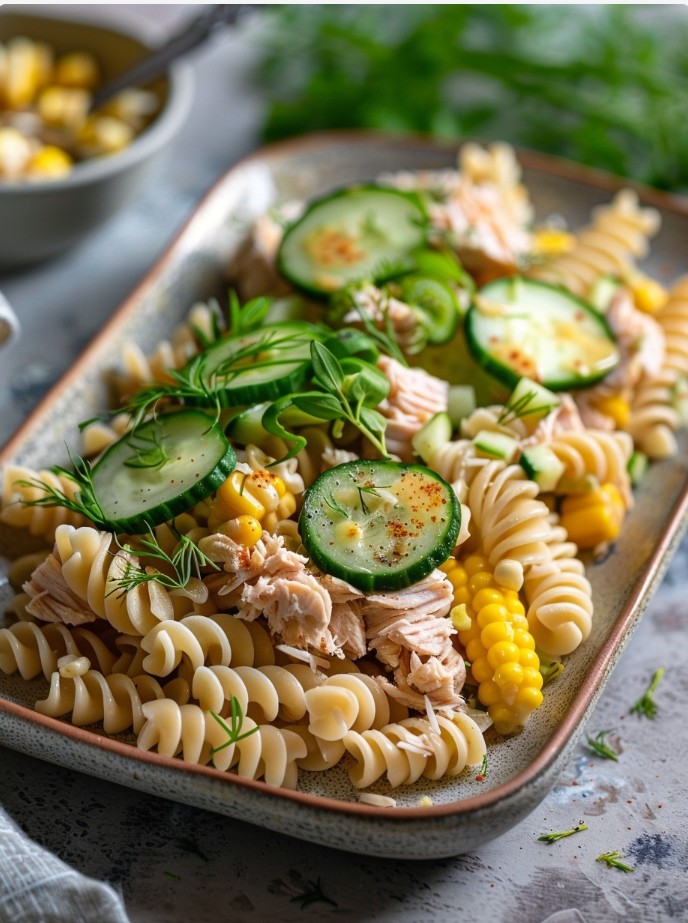
A no-waste shopping list: how I plan tuna salad without tossing half the fridge
I’m not a strict meal-plan person, but one trick genuinely saves money: make your list from the fridge outward. I open the door first, then I grab my notes.
My 5-minute way to make a list
I split the page into three quick columns:
- Already have (use this first)
- Missing (max 1–2 items)
- Basics (if you’re out of oil/vinegar/eggs, that matters more than “something fun”)
Then I set one simple rule: for tuna salad, I buy no more than two perishable items. For example, cucumber and herbs. Or tomatoes and a lemon. If I want more than that, I’m not planning a salad—I’m shopping for a mood.
Quick story: I went through a phase of buying herbs “because they’re healthy.” They’d sit in the fridge, then head straight to the bin. Now I do this instead: if I want herbs, I buy one bunch (dill or parsley), and as soon as I get home I chop part of it and freeze it. It won’t be pretty for salads, but it’s perfect for dressings, eggs, and quick sides.
How not to buy extra “just for salad”
- Don’t buy a big bag of greens unless you’re sure you’ll eat it tomorrow. Cabbage or cucumber lasts longer.
- Out-of-season tomatoes are often expensive and watery. If they taste like nothing, the dressing can help: acid + salt + a tiny pinch of sugar.
- If you’re buying a lemon only “for the salad,” check if you already have vinegar. Lemon is great, but it’s not always necessary.
Tip: if your hand reaches for a third “interesting” purchase, take a photo of your fridge shelf. It’s sobering in the best way.
How to store ingredients so you can throw together tuna salad any day
Saving money on salads doesn’t start at the store—it starts at home. Because the most expensive ingredient is the one you throw away.
Tuna and canned goods
Unopened cans: keep them in a dark cupboard. But once a can is open, I never leave it “as is.”
- If you didn’t use all the tuna, transfer it to a small container and seal it tightly.
- Don’t store fish in the opened metal can—the flavor can turn sharper.
Herbs, so they don’t turn into a soggy mess
My reliable method: rinse, dry really well (kitchen towel or paper towels), wrap in a dry towel, then put into a bag or container. Moisture is the main enemy.
If the herbs are already a bit tired, I don’t fight for perfection: I chop them and freeze them. That way they stop being a “project” that nags at your conscience.
Vegetables: how to make them last longer
- Cucumbers I don’t wash ahead of time—they spoil faster. I wash right before slicing.
- Cabbage is the longevity champion. Cut what you need, wrap the cut side in film/bag, and it keeps going.
- Onion once sliced: store in a container and use within 1–2 days. A trick that helps: soak sliced onion in cold water for 10 minutes, then drain—takes the edge off so it’s easier to use up quickly.
Tip: if you make salads often, keep a small jar of quick marinade in the fridge (water + vinegar + salt + a pinch of sugar). Drop in onion for 15 minutes and it’s instantly “salad-ready,” without the harsh smell.
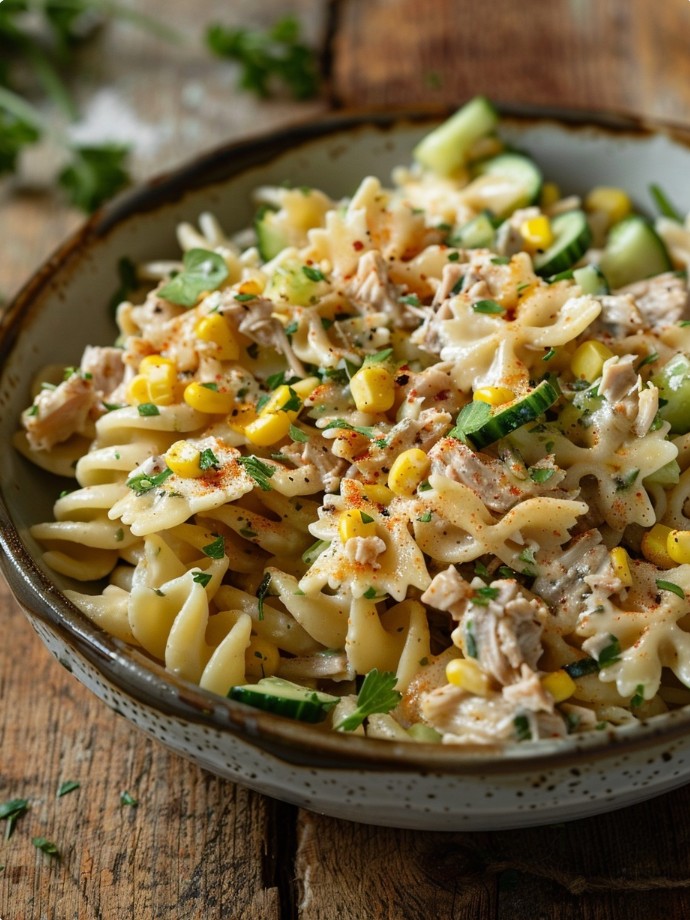
Common mistakes: why tuna salad turns watery, bland, or heavy
I’ve seen these mistakes a hundred times—and made them myself. Tuna salad looks simple, but it quickly shows where we rushed.
Mistake 1: not draining the liquid
If the tuna is packed in water, drain it. If your vegetables are very juicy, salt them separately and let them sit for 5 minutes, then drain off the excess. Otherwise the dressing gets diluted, the flavor goes flat, and you end up with a puddle at the bottom of the bowl.
Mistake 2: chopping everything too small
When everything is the same tiny size, the salad turns into a characterless mix. I like contrast: tuna in bigger pieces, cucumber in cubes, onion sliced thin. Then you actually taste crunch, softness, and the fish.
Mistake 3: a dressing with no balance
People often go too sour, too oily, or just “salt and oil.” What you want is that feeling that the flavor snaps into focus. If it’s bland, add acid. If it’s too sharp, add something fatty. If it tastes flat, add something salty or a little mustard.
Mistake 4: too much mayo
Mayo is delicious, but it can make the salad heavy and one-note. I sometimes do this: half a spoon of mayo + yogurt/sour cream + vinegar. The flavor stays familiar, just lighter.
Mistake 5: mixing ahead and letting it sit
Once it’s dressed, salad is a “right now” food. If you need to prep in advance, store components separately: chopped veg in a container, tuna on its own, dressing in a small jar. Mix and serve.
Tip: if the salad tastes bland on the plate, don’t reach for more salt first. Add a few drops of vinegar or pickle brine. Very often the problem isn’t salt—it’s missing acid.
How to read labels and not pay for pretty words: tuna, canned goods, sauces
Reading labels isn’t about becoming annoying. It’s about not paying for air and marketing. I scan quickly, but I always check the same things.
Tuna
- Ingredients: shorter is calmer.
- Drained weight: look for how much fish you get without the liquid.
- Salt level: if you’re sensitive to salty foods, choose a milder option—but it’s personal. The main thing is that you like it.
Beans/chickpeas/corn
With canned legumes, I check that there aren’t unnecessary sweeteners or weird flavorings. One more detail: drain and rinse—the taste is cleaner and the salad doesn’t get cloudy.
Sauces and bottled “salad dressings”
Store-bought dressings often cost as much as half your groceries, and they can taste overly sweet or aggressively sharp. If you love them, fine. But for a budget approach, I’d rather keep simple bases at home: oil, vinegar, mustard, yogurt. That’s enough to make lots of different flavors without a separate bottle “for every salad.”
Quick story: I once bought a “signature herb dressing.” It was good… the first two times. Then I got tired of it, and the bottle sat there until it expired. Since then, I’d rather buy one more cucumber than another “unique” dressing.
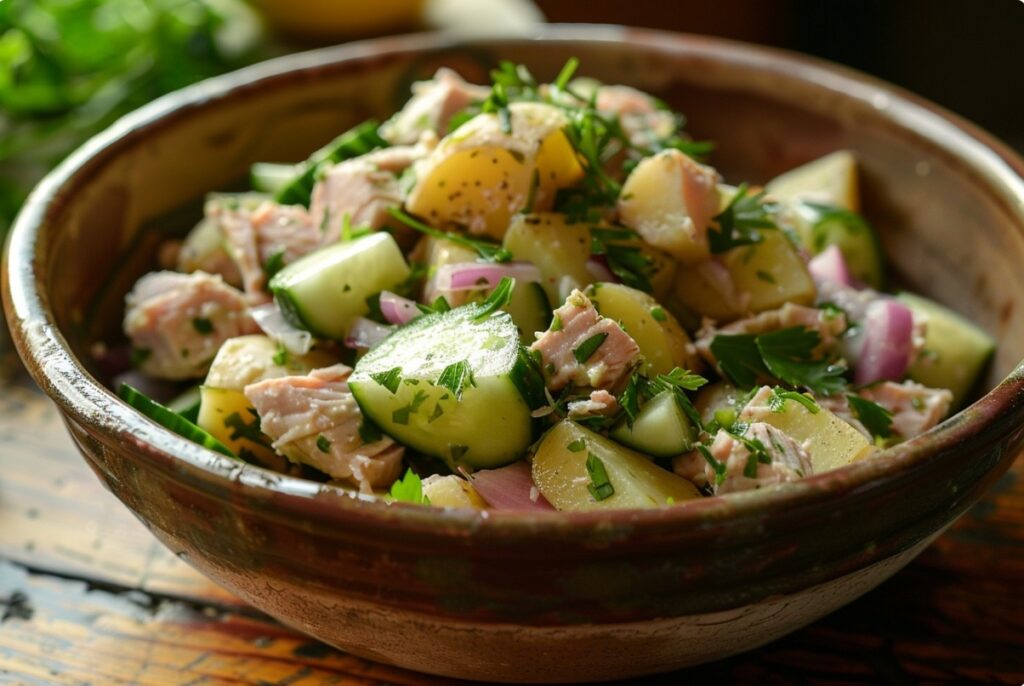
Cheap flavor boosters: smart swaps that keep tuna salad from being boring
Some ingredients are inexpensive but make everything taste more interesting. I love them for exactly that reason: they don’t feel like “cutting corners,” they feel like being clever.
Tang without lemon
- apple cider vinegar
- pickle brine
- sauerkraut (as an ingredient and as a tangy accent)
Salt and umami without pricey add-ons
- pickles (chop them small and the salad wakes up)
- a little hard cheese—even the simplest one
- black pepper and paprika (seriously, it’s not a small thing)
Crunch without arugula and salad mixes
- cabbage
- carrot
- onion (especially if you quick-pickle it)
- apple
Tip: if the salad feels “too simple,” add one contrast—something tangy, something crunchy, or a tiny hint of sweetness (literally a pinch of sugar in the dressing). Contrast makes it interesting.
I love when a light tuna salad smells fresh: a little onion, a little acidity, and a gentle warmth from pepper in the background. When you toss it, you hear that quiet crunch from cabbage or cucumber, and the tuna breaks into pieces—not mush. Small details, but they’re exactly what makes it feel like you ate “like a person,” not “whatever was around.”
If I had to sum it up: a budget salad isn’t about saying no. It’s about leaning on basics, making a sensible list, and getting into the habit of not buying extras on impulse. And tuna is just that handy helper sitting in the cupboard, waiting for its evening.
What’s your most common salad fail at home—buying too much, not using up herbs in time, or ending up with something bland? Tell me in the comments. I’m always curious what works for other people (and what drives you nuts).
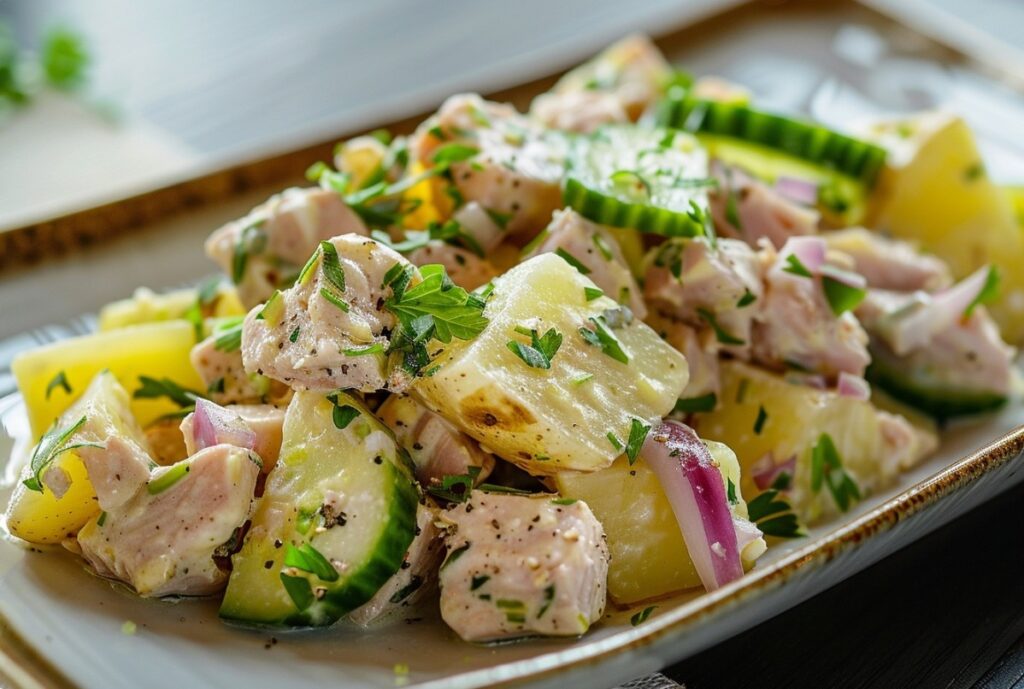
Frequently asked questions
What kind of tuna is best for a budget tuna salad, and why does it matter?
Canned tuna chunks are best because they keep their texture. Drain and press out the liquid well so the salad doesn’t turn watery and the dressing clings properly.
Which ingredients add the most volume without extra cost?
Eggs, pickles, and onion add most of the bulk, while tuna provides the main flavor. This keeps the salad filling without relying on lots of tuna.
How do you make the salad filling if the ingredients are simple?
Use a hearty texture: eggs for substance, tuna for protein, and a balanced dressing to bind everything into a proper meal.
Why don’t you need expensive add-ons for it to taste good?
Because the core balance is already there: savory tuna, soft eggs, tangy pickles, sharp onion, and a creamy dressing. Pricey extras usually just raise the cost.
What shouldn’t you cheap out on, even in a budget salad?
Don’t compromise on basic quality—especially the tuna and mayo. The goal is affordable and tasty, not “the cheapest possible” at the expense of flavor.