What Distinguishes Restaurant Pizza from Homemade

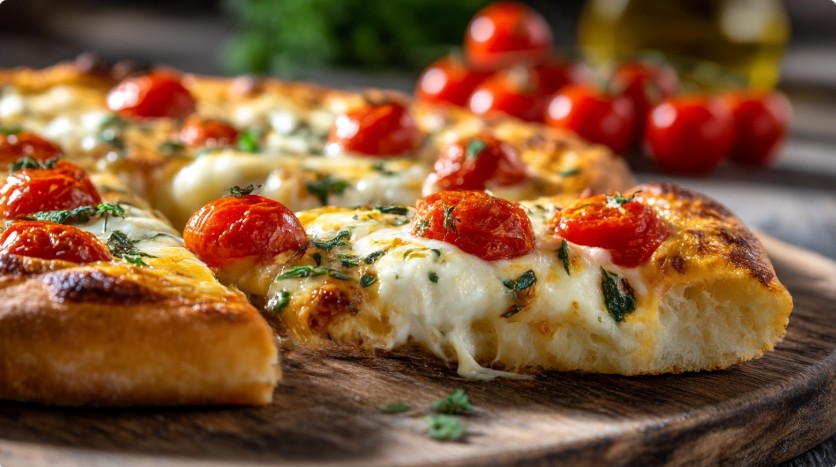
Imagine this: it’s evening, you’ve just come home after a long day, and suddenly you crave pizza. Two scenarios immediately spin in your head — either order from your favorite restaurant or roll out the dough yourself, turn on some music, and dive into the home ritual. The choice seems simple, but the feeling from these two pizzas — restaurant and homemade — is always different. Why is that? Why does even a perfectly baked pizza at home not resemble the one served in a nice place, even without stars and pomp? And is this really a disadvantage? I’ve noticed how people argue about the ‘real pizza,’ but the essence lies in the details, the atmosphere, even in how the sound of a knife on the crispy crust resonates.
The Context and Meaning of Pizza: From Italian Street Food to Ritual
Pizza was born as a simple dish for simple people. It was fast food, eaten with hands, standing in the square or on the doorstep of one’s home. Now pizza has grown into an international symbol, but its essence is about community, sharing a slice, simple joys. In Italy, in Naples, pizza is not just a dish; it’s an event. You come to a pizzeria, and the whole process: the smell of the wood-fired oven, the buzz of conversations, the short shouts of the pizzaiolo — it’s already part of the taste. At home, it’s different. Here, pizza is more of a manifestation of care, a family ritual, or even an experiment.
I remember the first time I tried pizza in a small Neapolitan place. Everything — from the creak of the chairs to the warm smoke in the air — influenced the feeling. Then I realized: pizza is not just about dough and toppings. It’s about space, noise, even the anticipation when they bring you a hot plate.
Dough: The Heart of Pizza and Its Character in Different Conditions
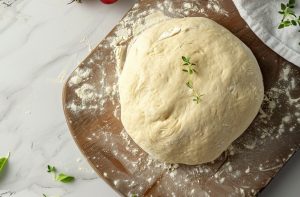
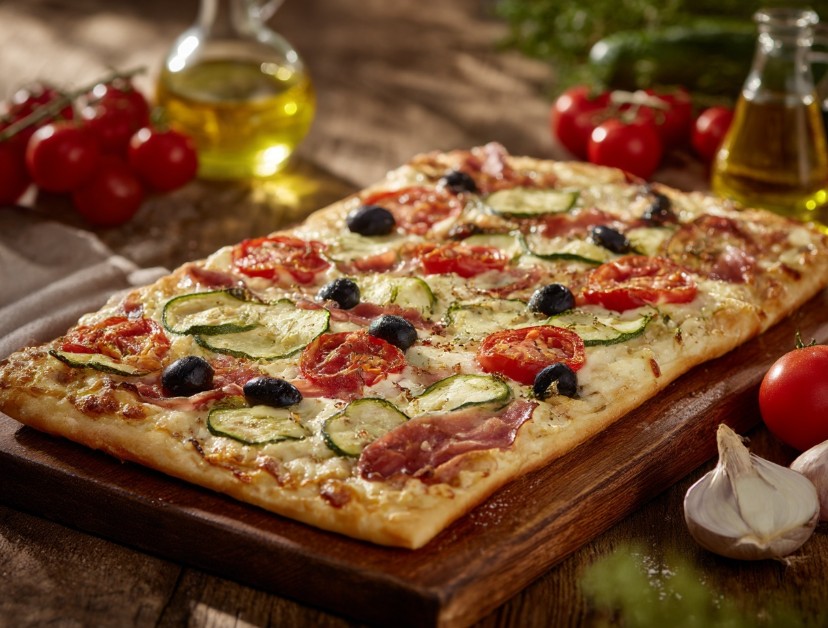
Dough is where it all begins. In a restaurant, it’s always different. Often it’s a mix of perfect moisture, hours of fermentation, special types of flour. At home, even a diligent cook faces limitations: regular flour, a household oven, less preparation time. Even if you follow all the advice, at home, the dough won’t be like the one from an oven heated to 450 degrees.
A friend who is a pizzaiolo once told me: ‘The main thing is not the recipe, but the hand that rolls the dough.’ In a restaurant, it’s a hand that shapes hundreds of bases daily. Its movements are precise, almost mechanical, but each carries experience. At home, the hand is different: careful, but warm. From this, the dough comes out more ‘homemade’ — not as crispy, but warmer to the touch and taste.
Why Homemade Dough is Different
A household oven won’t heat up like a wood-fired one. A pizza stone helps, but even then, the crust will be softer. In a restaurant, the heat is even, the dough rises more, and the bottom gets a characteristic light charring. This is not a disadvantage of homemade pizza, but its feature.
Lifehack: if you want to get closer to the restaurant effect, preheat the baking sheet in the oven to the limit and throw the pizza on it while it’s hot. But don’t expect a miracle — the magic of restaurant temperature is unattainable at home, and that’s okay.
Here are some easy recipes you can make at home:
Cheese, Tomatoes, and Toppings: Balance Between Tradition and Possibilities
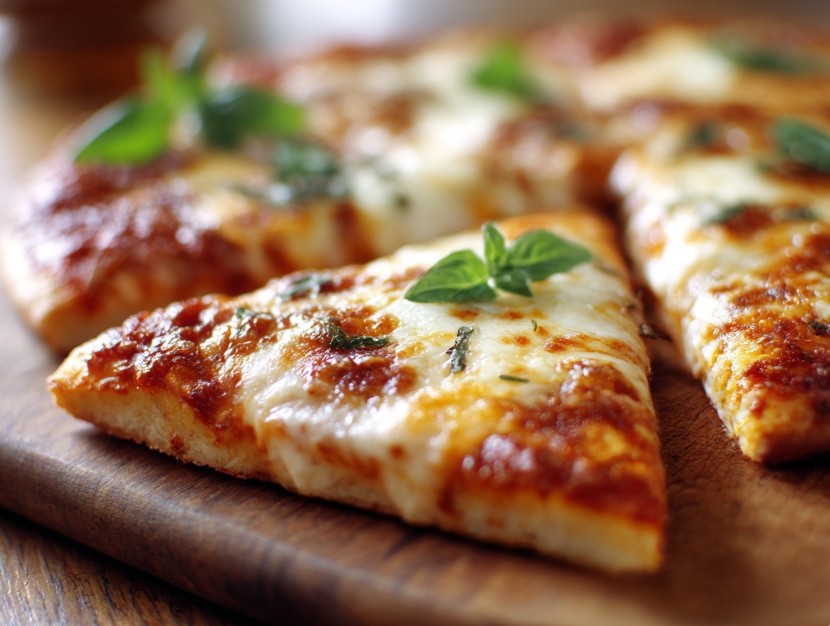
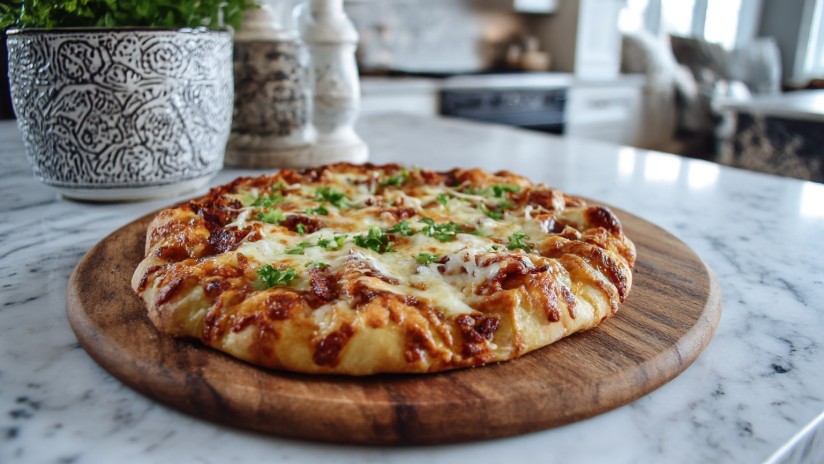
You may have noticed: even the same ingredients behave differently at home and in a restaurant. It’s all about the little things. Mozzarella — in a restaurant, it’s a fresh product that doesn’t run, doesn’t separate, but covers the pizza with a gentle blanket. Cheese from the supermarket at home often spreads, sometimes burns, or, on the contrary, remains lumpy. The same with tomatoes: restaurant sauce is not just puree, but a mixture with a clear balance of acidity, salt, spices, and even temperature. At home, it’s hard to achieve such uniformity and taste, even if you buy the ‘right’ tomatoes.
I once brought home a can of real Italian tomatoes, but they tasted different because the baking temperature and dough texture were not the same. It’s a matter of interaction: the components of restaurant pizza work together like an orchestra, while at home — more like a family choir, each trying to show itself.
Common Mistakes with Toppings
- Too much cheese — the pizza becomes watery.
- Too many toppings — the dough doesn’t bake through.
- Cheese and tomatoes at different temperatures — they stretch and burn unevenly.
In a restaurant, this is all worked out to automation, at home — it’s a space for experiments and, honestly, for mistakes that sometimes bring unexpected joy.
Oven and Temperature: The Core of the Restaurant Experience
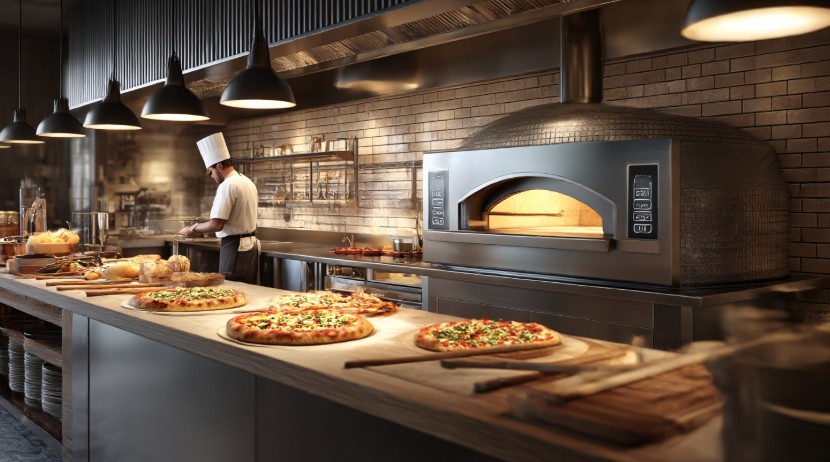
Restaurant pizza has one secret that is almost impossible to replicate at home: oven temperature. A wood-fired or professional electric oven heats up to 400-500 degrees. This means the pizza cooks in 60-90 seconds. The taste and texture change dramatically. The edges rise, bubbles appear inside, the bottom is crispy but not hard. In a home oven, even on a stone, the pizza bakes longer, and the dough loses some of this lightness.
I experimented with different methods for a long time: stone, cast iron skillet, even a homemade ‘oven’ from a tile. The best result was when I briefly pre-baked the dough in a skillet and then quickly finished it in a hot oven. But this result was still different. It had a cozy, homey spirit, not a restaurant one.
Tip: if you want more caramelized crust, lightly sprinkle the edges of the dough with water before baking. Or use a small amount of sugar in the dough — this will help get ‘spots’ on the crust similar to restaurant ones.
Atmosphere: Sound, Space, Ritual
The feeling of a restaurant is not just about the food. It’s the clatter of plates, the aromas from the oven, the light bustle of the staff, even the clinking of glasses and shouts at the next table. Part of the taste of restaurant pizza is the atmosphere. You sit, watch the pizzaiolo spin the dough, feel the heat of the oven, hear the crust crunch. All this enhances the impression.
At home, everything is simpler but warmer. You can talk with loved ones, choose the music, eat pizza right off the board without worrying about etiquette. This simplicity is part of the home magic. I love when kids help lay out the toppings, argue over whose slice is bigger. In such moments, pizza becomes not just food, but a reason for conversation, laughter, shared memories.
Here’s an interesting article about: Main Pizza Trends
Micro-story: Pizza for the Whole Family
Once, when friends with kids came over, I decided to ‘play’ restaurant: I placed homemade pizza on a wooden board, cut it with a special wheel, even served it on a large plate. But the kids still grabbed slices with their hands, laughed, and one even ate the pizza upside down. Then I first thought: atmosphere is not the walls of a restaurant, but the people around the table.
Rituals and Habits: What Remains in Memory
Pizza in a restaurant is sometimes a celebration, sometimes an escape from routine. People come for the experience, for the feeling of ‘being in the moment.’ Often it’s a date, a meeting with friends, a small gift to oneself. Restaurant pizza is also about anticipation: you order, watch them cook, catch the smells. There’s even a ritual of cutting the pizza — in Italy, it’s often served whole, and everyone breaks off a piece themselves. This creates a sense of personal involvement in the process.
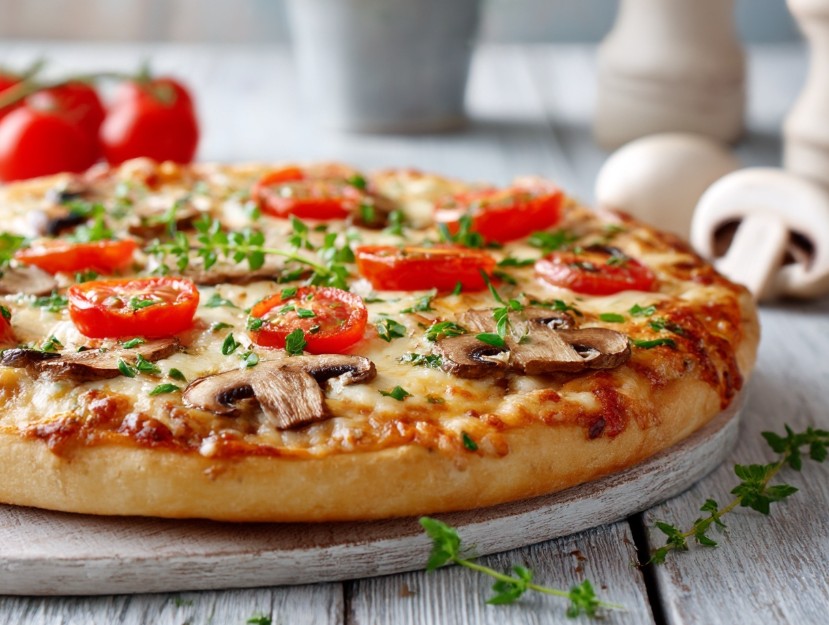
At home, the ritual is different. Here pizza is a family affair, especially if everyone participates in the process: from rolling the dough to choosing the toppings. I know people who have a ‘pizza night’ every week, and it’s already part of their family history. Some add their favorite ingredients to the pizza, some experiment with the shape. These little things make homemade pizza special and unforgettable.
Lifehack: if you want homemade pizza to be memorable, create your own ritual — for example, always add one ‘secret’ ingredient or cut the pizza together with the kids. It’s a small thing, but it creates a tradition.
Service and Presentation: How Details Matter
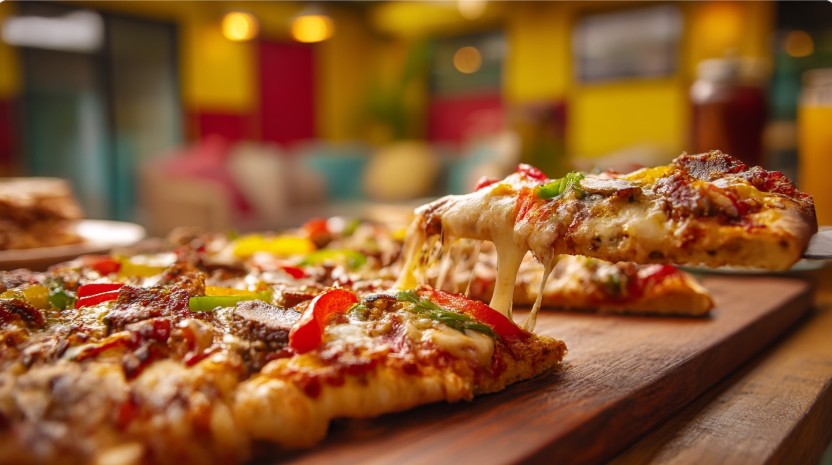
Restaurant pizza is almost always served hot, often on a wooden board or large plate. The waiter brings it with a smile, sometimes even gives a short story about the type of cheese or tomatoes. At home, everything is usually simpler: the pizza is taken off the baking sheet, placed on a plate, sometimes even eaten right on the parchment. But in this — cozy imperfection, there is its own beauty.
I’ve heard the opinion that restaurant pizza is ‘right’ because it’s served ‘as it should be.’ But for me, the real taste is when you eat pizza without being distracted by rules. In a restaurant, it’s precision, at home — freedom. Sometimes the best slice is the one you ate standing in the kitchen, even before the pizza made it to the table.
What to Do If You Want a Restaurant Feel at Home
- Use a wooden board for serving — it adds a sense of ‘professionalism.’
- Cut the pizza with a special wheel — it gives a characteristic sound and look.
- Serve the pizza immediately, without waiting for it to cool down.
Modernity: Mixing Cultures and New Formats
Today, pizza is eaten in different ways. In big cities, food trucks have appeared where pizza is a quick snack. There are places that make pizza with unusual ingredients: Asian sauces, vegan cheese, even dessert options. At home, there is also a trend towards experimentation: people try cooking pizza on the grill, in a slow cooker, even over a campfire. This is part of modern culinary culture — mixing traditions, finding your own ways.
I observe young people who are not afraid to break the rules: someone puts smoked fish on pizza, someone adds sauerkraut or even hot pepper. In restaurants, such experiments are often viewed as a trend, at home — it’s just a way to make dinner more interesting. It’s normal for pizza to change. The main thing is that around it remains a space for communication and new experiences.
Tip: don’t be afraid to combine the incompatible. Sometimes this is what makes homemade pizza unforgettable. If a restaurant is about standards, then home is about freedom.
Comparison of Experience: Not ‘Better,’ Just Different
I often hear debates: where is the pizza tastier — in a restaurant or at home? But these are not things that can be compared head-on. A restaurant gives the atmosphere of a celebration, speed, and predictability of taste. Home is comfort, experiment, warmth of hands. In a restaurant, you feel like a guest; in a home kitchen, you’re the master of the situation. It’s a different experience, and both have value.
I remember once having a ‘professional’ pizza night at home: I bought special flour, fresh mozzarella, even made tomato sauce on the advice of a friend from Naples. The pizza turned out delicious — but different. It had the spirit of my home, the smell of fresh baking, the laughter of loved ones. And that was the best taste. Not restaurant, but mine.
Useful article about, common mistakes when making Margherita pizza.
Common Mistakes When Striving for ‘Restaurant’ Pizza at Home
- Focusing only on recipes — ignoring the features of the oven and ingredients.
- Trying to literally replicate restaurant presentation — without considering the home atmosphere.
- Overdoing it with the amount of toppings — the pizza becomes heavy and undercooked.
- Using cold ingredients — cheese and tomatoes should be at room temperature.
- Insufficiently preheated oven — the pizza comes out limp.
The main advice is not to chase perfection. Homemade pizza has the right to be imperfect. That’s its charm.
Several times I caught myself thinking: while you’re chasing restaurant precision, you lose the joy of the process. Homemade pizza is not about copying, but about personal experience, about the taste that is born here and now.
In conclusion, restaurant and homemade pizza are two parallel stories. The choice between them is not a question of ‘better — worse,’ but a choice of mood, company, even the weather outside. You can enjoy both without comparing. The main thing is to feel the moment, the aroma, the crunch, and the laughter around the table.
And which pizza do you like more — homemade or restaurant? Do you have your own rituals or memories associated with pizza? Share in the comments — it’s interesting how it happens in your life.