What to Cook on Christmas Eve if You’re Cooking for the First Time

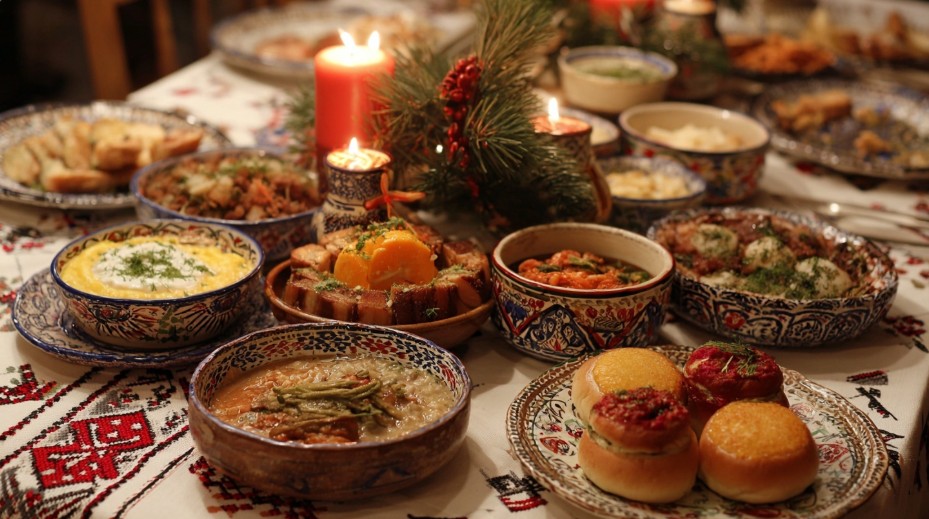
Imagine an evening filled with the aroma of cinnamon, dried fruits, and a hint of excitement. The kitchen is quiet, you’re alone, and ahead of you is a table that needs to be filled with Christmas Eve dishes. Some people have been cooking with their grandmothers since childhood, but not you. You’re here now, and it’s your first time. It doesn’t matter why you’re cooking—whether for yourself, family, or friends. The main thing is the idea of creating your own Christmas Eve, with all its little worries, smells, and first victories.
Many fear: “What if it doesn’t work out?” or “How not to ruin the symbolic dinner?” But Christmas Eve is not about perfection, not about strict rules, but about warmth and simplicity. When you’re cooking for the first time, the main thing is not to repeat a culinary encyclopedia but to understand: it’s all about feeling and a calm rhythm. I’m here to help you understand the processes, not to make you repeat someone else’s moves. You can feel confident at the kitchen table yourself.
Christmas Eve is not a marathon of dishes. Even one dish, made with understanding, has value. Now I’ll tell you how to act to feel not stress but joy from the evening, even if it’s your first experience.
How Not to Drown in Symbols and Traditions
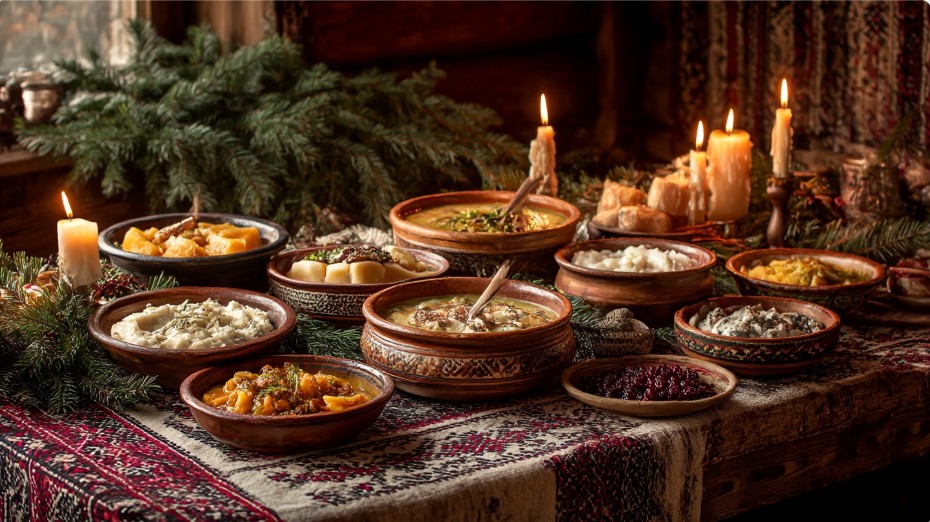
Facing Christmas Eve preparations for the first time, many are intimidated by traditions: twelve dishes, strict restrictions, precise recipes. It feels like you have to pass a difficult exam rather than spend a warm evening. But in reality, the essence of Christmas Eve is gathering together, feeling at home. The dishes are just a way to create a mood, not a checklist.
I remember the first time I tried to cook kutia myself. I sat over a bowl of wheat, pondering: “What if I don’t cook it right? What if it’s not sweet enough?” It turned out that the main thing is not precision, but connection with the process: feel the grain on your teeth, understand what you like, add what you love. Don’t be afraid to simplify, adapt, and do what is convenient for you.
Instead of cooking “like in a book,” ask yourself: what do I love? Will I try something new today? It’s your evening and your kitchen. Even if there are only two dishes, it still counts.
What to Cook if You’re Cooking for the First Time
Simple fasting dishes without stress — to feel the true atmosphere of Christmas Eve.
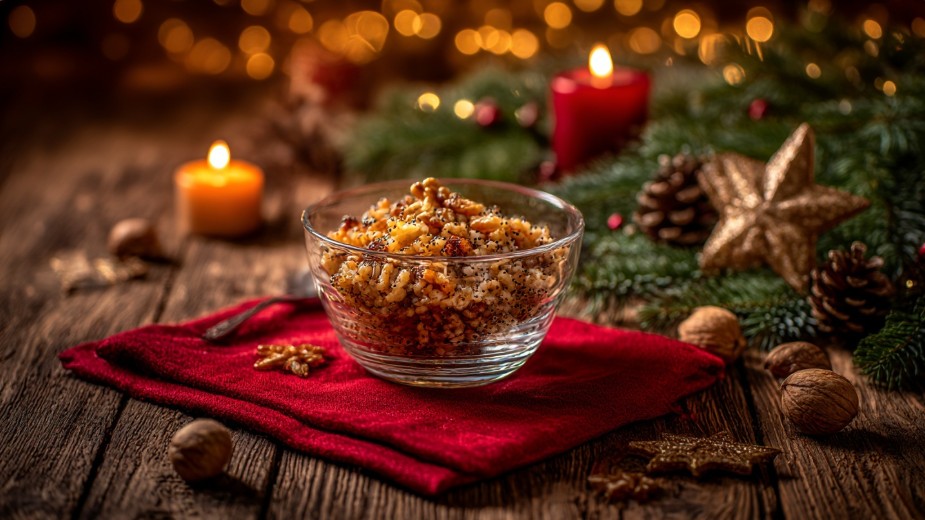
Kutia
Symbol of life, abundance, and family.
Boiled wheat + poppy seeds + honey + nuts. Just mix.
Uzvar
Traditional Christmas Eve drink.
Boil dried fruits and let them infuse, honey in warm uzvar.
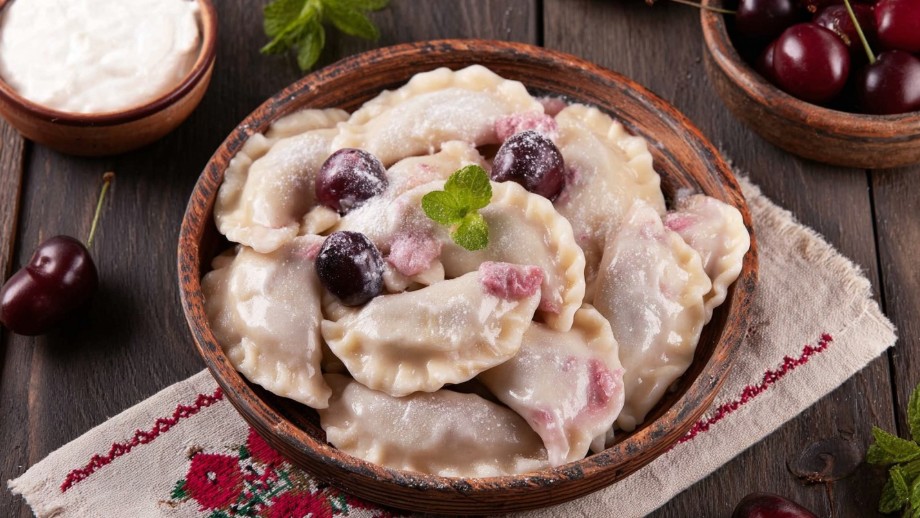
Varenyky
Hearty and familiar even to a novice.
Ready-made varenyky or simple dough + potatoes.
Lean Borscht
Warm traditional dish.
Vegetables + beetroot, let it infuse for 20–30 minutes.
Herring
Classic fasting appetizer.
Slice, add onions and oil — done.
Baked Potatoes
Versatile and festive.
Slices + oil + oven.
What to Do if You Know Nothing About Christmas Eve Dishes
Often beginners are more afraid of not knowing what should be on the table than the process itself. Thoughts like: “Can kutia be without poppy seeds? Can I do without varenyky?” swirl in their heads. In reality, the rules of Christmas Eve are very flexible, and even grandmothers cook differently. If it’s your first time, choose 1-3 symbolic dishes you want to try.
Here’s how it looked for my friend Lesya. She had never cooked borscht but wanted to create an atmosphere. She took simple beans, soaked them overnight, boiled, salted, added a little oil and onion. That’s it. That’s already one of the dishes. No need to invent complex combinations.
The main thing is not to copy someone else’s expectations. Choose what interests you and what you can handle. If you’re afraid to start, break the preparation into several steps: today — kutia, tomorrow — uzvar, and then add something else. Every small step is already a move forward.
Kutia: Understanding It Humanely
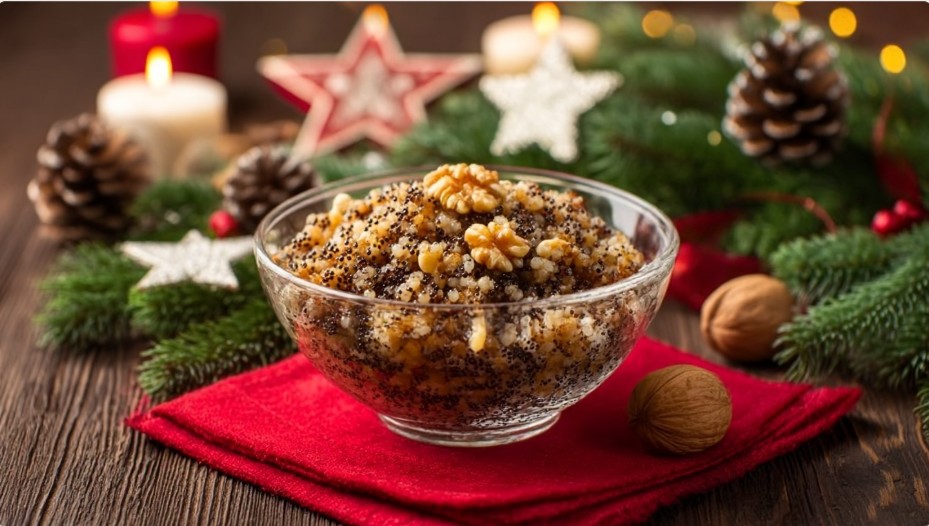
Many consider kutia something magical, complex, and overwhelming. I also once thought: “If the wheat overcooks, everything will be ruined.” In reality, all the magic is in observation. The main thing is not to rush. The wheat should become soft but not mushy. It’s convenient to check by biting: the grain is chewable but holds its shape.
Here are a few tips that will help:
- Always soak the grain in advance (one night is enough)
- After boiling, rinse with cold water, otherwise, the kutia will be sticky
- Add ingredients gradually: poppy seeds, honey, nuts — try each layer
Don’t be afraid to experiment with proportions. I add more raisins if I like it sweeter, or a bit of lemon zest for brightness. You decide how your kutia should taste. No one is judging — you’re not in a competition.
Common Mistakes with Kutia
- Overcooking the wheat — it turns into porridge
- Adding honey to hot grain — loses aroma and texture
- Not rinsing the grain after boiling — it will be sticky
Tip: if the kutia is too dry, add a little uzvar or boiled water — the taste and consistency will revive.

Uzvar — Easier Than It Seems
The smell of pears and apples on Christmas Eve is a sign for me that everything is happening right. Uzvar is one of the easiest dishes to prepare, but there are nuances. The mistake many make is boiling everything to oblivion. You need to just bring it to a boil, then reduce the heat and let it infuse.
I love adding dried plums — they give a slight tartness. By the way, uzvar is a dish that can’t be completely ruined. Even if it’s too sweet, dilute it with water. If it’s not aromatic enough, add more dried fruits and let it infuse longer. Uzvar is very forgiving to beginners.
How to Know When Uzvar is Ready
- Smell: should be rich, fruity, with a slight smokiness from dried pears
- Color: golden, not cloudy
- Taste: try with a spoon — it should be sweet but not cloying
If something’s not right — just add a little honey, lemon zest, or dilute with water. Uzvar can always be “rolled back.”
Varenyky: How to Overcome the Fear of Making Them for the First Time
Varenyky are what intimidates beginners the most. When you see experienced hands quickly making dozens, it seems unattainable. I was also once afraid: the dough sticks, the filling falls out, the edges don’t hold. But here’s what works — don’t rush. Even if you make 5-10 varenyky, that’s already a success.
The dough is key. It’s better to make it more elastic, a bit softer than too tough. If you’re afraid it won’t roll out, divide it into small pieces, use a glass as a mold. Don’t put too much filling — it’s easier to seal.
I remember how my first dozen varenyky looked — one round, another square, the third completely fell apart in the water. Funny, but tasty. The real pleasure is when a varenyky rises from the water, and you realize: it worked!
Common Mistakes with Varenyky
- Dough too dry — cracks, doesn’t seal
- Too much filling — edges don’t stick
- Overcooked — become too soft and fall apart
Tip: if varenyky fall apart in the water, add a little oil to the dough and let it rest for 20 minutes after kneading.
Here are the details on how to prepare: Varenyky with Cabbage — classic Ukrainian recipe
Temperature, Time, and Texture: How to Feel Them Without Experience
The biggest fear for beginners is not “feeling the moment.” When to take it off the heat? How to know when the dish is ready? In reality, it’s much simpler than it seems if you don’t rely solely on time.
I always teach: observe the changes. Wheat for kutia — first hard, then slightly springy, then soft to the bite. Varenyky — float, another minute or two, and they’re springy, elastic, don’t fall apart. Uzvar — the smell transitions from “dried fruit” to “homemade,” the color becomes rich.
Don’t be shy to taste. Even if it’s “against the rules.” Taste by flavor, touch, smell. It’s better to make a mistake and understand it than to be afraid and never try.
Life Hacks for Controlling the Process
- Taste often: flavors and texture will always guide you on what to do next
- Don’t be afraid to lower the heat: better longer, but confidently
- Keep a spoon, sieve, towel handy — that’s all you need for quick decisions
What to Do if Something Goes Wrong
There’s no perfection in the kitchen. I had a case: the kutia cooked too thick, the honey crystallized, and the whole mass became stone-like. I solved it simply: added boiled water, ground poppy seeds with nuts in a mortar, mixed well, let it infuse — and the dish came to life.
Or uzvar: forgot about it, and almost all the water evaporated. Added fresh, let it infuse with new dried fruits — the taste even became more interesting. Varenyky fell apart? Not a catastrophe — serve as “lazy varenyky” with butter and onions. Christmas Eve is not about perfect form, but about a homely atmosphere.
How to Save the Situation
- Kutia too thick — add liquid (uzvar, water), mix
- Uzvar too sweet — dilute with water, add lemon
- Varenyky fell apart — serve as “kulesh” or “lazy varenyky”
Tip: when something goes wrong — don’t panic. Better stop, breathe, set aside for 10 minutes. Often the solution appears when you stop fussing.
How to Create an Atmosphere Without Stress and Effort
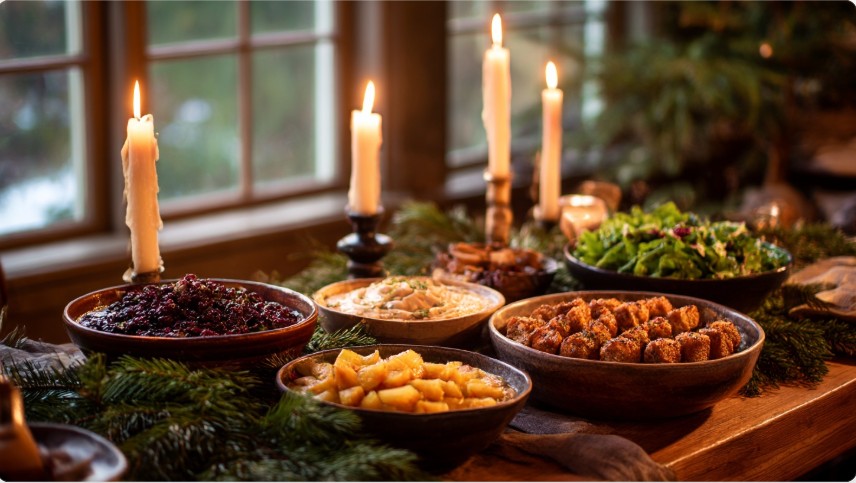
Christmas Eve is not just about food. The atmosphere is made of calm, music, a candle on the table. I remember how in my student years I cooked kutia in a dormitory — without a stove, on a small electric burner, with dried apples from the market. The room smelled of celebration, and we laughed because the uzvar was too sour. But it was the warmest dinner.
Take a pause, set the table, place a simple napkin, light a candle. Even if there’s only one dish on the table — the festive mood will appear. The main thing is not to cook in panic. Better less, but with attention to yourself and those around you.
First Successes and Confidence: How to Feel Them
You’ve already done something big: started cooking on your own. Don’t compare yourself to those who cook borscht with their eyes closed — this journey is yours alone. Every little thing is a success. Even if the dish isn’t perfect, you’ve learned something new. Christmas Eve is a process, and it’s valuable because you’re creating it for yourself.
I always say: the main thing is not to be afraid to do it your way. You’re learning to listen to yourself, understand taste, feel texture. Don’t be afraid to ask loved ones, add something “from yourself.” It’s your evening, and it will be exactly as you make it. Here it’s interesting and useful: How to Calculate a Banquet Menu Correctly.
Life Hacks and Small Rituals for Confidence
- Cook with music you enjoy — it reduces tension
- Prepare ingredients in advance — the process will be calmer
- See every mistake as a step towards mastery, not a failure
- Taste during cooking — it’s your best teacher
- Remember: your Christmas Eve is your rhythm, not someone else’s standards
I remembered one thing from childhood: grandma always said the main thing is not the number of dishes, but to have “warmth in the heart.” That’s the true taste of Christmas Eve.
You’ve already taken the first step towards your own tradition. Don’t be afraid to create it, even if it’s just kutia and uzvar. Christmas Eve is about you, your experience, and your first victories.
You’re already here, at this kitchen. And that’s the most important thing.
What’s your first memory of Christmas Eve? Share in the comments — it’s interesting how you experience this evening and what your first dish means to you.