What to Pack in a Kid’s School Lunchbox: Easy Lard Cookies

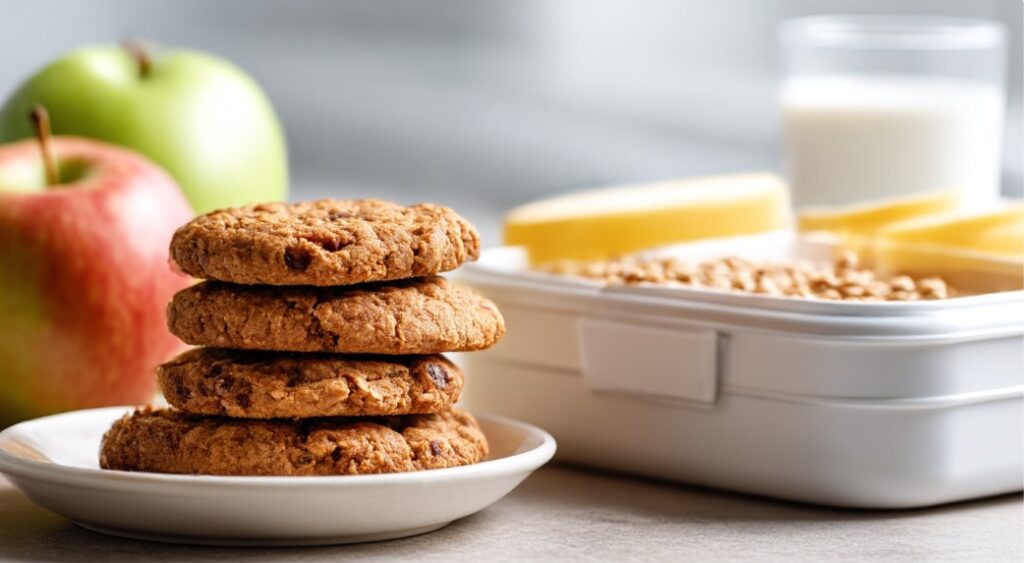
Honestly, the morning you have to pack a kid’s lunchbox always feels like a mini sprint. The house smells like toast, someone’s already spilled something in the corner, and your brain is looping the same question: what can I pack that they’ll actually eat, won’t bring back home, and won’t turn into a sad, squished sandwich? Pretty much anyone who’s ever packed a lunch for a child knows that feeling.
I still remember the day my son came home with his lunchbox almost untouched. Inside: an apple with one bite taken out of it and a sandwich that had fallen apart somewhere between the front door and the classroom. That’s when it clicked—this isn’t only about taste or “healthy choices.” It’s about whether a kid actually wants to take it with them. And whether you can come up with something simple, homemade, and—ideally—something you can make together.
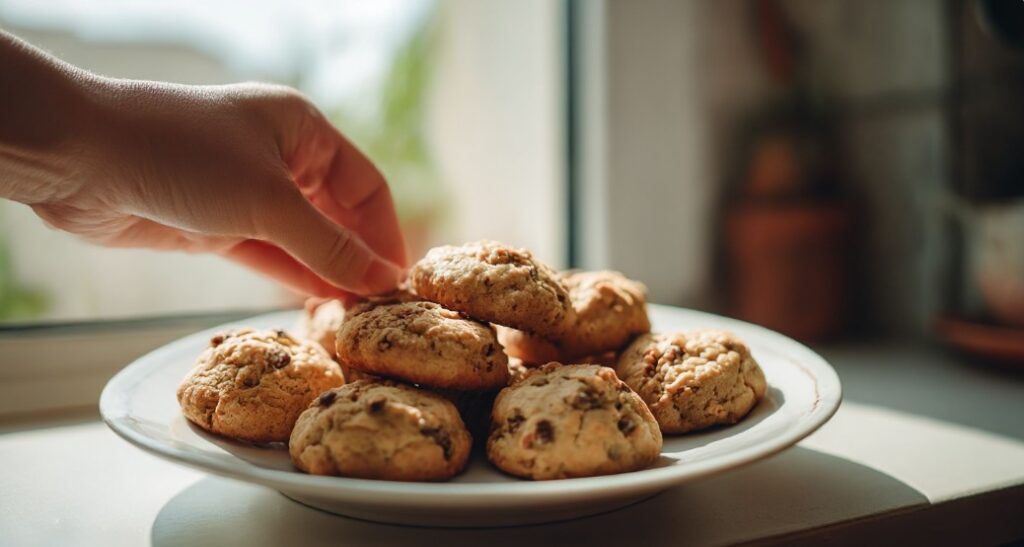
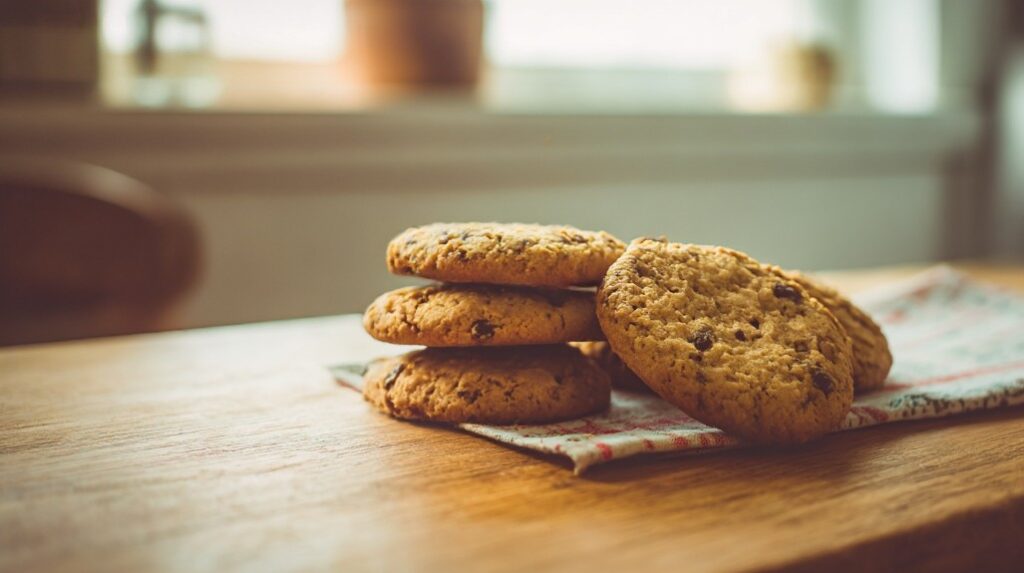
So today I want to talk about easy lard cookies. They’re like a little piece of home tucked into a lunchbox: they hold their shape, don’t get sticky, smell amazing, and—best of all—this is the kind of baking you can do side by side. No stress, no hovering, just small hands helping and real conversation happening while the oven warms up.
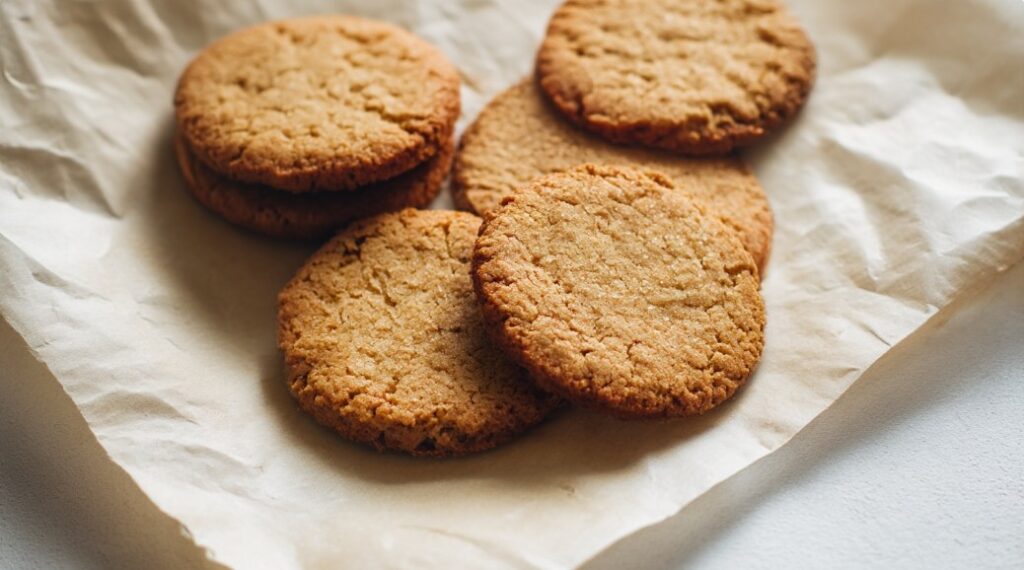
Why pack cookies in a lunchbox: real-life experience
Lunchbox cookies aren’t really about “something sweet.” They’re about that little hit of home—even in a noisy cafeteria. When there’s something in the box that smells familiar, it’s easier for a child to settle into the day, chat with friends, and sometimes just feel that quiet support that can be hard to find in a room full of new faces.
I’ve noticed something simple: eating cookies you made with Mom or Dad isn’t just a snack. It’s a way to remember last night—how we laughed when a bit of dough stuck to someone’s nose, or how I let them pick the bear-shaped cutter all by themselves. Those tiny moments change how kids relate to food—and to themselves.
Once my daughter came home with a note from a friend: “Can you bring more of those cookies? I liked them too.” Kids can taste love in the crumbs. A lunchbox with homemade cookies is basically a small portion of warmth, wrapped up in a napkin.
Why simple works better
Picking lunchbox food can turn into a weird competition between your schedule and your imagination. But the simpler the ingredients, the better the odds your kid will actually eat it. The real value isn’t sprinkles or trendy shapes—it’s a straightforward flavor and a texture they already know.
Lard cookies are an old-school classic that doesn’t let you down. They don’t crumble into dust, they don’t stick to fingers, and they don’t melt into a mess in a warm backpack. They’re that reliable little “save” you can grab with your hands without worrying about ruining a clean T-shirt. And lard gives cookies a lovely tenderness without making them fragile the way some butter shortbread can be.
I’ve watched kids reach for the cookies first, even when there’s cheese, fruit, and something store-bought sitting right next to them. They go for what’s familiar. What smells like home. That’s where simple really wins.
Lard: why it’s great for kid-friendly cookies
People have mixed feelings about baking with lard. Some think it’s “old-fashioned,” some worry it’ll feel heavy, and some have never tried it at all. I like lard for its clean taste and the way it helps dough keep its structure.
For kid-friendly cookies, it’s honestly perfect. First, good lard doesn’t have a strong smell. The cookies come out soft but not greasy, even if they sit in a lunchbox all day. Second, it’s simple—no extra additives. The dough behaves: it doesn’t cling to hands, rolls out easily, and holds its shape.
I still remember my grandma bringing warm cookies out on a kitchen towel. They always had this particular aroma—not buttery, not fancy, just… familiar. That note in the flavor pulls you right back into memories, and kids pick up on it too, even if they can’t explain it.
Tip: Homemade lard is great. If you’re buying it, look for lard that’s white (not yellowish) and neutral-smelling. That’s what gives you the best texture and flavor.
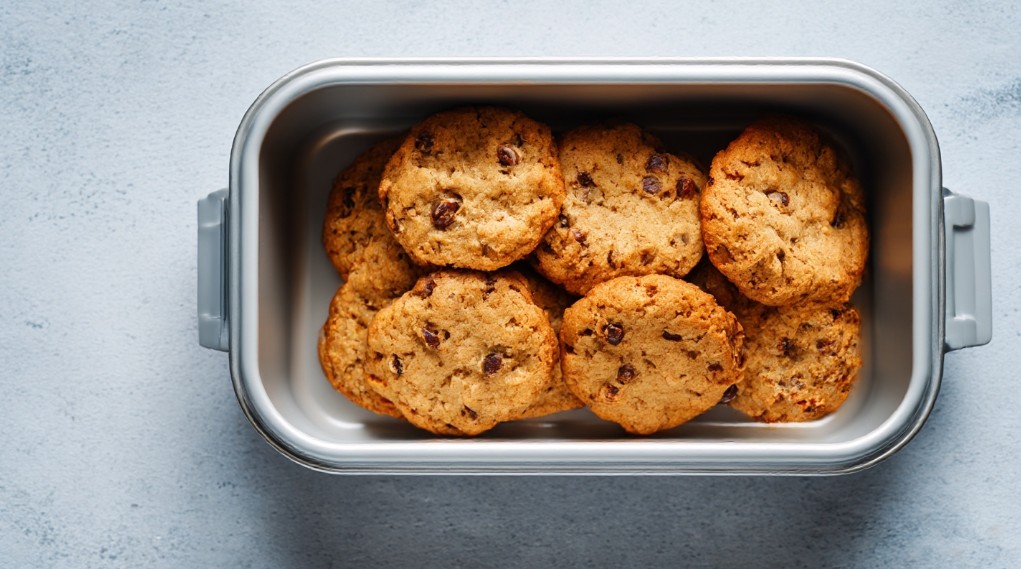
Getting kids involved: how to make baking feel like play
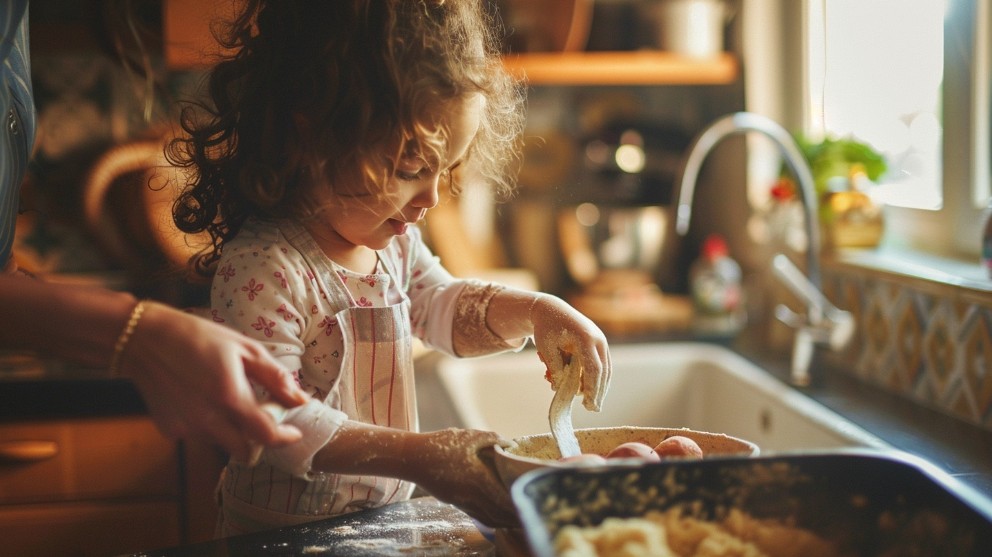
Cooking together isn’t always about “teaching.” Most of the time, it’s about trust. Yes, flour will end up on the counter (and the floor), and little fingers will absolutely poke the lard—but that’s the real experience. One rule helps me every time: don’t rush, and don’t correct every single move. This isn’t a masterclass. It’s time together.
What little ones can do (ages 3–4)
At this age, curiosity is the engine. They can:
- Pour ingredients into a bowl
- Stir with a spoon (even if it goes everywhere)
- Touch the dough and squish it in their hands
- Cut out cookies with a cutter—with an adult helping
Don’t expect a spotless kitchen. The experience matters more than the result. Once my youngest cut “circles” that looked more like a comet. He was thrilled, and that was the whole point.
Middle ages (5–7)
Kids here usually want a bit more independence. You can trust them with:
- Kneading the dough by hand
- Rolling out dough with a small rolling pin
- Placing cookies on a baking tray
- Sprinkling poppy seeds, sesame seeds, or sugar on top
Mini story: once we argued about how many cookies could fit on one tray. We turned it into a contest—whoever fit the most didn’t have to wash the bowl. I “won,” of course, but there was more laughing than baking.
Older kids (8–12)
This is where you can let creativity take over. They can:
- Weigh ingredients on their own
- Read instructions (or invent their own rules)
- Keep an eye on oven time (with supervision)
- Even come up with their own cookie designs
They want to feel “grown up.” Try not to interfere or criticize—ask instead: “What do you think will happen if we add one more spoon of sugar?” That’s real kitchen creativity.
Kitchen safety without the anxiety
The kitchen is where real life happens. It’s hot, slippery, noisy—sure. But it doesn’t need to become an anxiety zone. For me, the key is showing what’s okay and how to do it, not just handing out a list of “don’ts.”
- Knives: supervised, but a child can try cutting a sheet of dough with a dull butter knife or a dough scraper
- Hot oven: explain clearly that only an adult touches it, but letting them peek inside to see what the cookies look like is safe (and exciting)
- Dough: they can touch it, smell it, and even taste a tiny bit if the ingredients are safe—talk about it calmly, not as a scary rule
- Spilled water or flour: laugh and clean up together instead of scolding
Once we flooded the floor trying to wash hands mid-dough. We ended up cleaning it together, and somehow that was even more fun than the baking. My kid didn’t remember stress—just laughter and teamwork.
Tip: Keep a kitchen towel and wet wipes nearby. Wiping right away is much easier than scrubbing dried-on dough later.
Common mistakes when cooking together
Truthfully, there’s no such thing as perfect cooking with kids. Mistakes happen, and that’s normal. I’ve run into a few classics:
- Chasing cleanliness: you want everything neat, but it kills the mood and slows everything down
- Correcting every move: everyone gets tired fast
- Making it too complicated: if you give a small child a task that’s too hard, they’ll lose interest
- Expecting an “adult” result: the cookies won’t always look perfect—and that’s exactly what makes them special
Once my older kid baked a tray too long and the cookies turned rock-hard. Instead of getting upset, we turned them into “cookie boats” and let them float in milk. A flop is just another chance to get creative.
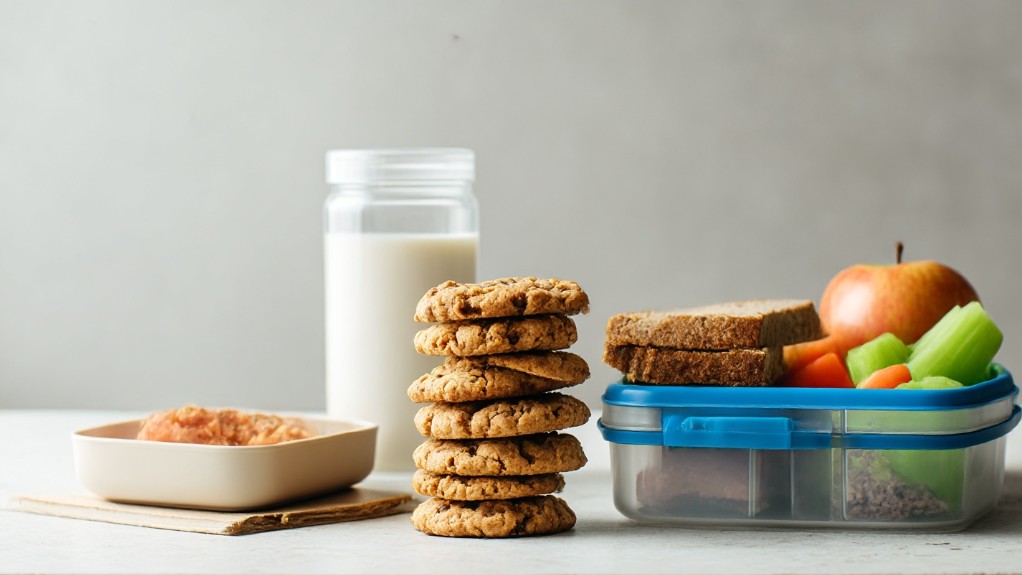
Lunchbox tips: what matters besides taste
Cookies are only one part of the lunchbox. But a few small details can change everything:
- A kid-friendly container—something they can open on their own
- Parchment or a napkin—so the cookies don’t get soggy or sticky
- Portion size—smaller cookies are easier to grab and eat without breaking
My personal trick: I always tuck in a tiny note or a silly doodle. It takes 30 seconds, but it boosts the mood like crazy. Kids wait for that moment—sometimes even more than they wait for the cookies.
How cooking together changes a child’s relationship with food
I’ve noticed that kids who cook for themselves relate to food differently. They’re less afraid to try new things, they fuss less, and they’re more likely to share with friends. It’s not about “perfect nutrition”—it’s about curiosity and being open to change.
I’ve seen even the pickiest kid eat the cookies they helped make. Sometimes they look funny, sometimes they’re a bit overbaked, but there’s always something in them that’s bigger than calories. It’s a story a child tells themselves: “I made this,” “We made this together.”
Once my daughter and I invented our own “signature” cookie pattern—pressing a goofy design in with a fork. A year later she remembered and asked to do it again. Those little traditions go way beyond baking.
A few practical parent hacks
- Make double the dough: freeze half and use it on a busy day
- Cookie cutters aren’t just about shapes—they’re about the process. Pick them together and make up stories about the cookies
- Add a little vanilla or citrus zest: aroma turns even simple cookies into something special
- Store baked cookies in a paper bag so they keep their crunch
- Don’t be afraid of new combos: poppy seeds, sesame, or a pinch of cinnamon makes the flavor more interesting
Tip: Don’t force them to finish everything. If something comes back home, it’s not a failure—it’s feedback. Next time will be better.
Warm memories matter more than perfect results
Over the years I’ve realized something: your child won’t remember how many cookies came out perfectly shaped, or whose hands stayed cleaner. They’ll remember different things—how they laughed when the dough hit the floor, how we argued (nicely) about which cookie tasted best, how there was a tiny note in the lunchbox next to the cookies.
Cooking together is an investment in your relationship. It’s trust. It’s knowing that even if something doesn’t work out, you can try again. And it’s the reminder that “homemade” isn’t about perfection—it’s about warmth and attention.
These lard cookies are really just an excuse to gather in the kitchen, make a bit of a mess, laugh, and do something that matters—for you and for your kid. Don’t stress about perfect results. Just make sure there’s always room in the lunchbox for warm memories.
So what’s your child’s favorite lunchbox item? Do you have any little family food traditions? Share in the comments—I’d genuinely love to hear real stories.
Questions & answers
Чи підходить печиво на смальці для школи?
Так, якщо це просте домашнє печиво без кремів і начинок. Воно добре тримає форму, не кришиться в порошок і не тане в ланчбоксі. Смалець тут працює як стабільний жир, а не як смаковий акцент.
Чи відчувається смалець у готовому печиві?
Ні, якщо смалець свіжий і нейтральний. У готовому печиві він не має окремого запаху чи смаку. Дитина сприймає його як звичайне домашнє печиво.
Скільки таке печиво може лежати в ланчбоксі?
Спокійно витримує кілька hours при кімнатній температурі. Воно не розмокає і не стає жирним на дотик. Для школи цього більш ніж достатньо.
Чи можна готувати печиво заздалегідь?
Так, це зручний варіант «про запас». Печиво добре зберігається 2–3 дні в закритому контейнері. За потреби можна заморозити тісто і випікати невеликими порціями.
Чи підходить це печиво для молодших дітей?
Так, бо воно м’яке і не тверде. За бажанням можна зробити менші за розміром шматки, щоб дитині було зручно їсти. Без начинки і твердих добавок його легше жувати.
Чи можна замінити смалець маслом?
Можна, але текстура буде іншою. На маслі печиво зазвичай швидше підсихає. Смалець краще тримає м’якість, що зручно саме для ланчбокса.
Скільки печива класти в ланчбокс?
Зазвичай достатньо 2–3 невеликих шматків. Це перекус, а не основна їжа. Краще менше, але щоб з’їлось із задоволенням.
Чи потрібно додатково пакувати печиво?
Якщо ланчбокс герметичний — ні. Якщо ні, можна покласти печиво в невеликий паперовий пакет або серветку. Воно не липне і не залишає слідів.