What Vitamins Are in Tuna?

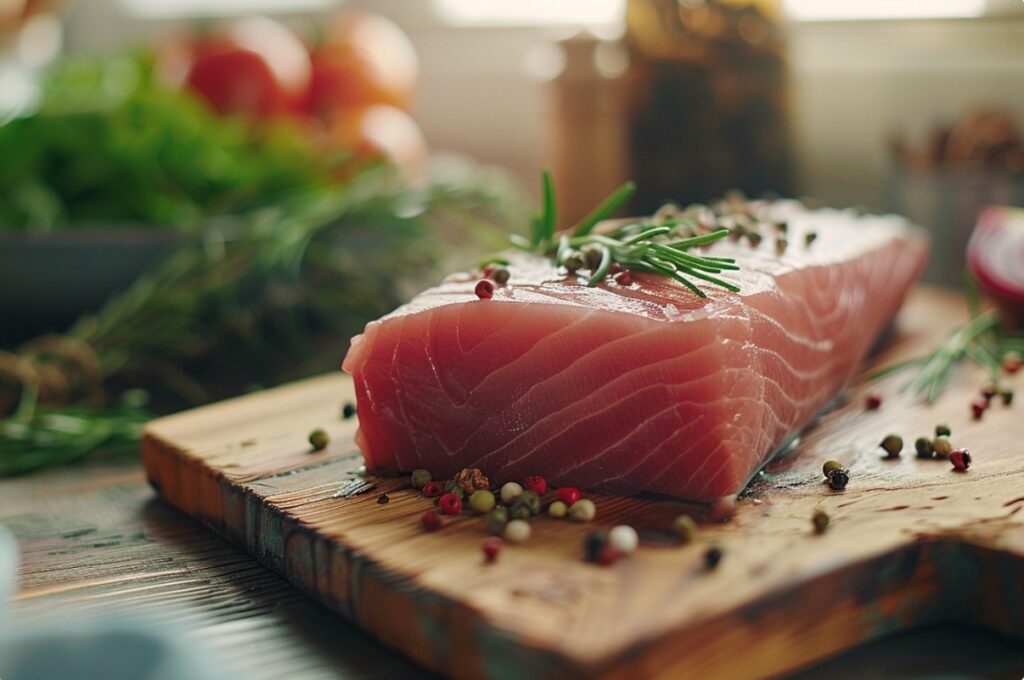
Tuna gets picked a lot for one simple reason: it’s easy and it tastes good. But the real win is what’s inside. It’s one of those foods that gives you protein, vitamins, and healthy fats at the same time—without feeling heavy.
Even canned tuna keeps most of its good stuff. That’s why it shows up so often in the routines of people who want to eat in a balanced way, without turning dinner into a whole project.
There are nights when you just want a “normal” dinner: not complicated, no juggling three pots, but still the kind of meal that makes you feel like you took care of yourself. That’s when tuna tends to appear—either a can in the pantry or a steak in the freezer “just in case.”
The thing is, most of us think about tuna in two words: “protein” and “omega-3.” Vitamins feel like an afterthought. Like, it’s fish—what’s there to discuss? And that’s how it’s easy to either overhype it or, on the flip side, not use its potential on the plate.
I like a no-magic approach: look at which vitamins tuna actually contains, why they’re there, what happens to them during cooking, and how to make tuna work for you in the kitchen—through flavor, texture, and that “I ate well” feeling.
Let’s keep it practical: no number overload, no medical lecture. Just everyday usefulness, kitchen observations, and a couple of my own mistakes that once ruined more than one piece of fish.
Tuna and vitamins: why they’re even there
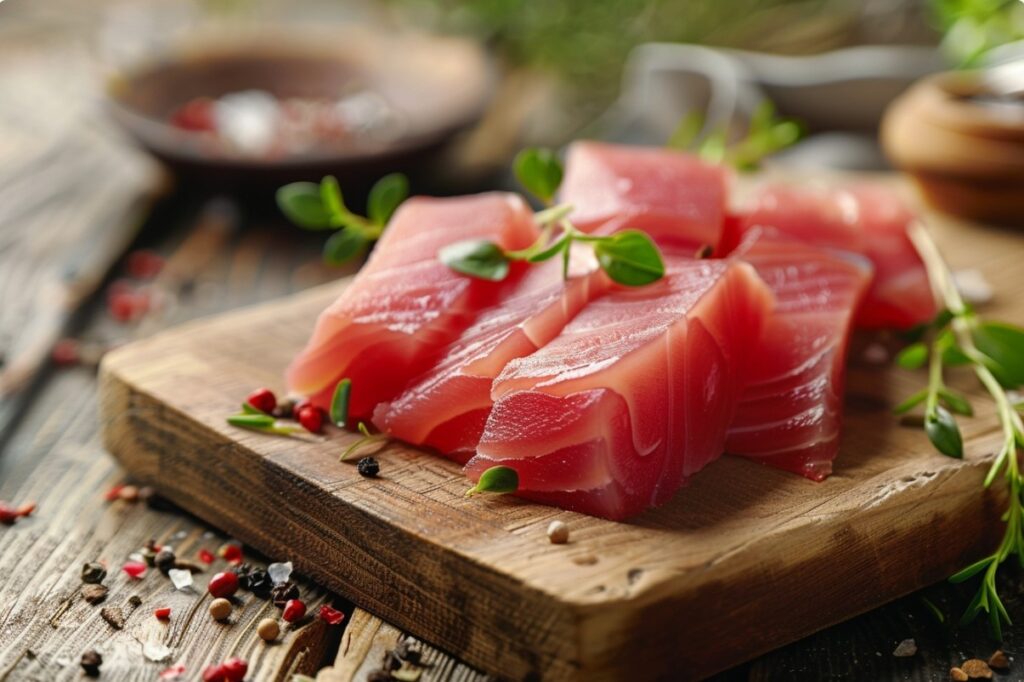
Tuna is a “muscle” fish. It moves a lot, and the flesh is firm and darker than many other fish. That dense, meaty texture isn’t only about protein. The tissues contain a whole set of compounds the fish uses to function: energy metabolism, nervous system work, the condition of skin and mucous membranes, the cell’s “back-of-house” operations. Some of that we call vitamins.
In plain terms: vitamins in food aren’t magic pills—they’re small parts of the mechanism. You don’t see them, but when you’re low on them, your body starts running like a scratched nonstick pan: you can still cook, but things burn, stick, and annoy you more often.
With tuna, people most often talk about:
- B vitamins (especially B12, B3/niacin, B6) — energy from food, nerves, “brain,” overall stamina;
- vitamin D — the one everyone remembers in winter when there’s not much sun;
- vitamin A — it depends more on the species, the cut, and processing, but it does show up in fish;
- vitamin E — a kind of “bodyguard” that helps protect fats from oxidation (sounds dry, but in real life it’s about how a product ages and how that shows up in flavor).
One important note: tuna isn’t salad. It’s not a “vitamin bomb” like leafy greens. It’s a different kind of benefit: concentrated B vitamins plus fat-soluble vitamins paired with the fish’s fats.
B vitamins in tuna: energy, brainpower, and not falling apart
If you ask me what feels most “noticeable” about tuna in vitamin terms, I almost always think of the B group. Not because I can taste B12 (I can’t), but because tuna is the kind of food that often leaves you feeling pulled together. Not “I ate and now I need a nap,” but “I ate and I can keep going.”
B vitamins work as a team. They help the body get energy from food, support the nervous system, and affect skin and mucous membranes and overall well-being. It sounds broad—because it is. These are basic, everyday “workhorse” vitamins.
B12: the one everyone’s heard of
B12 in animal foods is the classic story. Fish often contains it, and tuna is no exception. In real-life terms, I see it like this: if someone doesn’t eat much meat but does eat fish, tuna can be one of those foods that quietly helps fill the gap without a lot of fuss.
A tiny kitchen story: years ago I worked with a guy who “didn’t like meat,” but he constantly complained about feeling tired and irritable. He wasn’t asking for advice—it was just his normal. Then he accidentally got into simple tuna meals (I won’t turn this into a recipe). A couple of weeks later he said, “Weird, but I feel more even.” Not proof, not medicine—just a very everyday reminder that when your diet gets more balanced, you tend to feel it.
B3 (niacin) and B6: “fuel” and nerves
B3 gets mentioned a lot in the context of energy metabolism. I like to explain it this way: you can have a pantry full of food, but if your body’s “settings” are off, energy doesn’t come through smoothly. B vitamins are part of those settings.
B6 often comes up alongside it, especially when we’re talking about the nervous system and general resilience. Again, no drama: it’s not “eat tuna and become a superhero.” But as part of normal, steady eating, it fits right in.
How I used to “kill” B vitamins in my kitchen (and how I stopped)
B vitamins are water-soluble. That means they can partly move into liquid during cooking. And here’s the classic home scenario: someone simmers or stews tuna for a long time, then drains the liquid—and with it goes some of what could’ve stayed in the dish.
I used to do this with canned tuna in water: “Ugh, liquid—drain it or it’ll be soggy.” Then I’d wonder why the flavor felt dry and dusty. Now I do it differently: I either use a bit of that liquid as part of a sauce/dressing, or at least I don’t squeeze the tuna until it turns into sawdust.
Kitchen tip: if canned tuna tastes dry, don’t jump straight to mayonnaise. First try adding back a little of its own liquid, or add something acidic (lemon/vinegar) plus a drop of oil. Often that’s enough to bring the texture back to life.
Vitamin D in tuna: why fish is different here
Vitamin D is the one that shows up most in conversations about fish. And it makes sense: a lot of people associate D with sunlight, and getting enough from food can be harder than we’d like. So foods that naturally contain it get an instant gold star.
In everyday terms, I look at it like this: if your routine includes fatty fish regularly—or at least tuna now and then—it helps keep your diet from sliding into “pasta and coffee” mode. Not because tuna is a cure-all, but because it raises the overall quality of what’s on your plate.
Canned vs fresh: is there a difference for D?
Here’s the nuance: vitamin D is fat-soluble. It “likes” fat and often holds up better when the fat isn’t poured off and drained away. So tuna in oil and tuna in water can differ not only in taste and calories, but also in how you actually end up consuming those fat-soluble components.
That said, I don’t like turning this into a religion. If you choose tuna in water because you prefer it and it feels lighter—great. Just remember: fat-soluble vitamins tend to work better alongside fats. Sometimes it’s as simple as adding a little olive oil, avocado, or nuts to the plate and calling it a day.
Kitchen tip: if you’re eating tuna in water, add something fatty on the plate (a drizzle of olive oil, a spoon of yogurt, a piece of avocado). Not mandatory—but it often makes the meal both tastier and more balanced.
Vitamins A and E: fat, flavor, and how “fresh” it tastes
Vitamin A in tuna gets mentioned less because it depends more on the species, the cut, and how the product was processed. But as a phenomenon, it does show up in fish products. Practically speaking, I wouldn’t build a diet around “getting A from tuna,” but I wouldn’t ignore it either—it’s part of the bigger picture.
Vitamin E is more interesting to me from a cooking perspective. It’s tied to fats and their stability. When fats oxidize, you taste it as an unpleasant smell and aftertaste—somewhere between “old oil” and “cardboard.” Fish, especially fattier fish, is in the risk zone here. So storage and temperature aren’t small details.
How to tell when tuna is “tired”
I’m not talking about the date on the label (though it matters). I mean your senses. Fresh—or properly stored—tuna smells very gently of the sea or almost neutral. Bad tuna smells sharp, “fishy” in the worst way, sometimes with a metallic note.
Canned tuna can do this too: you open a can and it smells like it sat in the sun. That doesn’t always mean it’s unsafe, but it almost always means you won’t get good flavor. And the reason is often simple: it was stored warm or left open too long.
Kitchen tip: once you open a can of tuna, if you’re not eating it right away, transfer it to a glass/ceramic container, cover, and refrigerate. In the metal can, the flavor turns harsher faster.
The mechanics: what happens to vitamins when you cook tuna
This is where people start to worry: “If I pan-fry it, will all the good stuff disappear?” No—everything won’t vanish. But some things do change. And once you understand how, it’s a lot less stressful.
There are two big vitamin “camps”:
- water-soluble (most B vitamins) — can “leak” into water/juices and are sensitive to long cooking;
- fat-soluble (A, D, E) — like fat and usually hold up better, but they still don’t love overheating and oxidation.
Temperature and time: your main levers
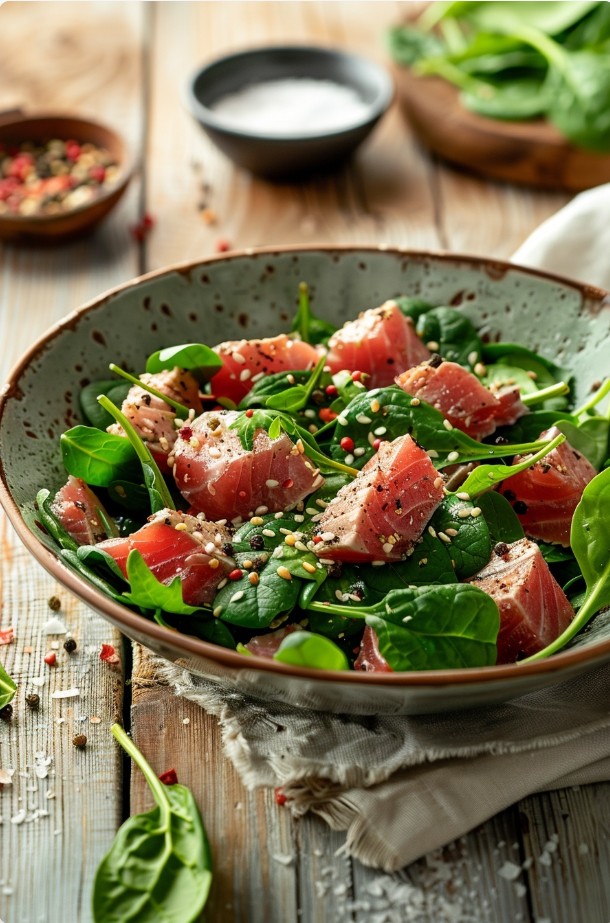
On a home stove it often goes like this: the pan is hot, the tuna is still cold. You drop a cold tuna steak in, it starts “crying” out juices, then it steams in its own liquid, then the liquid evaporates, and only at the end does it suddenly sear. The result: a dry center, a stronger smell, and that feeling of “I did something wrong.”
From a vitamin perspective, there are two issues: too much time in heat and loss of juices. You don’t need to be a chemist to guess: if you heat something for a long time and then pour off what leaked out, you lose part of the goodness along with the flavor.
Why “overcooked tuna” isn’t just about toughness
I once overcooked tuna so badly it turned into dry cafeteria pork. The funniest part? I did it “to be safe.” Back then I didn’t know how to read the product with my eyes.
When tuna gets overheated, proteins tighten up, moisture leaves, fats oxidize faster—and you end up with something crumbly and dry instead of that clean “sea steak” vibe. It doesn’t mean there are zero vitamins left. It means you ruined both the taste and the experience. And if a dish doesn’t bring any pleasure, you’re less likely to make it again—so all the “benefits” stay theoretical.
Kitchen tip: shorter and attentive beats longer “just in case.” With tuna, time equals flavor. And flavor is what keeps the habit of eating well.
Canned tuna: which vitamins stay and what changes
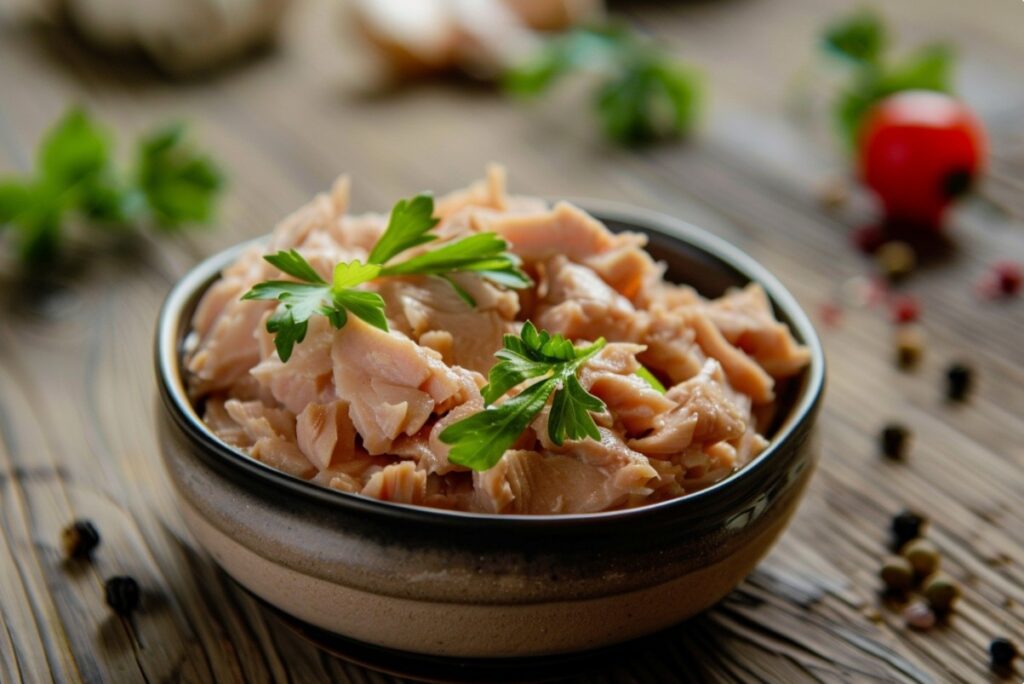
A can isn’t “worse tuna”—it’s a different product. It’s already been cooked, stabilized, and sometimes packed with oil or salt. Some vitamins may drop a bit due to heat, but in return you get stability and convenience. And convenience is a real resource: when you’re tired, it’s easier to eat something decent if it doesn’t require 30 minutes at the stove.
Water vs oil: not “good/bad,” but “what for”
In water (or its own juices) — usually a lighter taste and more control over how rich the dish is. But if you drain it completely and then squeeze it too, you’ll end up with dryness.
In oil — softer texture, rounder flavor, easier to keep things juicy. The risk is that the oil itself might be low quality or have an off taste. I always recommend using your nose: good oil in a can shouldn’t smell rancid.
A quick story about that “metallic taste”
Once I was making a snack on the go: opened a can of tuna, mixed it up—and left it right in the can on the table for about 40 minutes. I came back and the smell was sharper, the taste kind of “iron-y.” Small thing, but it ruined the whole eating experience.
Since then the rule is simple: open it—either eat it, or transfer it. And also: don’t leave it in the sun, don’t keep it in a hot car half the day “because it’ll be fine.” It won’t always be dangerous, but it will almost always be less tasty.
Common tuna mistakes that make the benefits miss the mark
I see these mistakes again and again. And they’re not about “not knowing how to cook.” They’re about rushing, fear, and habits.
Mistake 1: turning tuna into dry “filler”
When tuna gets crumbled, squeezed, tossed into something—and turns into sawdust. You can eat it, sure, but there’s zero joy. Then people say, “I don’t like tuna.” No—you don’t like dryness.
Better: keep tuna a little juicy, with a noticeable structure. Even in a salad, it shouldn’t turn into dust.
Mistake 2: overcooking a steak “to be sure”
Fear is normal. But tuna turns tough and harsh with prolonged heat. If you buy a good piece and then cook it into rubber, you lose both the point of the product and the desire to repeat it.
Better: go by look and touch. A browned surface, and an interior that isn’t dried out. I’m not listing exact doneness levels here, but the logic is simple: the thinner the piece, the faster it cooks through.
Mistake 3: ignoring balance on the plate
Tuna on its own is concentrated. If you eat it “just like that” and wash it down with coffee, it can feel heavy or dry. Put something juicy, acidic, crunchy, and a little fat next to it—and suddenly it all clicks.
Common combo: tuna + bread and that’s it.
Better: add something that brings moisture and freshness (veg, herbs, acidity), and something that ties it together (a drizzle of oil, yogurt, a sauce).
Mistake 4: storing opened tuna “as is”
Opened tuna in the can quickly picks up fridge odors and starts smelling sharper itself. That hits both flavor and your willingness to eat it again.
Better: transfer to a container, seal tightly, eat soon. And don’t store it next to strongly scented foods.
If your tuna tastes bad: how to fix texture and smell
It happens. It happens to me too—especially when the phone’s ringing, the kettle’s boiling, and you’re trying to do everything “real quick.” The good news: a lot of tuna problems can be softened.
If the tuna is dry
Dryness isn’t a verdict—it’s a lack of moisture and fat in the eating experience.
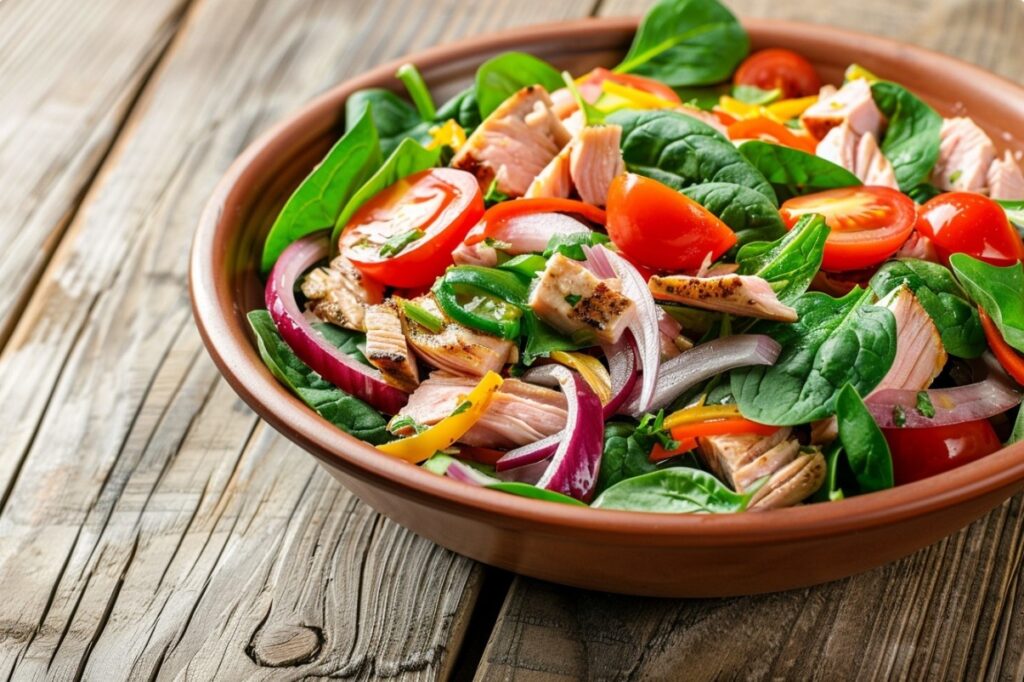
- Add something creamy (yogurt, soft cheese, a sauce)—not to “cover it up,” but to bring back that glide.
- Add acid (lemon, vinegar, pickled veg)—it lifts flavor and makes dryness less obvious.
- Add something juicy, finely chopped (cucumber, tomato with excess juice removed, roasted peppers)—the texture feels alive again.
Kitchen tip: if tuna is dry, don’t mash it into a uniform paste. Leave bigger flakes—your mouth reads it as “meat,” not spread.
If the smell is sharp or “too fishy”
The trio that helps here: acid + fresh herbs + something punchy.
- Acid (lemon/lime/vinegar) takes the edge off.
- Herbs (parsley, dill, green onion) add a fresh top note.
- Punchy add-ins (mustard, capers, pickled onion) distract from the unwanted note and make the flavor more interesting.
But if the smell is genuinely unpleasant—rancid, chemical, just wrong—I don’t try to be a hero. Don’t eat it. Food should support you, not test you.
If a tuna steak turned tough
Toughness usually comes from overheating. You can’t make it “like it was,” but you can change how you serve it: slice it thinner across the grain, add a sauce, pair it with something soft. And most importantly—next time, don’t chase that “one more minute.”
Kitchen tip: when you’re unsure, pull it off the heat a minute earlier. It’ll finish on residual heat. This rule saves tuna more often than any seasoning.
How to choose tuna so it’s tasty and actually works in your diet
Vitamins are great, but in real life it starts with one thing: do you actually want to eat it? So choosing well is half the job.
For canned: don’t just look at the brand
I look at three things:
- Cut: chunks/fillet vs shredded. Chunks are almost always nicer in texture.
- Packing: oil or water—choose based on what you’re making.
- Smell after opening: it should be clean, with no rancid note.
And one very real-life detail: if the can opens easily and without drama, you’ll use it more often. Yes, that’s part of cooking reality too.
For fresh/frozen: don’t chase the perfect picture
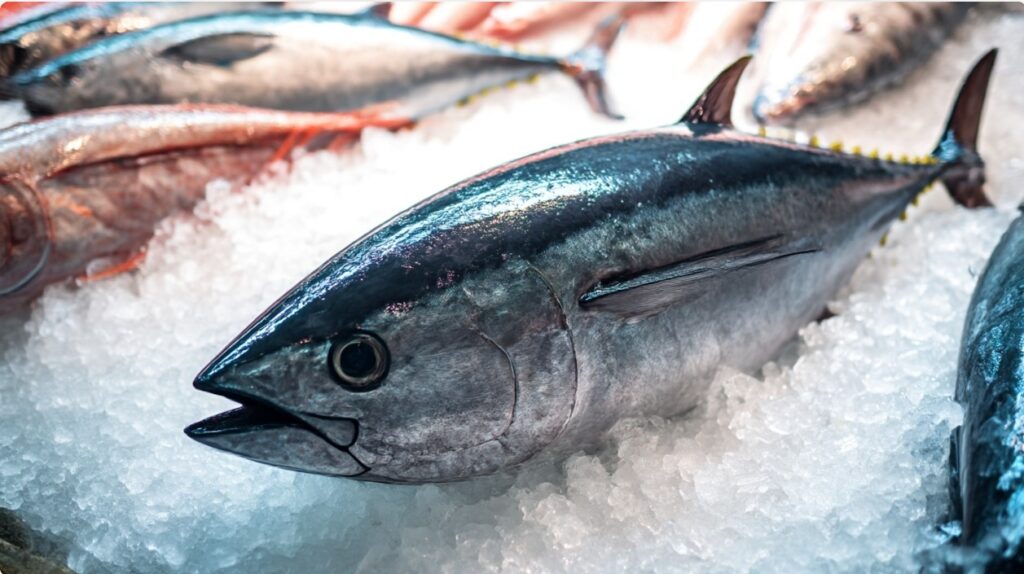
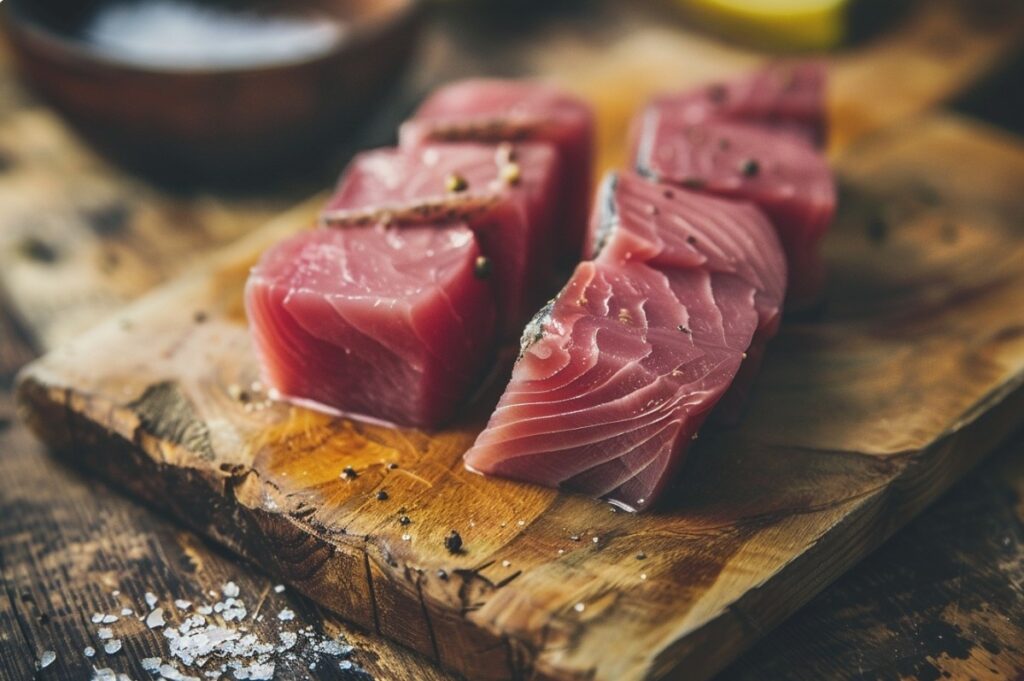
Tuna can range in color from lighter pink to deep rosy red. Color alone doesn’t guarantee quality. More important: no suspicious spots, no overly dried-out surface, and a neutral smell.
A quick story: I once bought the “prettiest” piece—perfectly even, like a photo. At home I realized it had a weird sweet smell and a slippery surface. I tossed it. Since then I trust my nose more than my eyes.
How to make tuna part of everyday cooking (so vitamins aren’t just theory)
I like this idea: “healthy” is what you actually do regularly. Not a once-a-month perfect lunch, but normal food on a regular Tuesday.
Tuna is handy because it can be:
- a quick protein when you’re short on time;
- the base of a filling plate if you add vegetables, grains, or bread;
- an add-in to something neutral to make it more interesting.
Three kitchen principles I keep in mind
1) Give tuna moisture. You don’t have to drown it in sauce. Just make sure there’s something juicy or creamy nearby.
2) Give tuna acidity. A little tang makes fish taste “cleaner.” Like wiping a window—suddenly everything looks clear.
3) Don’t destroy it with heat. With a steak, attention matters more than blasting the burner. With canned tuna, don’t heat it for ages “just to warm it up”—warm the side dish or sauce instead.
Kitchen tip: when you can’t figure out what your tuna plate is missing, ask: “Is there something acidic? Something juicy? Something crunchy?” If the answers are “no,” that’s usually why it’s not hitting.
Tuna really does contain vitamins—most noticeably B vitamins, plus vitamin D and some fat-soluble vitamins that “like” being paired with fats. But in the kitchen, it only works if you don’t turn it into dry crumbs, don’t overheat it, and don’t forget balance on the plate.
How do you do tuna—mostly canned for quick meals, or steaks when you’re in the mood? And what’s the biggest issue you’ve run into: dryness, smell, or something else?
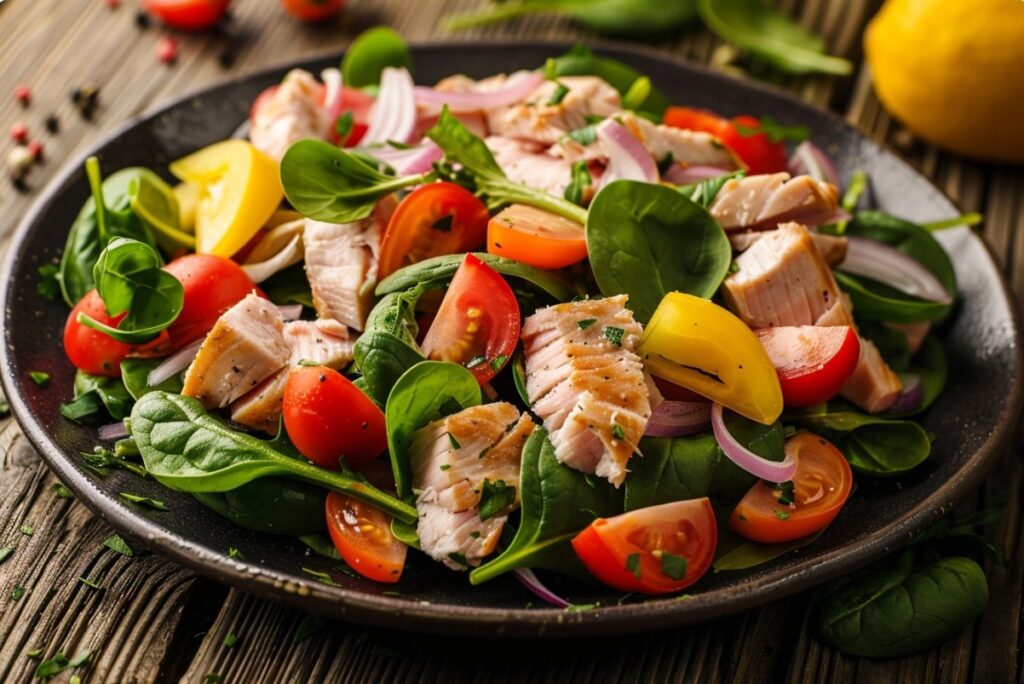
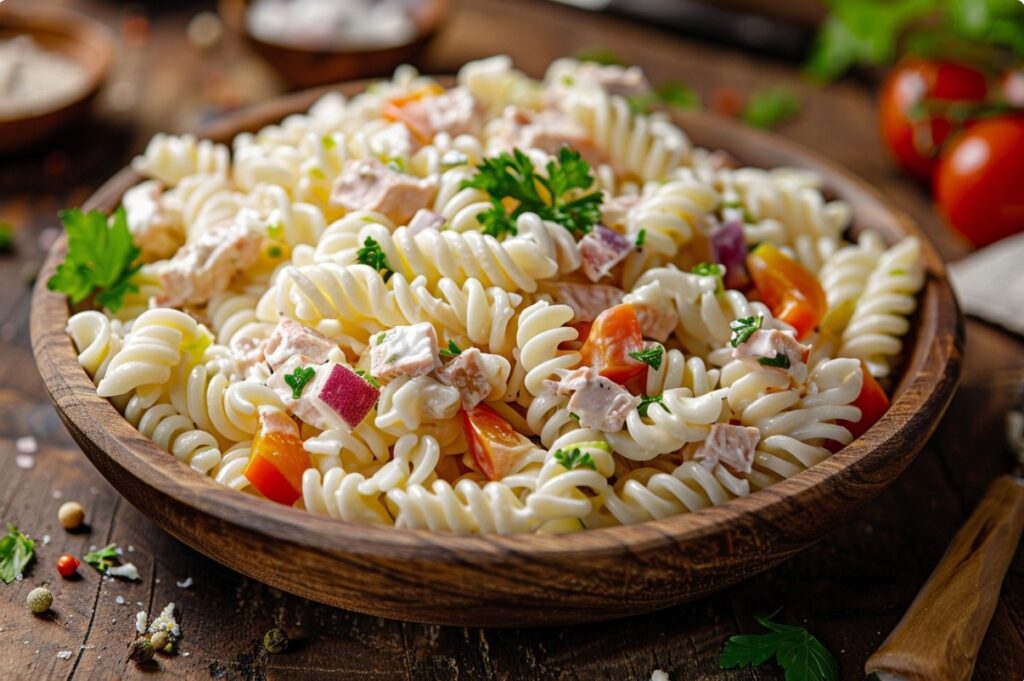
To make the benefits practical (not just something you “know”), it helps to browse different ways to make a tuna salad—that’s one of the easiest ways to work tuna into your everyday menu.
QUESTIONS & ANSWERS (FAQ)
What are the main vitamins in tuna, and what are they good for?
Tuna contains B vitamins—especially B12, B3 (niacin), and B6—as well as vitamin D. They’re linked to energy production, nervous system support, and immune function, which is why tuna fits well into a balanced diet.
Does tuna contain vitamin D, and how important is it?
Yes. Tuna can be a good source of vitamin D, which many people struggle to get from food. Vitamin D supports strong bones, healthy calcium levels, and overall well-being—especially in winter or when you don’t get much sun.
Do vitamins stay in canned tuna?
Most nutrients remain after canning, especially protein and many B vitamins. Some water-soluble vitamins can decrease with heat, but canned tuna is still a nutritious and very convenient option.
What’s the difference between tuna in water and tuna in oil?
Tuna in water (or its own juices) is lower in fat and calories, making it a good fit for lighter meals. Tuna in oil is richer and often tastes more full-bodied. The vitamin profile is similar; the main difference is fat content and overall richness.
Does tuna contain omega-3, and what do they do?
Yes. Tuna contains omega-3 fatty acids, which support heart and brain health and can help reduce inflammation. That’s one reason tuna salad is often seen as both tasty and nutritious.
Can you eat tuna every day, and is it safe?
Tuna can be eaten regularly, but moderation is a good idea—about 2–3 times a week—because tuna can contain mercury. In reasonable amounts, it’s generally considered a safe and beneficial food.
Does tuna contain iron and other minerals?
Yes. Tuna contains iron, magnesium, phosphorus, and selenium. These minerals support circulation, bone health, and metabolism, which is why tuna works well as part of a well-rounded diet.
Why is tuna considered a good source of protein?
Tuna provides high-quality protein that’s easy for the body to digest. It helps support muscle repair, steady energy, and longer-lasting fullness—one reason tuna salad is a popular choice when you want something filling but not heavy.