What’s on the Menu at Popular Restaurants Now

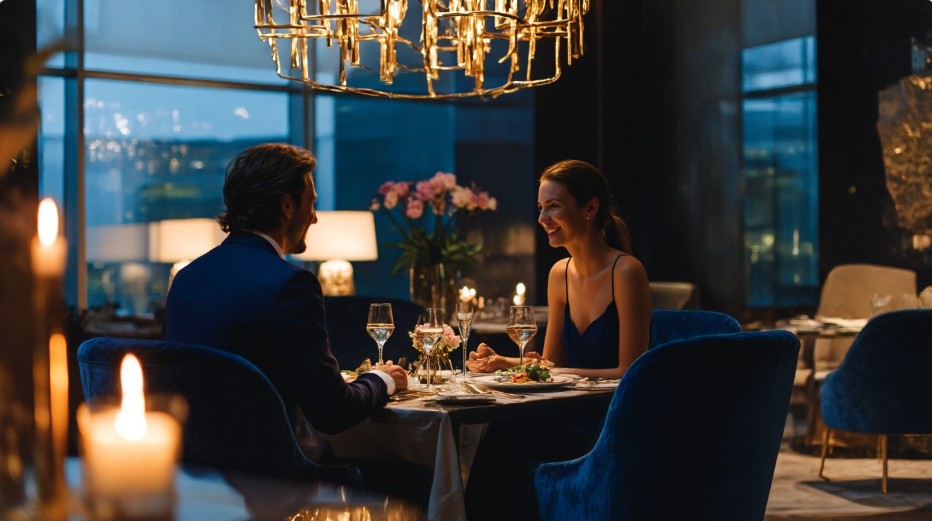
Sometimes, just sitting down at a table in an unfamiliar city is enough to understand: the cuisine here is not just about food, but also a new way to express oneself, share, and listen. When opening a menu, some expect familiar names, while others look for surprises. Regardless of tastes, we all subconsciously seek confirmation: a restaurant is no longer just a place for delicious food. It is a space where culture, time, and mood intertwine, and the choice of dishes reflects changes within ourselves. That’s why the menu of popular restaurants is almost always alive, changing, trying new things, and sometimes even taking risks.
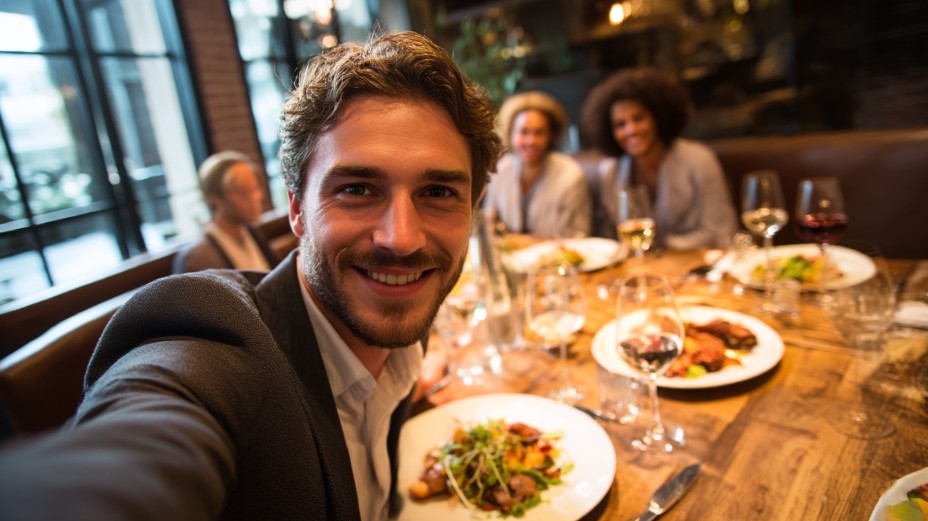
Why Restaurant Menus Change So Quickly
Just ten years ago, most establishments stuck to a fixed list of dishes: updates were rare, and “bestsellers” remained for years. Now, everything is different. I hear it from colleagues and guests alike: the menu has become flexible and dynamic. There are several reasons for this, and they are not always obvious.
The first is the pace of life. People are accustomed to rapid changes in everything, and cuisine is no exception. As soon as a dish loses interest, it is replaced. The second is globalization. Chefs, owners, and even regular guests travel more, see, try, and seek new experiences. The third is the desire for uniqueness. A restaurant owner wants to stand out, not be “just another Italian” or “just another burger bar.”
When we first changed the menu to a seasonal one, some guests were confused — but they returned a month later, waiting for the next novelties.
Behind this is also simple economics: owners do not want to keep unprofitable ingredients or write off products. The menu adapts to what people really eat and love. Sometimes even to the mood of the city.
From Local to Global: How Dish Composition Changes
Opening the menu of a popular Kyiv restaurant, I find myself thinking: here, Ukrainian borscht sits alongside Thai soup and Italian pasta, while desserts feature something from childhood and something from Tokyo. This is today’s reality — a mix of cultures, styles, and even techniques.
In the 2010s, it was different: each restaurant tried to adhere to a specific national cuisine. Now, the trend is a mix: local products are prepared in international styles, unexpected spices are added, and classic dishes are placed in new contexts.
- Burger with pickles and horseradish-based sauce
- Pasta with homemade sausage and market greens
- Miso soup with wild mushrooms
It’s not about trying to surprise for the sake of hype. It’s a natural development: chefs perceive cuisine flexibly, as a language to express their experience, not just to repeat the canon.
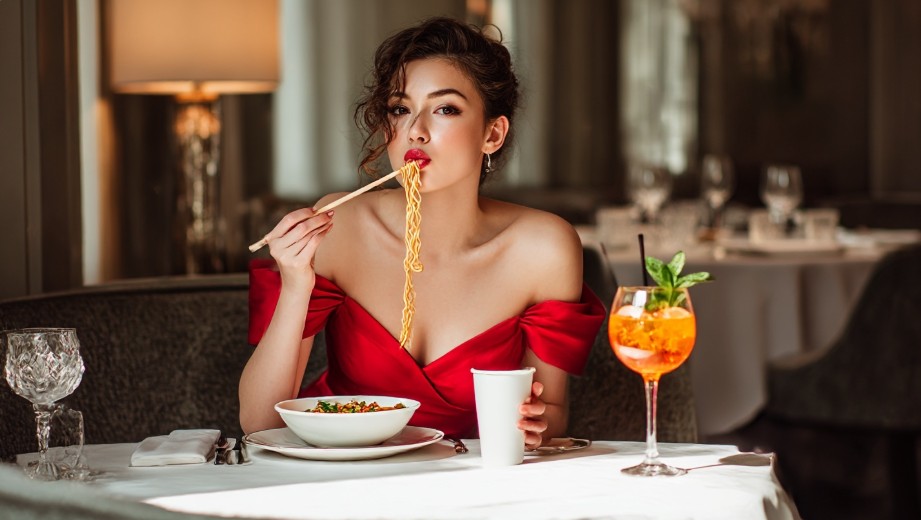
I remember in Lviv, a chef from Vietnam made borscht, adding soy sauce and fresh cilantro. It seemed strange, but the dish had an unexpectedly deep flavor. Such experiments shape today’s cuisine — without fear of mixing different things, as long as it tastes good and is honest.
Seasonality and Local Products: No Longer a Trend but a Norm
Seasonality in the menu is no longer something special, but a routine for many restaurants. If it used to be presented as a “highlight,” now seasonal changes have become a habit. Guests are interested in seeing how the cuisine changes with the weather, and chefs enjoy working with what is freshest and tastiest at the moment.
One of my favorite stories is when we first replaced the entire green part of the menu with nettles, wild garlic, and young salads in spring. Guests were surprised, asked questions, joked, but the plates returned to the kitchen empty.
Local products are not just about “patriotism.” They are chosen because they are genuinely tastier, fresher, more vibrant. I always try new strawberries from farmers’ markets at the end of May: their aroma is completely different from those in the store. The same goes for tomatoes, greens, even meat. The trend towards locality has become an opportunity for many chefs to find their own style and voice.
There is also a downside. Not all guests are ready to give up classic products out of season. But most restaurants have learned to balance: they keep “evergreen” items and add seasonal offerings as a bonus. This brings freshness and drive, and the menu doesn’t tire either guests or the team.
Less is More: Menu Reduction as a New Standard
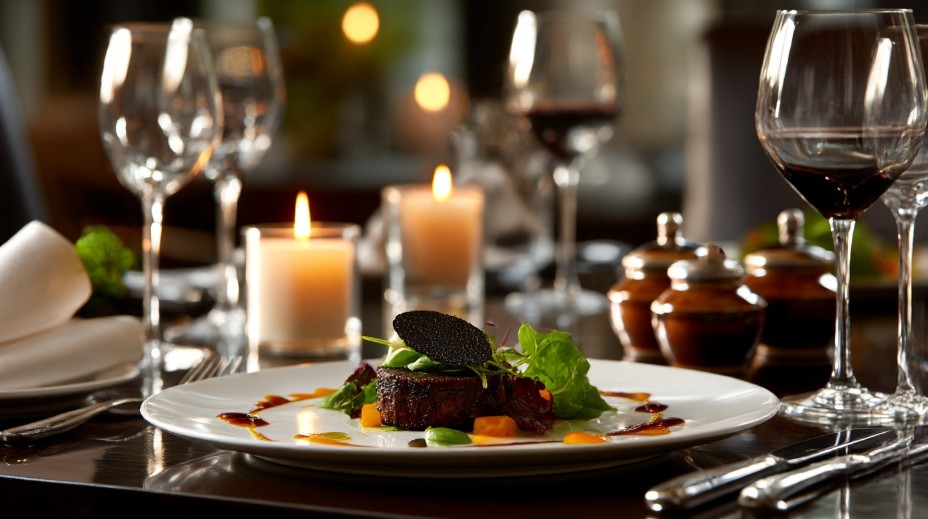
Another change I notice everywhere: menus are getting shorter. Multi-page lists are no longer fashionable. Today, in a popular restaurant, you might see 10-15 main dishes — and that’s enough. It’s not about laziness or saving, but about focus and quality.
When the menu is small, the team refines each dish better, ingredients don’t linger, and the guest finds something for themselves more quickly. I’ve seen firsthand how this improves service levels and job satisfaction. Chefs don’t get tired, and guests don’t get lost in the choices.
- Less risk of spoiling the product
- Space for frequent changes and updates
- Flexibility for season and mood
Sometimes a guest asks, “Where are your fish dishes/pizza/salads?” and is surprised that the menu is so concise. But within a few minutes, when you bring the dish, all questions disappear. Modern cuisine is not about volume, but about quality in every detail.
Emotion and Mood: How Presentation and Atmosphere Become Part of the Menu
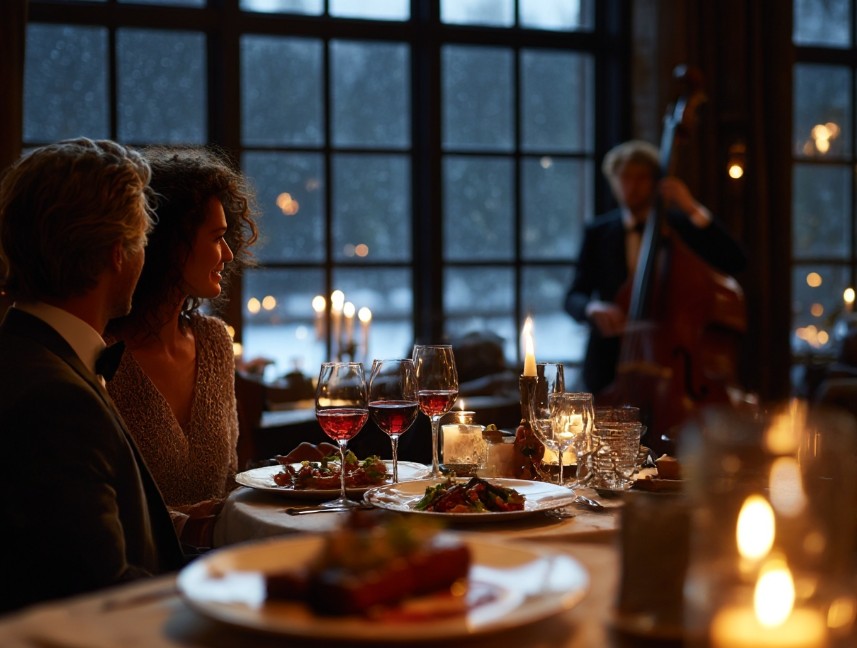
Today, a dish is not just about taste. It has a story, a mood, sometimes even a joke or provocation. The menu only makes sense together with the presentation, interior details, and how the waiter describes the dish. I feel it every time I see a guest smile as they approach the table — even before tasting, just by seeing how the food looks.
Once we had a simple appetizer — crispy bread with lard, but we served it on a wooden board with mustard in a mini-jar. Half of the guests took photos, the other half reminisced about childhood.
This is the modern approach: a dish cannot be separated from the atmosphere. Good presentation, an interesting story, a joke in the name or description — all this makes the menu alive. Sometimes even the guests themselves become part of this process when they add or change something in the order. The menu becomes a dialogue, not a monologue of the chef.
Menus for Everyone: How Restaurants Accommodate New Requests
Openness to different tastes, diets, and eating habits is another feature of the modern restaurant. If vegetarian or gluten-free options were rare before, now they are a mandatory standard for most popular establishments. This is not just a “response to fashion,” but a sincere search for compromise: how to feed different guests so that everyone is satisfied.
In the menu, you will find:
- Vegan appetizers and main dishes
- Lactose-free desserts
- Gluten-free versions of classic items
I know several chefs who were initially skeptical of such changes — but later admitted that it was these dishes that brought back a new audience. Guests appreciate attention to their needs and feel welcome.
The restaurant becomes a place where you can be yourself without falling out of the general atmosphere. This is important for families, groups of friends, and those who just want to try something new without restrictions.
Nostalgia and Reinterpretation of Classics
In recent years, I’ve noticed another interesting trend: a return to familiar flavors, but with a new perspective. Chefs are not shy about preparing “mom’s” dishes, but they do it in their own way. For example, herring under a fur coat might be served as a salad roll with yogurt-based sauce, and mashed potatoes with celery and truffle oil.
This is not a mockery of the classics, but an attempt to pay tribute, preserving the main thing — emotion. I’ve often found myself thinking: when people try a familiar taste in a new execution, they suddenly start remembering their childhood, sharing memories, laughing. Food becomes a reason to talk about the past, but without a shadow of boredom or formality.
Even a simple borscht, if served in small pots with baked potatoes, evokes genuine joy. Nostalgia is a strong emotion, and modern chefs know how to use it.
Such dishes become a bridge between generations and allow everyone to find something of their own, even if the appearance has changed beyond recognition.
Gastronomic Play: Tasting Sets, Chef’s Menus, and No-Menu Formats
Another interesting feature is the emergence of tasting sets, chef’s menus, and sometimes restaurants without a traditional menu. Here, the guest trusts the chef, is open to surprises, and the process itself turns into a game and dialogue. Interesting about: Restaurant in the Style of a Gastropub.
Tasting sets allow you to try several dishes at once — in small portions, in a certain sequence. It’s like a journey, where you don’t know what’s next, but you trust the guide. I remember one guest saying after such an evening: “I would never have ordered this dish separately, but now I can’t forget it.”
No-menu formats are a real challenge. Here, everything depends on the chef’s mood, available products, even the weather. The guest can only mention their preferences or restrictions, and then it’s up to the chef’s imagination. This adds drive and allows for creating a unique experience that you can’t repeat at home or elsewhere.
- Flexibility and individuality
- Sensation of surprise
- Opportunity to discover new flavors
This approach is not for everyone, but it has its audience — those who seek not just dinner, but a real adventure.
In modern restaurants, dishes with an emphasis on simple, “live” ingredients and benefits for the body are increasingly appearing. One such product is sprouted green buckwheat, which chefs use as a base for salads, bowls, and even signature snacks. It adds texture, a light nutty note, and fits well into the concept of modern, conscious cuisine, where not only taste but also the feeling after eating is important.
Common Mistakes When Compiling a Modern Menu
Despite all these trends, there are things I always pay attention to — and which often become pitfalls for even experienced teams.
- Overloading the menu with incomprehensible names or exotic items — the guest gets lost, doesn’t know what to choose
- Ignoring seasonality — dishes turn out bland, unremarkable
- Blindly copying others’ ideas without adapting to their own audience
- Excessive number of items — the team can’t maintain quality
- Lack of options for different categories of guests (vegans, allergies, etc.)
One of the most painful mistakes is not listening to guests. There was a case: we introduced a complex signature dish, everyone admired it, but almost no one ordered it. Only a month later did we realize: people simply lacked simplicity, familiarity. Since then, I always test new items on friends or regular visitors before adding them to the main menu.
Don’t be afraid to try new things, but always leave room for feedback. A menu is a living organism, and it only develops when it hears its guests.
The Kitchen of the Future: What Else Will Enter the Menu in the Coming Years
Looking at how quickly the gastronomic world is changing, I can only guess what will happen next. But I already see several trends gaining momentum and likely to stay with us for a long time.
- Even greater focus on sustainability: using all parts of the product, minimizing waste, reusing leftovers
- Emphasis on plant-based alternatives: not only vegan options but also experiments with new protein sources
- Hyperlocality: restaurants work with farmers within a few kilometers, create their own mini-gardens
- Gastronomic storytelling: each dish has a story related to people, place, or event
- Technological innovations — from interactive menus to dishes that change throughout the evening
I’m interested in observing how the new generation of chefs perceives cuisine not just as a craft, but as a way to tell stories, form a community, and influence the world around them. And ordinary visitors are becoming more demanding: they want not just to eat, but to experience, share emotions, and find meaning.
I think the menu of the future will have even more freedom for different, unexpected combinations. Perhaps the classic division into appetizers, mains, and desserts will disappear, replaced by simply delicious stories. And there’s something very human about that: we too don’t stand still, we change, seek new things, and value the familiar.
When I look at the menu of a modern restaurant, I see not just a list of dishes, but a small slice of time, mood, expectations, and experience. And that’s inspiring: the kitchen is always alive, and changes are an opportunity to try something new, remember the old, and rediscover oneself. And for you — what dish was your latest discovery in a restaurant? Share in the comments, I’d love to read real stories.