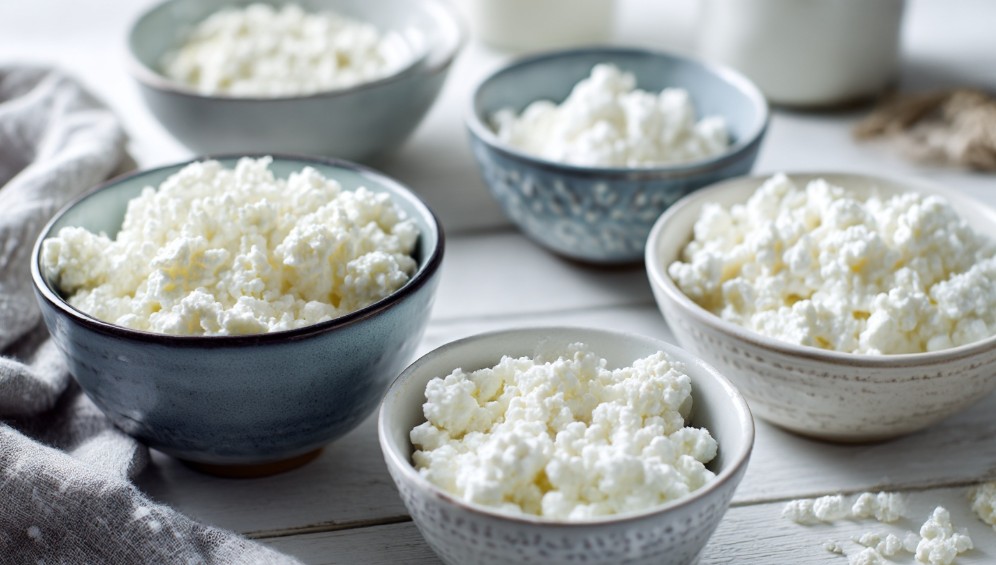
About ten years ago, I would open my cupboards and find old buckwheat that I bought ‘just in case’ and forgot about. Next to it was spilled rice, and behind it, a packet of almonds that didn’t smell as fresh as I’d like. It all felt like a small kitchen disaster: you buy the essentials, but end up throwing away half of it. There were times I wanted to bake a pie, but the flour was already ‘living its own life.’ Sound familiar? It does to me.
I’ll share how I stopped wasting food, where I store grains, flour, and nuts, and why I almost never think about moths or musty smells in my cupboards anymore. This isn’t about perfect organization or new jars, but about simple things that work in an ordinary kitchen. The same little things that give you a sense of control and order when you open your shelves.
Why Grains, Flour, and Nuts Spoil Faster Than You Think
At first, I also thought: what could happen to pasta or rice if they’re dry and packed? But even dry products have a life of their own: air, moisture, heat, and smells from neighboring packets — all of this affects them just as much as time does.
Flour can absorb moisture and clump or even start to smell moldy. Grains absorb foreign odors and taste bland. Nuts are a separate story: they quickly become rancid and pick up fridge or cupboard odors. I’ve lost a bag of hazelnuts a few times because I just placed it next to coffee. As a result, the nuts smelled like coffee — and that’s not always tasty.
Moisture is the number one enemy for all dry products.
Fats in nuts oxidize and become bitter.
Small pests love warm, dark, and loosely closed places.
Emphasis
Storing means not just putting things away, but giving each product the ‘right’ place and container.
Where is the Best Place to Store Dry Goods: Cupboard, Fridge, or Elsewhere?
I spent a long time searching for the perfect place for my supplies. I went from overflowing shelves to minimalism, but a few rules remained unchanged.
I keep dry grains (rice, buckwheat, millet), pasta, and flour in a regular closed cupboard. It’s important not to keep them above the stove or near the sink. Water and steam add extra moisture, creating ideal conditions for mold or insects.
I almost always store nuts and seeds in the fridge. Since I started doing this, they stopped becoming rancid and retain their flavor longer. This is especially true for walnuts, cashews, and almonds — they ‘age’ quickly in warmth.
Here’s what I do:
Cabinet for grains: dark, dry, not near the stove
Fridge for nuts and seeds (especially in summer)
Flour in airtight containers separate from spices to avoid absorbing odors
Micro-story: Once, I left a pack of hazelnuts on the kitchen table — in summer. After two weeks, they turned bitter and lost their aroma. Since then, the fridge is the only place for all nuts.
What Containers to Choose: Bags, Jars, or Containers?
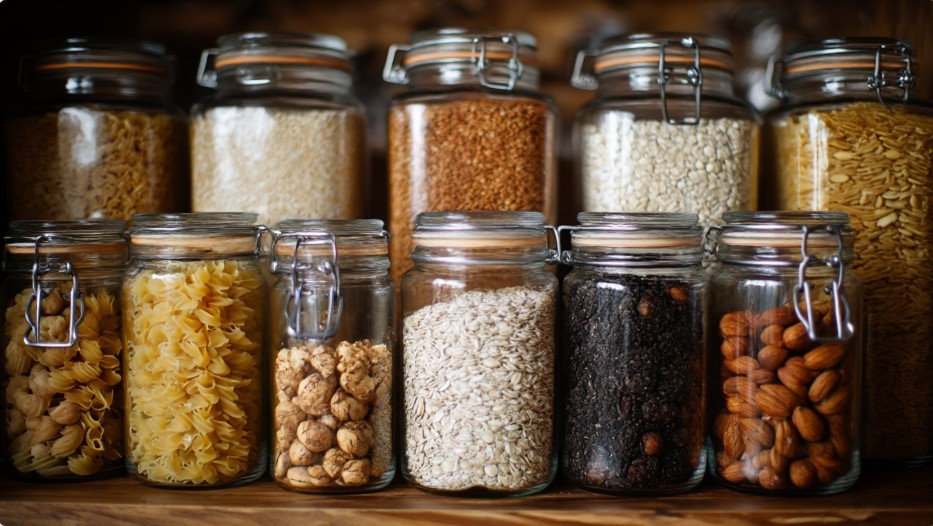
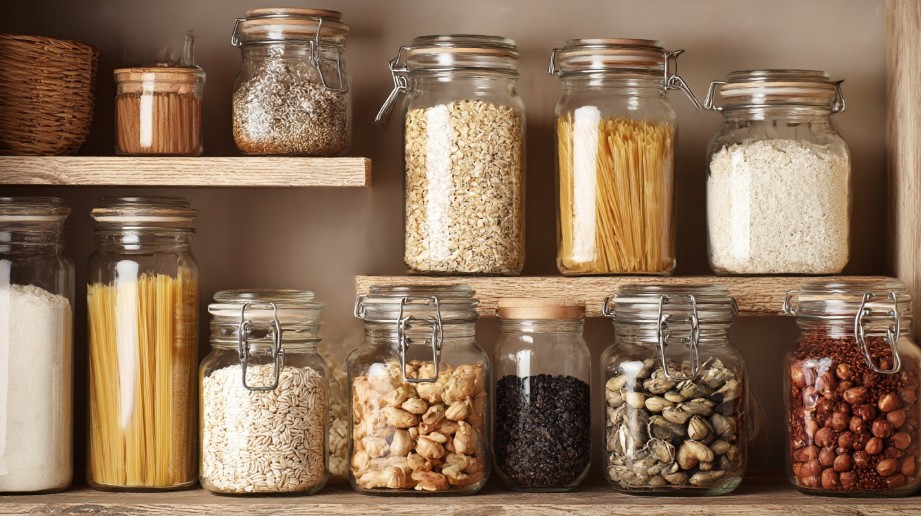
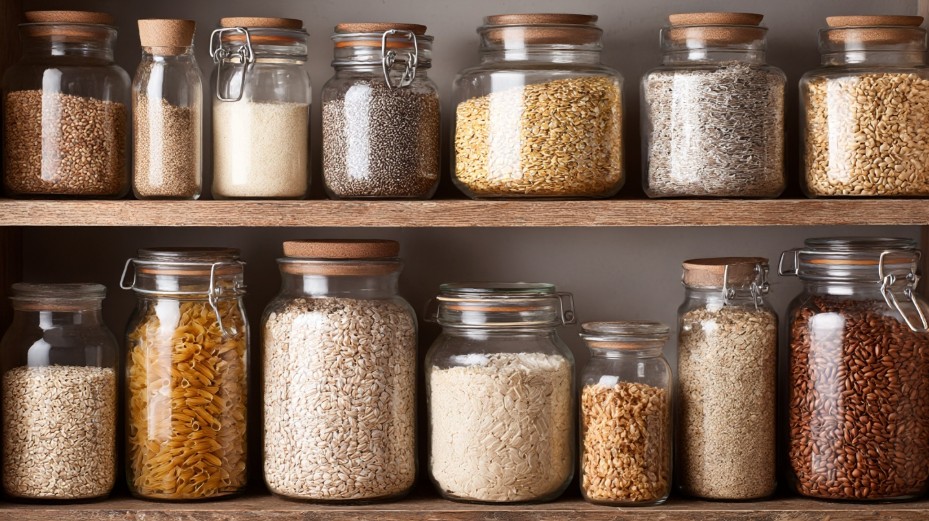
I used to leave everything in store bags. This works only for the first few days. Then the bags tear, dust spills, and everything smells like something else. Plastic or glass jars with lids are a simple solution. They don’t let air or odors in and keep moisture out.
Plastic is lighter but has a downside: if a jar is poorly washed once, the old smell can linger for a long time. Glass is more expensive, but it doesn’t absorb odors and is easy to wash. I’ve switched to glass jars for everything I use often: rice, buckwheat, flour, oatmeal. I also keep nuts in jars, but in the fridge.
Glass jars for storing dry goods
Glass jars for regular use
Plastic containers for light and large volumes (e.g., pasta)
Bags with clips for short-term storage only
Life hack: if a container with flour or grain isn’t airtight, place a paper napkin on top — it will absorb excess moisture and prevent clumping.
How to Stock Up Without Buying Too Much or Forgetting the Old
No jar will help if you have twice as many products as you need. I’ve learned to make lists before going to the store. If I’m not sure if something’s left, I check the cupboards. It sounds trivial, but it saves me from ‘oh, I already have three packs of rice and no buckwheat.’
It’s better to arrange products in the cupboard by the principle of ‘first in, first out.’ That is, I put all open packs in sight. New ones go behind them. This way, it’s almost never the case that something gets stale and loses its flavor.
Check leftovers at home before shopping
Open packets/jars closer to the edge of the shelf
New supplies deeper in, so as not to open everything at once
Make a shopping list for the week, not ‘just in case’
Micro-story: once I got so carried away with discounts that I bought four different types of millet. Two of them sat for a year and smelled like nothing but dust. Now I buy a maximum of two packs — and only those we’ll definitely eat.
Basic Set: What You Should Always Have
There are products that save you at any moment. They don’t spoil quickly and help you cook something quickly. For me, these are:
Rice (long-grain and round-grain)
Buckwheat
Oatmeal
Millet or corn grits
Pasta
Flour (wheat and, if you like, another type — for example, rye)
A handful of favorite nuts (walnuts, almonds, hazelnuts)
This is my minimum. Without them, I don’t feel at home. But it’s important not to buy more than you can realistically eat in 2-3 months. Otherwise, even the best organization won’t save you from spoilage.
Life hack: keep a separate ’emergency’ jar of rice or pasta — when there’s no time or inspiration, these reserves come in handy.
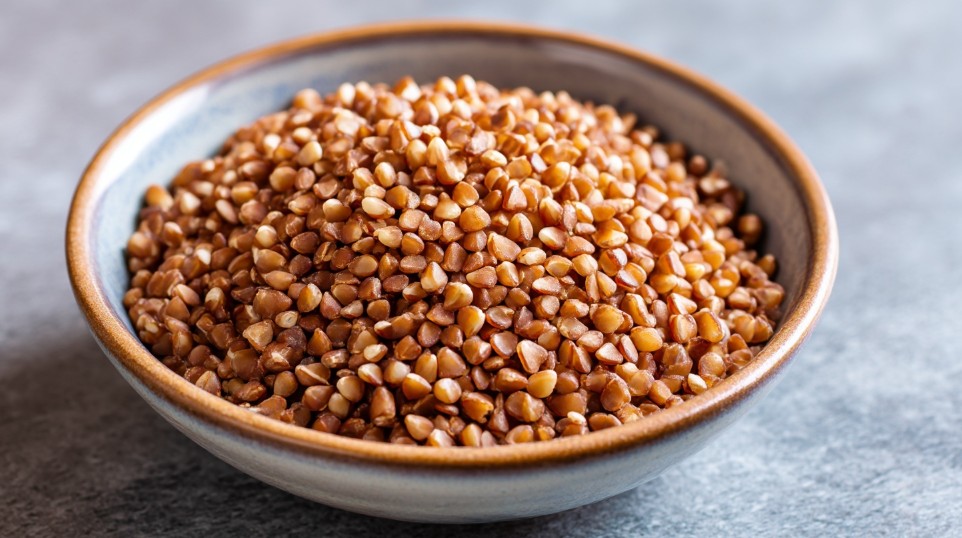
Storing grains
How to Store Grains: Simple Rules Without Science
Since I stopped buying grains ‘just in case,’ they stopped spoiling. Here are a few things that really work:
Keep grains in tightly closed jars/containers — this way, bugs won’t get in and moisture won’t penetrate
Don’t store grains near spices or coffee — they absorb odors
Sort through supplies once a month: if something looks suspicious, it’s better to use it immediately or throw it away
Periodically wipe shelves and jars with vinegar — it repels pests
I haven’t encountered bugs in rice or semolina for many years since I started transferring everything to jars and keeping them away from heat.
Micro-story: my grandmother always put a bay leaf in a jar of grains. It really does repel insects a bit — I do the same, especially in summer.
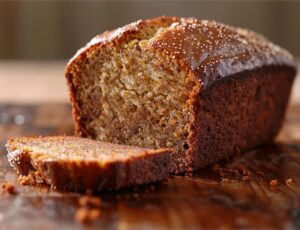
best way to store flour
Flour Without Lumps and Odor: What Really Works
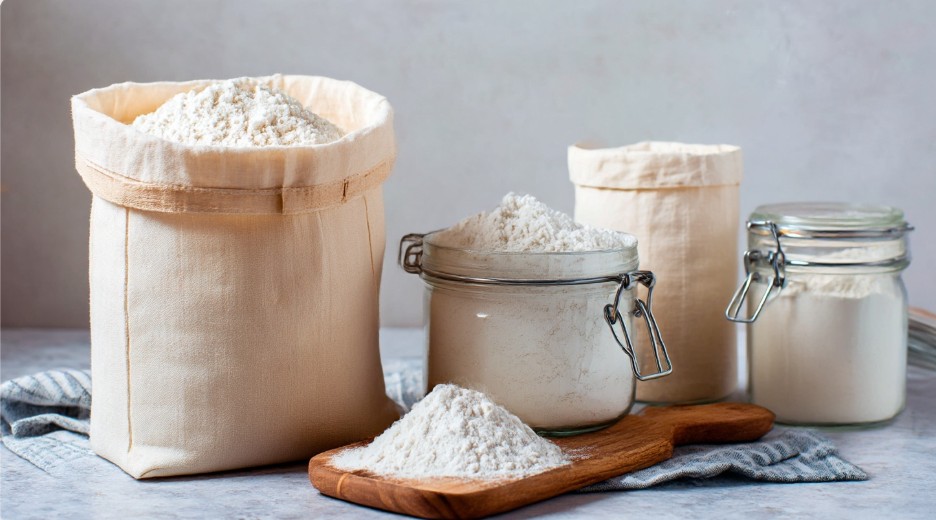
Flour is a delicate product. It absorbs moisture, odors, and even insects. To prevent flour from clumping and smelling old, transfer it to an airtight jar immediately after purchase. Bags often tear, and flour spills all over the cupboard.
Don’t store flour near the sink or stove
If you use it rarely, buy small packages
For long-term storage, you can place flour in the fridge (especially in summer)
I’ve noticed that flour in a glass jar doesn’t absorb foreign aromas and doesn’t clump. If it’s humid in the house during winter, you can add a couple of crackers or a special drying packet (usually found in electronics boxes) to the jar — it absorbs excess moisture.
Life hack: if you’re afraid of insects in flour, place the jar in the freezer overnight before storing. This will kill pest eggs.
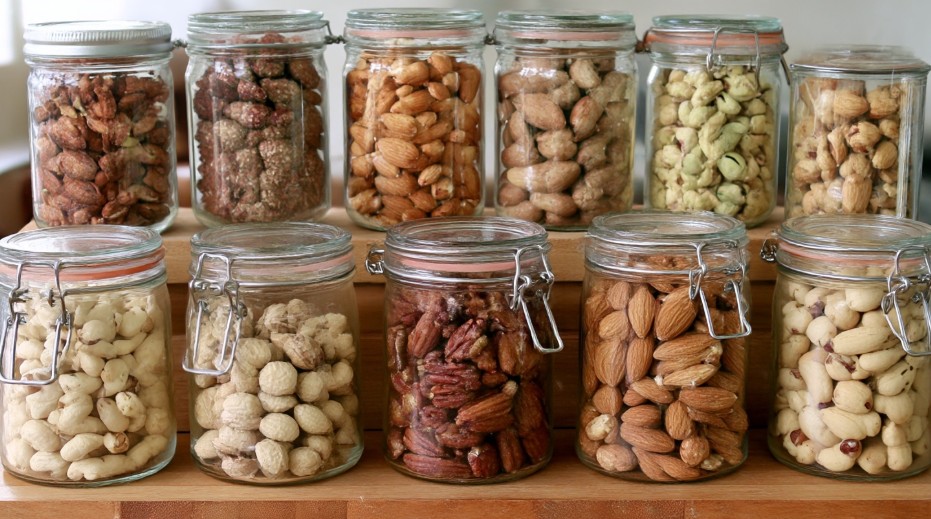
storing nuts in jars with lids
Nuts: How to Extend Freshness and Retain Flavor
Nuts are an expensive product, so losing them due to improper storage is especially disappointing. I always keep them in the fridge, and if I buy them in bulk, even in the freezer. This way, they stay fresh and don’t become rancid.
Open nuts only in airtight containers
Don’t keep nuts near strong odors (onions, sausage, fish)
If nuts already smell stale, it’s better to roast them on a dry pan, but don’t store them longer
Freezing doesn’t harm the taste and even extends freshness
Once, I left a bag of cashews on the top shelf of the cupboard, and after a month, they turned sour — I don’t repeat that mistake. Now all nuts go either in the fridge or freezer immediately.
Micro-story: once a friend gave me homemade hazelnuts in shells. While they were in the bag, everything was fine. But once I shelled them and left them in the cupboard, bugs appeared within a week. Conclusion: shelled nuts require cold and airtight storage.
Common Mistakes in Storing Grains, Flour, and Nuts
I’ve been through all these pitfalls:
Storing grains in original bags without clips
Placing flour near the sink or stove
Keeping nuts in open bowls ‘for convenience’
Buying in bulk and forgetting about old packs
Not labeling jars (sometimes buckwheat and millet get mixed up, especially for guests or children)
Another mistake is forgetting about regular cleaning in the cupboard. It’s worth wiping the shelves once a month, reviewing supplies, and discarding anything that no longer looks appetizing. It takes 5 minutes and saves you from many problems.
Life hack: stickers or markers for labeling jars aren’t a whim but a real time and nerve saver. Even my husband has started not opening a new jar without a label.
How to Choose and Read Packaging: What to Pay Attention To
Last but not least: what to buy and how to know if a product hasn’t been sitting on the shelf for too long. I pay attention to:
Expiration date — I choose the freshest, even if the difference is only a few months
Integrity of the packaging — if there’s a hole or tear, I don’t take it
Smell through the packaging (if noticeable) — there shouldn’t be any mustiness
Packing date — the closer to the purchase date, the better
I’ve bought nicely packaged flour before, only to find it smelled old at home. Now I always check the packing date and choose not the lowest price but the freshest appearance. Because the quality of flour affects the taste, even when making the simplest pastry with lard.
Life hack: if the packaging is transparent, check for lumps, dust, or dark spots — these are signs of moisture or pests.
My Personal Little Tricks for Order and Savings
Over the years of small mistakes, I’ve developed my own set of rules:
Regularly review shelves — a ‘revision’ once a month
Buy small packages if the product isn’t used often
Use jars of the same size — it’s easier to see what’s running out
Label all containers — even if it seems like you can’t mix up buckwheat
Use a napkin or a packet of salt at the bottom of the jar to collect moisture
This isn’t perfect organization from pictures, but small habits that really help not to waste products and not to spend extra. The main thing is not to chase fashion or perfect systems. It’s enough to have your own simple order.
Micro-story: another life hack I picked up from a neighbor — she keeps all grains in jars without labels but with different lids: rice — green, buckwheat — yellow, millet — blue. Even the kids don’t mix them up, and the cupboard looks neat.
When the kitchen is in order, and every jar is in its place, you feel true control. I no longer worry about throwing away another pack of old grains or finding bitter nuts. It turns out that simple rules work better than any trendy organizers. How have you organized your supplies? Share your tricks — I’m curious to know what helps you not to waste and keep everything at hand.
Please note:
This action will also remove this member from your connections and send a report to the site admin.
Please allow a few minutes for this process to complete.