Who Should Avoid Eating Amosov Paste

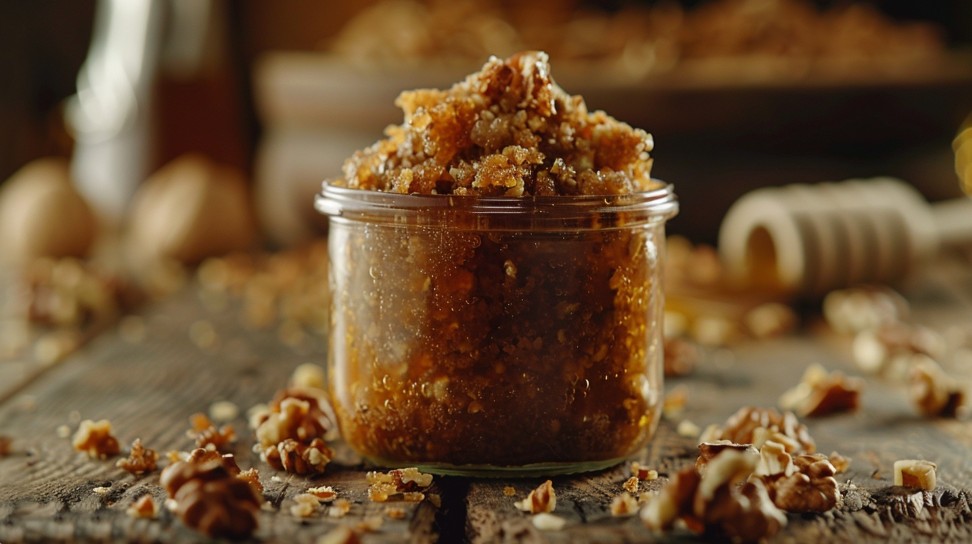
People often ask me about Amosov paste. You know, it’s that mix of dried fruits, nuts, and honey that has long become a staple in our kitchens. Some call it a ‘vitamin bomb,’ others a ‘savior for the immune system.’ It’s sold at markets, recommended in doctor’s queues, and prepared in kindergartens and schools. But is it suitable for everyone? And is it really that simple to add a spoonful of this paste to your life without any consequences?
In my kitchen, this mixture appears infrequently. I’m not a dietitian, but over the years of working with food, I’ve seen how often we look for a magic pill. Especially when we’re tired, when the kids are coughing, and there’s never enough time to cook at home. It seems like this paste is a simple solution. But, as with any food, there are nuances. I share my own experiences and observations because the kitchen is always about life, not rules.
We often forget that even the healthiest food is just a part of our daily life. And not everything recommended on social media or by neighbors is suitable for you. Amosov paste is no exception. It can be tasty, comforting, but not perfect for everyone. Let’s look at it without illusions and fears, and most importantly, without guilt.
⚠️ Who Should Be Careful with Amosov Paste
Important: this is not medical advice, but general culinary observations. If you have chronic illnesses or doubts about your diet, it’s best to consult a doctor.
Limit or avoid if you have:
• Diabetes or glucose metabolism disorders
The composition contains many natural sugars: honey, raisins, apricots, prunes. Even a small portion can significantly raise blood sugar levels.
• Allergy to nuts or bee products
Walnuts and honey are common allergens. If there are reactions, it’s better not to risk it.
• Gastrointestinal diseases in exacerbation
High concentration of dried fruits, acidity of cranberries or lemon can irritate the mucosa.
• Overweight or calorie control
The paste is nutritious and concentrated. It’s easy to eat more than planned.
• Dental problems or enamel sensitivity
Sticky texture and natural acids can cause discomfort.
• Individual intolerance to dried fruits
There may be a reaction to specific ingredients — it’s worth checking the composition.
If in doubt, it’s better to start with a small amount or discuss it with a specialist. Everything is individual here.
What Amosov Paste Really Is
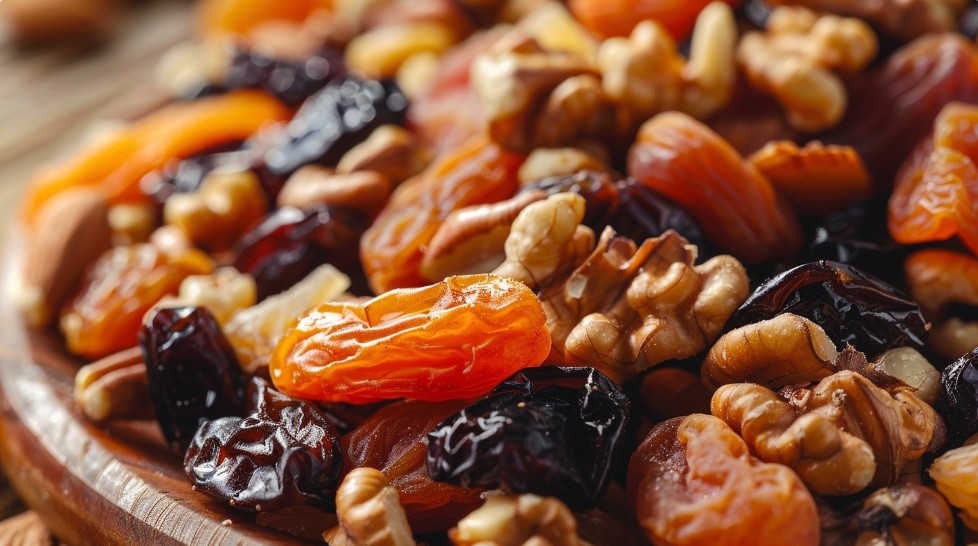
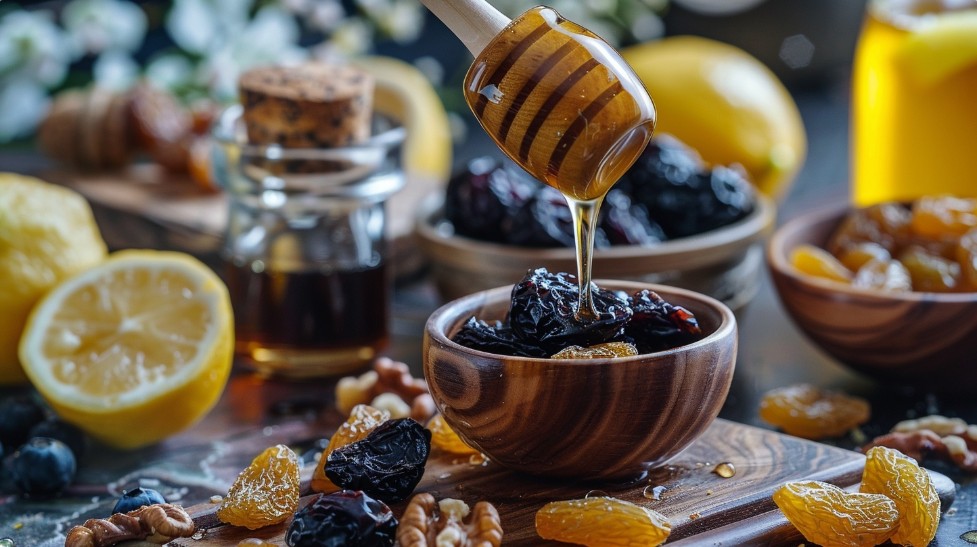
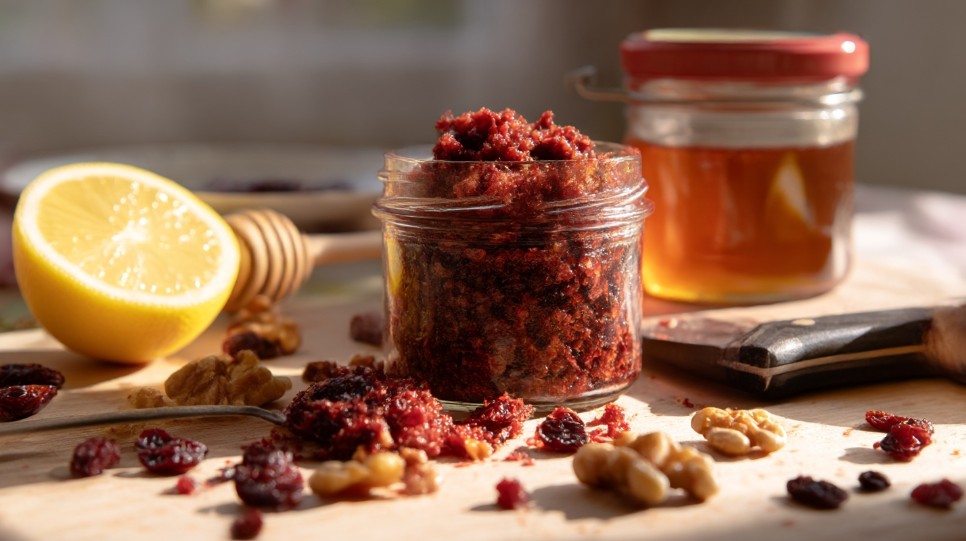
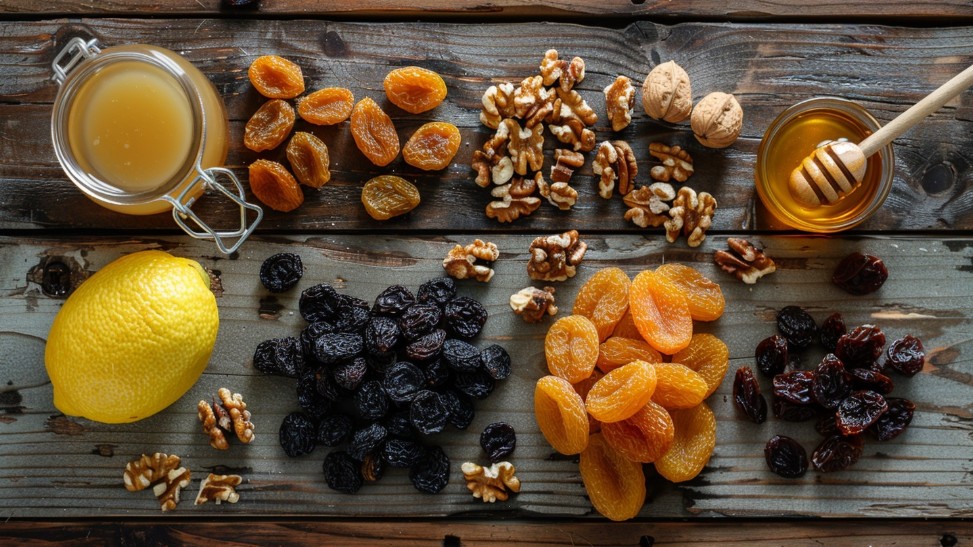
Amosov paste is a mixture of nuts, dried fruits, honey, and sometimes lemon. I still remember how my neighbor spread it on bread during a break between cleaning and holiday preparations. All the ingredients are simple, familiar from childhood: apricots, raisins, walnuts. All this is ground, mixed with honey, and results in a thick, sweet mass.
It’s often called a homemade ‘vitamin cocktail.’ But it’s important to understand: it’s not medicine, not a panacea, and certainly not a guarantee of health. It’s just food. Sweet, rich, caloric. Like any other food, it can fit into your life, or it may not. It all depends on the context.
I’ve seen people add this paste to porridge, eat it with a spoon before work, or give it to children at school. Sometimes with the hope that it will save them from colds or chronic fatigue. But in most cases, it’s just a way to add a little joy to everyday breakfasts. And here it’s important not to play to extremes: neither idealize nor fear.
Who Should Avoid Amosov Paste
There were moments when I tried to ‘get healthy’ with such mixtures myself. Especially after holidays, when the body asks for something simple. But over time, I realized: Amosov paste is not for everyone and certainly not in every situation.
The first thing to remember: if you have allergies or intolerance to specific ingredients (nuts, honey, citrus), it’s better not to risk it. One acquaintance, for example, gave the paste to his daughter and then wondered why she had a rash on her hands. Allergy to walnuts — and no ‘benefit’ outweighs this risk.
The second is if you find it hard to stop at one spoon. The paste is rich, and it’s easy to eat more than you’d like. Especially for children or when you’re tired and want ‘something sweet.’ Here balance is important: it’s not a candy, but also not a ‘healthy’ substitute for sweets.
- Allergies to nuts, honey, dried fruits
- Children under three years old (due to honey and potential allergies)
- Dental problems (sticky, sweet paste is not the best choice)
- Those who can’t resist overeating sweets
- People who are sensitive to sugar in food
This doesn’t mean that Amosov paste is ‘harmful.’ It’s just not universal. I’ve seen many times how the same product can be a find for someone and a source of trouble for another.
Amosov Paste in Real Life: Everyday Situations
When you live in the rhythm of ‘work-home-kids,’ it’s easy to succumb to the temptation to introduce something ‘useful’ for everyone at once. I have a friend who gives her children a spoonful of Amosov paste every morning — and eats it herself while getting ready for work. She says it makes her feel calmer. But there are days when the kids ask for more and more, and then it’s not so easy to explain why enough is enough.
If you work a lot, rarely have breakfast at home, and lunch is something on the go, the paste may seem like a good idea. But in reality, there’s not always time and desire to make it yourself, and buying it ready-made — you don’t always know what’s inside. I once bought such paste at a market — and found it twice as sweet as homemade. Maybe it’s a plus for someone, but for me, it’s too much.
I had an experience when after a night shift I really wanted something energetic. I took a spoonful of Amosov paste — and felt better. But later I felt it was too invigorating, to the point where it was hard to fall asleep. That’s how food can affect our rhythm, and it’s not always predictable.
Main Mistakes When Consuming Amosov Paste
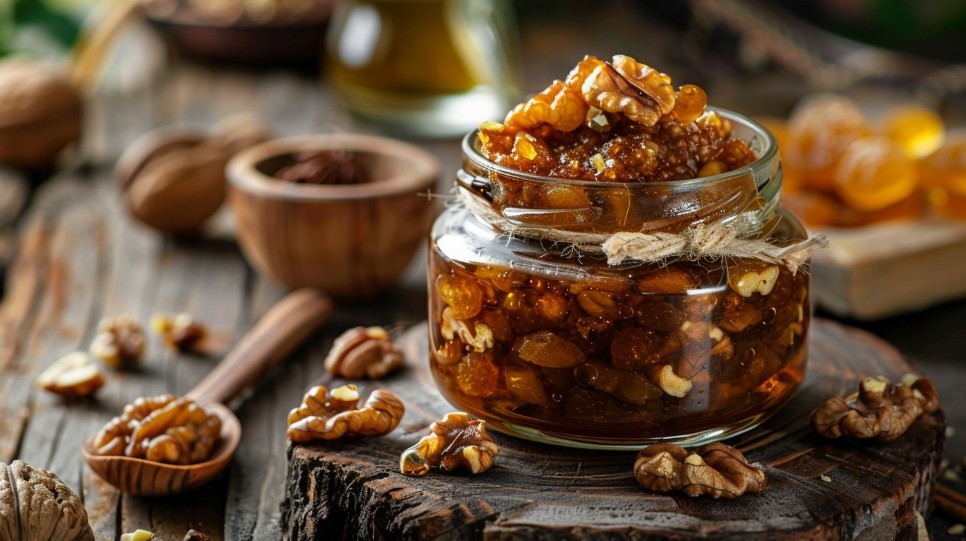
The first mistake is to perceive this paste as a panacea. It doesn’t cure, doesn’t replace regular food, doesn’t save from colds or chronic fatigue. I know people who believe that a spoonful of this paste ‘cleanses’ the body or ‘strengthens the immune system.’ This is an illusion that often leads to disappointment.
The second mistake is giving it to children too early. Honey and nuts are quite aggressive for a small body. I’ve seen it given to toddlers in kindergartens, and not every body reacted positively.
The third is overeating. The paste is sweet, aromatic, you want to eat more and more. I’ve seen adults take a spoon, then another, and eventually snack on it instead of lunch. This is not the product that should become the basis of the diet.
Tip: Keep Amosov paste out of children’s reach and take it out only when you really want it. This will help avoid overindulgence.
The fourth mistake is buying a mixture without understanding the composition. Ready-made pastes sometimes contain unexpected ingredients or excess sugar.
How to Incorporate Amosov Paste into Your Life Wisely
If you like such mixtures, the main thing is not to make a cult out of them. I put Amosov paste in a small jar so there’s no temptation to eat it by the spoonful. I add it to porridge or yogurt, but not every day, only when I really want it.
One of my life hacks is to use it not as a separate dish, but as an accent. A little on toast, a little in porridge, sometimes with tea instead of cookies. This way it’s balanced and without the feeling that something is forbidden or ‘harmful.’
- Don’t keep a large jar in a visible place — it will tempt you to eat more
- Use a small spoon — it’s easier to control the amount
- Don’t give it to children under three, especially if there are allergies
- Record your feelings: does the paste really make you happy, or is it a habit
- Remember that it’s just a part of nutrition, not the basis of the diet
Flexibility is the key word here. If you don’t feel like something sweet today, don’t eat it. If you do, don’t blame yourself for a spoonful of paste. Everything works when there’s balance.
Amosov Paste and Children: Practical Experience
I have two children. One eats the paste with pleasure, the other avoids it. I once tried to introduce this mixture into family breakfasts, but quickly realized: children are not the same. The younger one started sneezing from the first spoonful. It turned out that honey in the composition didn’t suit him. The older one asks to add more nuts, and sometimes to replace apricots with prunes.
I’ve learned to listen to my children and not insist. If they don’t want it, I don’t give it. If they ask, I give a small portion. Sometimes I offer it as a dessert after porridge or with cottage cheese, but it’s not a daily tradition.
Tip: If a child refuses, don’t insist. Food is for pleasure, not for struggle.
There are days when the paste sits in the fridge for weeks. And that’s normal. There’s no need to make a tragedy out of it or, conversely, celebrate if the jar is empty in a few days. Each child has their own pace.
Habits Instead of Rules: How to Find Your Balance
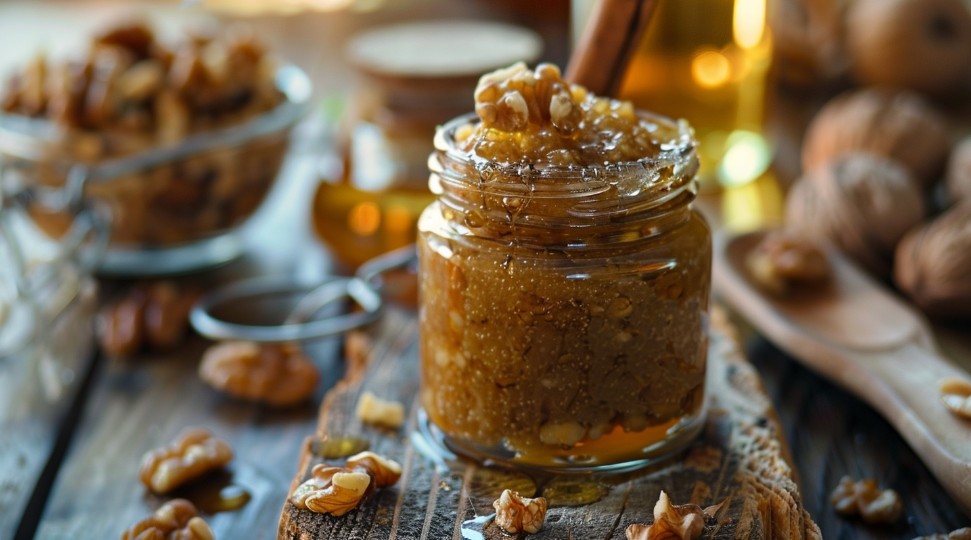
I love observing how food fits into the lives of different families. There are those who eat Amosov paste every day, and those who forget about it for months. There’s no perfect solution here. The main thing is not to turn food into a competition or a source of guilt.
For me, healthy eating is not about strict rules, but about habits. Small steps: add something new, remove something, observe yourself. If you feel that Amosov paste is your ‘sweet joy,’ keep it in your diet. If not, that’s okay.
- Listen to your feelings after eating
- Don’t force yourself to eat something ‘healthy’ because you ‘have to’
- Share with loved ones only what you really like
- Don’t make a cult out of food — it should be part of life, not a restriction
Over the years, I’ve become more relaxed about such things. Once, when I added a spoonful of paste to oatmeal on a frosty morning, I caught myself thinking: the main thing is not what you eat, but how you feel afterward. That’s balance.
How Not to ‘Fall Off’ with Amosov Paste — Practical Guidelines
People tend to look for simple solutions. I’m the same: if I’m tired, I want something sweet. But the main thing here is not to fall into the trap of ‘I’ll eat another spoon and it’ll get better.’ Eating habits are about flexibility, not prohibitions or ‘failures.’
What helps me:
- I immediately divide the paste into small portions — it’s easier to control the amount
- I don’t keep the paste on the desk or in open access
- If I really want it, I just eat slowly, focusing on the taste, not the quantity
- I add it to already prepared food, not eat it separately
The main thing is not to punish yourself. Amosov paste is not to blame if you overate. It’s an experience, and it’s valuable too. Next time you can do it differently. That’s how habits are formed that last longer than any prohibitions.
Food as Part of Life, Not a System of Prohibitions
I often observe how people start eating Amosov paste with enthusiasm, and then either forget about it or blame themselves for extra spoons. In reality, food is part of our life, not a system of trials. There’s no perfect product. It’s important to accept your choices, not to seek an ideal.
I remember once a colleague brought a jar of Amosov paste to work for everyone. Some were happy, some looked skeptically, and a few people didn’t try it at all — they weren’t in the mood. And that’s normal. Everyone has the right to their choice.
Food is not about competition. It’s about pleasure, routine, small joys. If you want Amosov paste today, great. If not, that’s fine too. There’s no need to limit yourself or torment yourself with questions ‘is it healthy.’
Tip: Allow yourself flexibility. Today — Amosov paste, tomorrow — an apple, the day after tomorrow — coffee with cookies. The main thing is your sense of balance.
How to Stay Calm in Food Choices
The last section I want to dedicate to calmness. In a world where there are so many tips, prohibitions, and ‘right’ decisions around, it’s easy to lose confidence in yourself. But your food is your life, your circumstances, your rhythm.
I’ve learned not to seek perfection. If I want Amosov paste for breakfast today, I eat it. If not, I choose something else. This doesn’t make you worse or better. Food is not an exam.
A simple principle helps me: listen to yourself and don’t compare with others’ stories. Every kitchen is a separate story. Every spoon of paste is your experience, your taste, your mood. There’s no need to make a cult out of food. It’s enough to just live, occasionally tasting something new — or old, familiar, but in your own rhythm.
So, if you’re still wondering whether you ‘can’ eat Amosov paste, just try to make a choice with respect for yourself. And remember: it’s not suitable for everyone and not always, and that’s absolutely normal.
How does Amosov paste fit into your life? Maybe you have your own stories or observations — write in the comments, it will be interesting to read different experiences.
Attention. All recipes, notes, and tips on this site are personal culinary experiences and subjective observations, not medical or dietary recommendations.
Everyone is responsible for their own dietary decisions, ingredients, and preparation methods.
The site is not a substitute for a doctor’s consultation. If you need medical advice, health, or diet questions, consult qualified medical professionals.