Why Green Buckwheat Has Become Popular in Healthy Living

I have always been amazed at how quickly familiar products can become the center of new trends. Just a few years ago, green buckwheat lay unnoticed on store shelves—next to the chestnut-brown variety familiar from childhood, it looked unfinished, even raw. Today, it’s bought by those who carefully read labels, seek ‘live food,’ and tell friends about the benefits of raw eating. I’ve often found myself in cafes or at friends’ homes hearing: ‘Oh, that’s green buckwheat, it’s the healthiest!’
I remember trying it for the first time—raw, slightly grassy, with a faint nutty aftertaste. It felt like meeting an old friend who had returned from a journey as a completely different person. Why has this ‘different’ buckwheat become so appealing to healthy lifestyle enthusiasts? Why do people love it now, when there are so many choices? I’ll try to figure it out—not with moralizing, but from the perspective of someone who has seen how food and attitudes towards it change in different families and generations.
What is Green Buckwheat: Not Just ‘Undercooked’
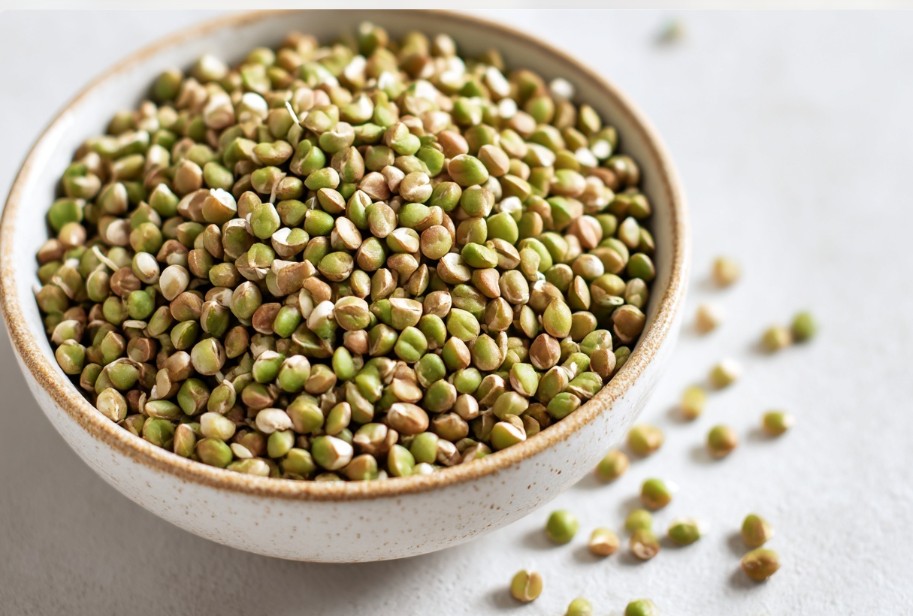
Green buckwheat is not a new hybrid or a marketing trick. It’s the same buckwheat familiar from childhood, just not roasted or steamed like most chestnut-brown grains, but left in its original form. Its grains have a light green, sometimes slightly golden hue, reminiscent of fresh peas or sunflower seeds. Its aroma is fresh, green, even slightly ‘raw.’
The taste is a special story. If you prepare it without heat treatment, just soak it, it’s slightly crunchy with a mild bitterness. When cooked properly, buckwheat becomes softer, but retains its characteristic nutty note. For those accustomed to classic buckwheat with its deep, roasted aroma, this may seem unexpected. But it’s this ‘incompleteness’ that gives green buckwheat a new meaning in modern culinary culture.
How Buckwheat Became a Symbol of Health: A Brief Cultural Portrait
Buckwheat is not just porridge from kindergarten or grandma’s kitchen. It has always been food with character: nutritious, inexpensive, suitable for long-term storage. I remember how in the 90s it saved many—during tough times, buckwheat was a guarantee of a satisfying evening.
However, perceptions of ‘healthy food’ have changed. In Soviet tradition, buckwheat was an everyday, even slightly bland dish. But by the 2000s, when the first waves of interest in organic and dietary products appeared, it began to be perceived differently. This is especially noticeable among young people and those seeking a balance between tradition and new habits.
Interestingly, in different countries, buckwheat is perceived differently. In Japan, it’s associated with soba noodles, in France with galette pancakes, in China with medicinal properties. For us, it became a kind of marker of ‘home’ food, but gradually outgrew this status and became part of a healthy lifestyle.
Green Buckwheat and Healthy Living: What Has Changed in Food Approaches
In the last ten years, I’ve seen how people increasingly think about what they eat, where the product comes from, and how it’s processed. This is not just a trend—it’s a response to fatigue from processed food, a search for something ‘purer.’ Green buckwheat fits right into this new trend.
The impetus was the idea of preserving the maximum natural properties of the product. Raw grains do not undergo heat treatment, and healthy lifestyle enthusiasts believe that this way they retain more nutrients. It’s like returning to the roots: eating food as nature intended.
In my practice, there have been guests who asked to replace regular buckwheat with green even in classic dishes. They said that after eating green grains, they felt lighter, and the taste seemed ‘more alive.’ And here, the composition is not the only important thing, but the feeling of ‘rightness’—as if you’re doing something good for yourself.
How to Eat Green Buckwheat: Rituals, Habits, Experiments
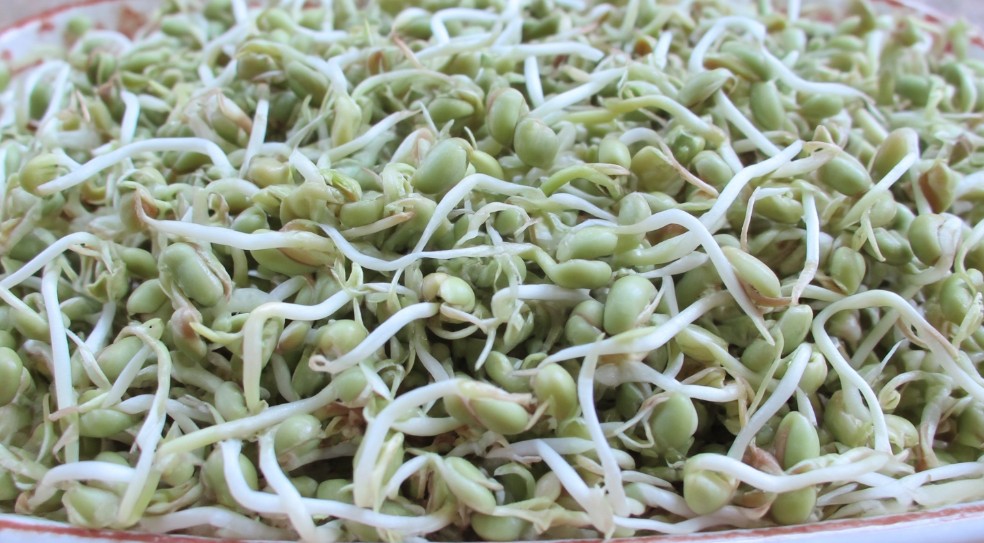
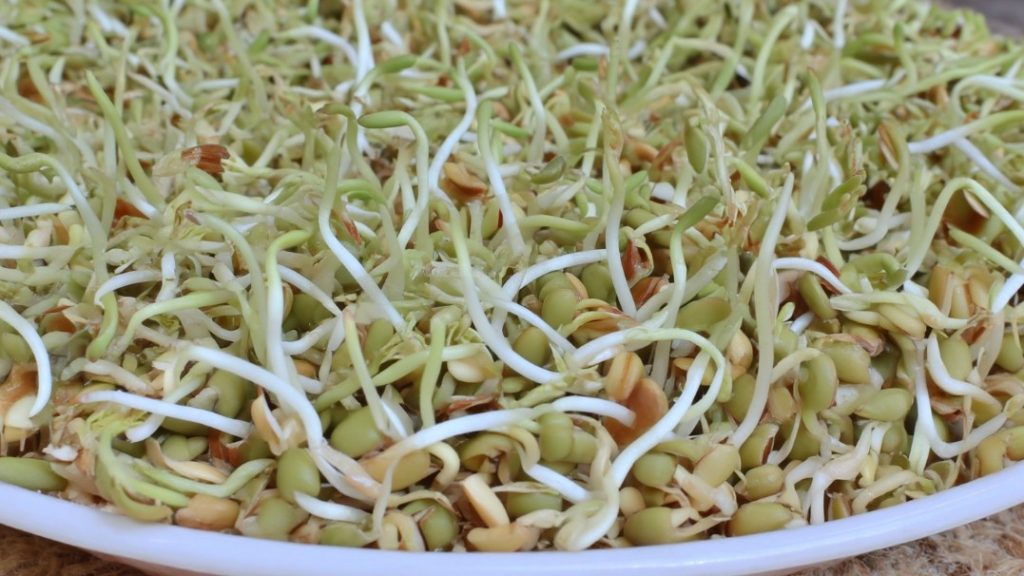
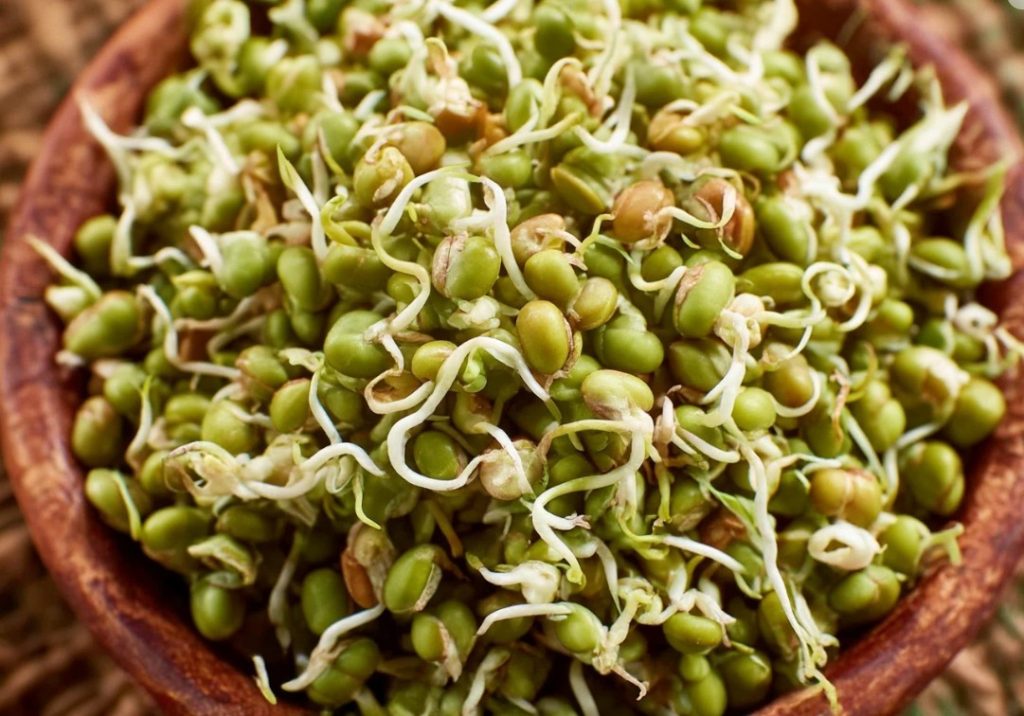
I like observing how new rituals emerge around a simple product. If classic buckwheat is traditionally boiled, with butter, milk, or gravy added, green buckwheat has opened up a whole world of other approaches. Some soak it in water overnight and eat it raw—for many, this is almost a morning ritual, similar to brewing coffee. Some sprout the grains to get ‘live’ food—this is appreciated by those who are into raw foodism or veganism.
I’ve encountered different family traditions. One family I know makes a ‘green breakfast’ every Sunday—green buckwheat with vegetables, fresh greens, and a drop of oil. For them, it’s not just food but a shared time when everyone can assemble their plate from what they like.
Children, by the way, initially approach green buckwheat with suspicion. But if you add something familiar to it—like a piece of apple or a bit of honey—it becomes interesting even for picky eaters.
Common Mistakes with Green Buckwheat: What to Avoid
Green buckwheat seems simple, but there are nuances. The most common mistake is thinking you can cook it the same way as classic buckwheat. If you cook it too long, the grains become sticky, losing both taste and texture. Another pitfall is not rinsing the grains before soaking: otherwise, the taste will be ‘muddy’ with excessive bitterness.
- Not soaking—green buckwheat becomes hard to digest and tough
- Using metal dishes for sprouting—can add an unwanted taste
- Trying to roast green buckwheat like classic—won’t reveal aroma, just loses color and texture
If green buckwheat seems bland, don’t rush to add spices. Instead, try experimenting with additions: fresh vegetables, nuts, greens. I’ve noticed that even a few drops of lemon juice can ‘awaken’ the taste.
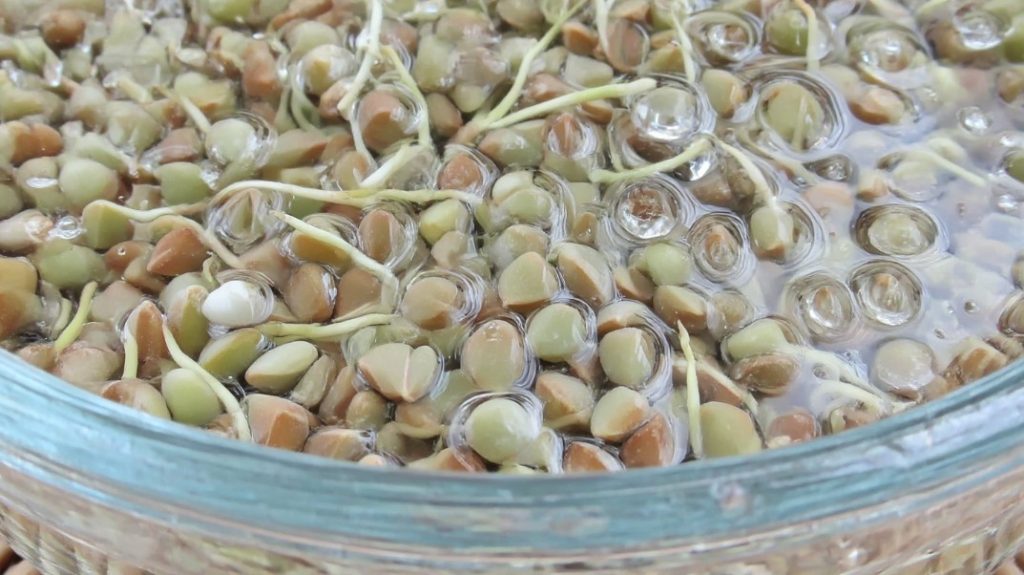
Tip: soak green buckwheat in clean, cool water for at least 4-6 hours, preferably overnight. In the morning, rinse the grains several times. This way, the taste will be cleaner, and the texture pleasantly crunchy.
Meanings and Symbols: Why Green Buckwheat Inspires Trust
In our culture, buckwheat has always been a symbol of simplicity, reliability, even a certain care. But green buckwheat adds a sense of novelty to this. It’s chosen by those who want to control their diet, who seek an alternative to regular grains.
I notice that green buckwheat becomes a kind of marker of belonging to ‘one’s own’—those interested in health, not chasing trends for trends’ sake, but seeking deeper meaning in simple things. It’s not just food, but part of modern identity.
I’ve seen how in cafes and even expensive restaurants, green buckwheat appears in breakfasts, bowls, salads. It’s not just about taste, but about the desire to be ‘in the know’—as if saying: ‘I understand what I eat, and I know why.’ A kind of culture of choice that grows from ordinary grains.
Green Buckwheat in Different Families: Generational Experience
My parents’ generation is wary of green buckwheat. For them, it’s like a return to the past when buckwheat was eaten ‘unprocessed’ due to lack of time or conditions. But for younger people, it’s a symbol of the new, even a bit of a protest against ‘banal’ food.
I have a nutritionist friend who said that young families often buy green buckwheat because it’s something to talk about—as if food becomes a reason for conversation, uniting people at the table. Children who see their parents experimenting with food grow up with a more open attitude to new tastes.
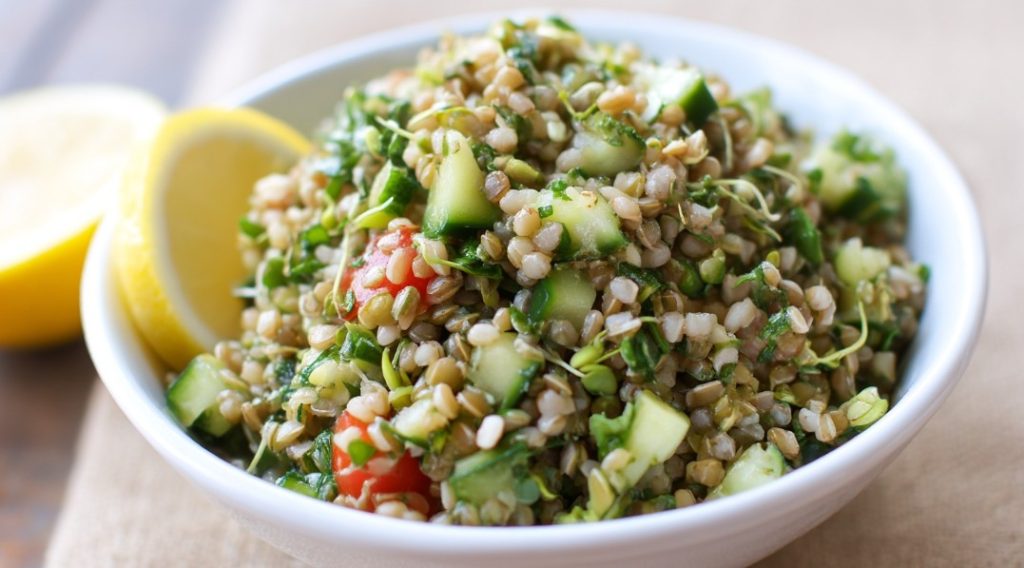
A micro-story: once a young couple approached me wanting to organize a family dinner ‘without heat treatment.’ They brought green buckwheat with them, sprouted it in advance. In the evening, we prepared a salad with greens, vegetables, and drops of flaxseed oil together. It was impressive that for them, it was not just a meal, but a shared ritual, a way to talk and be together.
From Grandma to Instagram: Green Buckwheat as a Bridge Between Generations
I’ve noticed how green buckwheat has become a kind of bridge between generations. Young people post photos of plates with green grains on social media, adding hashtags #rawfood, #superfood. Meanwhile, older people recall how they ate buckwheat in childhood that hadn’t been roasted or steamed. It turns out that green buckwheat brings us back to basics, while also emphasizing modern attention to choice and awareness.
In some families, green buckwheat has become a reason for conversation: older people talk about how everything was simpler before, while young people explain why it’s now important to know how a product is grown and processed. It’s not always easy—habits form over years. But it’s these moments that create the ‘culinary culture’ that lives not in recipes, but in conversations and shared memories.
Tip: if you’re cooking green buckwheat for older relatives for the first time, don’t rush—let them try a small portion with something familiar. This way, the transition to something new will be smoother.
Green Buckwheat and Modern Cuisine: The New Role of Simple Products
Green buckwheat is a great example of how simple products become the foundation for new gastronomy. In modern restaurants, it’s used as an alternative to rice, added to bowls, salads, even desserts. But the main thing is that it makes you think about how we relate to food in general.
When working with green buckwheat, it’s important to remember: it’s not a panacea, but another tool for diversity. It won’t replace all other grains, but it can make the diet more interesting. Sometimes simple products become real discoveries if you look at them differently.
I love experimenting: I add green buckwheat to salads, mix it with nuts, sometimes even use it as a base for ‘live’ porridge. The main thing is not to be afraid to try, trust your own feelings, and not to limit yourself with rules.
Lifehack: if you want to make a dish more filling, add some pumpkin or sunflower seeds to green buckwheat. They will enhance the crunchiness and enrich the taste.
Why Green Buckwheat is More Than Just Food
Green buckwheat has become popular in healthy living not just because of its beneficial properties or the trend for ‘raw’ products. It meets the deep need of modern people—to control what ends up on the table, to find something new in the simple, to create their rituals even with everyday things.
There’s a certain symbolism in this: it’s like we’re returning to basics, but with new experience, understanding, and the ability to choose. Green buckwheat reminds us that food is not only about calories or proteins, but about connection with oneself, family, and culture. And each new wave of popularity is another reason to look at familiar things in a new way.
So, green buckwheat is not just a trend. It’s a way to be honest with ourselves, to maintain a connection with the past, but not to be afraid to experiment. Maybe that’s why it quickly became part of the diet of those who value not only taste but also meaning in every dish. Have you tried green buckwheat yet? How has it changed your habits or rituals in the kitchen? Share your stories—it’s interesting to hear different voices at one table.