Cutting Yourself on Flat Ground: Why Knives Slip and How to Avoid It

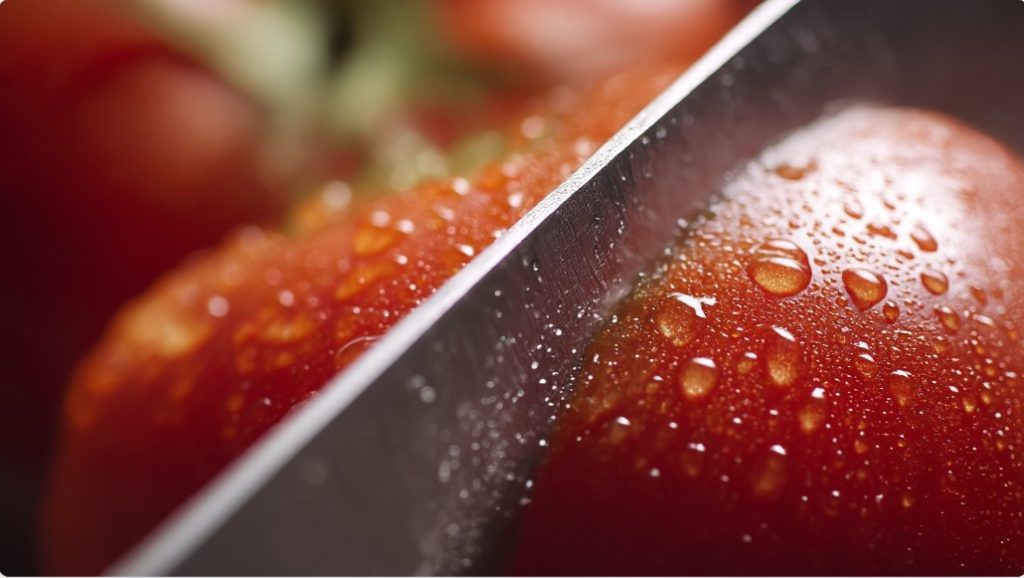
Probably everyone who has ever cut something in the kitchen has caught themselves thinking, “Everything will be fine now,” only to find themselves squeezing a finger and looking at the knife with distrust a second later. Cutting yourself on flat ground is a familiar feeling even for those who cook often. And what’s most surprising is that it happens not because of “sharp” movements, but when everything seems calm and routine. Why does a knife slip, how to maintain control, and what to do when it happens — that’s what we’ll talk about. Because in the kitchen, control is not about fear, but about confidence and the habit of listening to yourself, the knife, and what’s under the blade.
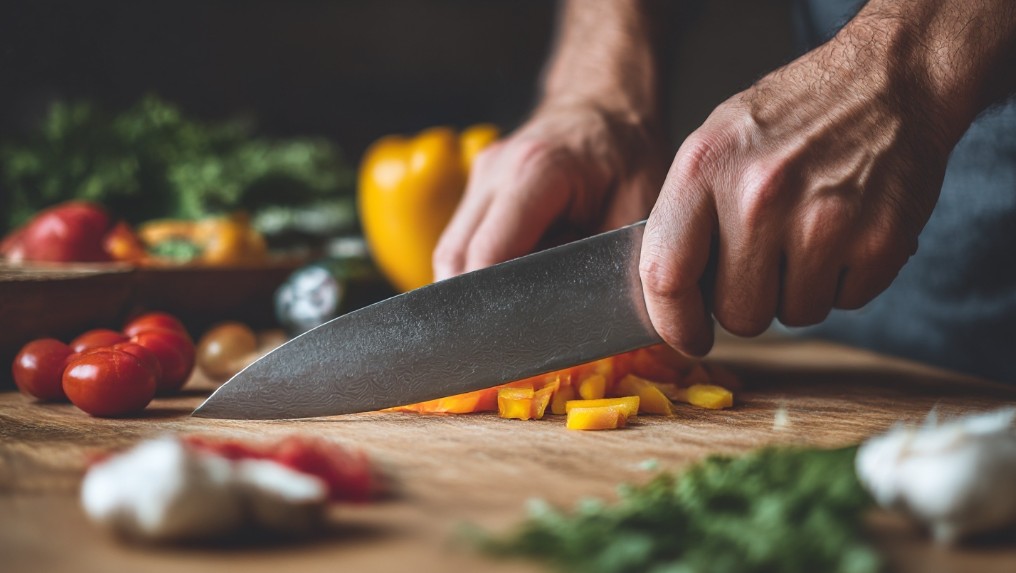
Why Knives Slip When You Least Expect It
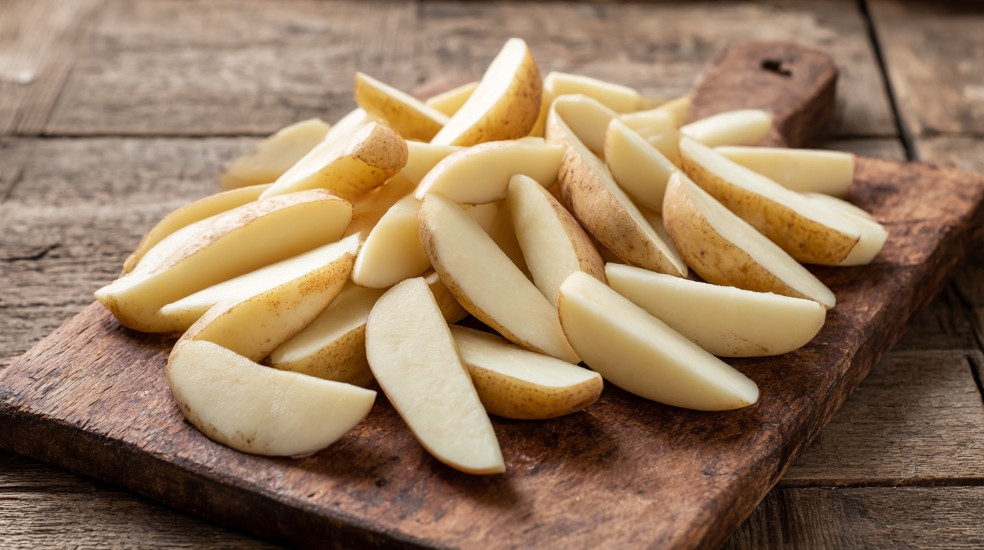
I’ve often been caught by the confidence that “I’ve been cutting for a long time, everything is under control.” Most often, the knife starts to slip not when you’re hastily cutting something hard, but on soft, slippery, or wet products — tomatoes, boiled potatoes, fresh fish. Holding it slightly wrong, a slightly wet hand, a drop of oil on the board — and the blade doesn’t obey. It’s not just about the sharpness of the knife. There’s a whole chain of small things that accumulate and suddenly nullify your control.
My favorite “trap” is when the knife seems sharp, but it’s actually already dull. You don’t notice it on carrots or onions, but on a slice of ripe tomato — the blade slips, doesn’t cut in, and the hand automatically adds force. It’s at this moment that it becomes dangerous. The more you press, the less control you have.
Another typical situation is haste. The kids are already asking for food, and you’re cutting cheese or sausage for sandwiches, keeping an eye on the frying pan. Attention is scattered, the pressure is uneven, and the knife seems to “escape” from your hands. Familiar?
Sharpness of the Knife: Why a Dull Knife is More Dangerous
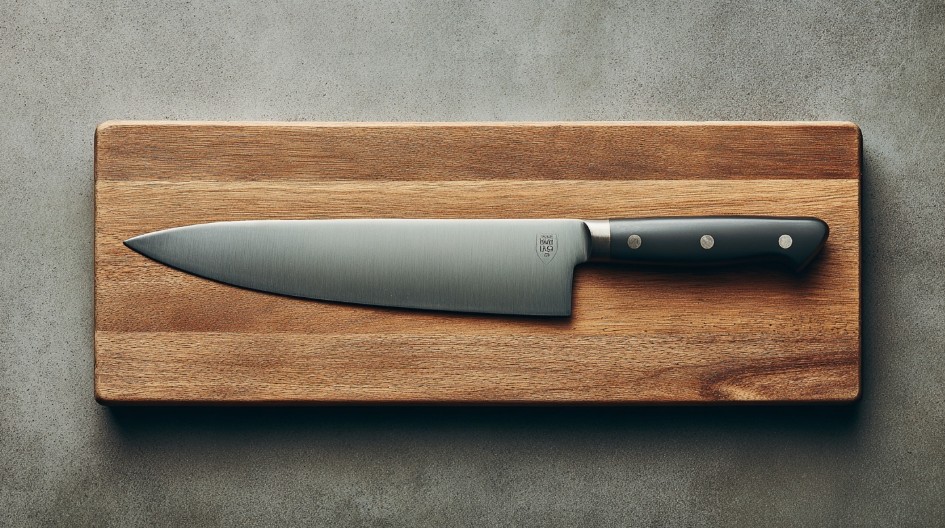
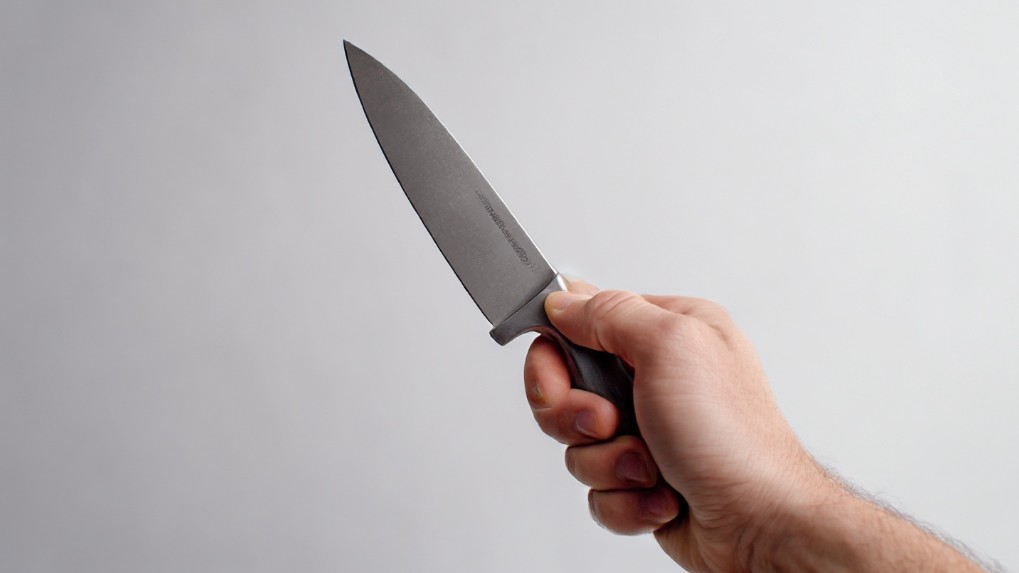
Most people think: the sharper the knife, the more likely you are to cut yourself. In reality, it’s the opposite. A sharp knife cuts the product easily and predictably, while a dull one slips on the skin, stops at the bone, stalls on fibers. And this is where uncontrolled jerks begin — when you suddenly apply excessive force, the blade slips, and it’s no longer the product but your finger that becomes the “victim.”
I’ve often had to explain to friends: it’s not dangerous when the knife is sharp, but when it’s dull and you ignore it. A simple sign — if you have to “saw” or press while cutting tomatoes or bread, it’s time to sharpen the knife. Even better — have a honing steel or a simple sharpening stone on hand. Especially if you cook often and with different products.
How to Know When to Sharpen Your Knife
There’s a simple trick: try cutting a sheet of paper. If the knife goes smoothly, without snagging — everything is fine. If it tears the paper or slips — time to sharpen. You can also look at the blade’s reflection: a sharp blade shines differently, a dull one — as a straight line.
Tip: sharpen your knife more often than seems logical. Don’t wait until it’s completely “dead.”
Texture of the Product and Surface: What Else Can Undermine Control
Some products are already slippery or watery by themselves — tomatoes, eggplants, raw meat. Sometimes even the board becomes too wet, and the knife slips not only on the product but also on the board itself. This is especially noticeable when there are drops of juice or oil on the board — the blade loses grip, and the hand starts to compensate with extra force. As a result, the movement becomes jerky instead of smooth.
Once I was in a hurry to make a salad, and there was water left on the board from a washed cucumber. A sharp knife approached, a piece of cheese — and the blade slipped, leaving an unpleasant mark on my finger. The conclusion is simple: a clean and dry board is not an unnecessary precaution, but a foundation of control.
How to Prepare the Surface for Cutting
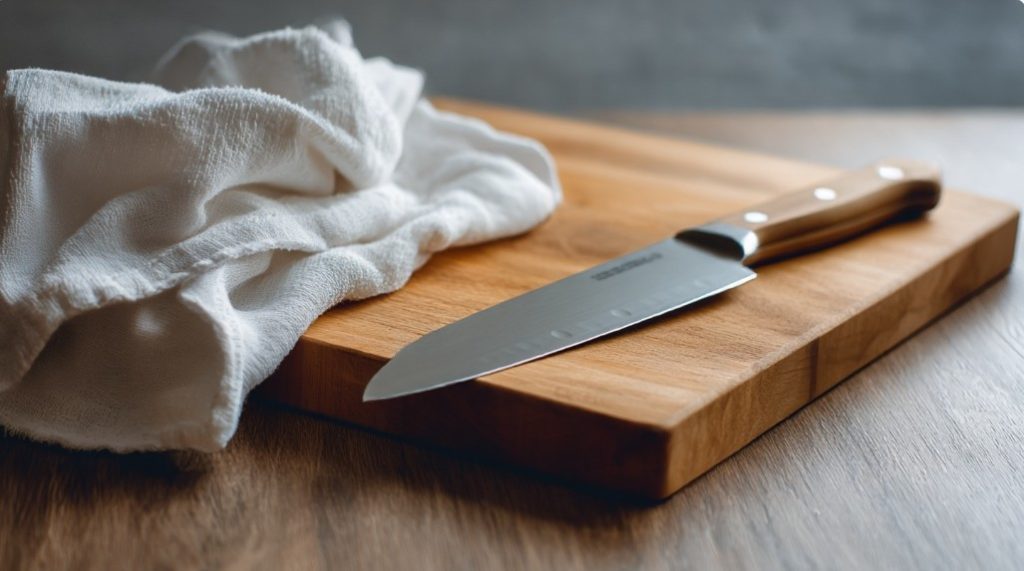
- Always wipe the board before a new product
- Make sure there are no water drops under the board (the board can also “slide” on the table)
- Don’t neglect a towel — wipe your hands before cutting
Tip: if the board is slippery, place a damp paper towel under it — this significantly enhances grip with the table.
Knife Movements and Grip: What Changes the Difference Between Control and Risk
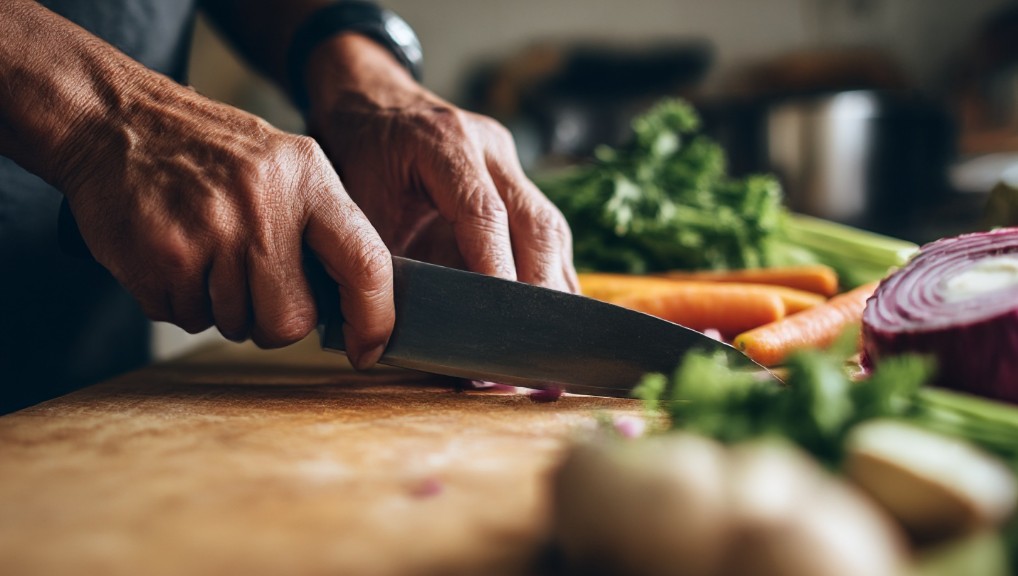
Most often, cuts happen when the hand holds the knife or product “as it comes.” This is especially noticeable if you’re in a hurry or distracted. The main movement is relaxed, almost pendulum-like, when the knife slides forward and down, rather than just pressing vertically. I’ve noticed that when you grip the handle tightly and try to cut everything with one sharp movement, the chance of losing control is much higher.
Another nuance is the knife grip. If you hold it by the handle only, far from the blade, it’s hard to feel the tip and direction. I often explain: grip not only the handle but also a bit of the blade with your thumb and index finger — this way you literally “feel” the knife, it becomes an extension of your hand.
How to Hold a Knife Correctly
Try to grip the handle so that the thumb and index finger are on the start of the blade. Other fingers are around the handle. Movements are not forceful, but like sledding on snow: the knife goes forward by itself, and you just guide it.
Tip: practice cutting carrots or onions slowly — not for speed, but for the feeling of control over the movement.
Product Control: Hand, Fingers, Position
One of the most typical situations is when the fingers of the left hand (for right-handers) stick out towards the blade, as if asking to “get a portion of sharpness.” I’ve often caught myself that by the end of the day, when I’m tired, the fingers no longer bend as they should — and here are the risks.
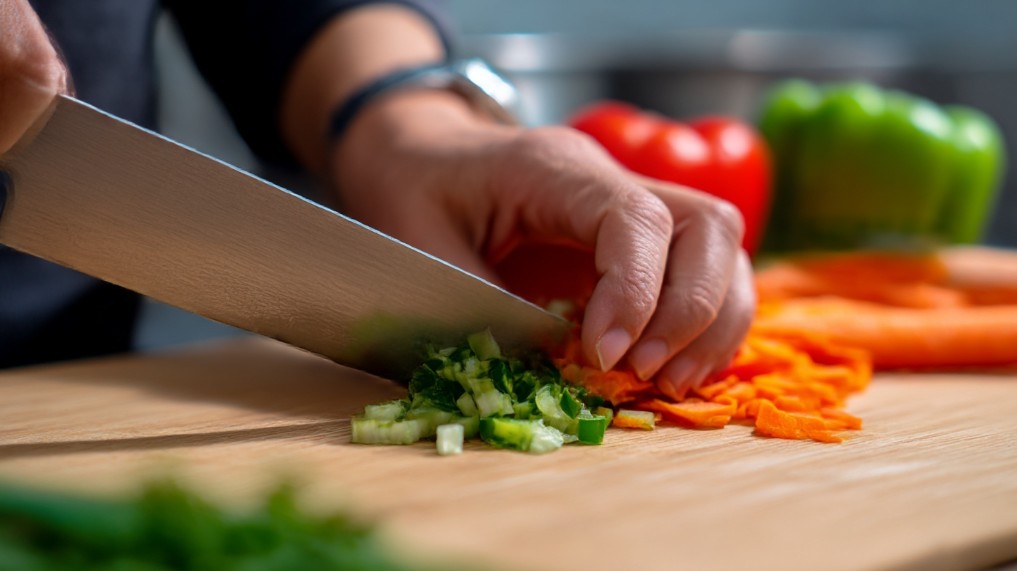
A good habit is the “claw”: tuck your fingers so that the blade slides along the phalanges, not the tips. At first, it’s uncomfortable, but over time it becomes a habit. My first attempt looked funny: half the carrot scattered on the board, but not a single cut. And it’s worth it.
How to Position Fingers for Control
- Fingers tucked in, nails “looking” down
- Thumb is behind the product, not next to the blade
- The tip of the blade touches the board, and the movement goes along the phalanges
It’s convenient to practice on cucumbers or carrots: slowly, without haste, paying attention to sensations. At first, it looks unnatural, but after a few days, the movements become automatic.
Common Mistakes of Beginners (and Not Only)
I’ve seen a lot: both kitchen enthusiasts and people for whom a simple sandwich is a challenge. Most often, everyone repeats the same mistakes:
- Hold the knife too far from the blade
- Don’t wipe the board and hands after washing
- Cut with a dull knife because they fear a sharp one
- Rush and get distracted while cutting
- Don’t tuck fingers, hold the product “on an open palm”
- Try to cut large pieces at once instead of several movements
Another common mistake is ignoring your own discomfort. If your hand is tired, the knife is uncomfortable, the board is slippery — it’s better to stop and fix it than to hope “it’ll somehow work out.” From my own experience: most cuts happen exactly when you ignore a little discomfort.
How to Feel the Knife and Product: Movement Mechanics
Here everything revolves around feeling: how much the knife “listens” to you, and you to it. A sharp blade almost doesn’t require force: you guide the knife, not push it. If you feel resistance — change the angle, try to cut a smaller piece, don’t rush.
Pay attention to the sound: a sharp knife cuts almost silently, a dull one — squeaks, tears, cracks. If you hear a strange sound — it’s already a signal that something is wrong. The texture of the product will also tell you: if the piece falls apart instead of cutting — you need to change the movement or the knife.
Practice: Small Exercises for Control
- Cut a carrot into the thinnest slices, not rushing, following the movement of the blade
- Try to cut a piece of tomato with a thin movement without pressing
- After each cut piece, check the position of your fingers
- Pay attention to how the movement changes with different products
Over time, you’ll start to feel when the blade is “tired,” and when everything is under control.
What to Do if the Knife Still Slipped
No technique guarantees absolute safety. Even experienced chefs sometimes cut themselves — and that’s okay. The main thing is not to panic and learn to act calmly.
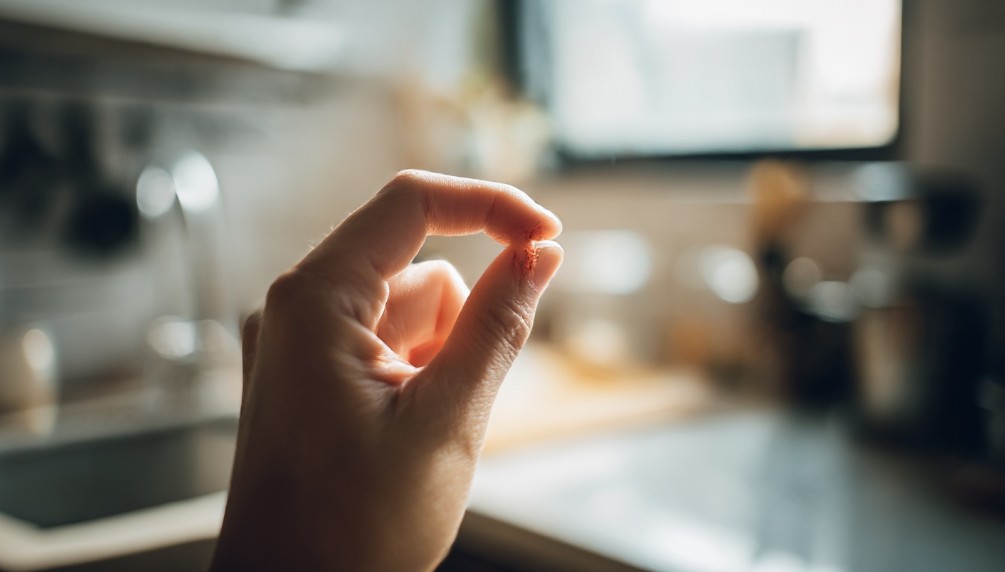
- Stop and immediately look at your hand. If the cut is minor — rinse under cold water, press with a clean napkin or bandage.
- If the bleeding doesn’t stop — raise your hand above your heart, press, and give it time to heal.
- Don’t rush back to cutting. It’s better to take a break, check the knife, board, hands — and only then continue.
From my own experience: after each cut, I always analyze what exactly went wrong. It’s not self-flagellation, but a useful habit. Usually, the reason is simple: haste, fatigue, discomfort in the hand, slippery board.
When to See a Doctor
If a deep cut doesn’t stop, numbness appears, or finger mobility is impaired — don’t wait, see a doctor. But in most household situations, calmness and basic actions are enough.
Life Hacks for Confidence and Movement Economy
Over time, simple habits develop that save energy and nerves:
- Prepare everything for cutting in advance: wipe the board, prepare the knife, products
- Don’t try to cut large pieces at once — several small movements are safer
- Always watch the position of your fingers, especially at the end of cutting
- Take a break if you feel tired or irritated
- Replace an uncomfortable knife with one that fits well in your hand
Tip: don’t be afraid to try different grips and movements — find what “fits” you best.
I’ve often noticed that even a small change in finger position or knife angle gives a sense of control and confidence. It’s like tuning an instrument: when everything is at hand, you cut without straining, and the kitchen becomes a safer place.
Overcoming Fear and Finding Pleasure
Fear of cutting yourself is normal, especially at the beginning. But with each practice, you learn to feel the knife, the product, yourself. The best sign of progress is when your hand moves on its own, and there’s no anxiety in your head. Over time, cutting becomes something like meditation — when you’re present in the moment, hear the sound of the blade, feel the texture, see beautiful even slices.
What I like most is the moment when, after a few weeks of training, even a complex product — the same tomato or fish — cuts easily, without tension. It’s not magic, but the result of attention to detail. Personal control is not only about safety but also about enjoying the process.
Working with a knife is not about fear, but about the habit of hearing and seeing the little things. Once you learn — the kitchen truly stops being a place of “increased danger.”
Tell me, which products most often let you down during cutting? Maybe you have your own story about a “slippery” knife? Share in the comments — I’m curious about what became a turning point for you in controlling movements.