Why Pancakes Stick to the Pan

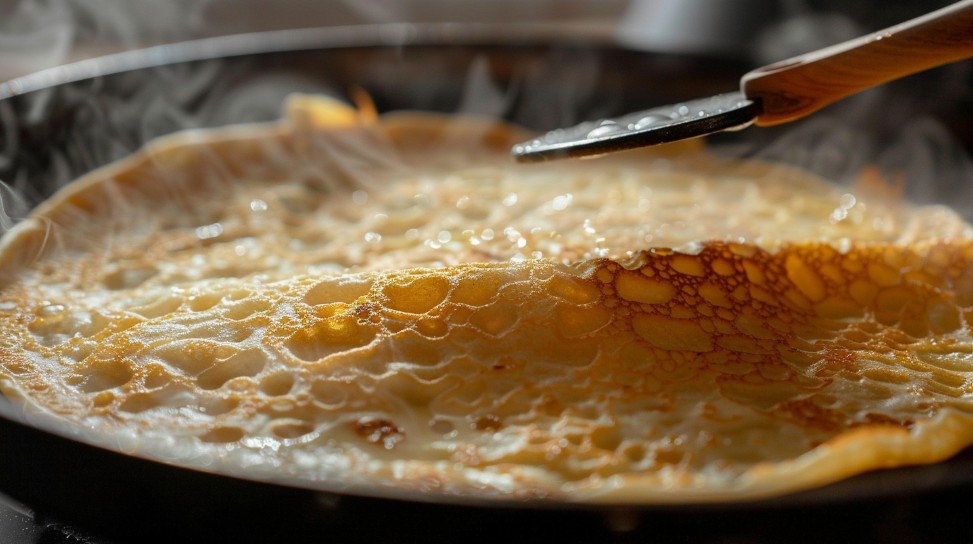
As a child, I never understood why my mom’s pancakes almost always slid off the pan, while mine stubbornly stuck like a second layer of skin. It’s not something you want to brag about: you set out to delight someone with morning pancakes, but instead, you’re scraping them off in patches. This situation is familiar to many. And the main thing is, it always seems like you’re doing everything right: the batter, the pan, the mood, yet the result is pure stress. This very moment — when you watch the pancake desperately cling to the surface — breeds fear of making pancakes again. But the whole story isn’t about skill or luck. It’s about the process — and the fact that it can be understood, felt, and controlled.
How the Pan Works: Contact, Temperature, Surface
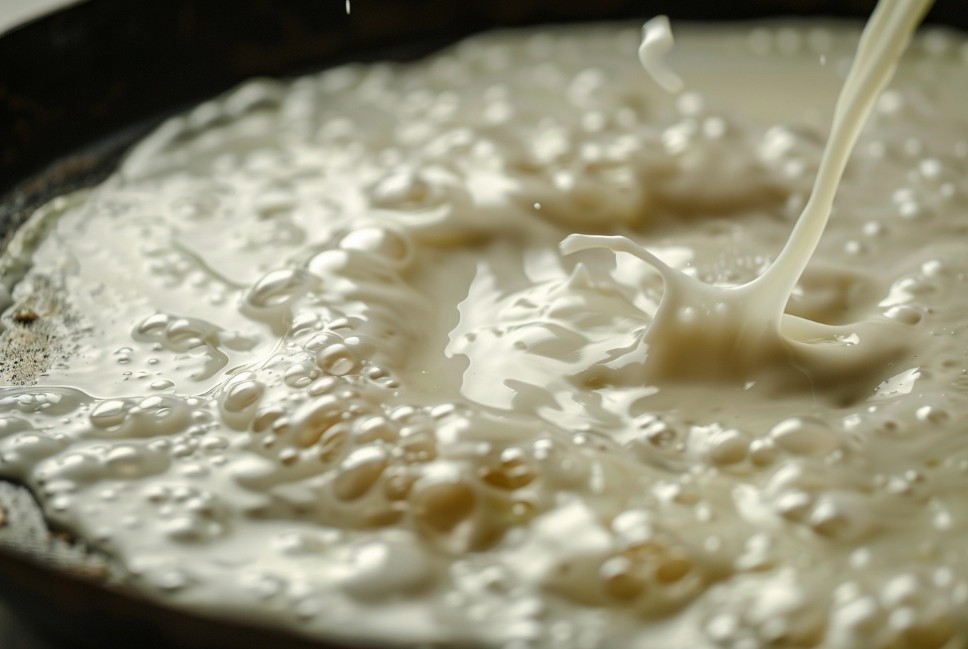
Imagine: you place the pan on the stove, wait for it to heat up, pour some batter — and from the first second, you see it “grasp” from the edges, while the bottom remains white. Or vice versa: the surface is already sizzling, but the pancake sticks firmly. The whole secret lies in the interaction of three things: temperature, surface condition, and fat.
The pan is not just “metal at hand.” The material, the thickness of the bottom, even the age — everything matters. Cast iron, old Teflon, new steel — each reacts differently. Cast iron, for example, accumulates heat more slowly but holds it steadily. Teflon heats up quickly but can fail if there are scratches or unevenness. On an old Soviet aluminum pan, pancakes behave like capricious cats: one day everything is perfect, the next — complete sticking.
Fat is the bridge between the batter and the metal. If there’s too little, the pancake will almost certainly stick. If it’s distributed unevenly, spots will appear: one area easily detaches, another — the opposite. Many fear “over-greasing,” but it’s better not to skimp on oil or butter for the first batch. I always keep a brush or a piece of potato on a fork to evenly grease the surface after each pancake.
Temperature: The Main Cause of Failures
This is probably the most common pitfall. Most sticking problems are a matter of temperature. If the pan isn’t hot enough, the batter simply absorbs into the surface pores. Visually, it looks like this: the batter lays down, doesn’t sizzle, and after a few seconds starts to dry only on top, while the bottom sticks firmly.
To know the pan is ready, I use a simple test: a drop of water. When water hits the surface and immediately gathers into a small ball that “dances” across the pan, that’s the ideal moment. If the water sizzles and quickly evaporates but doesn’t form a ball — wait a bit longer.
Overheating isn’t the solution either. If the pan is too hot, the oil starts to smoke, and the pancake burns at the edges but doesn’t detach from the center. Practice helps here: once you catch this moment, you’ll feel the difference by smell and even by sound — the right temperature gives a gentle sizzle without sharp “explosions” of oil.
Batter: Consistency, Composition, Rest
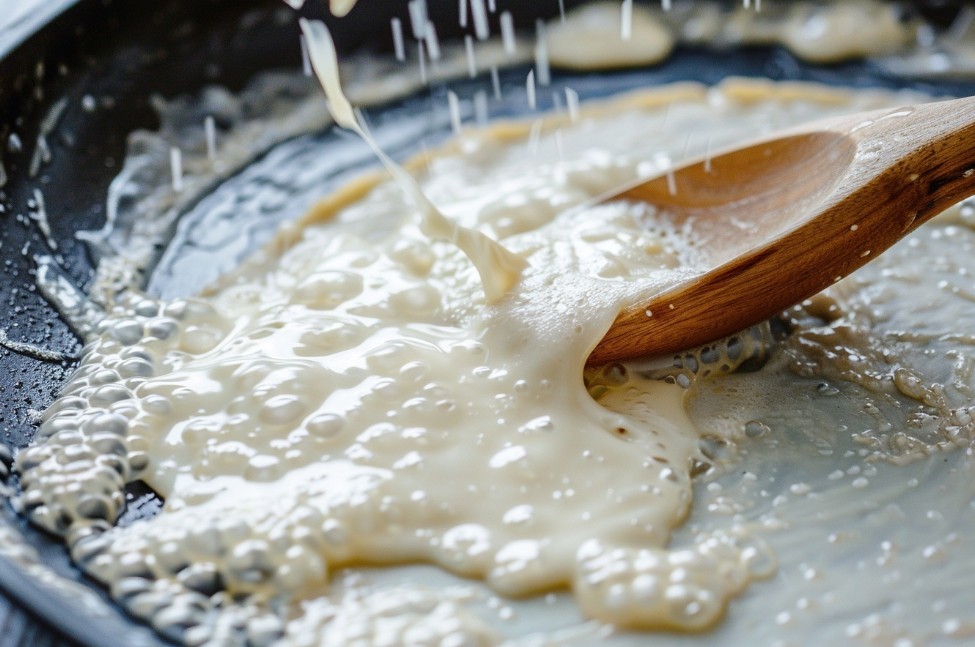
Pancake batter is a small science. Density, the ratio of liquid to flour, even the temperature of the ingredients play a role. Too thick — spreads with difficulty, sticks more. Too runny — can stick due to lack of structure. Beginners often fear making the batter “too watery,” although the pancake should be thin, almost transparent on the pan.
I’ve noticed that when the batter sits for at least half an hour, it behaves completely differently: air bubbles are even, gluten relaxes, pancakes don’t tear when flipped. By the way, if the batter is made with milk or kefir, let it “rest” a bit — this minimizes sticking.
Another common mistake is too much sugar or other additives that caramelize and burn. In such cases, even a perfect pan won’t save you: the pancake literally “glues” to the sweet spots. If you want sweet pancakes — better to add filling after baking.
Fat: How Much and How to Grease Properly
Everything depends on fat: taste, structure, and that “slippery” effect. But there are nuances. If you pour oil directly from the pan — it often runs off the edges, leaving the center dry. If you use a piece of lard or butter — it’s important not to “dry out” that area, as excess can burn.
My practical life hack: I take a paper napkin, fold it several times, and dip it in oil. Then quickly wipe the entire pan surface with a thin layer. For pancakes, this is the perfect method because the fat is evenly distributed, and nothing burns. If the pan is new or not very “broken in,” it’s better to grease the first 2-3 pancakes more generously.
Another point: if burnt bits remain on the pan after a few pancakes — they need to be removed immediately. They themselves become sticking points for the next batches. Just wipe the surface with a napkin or a wooden spatula.
Pan Material: What’s Better and What’s Trickier
Not every pan is equally friendly with pancakes. Cast iron is a classic, but if not prepared correctly, it becomes an enemy. Before first use, a cast iron pan should be “seasoned” with salt, then greased with oil and allowed to cool. If this isn’t done, the metal’s pores absorb liquid, and the pancake will almost certainly stick.
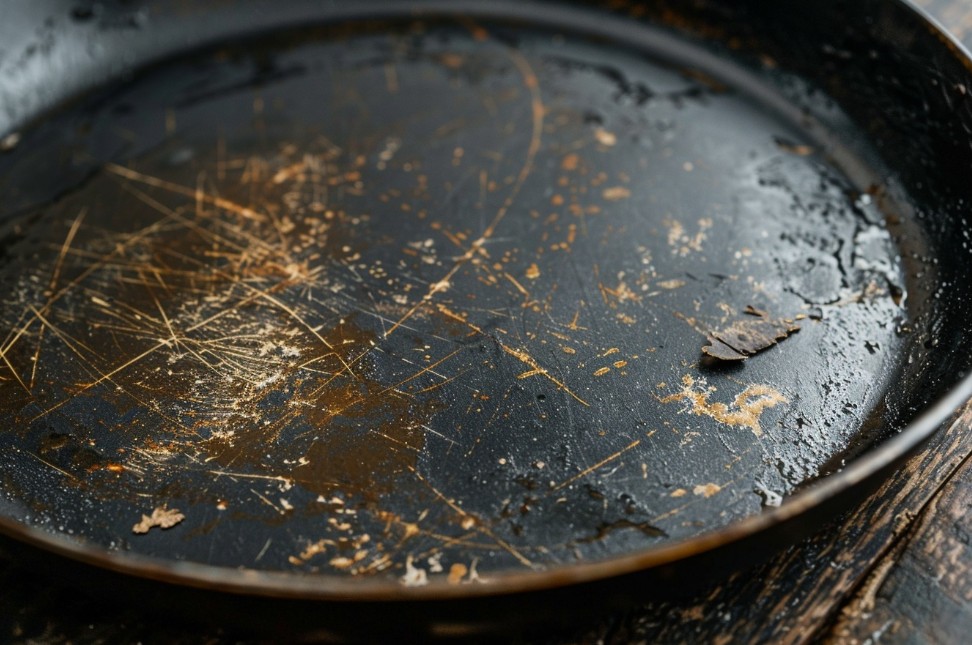
A Teflon pan is convenient but has one trick: over time, the coating loses its properties. Even if everything looks fine visually, pancakes start to stick — this is a signal that it’s time to change the tool. I’ve encountered this many times: the pan looks okay, but it no longer “glides.”
Steel pans can work well if sufficiently heated and generously greased. The main downside is they lose heat quickly, so don’t let them cool between pancakes.
If the pan is new — before the first pancakes, “burn” it: heat until it smokes, grease with oil, and let it cool. This creates a thin protective film that helps prevent sticking.
Pouring and Flipping Technique: The Details That Decide Everything
Many believe that the pan or batter decides everything, but technique is half the success. Often the pancake sticks simply because the batter was poured onto a cold pan or wasn’t allowed to “set” before flipping. Or they try to lift it with a metal spatula, damaging the surface.
I always pour the batter onto a hot pan in one motion and immediately swirl it so the batter spreads in a thin layer. This isn’t just “nice” — it ensures the pancake heats evenly and sticks less. Flip only when the edges start to come away on their own, and the pancake can be easily lifted with a wooden or silicone spatula.
To know the right moment, I gently shake the pan: if the pancake slides, it’s ready to flip. If not, I give it a few more seconds. It’s important not to rush: an undercooked pancake will stick even on a perfect pan.
A friend of mine always covered the pan with a lid when the pancake wouldn’t come off. It seems strange, but it helps: the steam dries the top, and the pancake comes off easier. But you need to be careful not to dry it to brittleness.
Common Mistakes: What Trips Everything Up
- The pan isn’t hot enough — the batter absorbs into the surface.
- Too thick or too runny batter — the pancake doesn’t hold its shape, sticks.
- Too little fat, or it’s unevenly distributed.
- The first pancake is “lumpy” due to insufficient pan preparation.
- Excess sugar in the batter — caramelizes and sticks.
- Damaged or worn Teflon surface — pancakes catch.
- Flipping too early — the pancake hasn’t set yet.
I’ve experienced most of these mistakes myself. Once, while cooking for a large group, I rushed and decided to “save” time on heating the pans. As a result, I had to scrape off the first three pancakes with a knife. From that moment, I treated preparation as a mandatory ritual.
What to Do If the Pancake Still Sticks
Sometimes, even in experienced hands, the pancake doesn’t come off. Don’t panic. First, reduce the heat and give the pancake another 10-15 seconds. Often this is enough for it to “release” the pan. If not, gently lift the edge with a wooden spatula and run it around the edge.
If the pancake still tears, don’t try to force it off. It’s better to leave this batch, wipe the pan with a paper towel, grease it again, and return it to the heat for additional warming. Sometimes a small amount of salt helps: sprinkle it on the hot pan, then wipe and grease with oil. This is an old trick from my grandmother that “revives” even a capricious surface.
If no method helps, and the pan stubbornly won’t release pancakes — use it for other dishes, and find a new or cast iron one specifically for pancakes.
Visual and Tactile Signs: How to Know Everything Is Fine
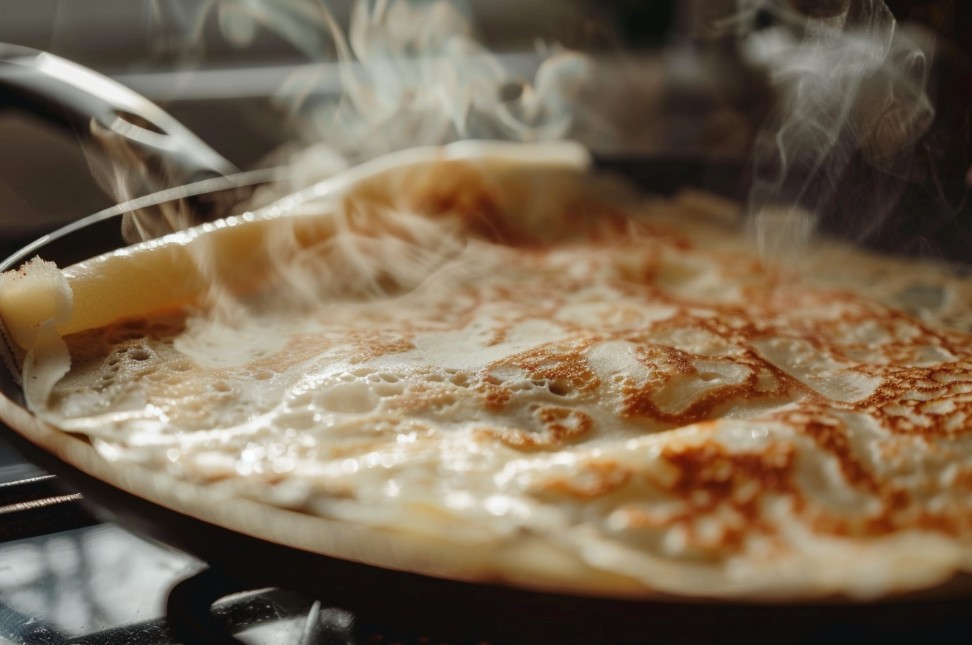
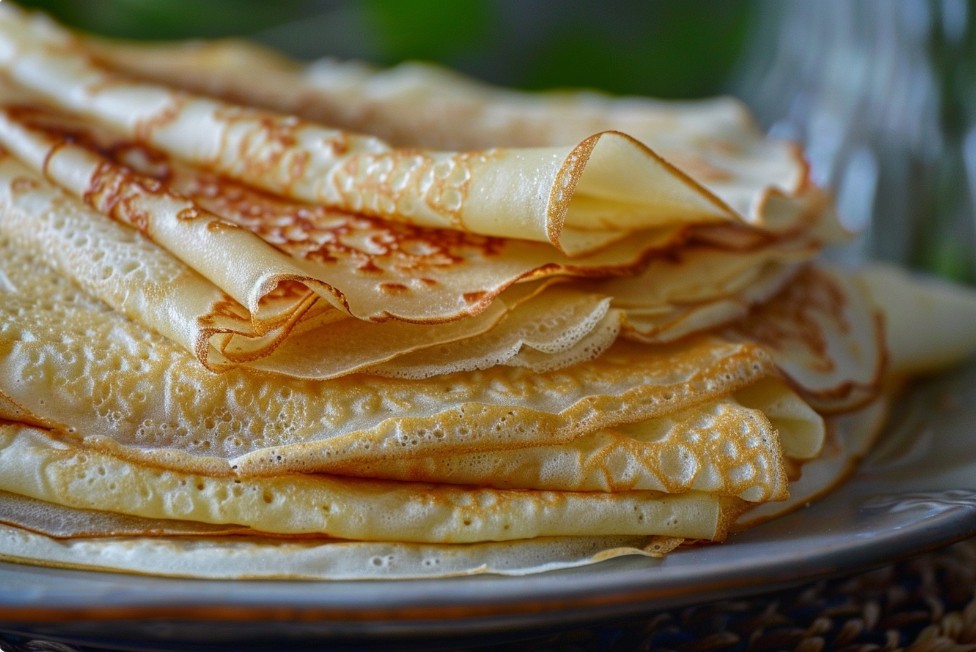
Feeling is the main hint in the kitchen. A properly heated pan smells slightly nutty, the oil doesn’t smoke, and the pancake sizzles without splashes. When the pancake cooks properly, its edges turn golden, easily detach, and the center remains elastic but not raw.
I always advise paying attention to the sound: even sizzling is a good sign, while sharp crackling means something is wrong with the temperature or fat. By touch, the pancake should slide easily across the surface, and roughness or sticking is a signal that something needs to change.
Smell also gives a clue: a light aroma of butter is good, the smell of burnt fat is a warning sign. All these are not trifles but key markers that help control the process.
Life Hacks for Confidence and Peace
- The first pancake is always a test: if it sticks — add more fat or heat the pan again.
- Never wash the pan with detergent right before cooking: water residues promote sticking.
- Use a separate pan for pancakes: don’t fry meat or vegetables on it between times.
- If you’re afraid of sticking — add a spoonful of vegetable oil to the batter: it creates additional protection.
- Maintain a consistent temperature: don’t let the pan cool between pancakes.
- Always grease the pan before each new pancake, even if it seems there’s still fat.
My favorite trick is to keep two different types of pans by the stove: cast iron and Teflon. If one “rebels,” I switch to the other without stress. It saves both nerves and breakfast.
Over time, you’ll start to feel the process intuitively — by smell, by sound, even by the look of the batter on the ladle. The fear of doing something wrong disappears when you understand why it works the way it does and that any mistake can be corrected. And pancakes are just another opportunity to enjoy your own skill. You control the process, and this feeling is worth many “first pancakes lumpy.”
What are your stories with pancake sticking? Have there been situations where you found your favorite method? Share your experience in the comments — it’s interesting to see how it happens for you.