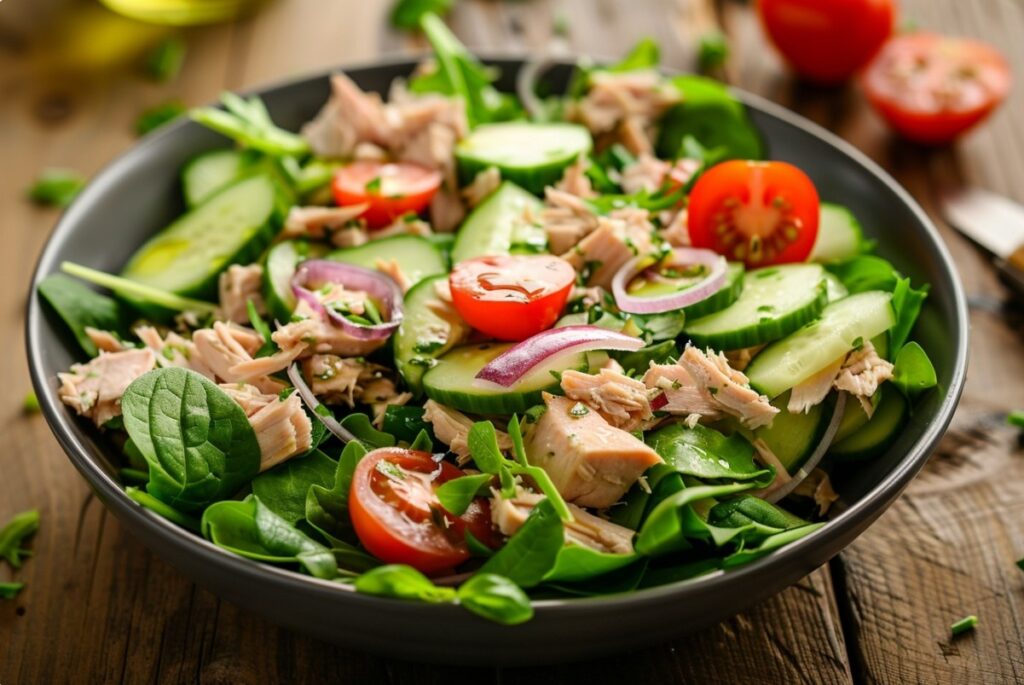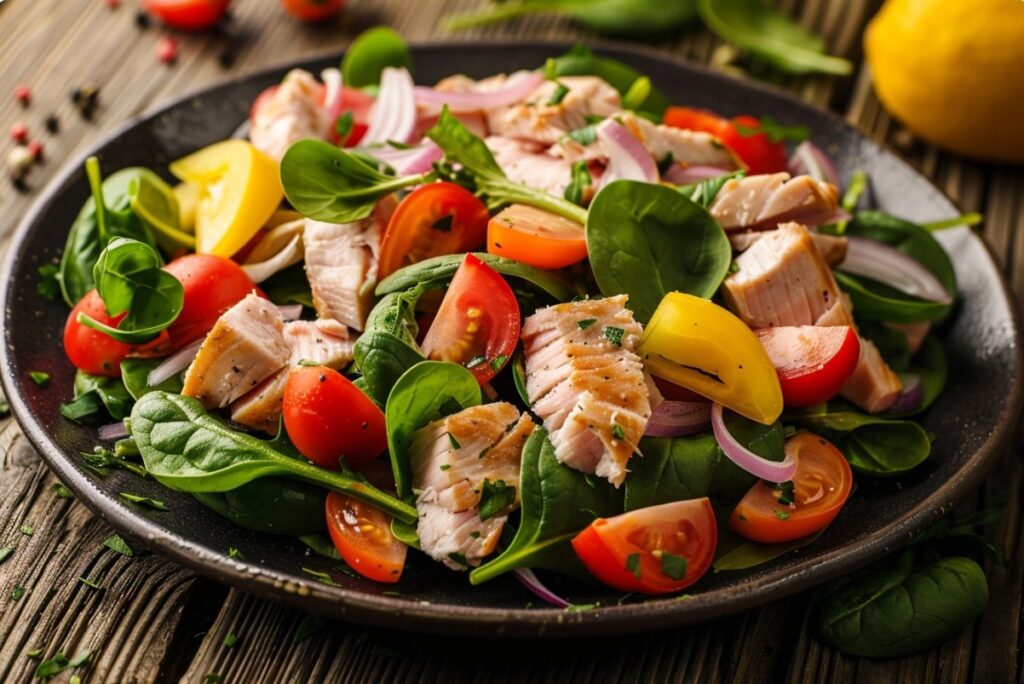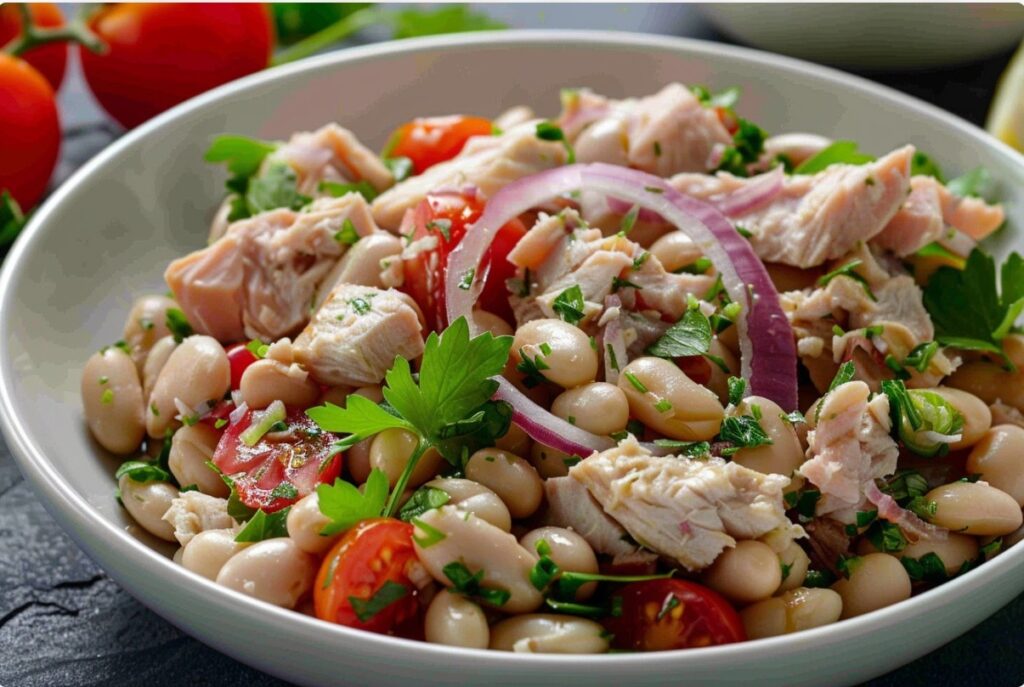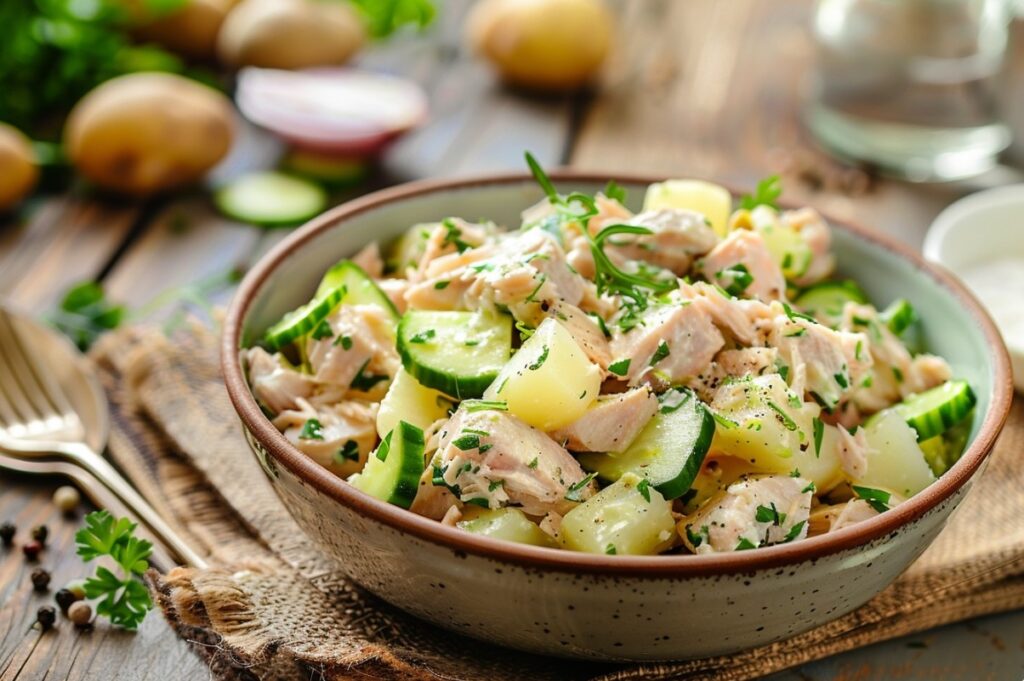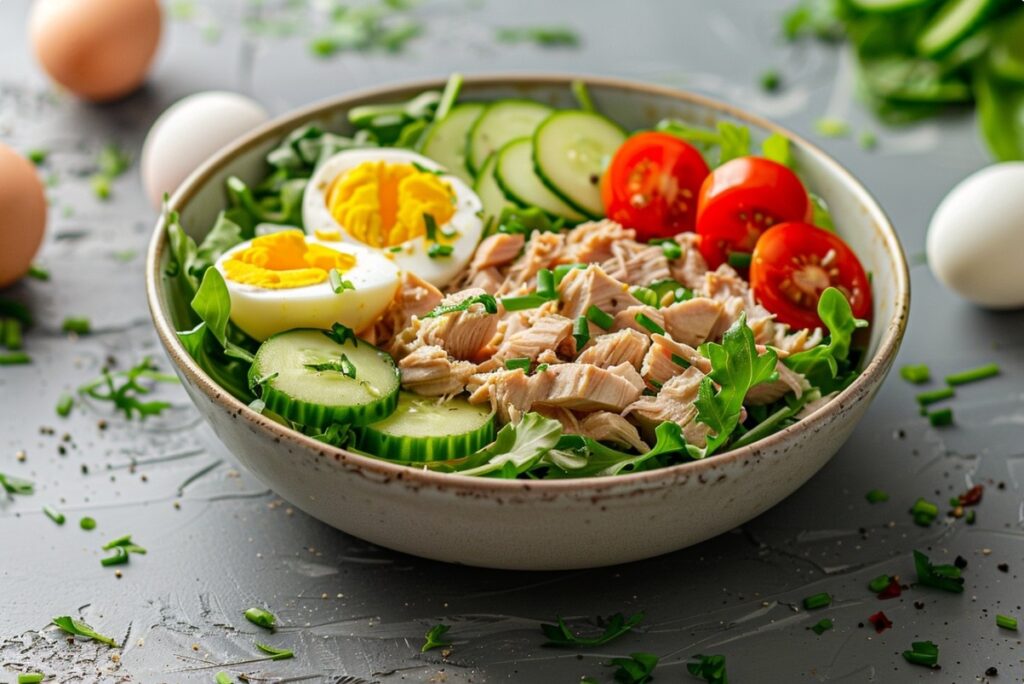
Why Tuna Is Perfect for Quick Salads

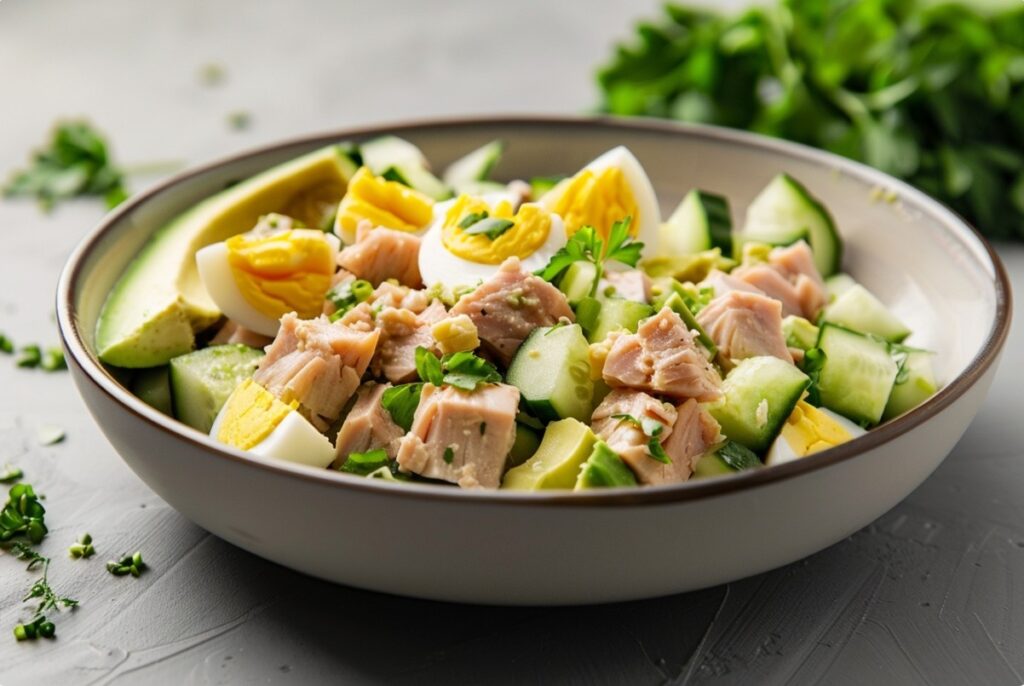
There are days when you want a proper meal, but you’ve got basically no time. Not “grab something,” but actually eat—fresh, light, and with that small, satisfying feeling that you took care of yourself. You open the fridge, spot some greens, a cucumber, a tomato (or whatever’s hanging around), and one thought keeps looping: “Okay… where’s the protein so this becomes dinner and not just a bowl of leaves?”
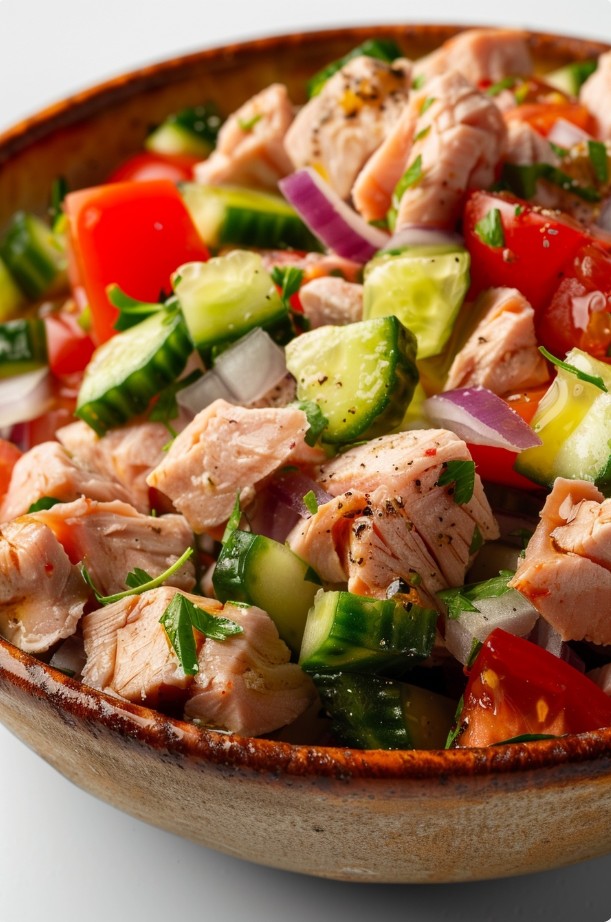
Tuna, in that sense, is like a reliable kitchen sidekick. It takes a salad straight into the “grown-up” category: more filling, but not heavy. And if you handle it gently, you get that soft texture, a clean ocean-y aroma without any harshness, and flakes that don’t turn the whole bowl into mush.
I’ve seen this a hundred times: people say they “don’t like tuna,” but really they had one bad experience—overcooked, dried out, or aggressively fishy—and that was it. The thing is, tuna can be very different: fresh, chilled, canned in spring water or in oil, packed in chunks or shredded. And salad is exactly where those differences show up immediately.
So let’s break it down: why tuna works so well in quick salads, how to keep it tender and clean-tasting, what to look for so you don’t ruin it, and what to do if something already went sideways.
What makes tuna “ideal” for a quick salad
Quick salads need two things: as few steps as possible and that finished, satisfying feel. Tuna gives you both.
First, it’s basically ready when you are. Even if you’re not using canned tuna but a fresh or chilled piece, you can cook it to where you want it in minutes. Salads don’t love long processes: while you’re simmering something, greens wilt, tomatoes leak, cucumbers turn watery. Tuna fits the pace.
Second, its flavor “speaks” in a really convenient way. Tuna doesn’t shout. It’s not as intense as herring, and it’s not sweet like shrimp. It holds the center, and you can build around it with whatever you’ve got: acidity (lemon, vinegar), freshness (cucumber, herbs), sweetness (tomato, corn), crunch (onion, celery), creaminess (avocado, a yogurt dressing).
There’s a third thing too—very practical. Tuna forgives less-than-perfect produce. Tomato not at its peak? Fine, tuna carries it. Cucumber a bit watery? Add acid and salt and tuna keeps the salad from tasting empty. For quick salads, that’s gold.
A tiny story from my kitchen: after a long shift once, I came home to half a bunch of arugula, half a lemon, and a can of tuna. Sounds bleak, but it turned into one of those “oh, right” moments—few drops of lemon, a pinch of salt, a little olive oil, and suddenly the tuna tasted clean and normal, not “canned.” That’s why I love it for fast food: it doesn’t demand a whole production.
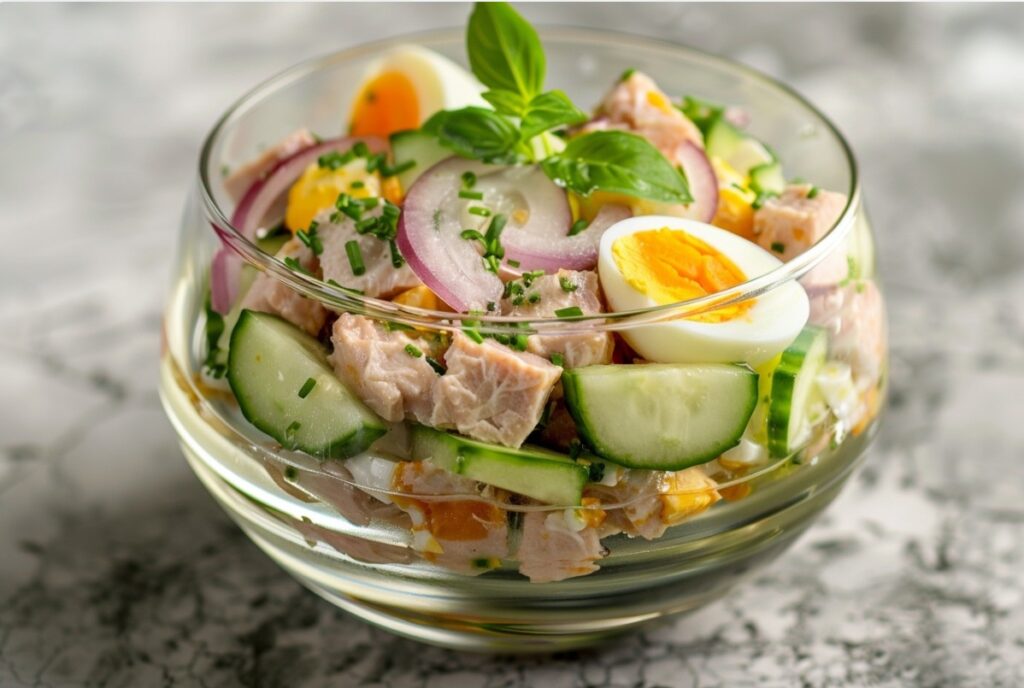
Freshness and aroma: how to spot “good tuna” without a lab
Salad is honest. There’s little heat involved (or none at all), so freshness and smell show up instantly. And it’s important not to fall into the trap of “fish should smell fishy.” Nope. Good tuna smells like the sea—clean, lightly briny, sometimes with a faint sweetness. If it’s sharp, metallic, or reminds you of a wet rag, it’s not the one for salad.
How fresh/chilled tuna should look and smell
If you’re buying a fresh or chilled piece, check three things: color, surface, smell.
- Color: from pink to deep red (depending on the species and cut). It should look “alive,” not greyish, and not brown around the edges.
- Surface: slightly moist, but not slippery. Slimy is a bad sign.
- Smell: clean and ocean-like, not aggressive. If you instinctively pull your head back, skip it.
At home, this happens a lot: someone buys a beautiful piece, puts it in the fridge “for tomorrow,” and tomorrow it smells stronger. They assume that’s normal. In reality, tuna—like any fish—doesn’t improve while it waits. For salads, I stick to: buy it, use it.
Canned tuna: where the smell comes from (and why it can hit you in the face)
With canned tuna, it’s less about “freshness” in the classic sense and more about the quality of the fish and what it’s packed in (spring water vs oil). A sharp smell usually shows up when:
- the tuna wasn’t great before it was canned;
- the can is mostly finely shredded tuna, which oxidizes faster and smells stronger;
- it’s packed in an oil with a very pronounced aroma (not always bad, but it can dominate a salad).
A little trick that’s saved me more than once: open the can, drain it, then let the tuna sit on a plate for 2–3 minutes. The smell evens out and that “straight from the can” note fades. Then mix it into the salad.
One more thing: if you’re going for a delicate salad with a light dressing, choose tuna in chunks, not finely shredded. It holds its texture and tends to smell gentler.
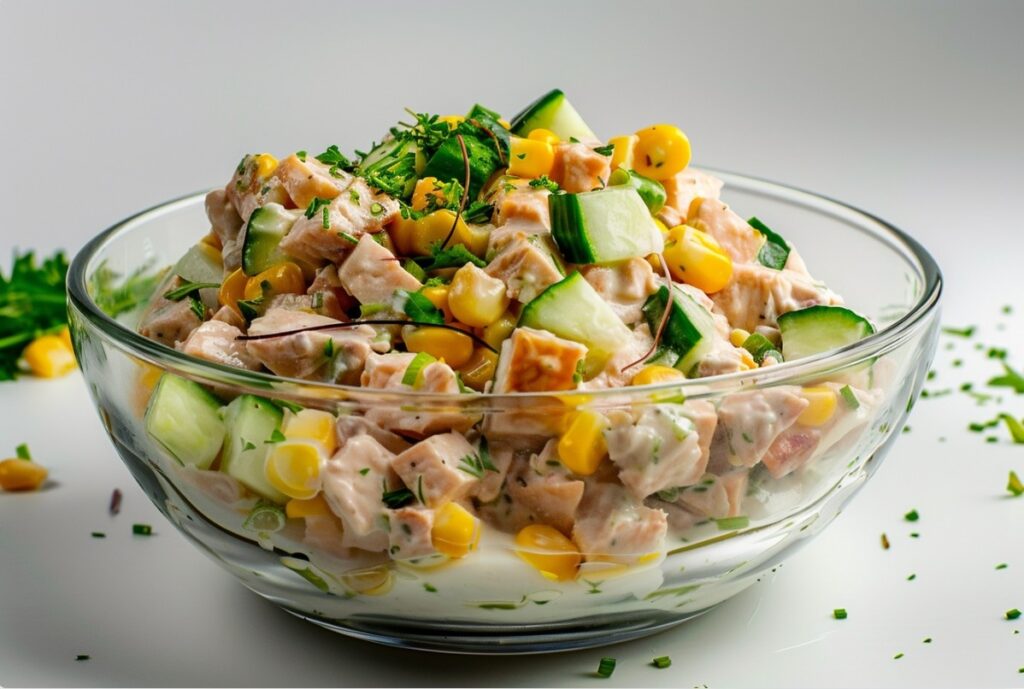
Tuna tenderness: the texture mechanics (and why it’s so easy to dry out)
This is where cooking turns into a bit of physics—without the boredom. Tuna tenderness is a balance between moisture and how much the proteins tighten.
When tuna heats up (if you’re using fresh), the proteins set and squeeze out water. Overheat it and the water leaves fast, the fibers tighten, and instead of a tender piece you get dry crumbs. In a salad, it’s extra obvious: you’re not hiding the fish under a heavy sauce or a side dish. It’s right there.
How it should be vs how it often goes
How it should be: juicy, breaking into big flakes, soft in the middle without that cottony feel. The aroma is light and ocean-y, not bitterly “fried.”
How it often goes: a cold piece hits a smoking-hot pan, it’s kept there “just to be sure,” flipped ten times, then left sitting on the hot surface. Result: dry, and the smell turns sharp and overcooked.
On a home stove it usually looks like this: the pan is hot, the fish is fridge-cold. The outside seizes while the inside hasn’t warmed evenly yet. People panic that it’s “raw in the middle” and keep cooking until it’s done through. That’s the fastest route to dryness.
Gentle handling also means gentle mixing
Even if the tuna is already “ready” (canned or carefully cooked), you can still ruin it with a spoon. Seriously. Mix a salad aggressively and tuna breaks into tiny fibers, soaks up dressing, and instead of flakes you get a paste that clings to the greens. It can still taste fine, but the experience is totally different.
What I do: I mix everything that can handle being tossed (veg, greens, dressing) first. Tuna goes in last, and I give it literally 2–3 gentle lifts from the bottom up.
It’s a small thing, but it really affects how tender it feels: you taste pieces of tuna, not “fish dressing.”
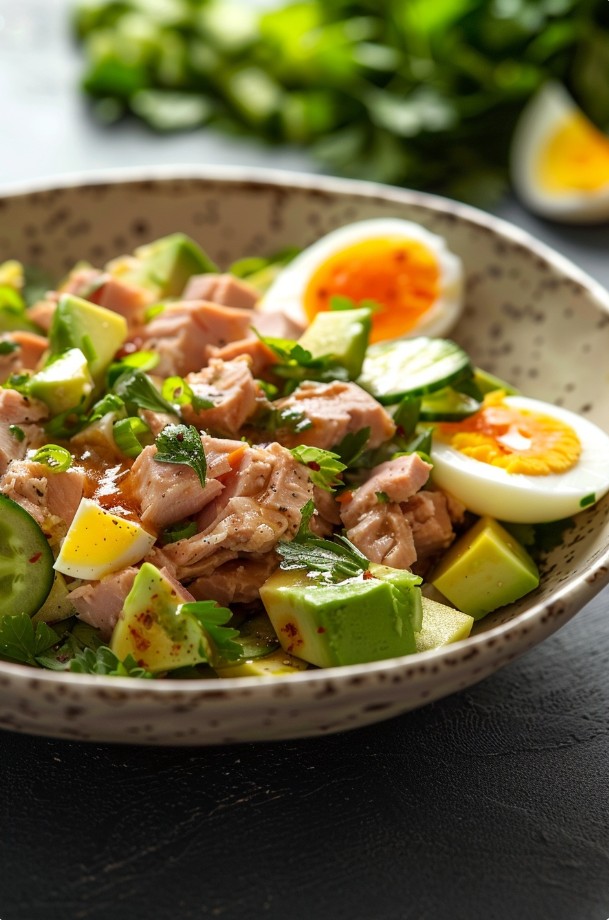
Why tuna loves acidity, crunch, and greens
This is all about balance. Tuna has a dense, slightly “meaty” profile. It needs things that add lift: acidity, fresh aromas, crunch.
Acid: not to make it sour, but to make it taste clean
A few drops of lemon or a little vinegar works like glass cleaner: it cuts the feeling of oiliness (especially if the tuna is packed in oil) and makes the flavor sharper and clearer. It’s not about making the salad sour. It’s about wanting another bite.
Quick story: I once made a salad for someone who insisted tuna “smells like a can.” We did one simple thing—added a bit of lemon zest (zest, not juice) plus a tiny drop of acid. Suddenly the aroma read as citrus-and-sea, not “canned.” They were genuinely surprised it was the same tuna.
Crunch: so tenderness doesn’t turn boring
Tender fish + tender salad leaves can sometimes feel like “everything is the same.” That’s why I almost always add something crunchy: cucumber, celery, radish, a little onion—even a few flakes of flaky salt if it makes sense. Crunch makes the salad feel alive.
Greens and herbs: aroma without heaviness
Tuna plays really well with green, herbal notes: dill, parsley, arugula, basil. The key is not to build a “bouquet” of ten herbs. One or two is plenty—just make sure they’re fresh. If your herbs are limp and smell like the fridge, they’ll wreck the whole delicate vibe.
- Tip: if your greens look a little tired, soak them in cold water for 5–10 minutes, then dry really well. They perk up, get crisp again, and the salad instantly improves.
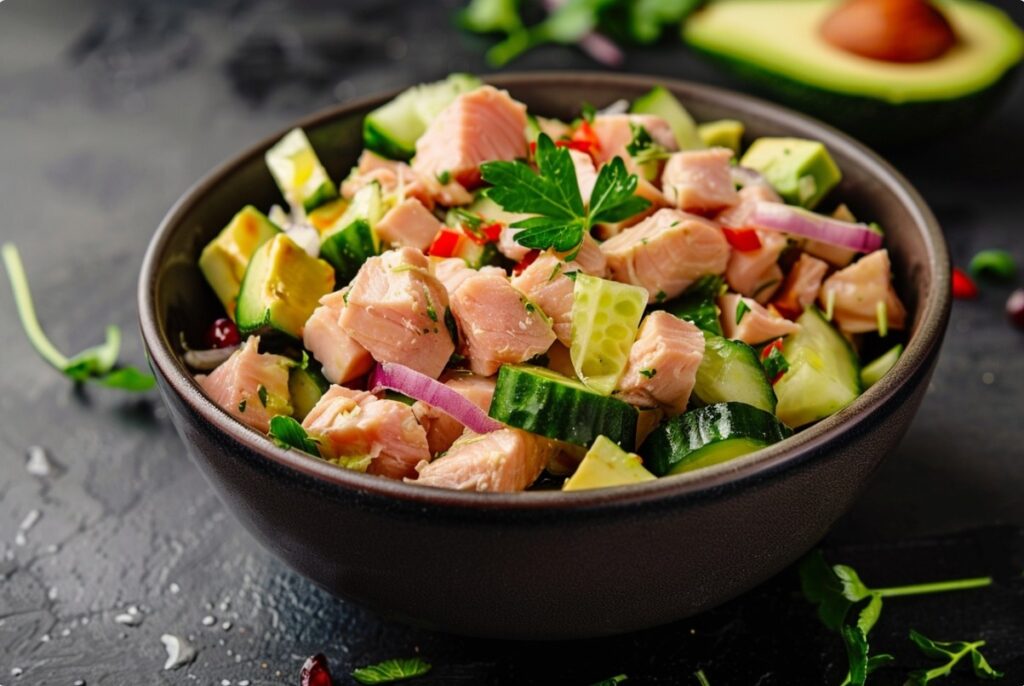
Tuna and dressing: how not to drown the flavor (and avoid “fishy mayo”)
In quick salads, the dressing often decides everything. And just as often, it’s what ruins the tuna. Because your hand wants to add “one more spoon” so it feels juicy. But tuna is delicate: it doesn’t need more dressing—it needs the right direction.
Why fat works (and why it’s easy to overdo)
Fat (olive oil, the oil from the can, avocado, yogurt-based dressings) carries aroma and makes the salad feel satisfying. But too much fat smears the flavor and brings that fishy note to the front—the one that scares people off.
How it should be: you taste tuna, vegetables, herbs—held together by a thin, even coating of dressing. How it often goes: the salad is swimming, the tuna has fallen apart, and everything smells like one oil.
A rule that helps me: it’s better to add dressing twice in small amounts than once “so it’s definitely enough.” You can always refresh a salad, but you can’t really take excess out.
Temperature: subtle, but it matters
If the tuna is cold and the dressing is room temp, that’s fine. But if you add warm tuna (say, straight from the pan) to a cold salad and immediately drizzle oil over it, the greens can collapse. They wilt, darken, and the salad looks tired before you even sit down.
- Tip: if your tuna is warm, let it rest on a plate for 3–5 minutes. Once it stops steaming, your salad will stay crisp and bright.
Salt: when and where
Be careful with canned tuna—it’s already salted. I often salt the vegetables (especially tomatoes and cucumbers) before I add the fish. That way you’re not risking oversalting your main protein.
Another tiny story: I had a phase where I stubbornly salted everything “at the end.” My salads kept tasting salty, but somehow flat. Then I started salting tomatoes separately, and suddenly they tasted sweeter—and the tuna stopped feeling harsh. Small change, big payoff.
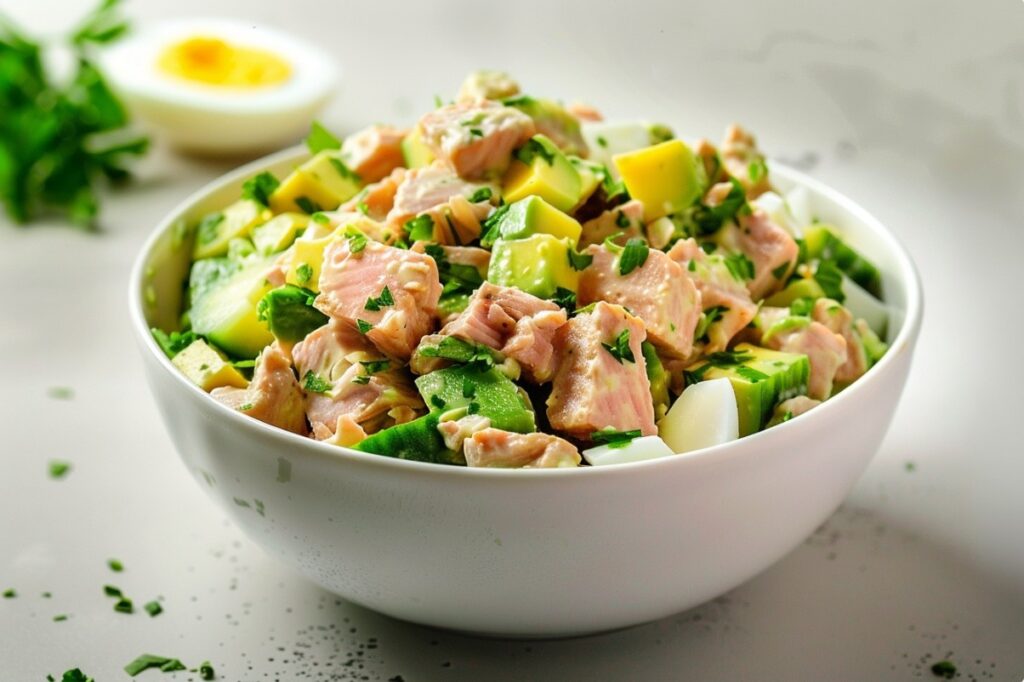
Common tuna-salad mistakes (and how not to repeat them)
No shame here—almost everyone has made these mistakes. I definitely have. At some point you just start noticing patterns.
Mistake 1: squeezing canned tuna until it’s bone-dry
With canned tuna, people sometimes press it like it’s a sponge. The result is dry, stringy fish—then they add more mayo/oil to bring back “juiciness.” It becomes a loop.
Do this instead: drain it, but don’t wring it out until it feels like sawdust. Let it keep a bit of its natural moisture.
Mistake 2: mixing until it’s uniform
Tuna salad doesn’t have to look like a spread (unless that’s what you’re going for). Mix too long and tuna breaks down and “stains” everything around it.
Do this instead: add tuna at the end and fold gently with big movements.
Mistake 3: too many loud neighbors
Garlic, smoked paprika, lots of raw onion, aggressive sauces—these can bulldoze tuna. Sometimes that’s the plan, but if you want tenderness and a clean flavor, keep those things measured.
Do this instead: if you want onion, soften it (slice thin and let it sit with a little acid for 1–2 minutes). If you want garlic, make it a hint—not the headline.
Mistake 4: warm tuna + cold greens with no pause
Heat breaks down leafy greens. The salad loses volume and crunch instantly.
Do this instead: take a short pause before mixing, or build the salad with sturdier components (cucumber, beans, potatoes—different mood, but it works).
Mistake 5: ignoring the bowl size
In a small bowl, you’ll inevitably crush the salad. And again—tuna turns into crumbs.
- Tip: grab a bowl that’s about twice the size you think you need. You’ll be able to toss and fold instead of pressing everything down with a spoon.
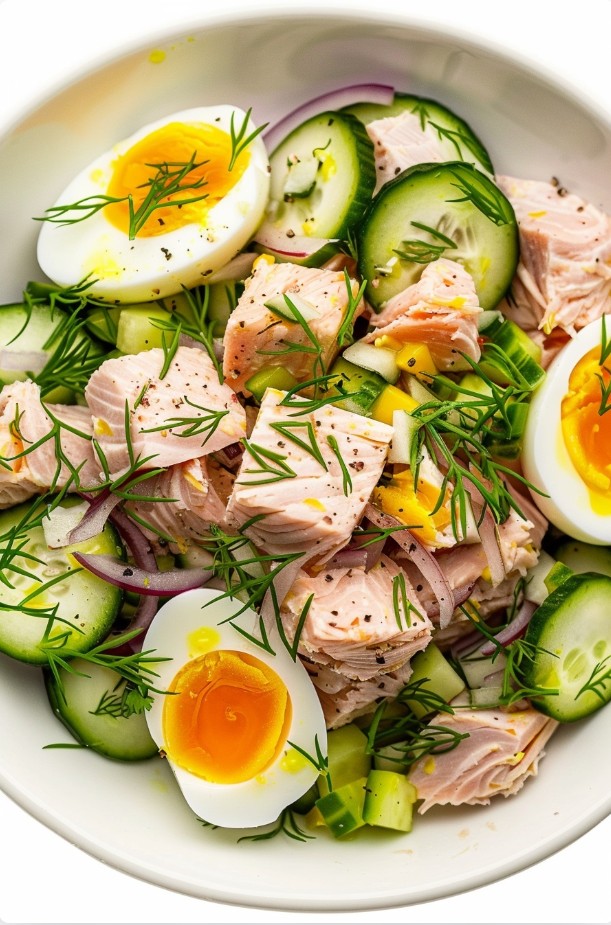
If something goes wrong: dry tuna, strong smell, watery salad
This is the part that keeps you calm: almost any tuna-salad mishap can be fixed. Not always to “perfect,” but definitely to “I’ll happily eat this.”
If the tuna is dry
Dryness isn’t a verdict—it’s a sign you need softness and a bit of binding.
- Add a little fat (olive oil, a spoon of yogurt dressing) and a little acid (lemon/vinegar). The combo works better than just “pouring on oil.”
- Add something creamy: avocado, a mild cheese, an egg. You don’t need much—sometimes a few pieces are enough so your mouth stops catching on dry fibers.
- Don’t overmix. Dry tuna turns even more dusty when you keep stirring.
If the smell is too strong
First, separate “strong but normal ocean smell” from “actually unpleasant.” If it truly smells bad, don’t risk it. But if it’s just a bit sharp, balance usually helps.
- Acid + a pinch of citrus zest makes the aroma feel cleaner.
- Fresh herbs (parsley, dill) pull the smell in a greener direction.
- Crunch (cucumber, celery) distracts from sharpness and adds freshness.
Quick story: once I opened a can of tuna that smelled sharp even though the date was fine. I didn’t try to be a hero—I rinsed it quickly under cold water, patted it dry, then added lemon and herbs. It didn’t become “fresh,” but the salad was totally edible. Important: rinsing is a last resort because you wash away some flavor. But sometimes it saves the day.
If the salad turns watery and “collapses”
Most often the culprits are tomatoes/cucumbers, salt, and time. Salad doesn’t like to sit around.
- Drain off the extra liquid (yes, straight from the bowl) and add a handful of fresh greens or another crunchy ingredient to bring back volume.
- Add a tiny pinch of acid—it pulls the flavor back together after water has diluted it.
- If you can, spread the salad onto a wider plate. In a thinner layer it looks better and doesn’t “stew” in its own juices.
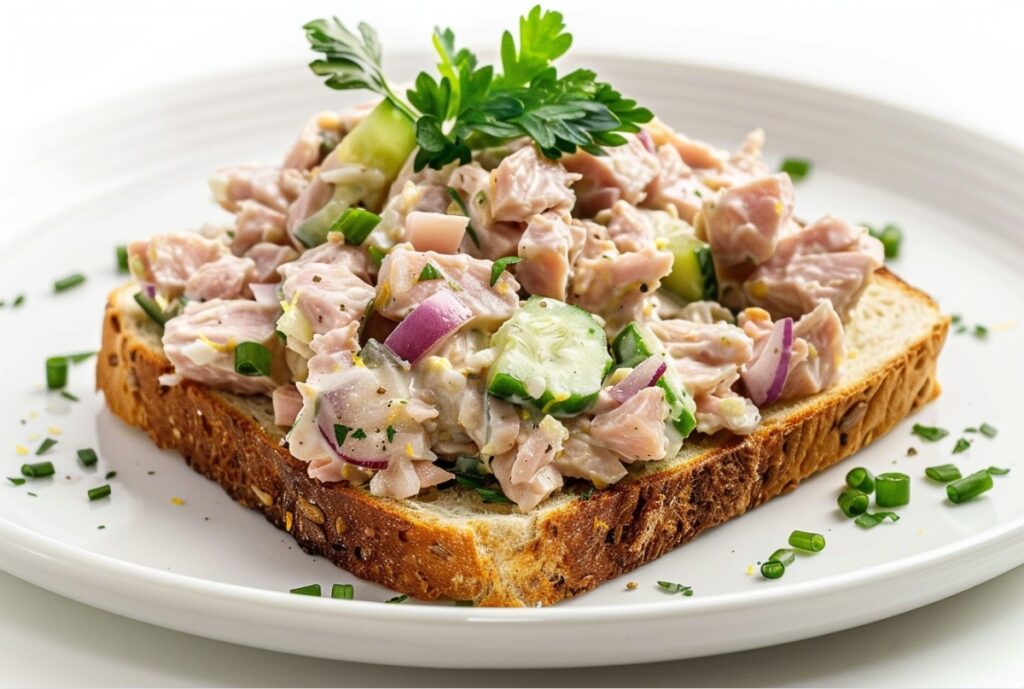
How I build a quick tuna salad so it stays tender and clean-tasting
No gram-by-gram recipe here—I’d rather give you the thought process. Everyone’s fridge reality is different.
A sequence that almost always works
- Prep the “base” first: dry your greens well, and cut vegetables so they won’t turn to mush (slightly larger pieces are better than too small).
- Mix the dressing separately (even if it’s super simple). It coats more evenly and won’t land in random patches.
- Dress the vegetables and greens, then taste for salt/acid.
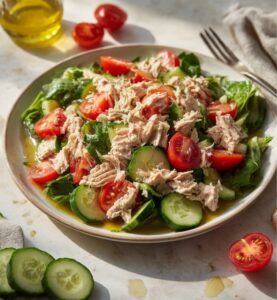
- Add the tuna last. If it’s in chunks, lay it on top and only gently fold it in.
This order gives you control. You’re not trying to “save” the flavor at the end—you’re steering it as you go.
Three small signs you’re on the right track
I go by feel, not a timer.
- Sound: when you toss, you should hear a light rustle of leaves and a crunch of vegetables—not a wet slosh.
- Aroma: herbs and citrus (if you’re using them) should hit first; tuna should come after, softly.
- Look: dressing shouldn’t pool at the bottom. Leaves should shine, but not look soaked.
One more tip I love: if your tuna is packed in oil and the oil smells good, sometimes I use just 1–2 drops of that oil in the dressing. Not all of it, not “so it doesn’t go to waste”—just as aroma. It makes the salad feel cohesive, like it was meant to be that way.
Last little story: once at someone’s house I was served a tuna salad drowned in a heavy sauce. The tuna was basically filler. I didn’t say anything, but I remembered the lesson: tuna likes respect. It only needs a small supporting cast to taste great. And once you feel that, quick salads stop being a compromise—they become a genuinely good dinner option.
Tuna works for quick salads not because it’s “convenient from a can,” but because it gives you balance: filling without heaviness, flavor without aggression, and tenderness that’s easy to keep if you don’t rush the parts that don’t need rushing. Pay a little attention to aroma, texture, and mixing order, and your salad comes out fresh, tidy, and put-together.
Which tuna do you use more often—canned or fresh? And what annoys you most in tuna salads: the smell, the dryness, or how quickly everything turns watery?
For picnics or quick meals on the go, tuna is especially handy—tuna salads tend to hold their flavor and structure for longer. For example, Tuna salad for a picnic is an easy option you can prep ahead and pack up without stressing about the texture or freshness.
Questions & Answers
Why is tuna considered an ideal ingredient for quick salads?
Tuna doesn’t require cooking, which saves time right away. It’s ready to use, has a satisfying flavor, and a firm texture that holds up well in a salad—so you can make a complete meal in minutes.
What’s the main advantage of canned tuna for everyday cooking?
Canned tuna keeps for a long time and is always ready to use. There’s no cleaning, boiling, or marinating involved, which makes it a reliable base for quick meals.
Why do tuna salads feel filling even without complicated ingredients?
Tuna is high in protein, so even a small amount makes a salad more satisfying. Combined with simple ingredients like vegetables or eggs, it balances lightness and fullness without feeling heavy.
How does tuna affect the flavor of a salad?
Tuna has a distinct but not aggressive flavor that pairs well with other ingredients. It boosts the overall taste without overpowering the vegetables or the dressing.
Why does tuna work well with different dressings?
Its mildly salty, fairly neutral base adapts to many flavor profiles. Tuna works with light dressings (yogurt, lemon) and richer ones, so you can change the vibe without changing the main ingredient.
Why are tuna salads good for a quick lunch or dinner?
They come together fast and don’t require much prep. At the same time, they’re light but still satisfying—great for lunch when you need energy or dinner when you want something not too heavy.
Why is tuna convenient for beginner cooks?
Tuna is hard to mess up because it’s already ready to eat and doesn’t require precise timing or temperature control. It’s a great ingredient for consistently good results.
Why is tuna suitable for making salads ahead of time?
Tuna salads tend to keep their structure and flavor for hours in the fridge. The ingredients don’t fall apart as quickly, and the tuna holds its texture, making them easy to prep in advance.
Do you need expensive ingredients for a tuna salad?
No. Tuna pairs well with simple, affordable ingredients, so you can make a tasty, balanced salad without spending extra.
What makes tuna salads so versatile?
They’re easy to adapt for a quick snack, a full meal, or a picnic. Tuna combines well with many ingredients, so you can switch things up while keeping prep fast and simple.