Why Tuna Salad Sometimes Tastes Bitter: The Real Reasons

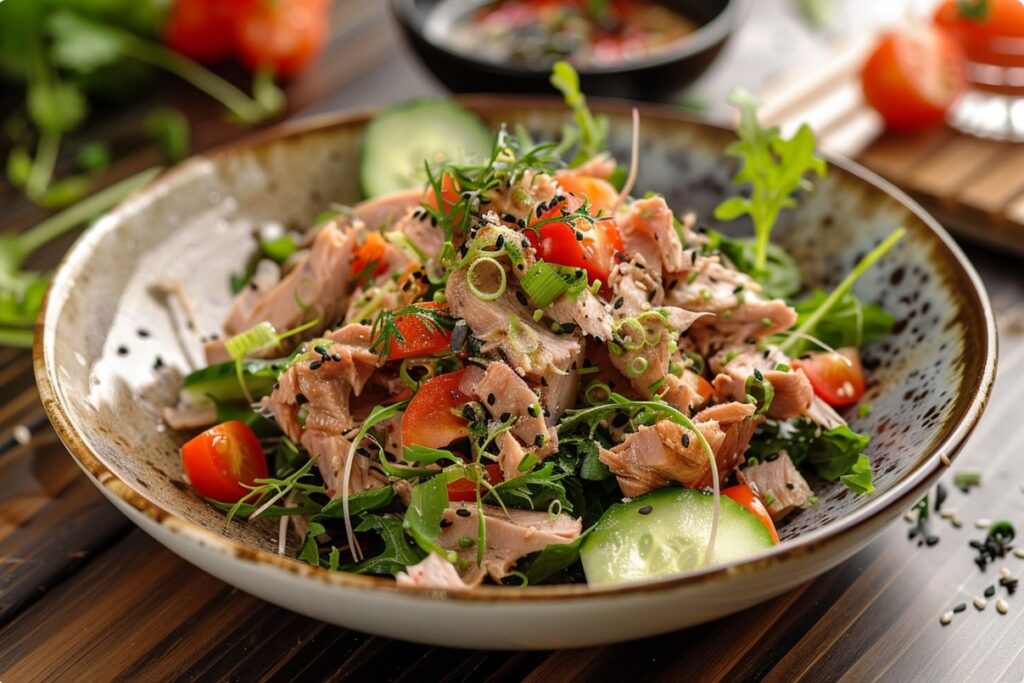
Every now and then, a tuna salad comes out with this unpleasant bitter edge that ruins the whole bowl. It doesn’t automatically mean the tuna has gone bad—more often it’s a small detail that’s easy to miss.
From the quality of the tuna to the dressing and even how it was stored, a few factors can directly affect the flavor. Once you know what to look for, you can control the result and avoid that bitterness altogether.
You know the moment: you crack open a can of tuna (or pull out a chilled piece), throw together a quick salad, and it looks perfect. Then the very first bite has this weird bitterness. Not heat, not lemony tang—actual bitterness that clings to your tongue and kills the vibe. And you’re standing there thinking, “Is the fish off? Or did I mess something up?”
I’ve seen this play out dozens of times. People start blaming the mayo, the herbs, the olives—and they’re only half wrong. Tuna is a little more nuanced. It’s delicate, but it’s also brutally honest: if something’s off with freshness, fat, packaging, or temperature, it won’t hide it. Bitterness is one of the most common signals.
I like looking at this not as “the product is bad,” but as a chain of small causes. Perfectly fine tuna can taste bitter in the wrong combo, after sloppy storage, or because of how we prepped it. Once you understand the mechanics, the fear of “ruining it” disappears—you start steering the flavor instead of guessing.
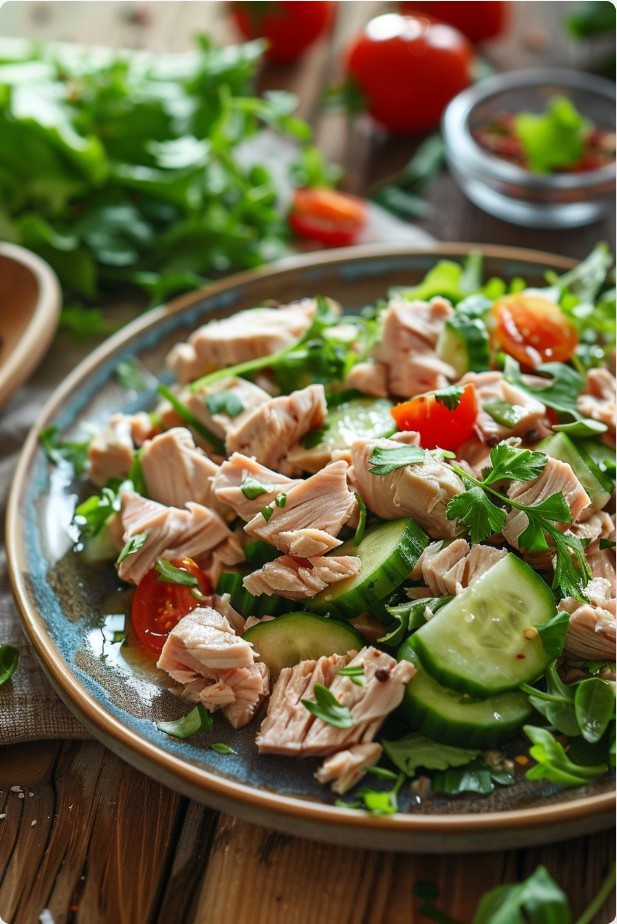
Bitterness in salad: where it comes from (and why we often blame the wrong thing)
Bitterness isn’t one single taste—it’s a whole family of sensations. Sometimes it’s “green” (like arugula or cucumber peel), sometimes it’s “oily” (like old oil), sometimes it reads as “metallic” (after contact with a can or a spoon that’s been sitting in something acidic). With tuna, two scenarios show up most often: either the fat/oil is bitter, or bitterness gets amplified by pairing tuna with acid and greens.
There’s another trap, too: tuna is packed with umami. It can turn a tiny background bitterness in a salad into something that feels loud—so it seems like the tuna is the culprit. A slightly bitter salad mix might be fine on its own. Add tuna, lemon, and olive oil, and suddenly it’s like someone turned the volume up.
I once had a funny little kitchen scene at friends’ place. They were arguing about “bad tuna,” and I asked for a bite of the greens without the fish. The greens were from a bag, a bit tired, with that unmistakable astringent edge. The tuna was totally fine. The salad just “fired off” bitterness because nobody tasted the leaves on their own.
So here’s the first rule: if your salad tastes bitter, don’t immediately treat tuna as the only suspect. Break the flavor down—taste the tuna on its own, the dressing on its own, the greens on their own. It takes a minute and saves both nerves and money.
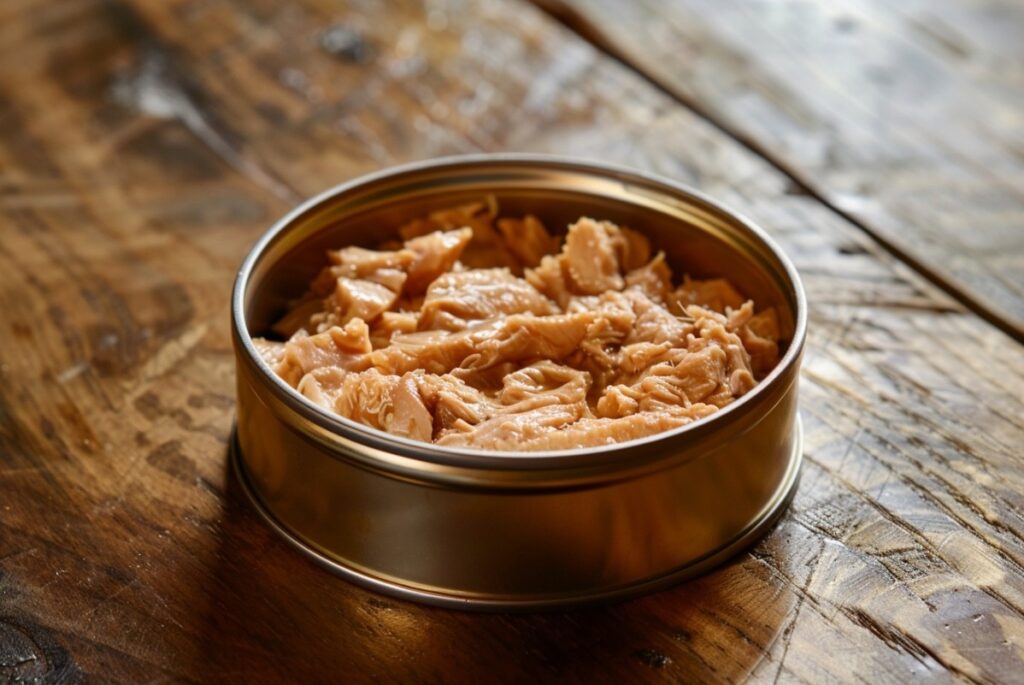
Freshness and oxidation: why tuna can leave a bitter aftertaste
The most common real reason for bitterness is fat oxidation. Even “lean” tuna has fat, and fat hates air, heat, and time. Once it oxidizes, you get off-notes—from papery “cardboard” dryness to a bitter finish. That doesn’t always mean it’s unsafe, but it does mean the flavor has drifted.
In real life it looks like this: you open a can, use half, then stash the rest in the fridge “for tomorrow” right in the can, loosely covered. Next day—bitterness. Or: you buy chilled tuna, it rides home too warm, then sits in the fridge another day or two. Everything looks fine, the smell isn’t screaming, but the taste has that slightly “burnt” bitter tail.
How to tell oxidation from normal tuna flavor
Good tuna tastes clean and ocean-fresh, a little sweet, with a meaty note. The finish is short to medium, without a lingering “trail” at the back of your tongue. Oxidized fat feels like the flavor hangs around and turns dry and astringent—sometimes even a bit like walnut skin.
Smell can help, but not always. Don’t wait for a full-on “fishy punch.” Often it’s just a faint note of old oil—like a bottle that’s been left open near the stove. If you’ve ever smelled rancid nuts, it’s that, just subtler.
Quick tip: how to reduce oxidation after opening
- Don’t store leftover tuna in an open can. Transfer it to a glass container or food-safe tub and seal it tightly.
- If it’s tuna in oil, store it so the fish is as submerged as possible (less contact with air).
- Don’t keep opened tuna “for later” too long. I’m comfortable with 1 day, max 2—only if it still smells and tastes clean.
One more thing people rarely mention: salt makes bitterness in oxidized fats feel stronger. So tuna that tastes “still okay” on its own can suddenly turn bitter once it hits a salty dressing. Then everyone blames the lemon or mustard, when the real issue is time and air.
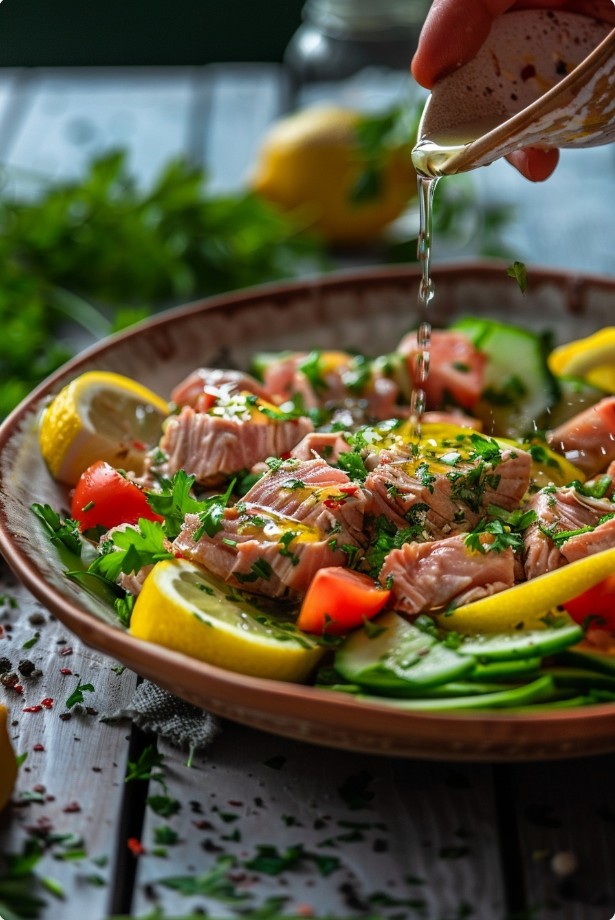
The can, the oil, and the brine: when it’s not the fish that’s bitter
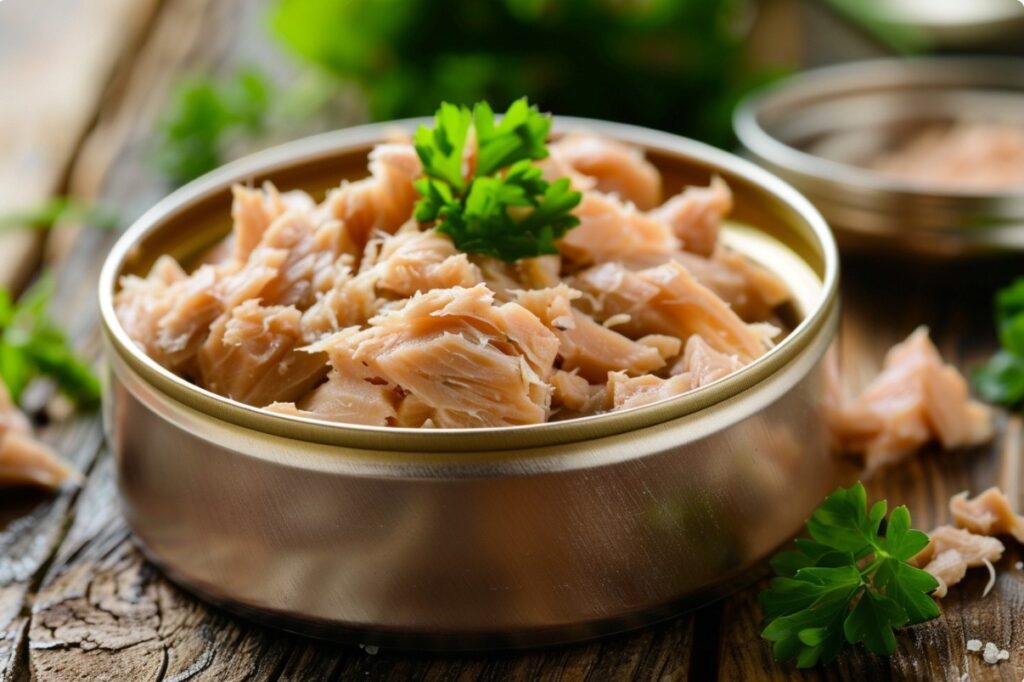
With canned tuna, it often comes down to what it’s packed in. Two cans labeled “tuna” can taste completely different even if the fish is similar. Bitterness frequently comes from the oil—or from the particular brine.
Oil: fresh vs old, neutral vs “bold”
Tuna in oil is convenient and juicy, but that oil is its own ingredient with its own personality. If the oil in the can is even slightly rancid, you’ll get bitterness even if the fish itself is perfectly fine. It’s especially noticeable if you use the can oil as part of the dressing. It may look okay, but the taste has that unpleasant sharp edge.
At home it usually goes like this: someone drains half the oil, then pours the rest into the salad “so it doesn’t go to waste.” Then they wonder why the salad tastes bitter. I do it differently: I taste a tiny drop of that oil first. If it’s not clean, I drain it completely and use my own oil—or build the dressing on a different base.
Tip: if tuna in oil has a questionable aftertaste, quickly rinse the pieces under cold water, pat dry, and only then add to the salad. Yes, you’ll lose a bit of juiciness—but you’ll also wash off some of that “bad” oil.
Brine: bitterness from “minerality” and metallic notes
Tuna packed in water or brine can taste sharper. If the brine is very concentrated or has a specific mineral note, pairing it with something acidic (lemon, vinegar, pickled ingredients) can create a bitter or metallic impression. It’s not always literally “metal,” but that’s how your tongue interprets it.
A simple fix: don’t automatically pour the liquid from the can into the salad. It might be great—but taste it first. If it’s harsh, drain it and bring back juiciness with a proper dressing or more succulent salad ingredients.
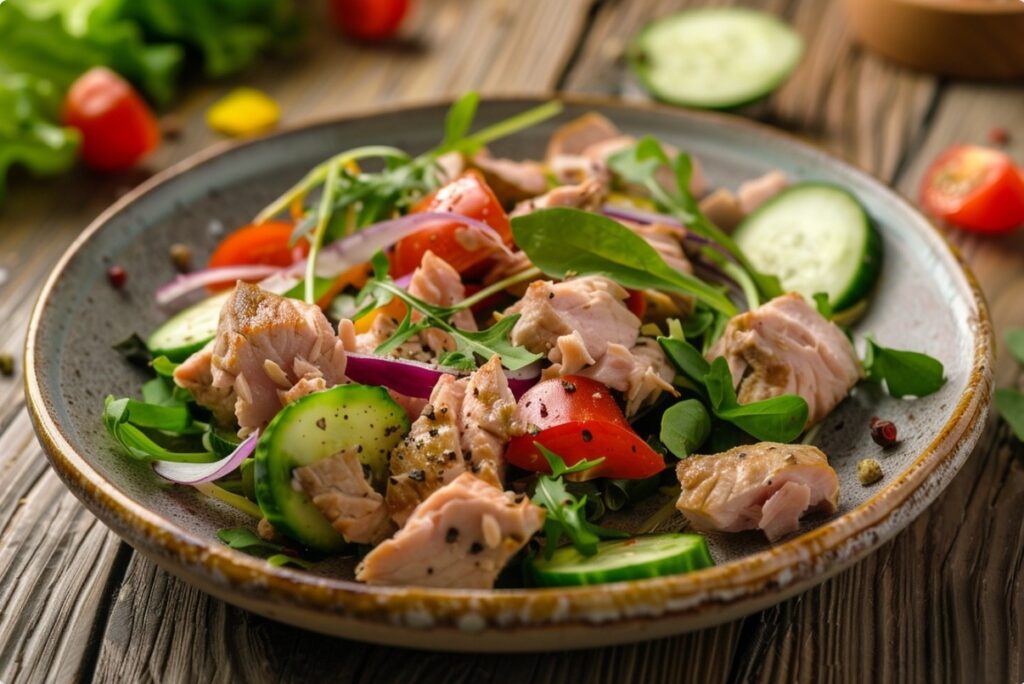
Temperature and texture: how cold sharpens bitterness and warmth makes it obvious
Here’s the funny thing about taste: cold dulls aroma, but it can make bitterness and metallic notes feel sharper. Warmth does the opposite—it opens up aromas, so if there’s an issue with freshness or oil, it becomes more noticeable. That’s why the same tuna can seem fine straight from the fridge, then taste bitter 10 minutes later once it’s sitting in a salad.
You really notice this when the salad sits on the table while everyone’s chatting and going back for “just a little more.” As the fat in the tuna and the dressing softens, aromas lift—and what was barely there suddenly takes center stage.
Real-life home cooking: the “hot pan, cold food” problem has a salad version
At home, people often mix everything straight from the fridge: tuna, eggs, greens, dressing. The salad tastes kind of flat, so they add more acid or pepper to wake it up. Then, once the salad warms up a bit, that extra acid suddenly makes any bitterness feel harsher.
My simple rule: if you’ve got 10 minutes, let the tuna and the dressing sit at room temperature separately, then mix. You’ll taste what’s going on before it’s all combined, and you can adjust in time.
- Quick tip: if you suspect bitterness, don’t add all the dressing at once. Pour in half, toss, taste, and decide from there.
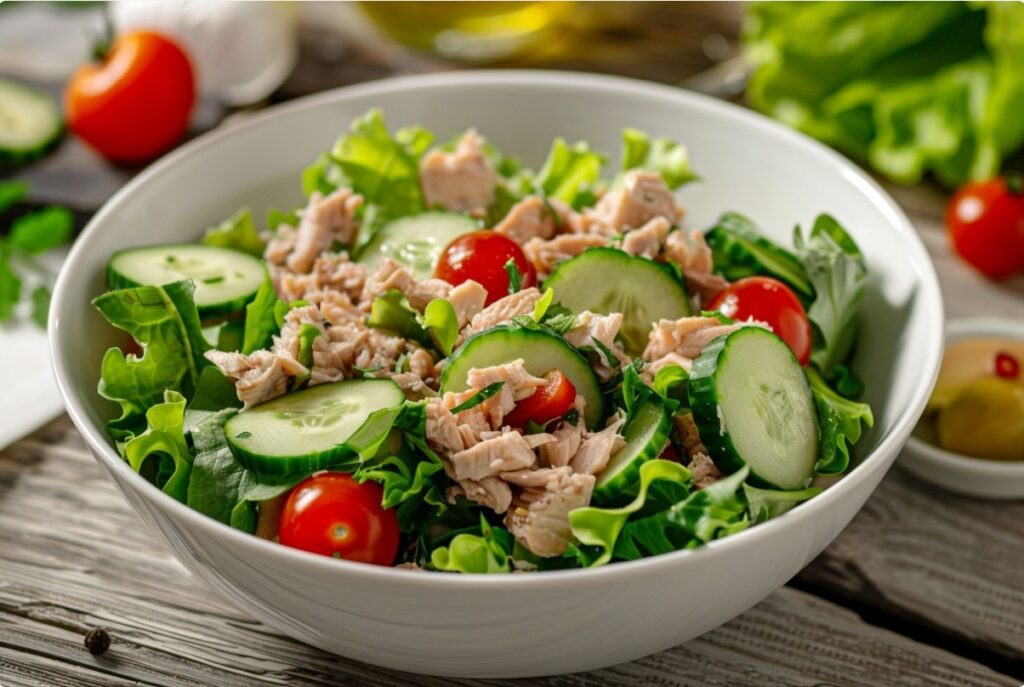
Ingredient pairings: when tuna highlights bitter notes in the salad
Very often, tuna isn’t bitter on its own—it just makes bitterness easier to notice. In salads, a few usual suspects can bring a bitter edge, especially next to fish.
Greens and leaves: arugula, endive, older salad mix
Arugula and endive are naturally bitter. That can be lovely when it’s balanced with something sweet and something fatty. But if the leaves aren’t super fresh (a bit limp, dark edges, that “bag smell”), the bitterness turns rough. Tuna’s umami makes that roughness more obvious.
A quick story from my kitchen: I once threw together a “fast” salad with a mix that had been in the fridge for three days. Looked fine. Tasted astringent—like someone dropped a tea bag into the bowl. The tuna got all the blame, but the leaves were the problem.
Olives, capers, citrus zest: bitterness from skins and brines
Olives (especially in strong brine), capers, citrus zest—any of these can turn bitter if you overdo it or if the product is particularly intense. Zest is a classic: nick the white pith and bitterness is guaranteed. In a tuna salad it reads stronger because the fish fat “carries” citrus aroma and lifts it up.
- Quick tip: when you add zest, take only the thin colored layer, and do it over the salad at the very end—it’s easier to control the amount.
Cucumber, celery, radish: bitterness from peel and “green juice”
Large cucumbers can have bitter peel—especially near the stem end. Celery can taste astringent, and radishes can go slightly bitter if they’re old or overly sharp. Tuna doesn’t always play nicely with these. If the salad tastes bitter in patches, check these ingredients first: bite a piece of cucumber on its own. The answer is often right there.
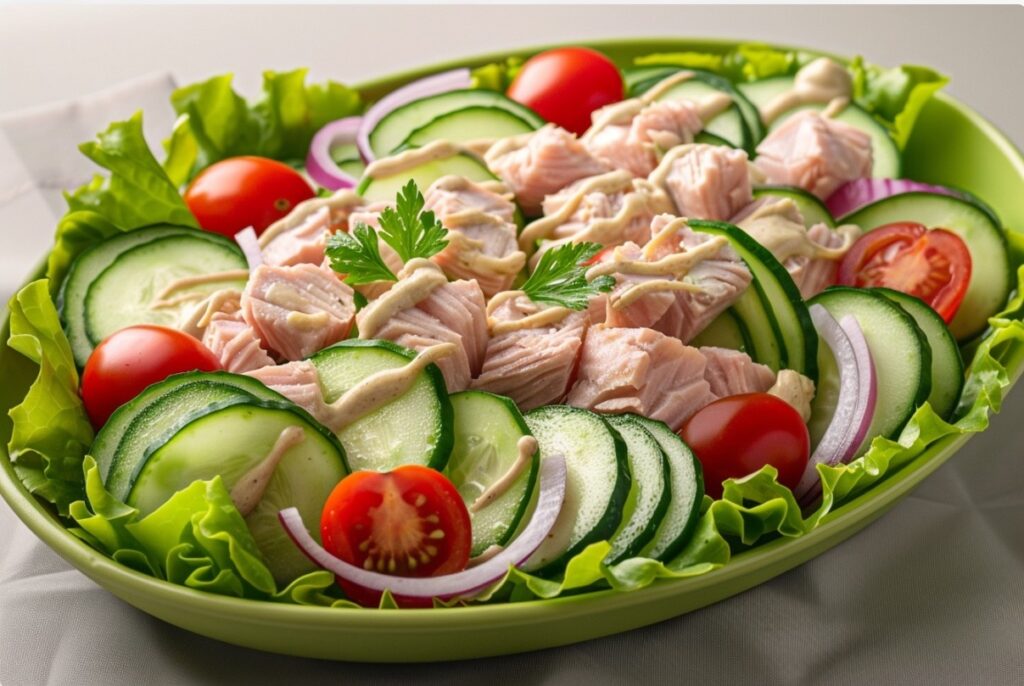
Flavor mechanics: why acid, salt, and bitterness can work against you
This is the part that feels like kitchen “magic,” but it’s really basic physiology. Bitterness gets louder when the balance is off. In tuna salads, the balance is most often thrown off by acid and salt.
Acid highlights flaws
Lemon juice, vinegar, pickled ingredients—amazing with fish. But acid has a habit of spotlighting off-notes: rancid oil, briny “metallic” tones, the astringency of older greens. So if your tuna is right on the edge, an acidic dressing will make that edge obvious.
I’ve watched people try to “freshen up” questionable tuna with lemon. If the fish is iffy, lemon doesn’t save it—it drags the problem to the front. The salad ends up sharper and more bitter.
Salt makes bitterness feel sharper if there’s no sweet or fatty balance
Salt boosts flavor overall. But if there are already bitter notes and there’s no sweet balance (say, no juicy tomato, sweet corn, mellow onion, or even a tiny honey note in the dressing), salt can make bitterness feel more “pointy.”
This isn’t me saying “add sugar.” I don’t love turning every salad sweet. But sometimes literally 1/2 teaspoon of something gently sweet in the whole bowl (or a naturally sweeter ingredient) smooths everything out and removes that bitter edge. It’s not dessert—it’s balance.
Tip: if a tuna salad suddenly tastes bitter after dressing, try adding something soft and rounding: a little extra oil, a pinch of a sweet component, or a neutral “bulk” element (for example, something boiled/starchy, or even a few breadcrumbs on the plate). Sometimes that works better than another squeeze of lemon.
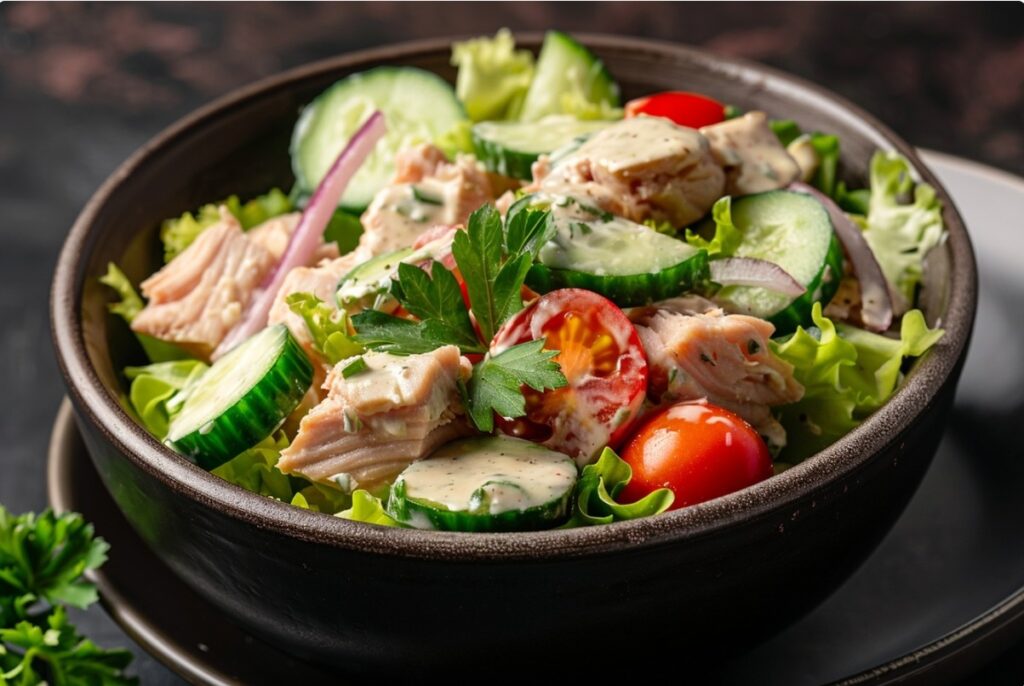
Common kitchen mistakes that lead to bitterness (and how I fix them)
Here’s what I see most often in everyday cooking. Not “mistakes bad people make,” just habits that are easy to fall into when you’re tired or rushing.
Mistake 1: using the can oil without tasting it
This is the big one. People think, “If it’s in the can, it must be meant to go in.” But oil is the first thing that can go off flavor-wise. I always taste a drop. If there’s even a hint of rancidness, I drain it.
Mistake 2: mixing tuna with a very acidic dressing and letting it sit
Acid doesn’t “cook” tuna the way it changes raw fish in ceviche, but it does shift how the texture and aroma feel. If the salad sits for a long time, you can get harshness—sometimes with a bitter edge. I prefer dressing individual portions or adding the acid at the last moment.
Mistake 3: piling on pepper and mustard to “wake it up”
Pepper and mustard aren’t bitterness, but they can create a prickly finish that your brain reads as bitter—especially if the tuna already has a slight defect. Better to fix the base (fat/salt/acid) first, then add heat.
Mistake 4: not tasting components separately
It sounds fussy, but it works. Once everything is in the bowl, it’s hard to find the cause. Taste tuna, greens, and dressing separately and you’ll usually find the issue in 30 seconds.
- Quick tip: if you’re unsure about the greens, rinse them in very cold water, dry really well, and only then mix. A “tired” salad mix sometimes tastes softer after an ice-cold bath.
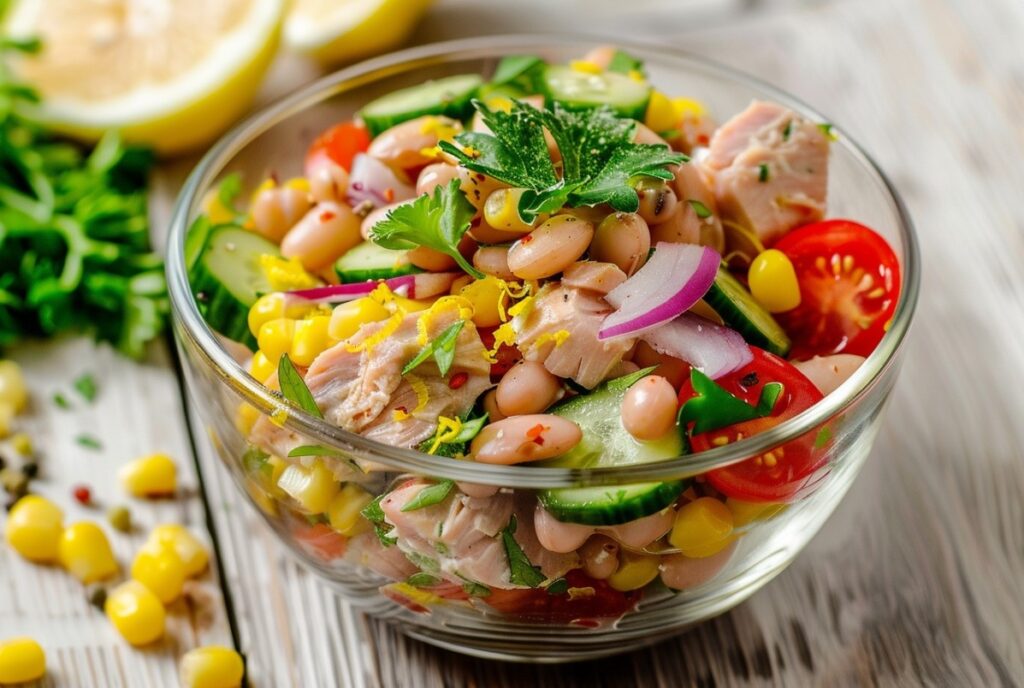
If the salad is already bitter: quick ways to save the flavor
The salad is made, time’s ticking, and it tastes bitter. Tossing it feels wasteful. I usually go step by step—from the gentlest fix to the more drastic ones. The main thing: don’t try to “shout over” bitterness with more acid or more salt. That almost always makes it worse.
Step 1: separate the suspects
If you can, pull out a few pieces of tuna and taste them. Then taste the dressing (on a leaf or a spoon). Often you’ll immediately know what’s bitter: the oil, the greens, or the fish itself. That tells you what to do next.
Step 2: add richness and roundness
If the bitterness is mild, extra neutral fat often smooths it out: a little good-quality oil or another gentle, creamy base. The idea is simple—fat coats the palate and makes the flavor less sharp. But the fat has to be fresh.
Step 3: bring in a sweet or juicy counterbalance
Not always appropriate, but sometimes it saves the day. Add something that brings natural sweetness or juiciness. The point is to pull attention away from the bitter edge and rebalance the bowl.
Step 4: remove the problematic oil/brine
If you suspect the bitterness is from the can oil, rinsing the tuna quickly under cold water, patting it dry, and returning it to the salad with a new dressing can genuinely help. Yes, it’s a “repair job,” but it works.
Step 5: if the fish itself is bitter, be honest and stop
Sometimes the tuna has a stubborn bitter aftertaste and a smell you don’t like even before dressing. That’s where I don’t play hero. If it feels clearly wrong, don’t force it. A salad isn’t the place to compromise with an ingredient you don’t trust.
Tip: when in doubt, taste the tuna before adding acid. If it already has a bitter “tail,” the dressing will only underline it.
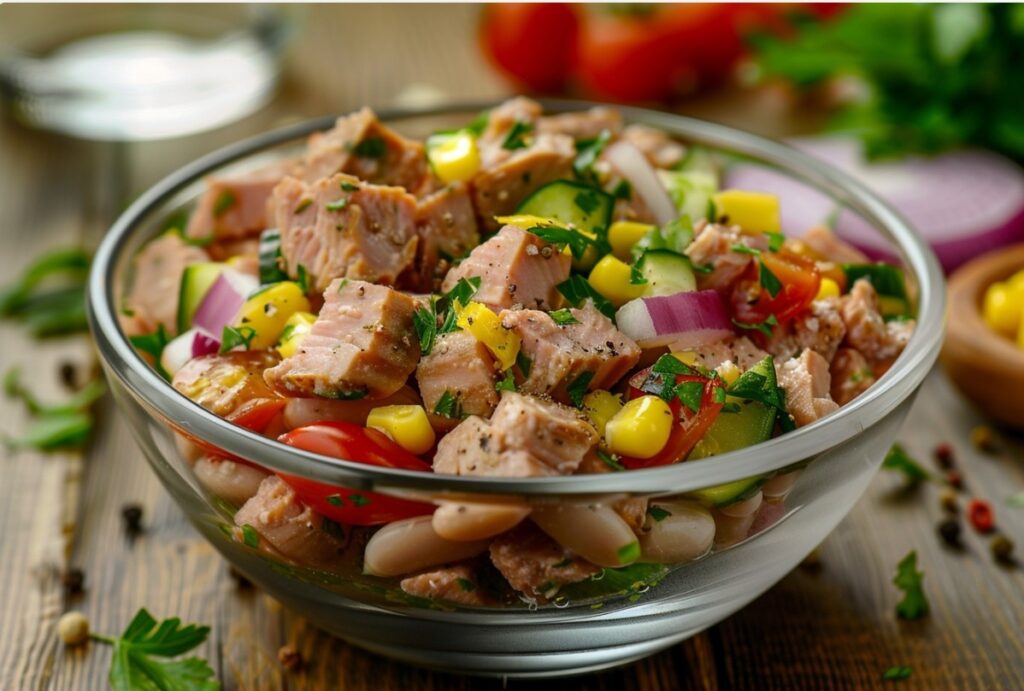
How to choose and handle tuna so it stays tender and smells clean
No “best brands” list here—everyone’s shopping options are different. Instead, here are guidelines that work in pretty much any store and any kitchen.
Signs of a “clean-tasting” product
For canned tuna: the oil/liquid should look clear or evenly colored, and there shouldn’t be a strange sharp smell when you open it. The fish shouldn’t look dull grey-brown and overly dry. For chilled tuna: the smell should be ocean-like but not aggressive; the texture should be firm, not slimy; the color should be even (depending on the type and processing), without spots or dark dried-out edges.
Storage: the small thing that changes everything
I get it—sometimes you buy it, toss it in the fridge, and remember later. But tuna rewards a bit more care. Unopened cans can be stored however you like, but once opened, move the tuna into a container. If it’s a chilled piece, keep it in the coldest part of your fridge and don’t let it bounce around in temperature.
- Quick tip: if you’re carrying chilled fish home on a warm day, put something cold in the bag (even a frozen water bottle). Those 20–30 minutes can genuinely affect the taste.
Tenderness in a salad: how we accidentally “break” tuna
People often mash tuna too finely—almost into a paste. That makes it give off aromas faster, oxidize faster in the air, and absorb bitter notes from greens and dressing more aggressively. I like leaving larger, neat flakes. The texture stays more tender, and the flavor reads cleaner and less harsh.
One more tiny story: I once made a tuna salad for a big group, and someone “helped” by crushing the fish into crumbs with a fork. The salad tasted more bitter even though the ingredients didn’t change. The surface area just increased—more contact with air and dressing—so every unpleasant note got louder.
If I had to boil it down to one thought: tuna salad turns bitter either because of oxidation (time, air, old oil), because of pairings (acid, greens, brine, zest), or because of temperature and waiting (the flavor shifts as the salad sits). Once you start tasting components separately and stop pouring everything from the can on autopilot, the problem almost always disappears.
Now I’m curious: in your case, does the bitterness feel more like rancid oil, “green” astringency from leaves, or something metallic and sharp? Tell me how it tastes and what was in the salad—I genuinely love these little kitchen investigations.
FAQ
Why does canned tuna sometimes taste bitter?
Bitterness is usually caused by lower-quality fish (including darker parts with a stronger taste) or by fat oxidation inside the can due to long storage or poor transport. Good tuna should taste clean and mild.
Why is my tuna salad bitter even if the tuna tastes fine on its own?
Other ingredients are often to blame: older greens (especially arugula or bagged mixes), harsh or old olive oil, or too much lemon juice/mustard throwing off the balance. Taste components separately to pinpoint the culprit.
Can lemon juice make tuna taste bitter?
Yes. A little lemon brightens tuna, but too much can turn harsh and, after 15–30 minutes, read as bitterness—especially in a dressed salad that’s been sitting.
Does olive oil affect how bitter a tuna salad tastes?
Very much. High-quality olive oil may have a pleasant, gentle bitterness, but cheap or old oil can taste sharply bitter and ruin the salad. Taste the oil before using it.
Why does tuna taste bitter after opening the can?
After opening, tuna is exposed to air and the fats start oxidizing, which can worsen flavor within hours. Leaving it in the opened metal can can speed up off-notes—transfer leftovers to a sealed glass or ceramic container.
Can metal affect the taste of tuna?
Yes. Keeping tuna in an opened can can create a bitter or metallic note due to interaction with the metal. Move it to another container after opening.
How can I fix bitterness in a salad that’s already made?
Balance it: add something fatty and mild (yogurt or a little mayonnaise), a touch of sweetness (corn or a tiny bit of honey), or dilute with more neutral ingredients. Avoid adding extra acid or salt to “cover” bitterness.
How do I prevent bitterness in tuna salad next time?
Taste the tuna and the packing oil/brine first, don’t dress too far ahead, go easy on lemon, and store opened tuna properly (not in the can). Build the salad in stages and taste as you go.